 By The UNCHARTED® editors · 7 min read
We spoke with our favorite UNCHARTED Aussies about how their time working in Africa decades ago inspired them to bring the spirit of safari back home.
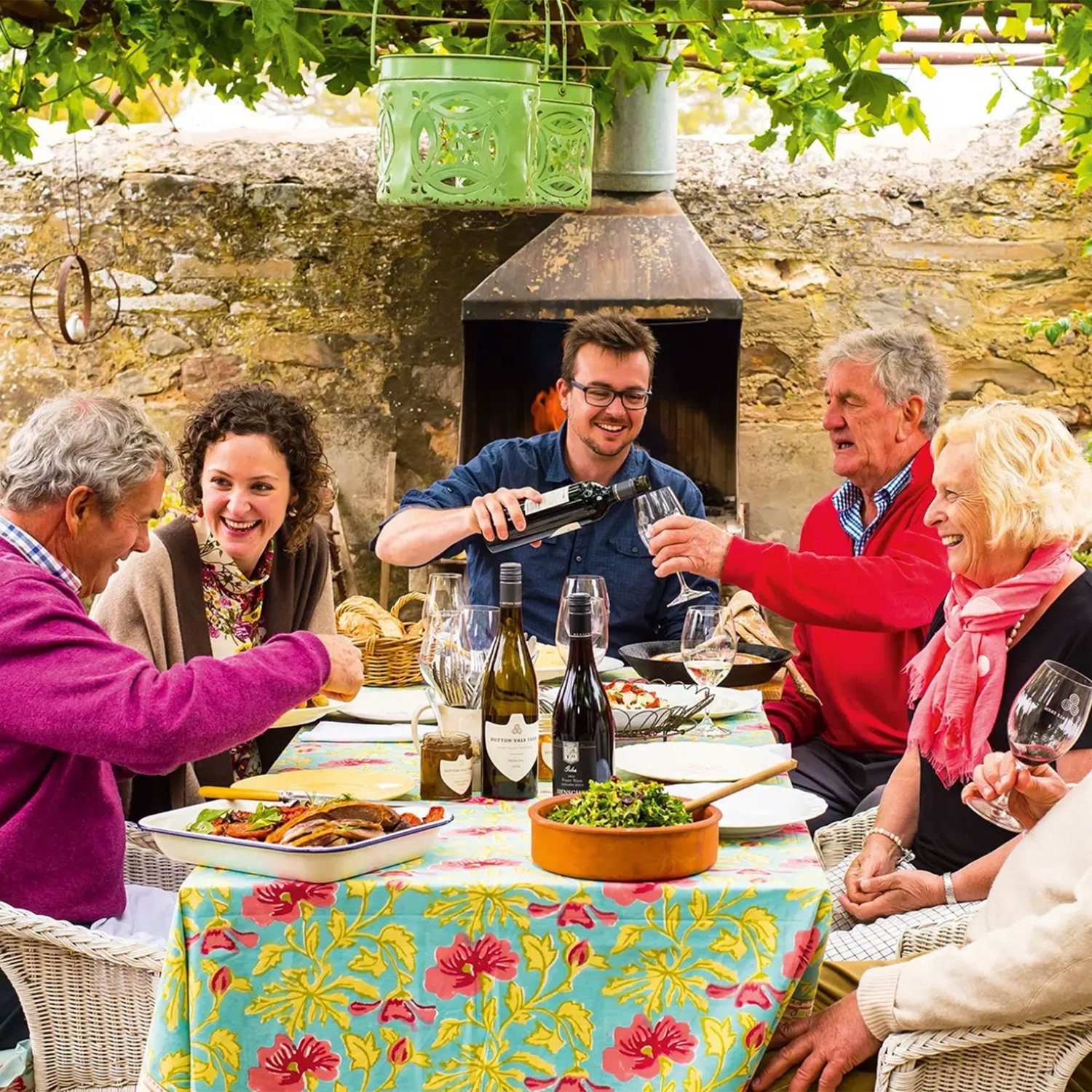
The “four corners” of Oz truly have it all. Along the Great Australian Bight, sip wine from the Adelaide Hills and picnic along the rugged coastline while listening to black cockatoos crack open oak cones, echidnas scuttling up the shore, and penguins calling out for their mates.
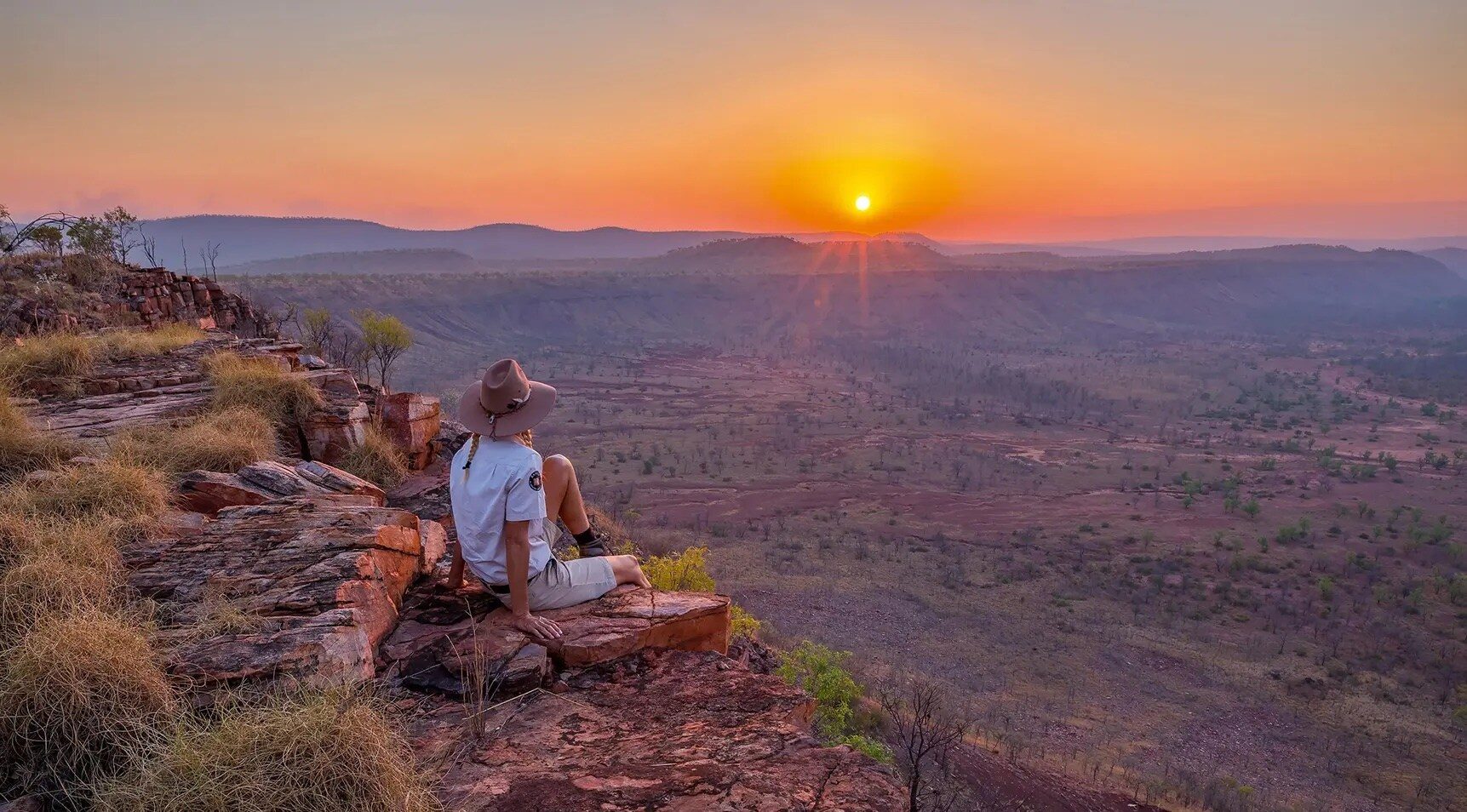
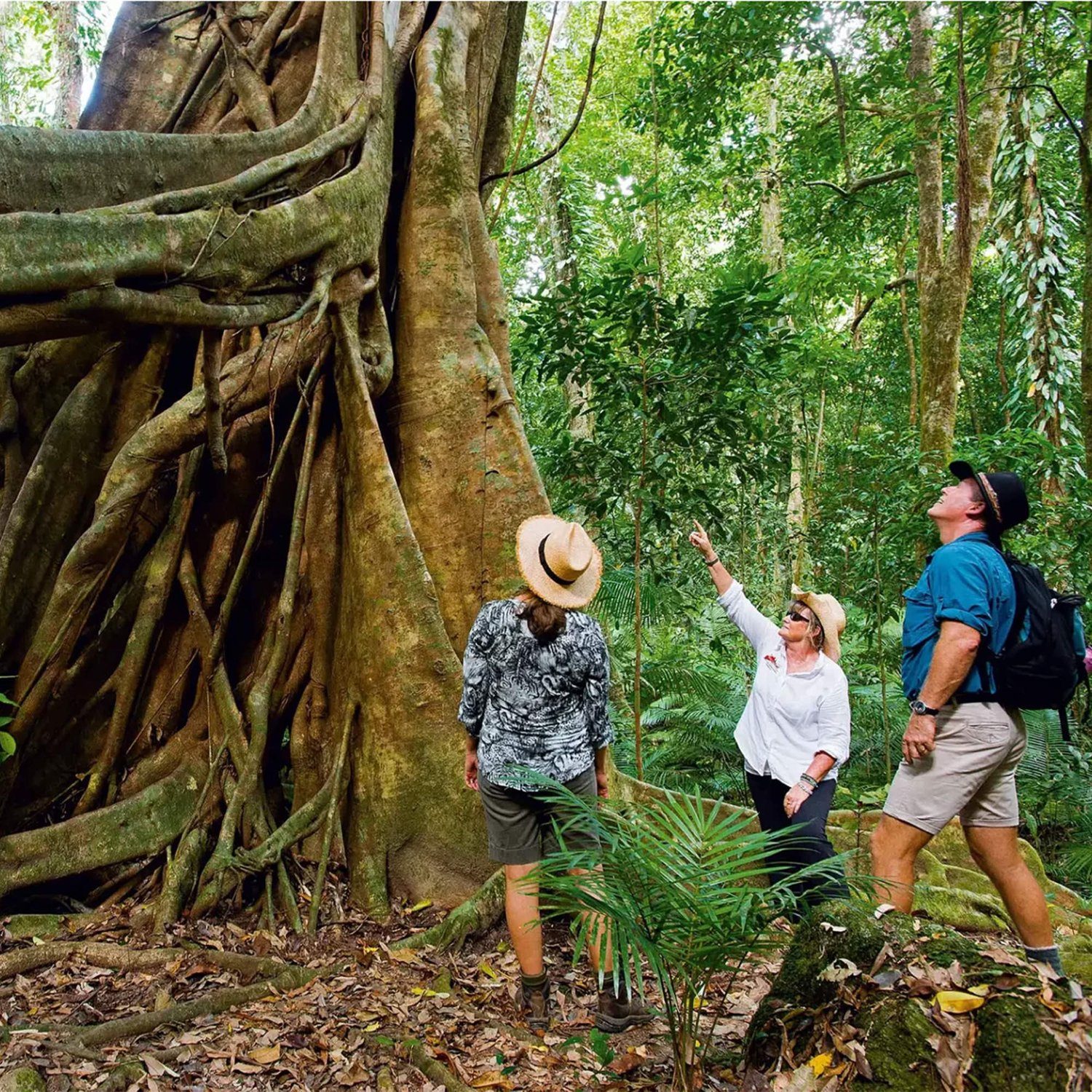
Take in the red dirt and ruddy sunsets of the Outback, including the Flinders Ranges’ ancient seabeds. Follow it up with horseback safaris through ancient gum forests in the Blue Mountains’ Wolgan Valley, and spot an emu under a eucalyptus tree. The vast landscapes of the Northern Territory’s Top End come with sprawling sheep stations and rivers teeming with crocodiles and barramundi. Queensland is all about reefs and rainforests—from swimming with Dwarf Minke whales to strolling down the beach with cassowaries.
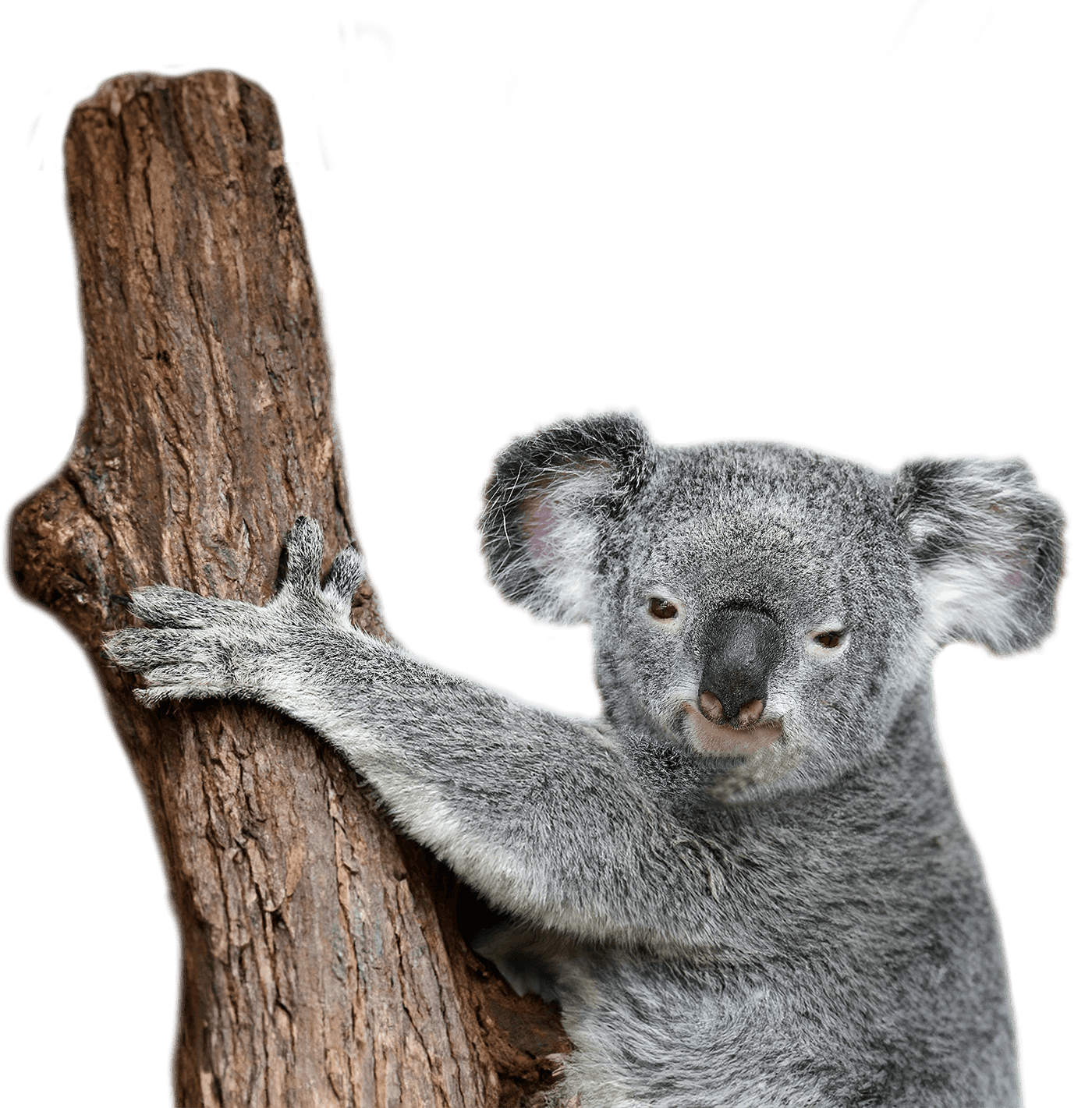
All of this is to say that from kangaroos, koalas, bilbies, wombats, and myriad sea creatures to stellar homesteads, camps, and lodges, the abundance of wildlife and outposts on this continent exemplify so many elements of the traditional African safari—including superb hosting and field guiding.
We spoke with our favorite UNCHARTED Aussie operators, Drew Kluska and Craig Wickham, about how their time working in Africa decades ago inspired them to bring the spirit of safari back home.
“There is an increasing demand for wilderness and pristine biodiversity as a luxury experience,” says Craig. “You can check all the boxes of grandeur in a traditional sense, coupled with deep knowledge and ties to the region.”
Q: You two pioneered the concept of “safari-ing” in Australia. Talk to us about your background, how your time living in Kenya and South Africa influenced you, and how the spirit of safari has translated over to Australia.
DK: I knew that travelers wanted incredible guides connected to the land, trips where they could find connections with locals. That sort of thing hadn’t really happened in Australia before. Australia is one of the last true great wildernesses on earth. You can really get that remoteness, that feeling of the untouched. I felt this way then but now, in 2023 and post-COVID, even more. I really believe that wilderness and pristine biodiversity is the new luxury. There's absolutely no doubt because it's becoming rarer and rarer.
Drew Kluska: After a childhood in rural South Australia, I started out in Kenya managing Wilderness Trails Lodge at the Lewa Wildlife Conservancy—this is where I first met Chip and Sandy, UNCHARTED’s founders, thirty-some years ago, through the Bush Homes of East Africa group. It was all about small, intimate access in wild places, right outside of your tent and vehicle, and it had a significant influence on me. I thought, “let’s go find, or create, these equivalent experiences in Australia. Why is no one offering this there?” I returned to Australia in 1997, and I spent the better part of two years looking for these experiences all around Australia. In fact, Craig was the very first person I met with. He was really the only person that was doing anything remotely safari-like in Australia at the time.
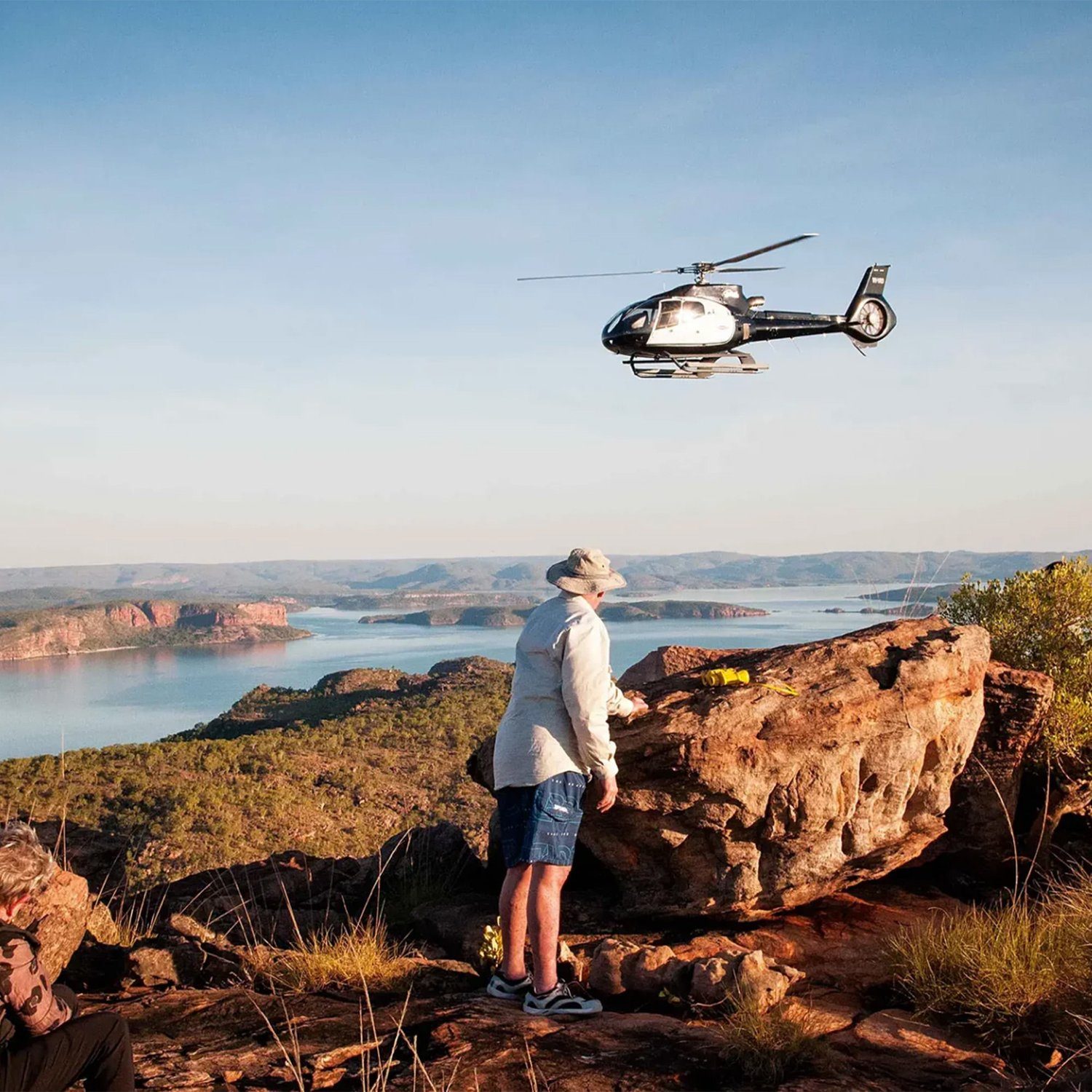
Moreover, land owners are joining up with the Australian Wildlife Conservancy, which happens to be the single biggest landowner in Australia. They’re turning their properties into nature reserves, working homesteads, and luxury lodges. These are things that were happening 30 years ago in Kenya—and now it’s happening here. There’s a growing trend of conservation and regeneration efforts in Australia, and the potential for businesses to partner with organizations like the AWC to gain access to these areas and showcase their unique offerings.
Between bringing the Bush Homes concept here and our conservation work, I think we’ve had a massive influence—from Finniss River Lodge to Arkaba, which has turned into one of the biggest private conservancies. But to me, where I think that we've really done a good job is in finding those kinds of experiences that exceed expectations, that level of pristine remoteness and exclusivity.
Craig Wickham: After growing up on Kangaroo Island in a family already in the tourism business, I got a degree in Wildlife and Park Management, studied in South Africa, and worked with national parks across South Australia, before returning to Kangaroo to blend my background in environment and hospitality. I believed owner-operated businesses tend to have a stronger connection to a place and a greater sense of responsibility for its preservation and success.
"Land owners are joining up with the Australian Wildlife Conservancy, turning their properties into nature reserves, working homesteads, and luxury lodges."
Q: Speaking of tailored experiences, how do guiding and hosting go hand in hand in Australia?
There are a lot of people who are keen to see wildlife, but who also want to be well looked after and experience the good things in life while traveling. So those things come together intrinsically while safariing in Australia. We place a strong emphasis on hospitality while also respecting the animals’ space and tuning into the sights and sounds of the environment.
CW: You've got to identify people who've got fire in the belly. They've got to want to share it, their home and roots. And then the other bits—the logistics—fall in line. You can have the most spectacular property, but that only goes so far. All it is is just a very expensive bed in the middle of nowhere. So when travelers connect with someone locally who can then reveal what a special place it is, the magic starts to flow. You can check all the boxes of luxury in a traditional sense, but luxury in our sense is from our deep knowledge and ties to the region.
DK: It works from conservation, preservation, and client experience point of view. The guiding level in Africa is generally next level, right? Craig's level of guiding is what sets him apart from the rest of Australia—we don’t have the same history of guiding Africa does, but we’re changing that. Craig also has privileged access because he's a local, and can change safari details on the fly. If he’s chatting with a guest and discovers they are really into vintage wines, or are keen to go to an olive grove and do a tasting, then that can happen.
DK: I think you've nailed it there. If people are passionate about their environment, about their place, ultimately they're going to look after the environment. They'll convey those hidden things because it's part of who they are. That's where the magic is.
CW: Or if they want to have a bushwalk with Dr. Peggy Rismiller, the world expert on echidnas. The fluidity of an opportunity through a conversation with the guests—that’s something travelers really love.
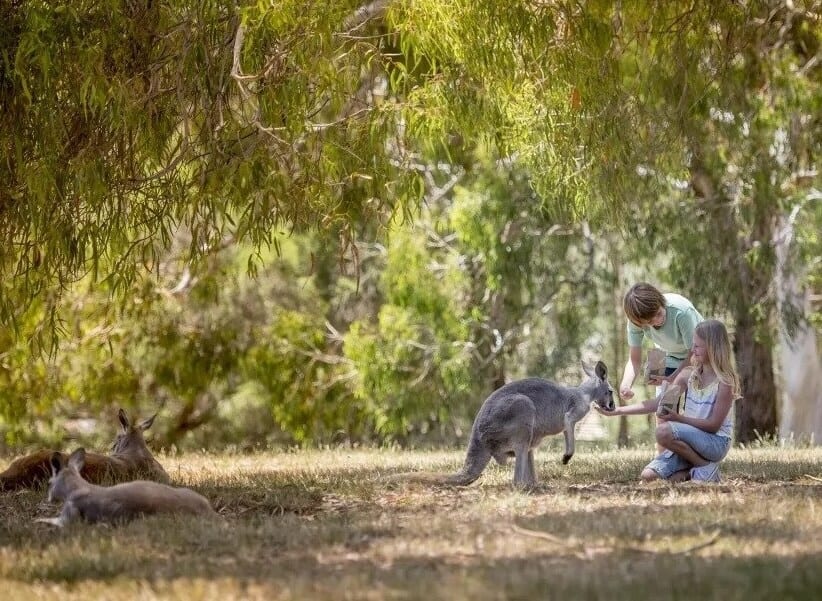
CW: There needs to be an emphasis on both personal connections and small, intimate wildlife encounters. For me here on Kangaroo Island, spotting wallabies or goannas on a game drive is amazing. We’ve had the opportunity to have some influence over how the island develops in a guiding sense – observe animals at close range, but at a respectful distance. They’re giving us the privilege of being in that space with them, they’re in charge.
DK: This sense of personal connection and privileged access is absolutely critical. One of the things I say about travelers in a post-COVID world is that they don't want to observe, they want to participate–and that's what being on safari is about.
CW: It's a balance. There's a sustainability element—the wildlife populations and nature, but there's also an important part of the whole safari experience that has to do with social sustainability—a sense of connection to community. That is my job as a guide, to be a positive interface between our nature, our history and culture, and our guests.
We also have a tight community of farms and distilleries producing olive oil, wine, gin, and sheep’s milk, so we’ve amped up the element of hospitality. We can take guests out on a game drive and pack lunch—we’ll set up a canopy overlooking a rugged coastline and serve up grilled halloumi and King George Whiting drizzled with lemon and white wine. Or we’ll picnic in the bush and listen to the birdlife or the thump-thump of kangaroos hopping by.
DK: You need a special type of person to do this.
"There needs to be an emphasis on both personal connections and small, intimate wildlife encounters."
UNCHARTED™ is a high-end adventure-travel company that designs, plans, curates, and executes unforgettable travel experiences. If you can dream it, we can make it happen.
Once you submit your form, we’ll get back to you with ideas, options, and logistical insight to begin planning the trip of your dreams. It’s as simple as that.