
 Drew Kluska
In conversation
Drew Kluska on building the Global Safari in Australia
Let’s back it up to Lewa Downs, because this is the foundational experience — where it all hatched.
Back in Australia, I was an agronomist who knew about crops, cereal farming, wheat and canola, things like that. They were doing some farming up at Lewa and a college friend knew that Will and Emma Craig were looking for help. I went for two months and stayed two years! … My eyes just opened — I realized how sheltered and naive I was until I went to Kenya and saw this whole different world. It was just beyond what I could have imagined. These guys had been doing tourism for 70, 80 years. It was already in their blood. And it just set a light bulb off in my mind: If this can work so well here, we could do the exact same thing back in Australia.
Obviously the major difference is you don’t have the Big Five. So how did you think about compensating for that?
Australia is one of the great megadiverse continents of the world. We do have interesting wildlife. It’s just very hard to see, and very different to what other parts of the world have.
We have our own Big Five: indigenous culture, the Outback, Sydney, the Great Barrier Reef, and wildlife. Get those five things into a trip and you’ve got something extraordinary.
Some people come to Australia and don’t even see a kangaroo. With just a little thought they can see thousands. I’ve found the best place to see koalas in Australia and we built a whole trip around that experience. Then we take them to the epic Outback — not the vanilla Outback. The Kimberleys, the Top End, Central Australia, the Flinders Ranges — where you can experience things in comfort and style, but on a huge scale.
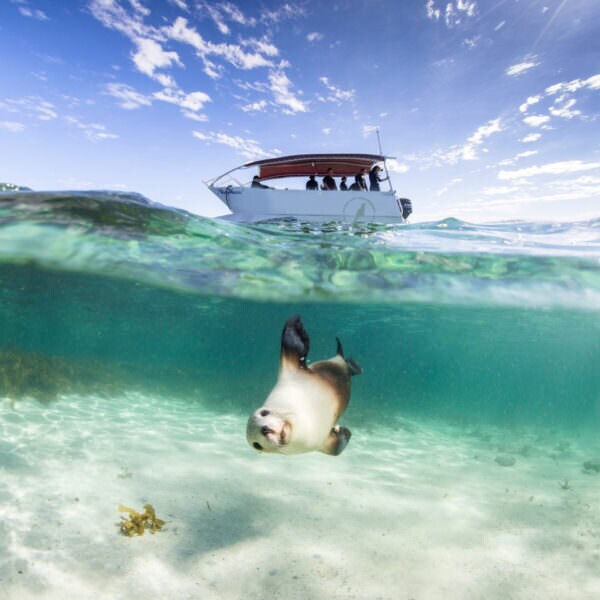
And when most people sell the Great Barrier Reef, they’ll fly clients into islands or take them to Cairns and have them travel two hours out to the reef. We put them on an island — Lizard, Orpheus, Haggerstone — or on a boat with incredible marine biologists who know everything about this area, where the coral is pristine.
What was the core principle at the outset?
I knew that travelers wanted incredible guides who’re to the land, trips where they could find connections with locals. That sort of thing hadn’t really happened in Australia before. Australia is one of the last true great wildernesses on earth. You can really get that remoteness, that feeling of the untouched. I really believe that wilderness and pristine biodiversity is the new luxury because it’s becoming rarer and rarer. Privileged access and the sense of personal connection is absolutely critical. People aren’t part of the experience — they are the experience.
How has your Australian safari circuit evolved?
We probably have 35 operations across Australia we really, really trust. Everything from incredible guides in the Northern Territory to rock art, to Aboriginal elders, artists — we have the whole gamut. Whether it’s horseback riding in the high country or someone that wants to do a motorbike safari along the Canning Stock Route with a Grand Prix 500cc motorbike rider. We know where to get absolutely everything now.
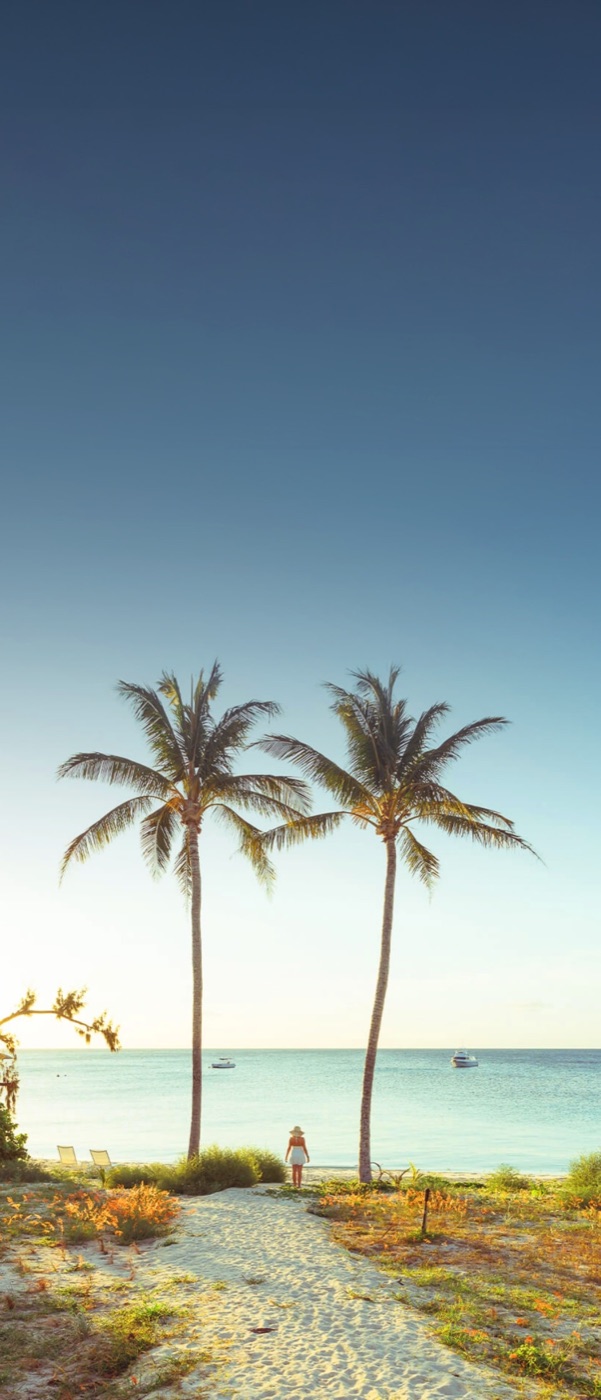
Now that you have curated this portfolio and you consider it mature, you’re adding to it by developing your own branded properties. What’s up?
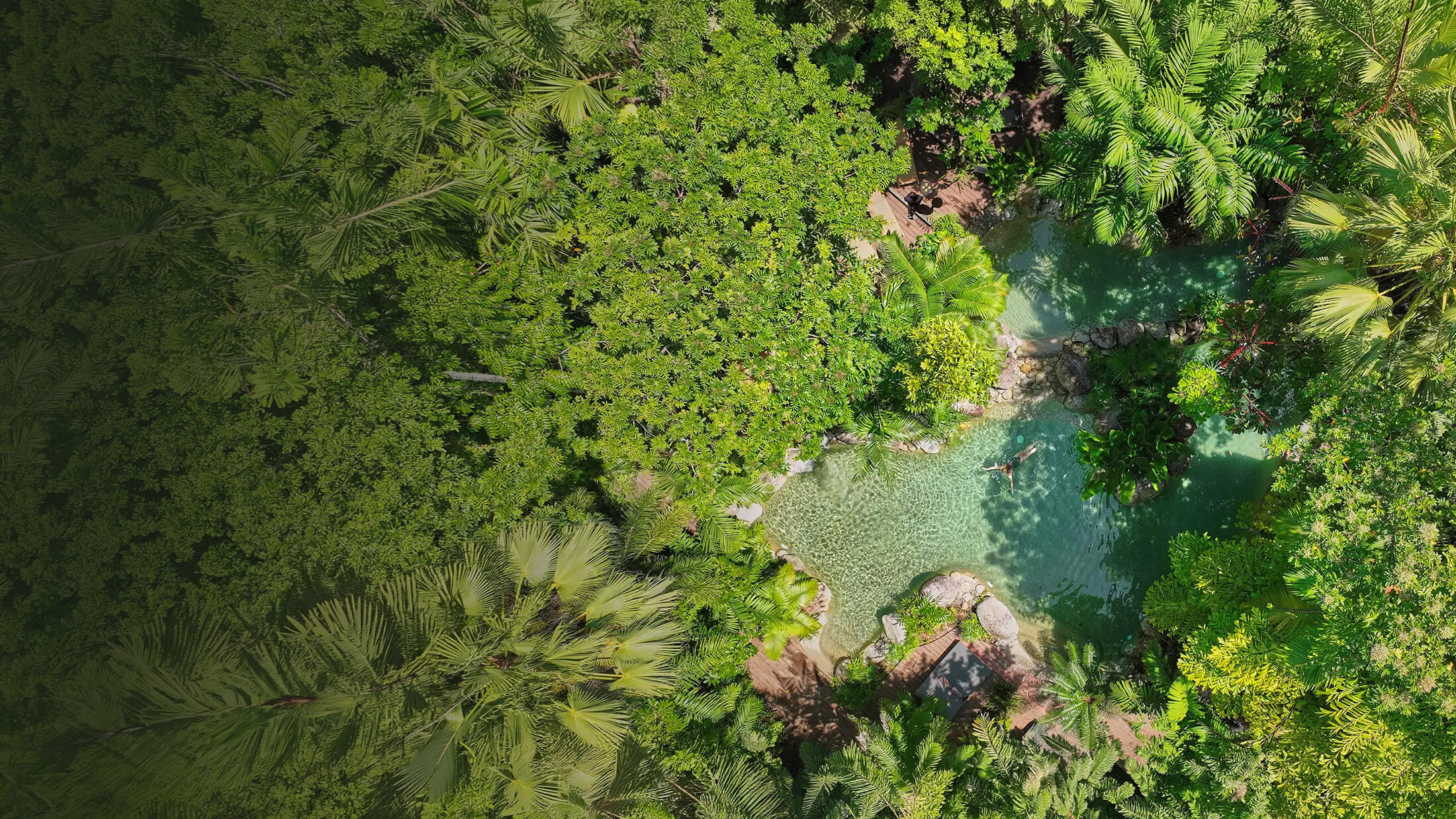
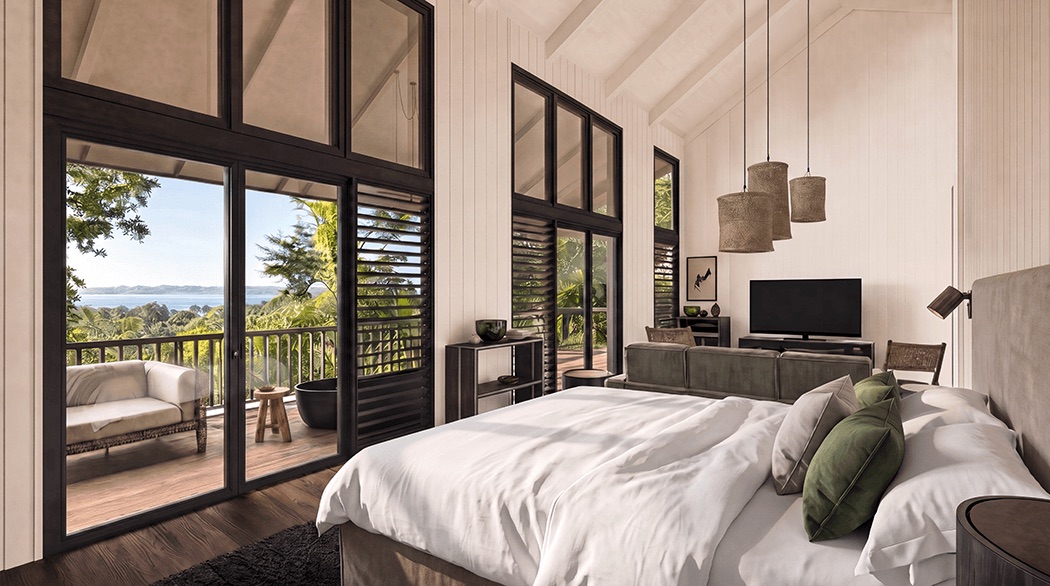
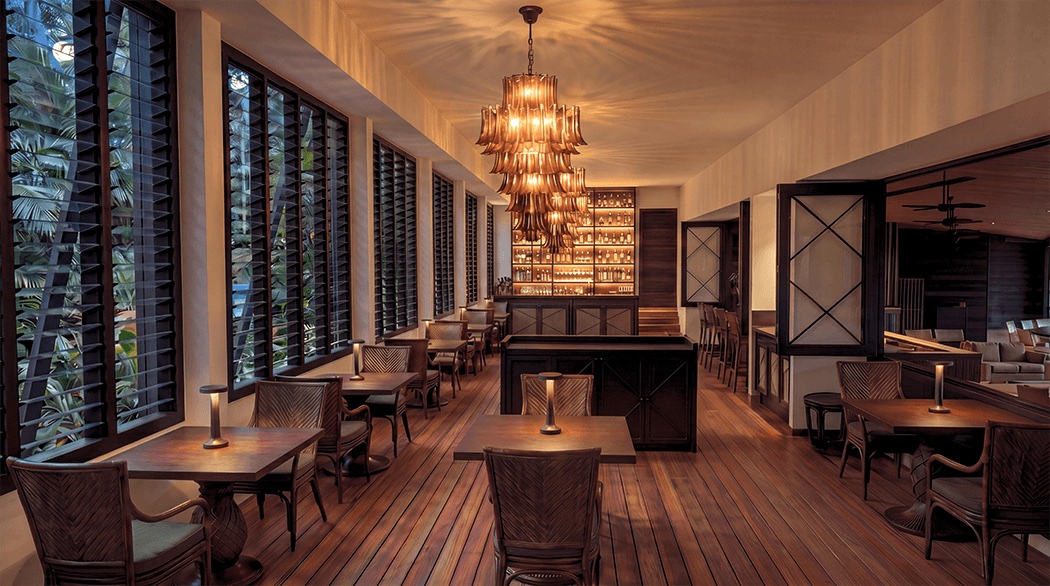
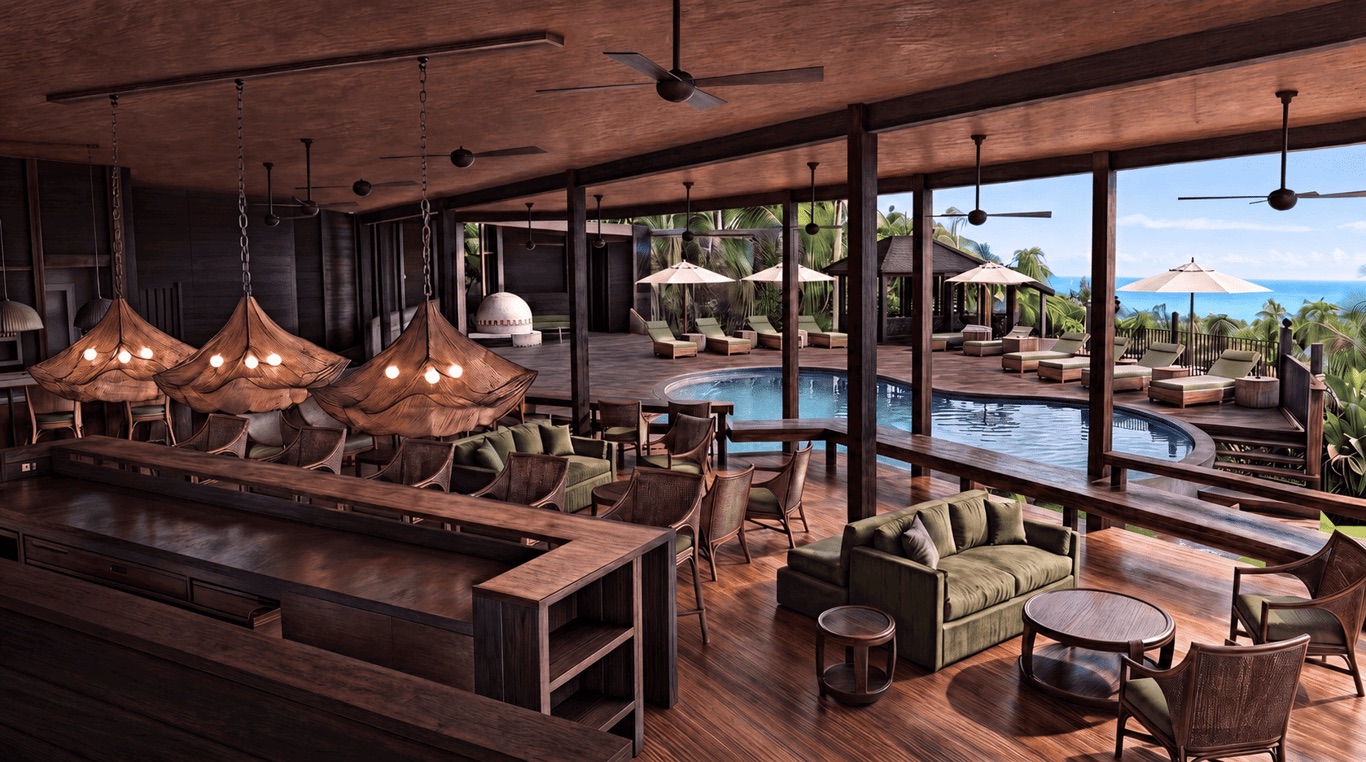
Bloomfield Lodge in Far North Queensland will be our first to open under the Ever banner, with doors opening in November 2026. It sits at the edge of the Daintree, which is the world’s oldest living rainforest and with the Great Barrier Reef just offshore. It’s an incredibly rare position geographically, and we’re building something that honours that. Sir David Attenborough called this region “the most extraordinary place on Earth,” and for those fortunate enough to experience it deeply, it has a way of changing how you see the world. That is precisely what Ever Bloomfield is designed to do.
Read more about Ever Bloomfield in our Queensland roundup.
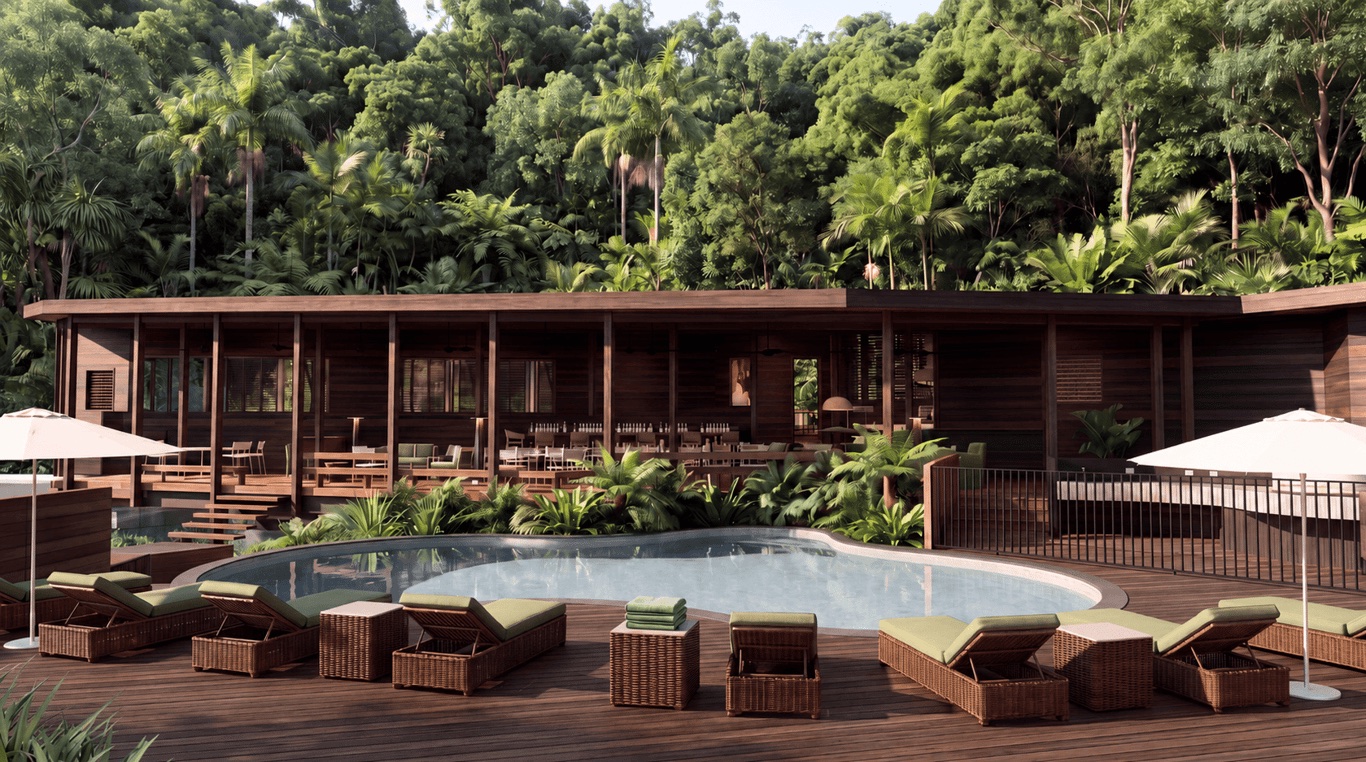
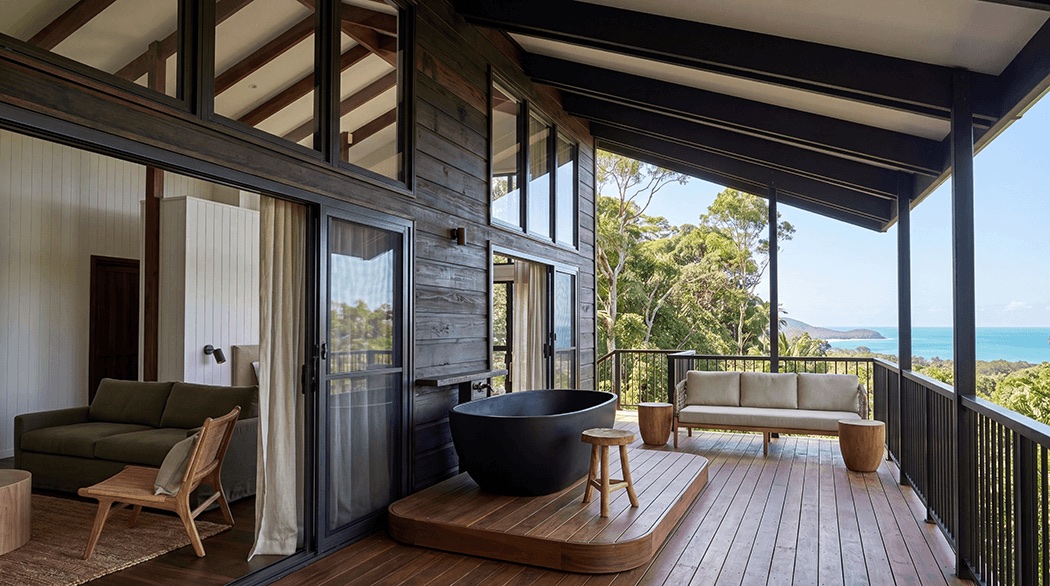
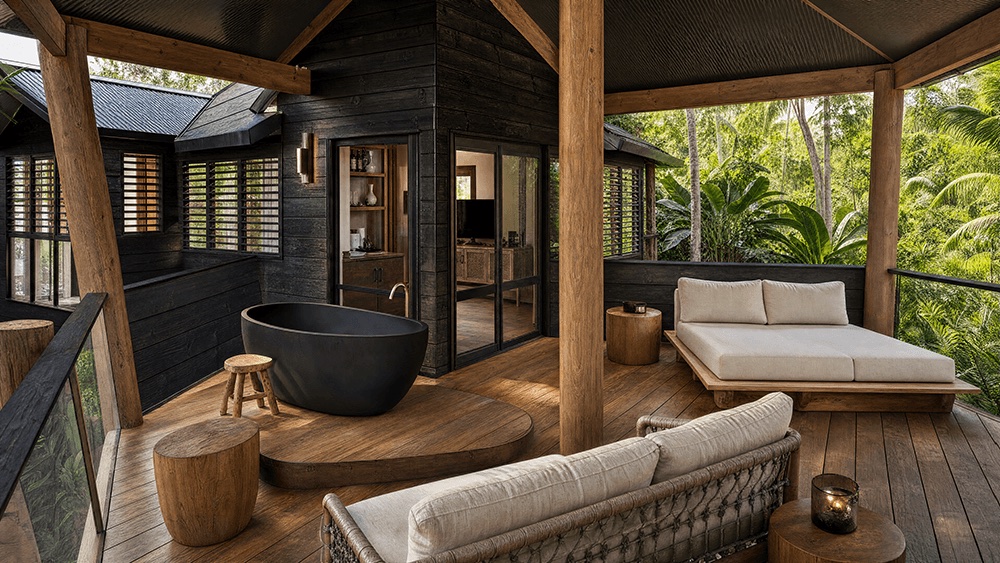
Are there others in the pipeline?
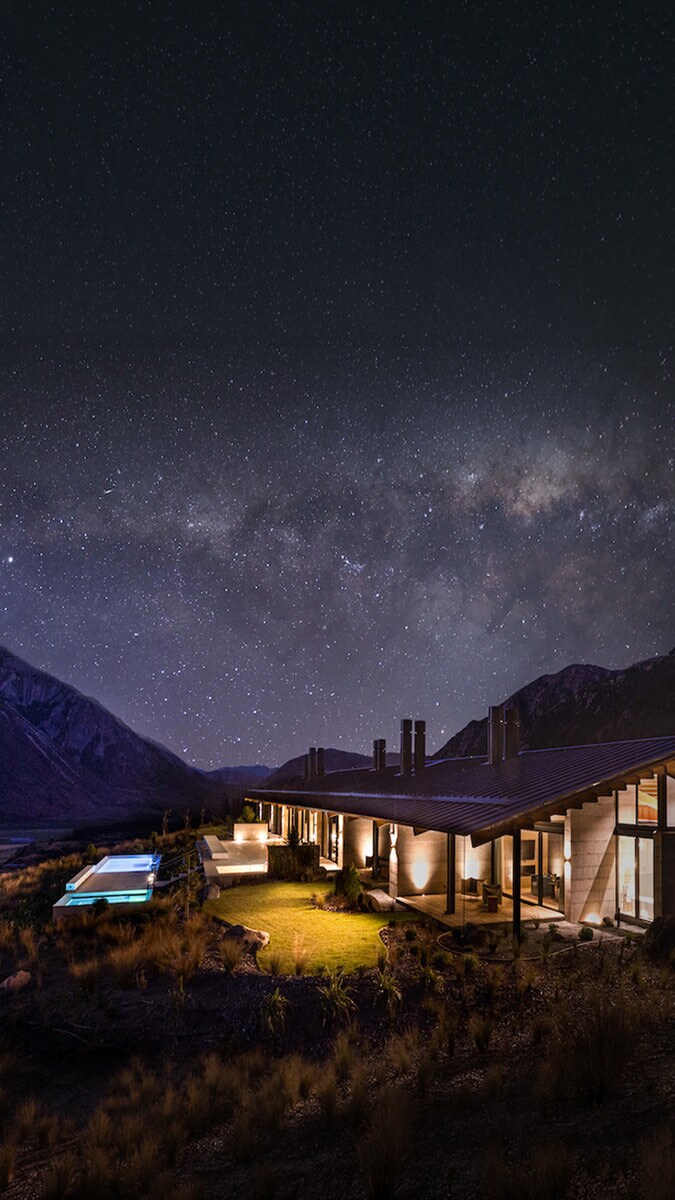
Very much so. One is a coastal island homestead undergoing a staged refurbishment, another a remote wilderness offering encounters with wildlife found nowhere else on Earth, and a third set deep in one of Australia’s most dramatic and under-visited Outback landscapes.
What is your vision for this new collection?
Ever Lodges and Camps is a collection of deeply place-specific Australian properties, not as a lodge group in the conventional sense, but as a portfolio of experiences that simply couldn’t exist anywhere else. Each property is chosen because it sits at the intersection of extraordinary landscape and genuine human story. That’s the thread connecting all of them. The vision is straightforward but hard to execute: create experiences that are genuinely non-comparable. Not better than somewhere else, just completely unlike anywhere else.
After nearly 30 years curating Australia for some of the world’s most discerning travellers, what I’ve learned is that the properties people remember forever are never really about the hardware. The accommodation is definitely important and it needs to be beautiful, comfortable, and deeply considered, however it’s never the hero. The hero is always the person standing beside you in the landscape, helping you see what you’d never have seen alone. The right guide, in the right place, with the right guest – that convergence is what creates something unrepeatable.
We aim not to stage experiences, rather we create the conditions for something profound. We don’t talk luxe in the traditional sense, instead we live meaning. At its heart, Ever is built on the belief that the most extraordinary experiences come not from what you’re shown, but from what you’re made to feel. We often wonder why can’t Australia have some of the most soul-stirring lodges in the world? Obviously we believe it can.
Final thoughts?
The more I’ve come to understand tourism and what makes people tick — people don’t need more, they need real. These clients we look after, they have everything. But what they really thirst for is the real. You have to create the right environment for the profound to happen. Travelers don’t want to observe, they want to participate – and that’s what being on safari is about.