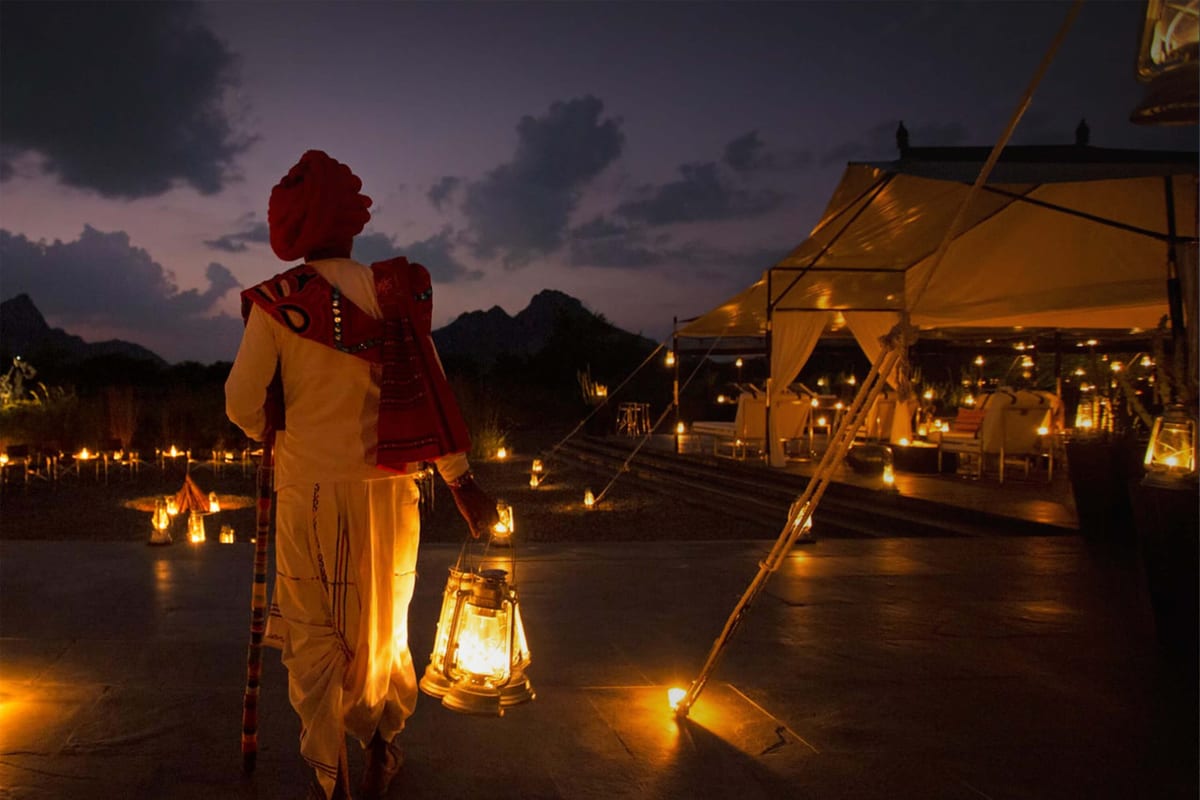
 By The UNCHARTED® editors · 3 min read
Most safari destinations are built around wildlife that has been protected, fenced, or formally managed. In the Jawai Bandh region, leopards walk through villages, rest on temple rooftops, and move across working landscapes without reserve boundaries or park gates.
WHEN TO GO
October – March
IDEAL FOR
Couples &
Wildlife Lovers
The cats are free because the Rabari community has long believed they should be. The cats are regarded as semi-divine and unthreatening. Across generations, this spiritual reverence has become conservation practice, creating a rare example of sustained coexistence between people and large predators. SUJÁN Jawai camp places guests in the midst of that enchanted domain.
GEOGRAPHY
Aravalli Granite Hills
TOP EXPERIENCE
Tracking Leopards
Rajasthan makes you feel like time is moving differently, and nowhere more so than in the Jawai Bandh. Here, in the ancient Aravalli hills, enormous domes of pale granite rise from dry grassland, leopards move around in full daylight, and Rabari herdsmen bring their flocks through the same passes they have used for centuries. In December 2013, Jaisal and Anjali Singh opened SUJÁN Jawai as a safari camp with a singular premise: that the most extraordinary wildlife experience in India was already here, and simply needed a place for guests to stay and witness it. For their success in manifesting this vision, they earned a
2026 Global Safari Award.
The Camp:
A Family's Life Work
The Singh family's connection to the Indian wilderness predates this camp by decades. Jaisal's parents, Tejbir and Malvika, were wildlife documentary filmmakers who documented Rajasthan's tigers and people through the 1970s. They co-founded the Ranthambhore Foundation in 1988, and Jaisal grew up in the jungle. SUJÁN Sher Bagh, their tented safari camp at Ranthambhore, opened in 2000 as India's first positive-impact safari operation. Jawai came thirteen years later, described by the founders as their most ambitious project.
The camp sits in the Pali district, equidistant between Jodhpur and Udaipur, each about 160 miles away by road. With just ten tented suites, it keeps the safari experience intimate. The Tented Rock Suites each have private decks with sweeping wilderness views. The Felidae Suite pairs two connected tents for families. The Royal Panthera Suite is a private safari encampment with its own heated pool, lounge, and dining tent. Eden at Jawai, the largest configuration, sleeps six with a private pool, boma, and dedicated team. All suites carry Platinum LEED certification.
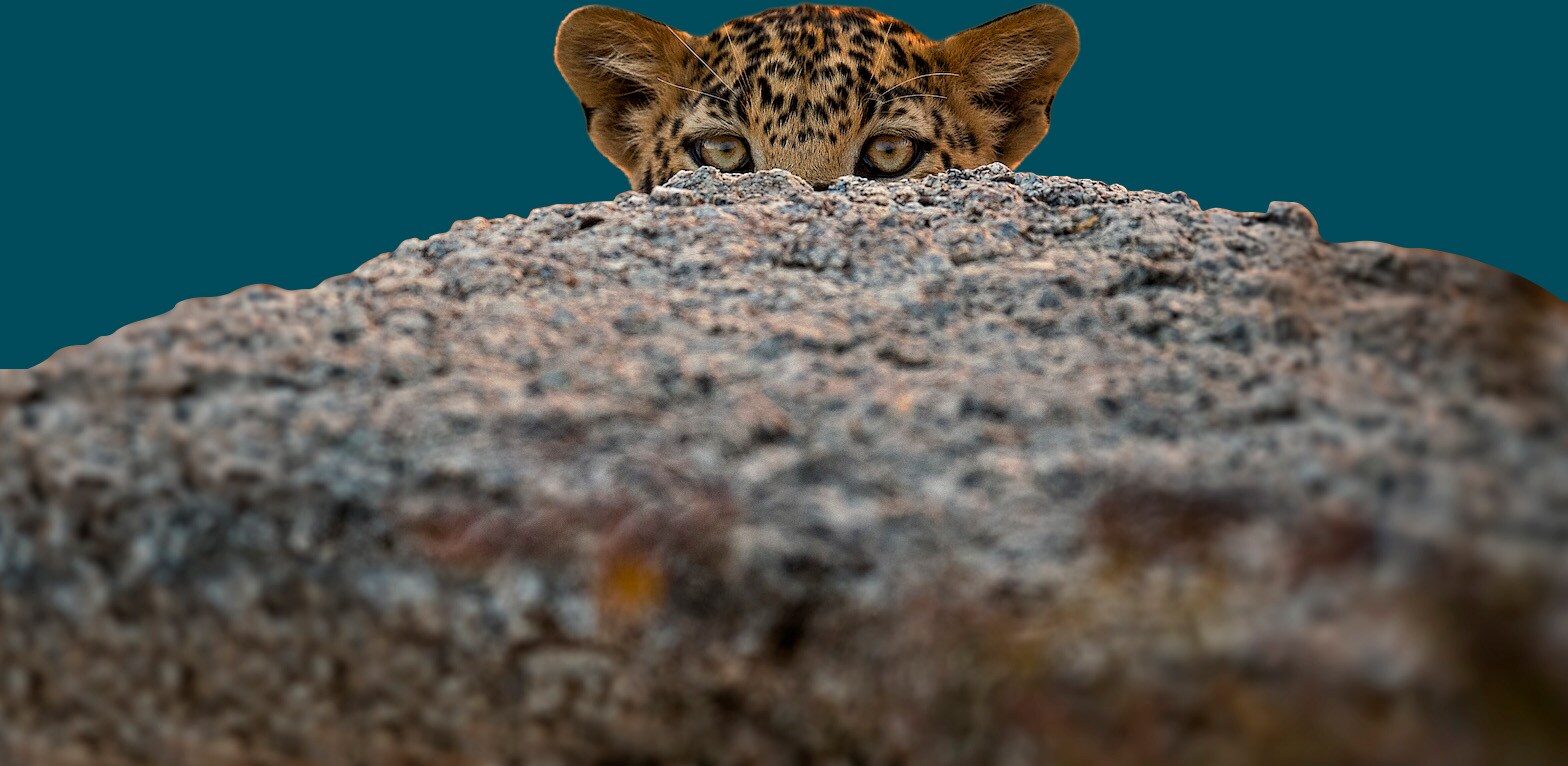
The Safari:
Leopards, Temples, and the Rabari
Twice-daily safari drives anchor the Jawai day. Open vehicles go out with naturalists trained on this specific terrain, and the wildlife density here is exceptional. Jawai's leopard population is among the highest in India outside a formal reserve, and the sightings reflect their comfort level. These are not cats glimpsed briefly at forest edges. They rest on sun-warmed granite in full view, move through villages at dusk, and have been doing so long enough that neither the leopards nor the people find it remarkable. They share this remarkable habitat with antelope, wild boar, and more than 245 bird species, including the Indian Rock Eagle Owl, Green Bee-Eater, and seasonal migrants (flamingos, demoiselle cranes, bar-headed geese) drawn to the Jawai Bandh reservoir, the main site for birding excursions.
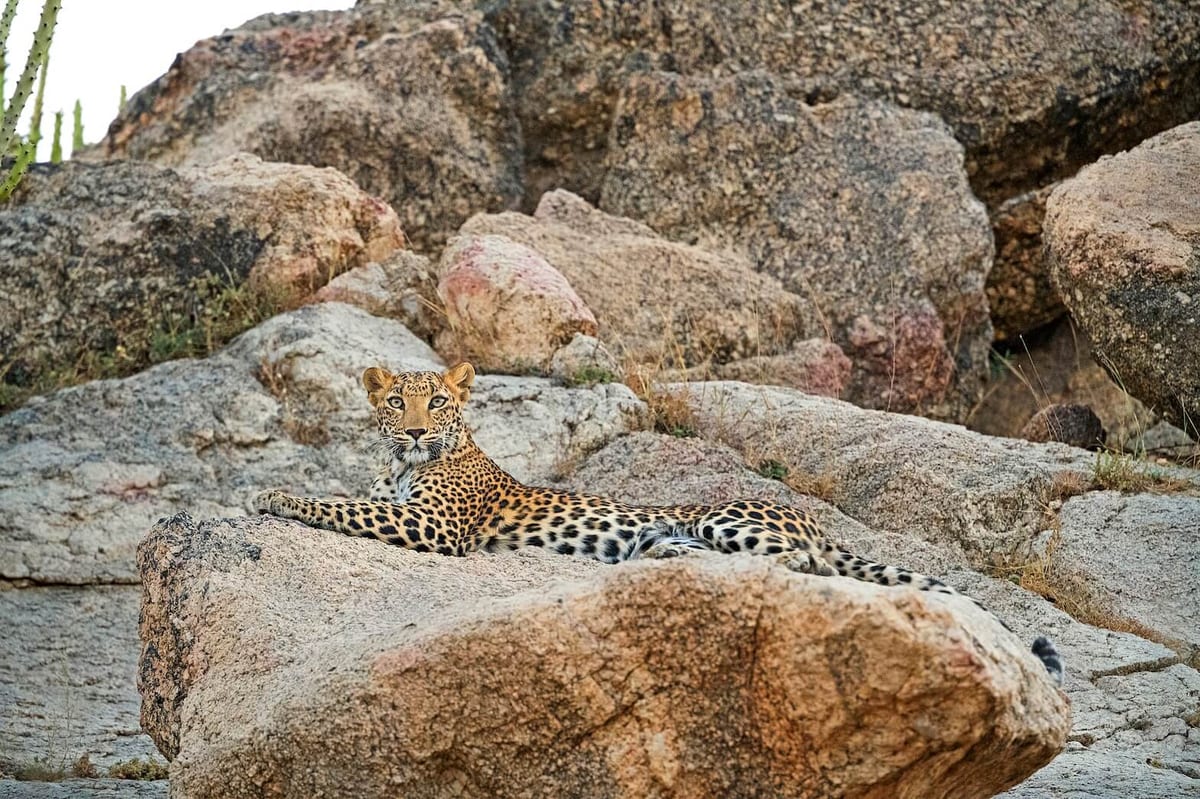
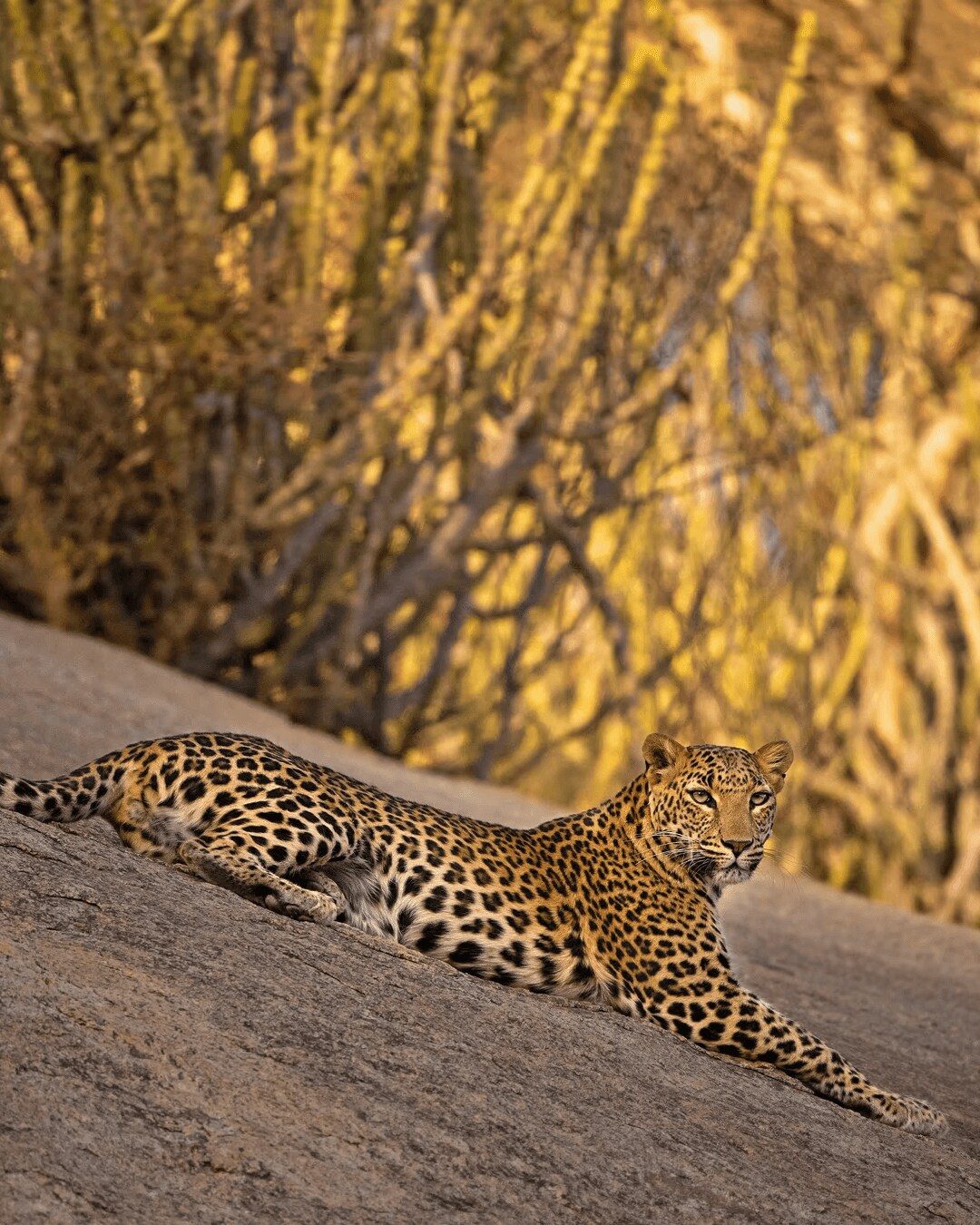
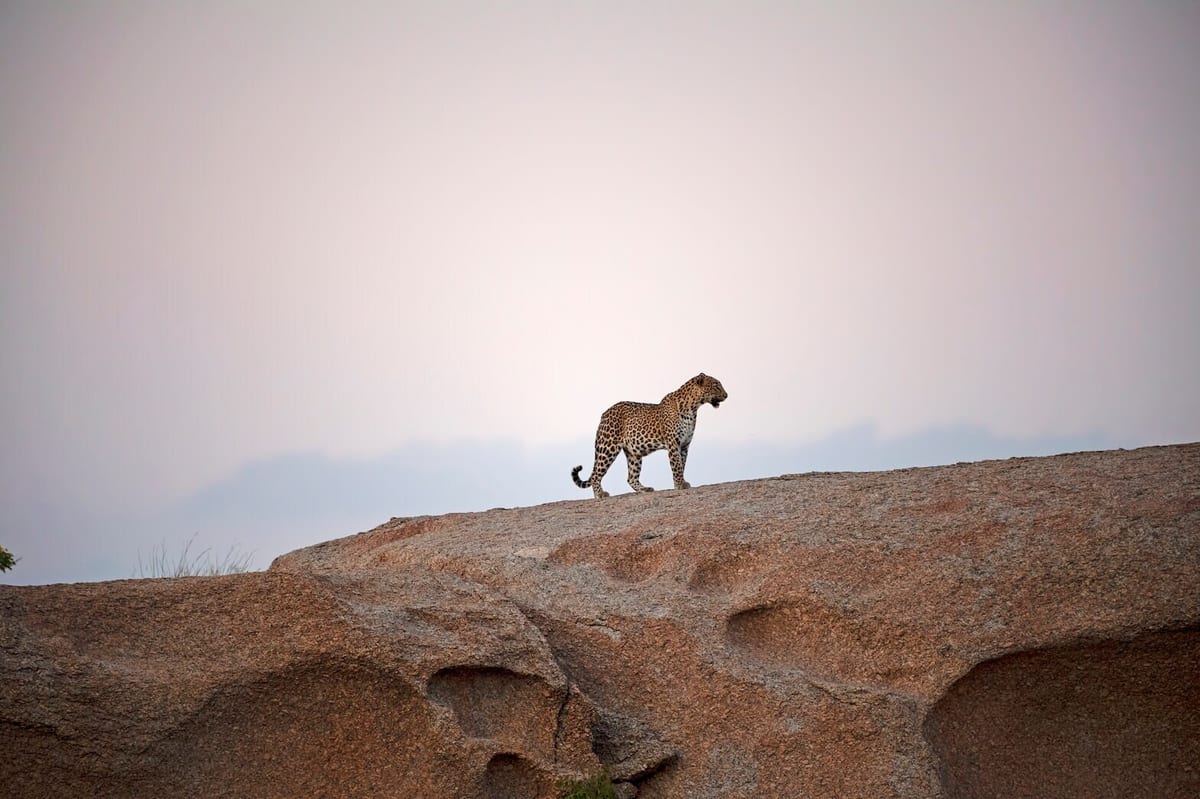
Guided walks led by Rabari tribe members bring the safari experience down to ground level. The Rabari have lived alongside Jawai's leopards for centuries and regard them as guardians of the temples that cover the granite hills, nearly 300 shrines in all, many centuries old. The temple trail takes guests into that living spiritual culture. Village wanders introduce guests to the daily life of the communities.
The camp also offers rides on Rajasthan's legendary breed of Marwari horses, through riverbeds and over rocky outcrops.
The camp's safari operation is also its conservation program: a local field team, the majority from surrounding villages and trained to professional guide standards, carries out biodiversity monitoring on every drive. Guests contribute to the viability of the model simply by being here.