 By The UNCHARTED® editors · 8 min read
FROM THE FIELD
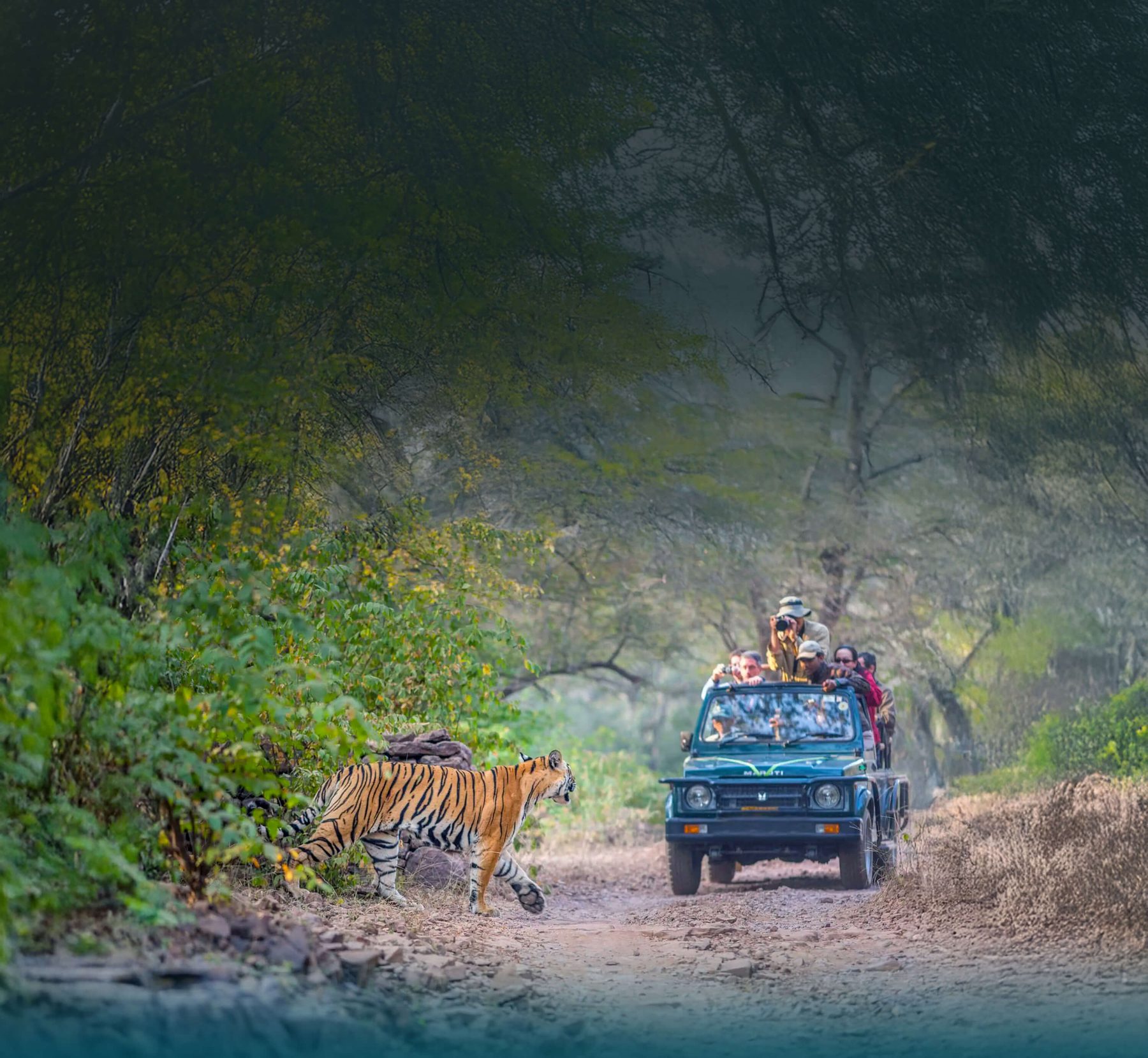
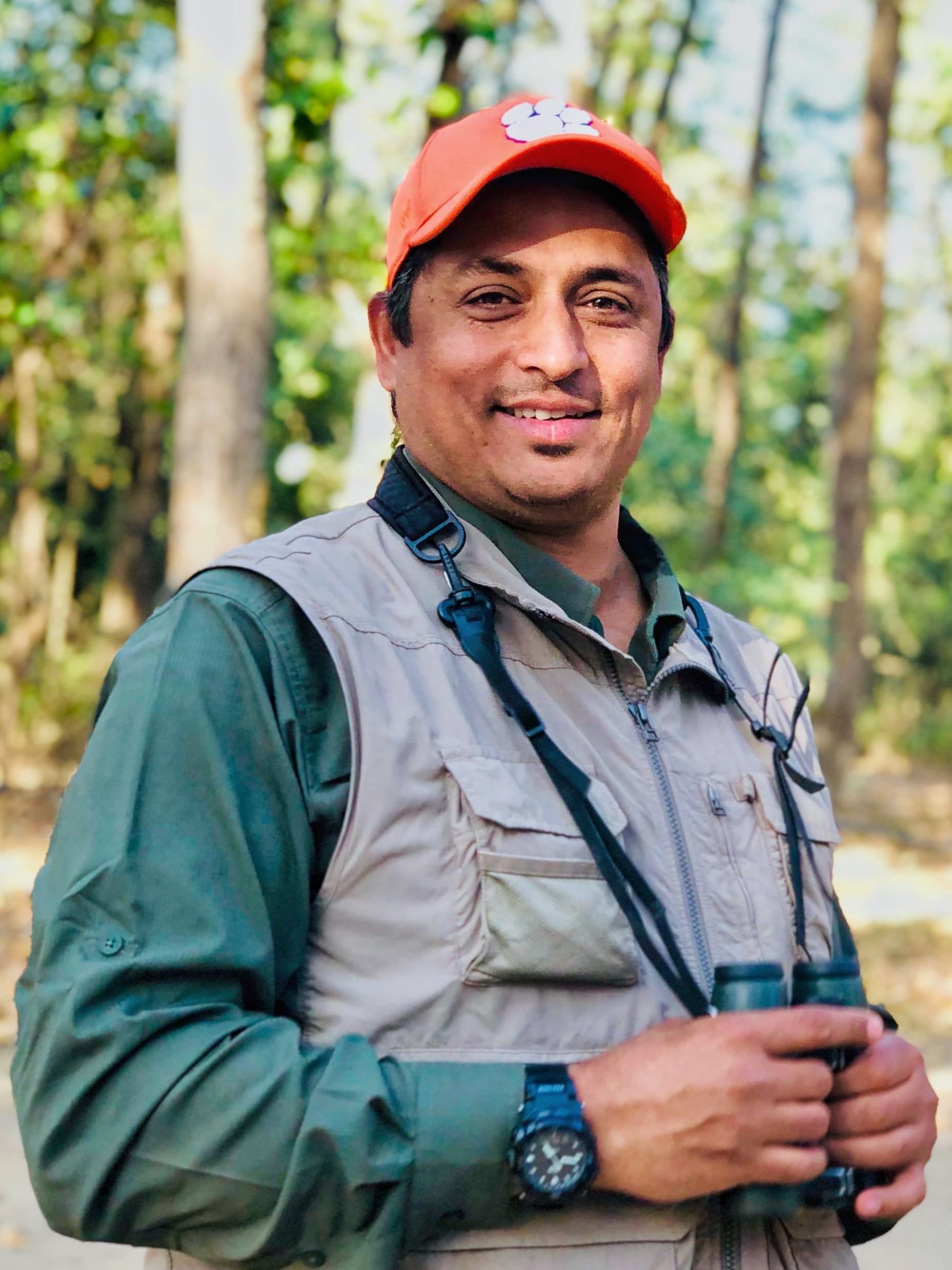
Raised on forest lore and family legend, naturalist guide Indrajit “Indy” Latey turns tiger safaris into sacred journeys that blend science with soul.

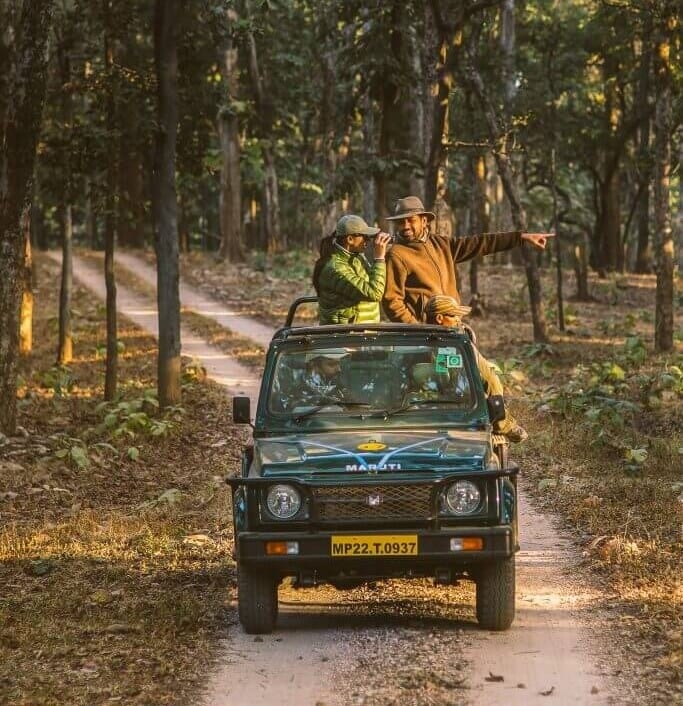
“During summer vacations, my grandfather would take us on evening drives through the nearby forest in his old Jeep,” he says. “We often saw spotted and sambar deer, and occasionally heard stories of leopards entering villages.” Those early encounters and an unquenchable love of learning and reading resulted in his signature approach to guiding — connecting clients to the landscape with a combination of natural history as well as local lore and stories steeped in mythology and tribal wisdom.
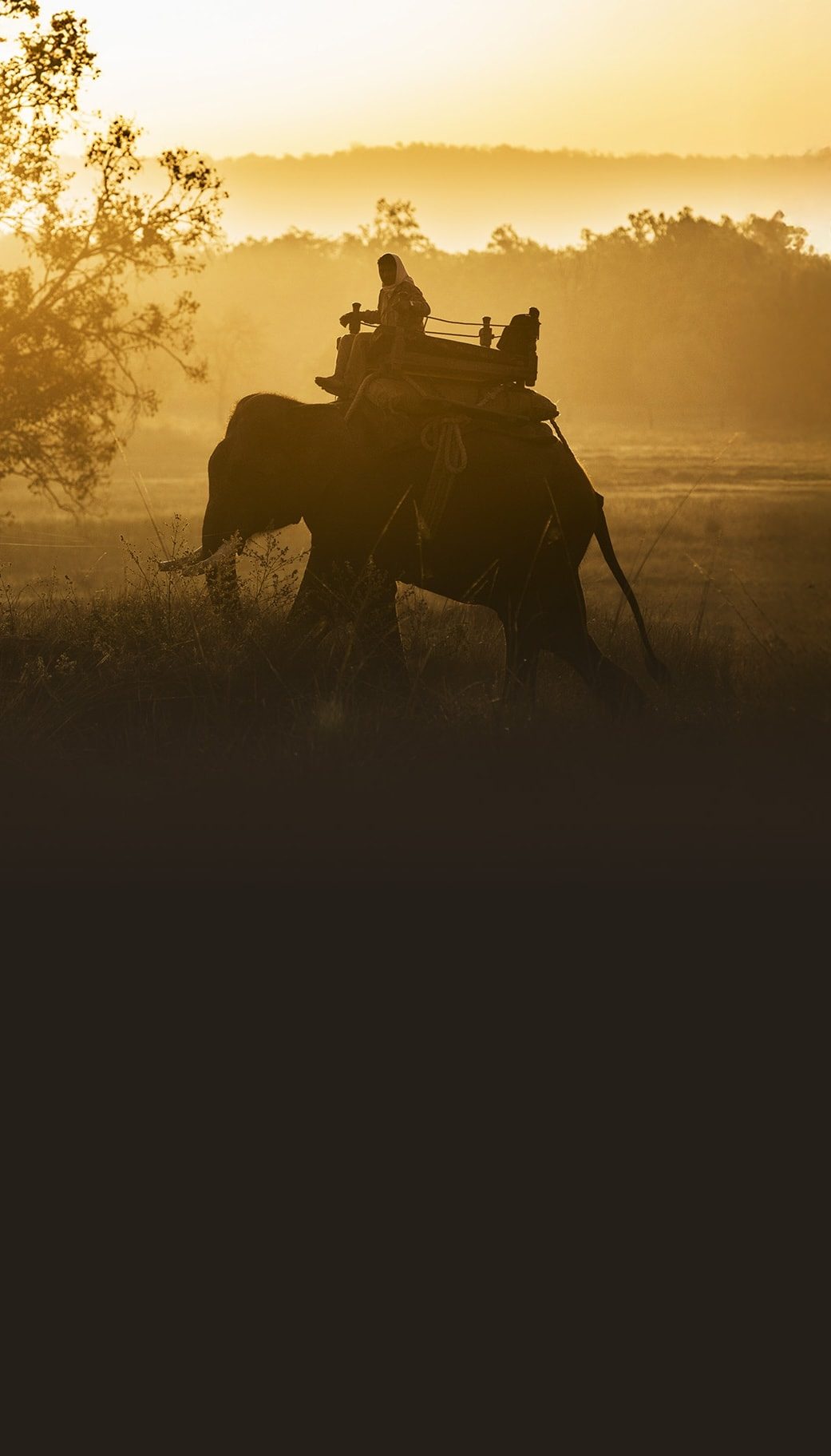
Himself the beneficiary of received generational wisdom, Indy craved for a vocation that could ignite future minds and inspire those coming up behind him. After a stint with the Indian arm of the World Wildlife Fund, he co-founded a company that takes children to nature camps for experiential outdoor learning. He later became a naturalist at safari lodges, and today he guides for UNCHARTED partner Amit Sankhala, a grandson of Kailash Sankhala — the “Tiger Man of India” — who persuaded Indira Gandhi to ban tiger hunting in 1972.
India’s tiger population has rebounded — more than doubling in the last decade alone. Moreover, there were nine official tiger reserves in 1971, whereas 58 exist today.
But despite the rapid growth of conservation and safari travel in India, the guiding profession remains a mystery to some of the older generation. “I told my mother-in-law I’m a naturalist,” he recalls. “She said, ‘Very nice, very nice.’ A few months later, at dinner, she introduced me as a naturist. I said, ‘That’s not me — a naturist is someone who’s always nude!’”
This interview has been edited for clarity and concision.
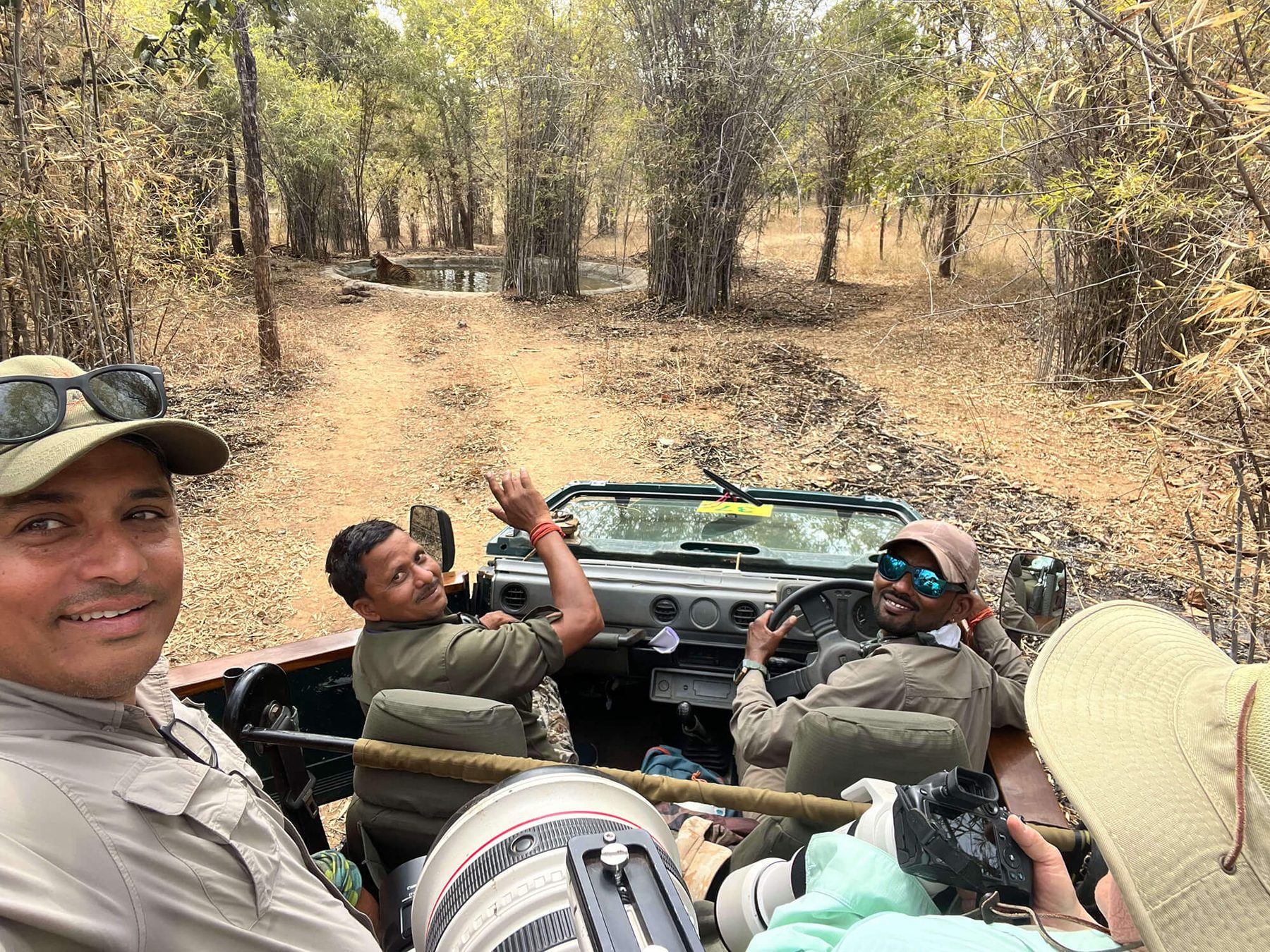
Q1: You have a unique guiding style that quite enamored UNCHARTED co-founder, Sandy Cunningham, who knows a lot of the world’s best safari guides. Can you describe it?
Q2: What would you tell someone deciding to go on a tiger safari for the first time?
Get ready for one of the most thrilling wildlife experiences of your life! A tiger safari in India is not just about seeing the majestic tiger — it’s about immersing yourself in the rich biodiversity, local culture, and ancient landscapes. But come with patience and respect for nature — this is a real jungle, not a zoo. Every sighting is earned and unforgettable. Don’t focus only on the tiger. The jungles of India are also alive with leopards, sloth bears, birds, and landscapes full of stories.
In short, my guiding style is about turning safaris into soulful pilgrimages, where the forest speaks in many languages — and every guest finds their own way to listen. My approach to wildlife guiding isn’t just about facts and sightings — it’s about telling the story of the forest in all its dimensions. I believe that true connection happens when we move beyond just the science of nature and touch its spiritual, cultural, and historical resonance. In many Indian forests, every tree and animal has a legend. I weave in stories of gods riding tigers, rivers that flowed from Shiva’s locks, or forests where sages meditated. These tales help people — especially children and elders — relate to nature as sacred, not separate. For example: “This Sal tree? In the Ramayana, it's the kind of tree that formed Sita’s forest shelter.”

“Opulence, peacocks, and pure Pink City magic.”
Safaris teach us patience and about respecting nature and wildlife — nothing can be seen at the press of a button. There can be so many times where you may not see a tiger, but does that mean you had a bad safari? No, you did not. And even if you saw a tiger, you might see a tiger sleeping. A tiger is a very lazy animal. Like a male lion, he'll sleep for about eight, nine hours in a day during the time that we are on safari, because they’re primarily nocturnal hunters.
But reverence must walk hand-in-hand with reason. I back up stories with ecological facts and evolutionary insights. I explain tiger behavior through biology, bird calls through acoustic science, and tree patterns through botany. Myth invites wonder, science builds understanding — together they spark curiosity.
"True connection happens when we move beyond the science of nature and touch its spiritual, cultural, and historical resonance. In Indian forests, every tree and animal has a legend."
Q3: What advice do you have for planning such a safari?
Q4: You recently went to Kenya and worked with the Kenya Professional Safari Guides Association. Have you spent much time in Africa? How has the safari experience there been brought over to India?
My suggestion for guests is that rather than ticking off five or six parks, two nights here, two nights there, you do only two parks, but do them so well that you actually make friends with the locals, who are a very big part of this whole experience called travel! And of this whole experience we call India.
In 2008, my wife and I saved up and traveled to Kenya, staying in a tent just outside the Masai Mara for six nights. We couldn’t afford a Land Cruiser, so we walked around and soaked it all in. That first night, we didn’t sleep, we were too excited listening to zebras, wildebeest, hippos, hyenas, and even distant lions. We thought, “This is only possible in Africa.” Then we asked ourselves: why can’t it be possible in India?

Within safaris there are choices. You've got walking safaris where you can actually walk with a naturalist and understand the lay of the land of the bush. And you can do night safaris in buffer zones, which is a very different feeling. At night you have no idea what's around you — you're only hearing sounds. And like I said, the predators in India are all nocturnal, leopards and tigers, so all of them are quite active then. And then to hear the herbivores going crazy because they don't know where the tiger is is humbling. That suddenly makes you feel so vulnerable, and it suddenly gives you a very different perspective to safari.
SUJÁN Sher Bagh
“Where jungle chic meets timeless safari charm.”
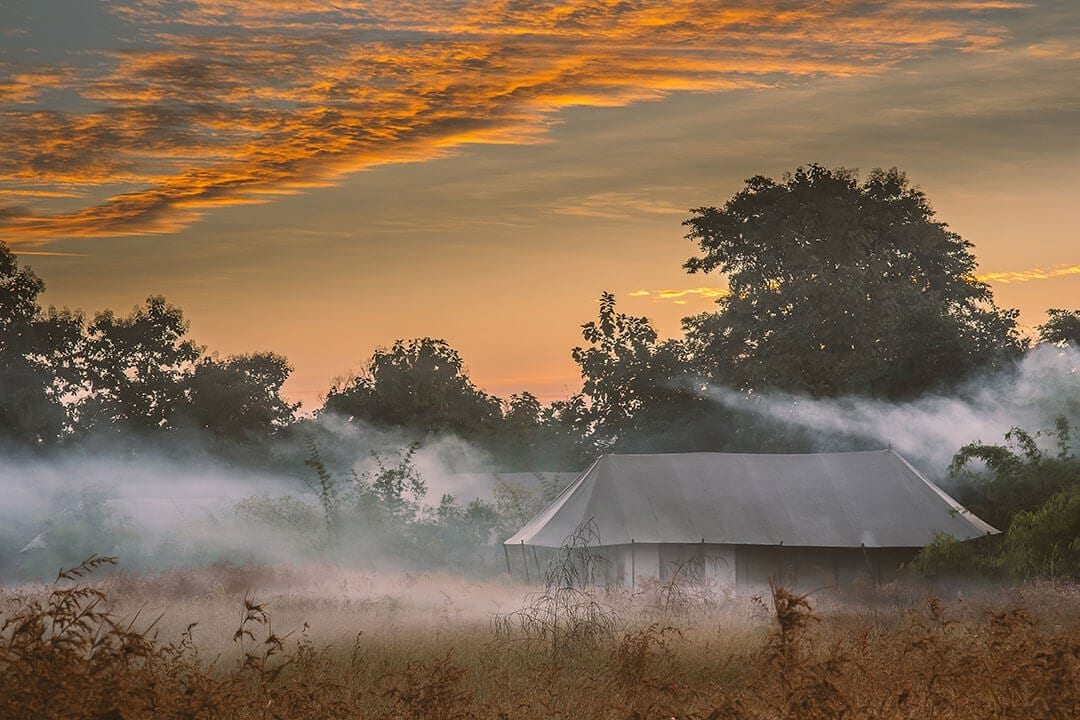
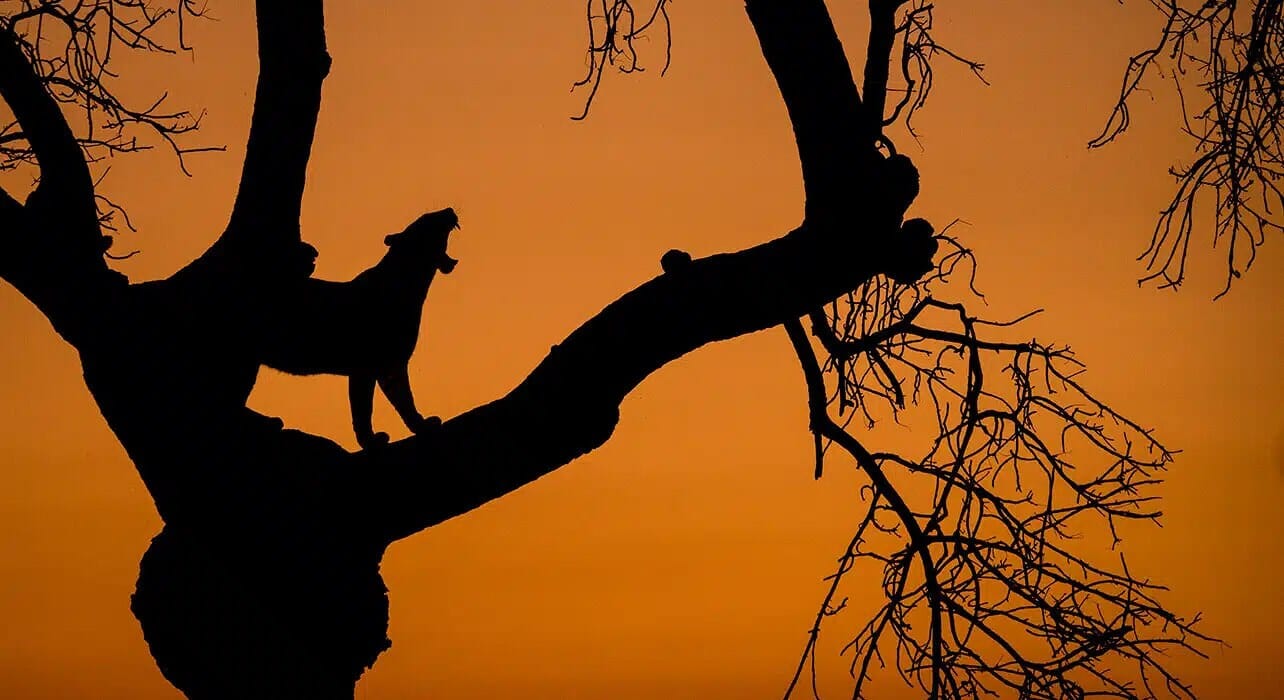
When we returned to India, we started seeking out lodges that offered not just wildlife sightings, but a full sensory experience — where you could hear, smell, and feel the forest, not just see it. We spoke with lodge owners about exploring different ways, taking cues from Africa’s conservation safari models. That’s how Amit Sankhala, UNCHARTED’s partner and a dear friend to us all, that’s how his lodge, Jamtara, came into the picture. It’s a place where, every few days, male tigers pass through camp. A resident leopard roams nearby. A troupe of monkeys shows up like clockwork between 12 and 12:30 each day to drink water and nap in the massive banyan tree. These daily interactions are what I thought only Africa could offer. But here it was, in India.
"I weave in stories of gods riding tigers, rivers that flowed from Shiva’s locks, or forests where sages meditated into my wildlife guiding and conservation work."
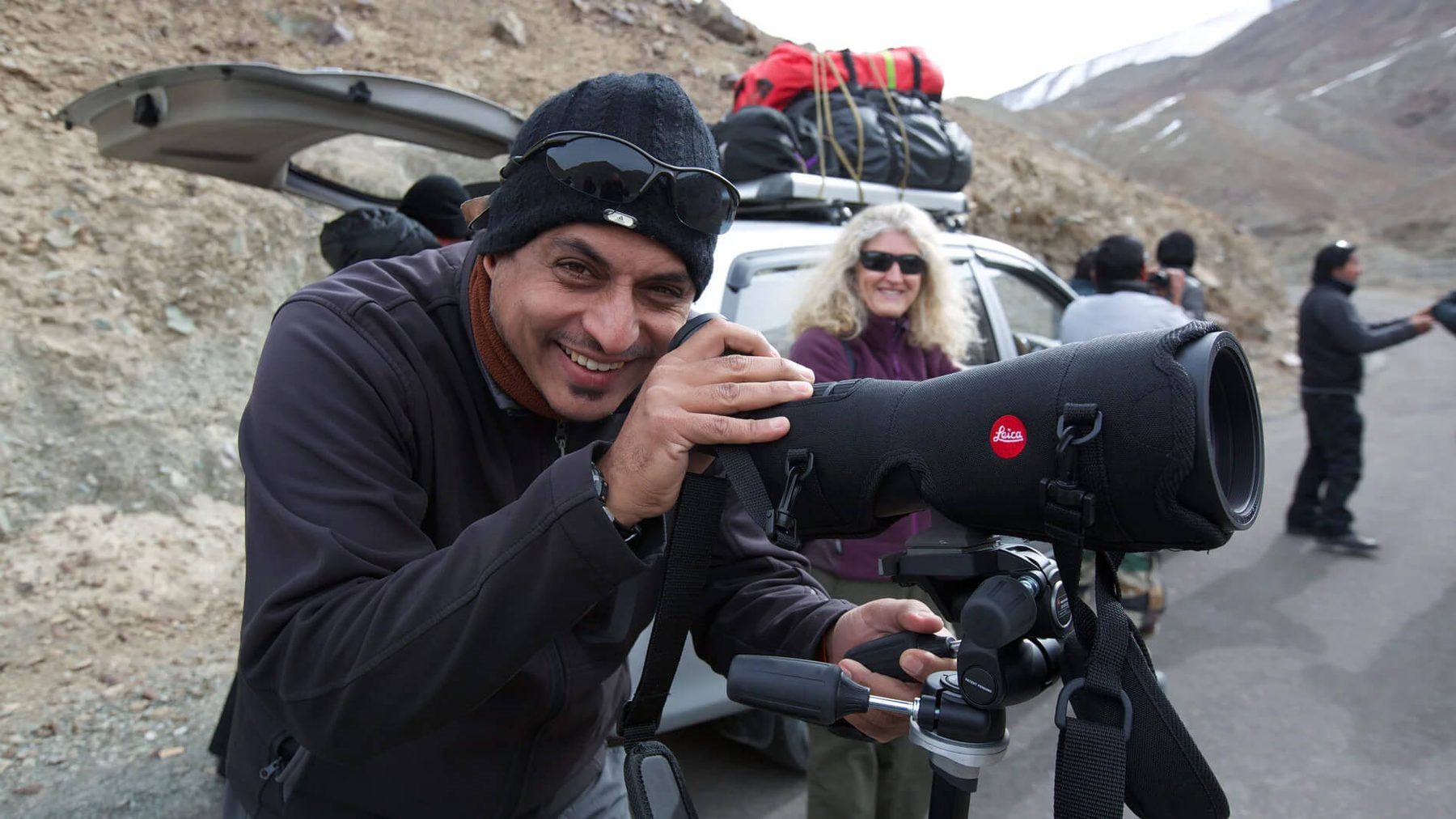
Q5: How does guiding compare in Africa and India?
Q6: Why is working with the next generation so important and fulfilling to you?
Comparing India to Africa is comparing a country to a continent, yet India matches Africa’s range: snow leopards in the Himalayas, rainforests in the east, coastlines, plains, deserts, even dormant volcanoes. But the culture and infrastructure around guiding are very different. In Africa, camps typically have their own in-house guides, and you’re assigned to one, and then they share their deep knowledge of the landscape with you over the days you’re there, before you move on to the next camp and are given a different guide. In India, that’s often not the case. So we adapt — we’re not just guides, but also tour leaders and transportation specialists taking you vast distances, all in one. That traveling naturalist model doesn’t really exist in Africa, but here, it's essential.
I think we owe it to the next generation to get them more involved and more inculcated into having an experiential life, rather than more of a pseudo-life of TV and Internet. They are not just the future – they are the present shift.
Touching tree bark, tracking animal signs, or identifying scat — this tactile engagement builds curiosity and memory. I also often ask kids to walk silently in the forest and just listen — to birds, rustling leaves, or a distant call. If we want long-term change in how humans treat the planet, it must start with building deep emotional connections when they’re young. When people don’t know the names of trees or birds around them, they don’t care when they disappear.



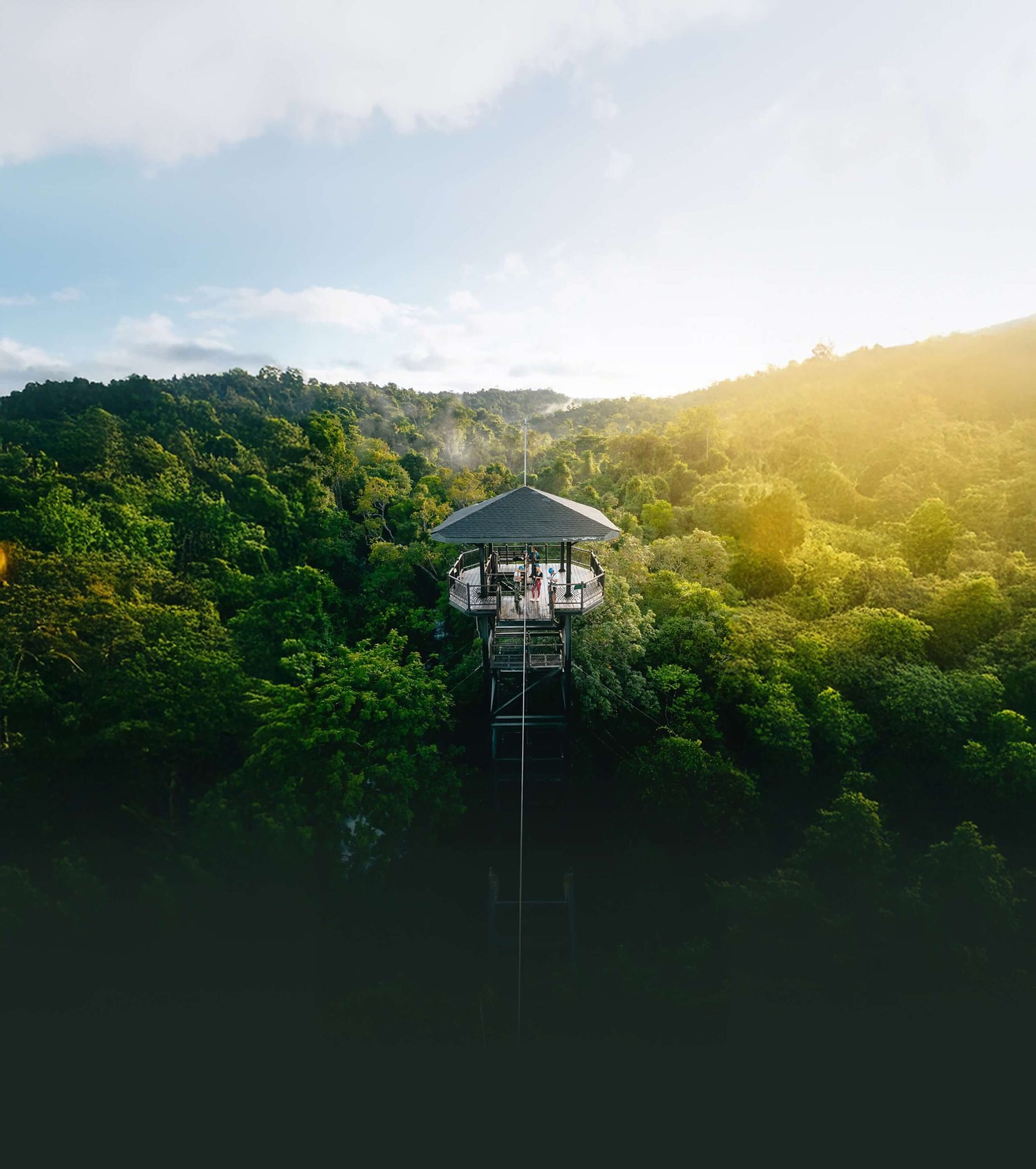
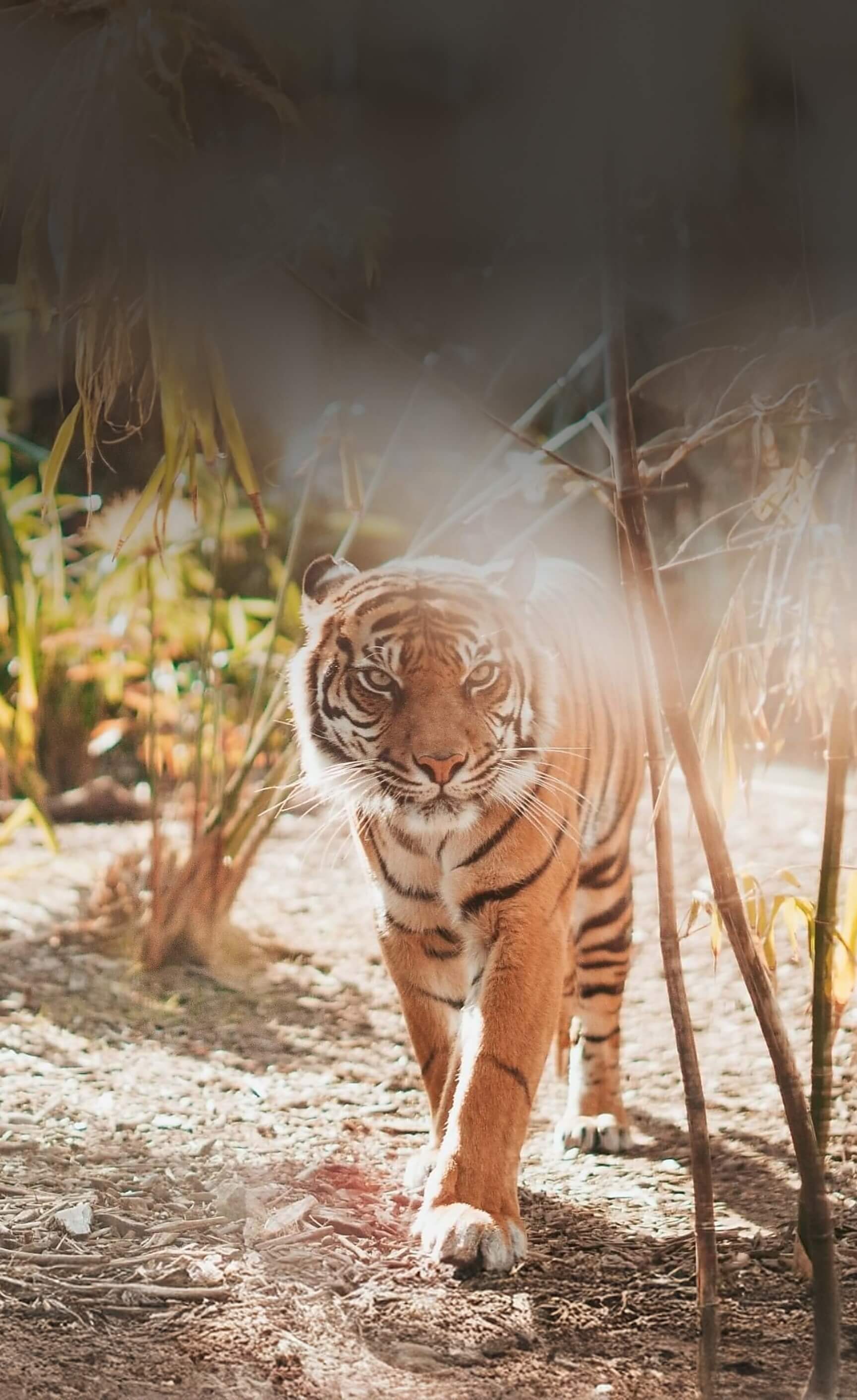
Meet Amit Sankhala, India’s Third-Generation ‘Tiger Man’
Tiger Mom: India Through the Eyes of Dimple Bhati
Outposts for Your Inner Rewilding
UNCHARTED is a highly personalized luxury adventure travel brand that designs, plans, curates, and executes unforgettable safari-style experiences worldwide.
The Master Guide Who Turns Safari Sacred in India