Knowing that I had spent a few years traveling widely in Southern and East Africa as a journalist, two decades ago Men’s Journal asked me to advise their readership on how to experience the magic of going on safari.
The highlight of my time overseas was a volunteer stint of hosting guests at a camp in the Masai Mara during the migration season. Embedding in the life of the camp provided an invaluable insider’s perspective to my reporting, and I learned the difference between a good safari and a great safari. Not only has the advice I gave in the piece stood the test of time, but it has also gained relevance and urgency.
Even back then, I saw that the safari business was becoming more corporate and profit-driven. Camps were becoming cookie-cutter chain operations devoid of individual character, and many lodges became ridiculously luxurious follies that distanced travelers from the very environments they had presumably come to experience.
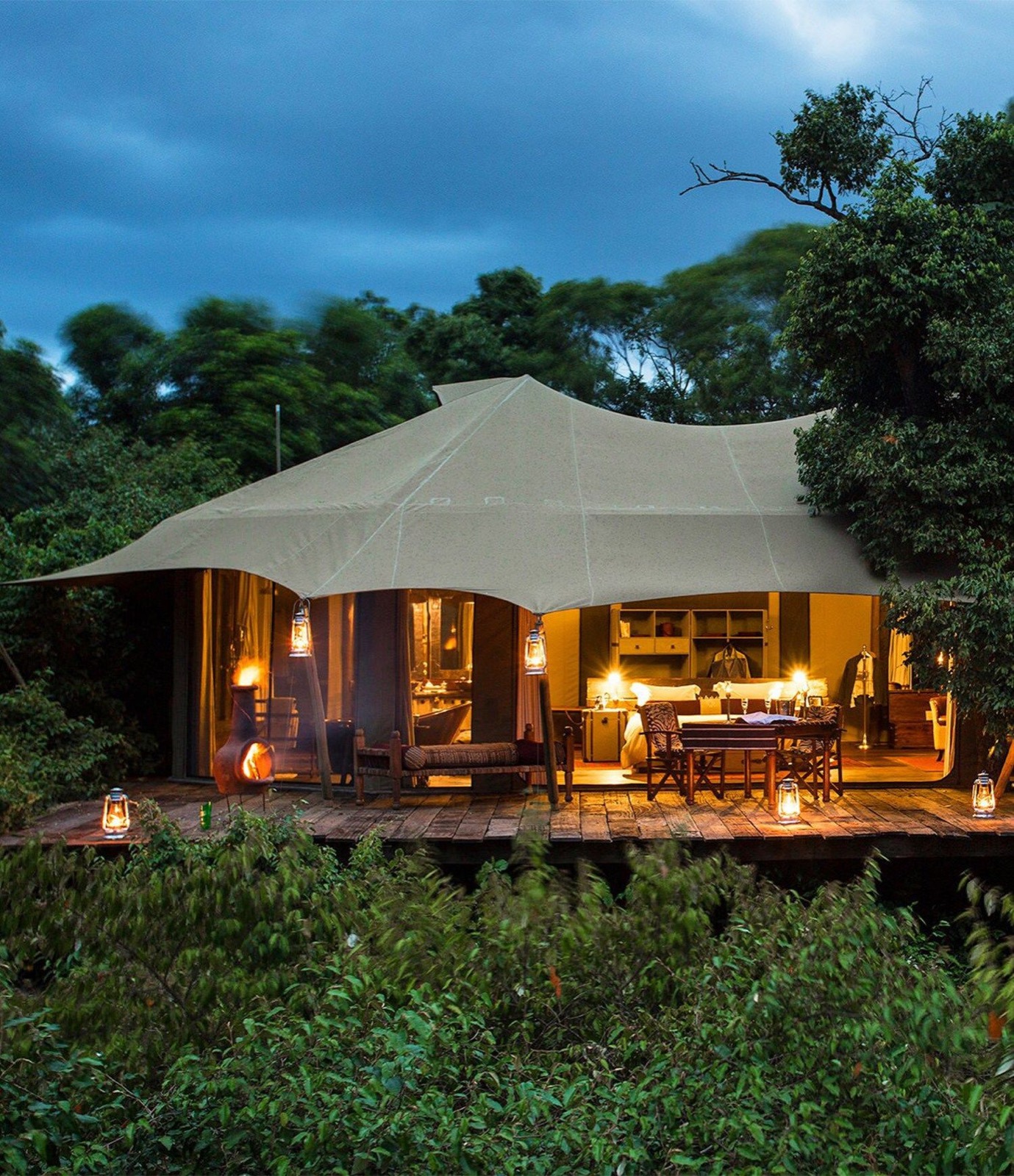
Do you really want to stay in a tent that feels like a hotel room? Do you need or want crystal chandeliers in a safari lodge?
I was concerned that conservation and cultural preservation were bound to suffer as the safari industry became increasingly globalized and greedy. Indeed, this trend has just intensified.
So, if you’re considering a safari, go with guides who have deep connections to their habitats and communities. You’ll have a far superior experience and contribute to the sustainability of the fragile places you visit.
Here’s an update of the solid advice I shared twenty years ago.
Easy does it
People used to be surprised when I told them that going on safari could be a very easy kind of travel. On an assignment for Travel + Leisure, I traveled 1,800 miles in six weeks from Botswana in southern Africa to Kenya in the east without once hassling with currency exchange, border controls, or transportation arrangements. That’s because everything was prearranged like clockwork by a carefully vetted safari travel designer, UNCHARTED®’s Sandy Cunningham, and her network of handlers on the ground.
The most out-there trip I’ve ever taken was down Ethiopia’s Omo River, then a remote pocket hardly touched by the outside world. Our guide was the only person who had the powerboats to take you there. The cultural encounters were the stuff of anthropological expeditions: we had the privilege of witnessing far-out rite-of-passage ceremonies, and used our vessels to facilitate peace talks between rifle-toting rival groups. The logistics of the expedition were staggering, but the hardships and deprivations for the guests were approximately nil. The guide and his crew were that good.
Set a budget
Great safaris have always been an investment, and costs have risen in the last two decades. Where you land depends on how you fly, how far you roam, and who is guiding you.
At the high end of the spectrum, you get master-of-the-universe treatment from a legendary guide and their staff while staying in opulent tents and lodges, with charter flights to eliminate grueling drives between far-flung locations that may be in different countries.
In the middle, you choose from among the continent’s best camps in prime locations and travel between them in comfort and style. This is the kind of trip I would strongly recommend to anyone with an interest in taking a safari. You’ll have semi-private access to a variety of spectacular habitats and their denizens, while enjoying both the spirit of adventure and peace of mind.
The budget-conscious traveler can take advantage of low-season rates, airfares and special multi-day offers. Take it slow and linger longer. In the “secret season” there won’t be as many other guests, and the weather conditions are often just as fine as in peak season. A great safari specialist will help you find these openings.
Whatever you do, I’d avoid the mass-market group tour: up to 20 people with matching hats and bags, driving around in minivans that crowd around wildlife sightings, and sleeping in chain hotel-style lodges. It’s worth spending wisely to get good value. Without expert guidance and a high staff-to-guest ratio, you’re unlikely to have a peak safari experience.
Work with your travel designer
Lots of legitimate information is available online these days, which enables independent trip planning to many destinations worldwide. But for a proper safari, it’s still wise to work with a travel designer. The best ones have 30 years of experience living and working in Africa. They know the intricate ins and outs, have a network of ground operators to look after you, and will solve problems that may arise while you’re in unfamiliar territory. The personal touch is a big reason for working with a boutique agency rather than a big company.
There are plenty of businesses who will plug you into the so-called “milk run,” a routine, set itinerary based on morning and afternoon game drives at a succession of bland lodges.
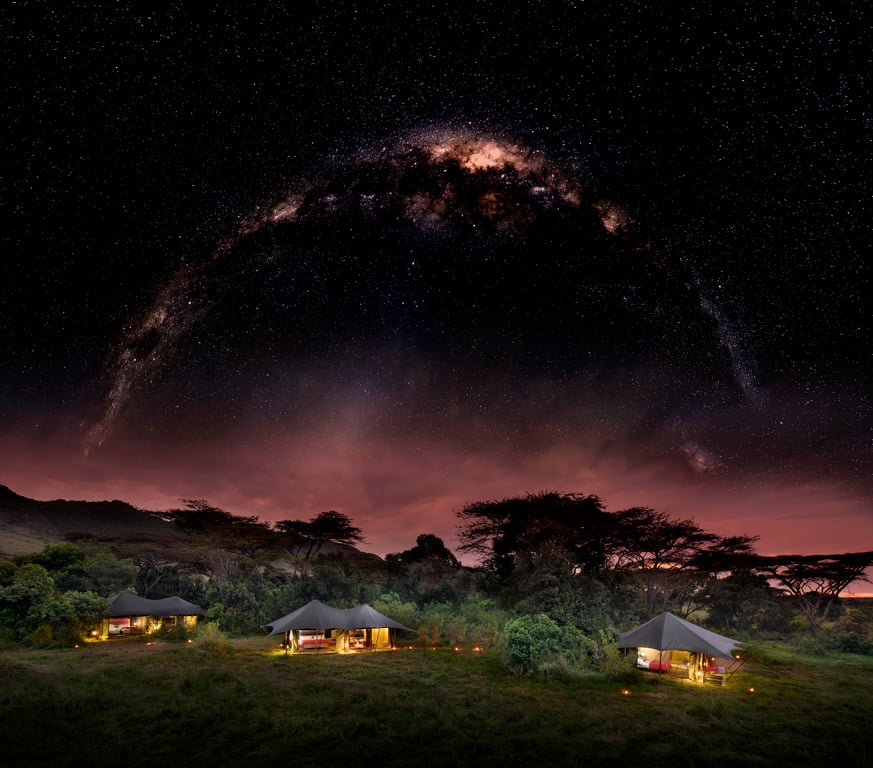
But if you want to show a righteous Africa specialist that you’re not a milk-run kind of traveler, choose a trip where you can walk the Kalahari with San people, fish for 100-pound Nile perch, and hear hippos and lions in the vicinity of your tent at night. That’s when the safari really becomes your safari.
You want to participate, not spectate.
You may be going to Africa for the animals, but chances are you’ll fall for the people. Make it clear to your travel designer that you want to visit villages that aren’t just geared toward trinket sales. When you get there, don’t settle for a “this is where we cook our meals” drive-by. Offer to buy a goat or a sheep, break out the cooler, and throw a pop-up feast.
On safari you typically spend good chunks of your days on game drives in prime wildlife areas. First-timers are always amazed at how close you can get to animals in a vehicle. But the value of getting out and walking is often overlooked. On foot you have an incentive to learn swiftly about animal behavior. Ask your guide to organize a walk, or arrange a multi-day fly-camping safari far from the lodges.
Some safari-goers are interested in animals, animals, and more animals. Others want to be immersed in the whole khaki lifestyle. Some like champagne-breakfast balloon rides, while others would rather go for a challenging hike. The question is: peace and quiet, action and adventure, or mix and match? Start with a set itinerary in mind, then customize, maximizing the elements you value most from the basic menu of wildlife, scenery, activities, culture, and creature comforts.
Group trips
Rather than bouncing from guide to guide at each stop, going on a group safari with an expert leading the whole trip is particularly rewarding for travelers whose special interests align with the guide’s expertise.
Over the years, safaris have become increasingly family-friendly, so there are options to explore across generations. Safaris appeal to every age group, and the shared experiences promote family bonding. Outside distractions are few.
The same goes for groups of couples or friends. Traveling as a group of four can ensure exclusive guiding in a vehicle, and it splits the cost of bush planes between locations.
New opportunities
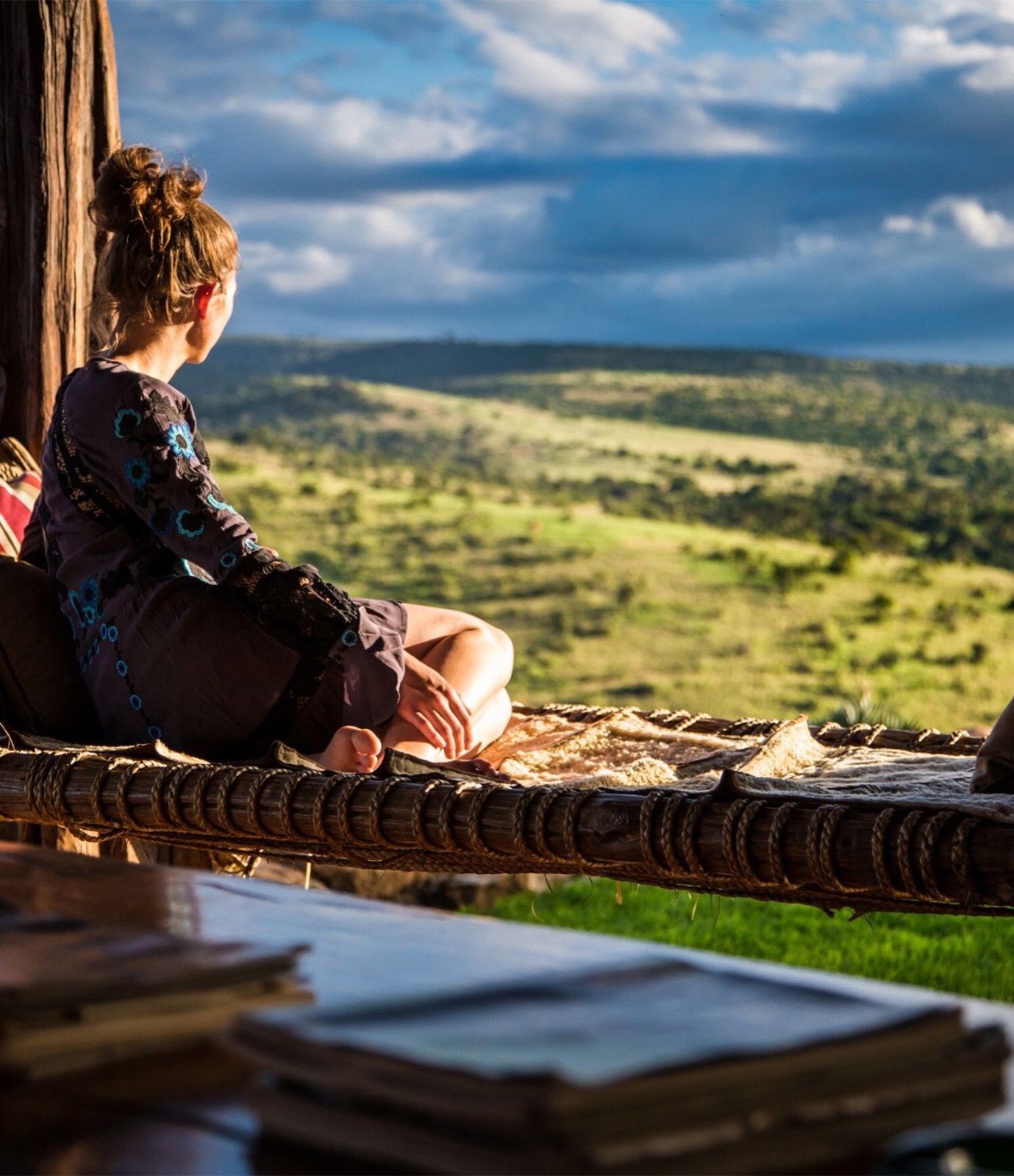
Some aspects of the guest experience have changed for the better in the last two decades. There are more and more local guides, especially in Kenya’s Masai Mara. Being guided by a Maasai deepens the cultural aspect. Women have also become more involved in every part of the industry, including guiding.
Such cultural connections have never been more critical. The success of indigenous guiding and camp ownership in the face of international encroachment will contribute to local economic empowerment and preservation.
Because of advances in tech, it is now possible to maintain connections after your trip. Until you go to Africa, you have no idea how closely many travelers bond with their guides after a week or two in the bush. Improved connectivity also adds to a traveler’s sense of security: you can keep in touch with folks back home, and medical advice and emergency care are more accessible.
Many camps now provide high-quality cameras, lenses and binoculars. Wellness offerings, like spas or yoga, and cuisine from well-known chefs are also wholesome additions to the safari menu.
Choosing your camps
Selecting camps and lodges is perhaps the most important part of safari planning. Ask how many beds there are on the property.
State a preference for owner-operated camps, or at least ones where the hosts and guides have pride of place, deep local knowledge, and a sense of history. To me, the most magical words a safari host can say are, “My father used to bring me here.”
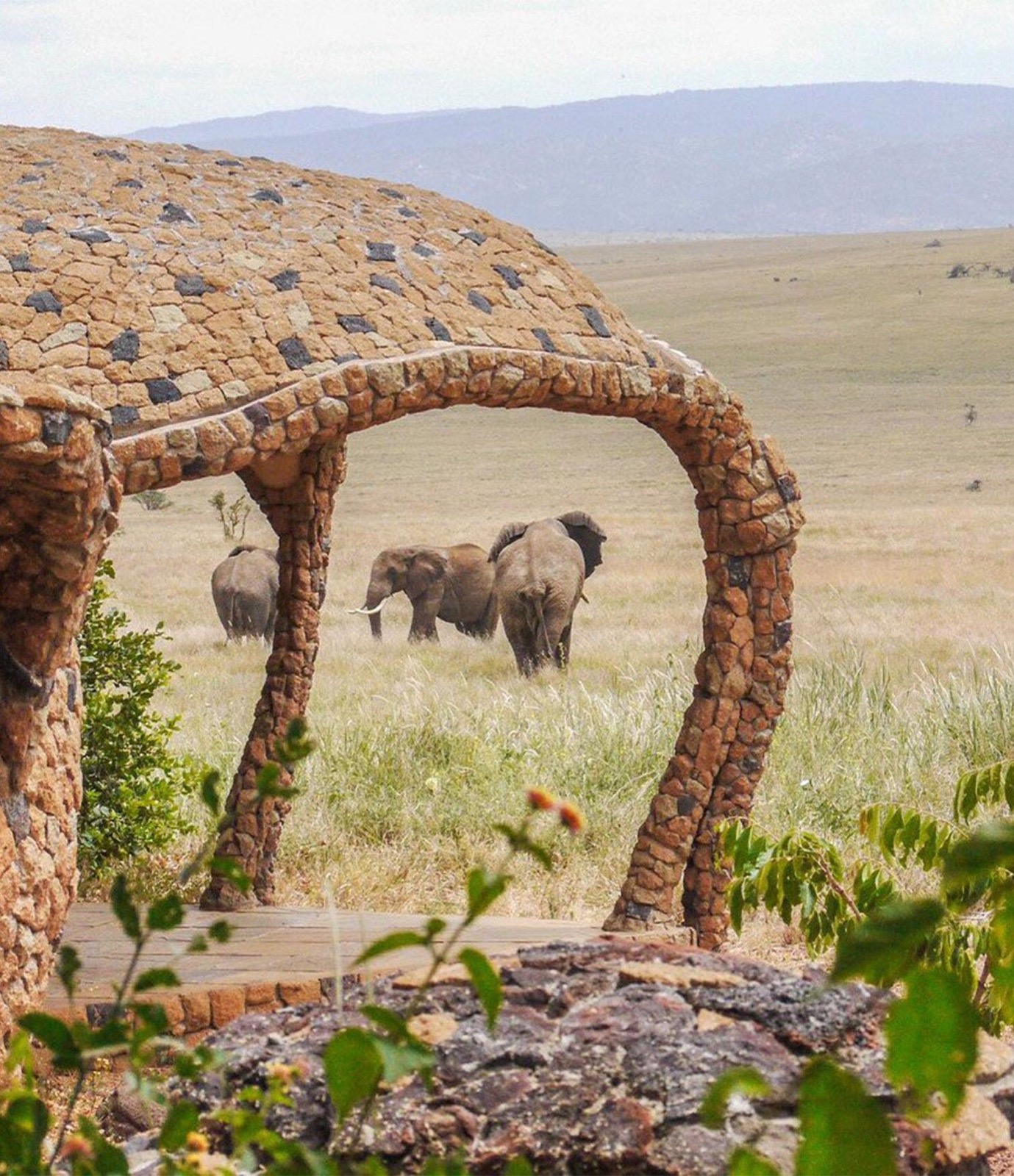
Luxury is an overdone aspect of the safari circuit. It’s an inflationary marketing device that tends to distance you from the bush. You can economize and have a more ground-level odyssey by staying in traditional tented camps. There’s nothing quite like the romance of a Green Hills of Africa safari camp, and plenty of places provide the wow factor while keeping you in contact with the bush.
Hit and miss
Finally, anyone planning a safari should know that while you can try to hit the right places at the right times, you never know for sure what’s going to happen. The migration might be on pause. One day you might delight in observing a playful trio of lion cubs, and the next day you return to the den and realize that your favorite one didn’t survive the night. Kills provide thrills, but they’re not pretty, and processing that is part of the beauty of being there.
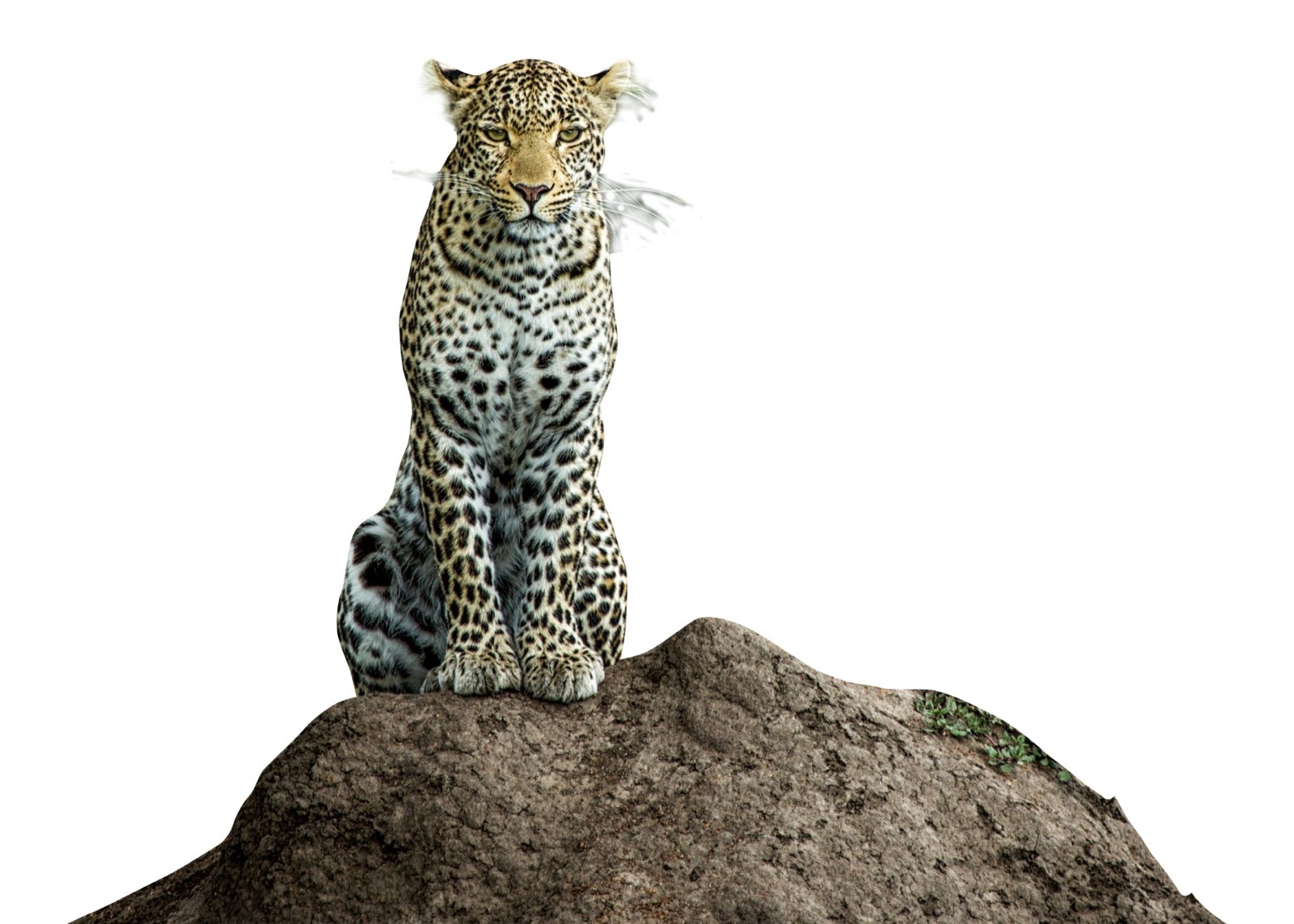
When you wake up in the morning, all you know for sure is that you’ll have new stories to tell around the campfire at nightfall.Dave Herndon