There’s a lot of exciting safari-style travel action in South America right now, and UNCHARTED is constantly developing new ways to experience the best of the continent, from the Galapagos to the Andes to Patagonia. We work with proven partners who share our commitments to the excellence and authenticity of guest experiences, best practices in conservation and community development, and appropriate levels of luxury.
That brings us straight to Explora, the Chilean company that pioneered exploration travel in South America. More than 30 years ago, it began opening design-forward lodges in remote places (the organic modernism of Explora Patagonia in Torres del Paine springs to mind), but the lodges were never the point. The days belong to exploration, with expert guides and alongside local communities. They were conceived as base camps to return to, where the essentials, from the bed to the bar, are done right.
“We are not a hospitality company, we are an exploration company that also runs these base camps that we call lodges,” says Sebastián Correa, VP of Land and Explorations. “The concept of Explora is to offer people the possibility to go to these remote and unique places in nature, in the culture with communities and expert guides, and having a super-nice base camp with a great shower, a comfortable bed to rest after a long day outdoors, and a nice meal and bar to share at night the stories of the day.”
This description matches what UNCHARTED clients experience in Africa and elsewhere in our Global Safari network – and Correa estimates that more than 50 percent of Explora clients have been on safari in Africa. So for anyone seeking nature-travel experiences that are similar in some ways but offer spectacularly different landscapes, wildlife, and cultures, outfits like Explora and our other South American partners have just what you’re looking for.
UNCHARTED editor-at-large Dave Herndon and South American trip planner Lindsay Berg spoke with Correa about one of his signature explorations, Travesía Atacama–Uyuni. “The Crossing” is a privately guided trip for a party of two that travels an ancient trade route from the driest place on earth, the Atacama Desert in Chile, through Andean high country, and on to the world’s largest salt flat, the Uyuni in Bolivia. Correa took his own family on the trip, because, he says, “It’s a life-changing experience.”
This article has been edited for clarity and concision.
Give us an overview of the scale and the scope of the Travesía.
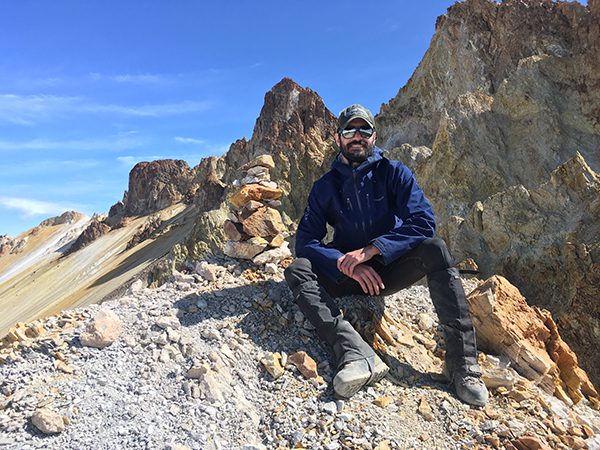
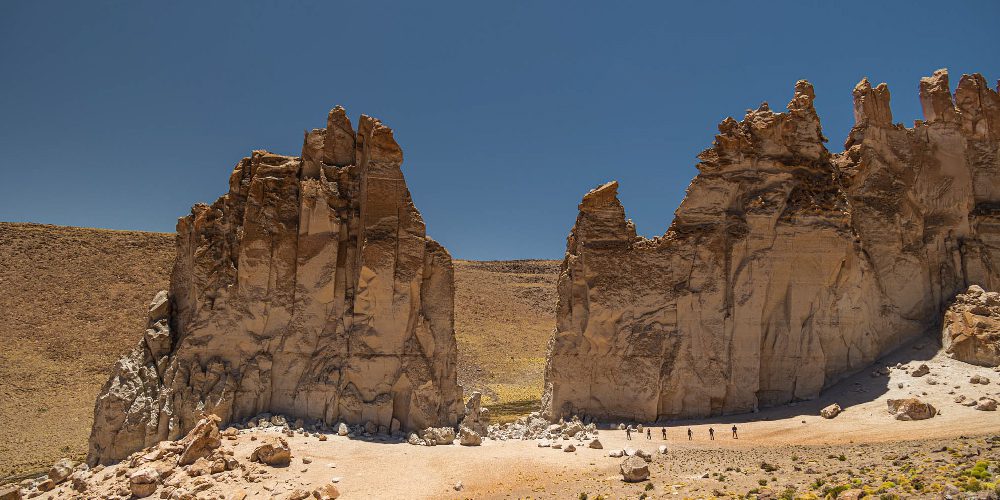
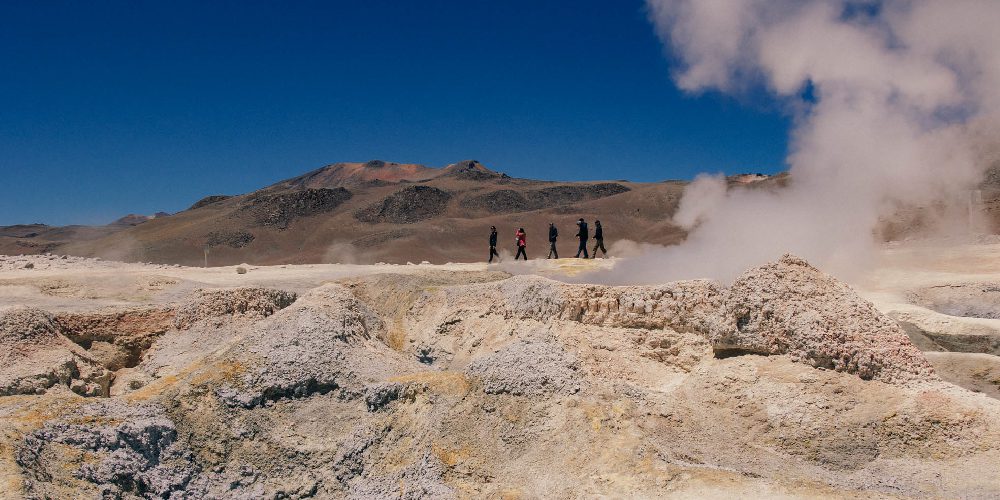
Sebastián: You need to understand a little bit about geography. In Chile you have only a few kilometers of land between the Pacific Ocean and the wall of the Andes. And on the other side of the Andes, you have the Amazon. So this wall is in between those two radical systems. On the western, Chile side you have the cold Humboldt Current in the sea, and you don't have any kind of precipitation, and the Atacama Desert is the driest desert in the world. In the old times this was the bottom of the ocean, so the first mountain ranges are full of salt and many different minerals. In San Pedro de Atacama, in one hour you can be in three different mountain ranges. The colors are stunning. You look to one side, you have like a super red hill. On the other side, it's a yellow one, or a turquoise one. With the sunrise and sunset and it gets lunar, like material from the moon. It's unique in the world.
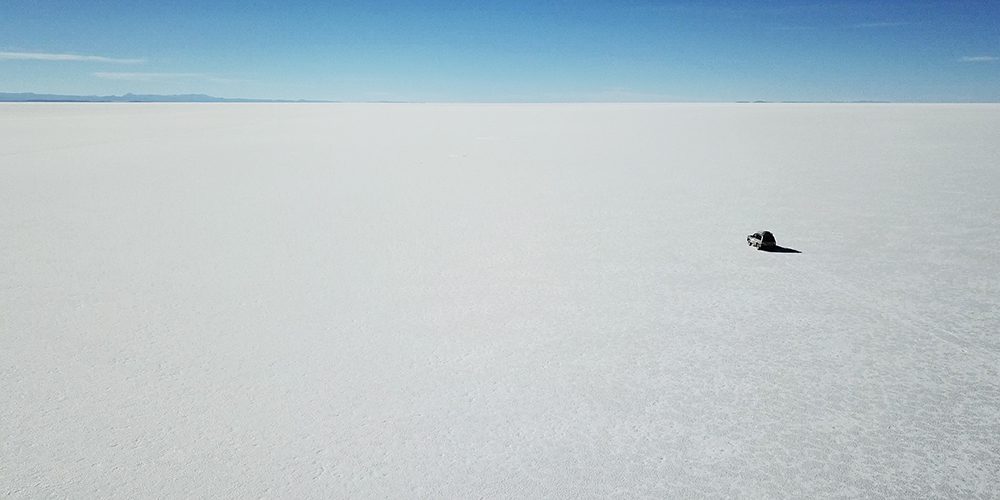
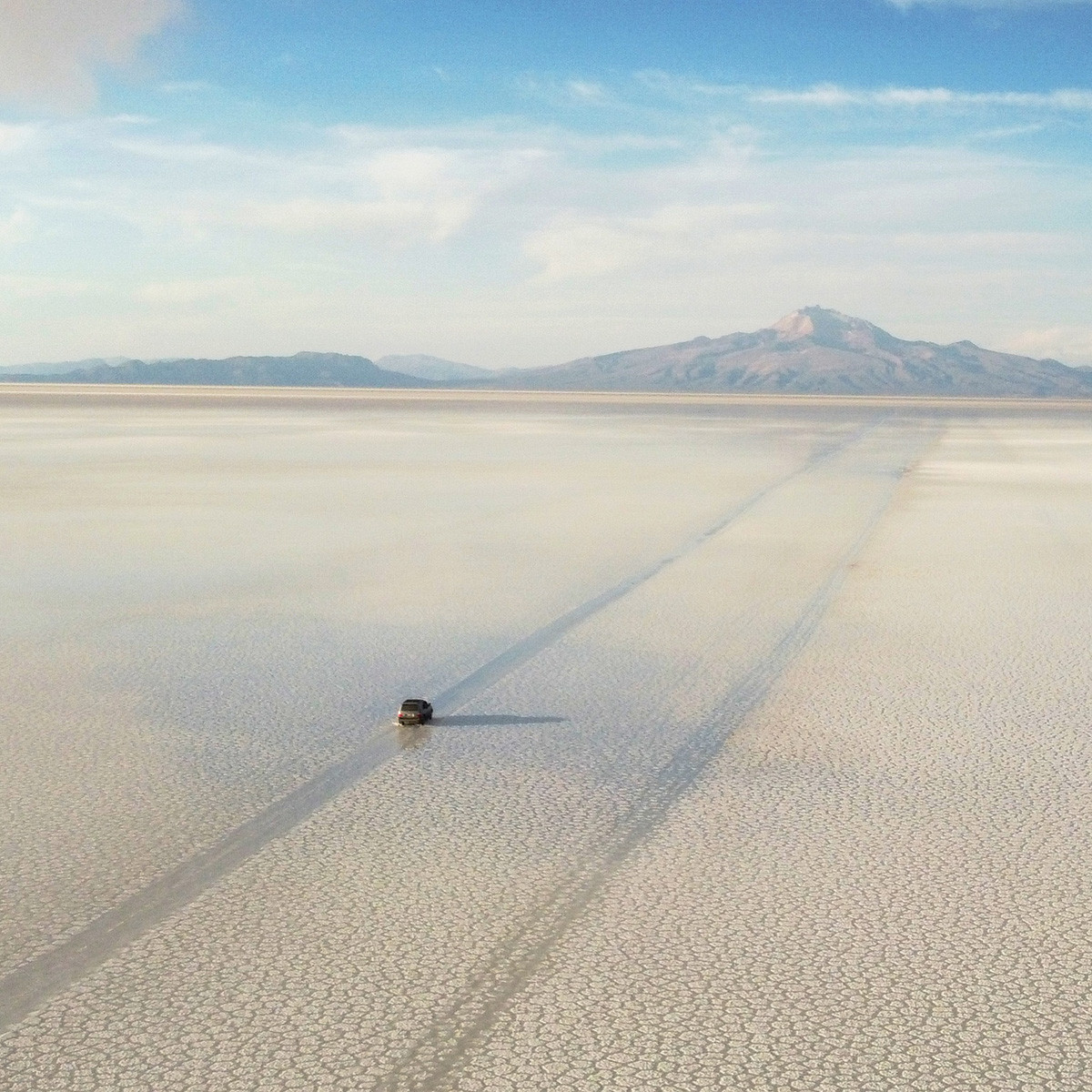
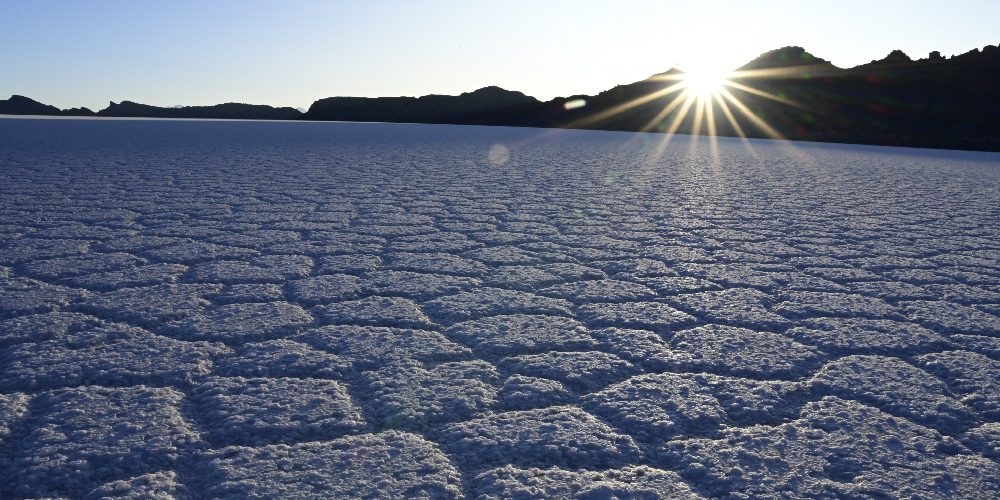
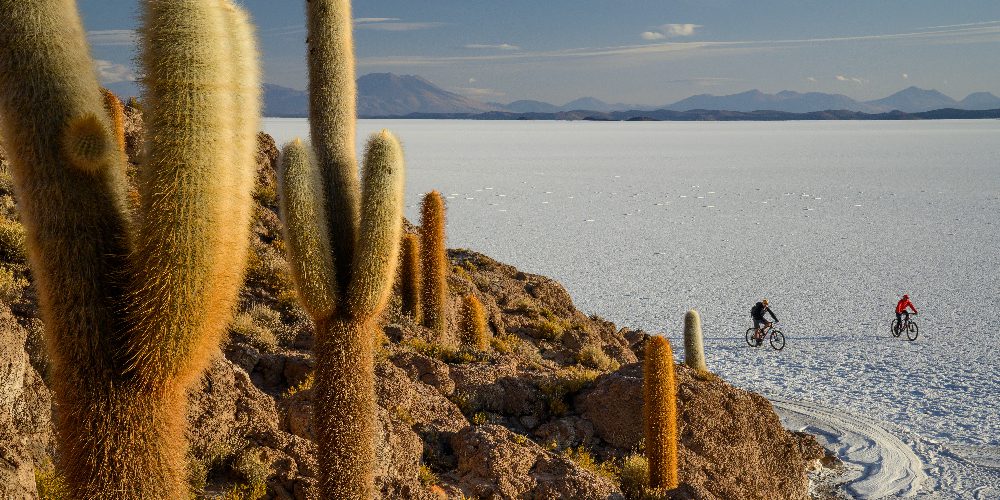
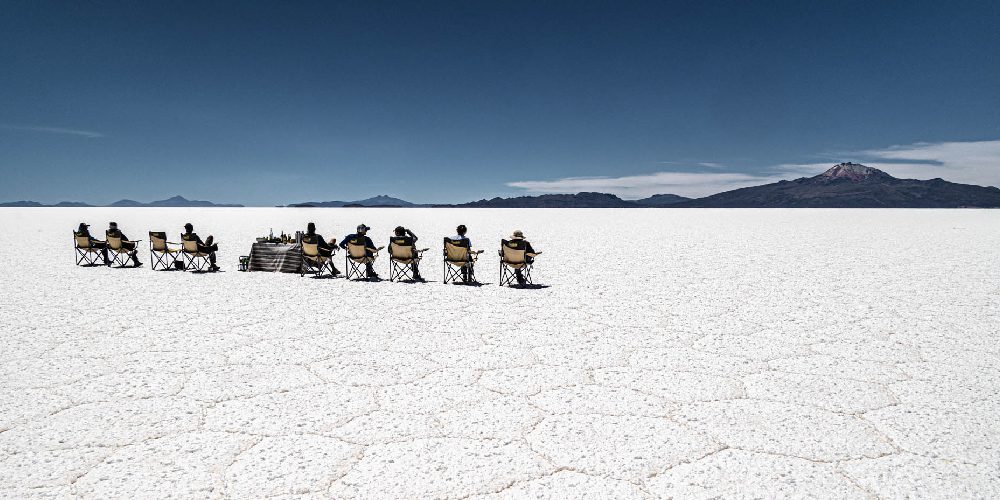
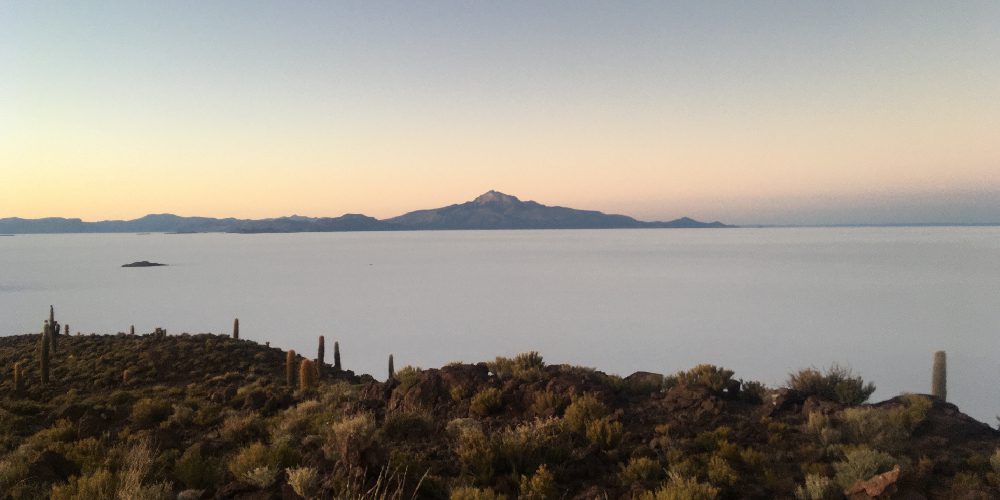
In ancient times, even before the Incas, people used to cross the mountains to what’s now Bolivia to get to the Amazon, so people have been walking this route for millennia. Explora was a Chilean company and we understood the potential of the Uyuni Salt Flat, the biggest salt flat in the world, as a destination. You can be in the middle and you only see the horizon, white and blue, and that's it. Or in the rainy season, it's like a giant mirror that makes it difficult to understand where the horizon is. And we thought that that was a special place in the same category as San Pedro de Atacama. And here is where the story begins: In all the work trips we did connecting San Pedro de Atacama to Uyuni, we got more in love with the travel than the destination, because all along the way was stunning.
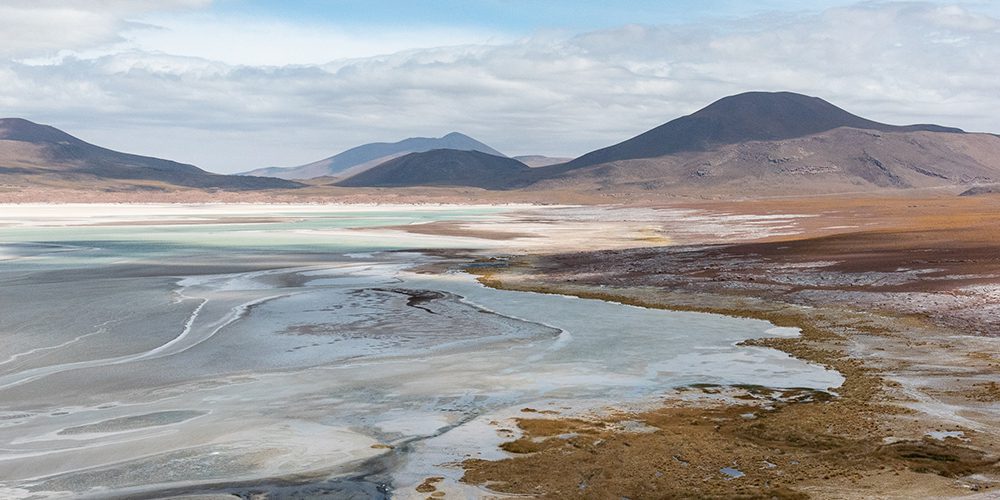
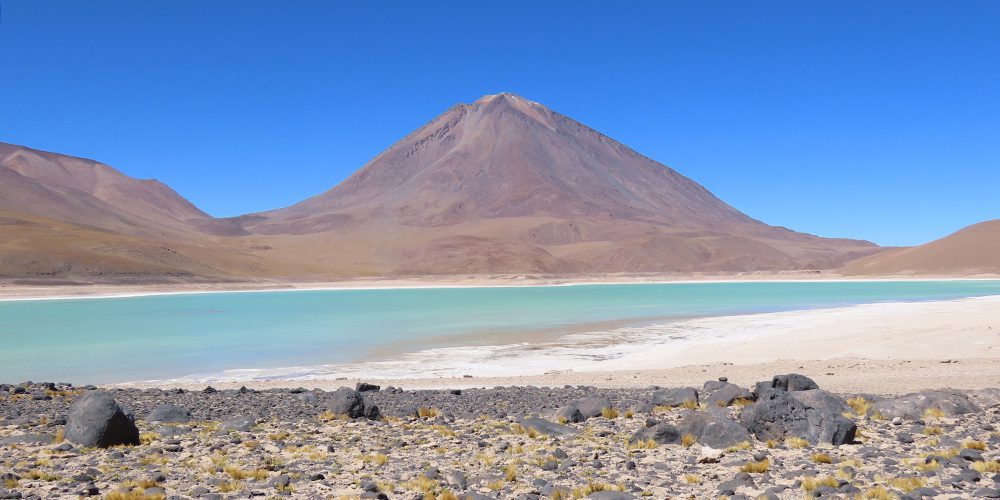
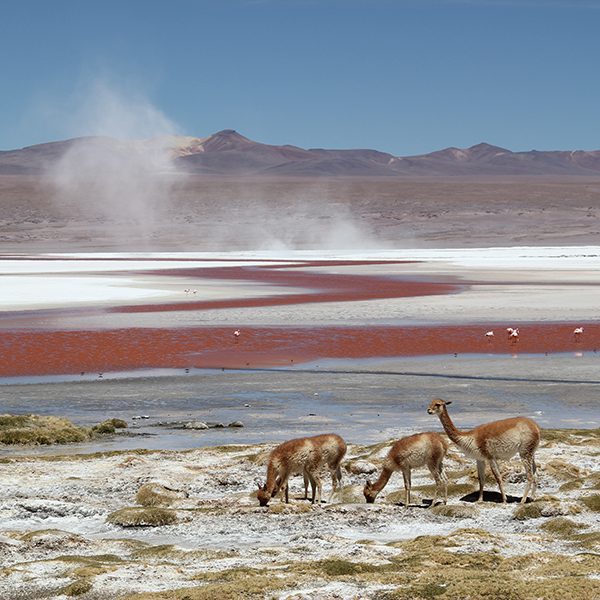
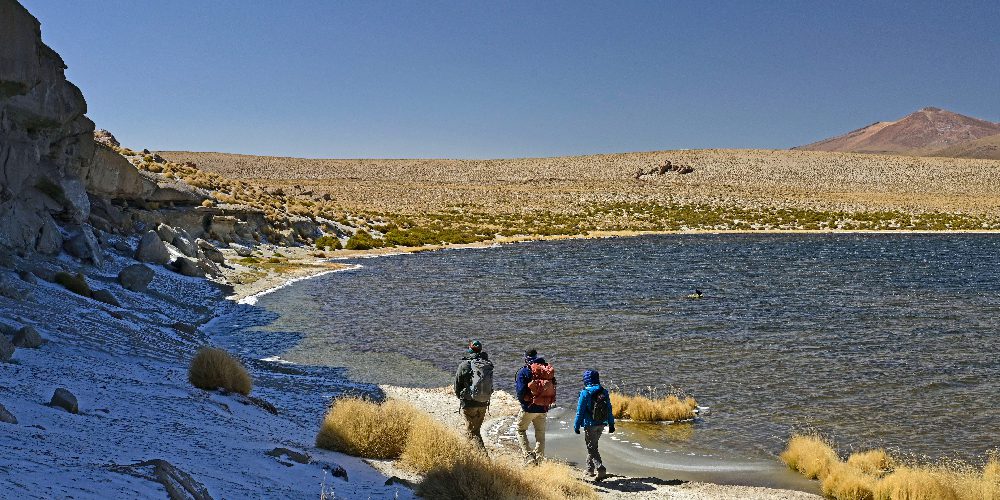
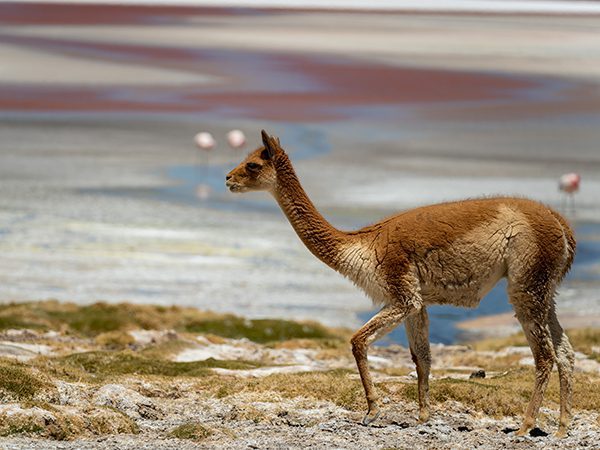
You pass by many, many high altitude lagoons and with more than 100 volcanoes. You are in the car and you see a super turquoise lagoon, and on the other side of the hill, there's a white lagoon, 30 minutes after that, there's a red lagoon, all of them full of flamingos.
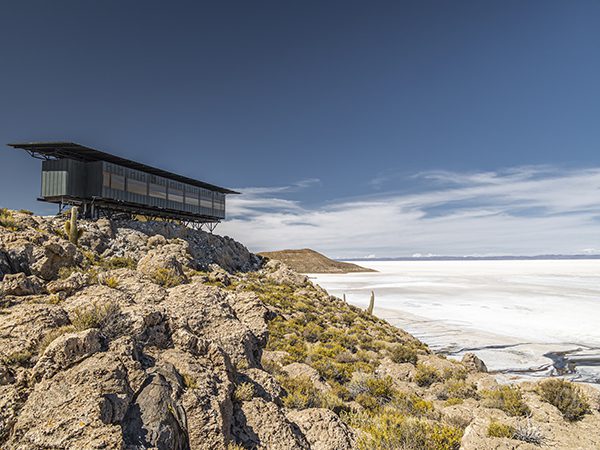
So we thought that this wasn't like two separate destinations, this was a route we wanted to share with our travelers. And from there began this journey to Uyuni, going super high in altitude, over 4,000 meters, and having two mountain lodges to spend at least two nights in those places. So it's not only a journey to point A to B, it's spending time in the middle ground.
We're seeing a lot of influencers on Instagram getting those beautiful shots of the Atacama and Uyuni. Is this as remote and private as it feels, or are we seeing other travelers along the way?
Sebastián: Each zone has a different identity. On the Chilean side, many people visit San Pedro de Atacama but we have explorations that only Explora does. So it will depend on you if you want to go to busy places or be by yourselves all day long with the guide. And in the hotel, you will share with more guests. But when you cross the border to Bolivia you are in nobody's land – you feel like you are on another planet. And in the first mountain lodge, which is called Ramaditas, the nearest community is three hours ahead so you will not see anybody.
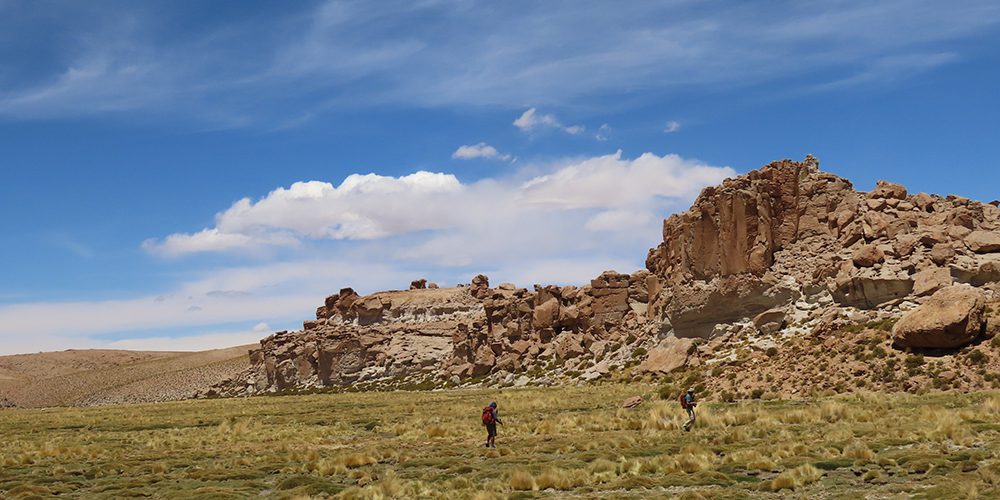
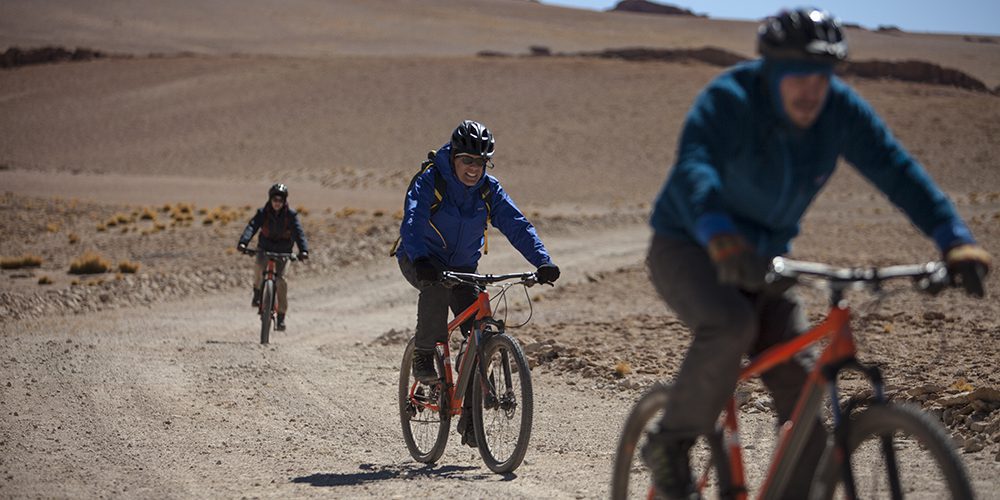
And over there, the altitude is tough. We're almost the only ones that hike in that area, and we can do that because we did a good acclimatization process before.
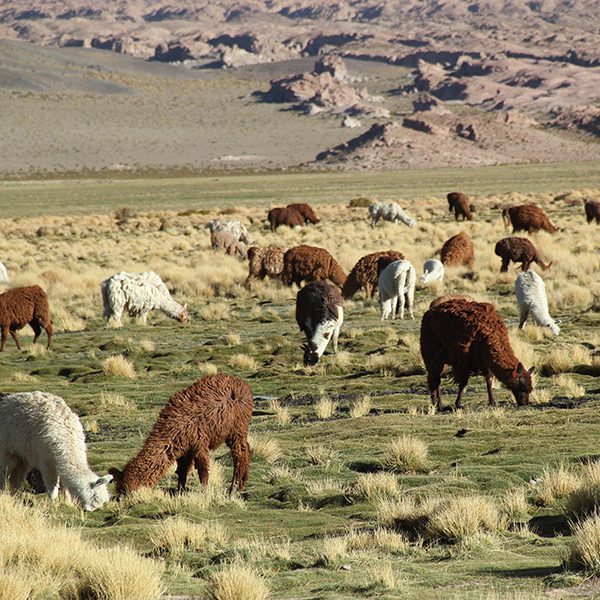
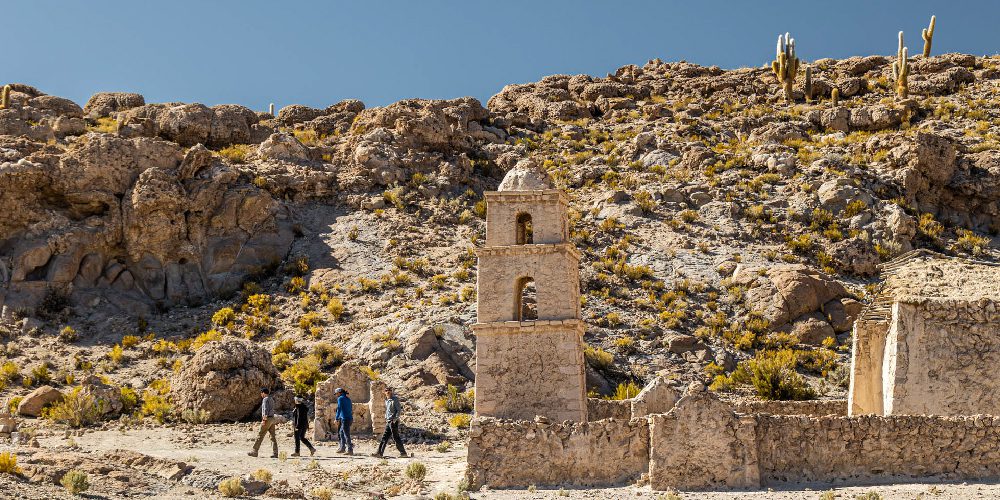
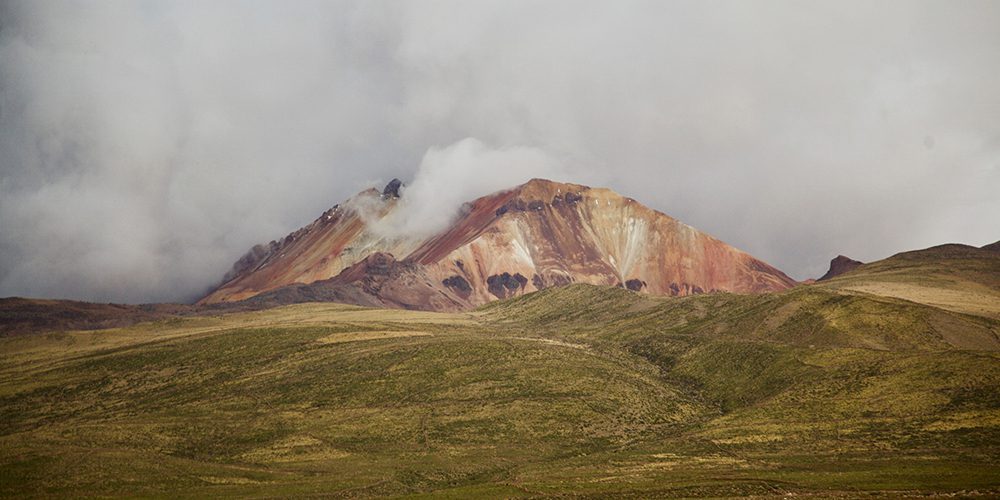
The second day in the mountains you go to a lower altitude, and the environment is alive with culture that has been working with llamas and alpacas and agriculture for more than 2,000 years. What you will see over there is not fake, it's not somebody that is using a custom to act for you. We will be hiking and see an old lady working in the field, and we will start talking to her, and the people are super open, really nice. But the sad part is that it's also a really poor part of the country. And in the last mountain lodge that is in the salt flat, we are in the house of the community so you will interact much more with people. When we do the Tunupa, a huge volcanic mountain behind the lodge, a local guide will go with us. You’ll see a shepherd with llamas and people collecting quinoa.
You mentioned llama and alpacas. What does the wildlife look like out there?
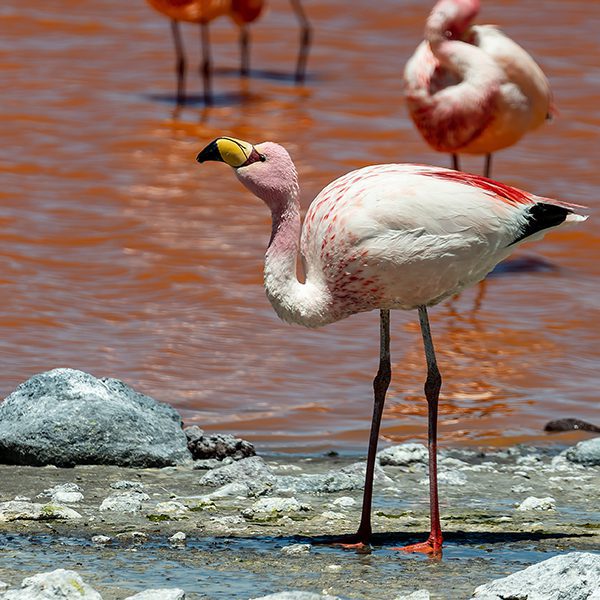
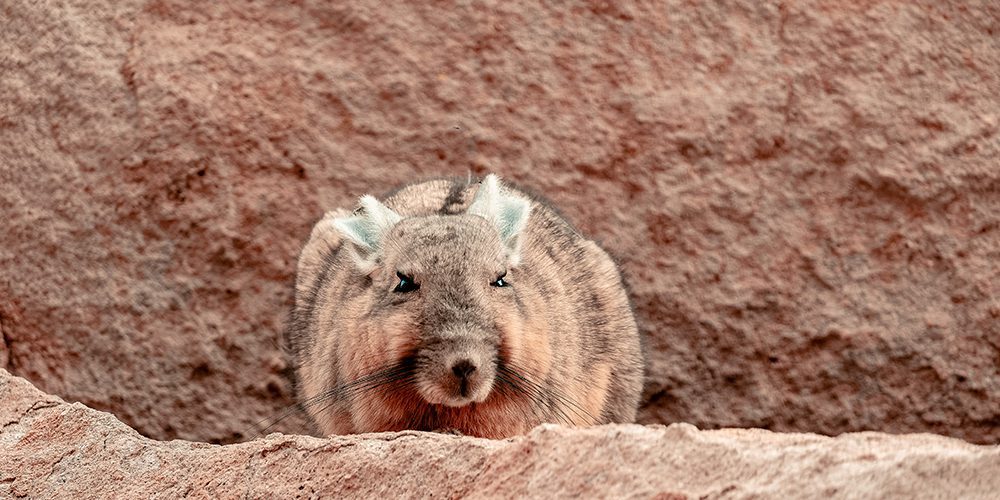
Sebastián: From the four types of Andean camels, we have the alpaca, the llama, the guanaco, and the vicuña. The vicuña is like the smallest one, and the wool, it's like the most treasured, and they are all wild, they can’t be domesticated. Maybe you will see some tracks of pumas or the small cat called the Phantom of the Andes. And the thing that you will see the most are birds, different kinds of eagles, condors – Andean big birds. In my case, I love flamingos, and you will see thousands. The color gives the environment a feeling that you are in a cartoon. You are sitting twenty feet from hundred flamingos, and behind that a volcano with the top full of snow, behind that, dark blue sky. And you will just want to stay there in a tent for 10 days, but we need to get back in the vehicle and move on, because you will see more things like that.
Our core clientele are people who have been to Africa; what would you say to them about where South America fits into that kind of safari travel?
Sebastián: In Africa, I do safaris with the great companies that are pushing for conservation and everything. And in Latin America, with Explora or companies that are the pioneers in that kind of business and are also the ones that are pushing for conservation and creation of national parks. So the vocation is the same, the styles are different. But the products are the same. Engaging with nature, with the local communities, with all the fauna that you will find. And at the end, you understand that you are almost nothing in comparison with that greatness. And that puts you in the right scale on the planet.
This interview has been edited for concision and clarity.