01 · How Kenya found us
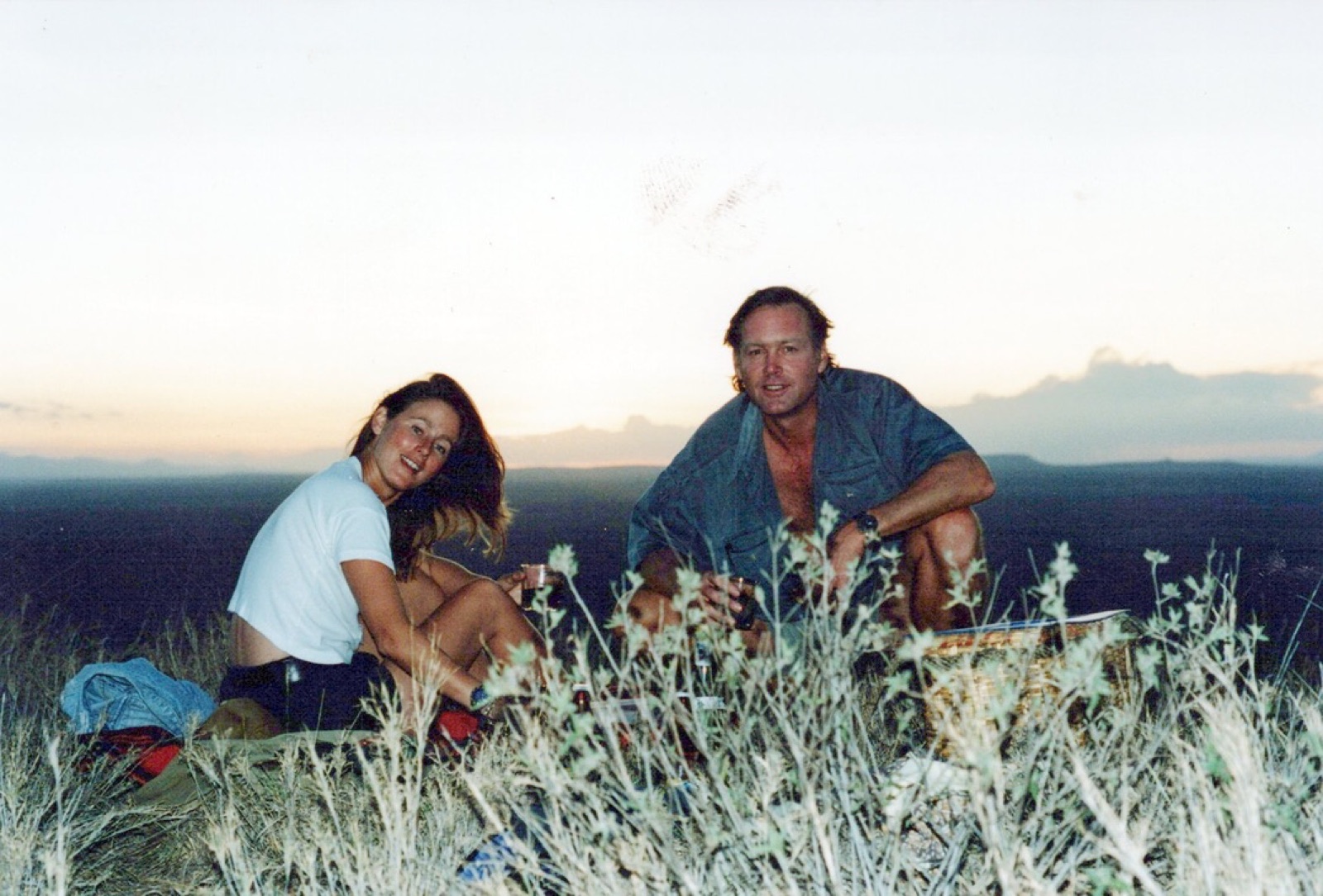
It started in Gstaad, in the winter of 1987. Chip was a tennis pro teaching skiing for the season. Sandy was born in South Africa and raised in Rhodesia (now Zimbabwe). When they married, Chip put it to her plainly: a short honeymoon and an expensive ring, or a year of travelling. She chose the year. There was a ski season in Switzerland, then Kenya, and the year turned into the rest of the decade.
Chip had logged his first flying hours in Kenya in 1989. He earned a bush pilot’s work permit and flew clients between camps for Geo Safaris. Sandy ran the Horsemen restaurant in Karen, outside Nairobi. “I met everybody who mattered in the safari world,” she says, “before I ever set foot in a proper camp.”
In the Mara they met James “Tuleto” ole Sengeny. He was young then, sent by his father to look after the strangers camping on his family’s land. Out on the plains he found them a denning pack of wild dogs that the guests had hoped to see. Before long his father asked Chip to take James to Nairobi. Chip and Sandy didn’t have a shilling between them, and they said yes. In Nairobi they taught James to drive. He came with them to Ol Donyo Wuas, where he started as a waiter and became a guide. Today James is a Maasai elder and a community leader. He is Daisy’s godfather and Chip’s partner on the Maasai Mara these twenty-seven years, as close as a brother.
The families who ran Kenya’s owner-run camps taught them the rest. “The Bonhams taught us the concept of family and hosting,” Chip says. “That was their concept, and it became ours.” Richard Bonham had built Ol Donyo Wuas in 1986. Around them was a circle of families who opened their homes to travellers: the Dyers at Borana and the Francombes at Ol Malo.
02 · The lodge was still smoldering
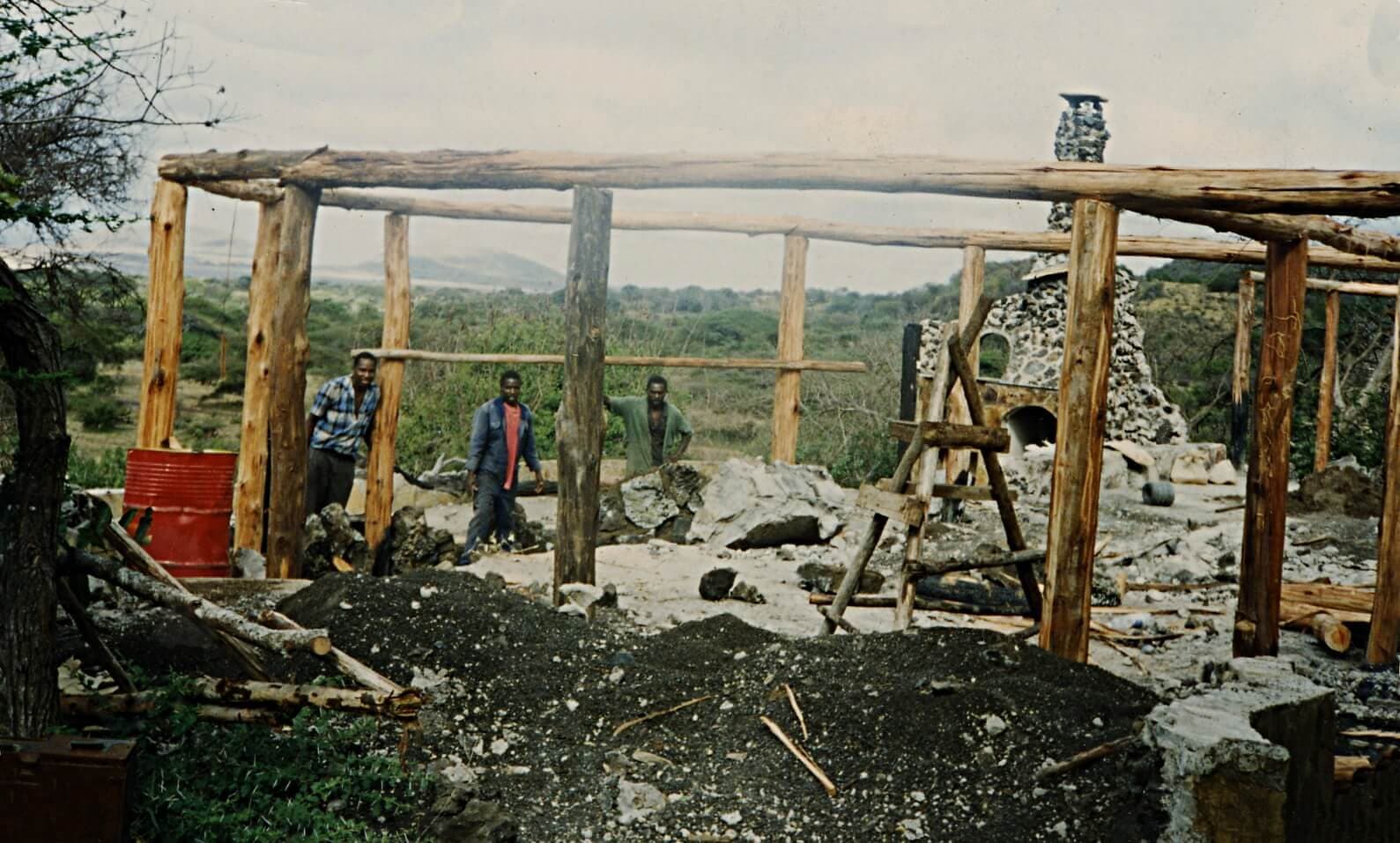
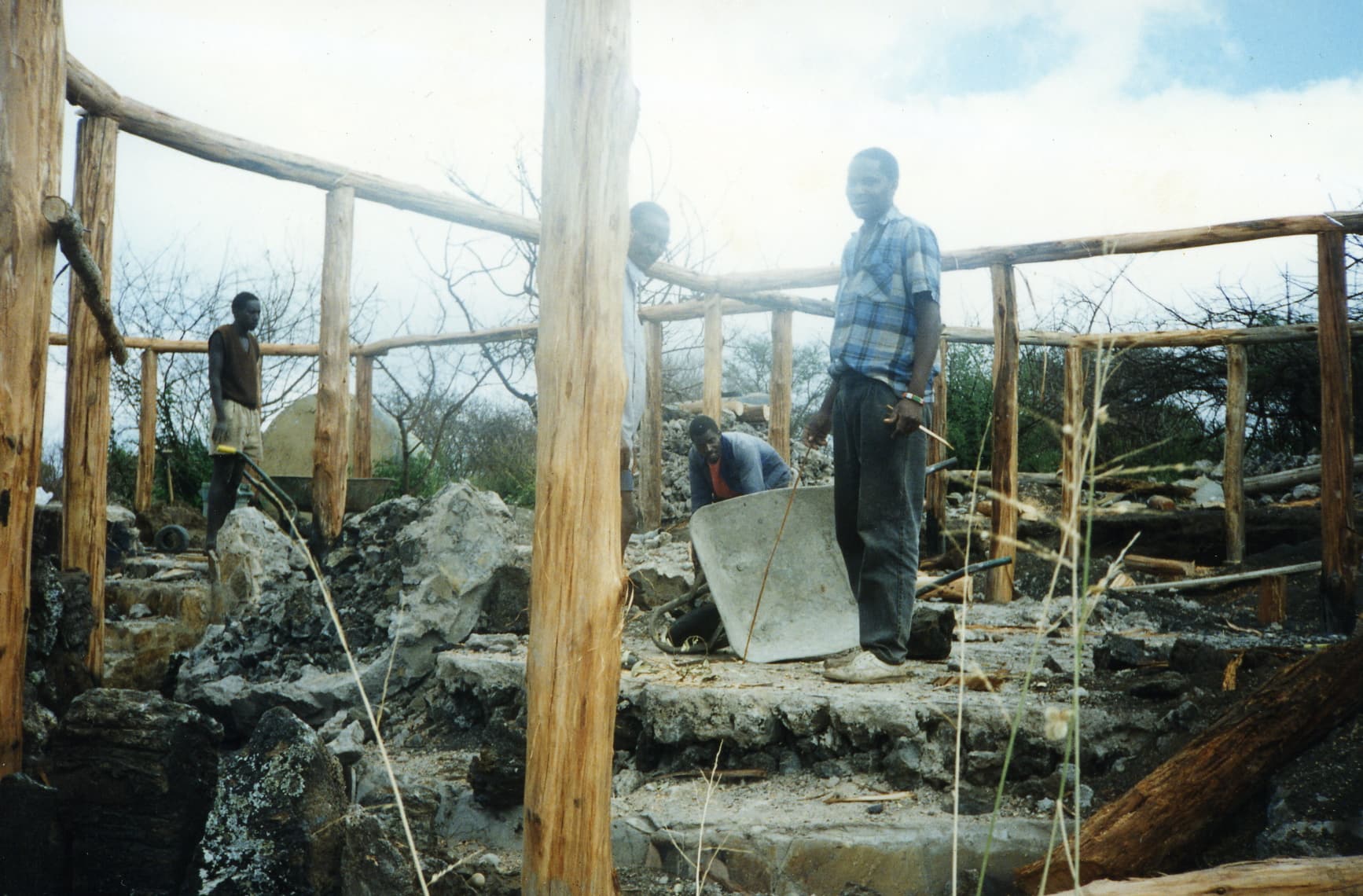
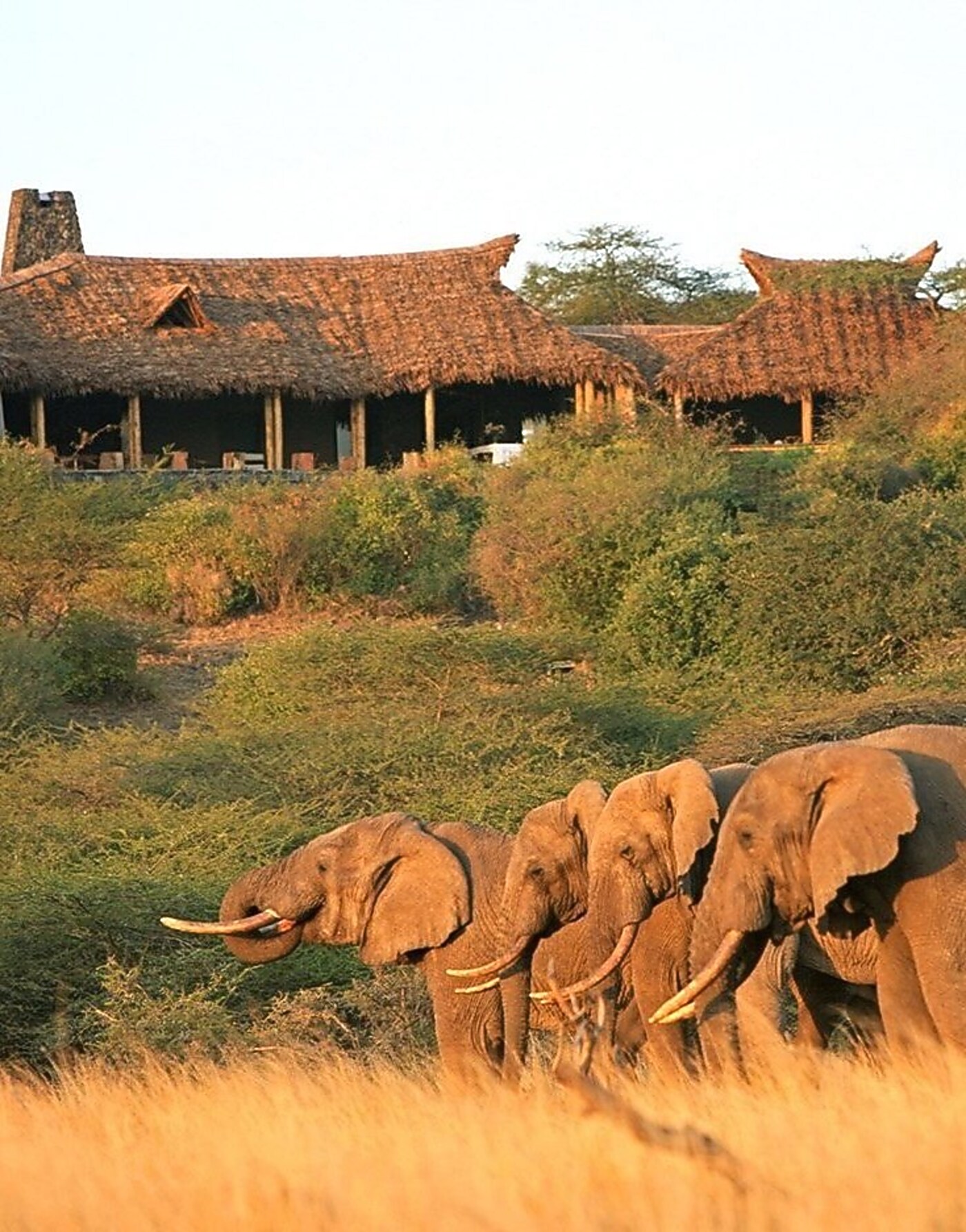
In the autumn of 1995, word came from the Bonhams. The lodge at Ol Donyo Wuas, in the Chyulu Hills between Amboseli and Tsavo, had burned. Would Chip and Sandy run it? They drove down the next day. The lodge was still smoldering.
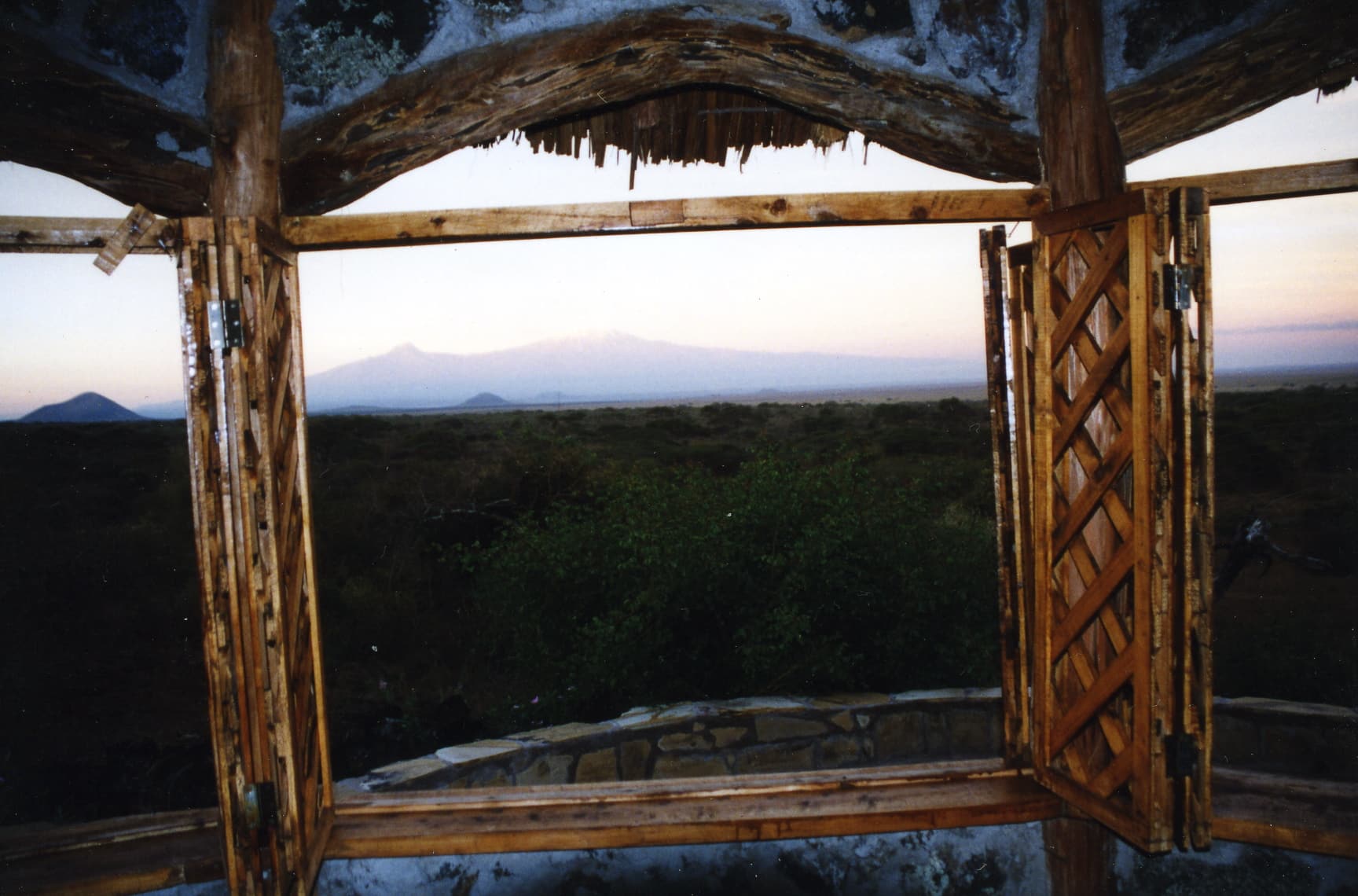
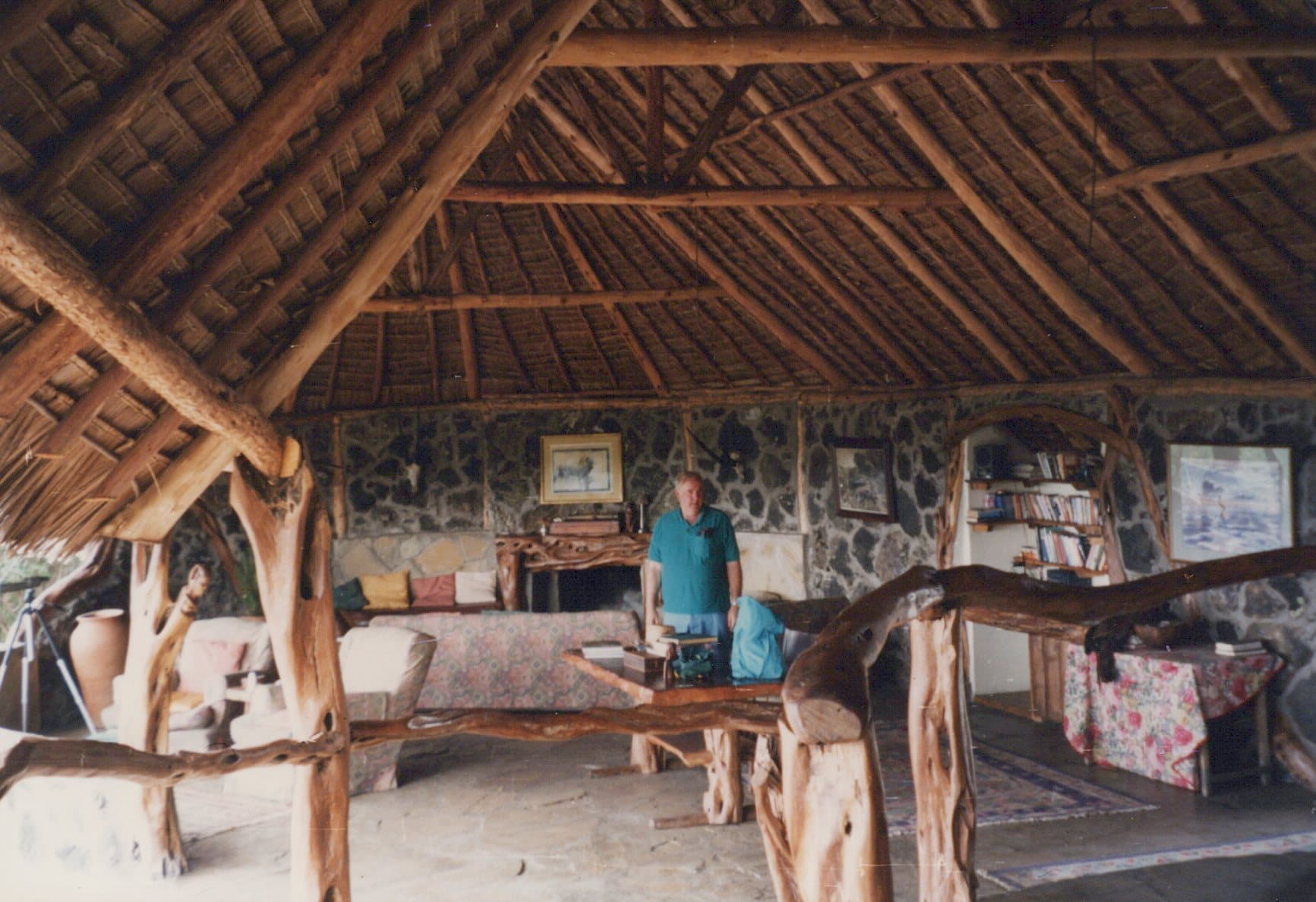
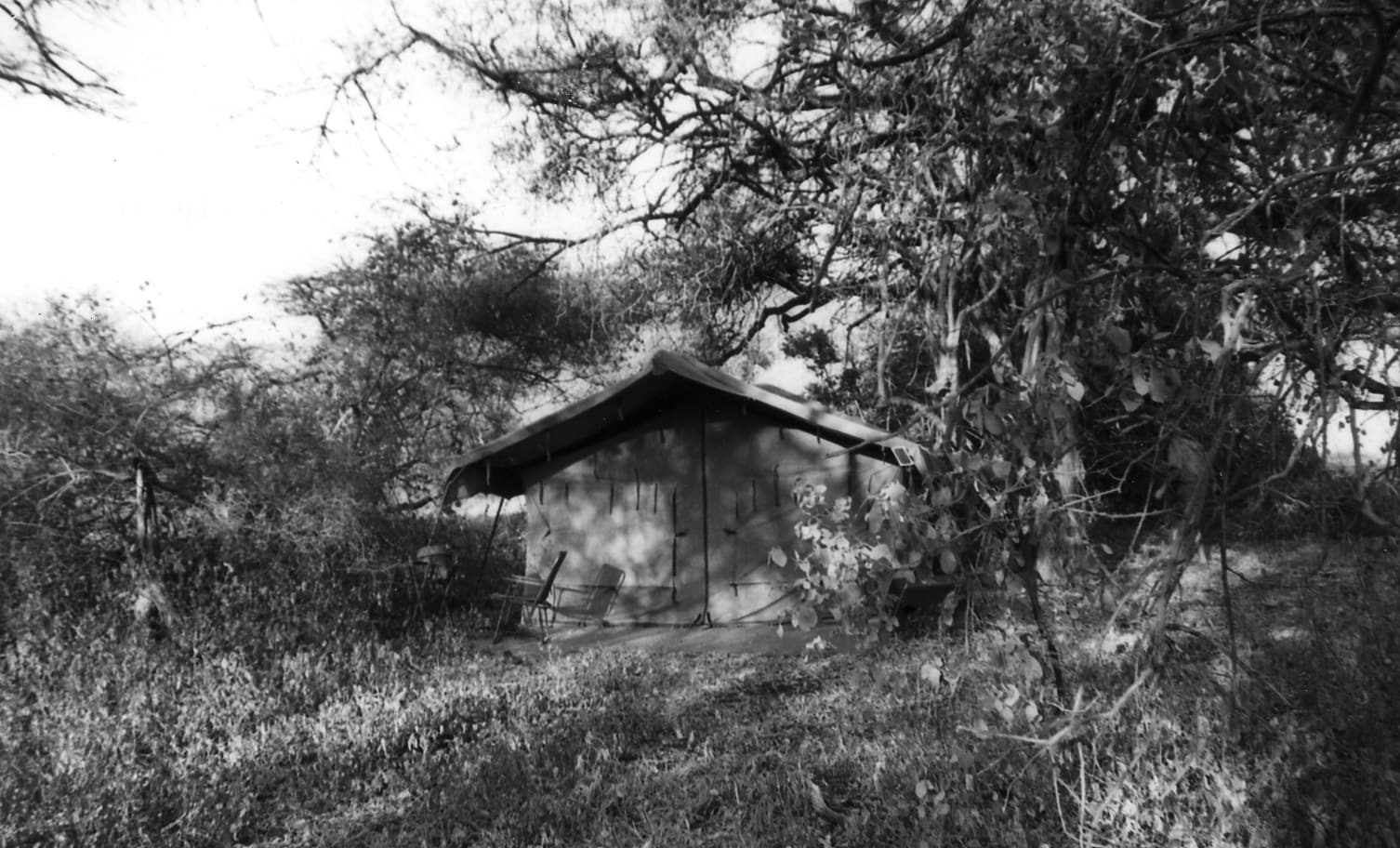
They said yes. They lived in a tent on the property and rebuilt the place by hand, with thatch cut from Kimana Swamp, and had it open for Christmas. Chip flew a six-seat Cessna 206 to Nairobi for chickens and pigs. Sandy ran the lodge. “Chip loved the idea of flying in and out of there,” she remembers, “buzzing zebras off the runway.” They stayed on through 1996 and 1997.
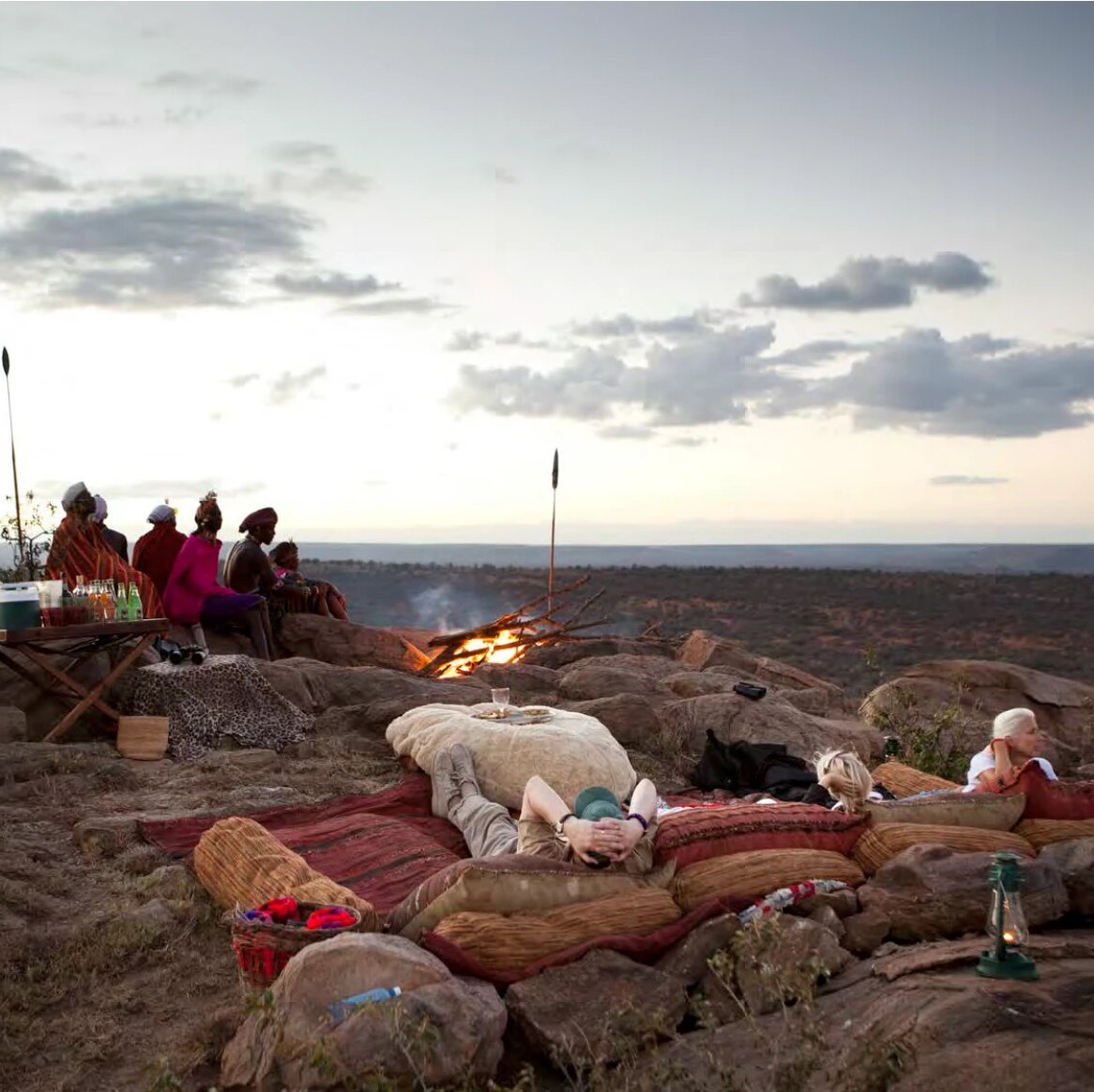
This was safari as a life, not a product. The land belonged to the Mbirikani Group Ranch, and the Maasai benefited from every night a guest slept on it. Ol Donyo is still there, and that arrangement still holds. That is where UNCHARTED® began. Everything we do now goes back to those years at the camp.
There is a softness about Africa that is often overlooked; it stays with you, shapes you, and wraps you in a cocoon of pure joy.
Sandy Cunningham
03 · Taking it beyond East Africa
In 1998 Chip and Sandy left Kenya and carried what the camp had taught them further: to outback stations in Australia and estancias in Argentina. Owner-run, personally vouched for, never sold without knowing the people who run it. So the company became UNCHARTED Outposts®.
In 2005 they moved the company west to Santa Fe, New Mexico, and worked with New Mexico’s Native peoples. In 2014 the company joined forces with Outside magazine as OutsideGO. In 2019 they moved further west, to Santa Barbara. When Outside was sold in 2021, Chip and Sandy took the company back as UNCHARTED®.
You are treated as a family friend, not a stranger. And that’s the magic.
Chip Cunningham
Today UNCHARTED® is the Global Safari Company: 144 camps and lodges across six continents, and still family owned. Our Outposts are the owner-run places we know ourselves. Each traveller’s journey lives on a private page of its own, which we call DreamPosts™.
04 · Not more luxury. More life.
The rule hasn’t changed since the camp at Ol Donyo Wuas: if we don’t know who owns it, we don’t send you there. We are not travel agents. We are safari people.
People, planet, profit. In that order.
Land stays wild when the people living beside it are better off with the wildlife than without it. The land and the people who live beside it come first, as they did with the Mbirikani Group Ranch at Ol Donyo. Live well. Travel far. Leave it better.
We flew the planes. We raised the kids. We lived through the fire. We built the lodges, fought for the land, loved the people.
Not more luxury. More life.