 By The UNCHARTED® editors · 5 min read
EARTH DAY 2023
When was the last time you gave away a month’s salary to someone who looked like a bad guy in the eyes of the world?
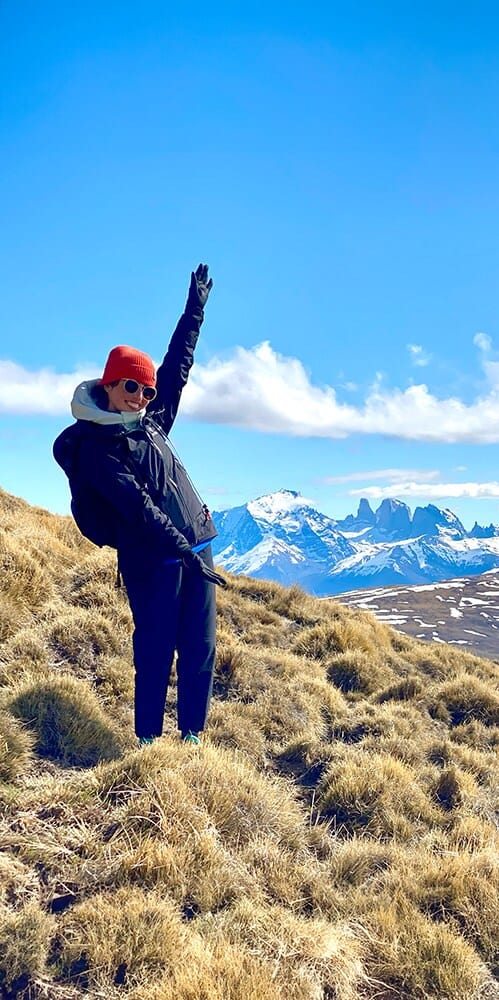
That’s just what our Maasai friend and colleague Tuleto “James” Sengeny did when we worked together at Ol Donyo Lodge in the mid-1990s.
The nascent conservation efforts that our boss Richard Bonham started there included a unit of a half-dozen Maasai rangers whose work consisted mainly of collecting snares set by local Wakamba tribesmen to poach bushmeat. Sadly, the snares also trapped giraffes, elephants, and elands, so halting their use was key for wildlife conservation.
One day, the Ol Donyo ranger unit detained one of the poachers until the Kenya Wildlife Service could arrive to hold him accountable for his illegal actions. Even though the Wakamba and Maasai were generally ill-disposed toward one another, James realized that the Wakamba fellow was simply a poor man trying to feed his family by any means. Taking pity, James gifted him a month’s salary and sent him back home. Sometimes even poachers are deserving of compassion and mercy. And former poachers often become the best anti-poaching rangers.
We share this anecdote to illustrate the kind of nuanced awareness about conservation that can only come from experience on the ground and in the bush. In our global safari travel operation, we seek out and develop partnerships with people who share our values and just plain get it.
Big Life Foundation
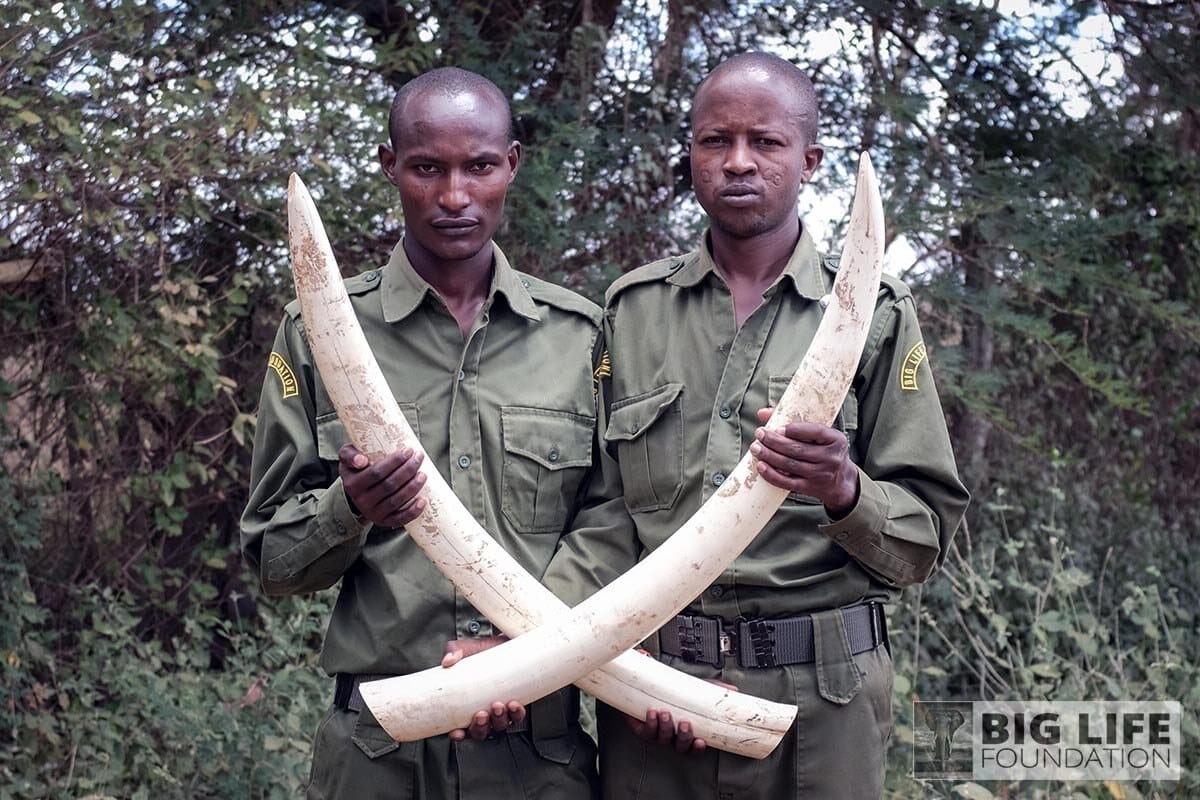
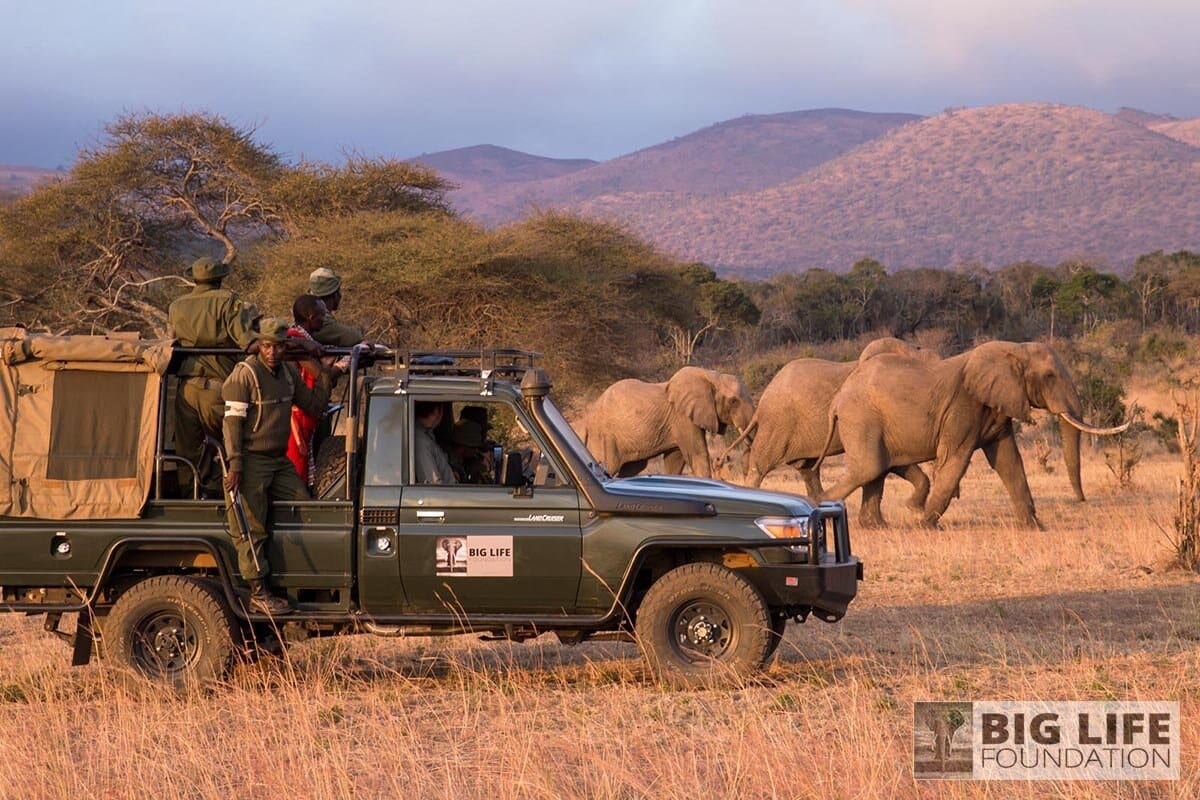
Co-founded in September 2010 by photographer Nick Brandt, conservationist Richard Bonham, and entrepreneur Tom Hill, Big Life collaborates with local communities, national parks, and governmental agencies to conserve the Amboseli-Tsavo-Kilimanjaro ecosystem. The region includes one of the largest populations of elephants in East Africa, and the foundation employs hundreds of local Maasai rangers to help protect them.
It is headquartered out of Ol Donyo Lodge, the UNCHARTED Outpost that Chip and Sandy managed in the 1990s. We still send clients there, so needless to say our ties to the region are deep!
Great Plains Conservation Foundation
Led by wildlife documentarians Dereck and Beverly Joubert, Great Plains Conservation Foundation works to secure African landscapes large enough to protect resident and seasonal wildlife populations. They select key areas that are under threat, often next to national parks, World Heritage Sites, and reserves, and acquire the rights to convert that land to protected areas with economic benefits.
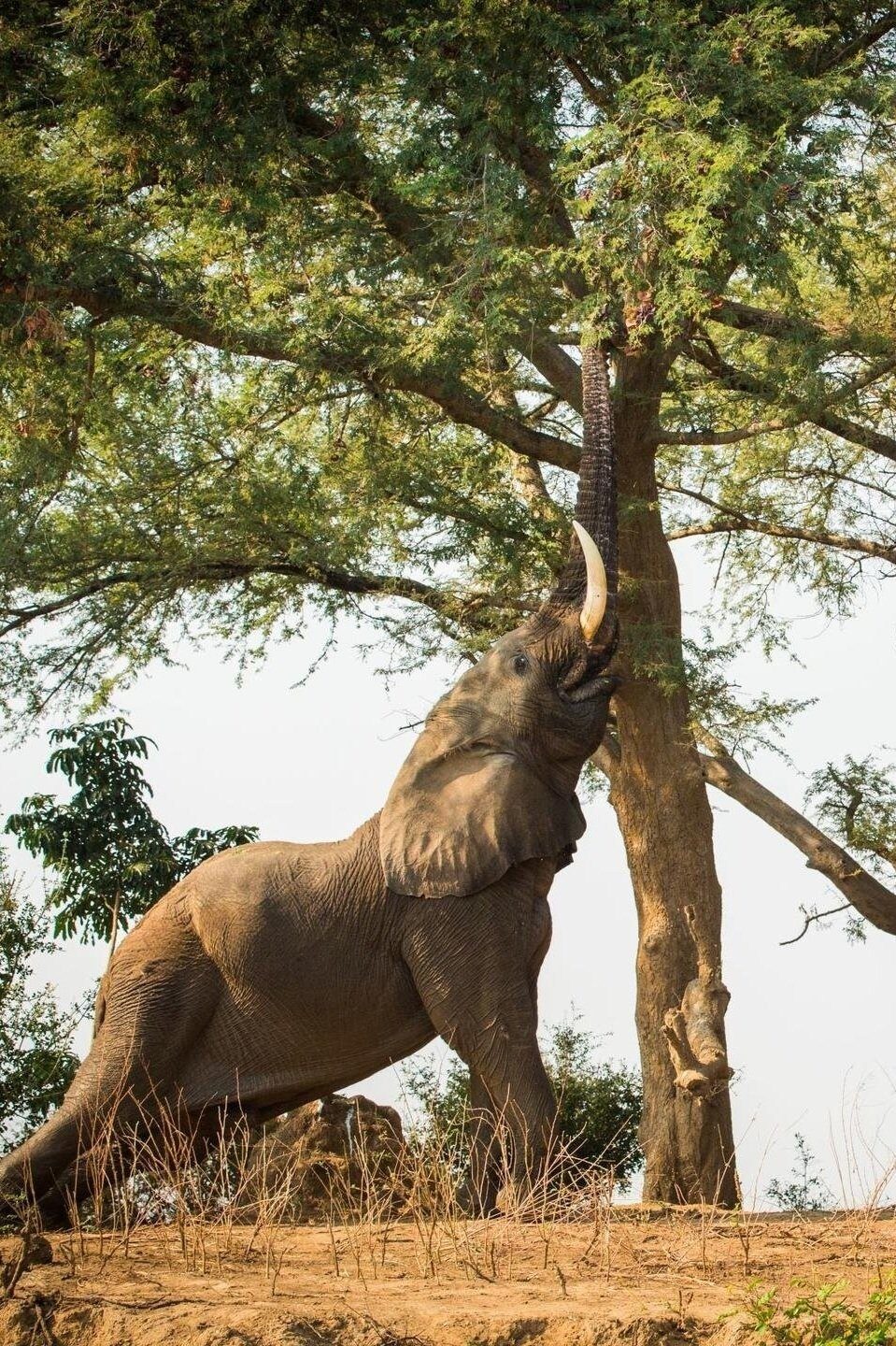
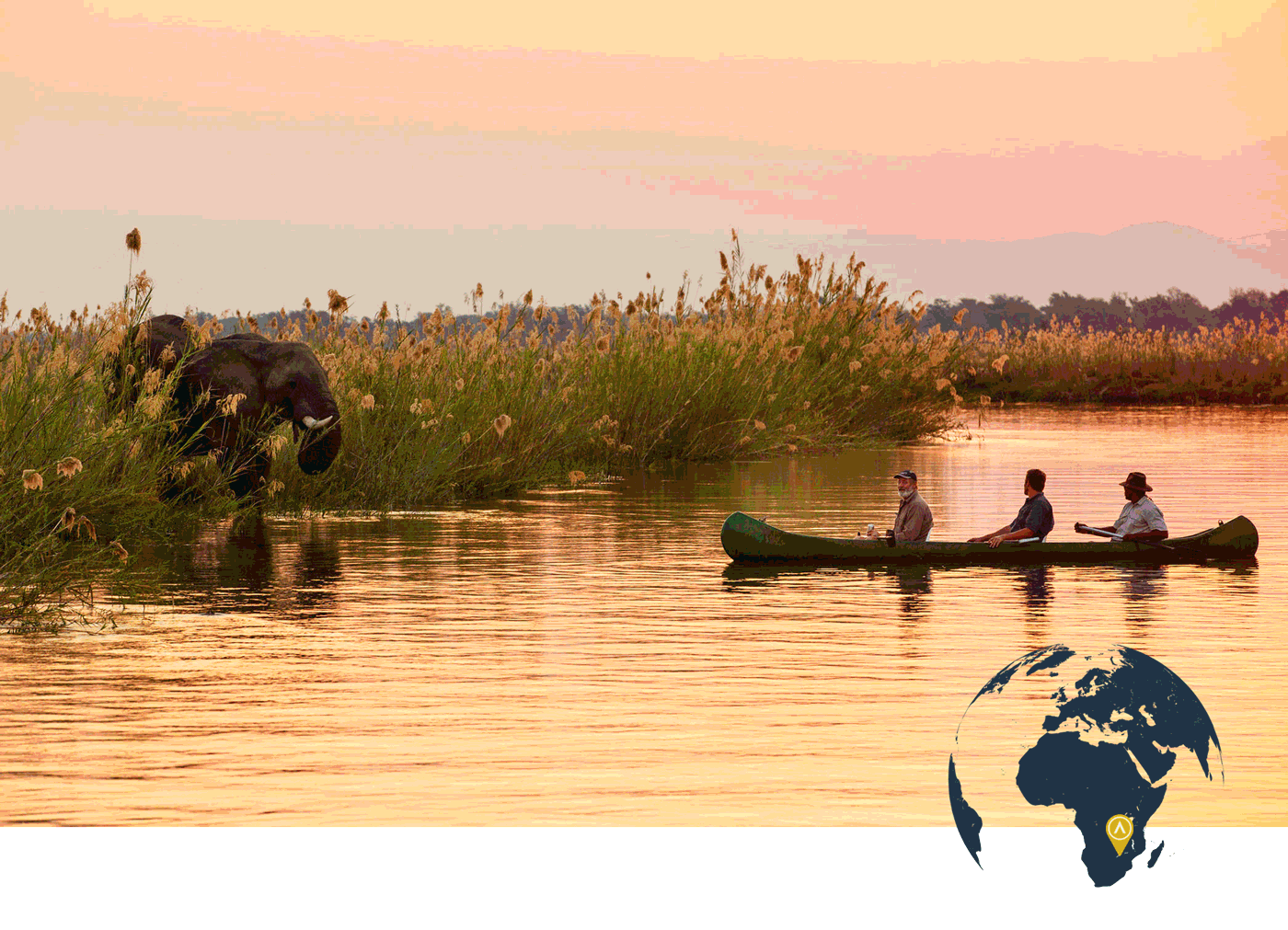
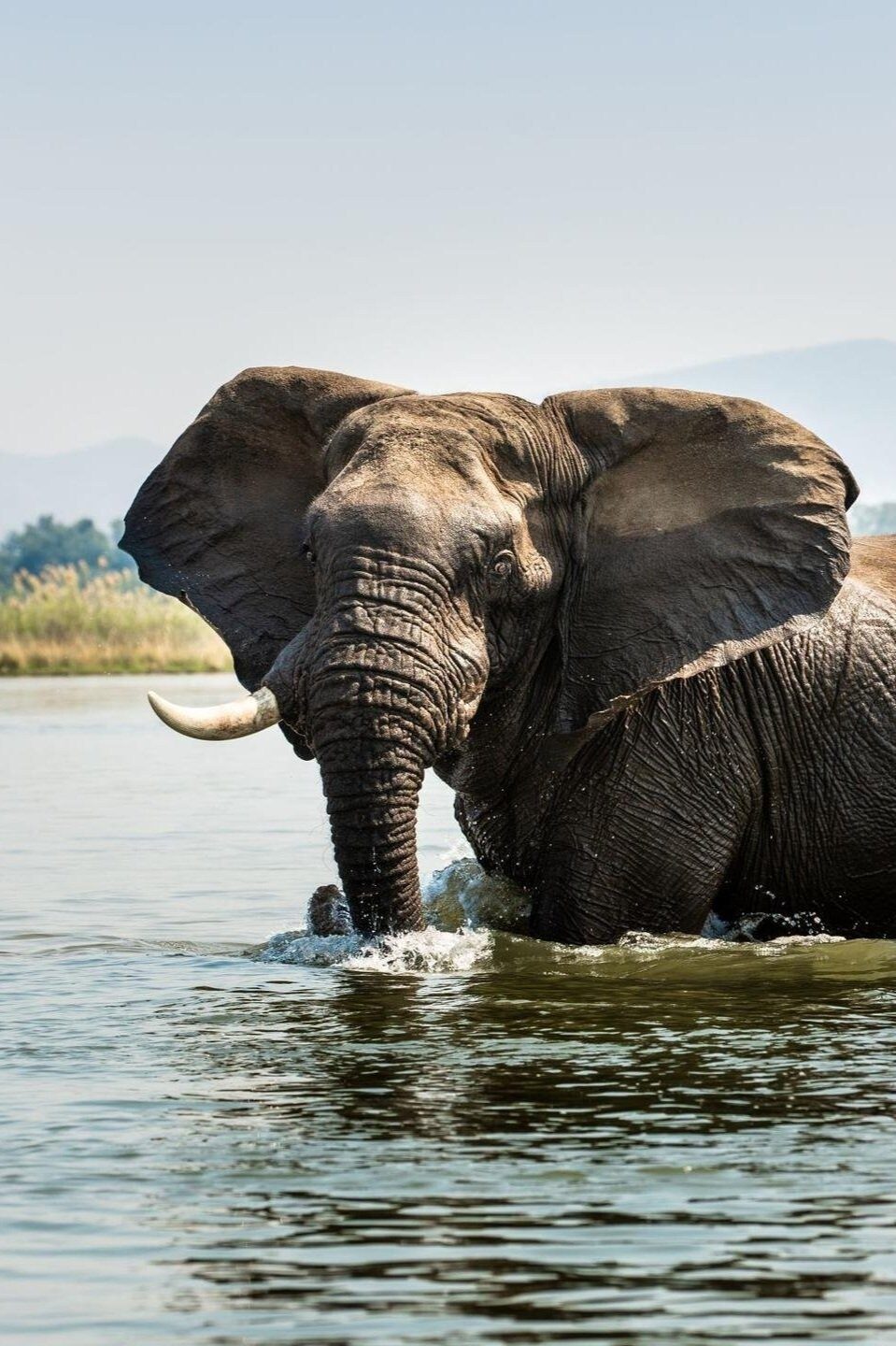
One of their camps, Tembo Plains, is an UNCHARTED Outpost perched on the Zambezi River. It was a popular hunting area for six decades, but in 2016 they purchased the land and have since turned it into a private reserve supported by photographic tourism.
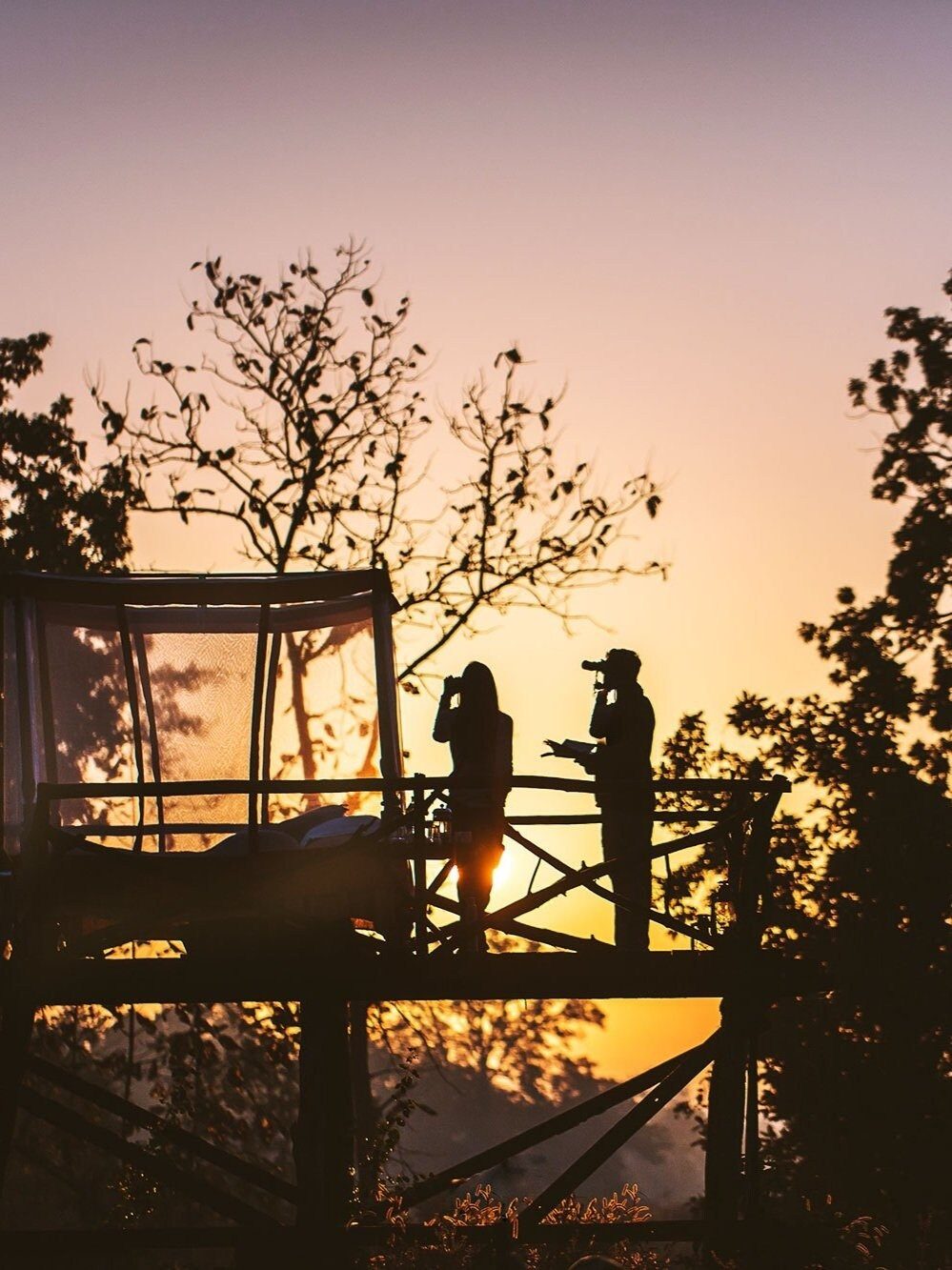
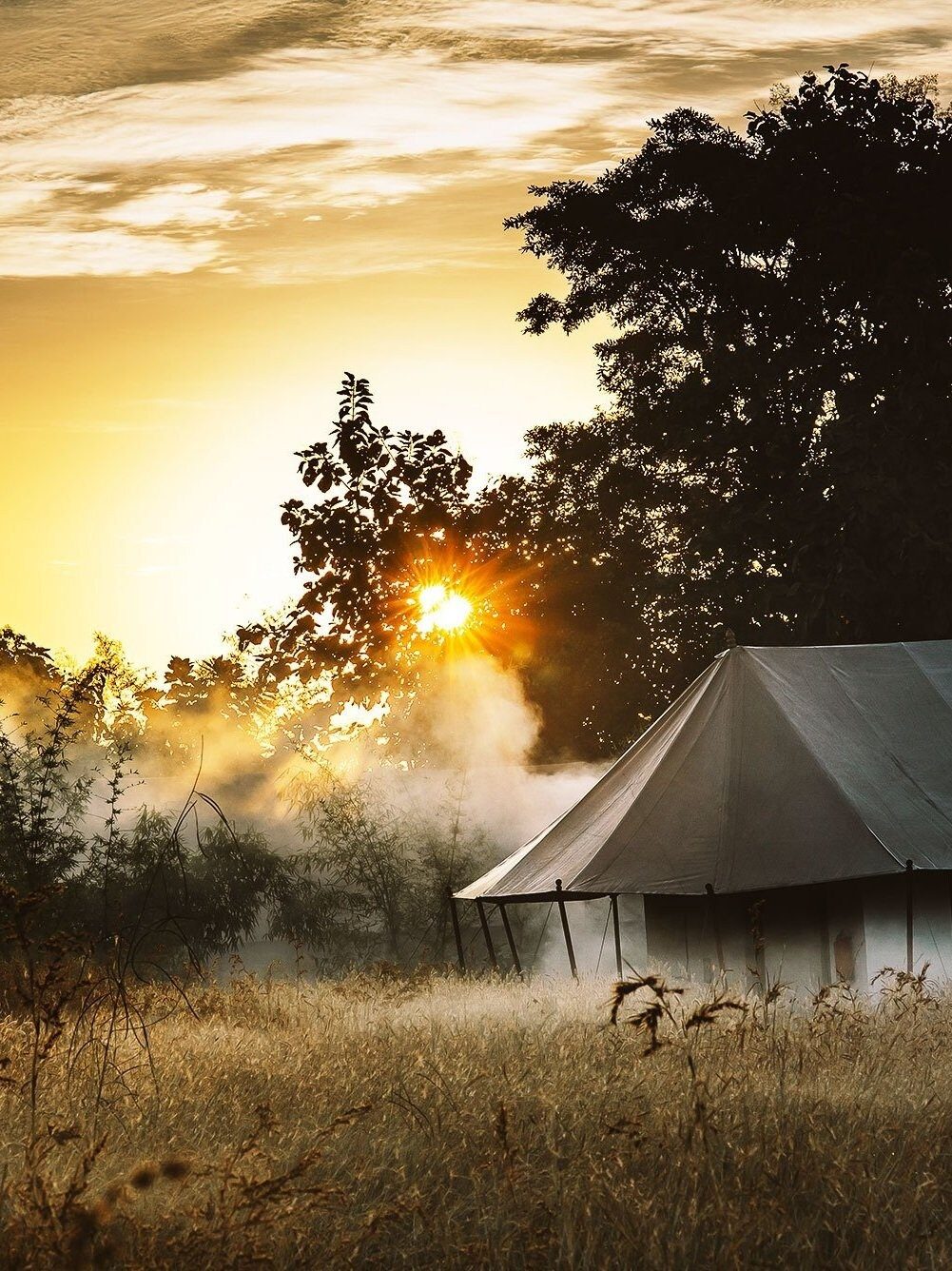
Amit Sankhala’s family’s work with tiger conservation goes back three generations and 40 years: His grandfather was the founding director of Project Tiger, which later became the Tiger Trust; his father set up some of the very first eco-lodges and big cat safaris in India, including Jamtara, an UNCHARTED Outpost. Amit now runs it all.
But in his grandfather’s time, establishing a safe space for tigers was a challenge, to say the least. After years of work—in large part thanks to the Sankhalas and the Tiger Trust—there are now several national parks that not only protect these beautiful animals, but also help restore their numbers while raising awareness of the threats they face.
Charles Darwin Research Station
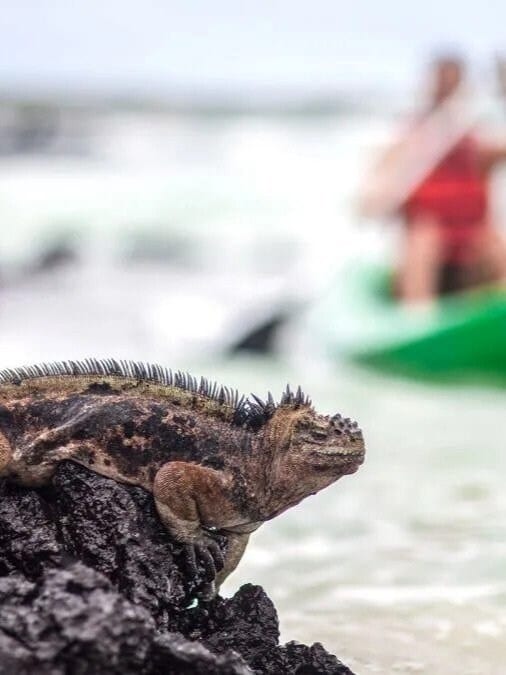
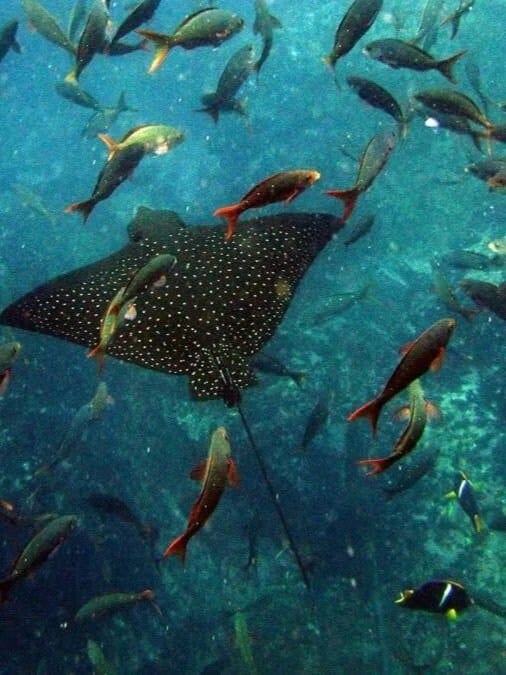
Galapagos Safari Camp, an UNCHARTED Outpost, has been engaged with reforestation efforts since its inception. One of the biggest issues in the Galapagos is non-native species—Santa Cruz Island has severely suffered from invasive plant introduction.
GSC works with both the Charles Darwin Research Station and Conservation International to manage a private, long-term stewardship initiative that also allows guests to learn about some of the problems flora and fauna face in the area. Moreover, the camp’s farm only grows native food, and they strive to recover as many local species as possible.
Nimmo Bay Outpost
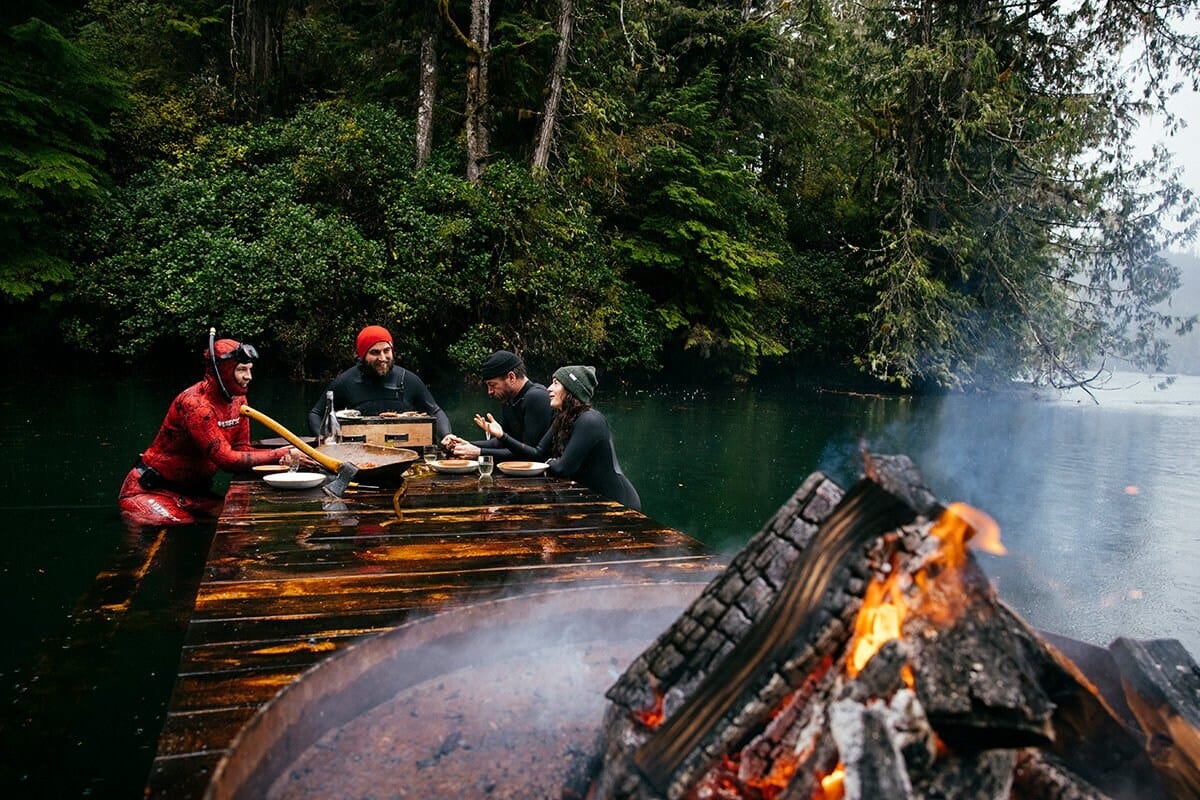
The Great Bear Rainforest in Canada consists of 50,000 square miles of coastal, temperate wilderness full of Grizzlies, Black bears and Kermode (or white Spirit) bears—not to mention all the orcas, humpbacks, and wild salmon offshore.
For UNCHARTED Outpost Nimmo Bay, protecting wild salmon is paramount to its conservation legacy and history as a former fishing lodge turned world-renowned wilderness resort. These fish are the backbone of British Columbia’s ecosystem and economy, but trawling practices and seaside development are pushing them to the brink of collapse.
Not only do owners Fraser and Becky Murray work in aquaculture activism and education, but they are also founding members of Sea to Cedar, an organization funding groundbreaking wildlife research, including the coastal carnivore mapping protection project—a cherished program, since Nimmo offers sustainable bear viewing experiences.

We have been longtime lovers of Kangaroo Island.
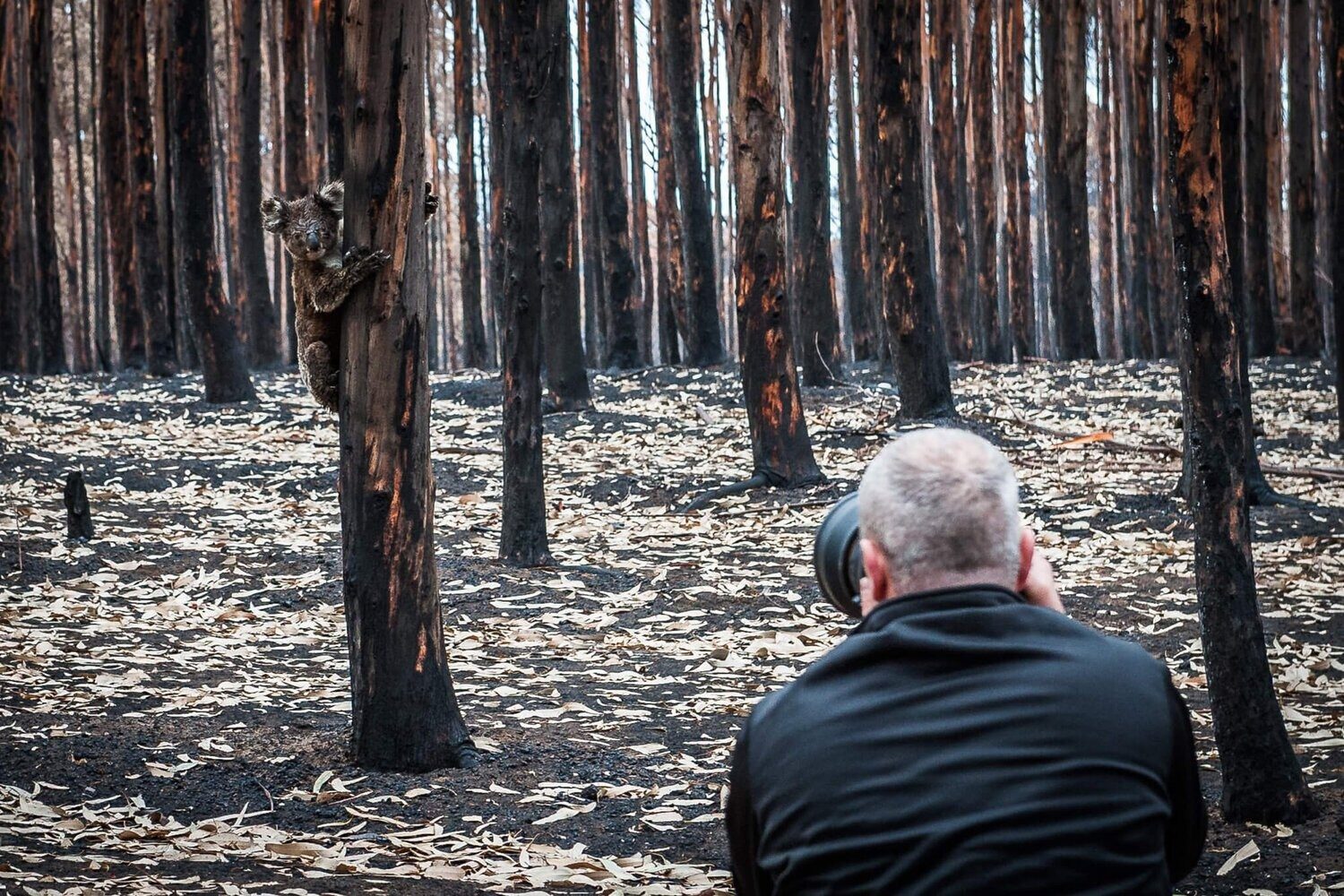
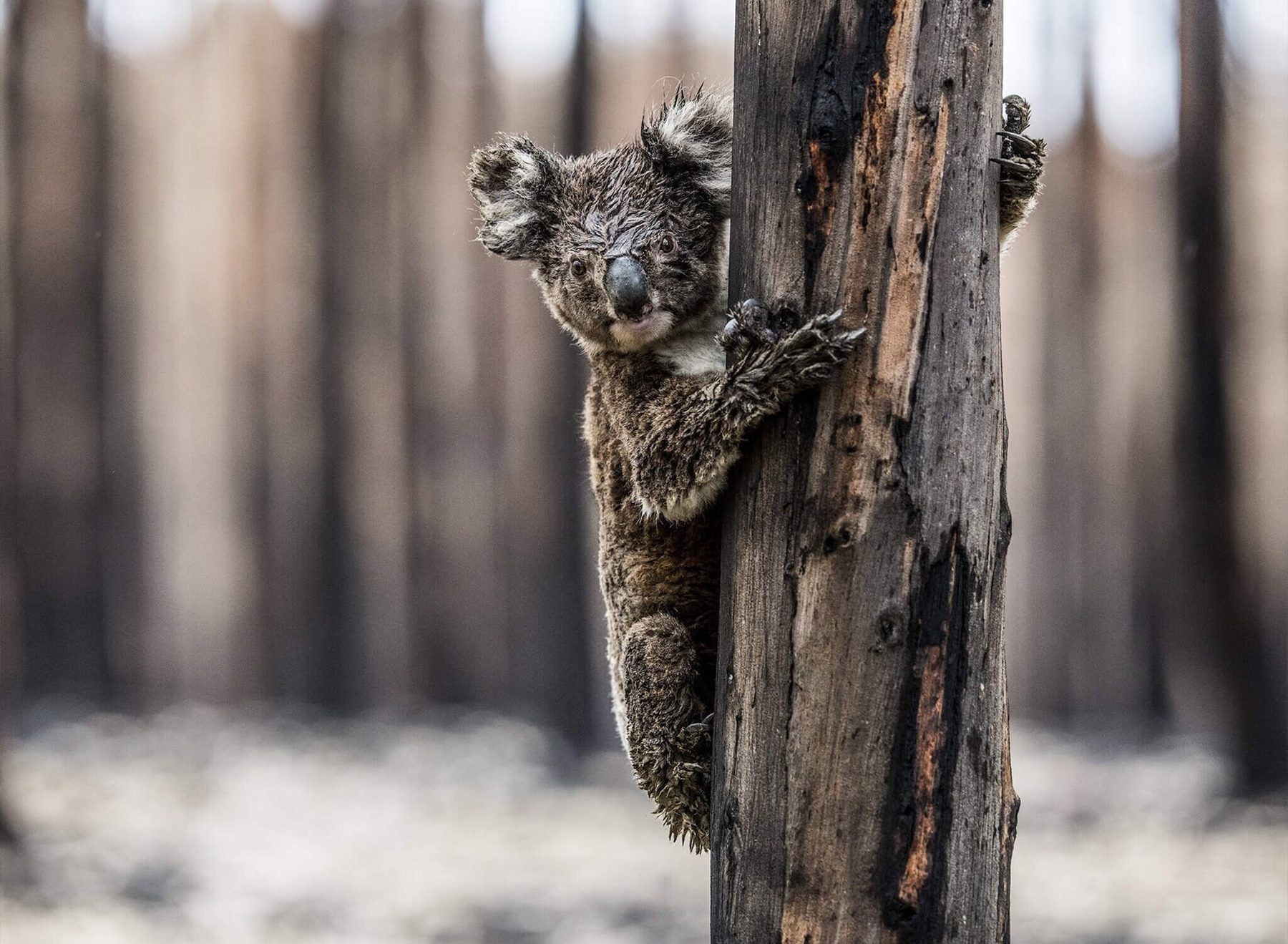
The island provides refuge to threatened and endemic species–from koalas and wallabies to sea lions and echidnas, small hedgehog-like critters. But in the summer of 2020, the island was hit with a large and deadly brush fire. The devastation included a loss of 70 percent of the habitat—and thousands of animals perished along with it. Those creatures that did survive were left extremely susceptible.
In the immediate aftermath of the fires, we supported the work of our friend David Yarrow, having known him since our days running Tusk USA. Yarrow, a conservationist and photography luminary, began the Koala Comeback Campaign alongside non-profit WildArk. The project’s mission was to rescue the island’s wildlife and rehabilitate their home, and he spent extensive time amid the charred landscapes of the island.
One encounter with a forlorn and severely burned koala became the subject of his photograph known as “Survivor,” and the photo served as the poster child for the program. To this day we still champion groups involved in Kangaroo Island’s recovery.
Five New Ways to Explore Peru