 By The UNCHARTED® editors · 5 min read
Dimple Bhati was in college when she married into India’s first family of tiger conservation. Her education had just begun.
Dimple’s husband Tarun is the grandson of Kailash Sankhala, the “Tiger Man of India,” whose efforts included convincing Prime Minister Indira Gandhi to ban big cat hunting in 1972. Since then, over four generations, the family has been instrumental in establishing tiger reserves and parks throughout the country in a successful effort to save the endangered species.
A key part of their strategy has involved establishing ecotourism lodges near tiger refuges to raise awareness and create economic incentives and opportunities for local villagers. One of these camps is Kanha Jungle Lodge, an UNCHARTED Outpost that Dimple and Tarun oversee.
“Our staff are all local, and 40 percent are women from nearby villages,” says Dimple, who runs the camp with Tarun. “Some of them have been with us for 20 to 30 years and helped build this property. They were working here as laborers, and then were hired on to stay. We’re proud to have a lovely team of staff and naturalists.”
Dimple’s pride most certainly extends to her 19-year-old son Jai, who has often been called a real-life Mowgli from
. Jai was raised in their safari camp, and is already a skilled naturalist who has been featured in a Discovery channel documentary as a successor to his great-grandfather’s legacy. While tigers of course hold a special place in the culture and in conservation, Dimple also holds an equal fascination for her beloved “creepy-crawlies.” When she guides nature walks and game drives, she makes sure to point them out, and in her spare time writes books about butterflies, moths, and the mysterious “zombie mushrooms” that inhabit the jungle and nearby Banjar River. At day's end, she delights in cooking with guests and teaching them how to wrap saris.
The Jungle Book
And yes: Dimple is her real given name.
Responses have been edited for clarity and concision.
Q:
How regularly do your guests get to spot tigers?
Q:
How did you come into the family business?
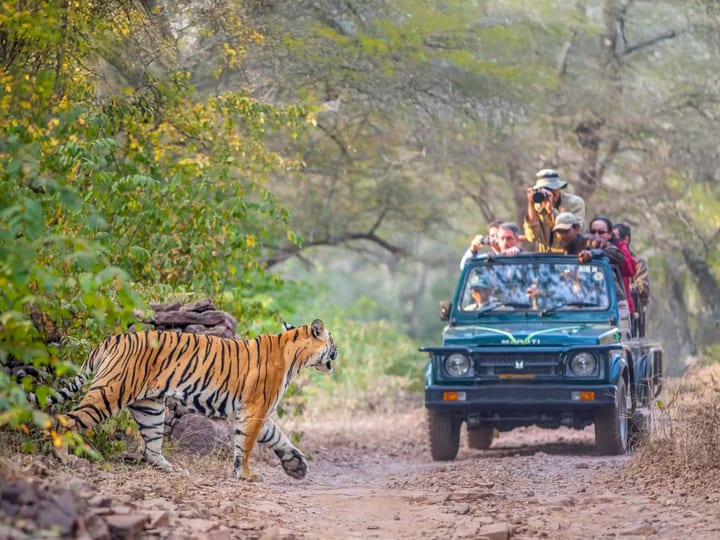
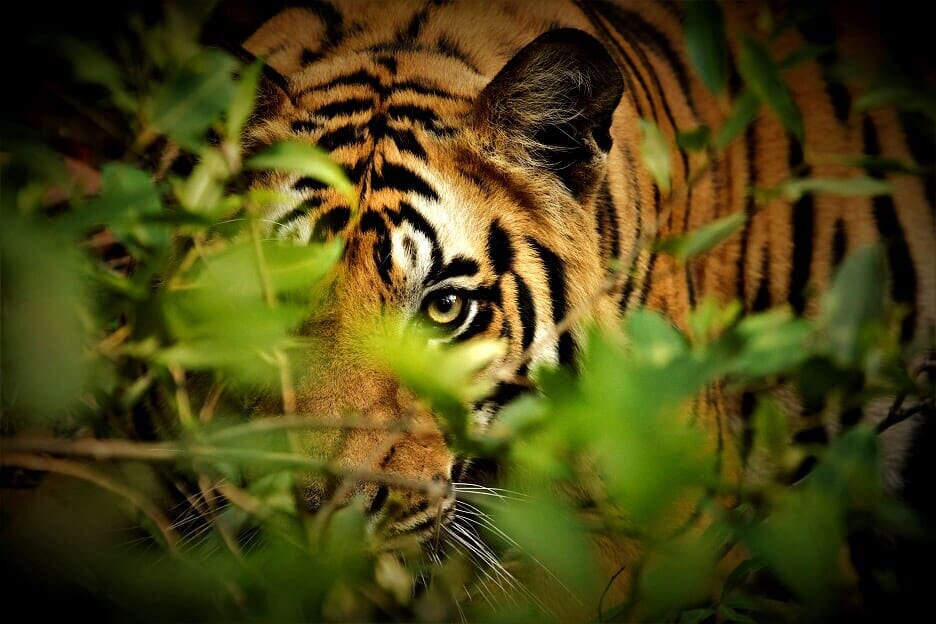
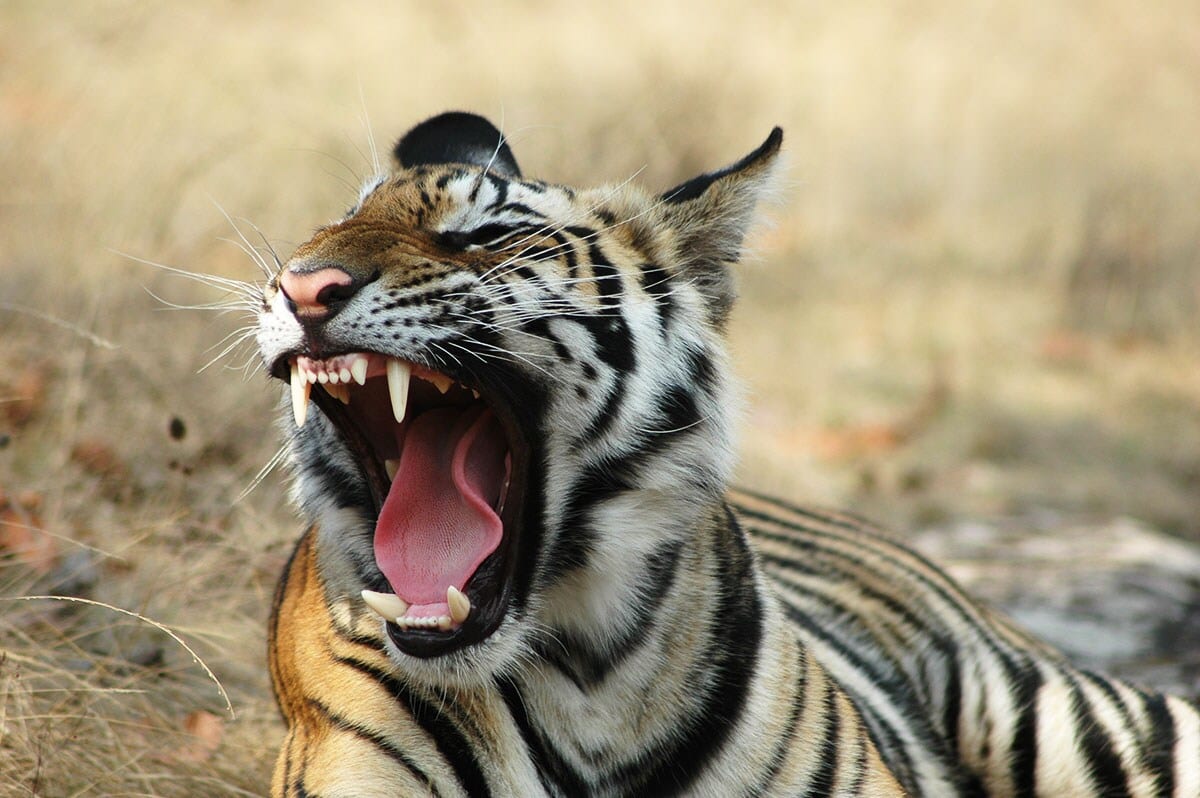
Let's say every alternate day. On average, if they're staying for three to four nights, their chances of seeing a tiger are pretty good. Sometimes people are extremely lucky, like today—it was the guests’ first drive and within 15 minutes of entering the park we saw a tiger. But some people are “twitchers” who like birds, and maybe all the bugs too, and others just want to see the cats.
When I got married to my husband, I also got married to the forest. Through him I came here to Kanha National Park, and I got this opportunity to live in this paradise where life is such a surprise every morning. Every day when I wake up, I see a bug or caterpillar that I’ve never seen before, and that just gives me so much happiness.
When I first arrived, I didn’t know English, and I didn't even know what “safari” meant. I didn't know anything about stargazing and birdwatching, and that all these things actually exist in the world. [The family] had a guide training program here that was a great opportunity for me. And of course, I feel very proud to carry on the legacy of Tarun’s grandfather.
"
Every day when I wake up, I see a bug or caterpillar that I’ve never seen before, and that just gives me so much happiness."
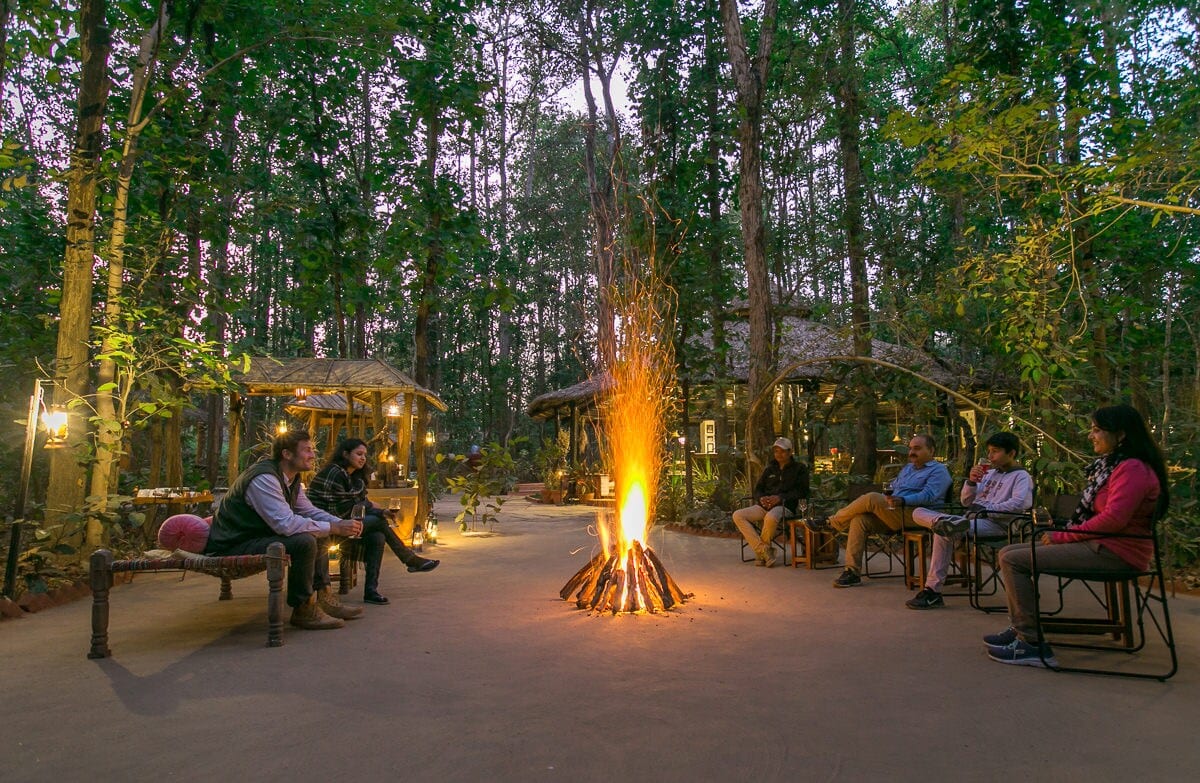
Enjoying a beautiful night at Kanha Jungle Lodge
Q:
How did you get interested in not only tigers but the smaller creatures that often go unnoticed?
Q:
What is your son Jai doing now?
He’s getting a bachelor's degree in forestry. Like his great-grandfather, he also wants to pursue his career in conservation and forest protection. He was born and brought up here with us taking groups on game drives and on walks. When he was quite young he started to take guests to the river all by himself and show them little frogs, fishes and dragonflies, and he could tell them the scientific names of the trees. Tiger tourism has become very popular in the past few years, and it's important for the younger generation to carry on the conservation concept.
My husband got me into birdwatching, and I was immediately addicted, then my interest grew into butterflies—all the animals with wings! I ended up writing a booklet about butterflies and wildflowers for our guests, and now I'm working on two identification books for Kanha National Park, one on moths, the other on fungi and mushrooms. I have a moth theater—it isn’t a trap, I hate calling it that, I think of it as more of a theater—where I attract them with UV lights. So, my son Jai and I take macro-photos of them. There are thousands of moths, but I need to choose only 100 that can go in the book. And that's the most difficult thing because it's like choosing who's your favorite child! They’re all so pretty.
Q:
Do you feel like you still have a lot to learn?
Yes, the forest is a goldmine, the more you dig into it the more you learn. It’s like you're like blind and suddenly you start observing a new thing—and you just feel like, “Oh, wow, what a discovery! It's always been there, why didn't it catch my attention?”
"The forest is a goldmine, the more you dig into it the more you learn."
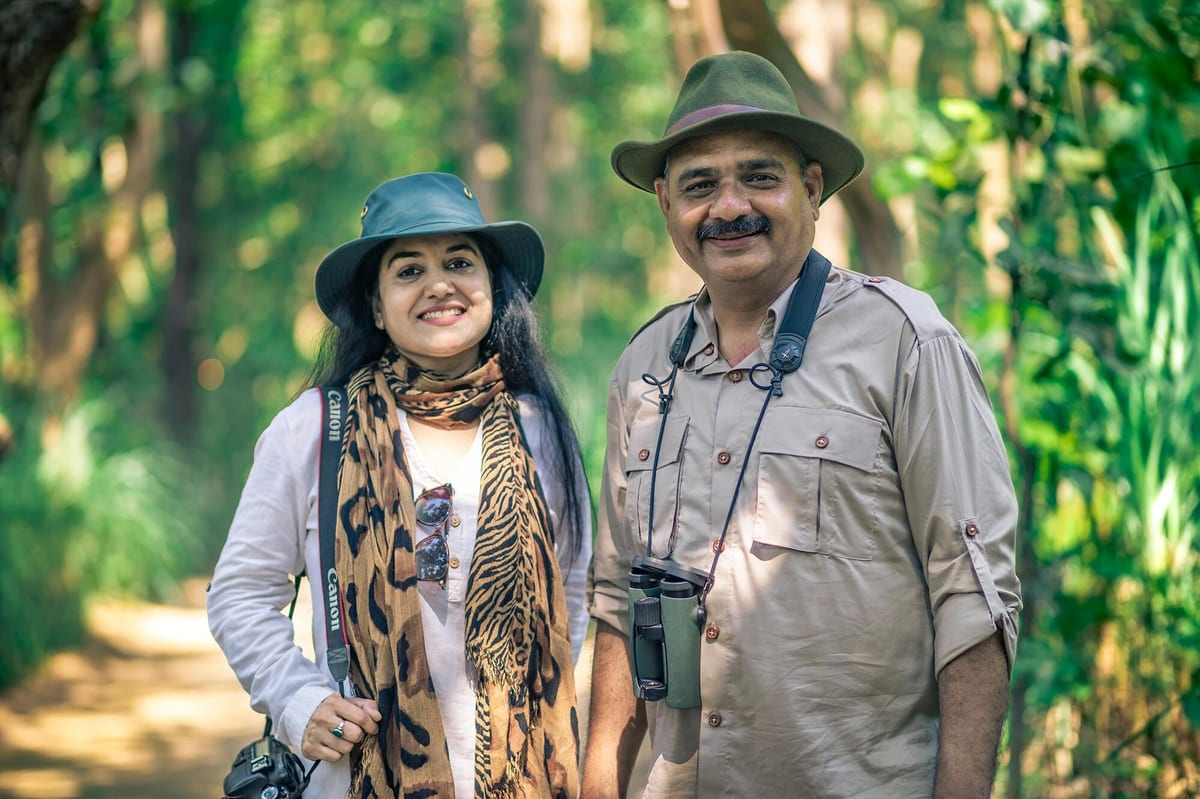
Dimple and her husband, Tarun, at camp
Q:
What is a typical day in your jungle camp?

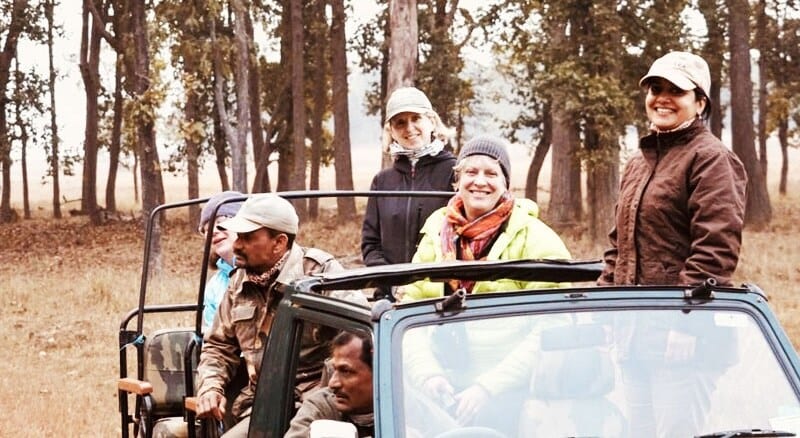
The day starts at the crack of dawn with a sunrise picnic breakfast, and we take guests for a walk near the river to show them the things they might miss when they focus on the bigger animals. In the afternoon, we go out on a game drive to spot tigers before resting, cooking dinner while teaching about spices and medicinal herbs, and maybe doing a night walk to hunt for scorpions that glow under UV light. There are treasures everywhere, and we make sure our guests get to experience all of it.
Q:
Lastly, what would you say to those who might be intimidated about traveling in India because of its reputation for poverty and overcrowding?
It is overpopulated, but you can choose to come to wildlife parks—Indians believe in conservation because it is a part of our Hinduism, and the tiger is worshiped as a goddess. And in India, hospitality is in our blood.