 By The UNCHARTED® editors · 5 min read
Today, with five distinctive properties and more on the horizon, Andean has evolved from a boutique hotel collection into a fully integrated travel company, linking historic urban gems, safari-style tented camps, and remote cultural landscapes.
At the heart of the enterprise is a belief that Peru is far more than a checklist of icons. Its true richness lies in the spaces between – dramatic canyons, high-altitude lakes, living Indigenous cultures, and journeys that unfold slowly, by road, with homegrown hosting.
We spoke with Ignacio, Andean’s founder and CEO, and Lorenzo Masías, his 28-year-old son and the company’s Director of Sales and Marketing, about the evolution of Andean, the creation of their signature Southern Peru Travesía, and why the future of travel in Peru may lie far afield from the usual stops on the Inca Trail.
This interview has been edited for clarity and concision.
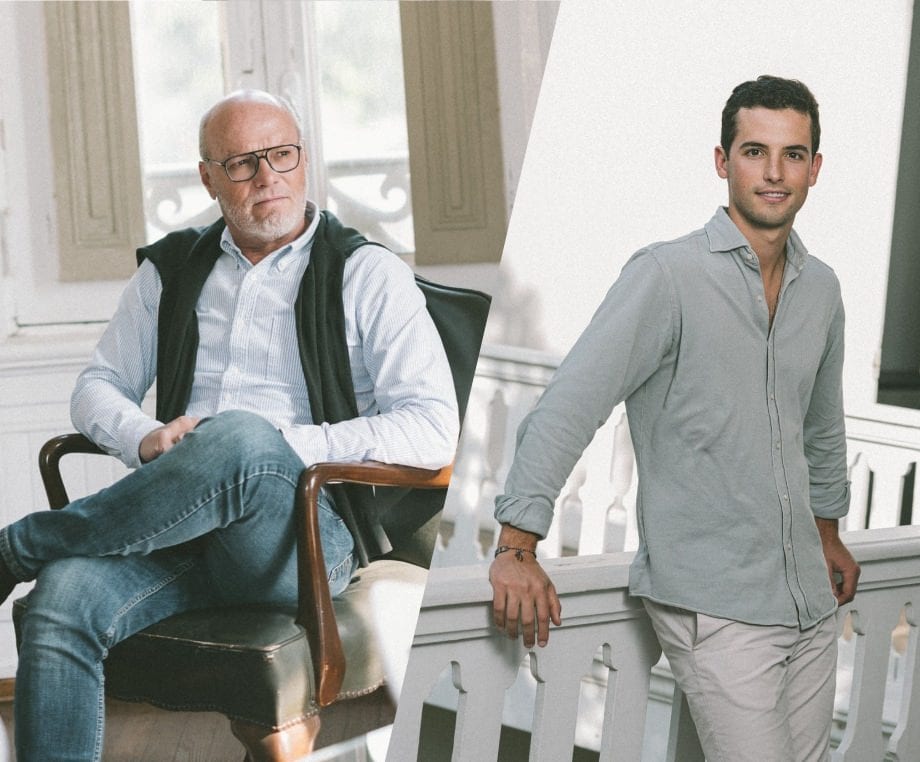
Ignacio & Lorenzo Masías
Q1: Ignacio, you worked with your family in travel for nearly a decade before founding Andean. What was the original inspiration?
Ignacio:
When I was 20, my family developed what became Inkaterra Machu Picchu Pueblo Hotel. I worked with Inkaterra for many years. At the time, high-end travel in Peru was extremely concentrated in Cusco, Machu Picchu, and the Sacred Valley — that was the entire circuit. But there were very few high-end hotels outside those areas. So, we experimented with a pop-up hotel in the Sacred Valley by converting a cluster of summer homes into a boutique lodge. That was the seed. What emerged wasn’t just a collection of hotels, but a way of traveling through Peru differently. We hit gold, because the cultural and natural depth is so immense.

The 2026
Global Safari Awards

Q2: Lorenzo, how did your role evolve?
Lorenzo:
I joined full-time in August 2020, but unofficially I’ve been part of this my whole life. I started with sales and marketing, and over time I also took on management of our [ground operations and logistics] team. What really interested me was how we could connect the dots between properties, how travel itself could become the experience, not just the destinations. That thinking led directly to the Southern Peru Travesía, which links Arequipa, the Colca Valley, Tinajani Canyon, and Lake Titicaca into a single, coherent journey.
Q3: The Travesía is very different from the classic Peru itinerary. How did it come together?
Ignacio:
Part vision, part chance. Titilaka, our boutique hotel on Lake Titicaca, was performing very well, and we debated expanding it. Instead, we asked:
What if we extended the experience outward?
I was inspired by safari circuits in Africa — moving from lodge to lodge — and by the Aman Resorts model.
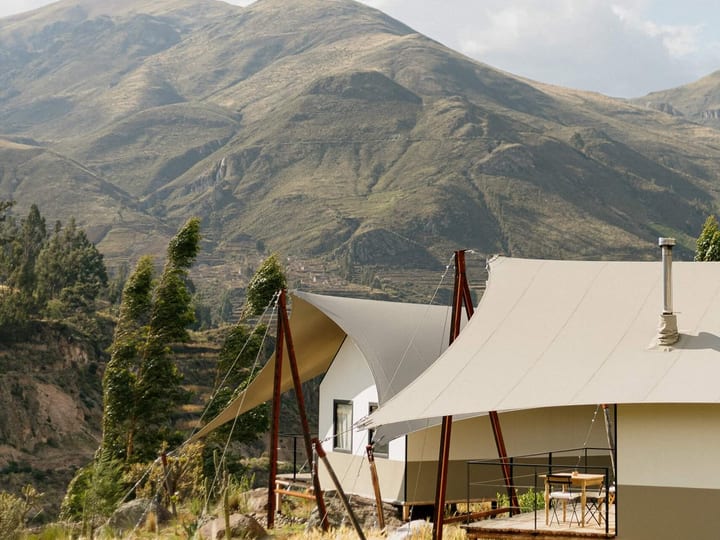
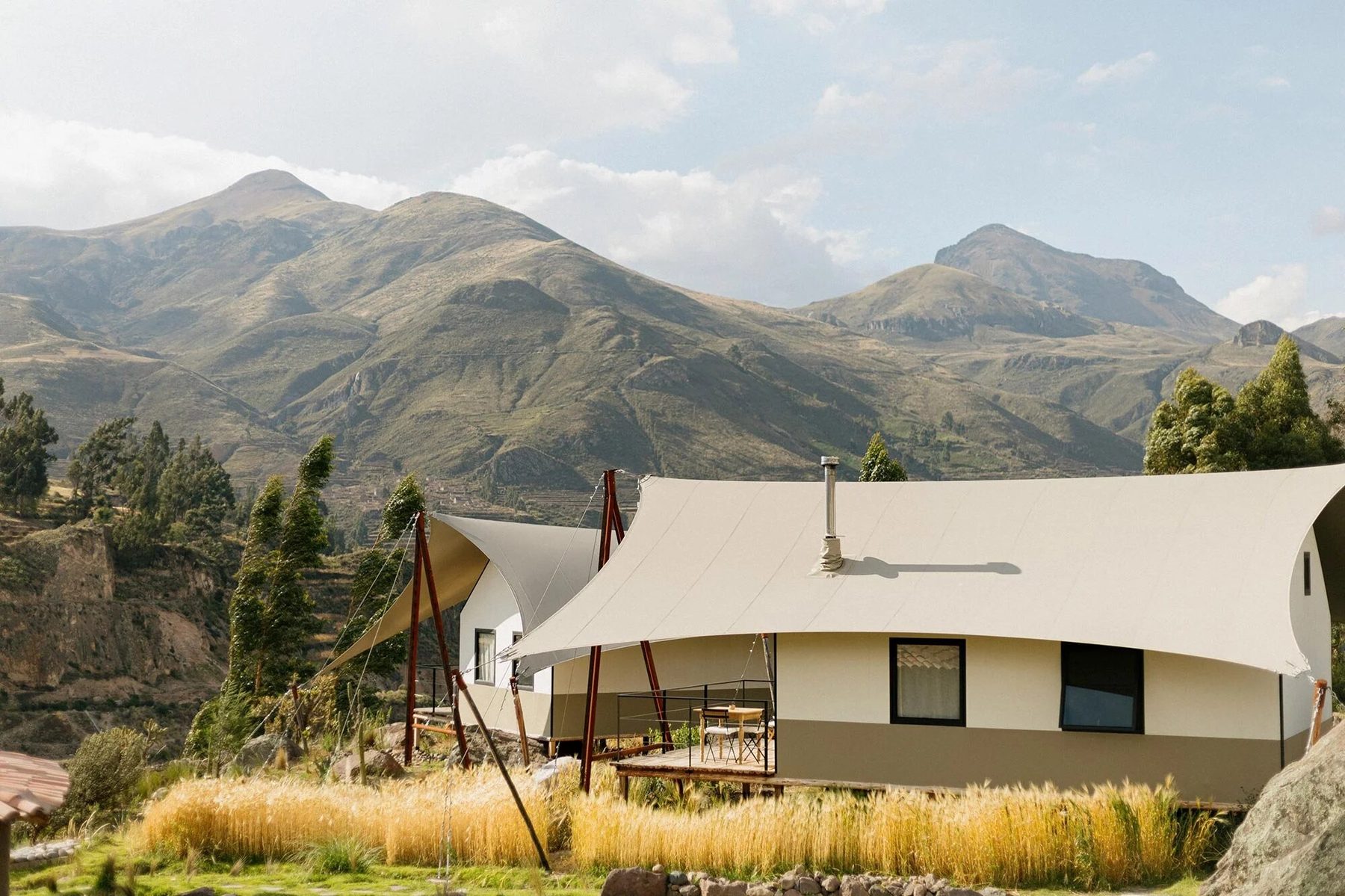
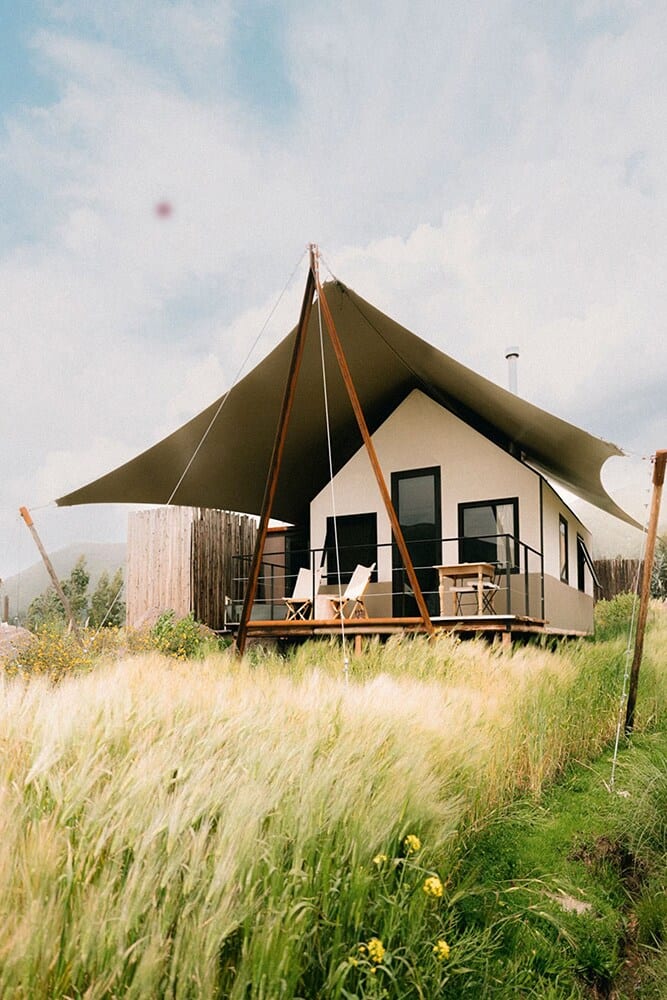
We started in Arequipa, a magnificent colonial city that was underrepresented in luxury travel. Cirqa, a restored 17th-century monastery, became our urban anchor. Then we looked at where guests naturally traveled next: the Colca Canyon. Everyone visited it as a day trip to see condors, but we saw much more potential. That led to Puquio, our first tented camp, and later Tinajani, another tented camp set in a very different canyon landscape.
Q4: Lorenzo, did it surprise you how well these places connected?
Lorenzo:
Very much so. We realized there was already a lot of cultural movement between Arequipa, Puno, and the surrounding regions because of mining, agriculture, and trade. Staff from Titilaka were eager to work stints in Arequipa, and vice versa. That helped us build a regional management structure and confirmed that these destinations were more connected than we initially thought.
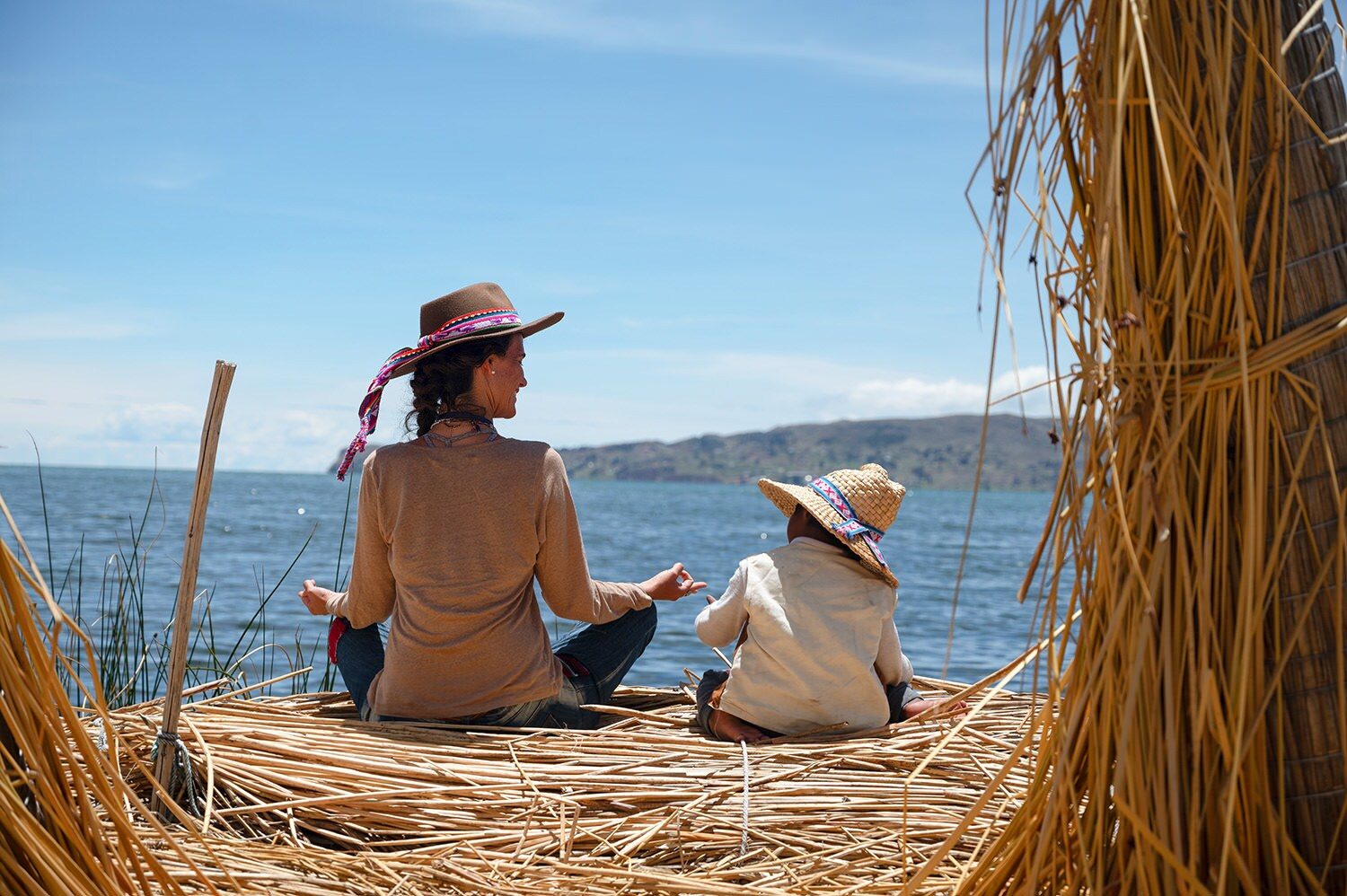
It also reinforced an idea we strongly believe in: It’s often easier to put a new destination on the map than to rebrand one that’s already been misunderstood. Lake Titicaca used to be seen as folkloric, not luxury. The Colca Valley was just a box to tick. Our role has been to reframe those places.
“What emerged wasn’t just a collection of hotels, but a way of traveling through Peru differently.”
Q5: How would you describe the guest experience on an Andean trip?
Lorenzo:
We see two types of travelers. Some come to Peru primarily for Machu Picchu. Once they’ve checked that box, they relax, and that’s when extensions like Titicaca or Arequipa resonate deeply. But a growing segment comes specifically for the Southern Travesía. They may begin in Lima, then move south through progressively lower-density destinations. What’s important is that they understand travel by road isn’t a chore, it’s part of the experience. You feel the altitude change, the landscape shift, the cultural transitions. That’s when Peru reveals itself.
FEATURED OUTPOST

Q6: That means guiding and hosting are important. How do you approach it?
Lorenzo:
We want guests to feel like they’ve arrived somewhere with a friend. Not a transaction. Whenever possible, we work with local hosts, people who may not have grown up in tourism but who deeply understand their home. That authenticity matters.
"A tented refuge, set above the Colca."
Sometimes that means a guide’s English isn’t perfect. But if that guide was born on a floating island on Lake Titicaca and is telling you his own story, the experience becomes immeasurably richer.
Ignacio:
I once asked Adrian Zecha, the founder of Aman, about his secret. He told me one key was working with locals who had no prior tourism training, then teaching them how to host. We’ve carried that idea forward. It keeps arrogance out of the system and curiosity alive.
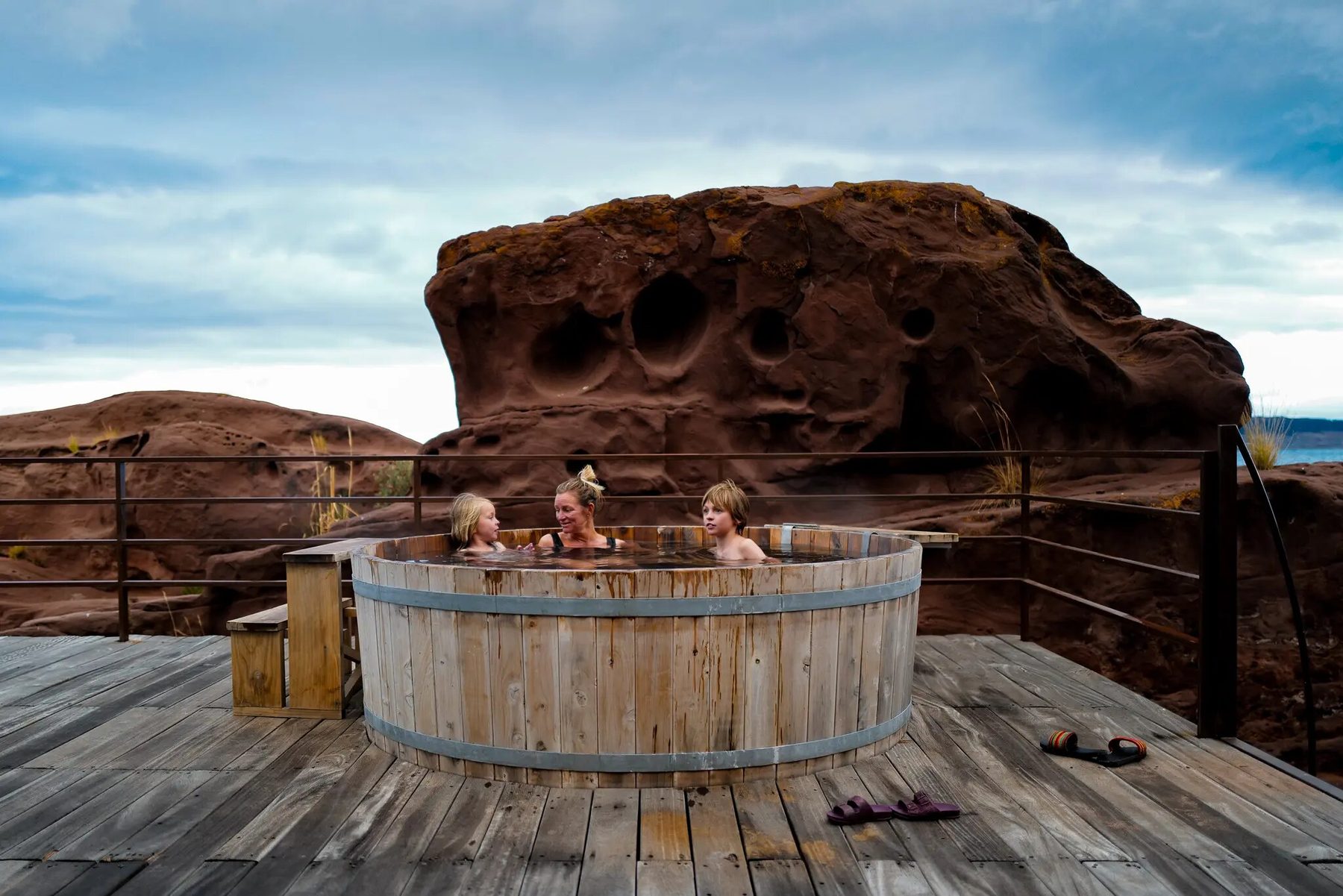
“Travel by road isn’t a chore—it’s when Peru reveals itself.”
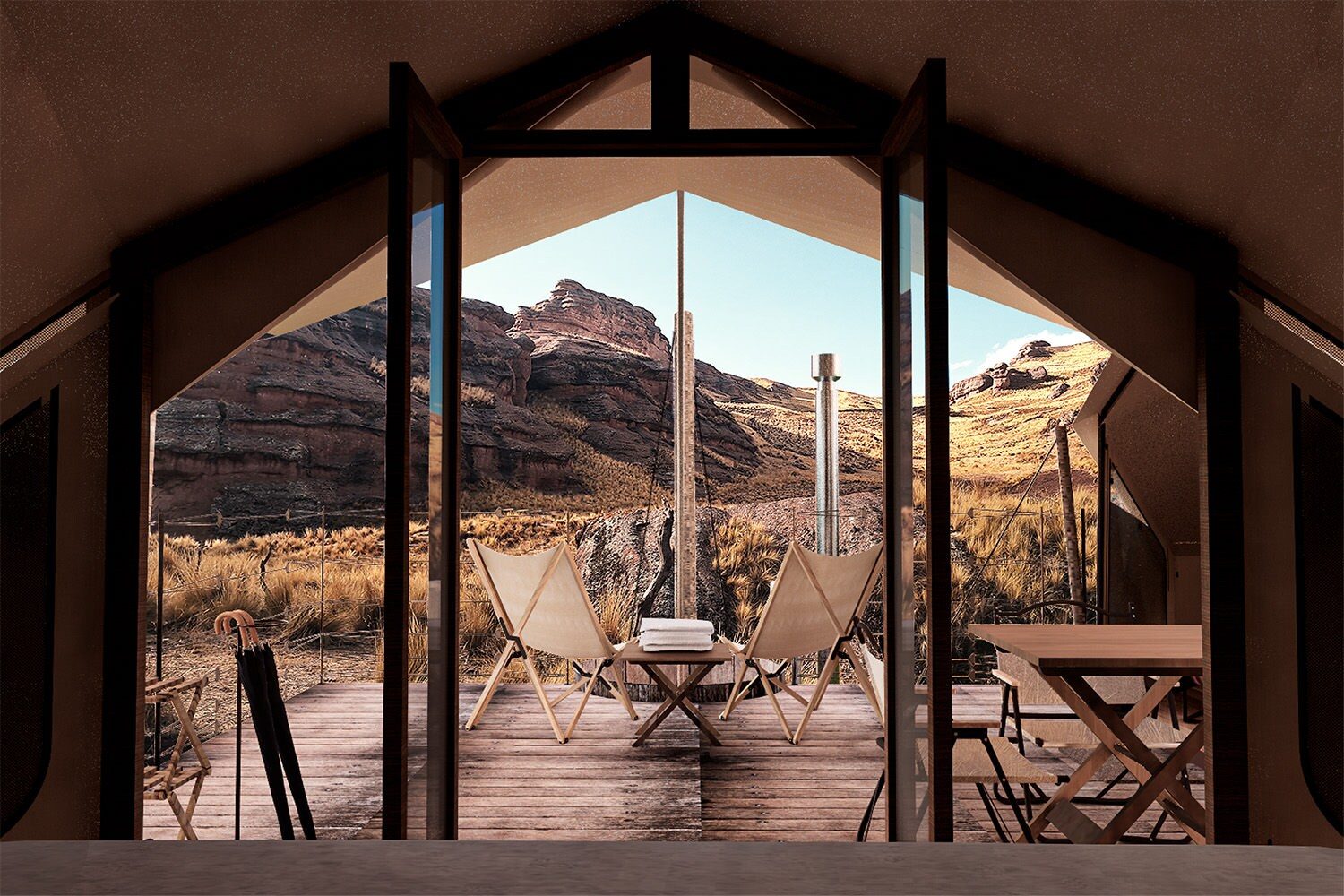
Q7: Your Puquio camp in the Colca Valley got an UNCHARTED Global Safari Award this year — congratulations! But your guests always arrive and depart through Lima. What do you recommend?
Lorenzo:
Lima is chaotic, but fascinating. We introduce guests through local hosts, like a surfer who knows every ceviche stand, or an artist who is also a food market insider. You might eat at a fish market for lunch and then dine at one of the world’s top restaurants that night. That contrast is Lima.
Ignacio:
It was the capital of South America for centuries. Its history, architecture, and food reflect that. One or two nights, done thoughtfully, can be incredibly rewarding.
Q8: You’ve spoken about cultural preservation. How does travel contribute to that?
It’s not just preservation, it’s revaluation. Many traditions were nearly lost because people stopped seeing their value.
Lorenzo: When a local host realizes that a visitor from New York is genuinely amazed by their knowledge and culture, pride emerges. That pride is the strongest form of preservation. Economic benefit follows, but dignity comes first.
Q9: What do travelers ultimately discover when they venture beyond Peru’s usual icons?
Lorenzo:
Humility and scale. Peru is vast, fragmented, and profound. Each region is distinct, culturally and historically.
Ignacio:
And perspective. Machu Picchu is extraordinary, but it’s just one chapter. Peru is a civilization layered over thousands of years. Our goal is to let travelers experience those layers, slowly, meaningfully, and far from the crowds.