Conservation
For thirty-five years our journeys have paid into the community conservancies, sanctuaries and trusts that keep wild land wild, and into the lives of the people who run them.
“Land stays wild when the people living beside it are better off with the wildlife than without it.”
UNCHARTED® · The Global Safari Company
The old way of protecting Africa’s wild places was to draw a line on a map, move the people out and call it a park. It didn’t work. Everything we do starts there, so our order is People, Planet, Profit, John Elkington’s original order, and ours.
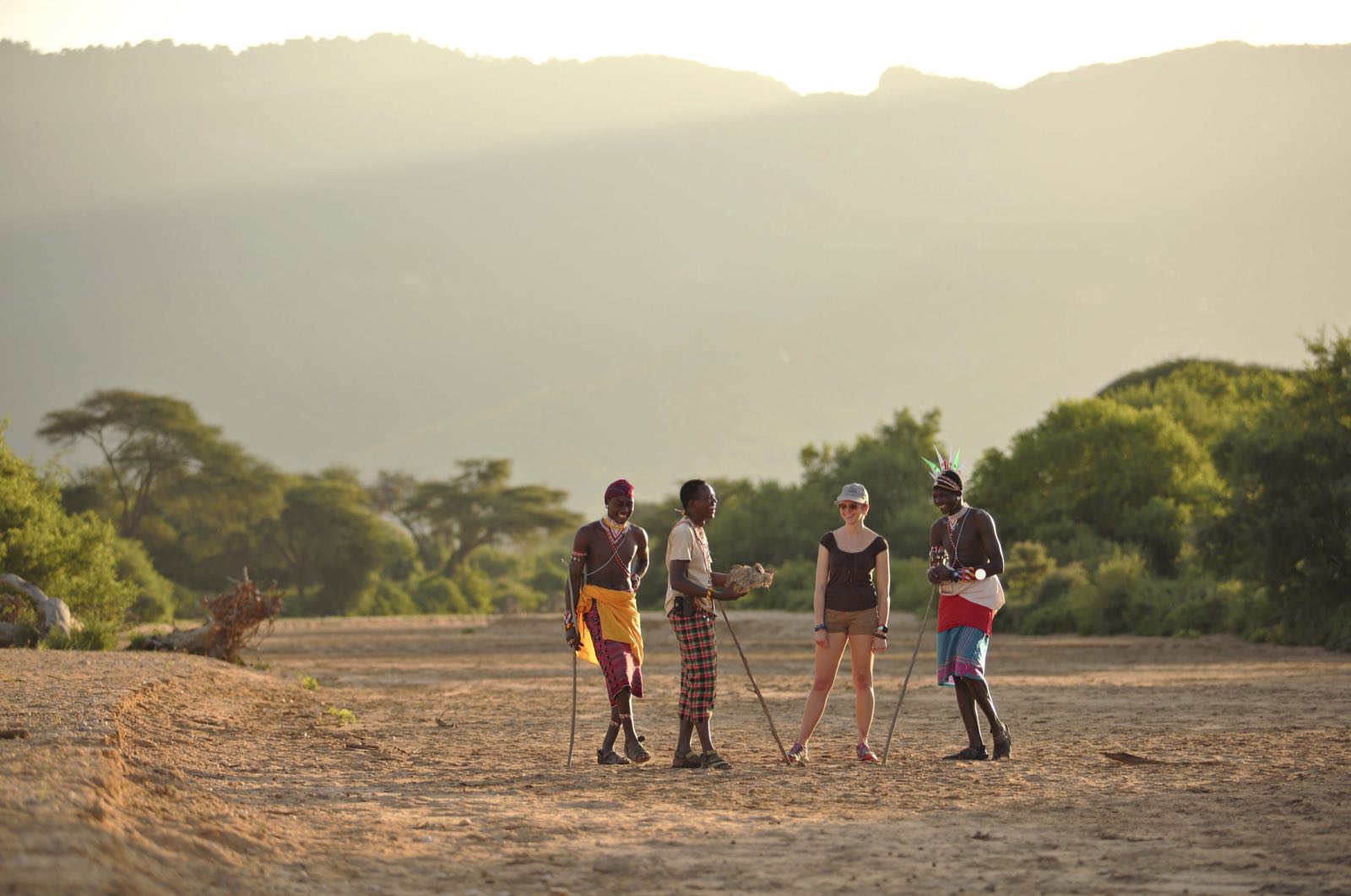
Three groups: the crew, the travellers, and the communities who share the land with the animals. First, always.
Second, but not separate. In the bush, looking after the people and looking after the land are the same fight.
Last, and never optional. It’s what pays for the other two.
Who we work with most · Northern Rangelands Trust
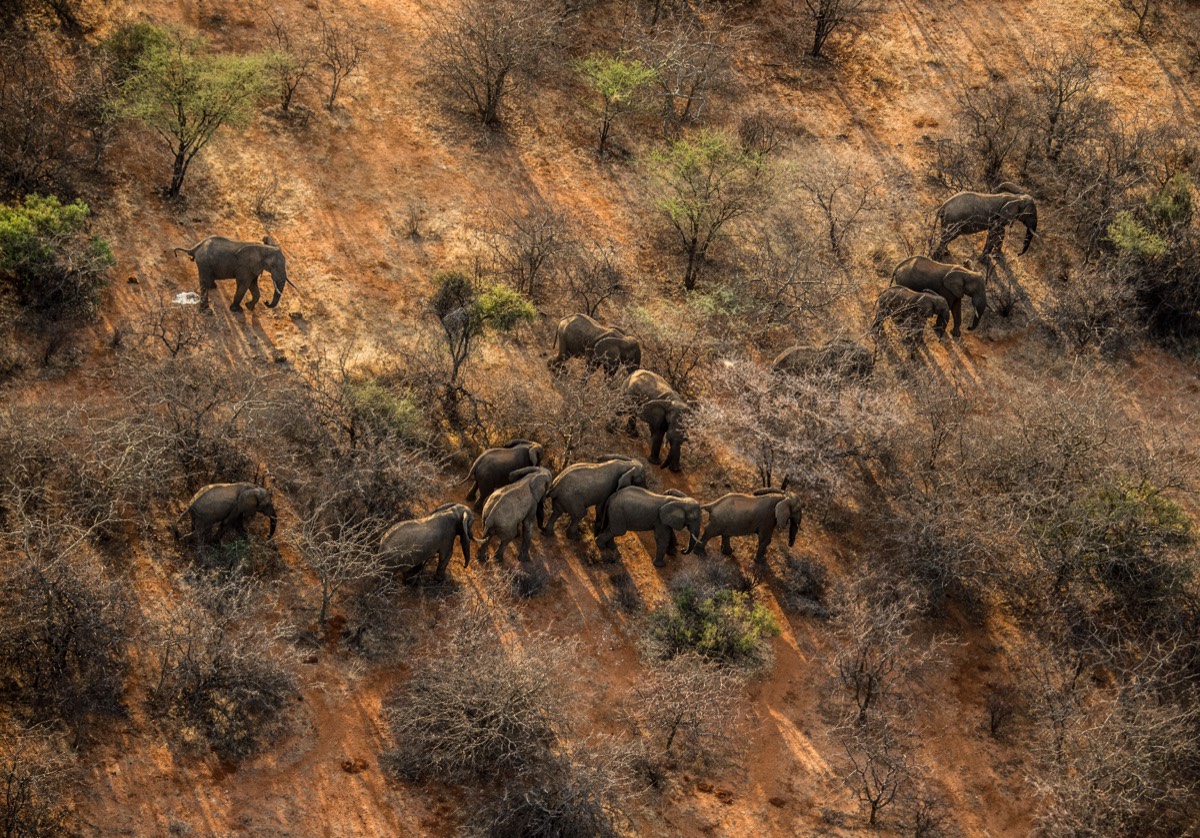
The Northern Rangelands Trust is how community conservation grew up in Kenya: 47 conservancies, each owned by the people who live on the land, across more than fifteen million acres.
Every conservancy answers to a board its own community elects. The Trust stands behind them with the hard parts: leadership training, security, raising the money, and the tourism and small businesses that make an elephant worth more alive than gone. It began in 2004, when the elected leaders of nine community conservancies agreed to form it, with Ian Craig, who had turned his family’s cattle ranch into the Lewa Wildlife Conservancy, among its founding members.
01 · Why it matters to us
We say land stays wild when the people beside it are better off with the wildlife than without it. The Trust is the clearest working proof of it we know: people who had every reason to see an elephant as a threat now run the land, the rangers and the camps that make it worth keeping.
02 · Where it began for us
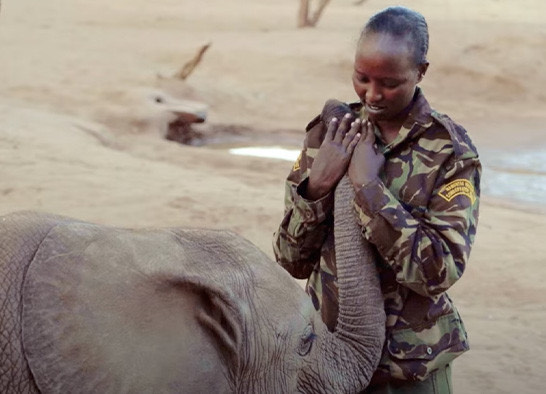
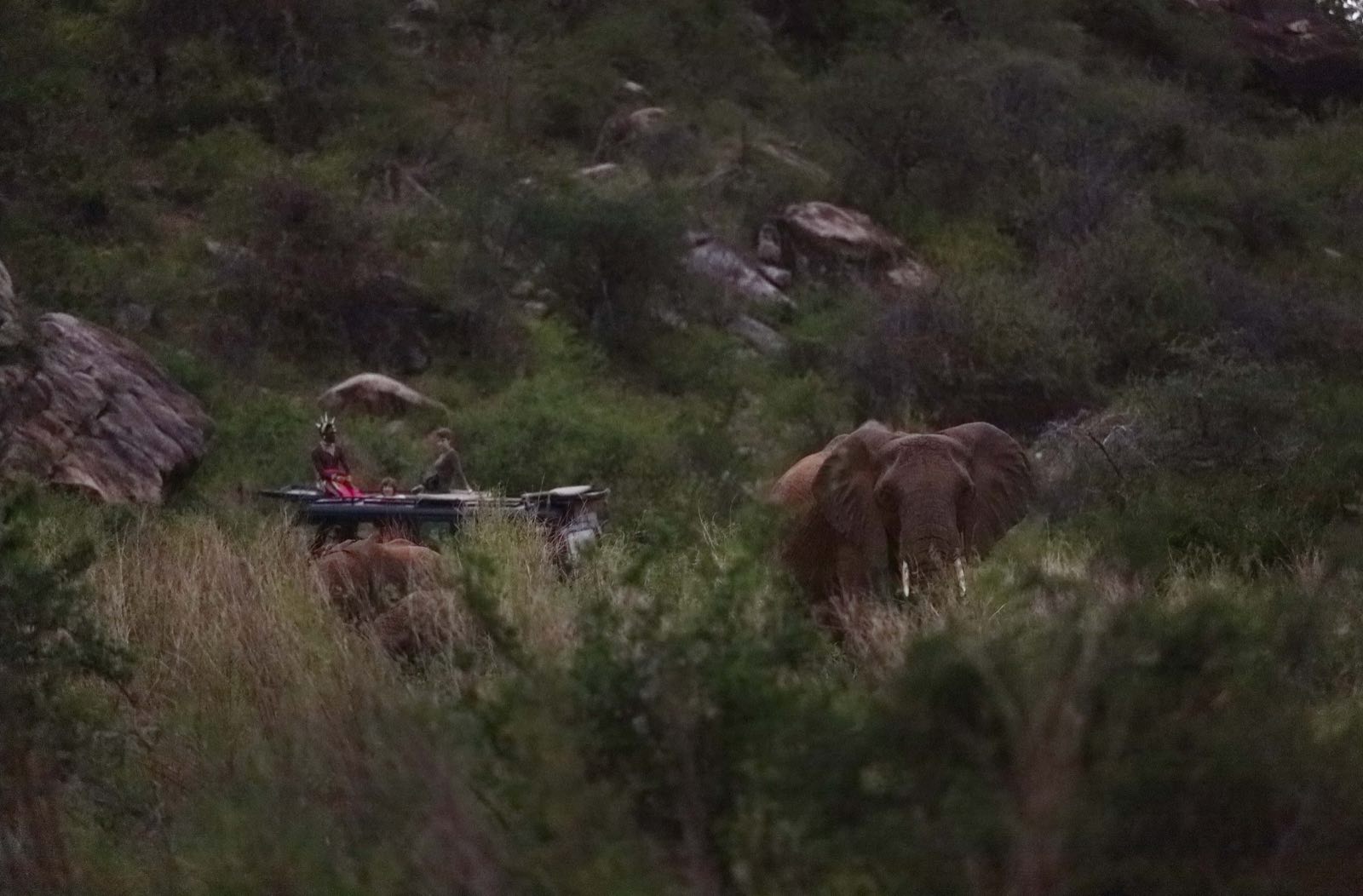
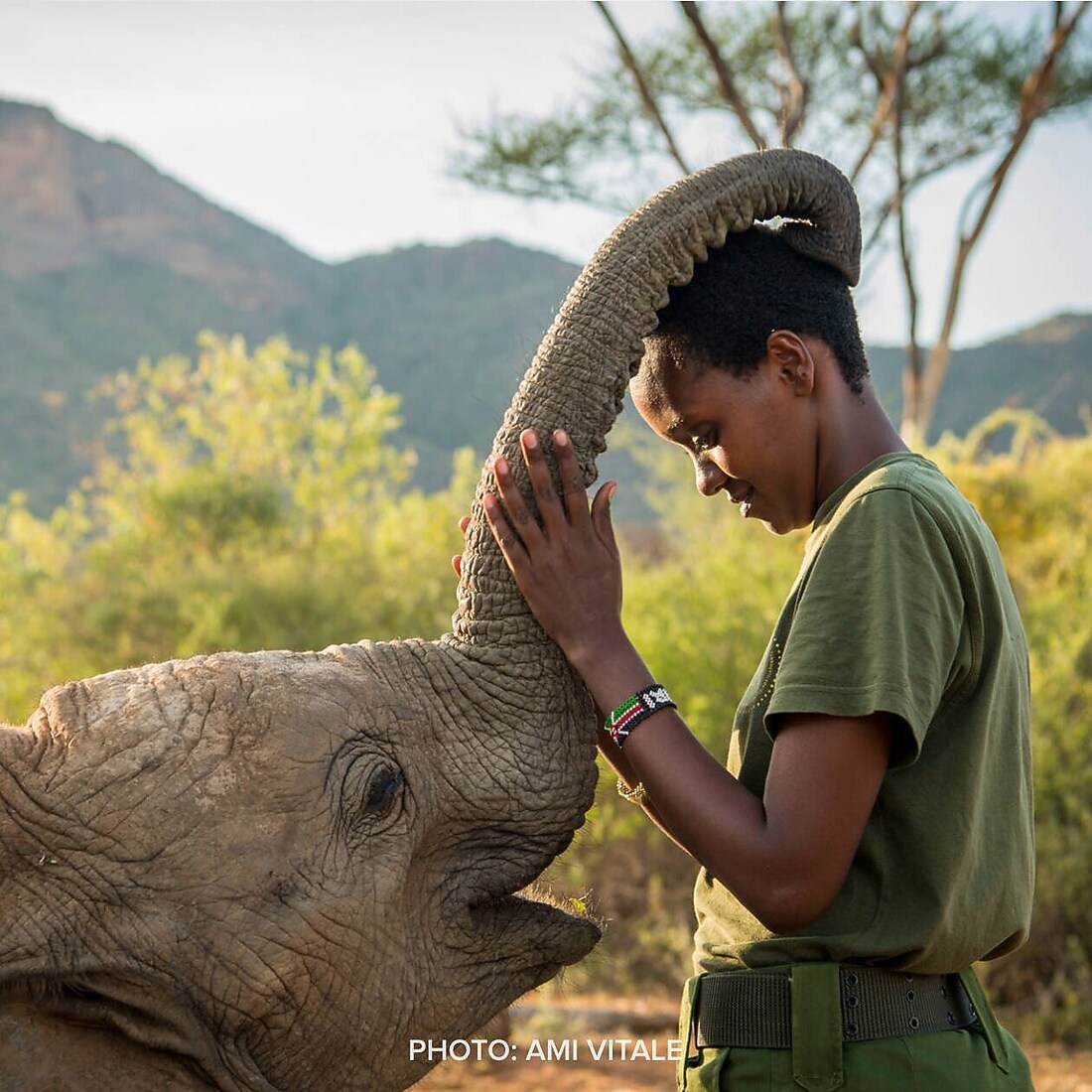
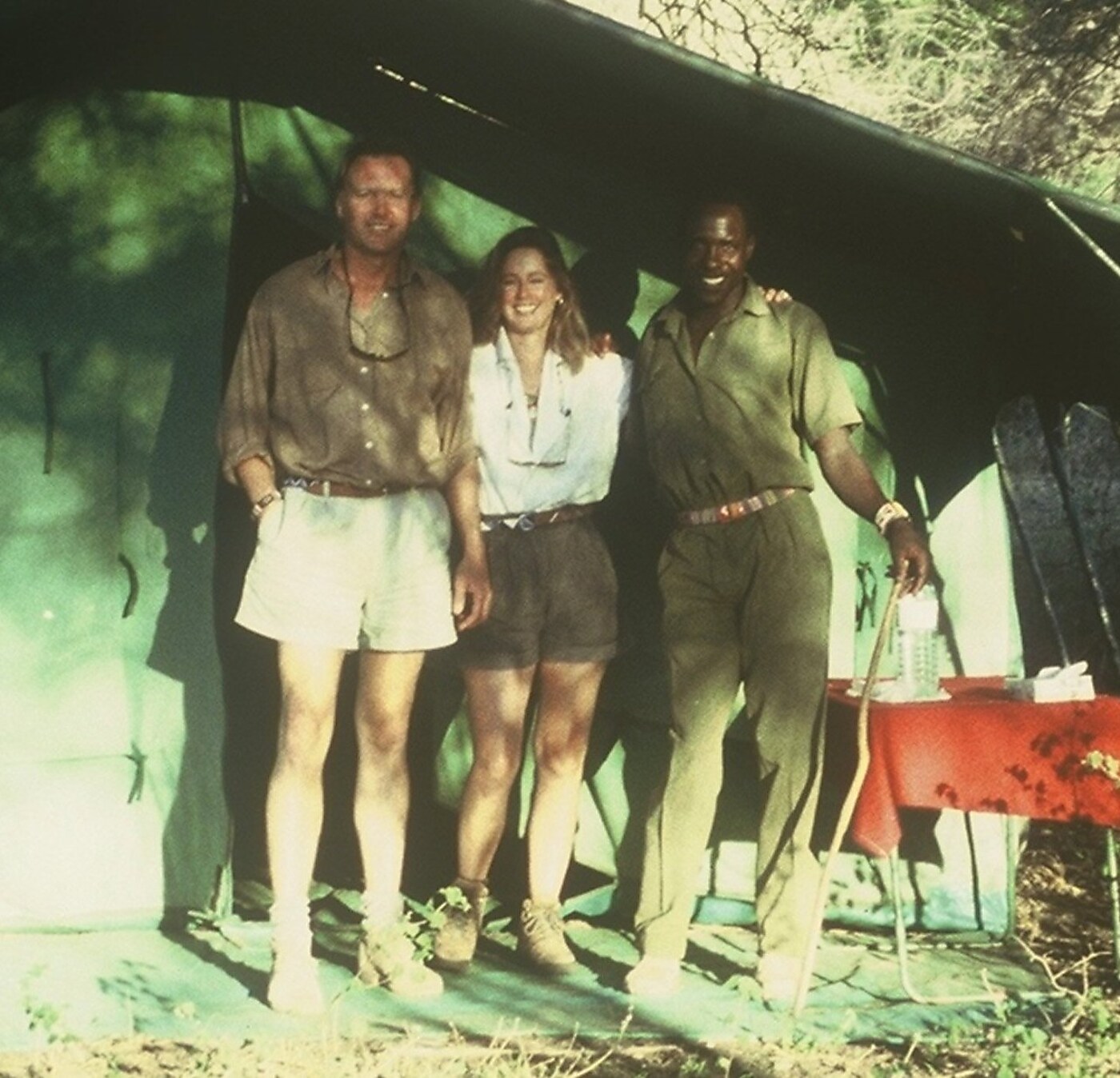
Namunyak came first. The Samburu set it up on their own land in 1995, with help from Ian Craig of Lewa; in 1997 Piers and Hilary Bastard opened Sarara with them, and in 2004 the same idea became the Trust. Namunyak is one of its conservancies today, and home to Reteti, the first community-owned elephant sanctuary in Africa.
03 · How you are part of it
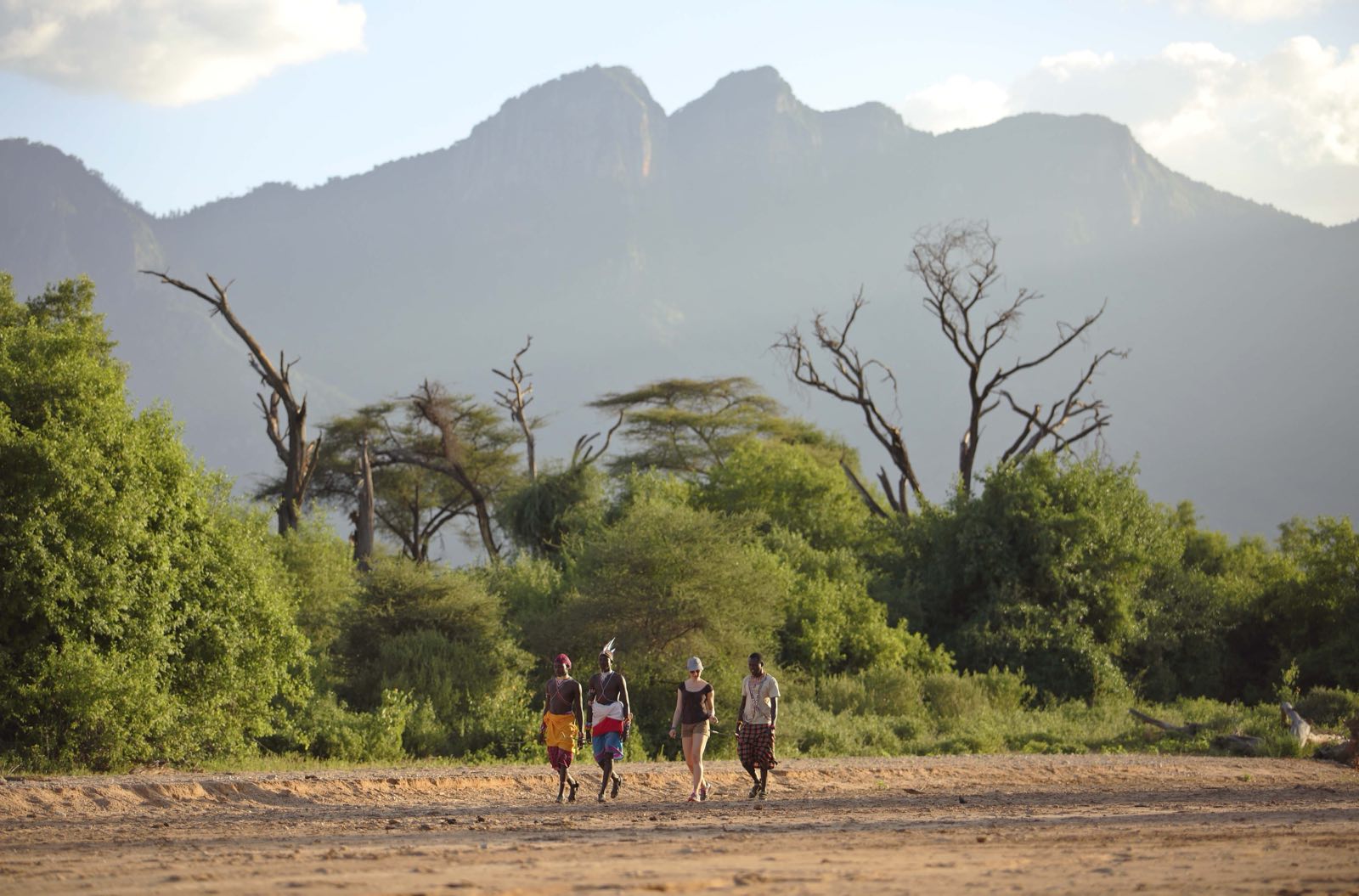
Stay at a conservancy camp like Sarara and the conservancy fees in the price of every night go to the community that owns the land, and on to its schools, water and rangers. It is the plainest conservation there is, and it is why we send our travellers north.
Figures from the Northern Rangelands Trust’s own pages, nrt-kenya.org, October 2026.
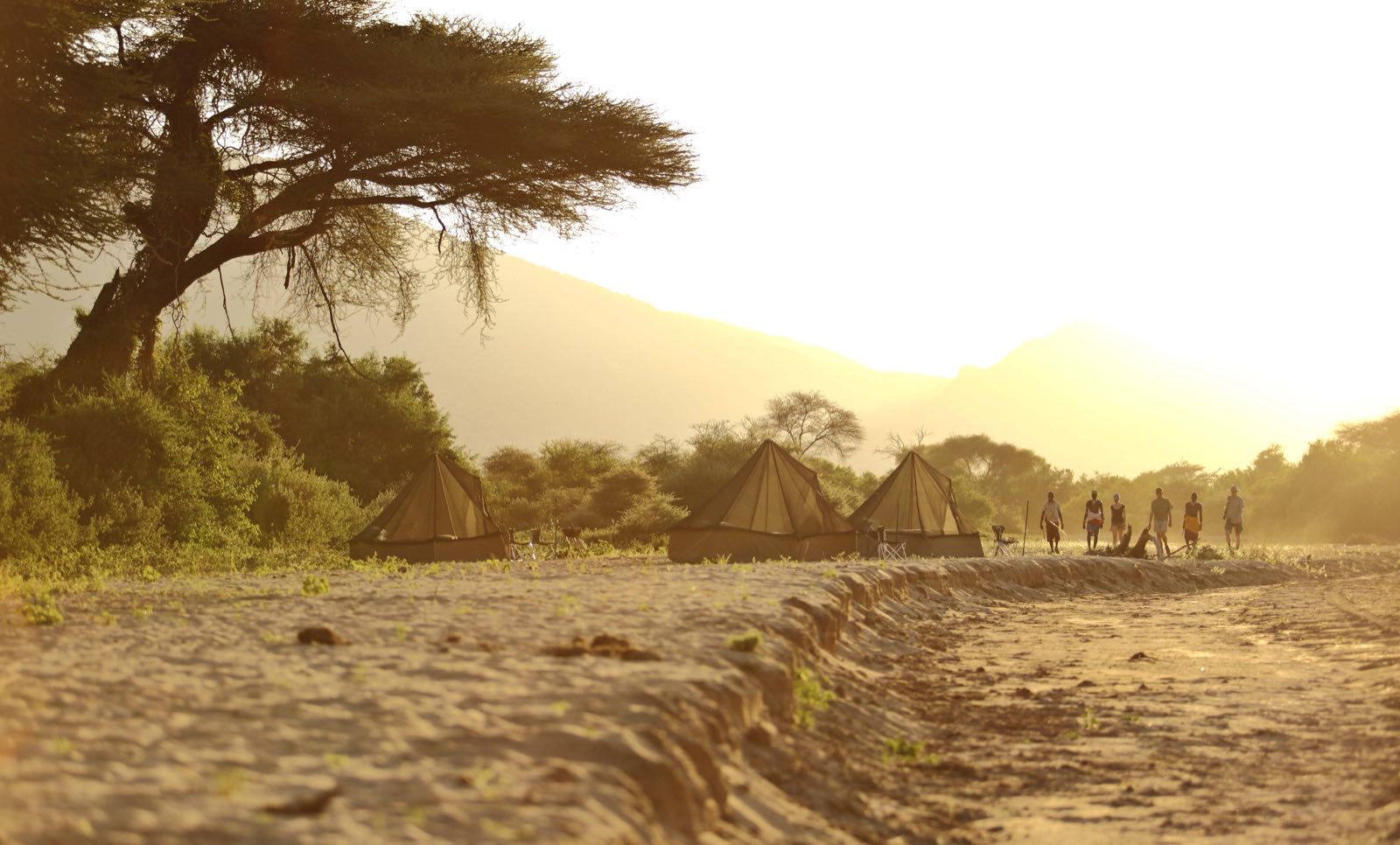
Where you see it
Three of our Outposts in that country, each one paying into the land around it.


Measured, and re‑earned
Anyone can say they care. These two check, on a cycle, and neither can be earned once and left on a shelf.
Awarded by the nonprofit B Lab to companies that meet verified standards of social and environmental performance, accountability and transparency, and re‑certified on a cycle. For UNCHARTED® it puts on paper what we have practised since 1991.
A global membership of nature‑based tourism businesses conserving wild places through one balanced model, built on four pillars, the 4Cs. They are assessed together, so a business cannot trade one against another.
Protecting and restoring ecosystems, wildlife and biodiversity where we operate.
Improving the wellbeing and livelihoods of the people who live alongside them.
Respecting and sustaining local heritage, knowledge and ways of life.
Running a business that funds the other three Cs for the long term.
The people we work beside
The trusts, sanctuaries and conservancies our journeys pay into, and the people we send our travellers to meet.
Northern KenyaNorthern Rangelands TrustForty-seven community conservancies, run by their own people.
Namunyak · KenyaReteti Elephant SanctuaryThe first community-owned elephant sanctuary in Africa, open since 2016.
AfricaTuskThrough Tusk USA we helped raise the money that built the donors’ house at Sarara.
Samburuland · KenyaThe Sarara FoundationInvesting in Indigenous people and biodiversity across the Namunyak conservancy.
Amboseli · KenyaBig Life FoundationThe ranger network across the Amboseli and Chyulu Hills ecosystem.
Kenya · Botswana · ZimbabweGreat Plains ConservationCamps that pay for wild land, and the foundation behind them.
WorldwideWild ArkProtecting and rewilding wild places, with the people who live beside them.
IndiaTiger TrustTigers and the forests they need, in India’s reserves.
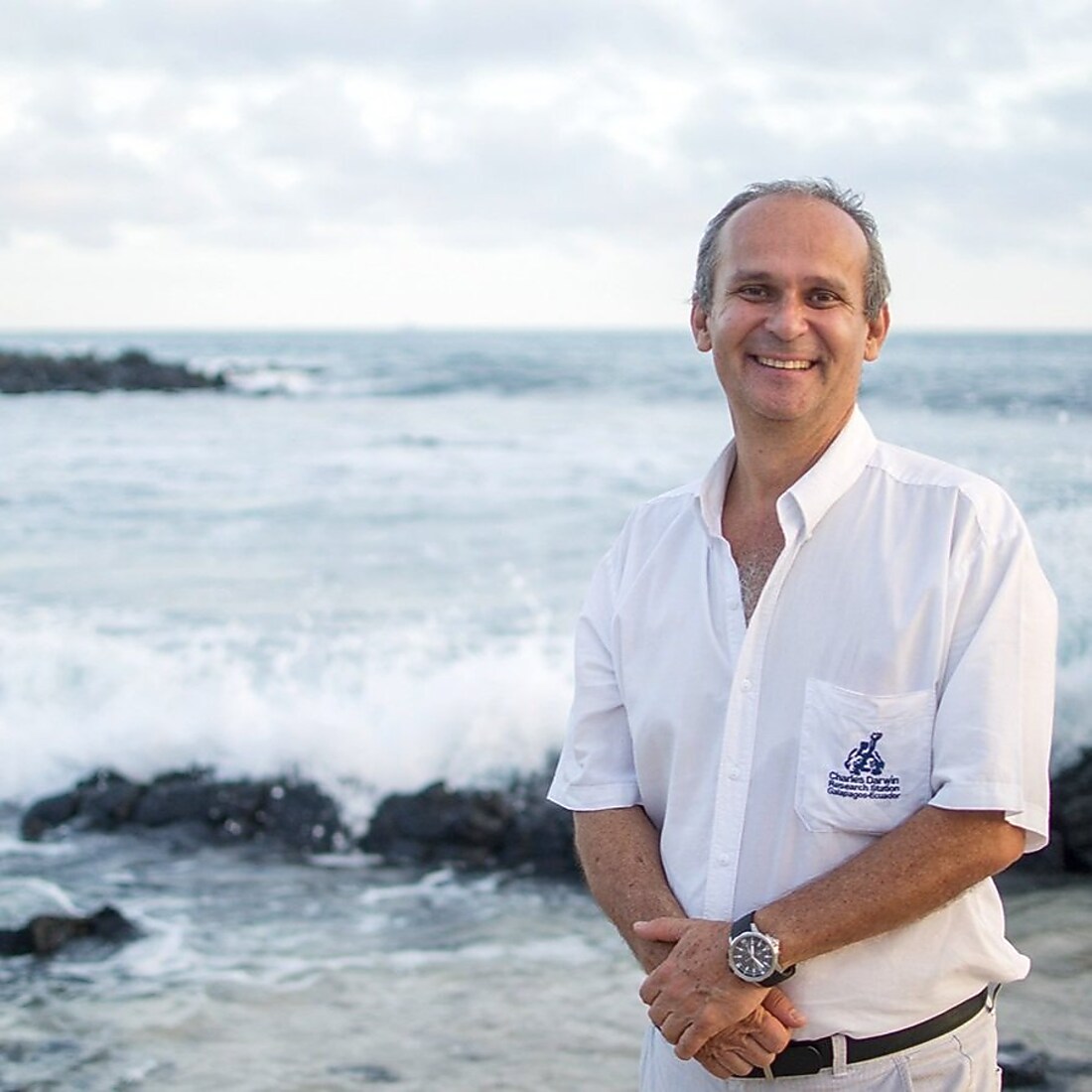
Galápagos · EcuadorCharles Darwin FoundationScience for the islands’ conservation since 1959.
Galápagos · EcuadorIniciativa GalápagosGalapagos Conservancy and the National Park Directorate, restoring the archipelago’s endangered species.
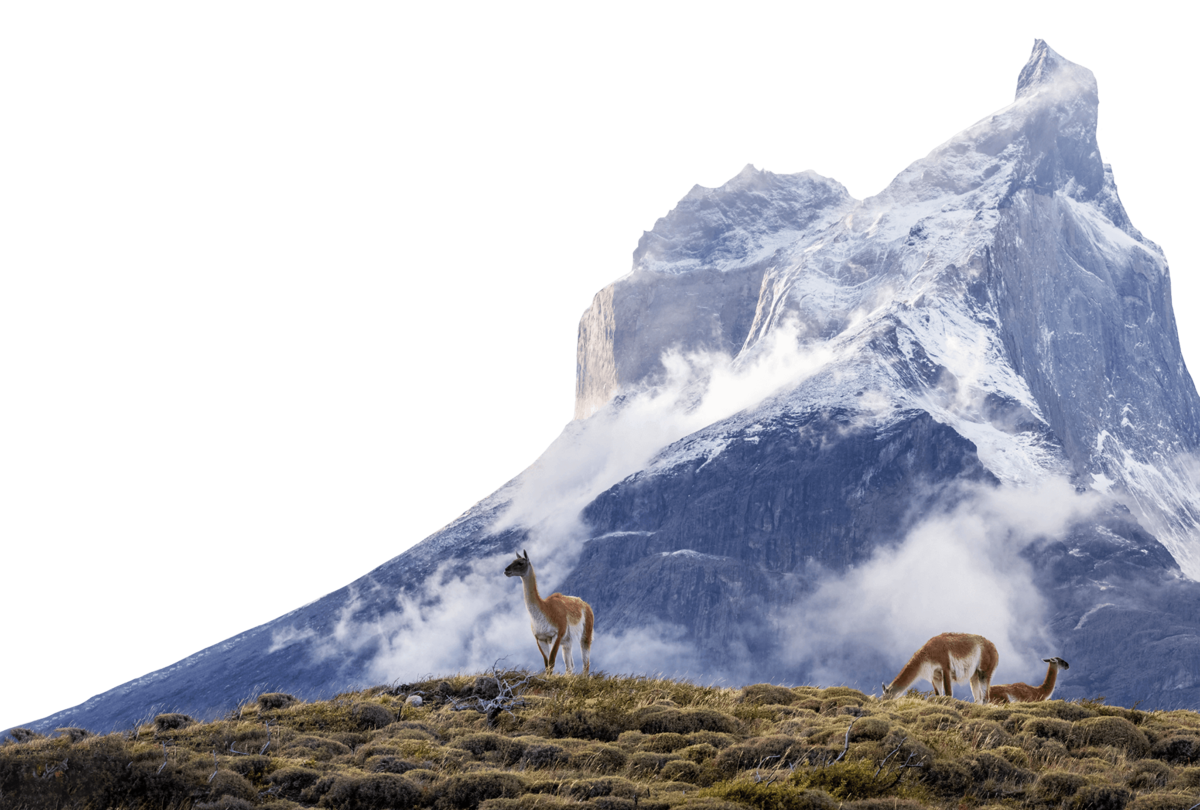
Patagonia · ChileRewilding ChileRewilding as a whole-system strategy across the Route of Parks of Patagonia.
WorldwideThe Long Run & B LabThe two that hold us to all of it, above.
From the field


Conscious travel, positive impact
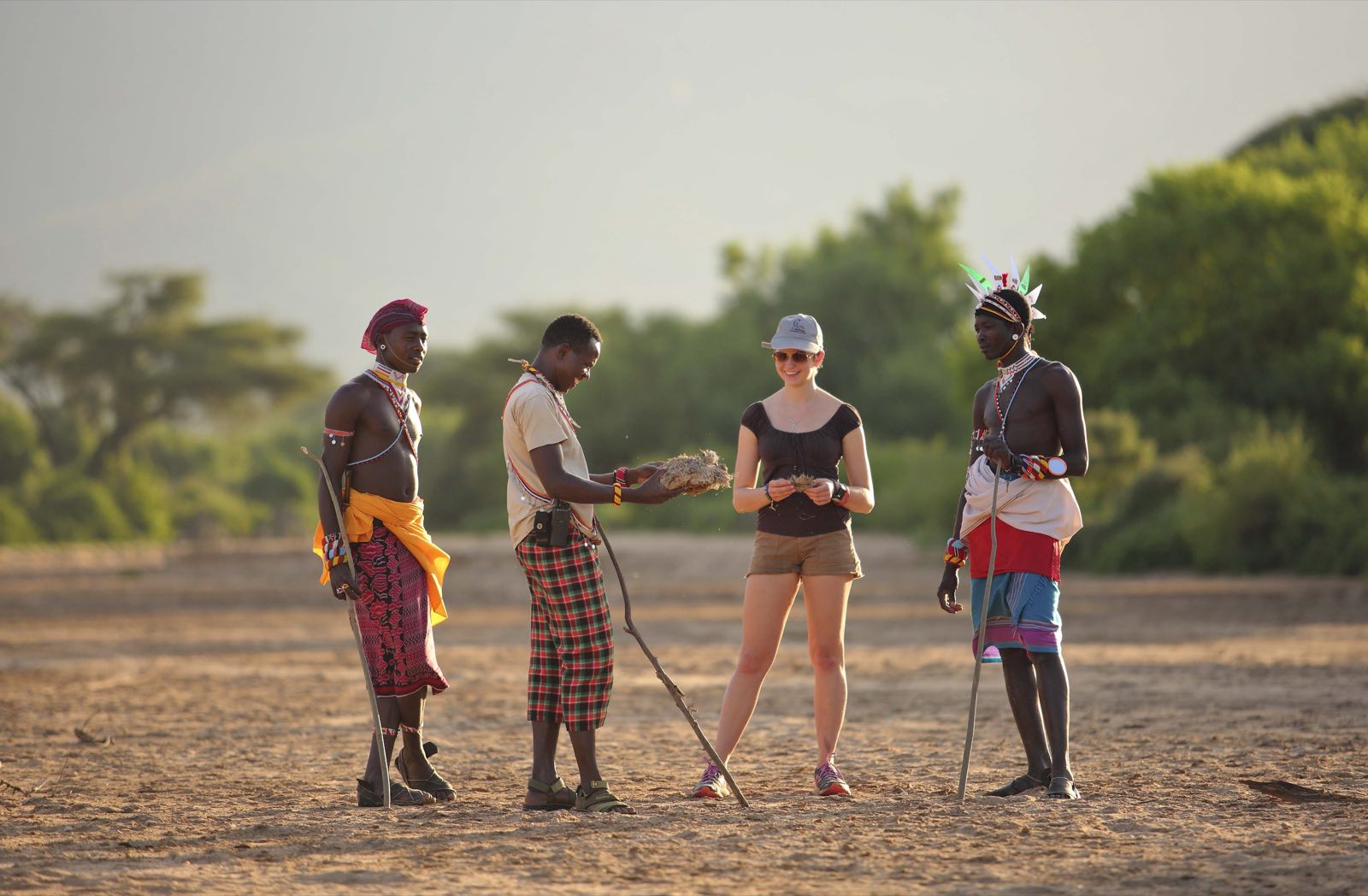
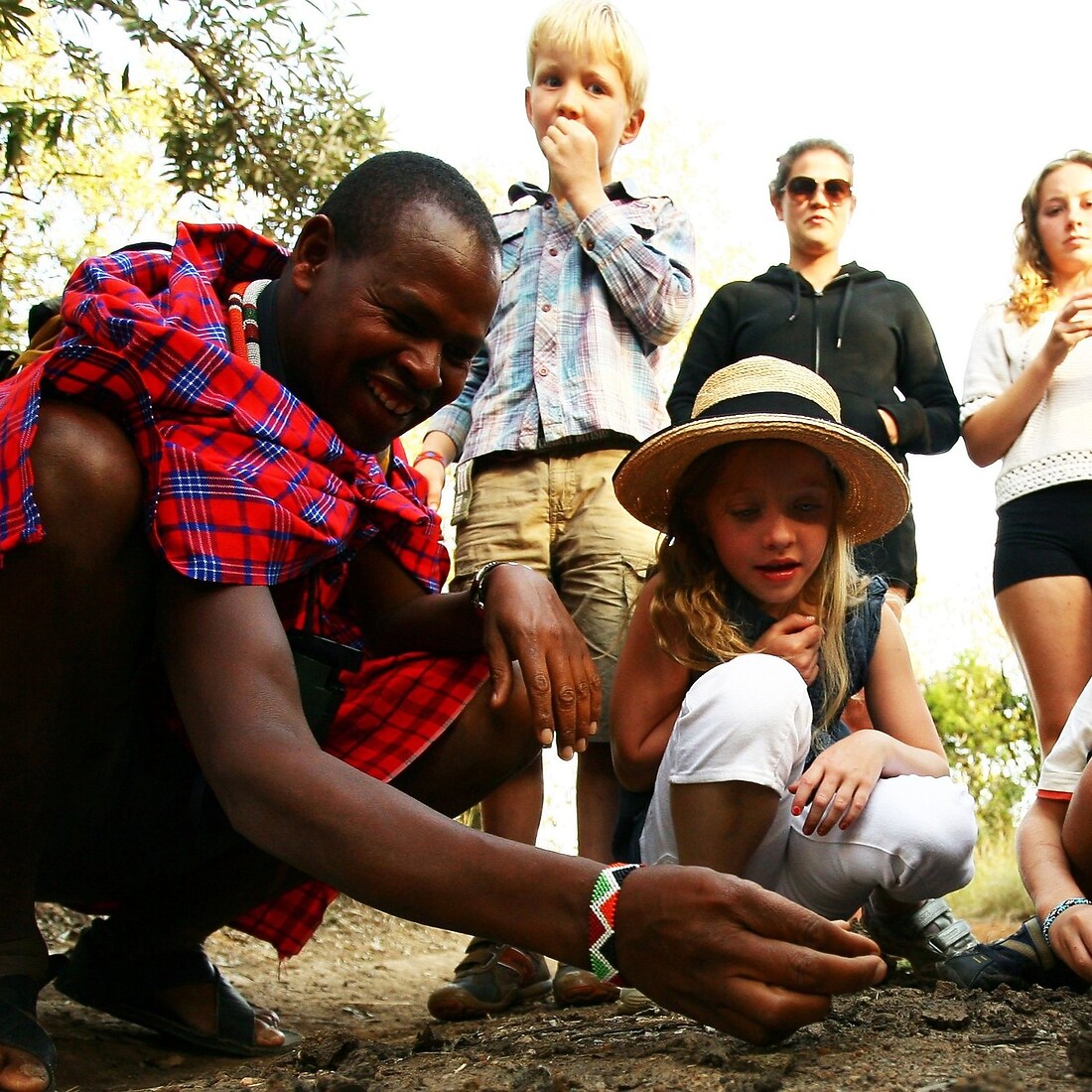
Travel with UNCHARTED® and the journey is built so the money moves toward the wild places and the people who look after them: conservancy fees in the price of every night, guides and rangers from the land itself, and the sanctuaries on the way.
It is the difference between visiting a place and investing in it.
The UNCHARTED® promise
This is more than a brand. It’s a way of life. Land stays wild when the people living beside it are better off with the wildlife than without it.
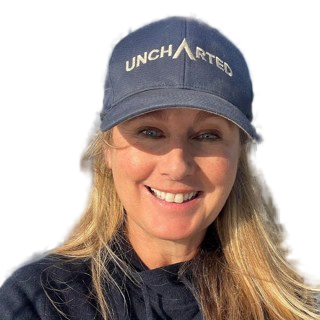
Co-founder · Since 1991
Sandy and our small team of travel designers read every note. One of us will write back, personally.
One of us will write back today.