 By The UNCHARTED® editors · 7 min read
Go Wild: Next-Level
When planning a safari tour, consider these intriguing under-the-radar locales, either as sole destinations or extensions that will take your uncharted adventure to the next level.
Many first-time visitors to Africa naturally seek out the marquee national parks and reserves: Kenya's Masai Mara, Tanzania’s Serengeti, Botswana’s Okavango Delta, or South Africa’s Kruger. There’s nothing wrong with that — such places are deservedly famous for their spectacular wildlife and stunning lodgings.
But there are also many worthy destinations that reveal different sides of Africa, and which may appeal to those seeking more private or remote experiences.
From the Skeleton Coast of Namibia in the west to the “8th continent” of Madagascar in the east, here are some countries that will take your luxury African safari to the next level.
Namibia: Remote Desert Magic and Exotic Coastal Lore
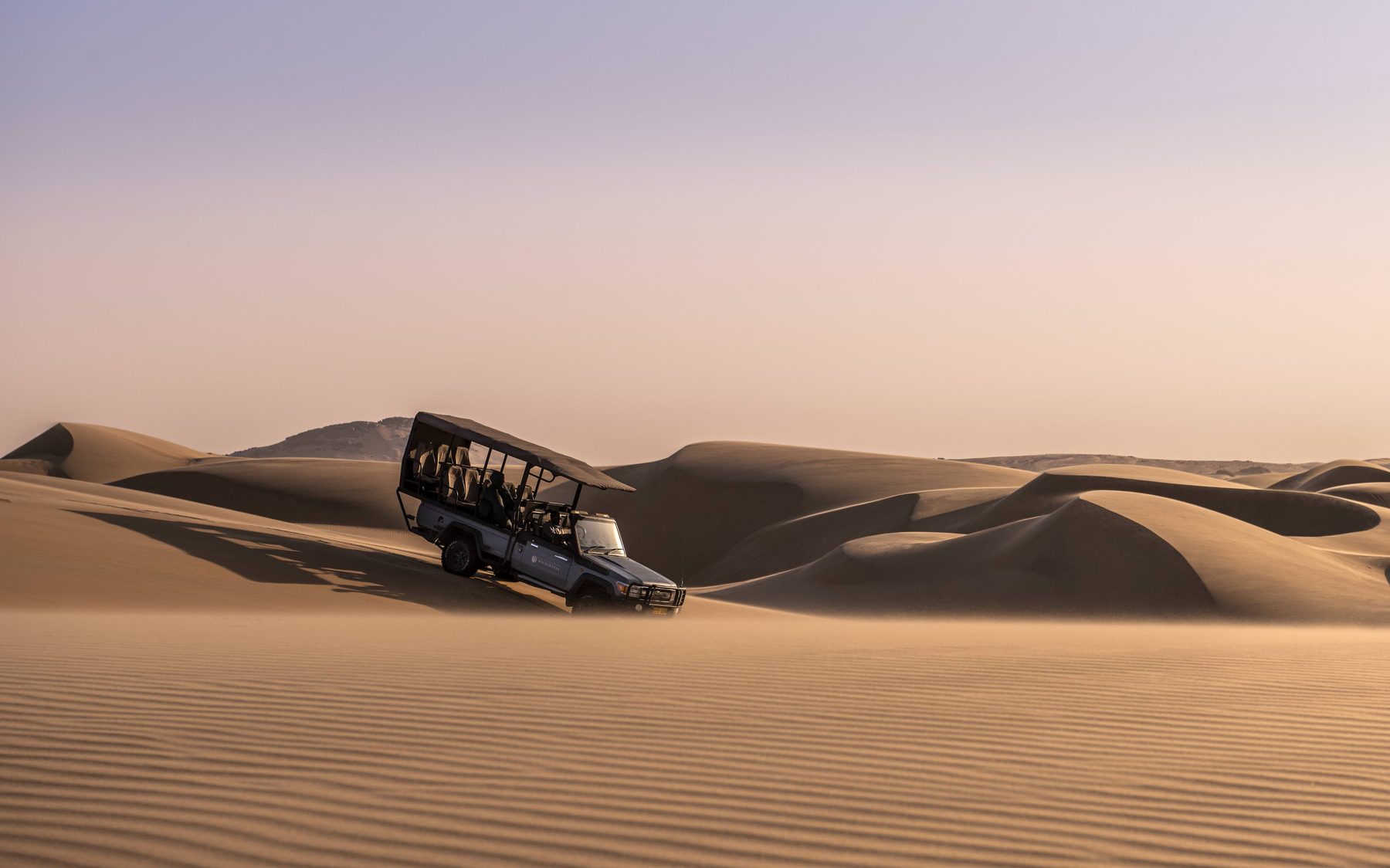
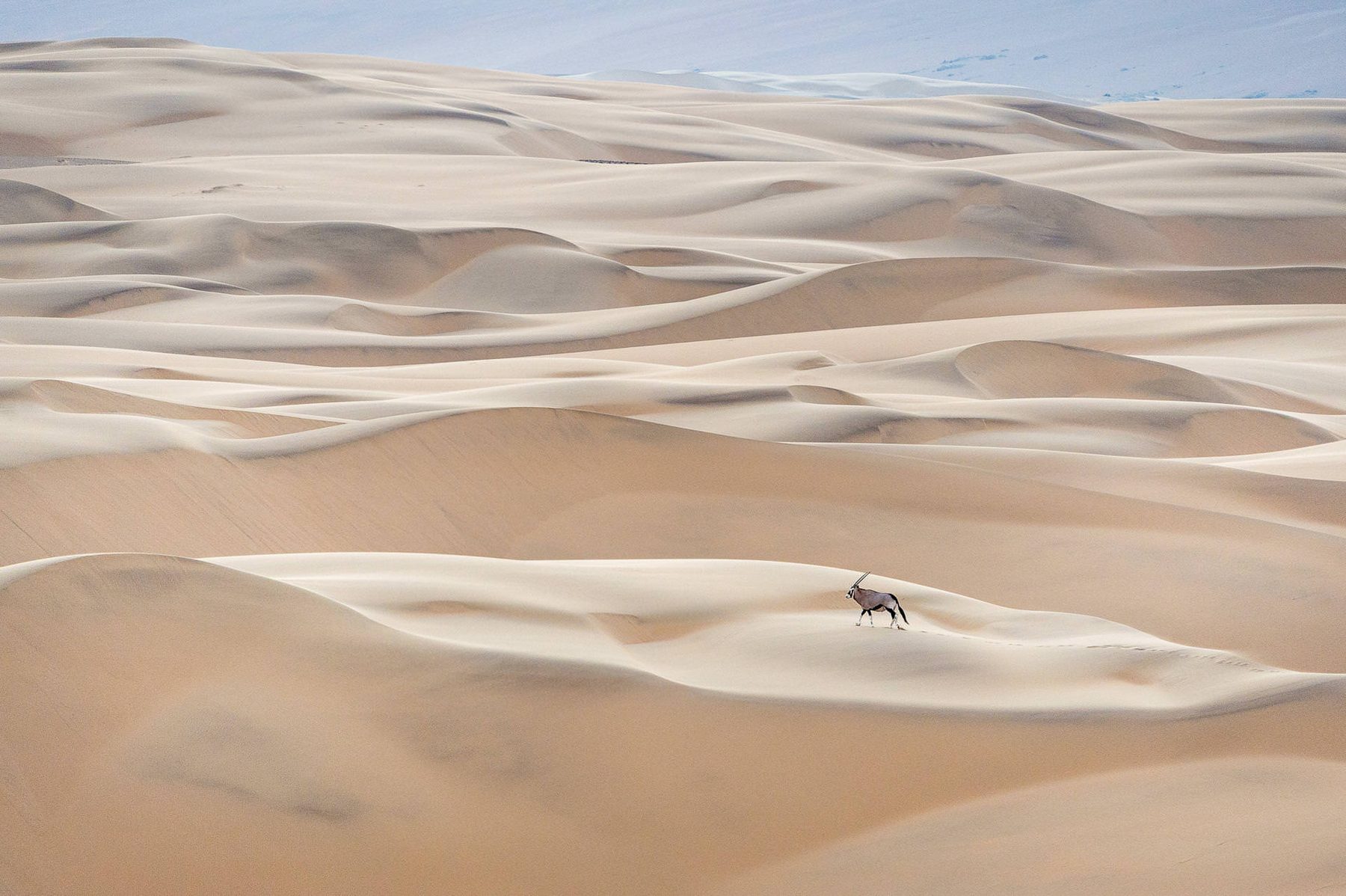
For anyone susceptible to the enchantment of endless deserts and dunes, there’s no place like Namibia. It just might have the continent’s most photogenic landscapes and farthest out-there camps, like Kulala Desert Lodge, Hoanib, and Serra Cafema.
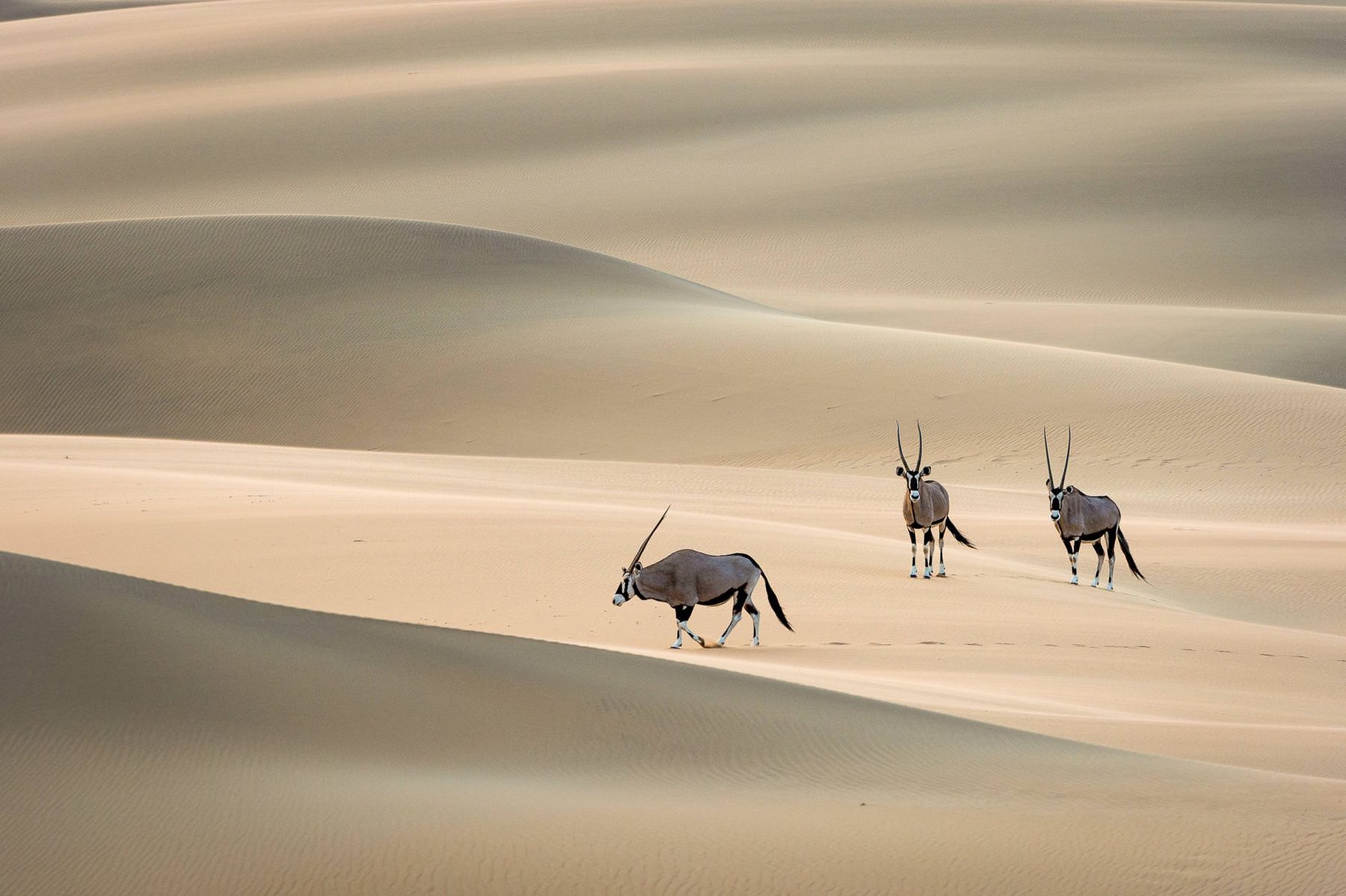
The Sossusvlei salt pan is famed for the towering red dunes that encircle the crusty floor of the basin. Early morning balloon rides, dune jumping, and quad-biking adventures provide an active entree to this mesmerizing environment. Spotting rare, desert-adapted wildlife, including elephants, giraffes, and the majestic oryx adds to the area’s singular appeal, as does stargazing under clear, unpolluted skies, far removed from the lights of civilization.
Further north, windswept Skeleton Coast National Park is named for the 19th and 20th century shipwrecks that have been swallowed into dunes, creating a graveyard for vessels caught up in rough seas and dense fog. The distinctive bungalows of the Shipwreck Lodge are inspired by the wrecks that dot the shoreline from that bygone seafaring era. This remote shoreline is not only rich in history and lore, but also flocks of flamingos and a massive sea lion colony that attracts black-backed jackals and desert-adapted lions — an unexpected and easy hunting ground amidst the harsh desert environment.
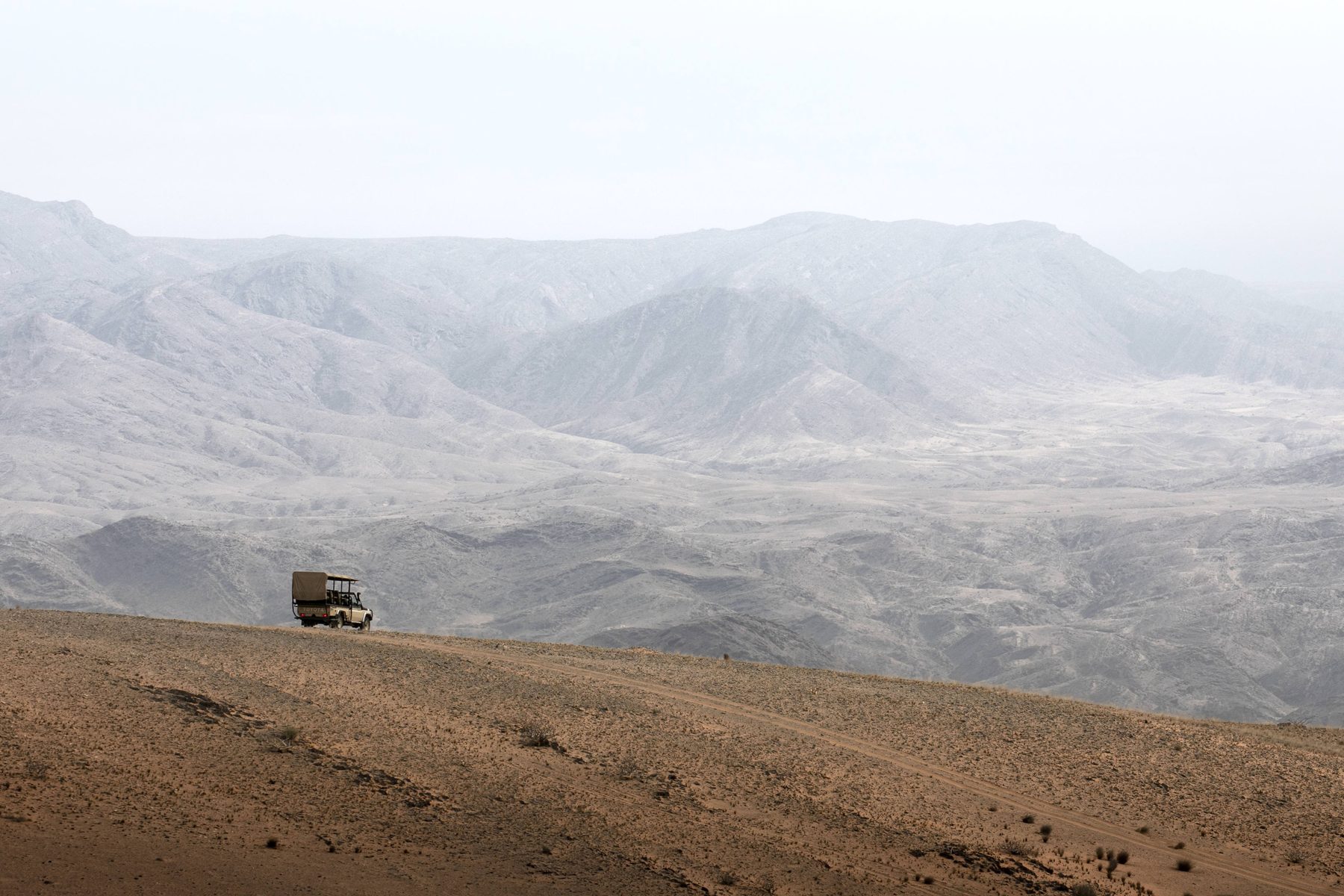
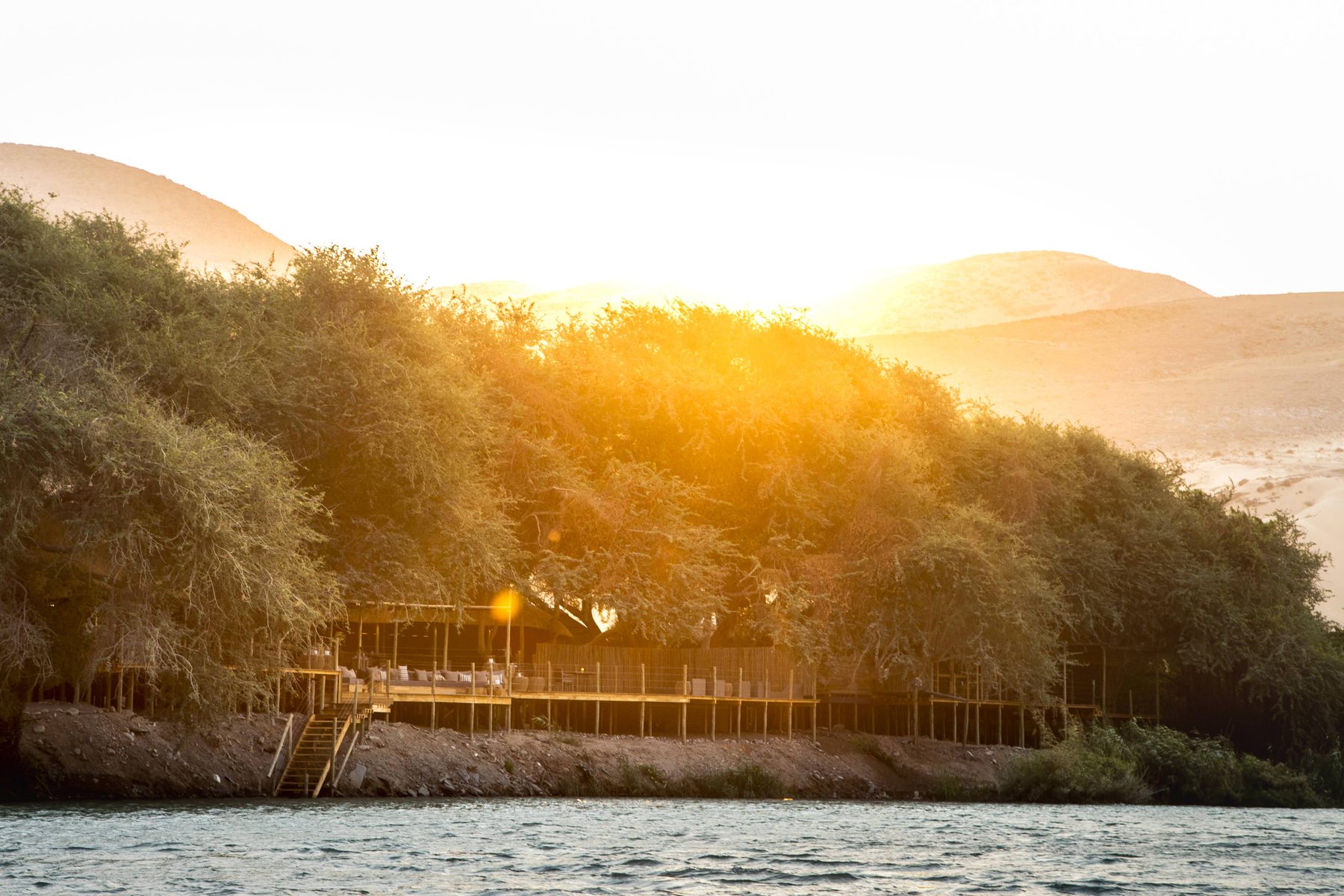
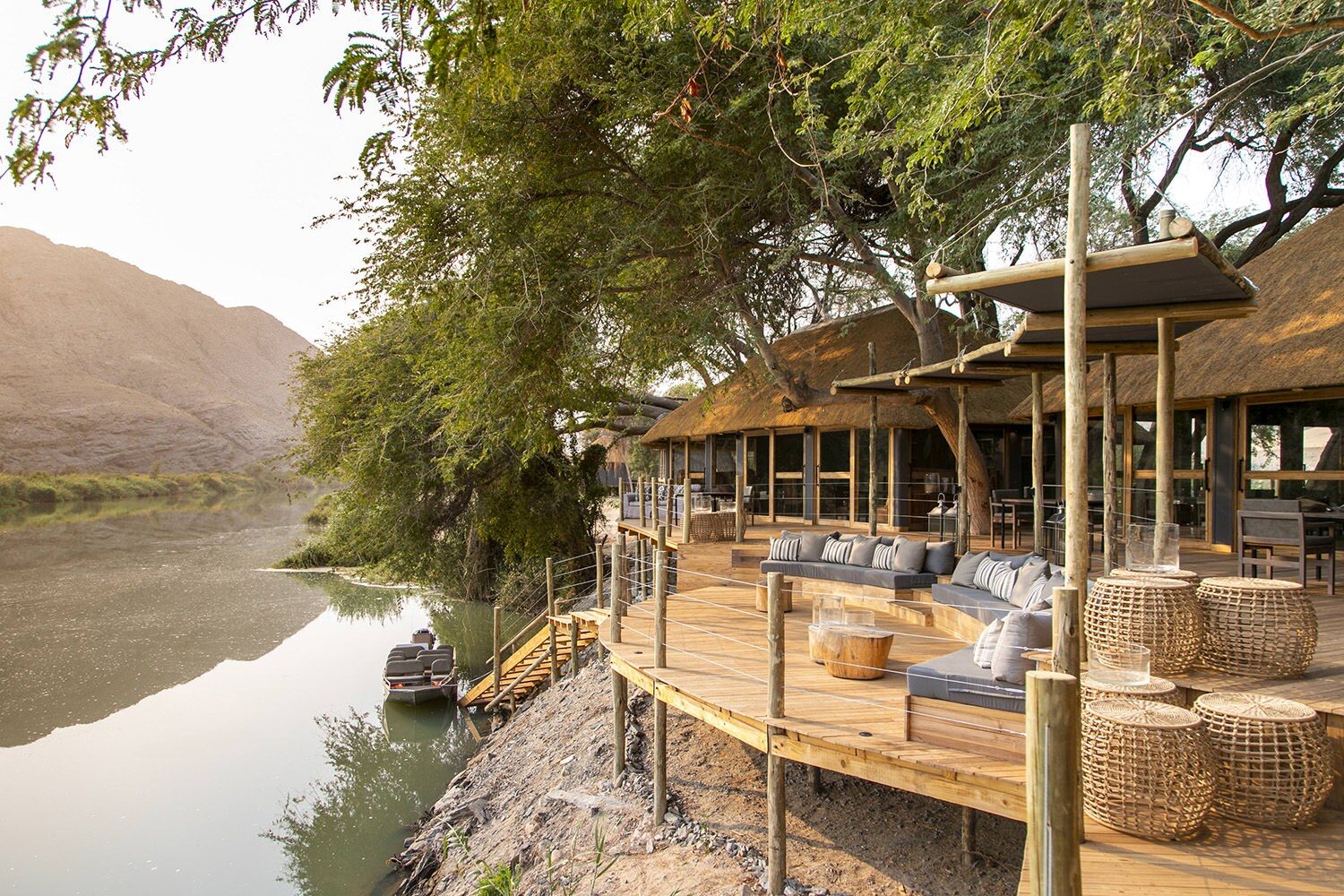
Throughout the Kunene region, which encompasses the Skeleton Coast, there is a complete sense of remoteness, which makes meeting the resourceful Himba tribespeople in the far northwest all the more extraordinary. These nomadic pastoralists are known for their red ochre body butter (in effect, a kind of bush sunscreen) and lifestyles only lightly influenced by modernity; travelers can watch craftswomen weave sturdy baskets tinted ochre by their handling of the straw. A stay at Serra Cafema camp on the Kunene River, which establishes the border with Angola, offers cultural immersion and a glimpse into resilient desert life of all kinds. The camp is an oasis in a harsh, yet beautiful, environment that could hardly feel further from the trappings of contemporary civilization.
A Namibian safari makes an ideal contrast and complement to one in neighboring Botswana, where the habitats are generally more lush.
CUSTOMIZE YOUR SAFARI
Madagascar: An Island World Unto Its Own
An off-the-beaten-path, island nation with an incredible array of wildlife, Madagascar was made for the nature enthusiast. Roughly the size of Texas, its landscapes range from misty rainforests to arid deserts that are home to creatures found nowhere else on Earth. It is a stand-alone destination, particularly among the French (due to it being a former colony), but it’s also accessible from both East and Southern Africa as a safari extension.
Being that it is called the Land of the Lemurs, you must begin by visiting these unusual primates. There are over 100 species, including the charismatic ring-tailed and the elusive indri. Venture into the Andasibe National Park, where guided night walks reveal the nocturnal habits of the smallest of species, the mouse lemur. Or, explore the remote rainforests of Ranomafana National Park, where you might encounter the endangered golden bamboo lemur alongside an O' Shaughnessy's chameleon; Madagascar is home to more than half of the world’s chameleon species.
The 8th continent, a term used due to its unique biodiversity and separation from the African mainland, is also definitely a place for birdwatchers, with its diverse avian species — from the Paradise Flycatcher to the Madagascar Kingfisher — only adding to the island’s allure. Additionally, Nosy Be to the north is one of the premier locations for encountering the gentle giants of the sea, the whale shark — so long as you’re there between fall and early winter. But whether or not your trip lines up with that time frame, there are still numerous places to experience cerulean waters and swim in the Indian Ocean, from Tamatave to Tulear.
Antananarivo, the capital and largest city in Madagascar — known as Tana colloquially — is woefully overlooked. The city’s lurching hills, cobbled streets, steepled churches, stately French colonial homes, and small clay houses are haloed by rice paddy fields full of Zebu cattle. You can spend time exploring local markets, visiting the old royal palace, riding around on tuk-tuks, and getting lost in beautiful byways blooming with jacaranda trees.
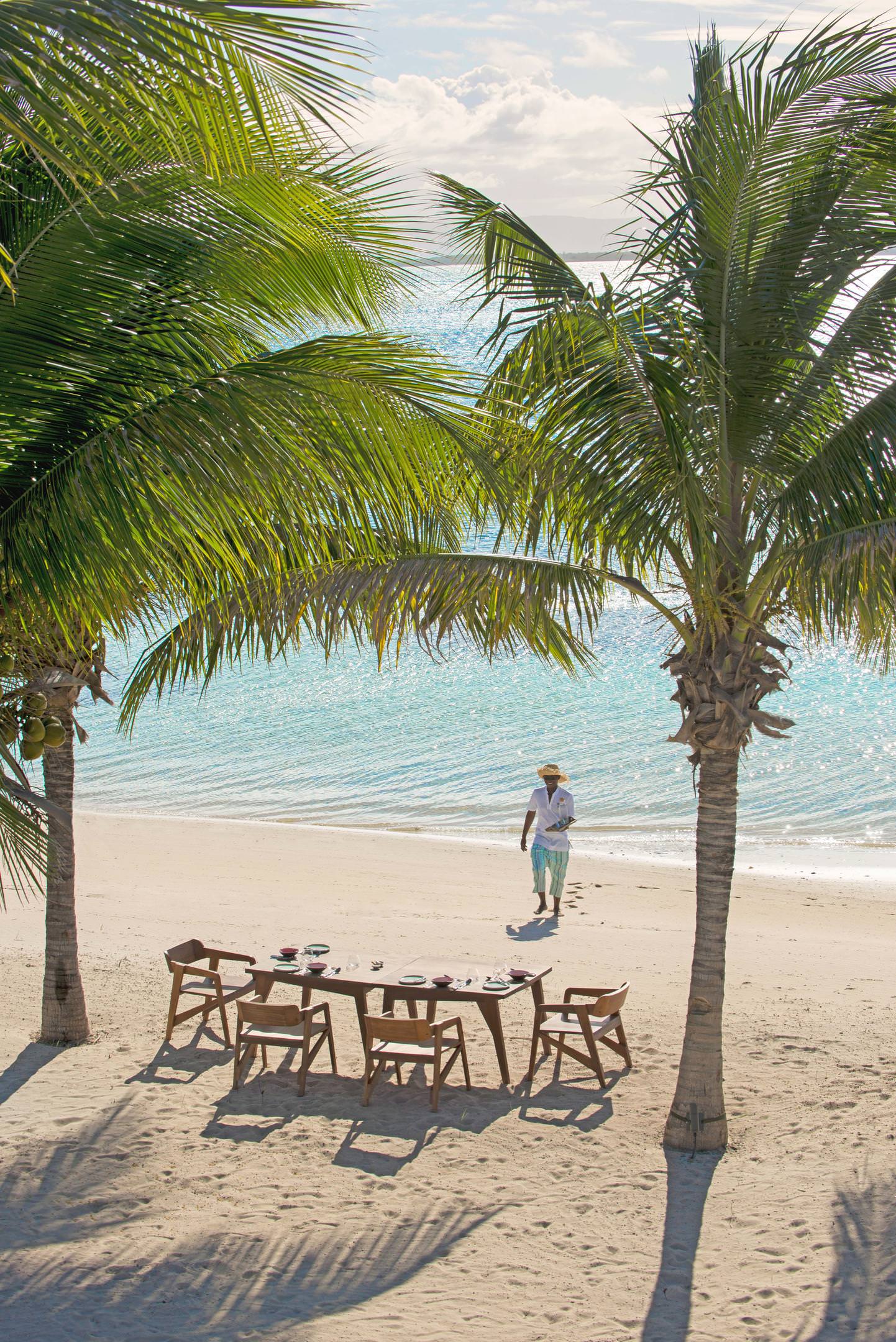
Between staying at high-end eco lodges and chic little hotels, and wandering the famed Avenue of the Baobabs, with its soaring, ancient trees, you’re sure to come away from the Red Island in awe.
Mozambique: Seeking Coastal Bliss
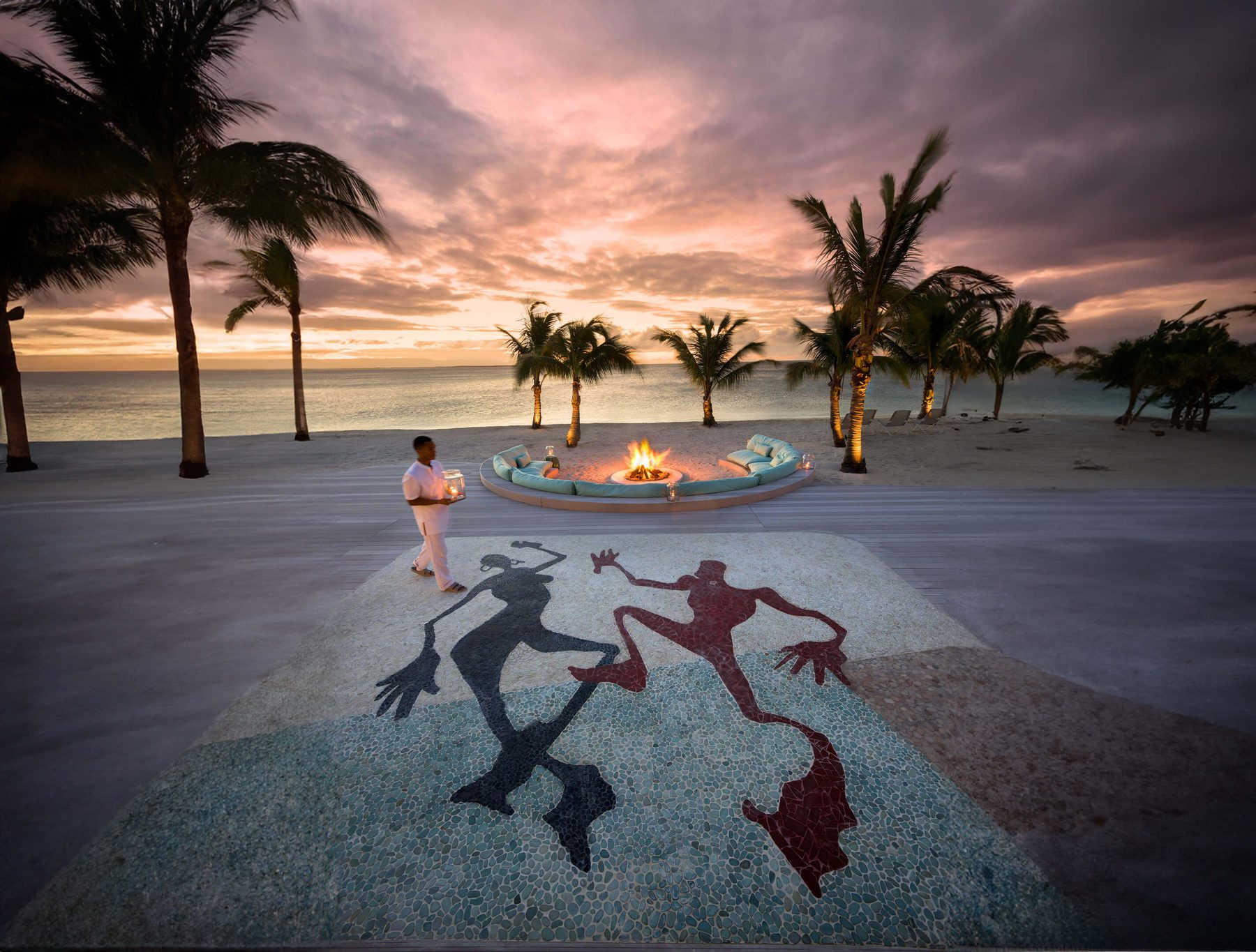
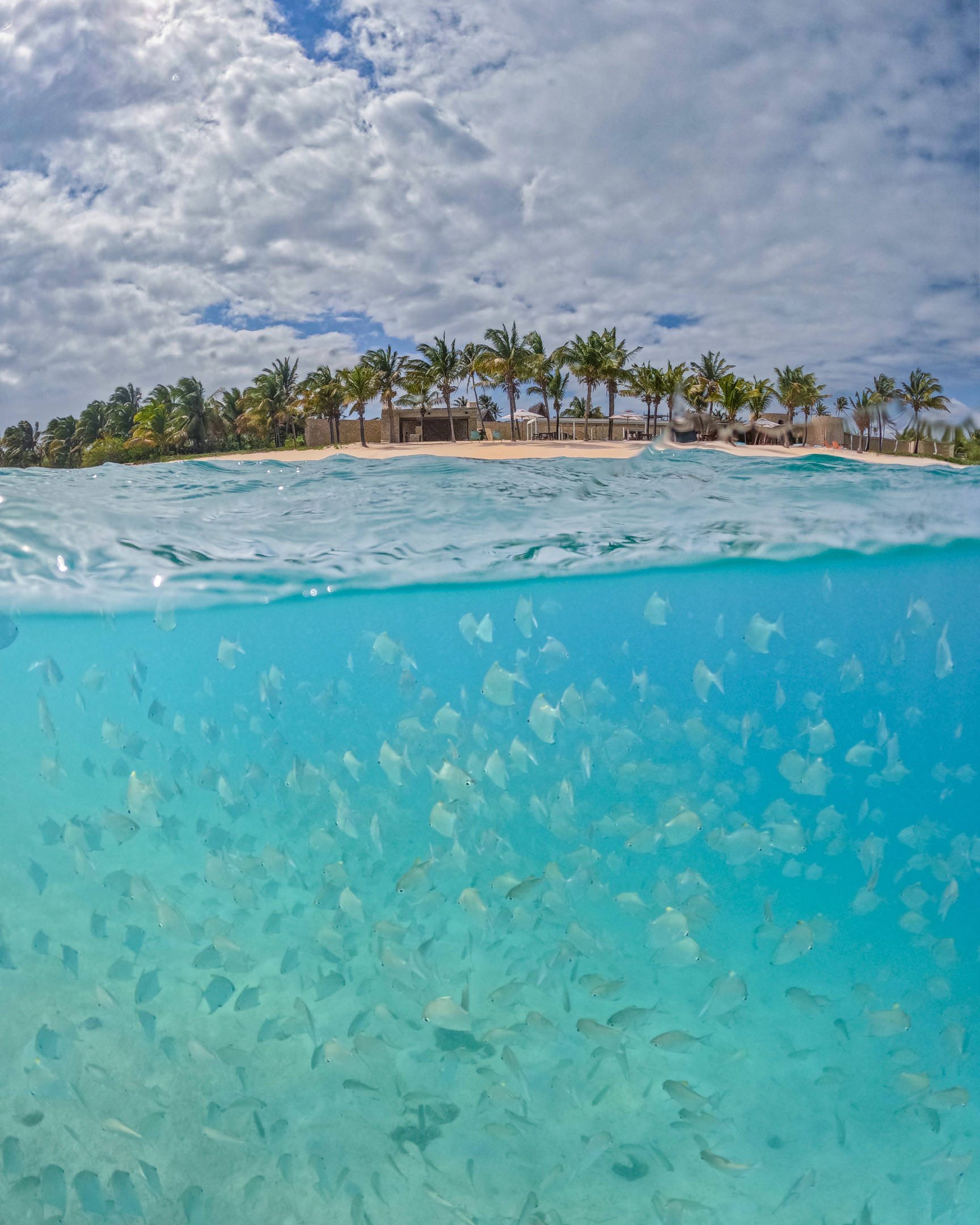
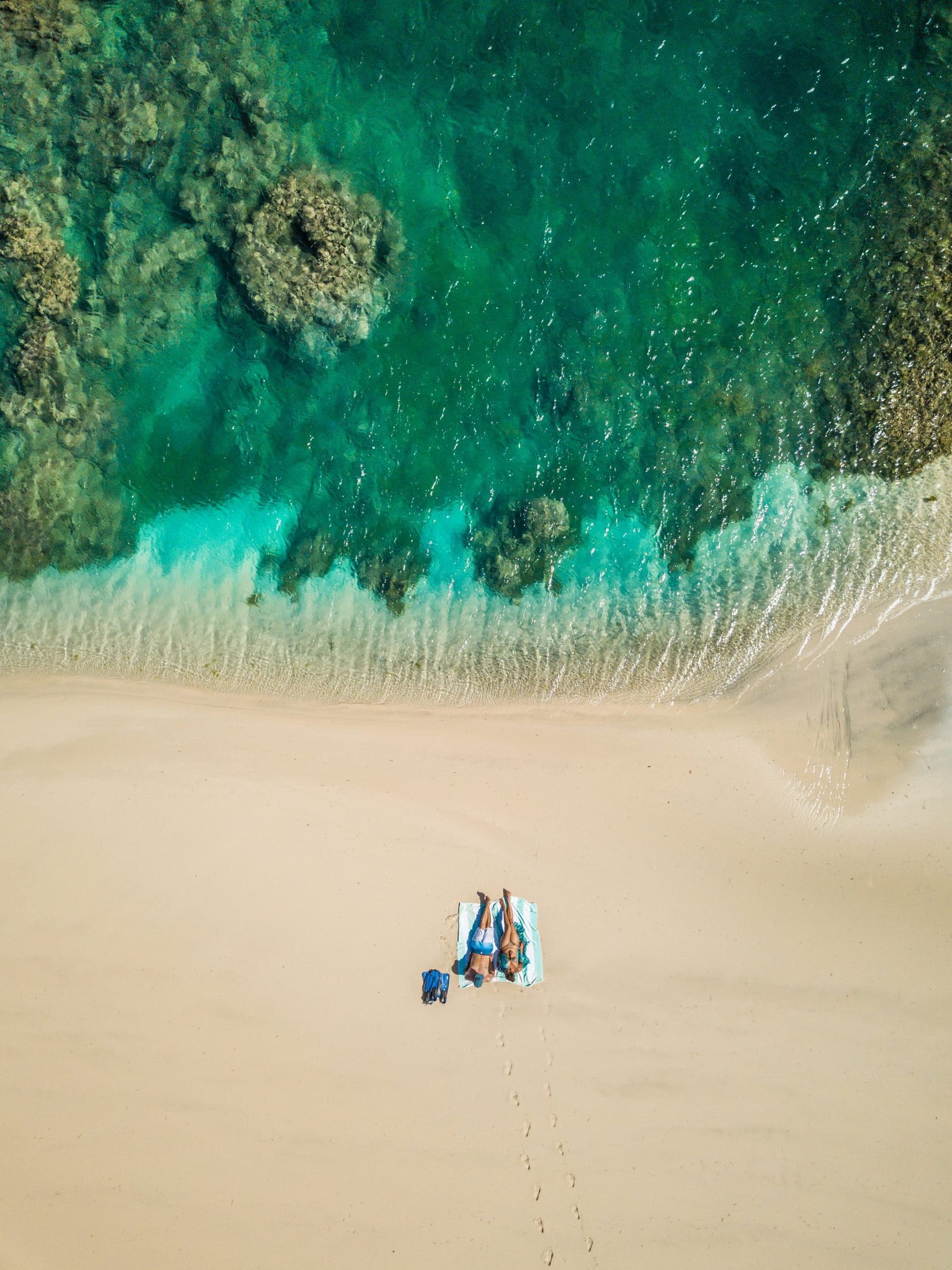
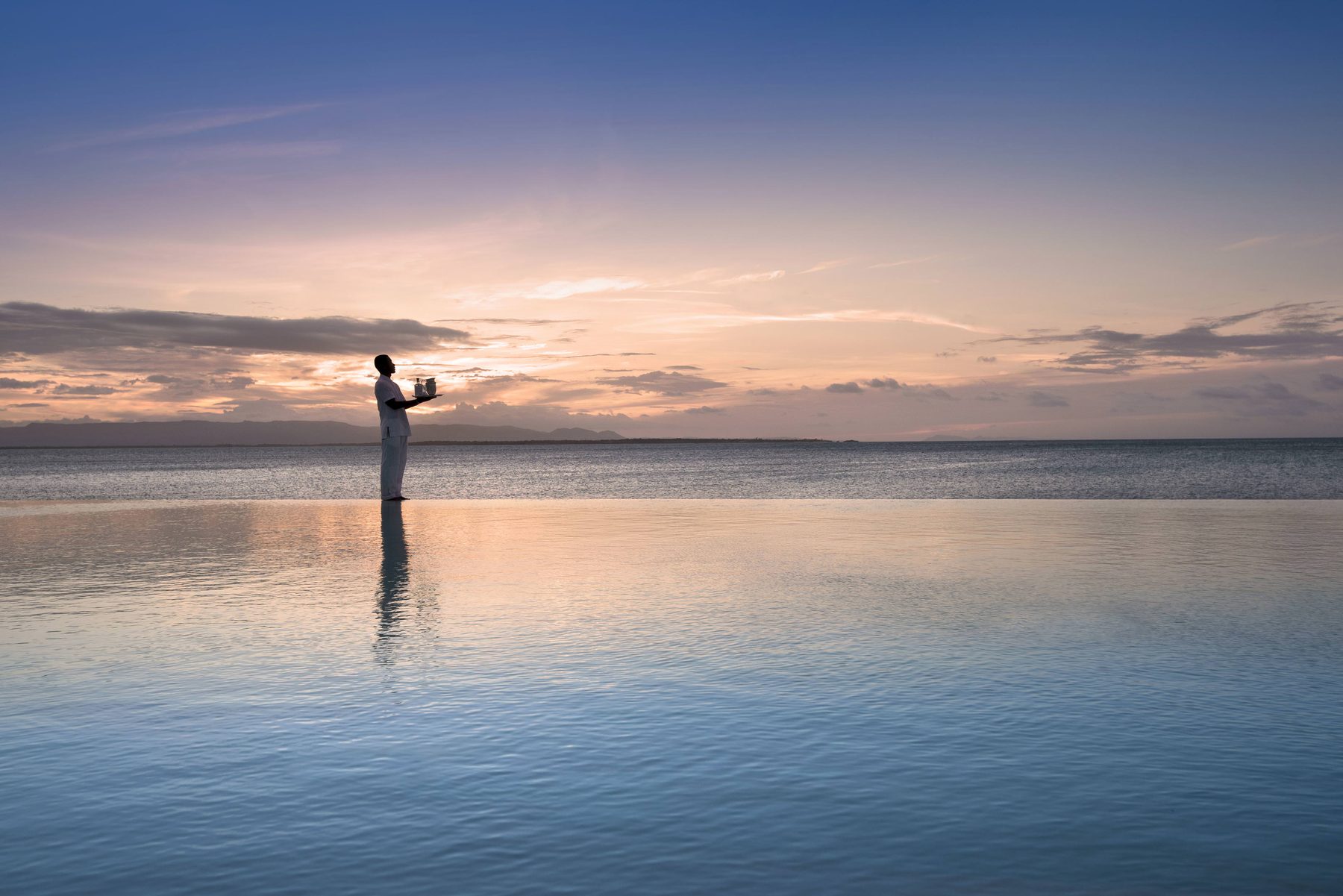
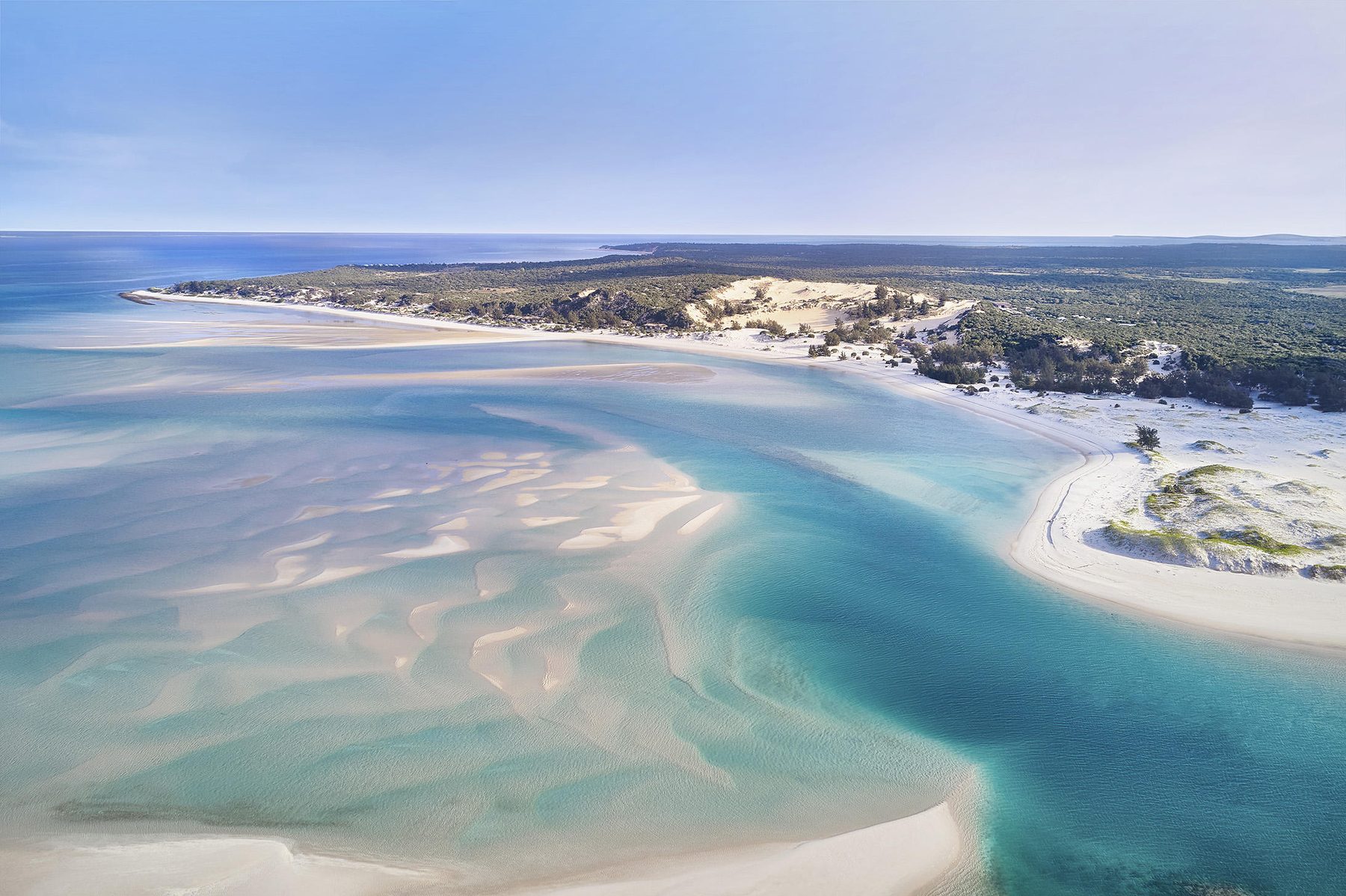
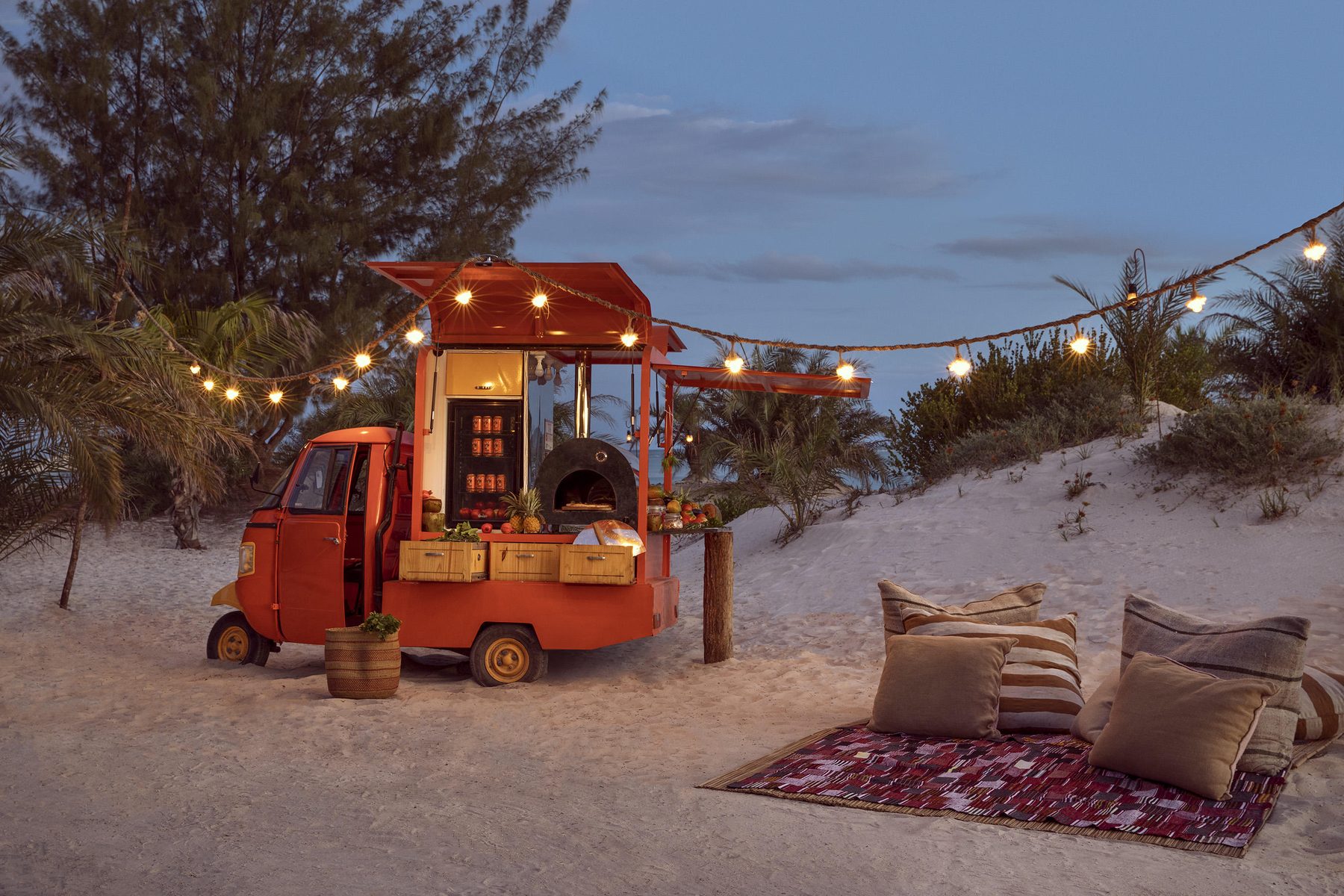
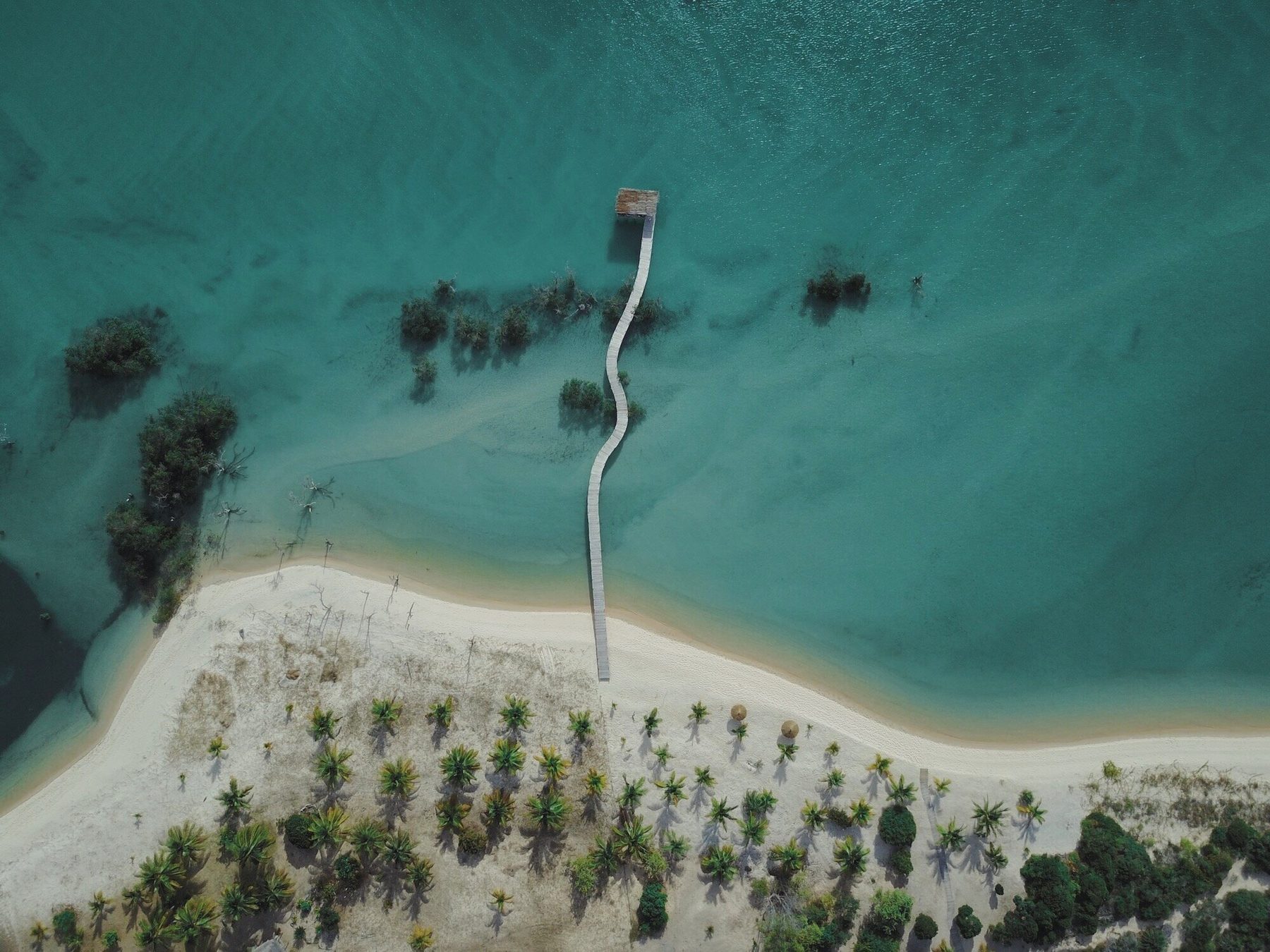
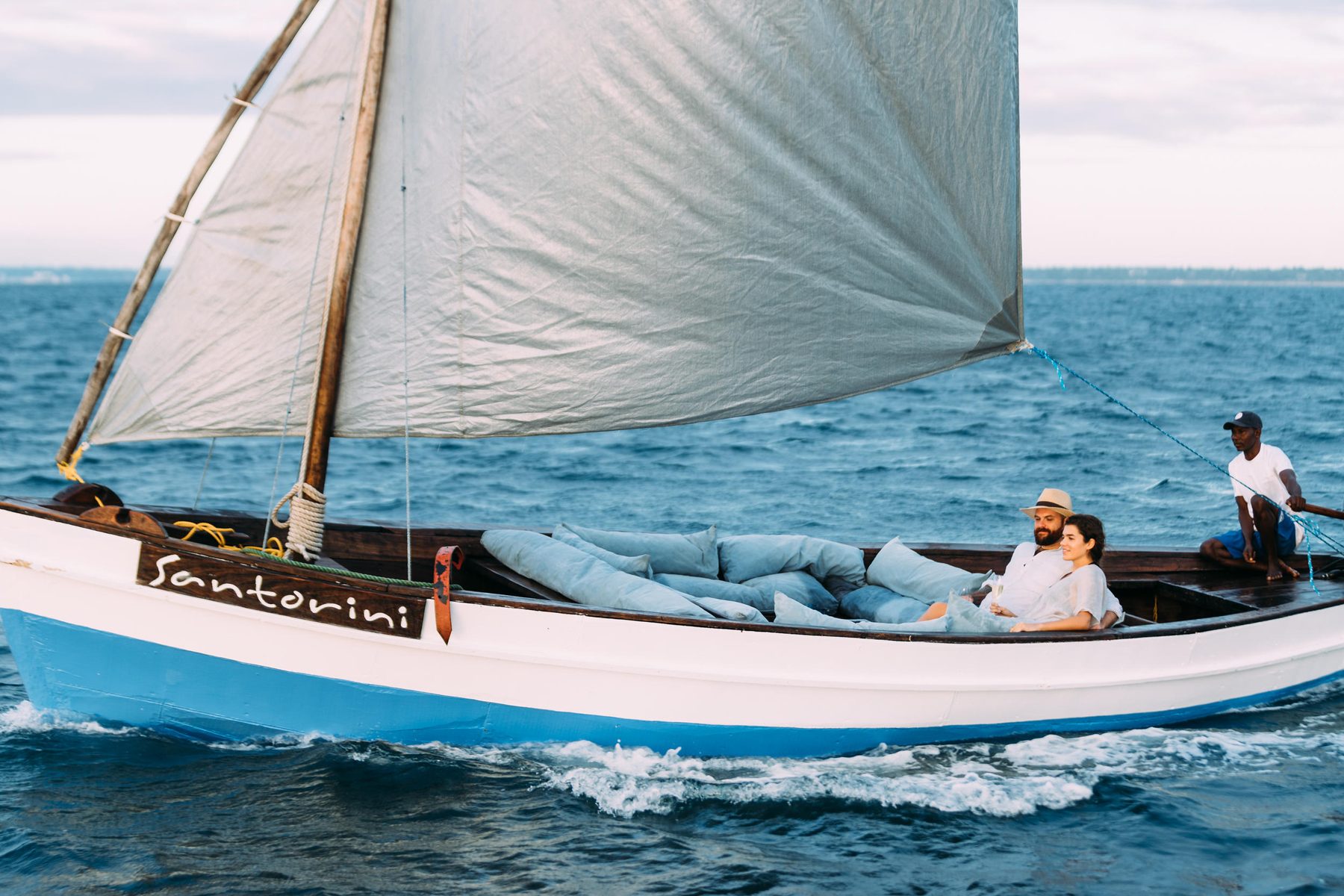
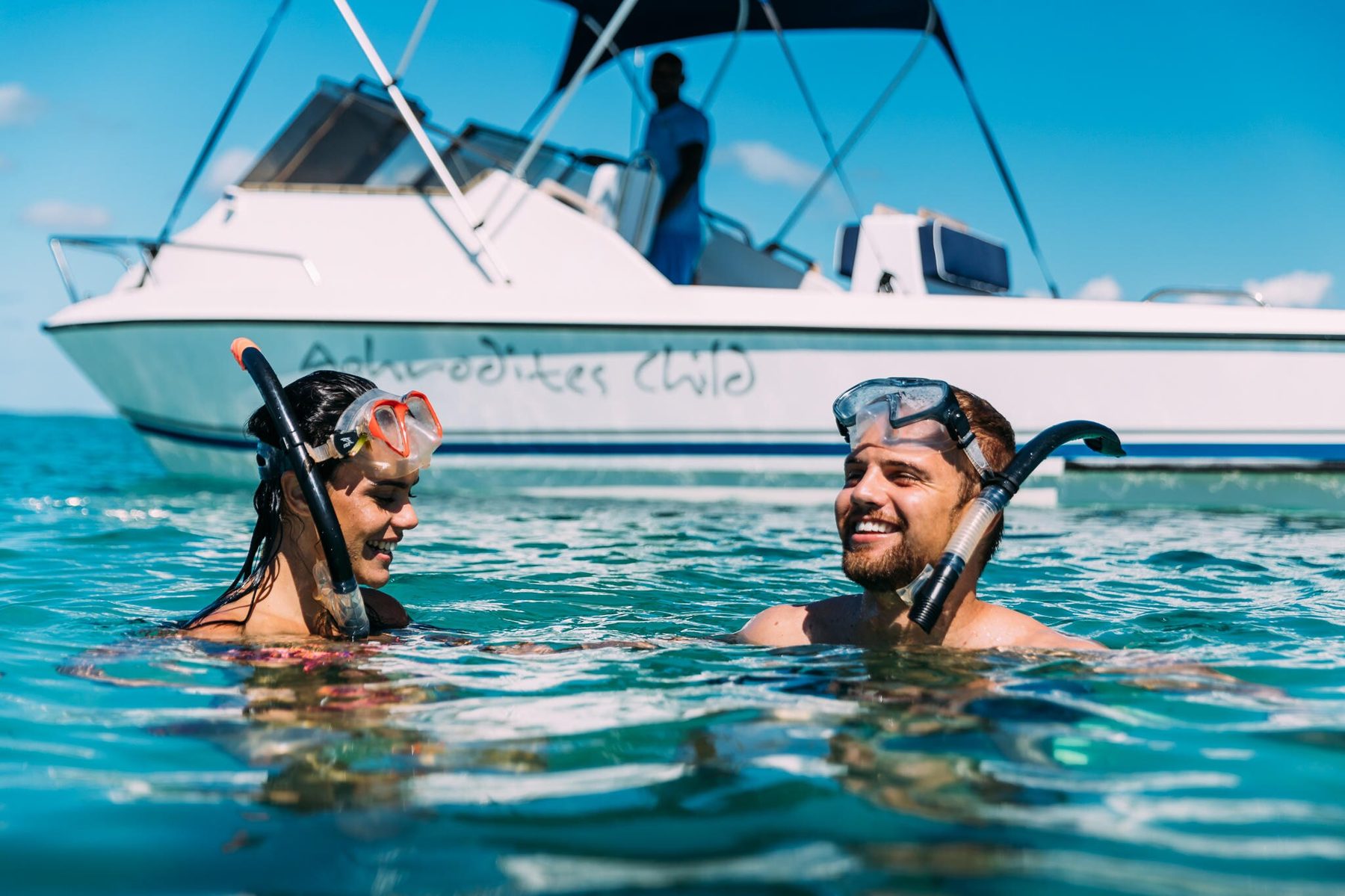
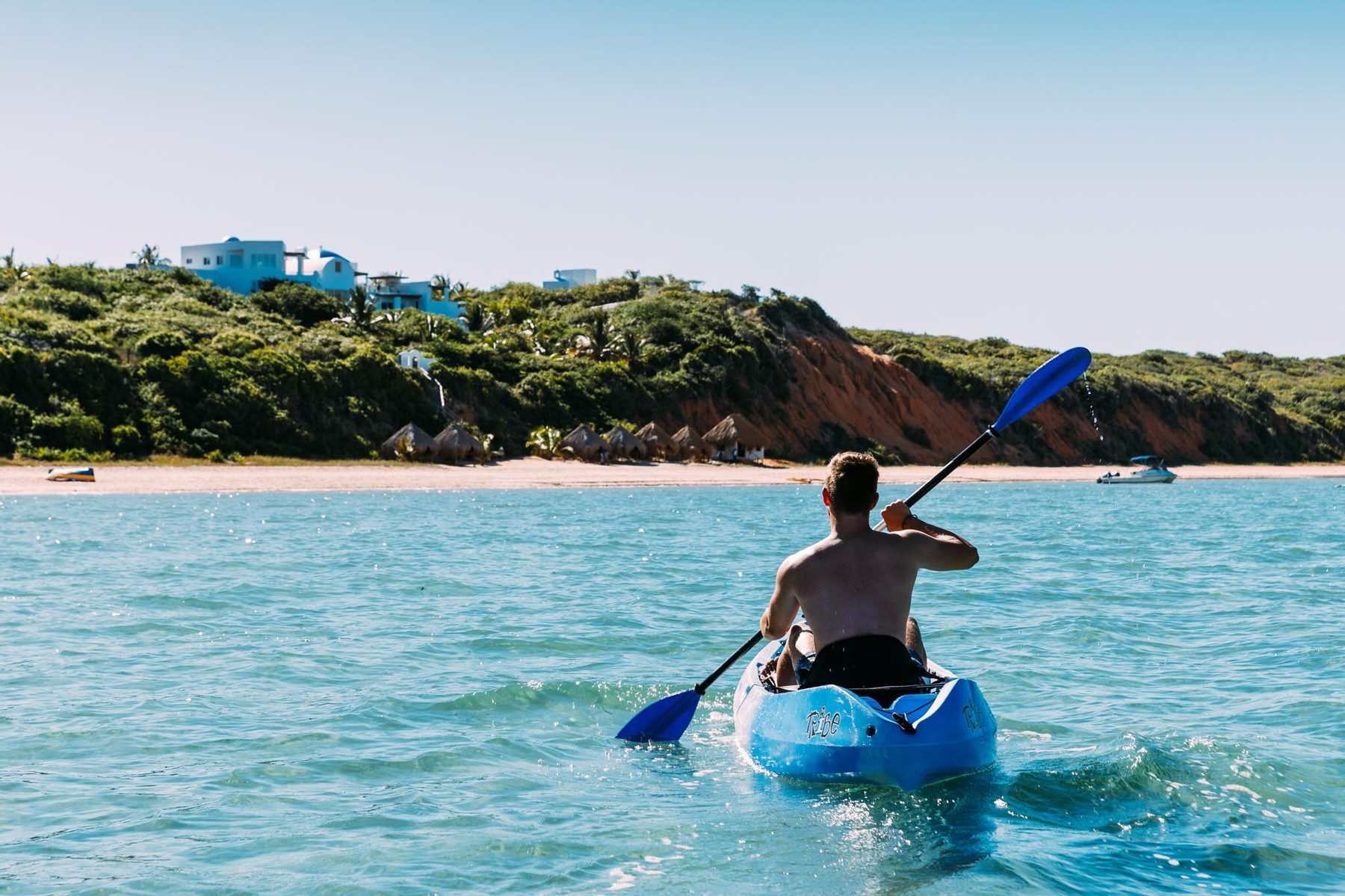
Mozambique is an ideal extension to a wildlife safari in southern Africa for families or couples. After beating through the bush in search of land-based wildlife, you’ll definitely want to enjoy its breathtaking coastlines and stellar reefs chock-full of marine life. From Tofo in the south to Pemba in the north, there is an abundance of white, powdery paradises that are perfect places to unwind and snorkel on colorful coral reefs and swim with sea turtles and shy dugongs. While here, stay beachfront in a private bungalow with an infinity pool at Kisawa or at the stunning Villa Santorini on Benguerra Island in the Bazaruto Archipelago. You’ll eat your fill of briny prawns, fresh fish, and matapa, a cassava coconut curry that’s a local delicacy.
Mozambique’s charm extends to its cultural heritage. Its strategic position along the Indian Ocean made it a key hub for the Arabian spice trade, connecting the rich cultures of the Middle East with the vibrant markets of Africa. For centuries, traders and seafarers navigated these waters, bringing with them not only precious spices but also a wealth of cultural influences that enriched the coastal region. As a result, the fusion of Portuguese, Swahili, Arabian, and African traditions is still evident in the coastal cuisine, architecture, and local customs.
For those seeking a blend of aquatic adventure, singular cultural experiences, and quiet luxury, Mozambique is a perfect place to wind down after the safari.
Zimbabwe: The Best Bang for Your Buck
It’s a pleasure to report that this southern Africa country has emerged from a couple of decades of economic and political turmoil to reclaim its former status as a premier safari destination. “It’s got everything,” says Sandy Cunningham, co-founder of UNCHARTED, who has family roots in the country.
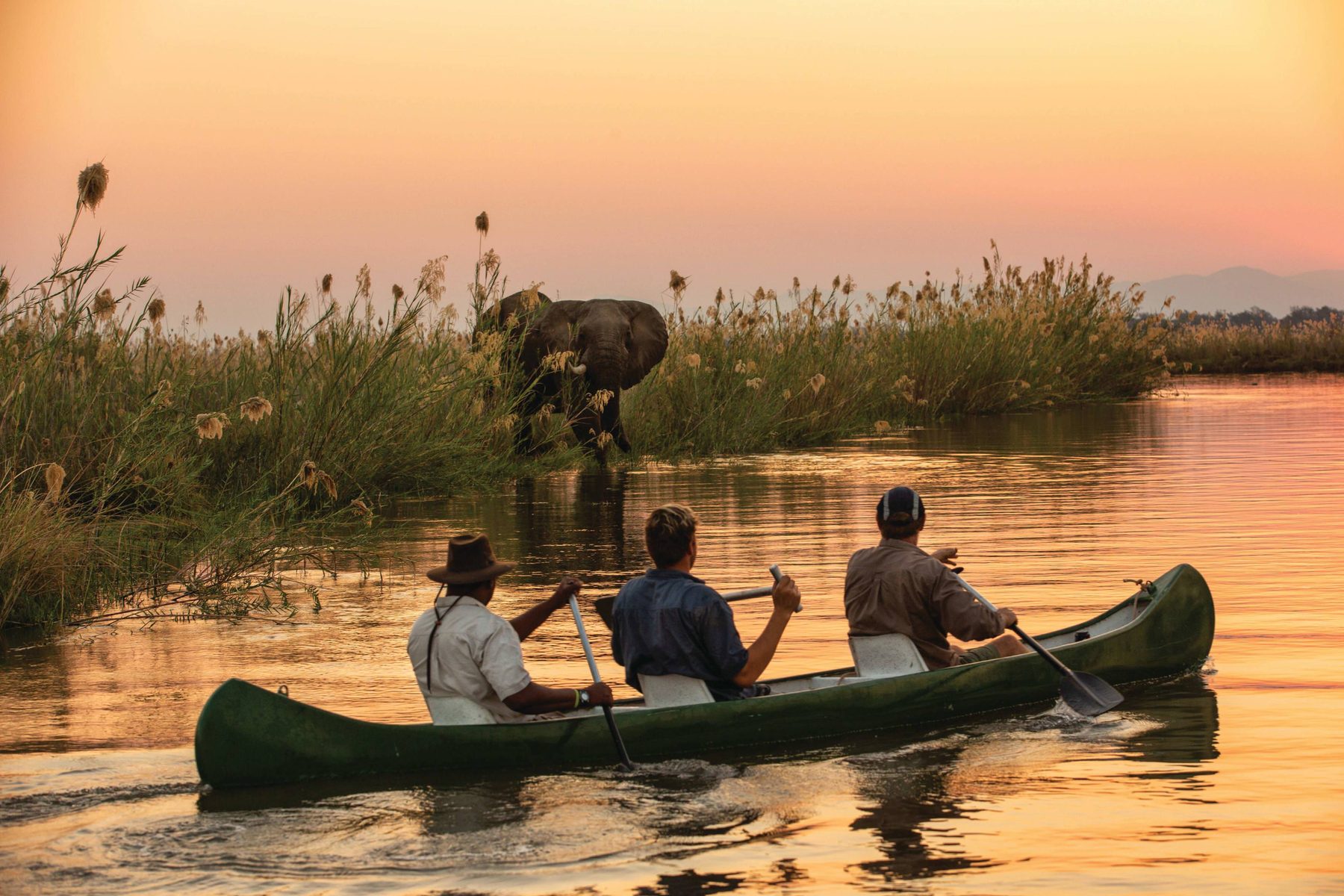
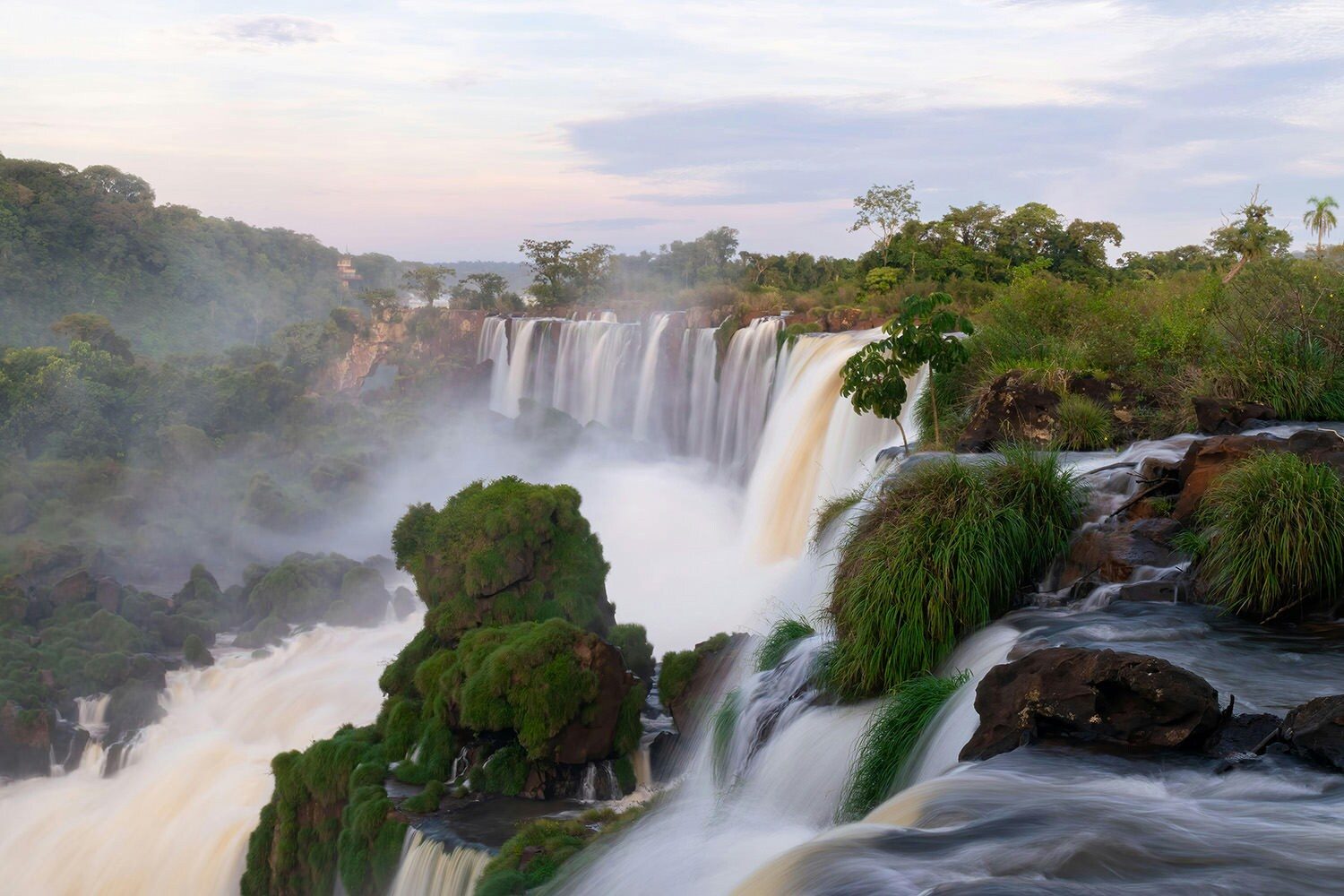
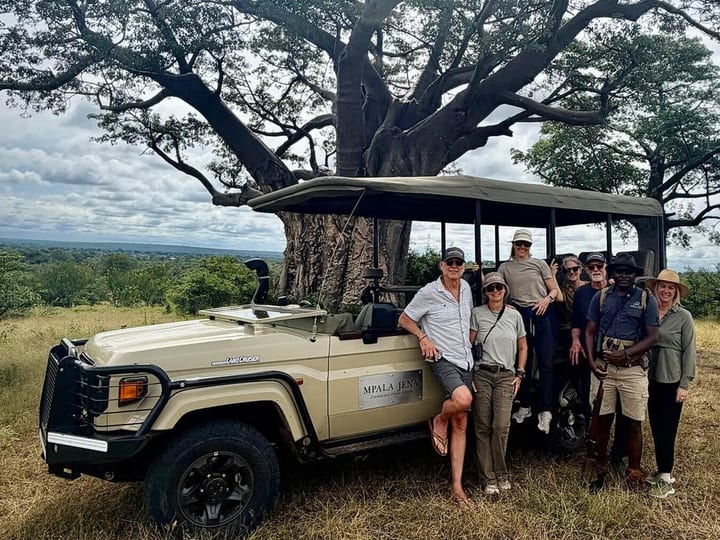
For starters, there’s the staggering grandeur of Victoria Falls, one of the seven natural wonders of the world that occupies an important place in the annals of African history and exploration; notably, David Livingstone named the landmark for Queen Victoria. Mpala Jena Camp in Zambezi National Park has all the merits of a modern safari destination: the perfect location, abundant wildlife, creature comforts, and an emphasis on sustainability. The mighty Zambezi River, which constitutes the border with Zambia, spills eastward into Mana Pools National Park, where hippos share the riverfront with herds of elephants and nearby Outpost Tembo Plains Camp. Particularly adventurous souls may wish to canoe the river and camp along the riparian floodplains shared by these massive beasts.
Hwange National Park has ample wildlife to satisfy the appetites of any safari-goer, be they first-timer or aficionado. To tick off the rarest of the Big Five, there’s black and white rhino tracking in the Matopos Hills. The granite hills are also imbued with a palpable ancestral spiritual aura that must be experienced to be comprehended. The family-owned Amalinda Safari Collection operates the singular Amalinda Lodge in the Matapos Hills and Khulu Bush Camp on a private concession next to Hwange.
The history of Zimbabwe provides a concise overview of civilization over the millenia, including the heavy footprints of latter-day colonists, most notably Cecil Rhodes, namesake of Rhodesia, the country’s former nomenclature. History buffs would be thrilled to visit the UNESCO World Heritage Site Great Zimbabwe National Monument, which are the ruins of a 13th century settlement that was once the capital of the Kingdom of Zimbabwe.