 By The UNCHARTED® editors · 10 min read
Written by:
SANDY CUNNINGHAM
For over three decades, I’ve been helping people fall in love with Africa by putting them together with the top guides in the absolute best safari camps and lodges. But I originally experienced the bush the old-fashioned way, on family camping excursions in what was then the guerrilla war-torn country of Rhodesia, now Zimbabwe.
There were no butlers, no infinity pools, no sommeliers pouring Chenin Blancs on a mahogany deck perched in the Okavango Delta. We rented rondavels (super-basic thatched-roof cottages) and usually went with two or three other families. We went water skiing on Lake Kariba,
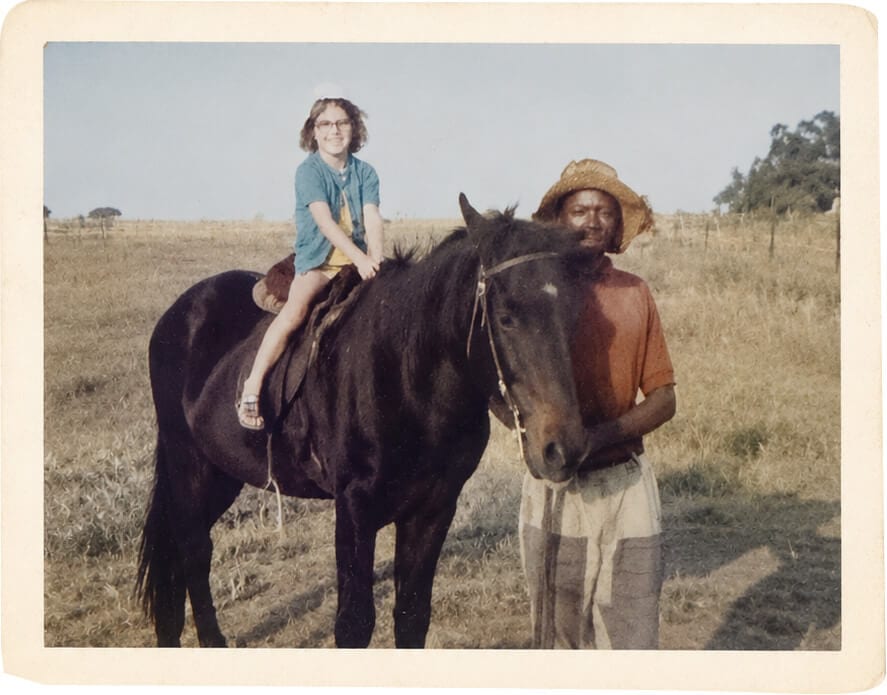
where my father actually skied over a hippo's back!
One Christmas holiday stands out: We drove in convoy to Victoria Falls, with an armored tank called a Rhino at the front, a cluster of family cars, another Rhino, more cars, and so on, twenty or twenty-five vehicles in all. When we arrived at Vic Falls, terrorists from across the Zambian border were lobbing rockets over the bridge. We sat at a table having afternoon tea, swatting baboons away from our sandwiches. My mother smoked her cigarette. My father had his cup of tea, or possibly a whiskey. My sisters and I careened around like monkeys. Just another day on safari.
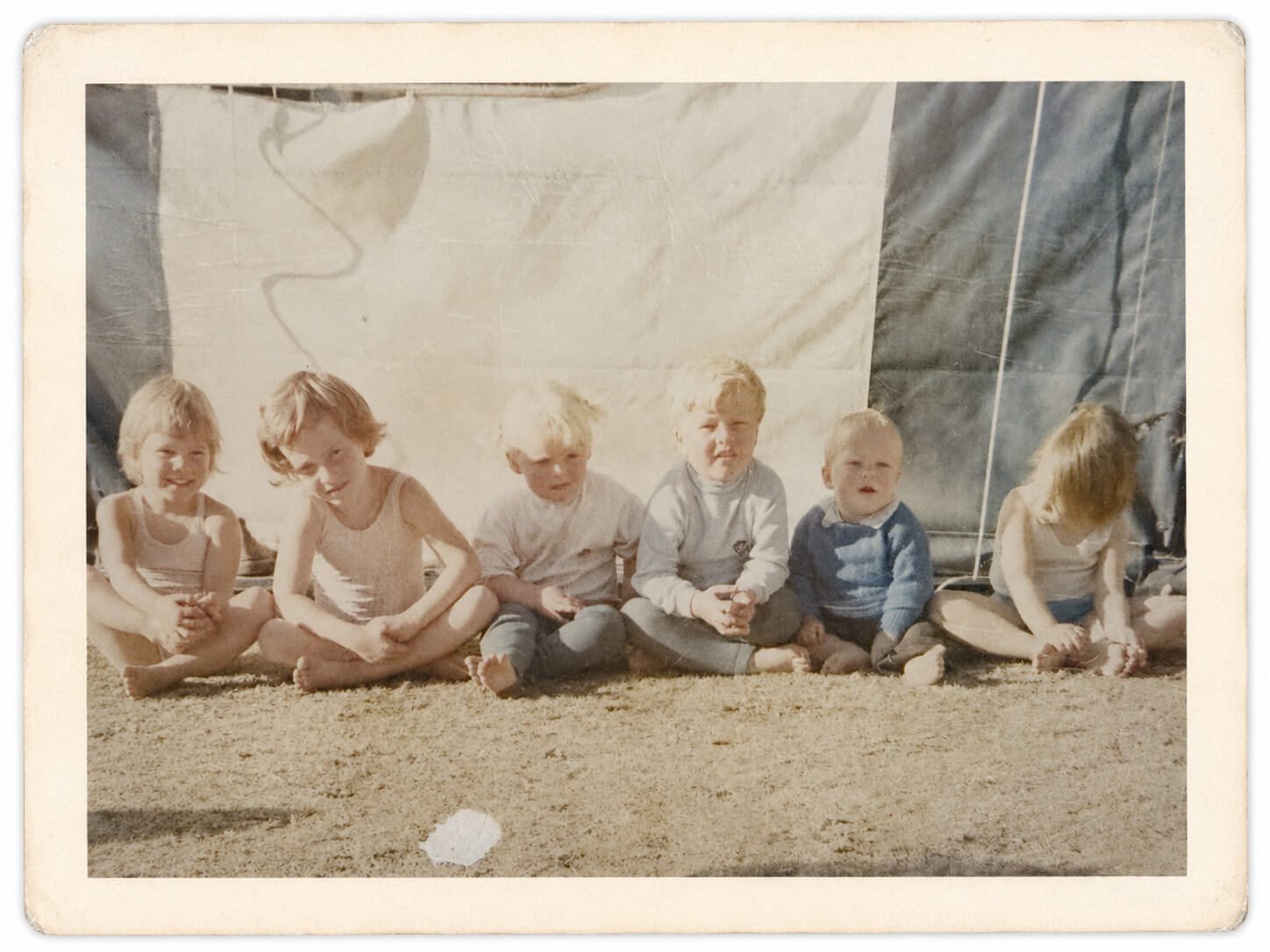
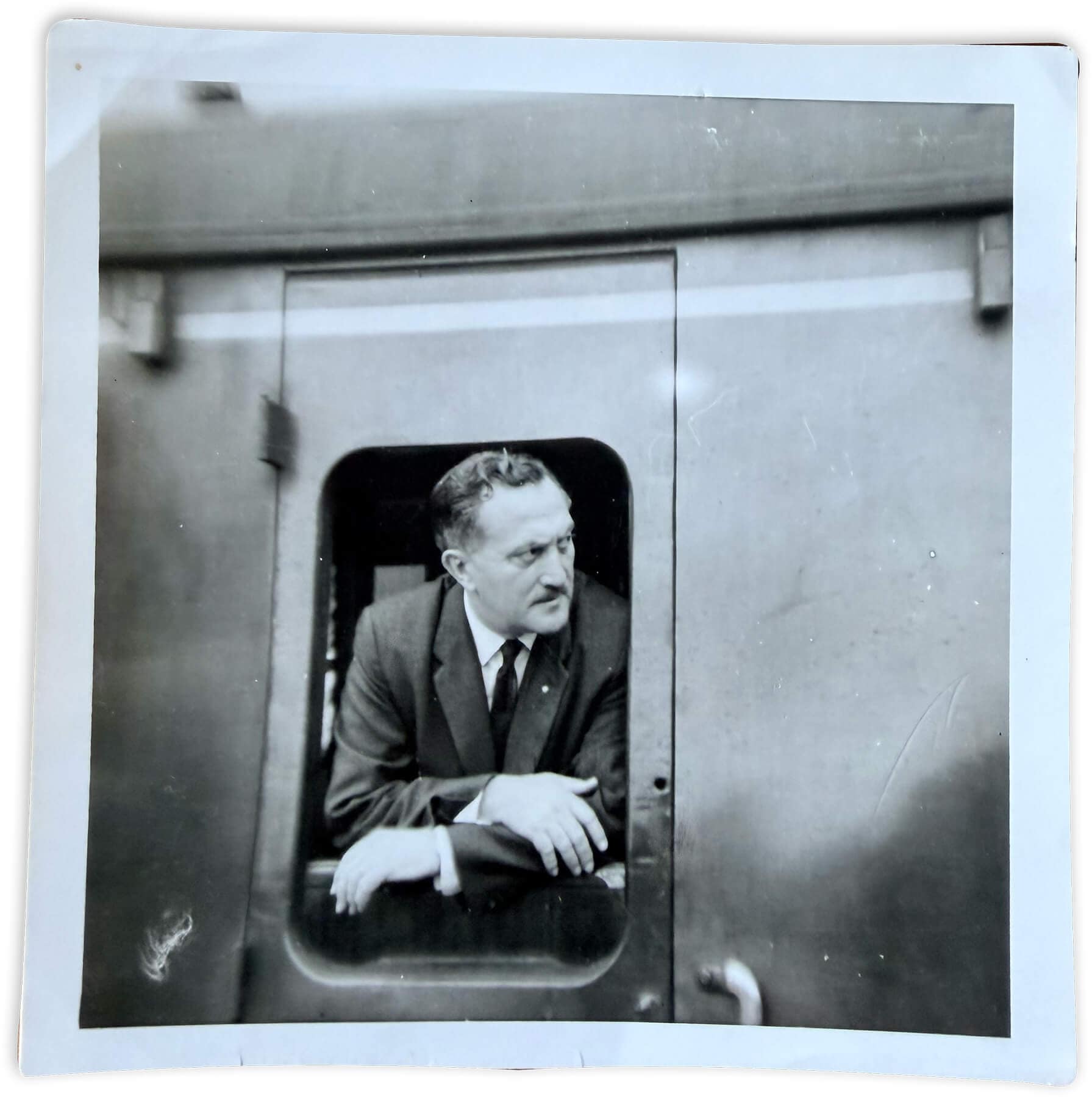
To my mind, the story of the Rhodesian Bush War has been flattened into a simple racial narrative, when in truth it was a front in the Cold War; what was happening in our backyard was a proxy war of global dimensions. People who have read Alexandra Fuller's “Don't Let's Go to the Dogs Tonight” or have seen the recent film adaptation sometimes call me and say, “I had no idea this was what your childhood was like.” And it is just about the best portrayal I’ve seen of that era.
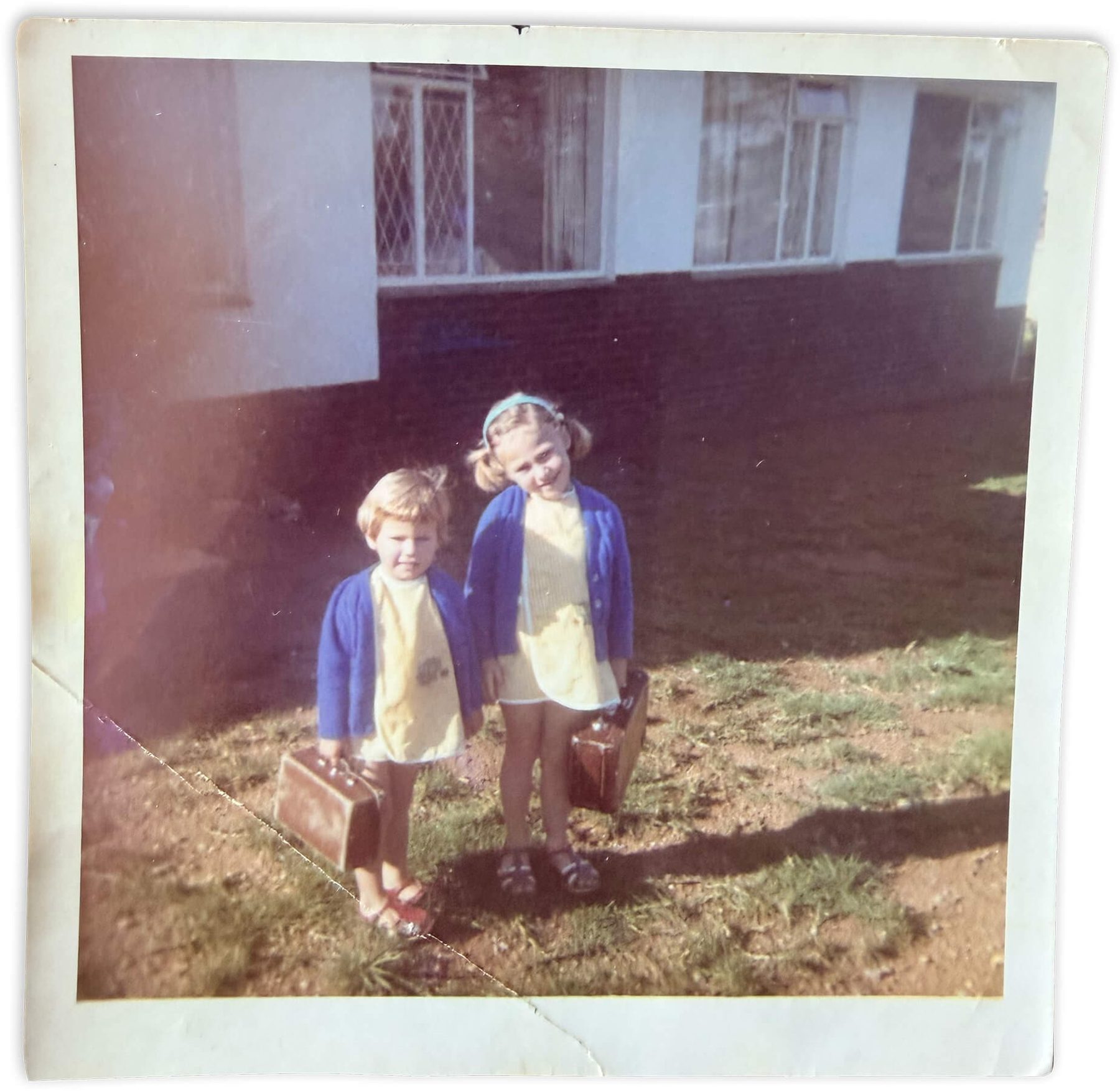
Fuller grew up on a farm and we lived in the city of Bulawayo, but city life was no less dangerous. One night a terrorist came over our garden wall. Our police-trained Alsatian, Jasper, handled the situation. After that, my parents never left us home alone again.
At school, we had drills about what to do when a hand grenade was lobbed into the school gardens. I remember hiding behind the curtains in the living room to peek at the television news, which we were forbidden from watching because it was so extraordinarily gory. Those images have stayed with me. It was a terrifying childhood, but it was also normal. When people ask me if I need therapy, I say, no, it’s part of what shaped who I am today.
I was thirteen when we moved back to my birthplace, South Africa, where my father had been offered a position as head of personnel management for one of the largest gold mines in Johannesburg. A young Cyril Ramaphosa, now the President, was head of the mine workers’ union, and he and my father dealt with each other often. We had moved from one front of modern African history into another, but that’s a story for another time …
The Honeymoon
I grew up loving animals and wanted to be a vet, until I discovered I could not even cut open a frog. It was my husband Chip who provided the safari dream.
We were living in Santa Fe when I found my calling at a famous old guest ranch. It had soul. It had history. The bar walls were covered in photographs of the famous and the adventurous. I turned to Chip over a bowl of chips and salsa and said: “This is what I want. I want to take people on adventures.”
The 2026
Global Safari Awards
Chip had a vision of his own. We were at an air museum in Ohio, standing before a canvas tent – military surplus, nothing fancy – and he said: “I want a tented camp. In Africa.” He had visited his uncle in Kenya and fallen hard for it.
When we got married, Chip said, “Do you want a two-week honeymoon and an expensive ring, or do you want to go traveling for a year?” I chose the latter.
We went to Switzerland first and taught skiing, then we headed to Kenya. I took a job managing the Horsemen Restaurant in Karen. It was the most valuable education I could have received. Every guide, pilot, and politician in Nairobi passed through those doors. Richard Leakey held press conferences there after he had been beaten up in Nakuru. The President's son drank at the bar until two in the morning, when I had to politely ask him to leave. I met everybody who mattered in the safari world before I ever set foot in a proper camp.
Rebuilding Ol Donyo
Trish Bonham, who ran her legendary brother Richard’s safari business, called and asked if I would run Ol Donyo Wuas lodge in the Chyulu Hills. I said I would love to, but I had a husband. She asked what he did. I said he was a wildlife guide and bush pilot. “Perfect,” she said.
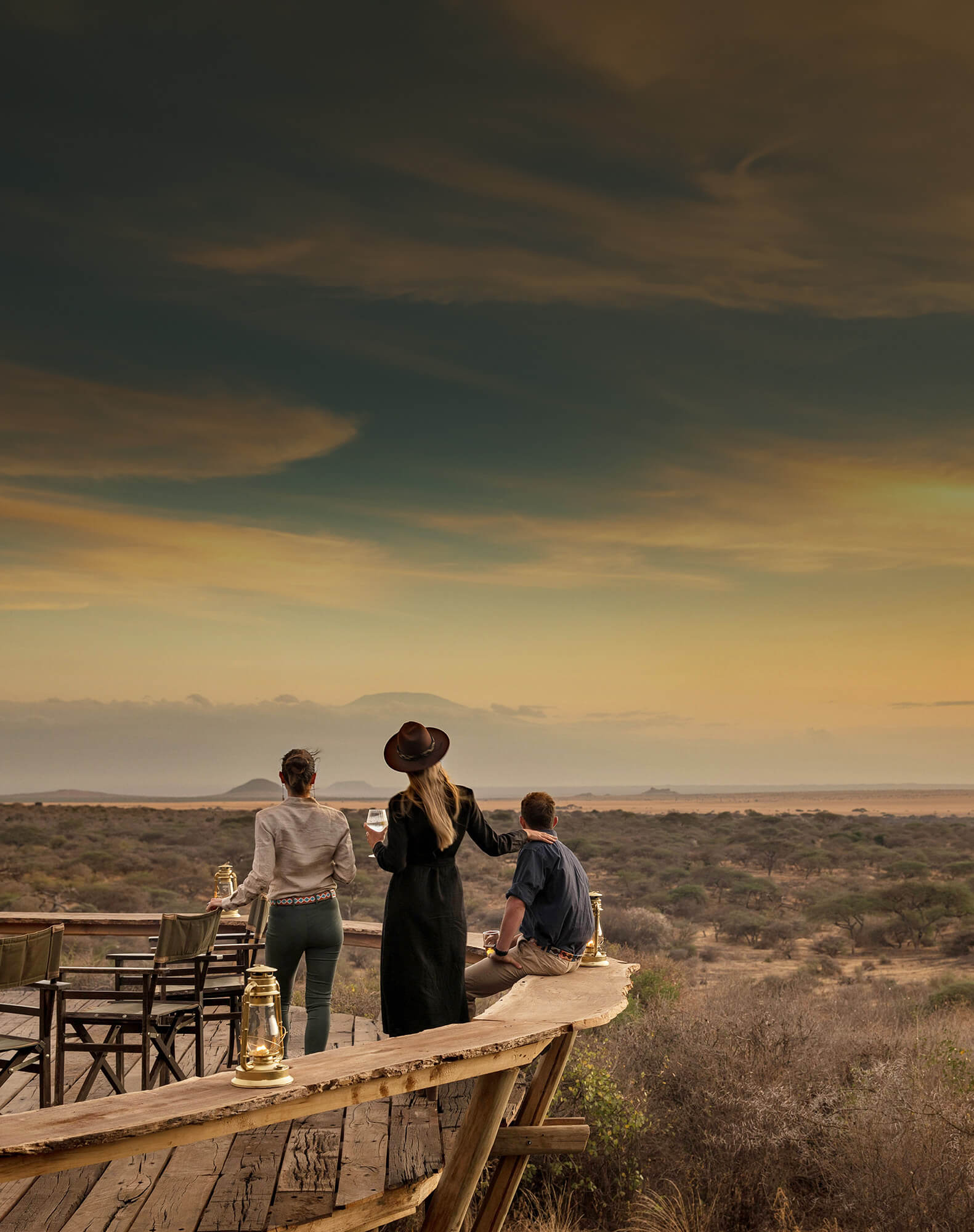
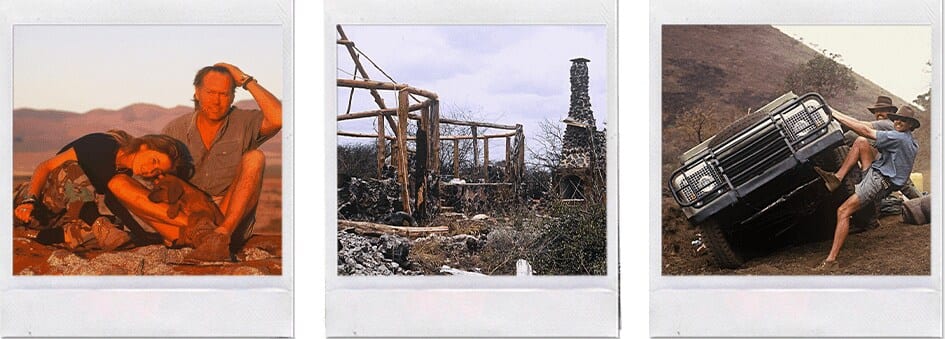
We drove down the next day to have a look. The lodge was still smoking. A bush fire had burned most of it to the ground. Chip and I just looked at each other and said, “We love it. We'll do it.”
FEATURED OUTPOST
The rebuild was a masterclass in creative improvisation. Makuti thatch came from Kimana Swamp, ten miles as the crow flew. Lava rock came from the hillside directly behind us. Wild olive wood from the slopes above became our ceiling beams. We collected horns from the bush, dipping them first to clear out the maggots and worms, then varnishing them and fixing them to the walls as toilet roll holders. Giraffe femurs became towel racks and stepladders inspired by the ones at Taos Pueblo became the folded-towel displays you now see in camps across Africa.
"Safari in Hemingway's Green Hills of East Africa."
The kitchen ran on charcoal set on a concrete slab. To bake, we buried an ammo tin underground, with coals on top and bottom. One fridge worked, one freezer that almost never did. Water came by lorry, trucked in from a pipeline running off Kilimanjaro. Every drop was precious.
A lion was speared, returned, and mauled a young Maasai boy so badly he was breathing through his back. Chip loaded him into the car, refueled the plane and flew him to Nairobi on the last rays of daylight and was admonished by the air traffic controller whose name was Hitler.
It was nonstop. We were always putting out fires, but it really was a magical time. And the guests who came were unforgettable: wonderful Swedish families, movie stars, politicians, Supreme Court justices, and British couples who would begin drinking gin at ten in the morning and play cards all day. Asked if they wanted to go on a game drive, they would gesture at the landscape and say, no thank you, it's right there, we're perfectly fine.
The Evolution of Safari Luxury
Ol Donyo Lodge is now in the Great Plains collection, managed by the renowned wildlife filmmakers Derek and Beverly Joubert. It is a Relais & Châteaux property. It has pools. I had begged Richard Bonham for a pool for years – he always said the Maasai would bring their cattle to drink from it – but they managed it, as they have managed everything, with care. The land is owned by Mbirikani Group Ranch, and the Maasai benefit from every bed night. That was always the idea.
This is the through line I think about when I design itineraries for UNCHARTED clients today, whether in Africa, South America, India, Southeast Asia, or Australia and New Zealand. The phrase appropriate luxury captures it – it means the design draws from the place itself, the community benefits, the ecosystem is protected, and the experience could not be replicated anywhere else on earth.
Late last year, I went to Rwanda and Uganda, two more countries that have been through a lot but whose safari infrastructure exemplifies a commitment to conservation and hospitality that signal resolve and progress. Bisate Reserve in the Volcanoes region of Rwanda represents the state of the art in responsible gorilla encounters and appropriate luxury. The lodge is modeled on the architecture of the ancient Rwandan royal palaces. The design, the craftsmanship, the indigeneity of it is extraordinary.
"The design draws from the place itself. The community benefits. The ecosystem is protected."
Zimbabwe's Comeback
Zimbabwe has suffered political and economic devastation. Guides who had trained for decades left for Botswana, Zambia, and South Africa because visitors stopped coming, because people did not feel safe. Parklands were given away. Poaching was effectively sanctioned. It was hard for me, given where I came from, to support a government so openly corrupt by sending guests there.
But things have changed. Investment is returning and people are moving back — white Zimbabweans, Black Zimbabweans, Zambians. The quality of life for those who stayed, the caliber of the guiding, the wildlife itself: these things were never truly broken. They were waiting. Zimbabweans are among the most educated on the continent, and that translates across the board.
A Zimbabwe itinerary, to my mind, looks something like this: Go to the Matobo Hills for at least three nights. It’s a place of supernatural power, with ancient granite kopjes and caves with Ndebele paintings thousands of years old, white rhinos moving through the bush. The family that runs Amalinda Lodge there has deep roots, and the new generation has taken over and held on through everything.
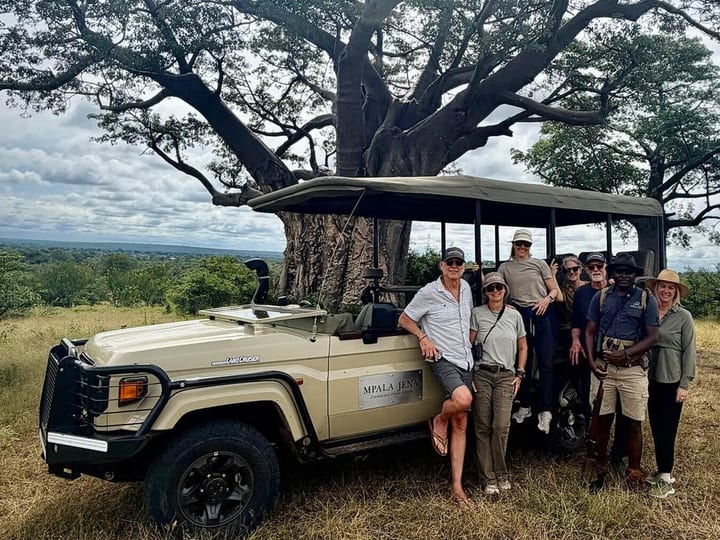
From there, I would go to Hwange National Park for three or four nights in country dense with buffalo and elephant, proper lion country — and then north to Mana Pools and Ruckomechi Camp along the Zambezi. Two nights in Victoria Falls, either end of the trip, for the river and the thunder of the water.
Personally, it’s so gratifying to see Zimbabwe on the rebound, and to send clients to my former homeland with supreme confidence that they’ll have a first-class safari that ticks all the boxes – people, wildlife, history, and culture.
"It's so gratifying to send clients to my former homeland with supreme confidence."
UNCHARTED Rwanda & Uganda. WOW.
Even as some beloved safari destinations have become thick with braying tourism, there are always places that are ahead of the tourist herds. I’ve described Rwanda as the queen of Africa and Uganda as that willful fifteen-year-old — chaotic, beautiful, absolutely alive.
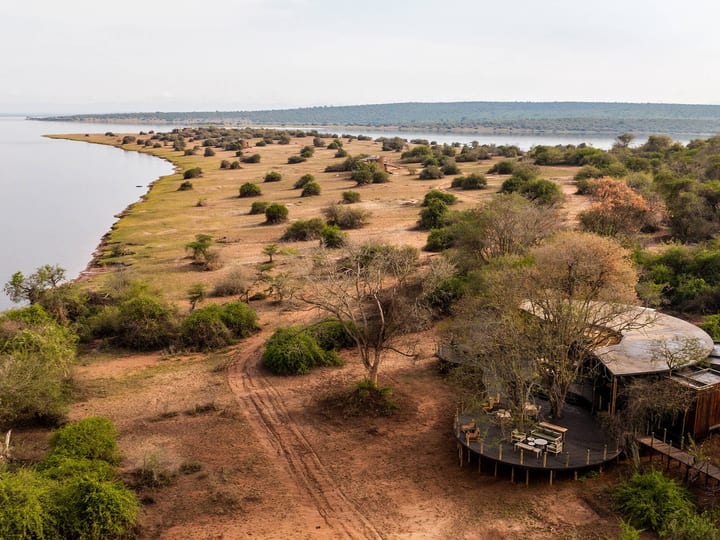
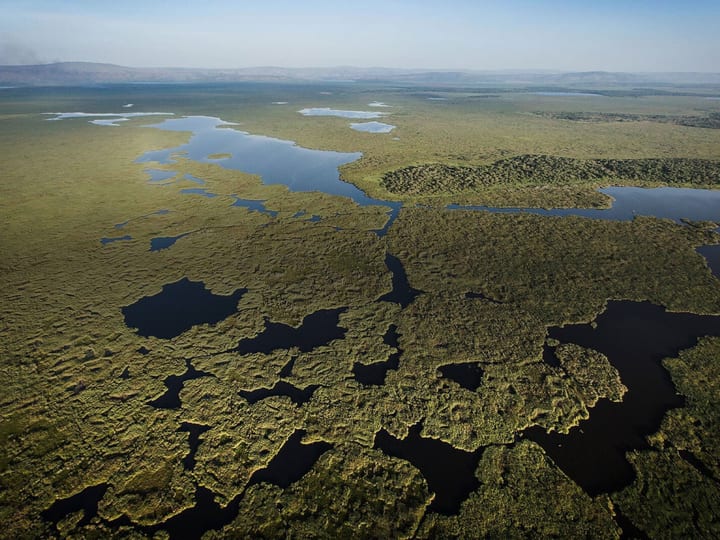
What Rwanda has achieved after what it endured is nothing short of miraculous. The governance, the conservation, the architecture, the hospitality — Rwanda has set a standard for what African governance can look like going forward. Akagera National Park was perhaps the greatest surprise of my 2025 trip. I went primarily for gorillas and golden monkeys, but Akagera seized me. It felt like what the Masai Mara must have looked like a hundred years ago. We had the park nearly to ourselves as we spotted lion and leopard and came across seven white rhinos and a small black rhino that seemed to want, desperately, to be adopted into their family. All the guides raced in to see this little black rhino just wanting to be part of this white rhino family. It was incredible. Africa of old.
Uganda's Queen Elizabeth National Park moved me in a different way. Kyambura Gorge Lodge sits at the edge of the park, and you walk directly out of it and down into the gorge to find the lost chimpanzees of Kyambura, a community cut off from their traditional migratory routes by human encroachment. Volcanoes Safaris, which runs the lodge, is working to create corridors so these animals can move again. Without that intervention, the genetic future of this chimpanzee community is genuinely threatened.
It is the through line of everything I care about in this industry: the wildlife, the people, and the long-term health of the ecosystem are inseparable.
People Power
I want to say something about why people go to Africa, and why they go back. They go for the wildlife, to see the elephant in the golden late-afternoon light, the leopard draped over a fever tree, the mountain gorilla meeting your eyes. But they go back for the people.
What African people have been through — in Rwanda and Uganda, in Zimbabwe, in South Africa — and the spirit with which they meet you on the other side of it: There is a purity there that is almost impossible to describe. Your room steward, Mandy, who sings to wake you each morning at Kymabura Gorge Lodge. Your chef, who comes out to tell you which vegetables he has just picked from the garden. Your guide, Bosco in Akagera, who keeps leaping off his seat to look over the tall grass whenever my daughter Daisy spots something he cannot see — and who declares that she is going to stay with him as his permanent spotter.
I grew up in convoy, armed and watchful, moving through a landscape I loved and a history I did not choose. Africa shaped me in ways I am still discovering. And the Africa I return to — wilder in places, better governed in others, harder in some, more beautiful than ever in others — is still giving. There is a softness about Africa that is often overlooked; it stays with you, shapes you, and wraps you in a cocoon of pure joy.
This story is adapted from the UNCHARTED Global Safari podcast. Listen to the interview
here
.