On the Road to Akagera
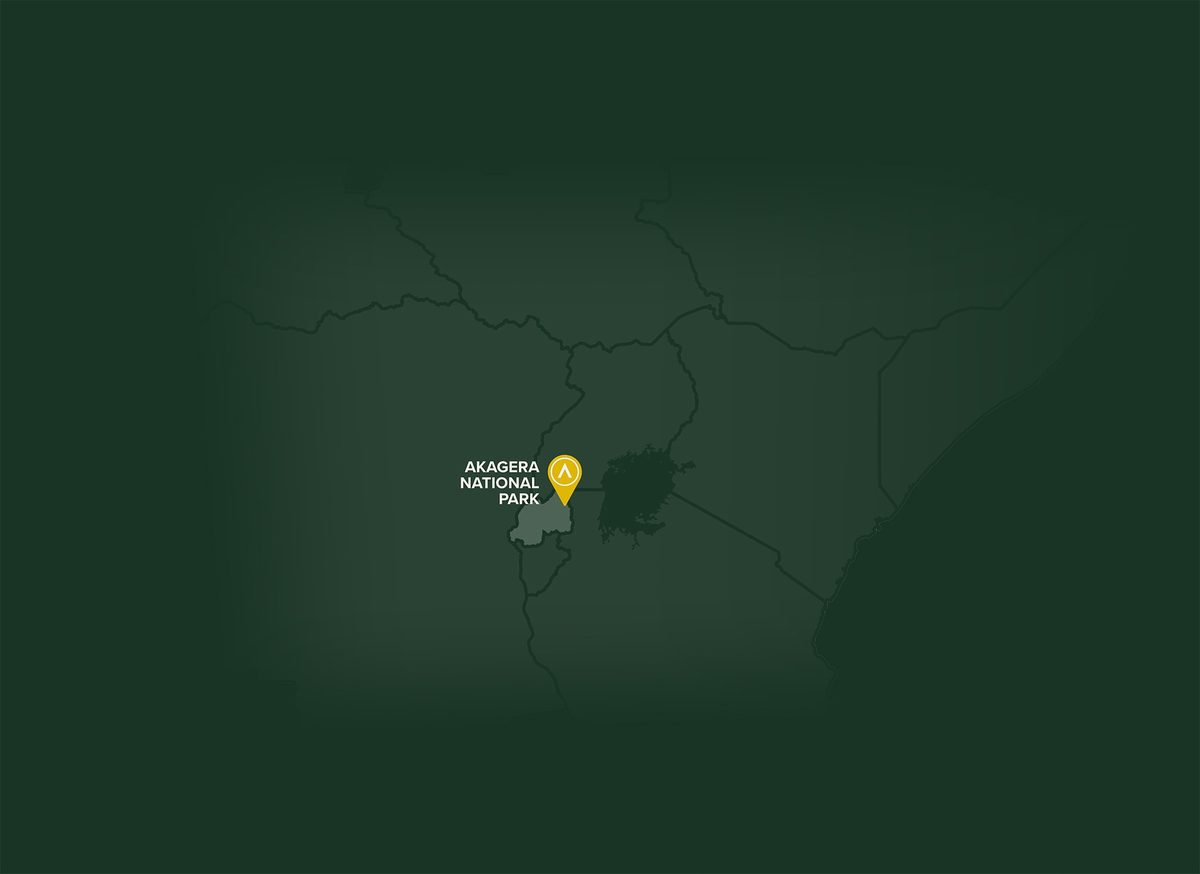
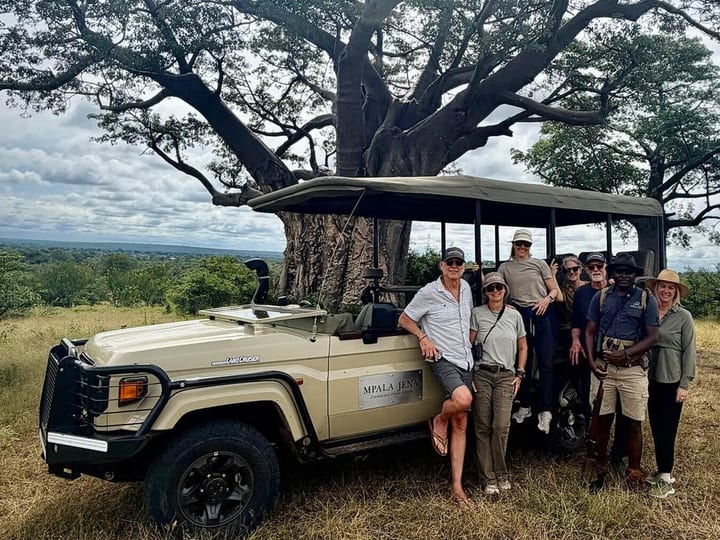
The drive from Rwanda’s capital city, Kigali, to Akagera National Park takes about two and a half hours. On paper, it’s a transfer. In practice, on this particular morning, it was one of the most affecting conversations I’ve had in years of traveling across Africa.
Driver-guide Kevin Mugabe was born in 1997 — three years after the hundred days that wiped out an estimated 800,000 of his countrymen. He grew up in Uganda the child of parents who fled before the killing started. His mother lost ten of her twelve siblings. He drives tourists to Akagera for a living, which means he spends a lot of time on this road, with people from other countries, trying to explain what happened here and what Rwanda became afterward.
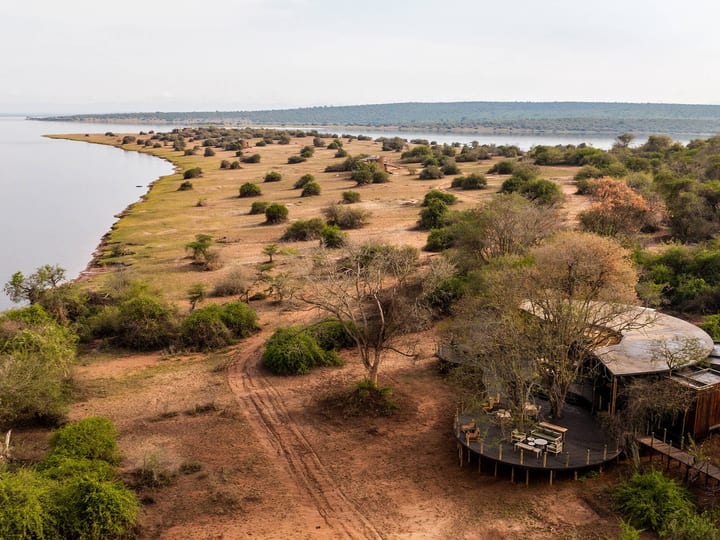
He is extraordinarily good at it. What follows is a lightly edited version of our conversation. For more on Akagera and Magashi Peninsula Camp — the 2026 UNCHARTED Global Safari Award winner for Our Favorite Under-the-Radar Camp — see the companion deep dive.
The companion deep dive: Rwanda’s Extraordinary Comeback ›
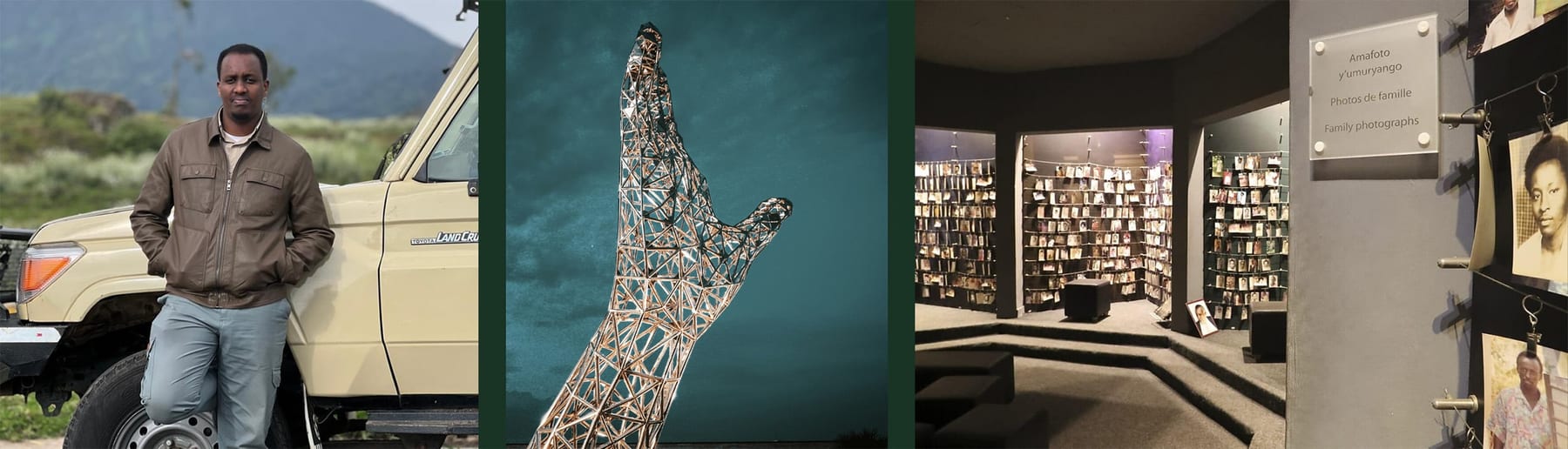
Five Questions with Kevin Mugabe
Q1: Tell me about your family and how they survived.
Kevin: My parents were young right before the genocide, and most of my family was in Rwanda. But they anticipated something was wrong — the genocidal ideologies were spreading through the through radio and TV stations that would promote it. My parents were able to go to Uganda in ’93, a year before it started. Those who stayed — my mother lost ten of her brothers and sisters. She was one of twelve children. If my parents had stayed, I wouldn’t be sitting here today.
Q2: Where did the divisions that led to the genocide actually come from?
Kevin: The seeds were planted during colonial times. When the English colonialists arrived, they found a very united society — so they introduced a divide-and-rule policy, turning the Hutus against the Tutsis by stoking resentment about power. After independence in 1962, discrimination became law: Tutsi children were denied entry to public schools. Tutsis needed government permission to move between districts. No Hutu was permitted to marry a Tutsi. Your tribal identity was printed on your national ID card. It was systematic. The genocide didn’t happen overnight, it was built over decades.
Q3: What was it like growing up in the shadow of that history?
Kevin: We were indirectly affected — we had to grow up in countries that weren’t our own. But we were lucky our parents survived. Do you know what it means to grow up as an orphan in Rwanda? Most people who were orphaned lost both parents, some when they were only three or five years old. My parents, being in Uganda and listening to the news felt both guilt and gratitude. Guilt for not being there. Gratitude for surviving. As for me: I carry both of those things.
Q4: How did Rwanda rebuild after something so devastating?
Kevin: The government created model villages for survivors and for the moderate Hutus who protected Tutsis at risk to their own lives — villages with running water, electricity, good hospitals, a pension. And Rwanda had a traditional justice system called Gacaca, community courts where perpetrators could come forward publicly, confess, and ask forgiveness from the families of victims. Some who confessed were reintegrated into their communities rather than imprisoned. Imagine having to live next to someone who had killed a hundred people. But it was part of healing. You can’t keep accusing people forever. You acknowledge what happened, you seek solutions, and you move forward. That’s what Rwanda has tried to do.
Q5: What do you want travelers to understand about Rwanda today?
Kevin: Rwanda is often reduced to its tragedy. But what this country has done in thirty years is extraordinary. The conservation work in Akagera, the gorilla protection in Volcanoes National Park, the investment in communities — this is a country that chose to rebuild with intention. When you come here as a traveler, you’re not just visiting. You’re participating in that story. I want people to feel that. To go home understanding Rwanda as it is now, not only as it was.