Everyone wants to go to Rwanda for the mountain gorillas – and they are indeed a life-list experience. But there’s more to the country that’s as yet unknown to most travelers.
When to go: Year-round
Ideal for: Couples & Families
Geography: Savanna & Wetlands
Top experience: Lion & Rhino Tracking
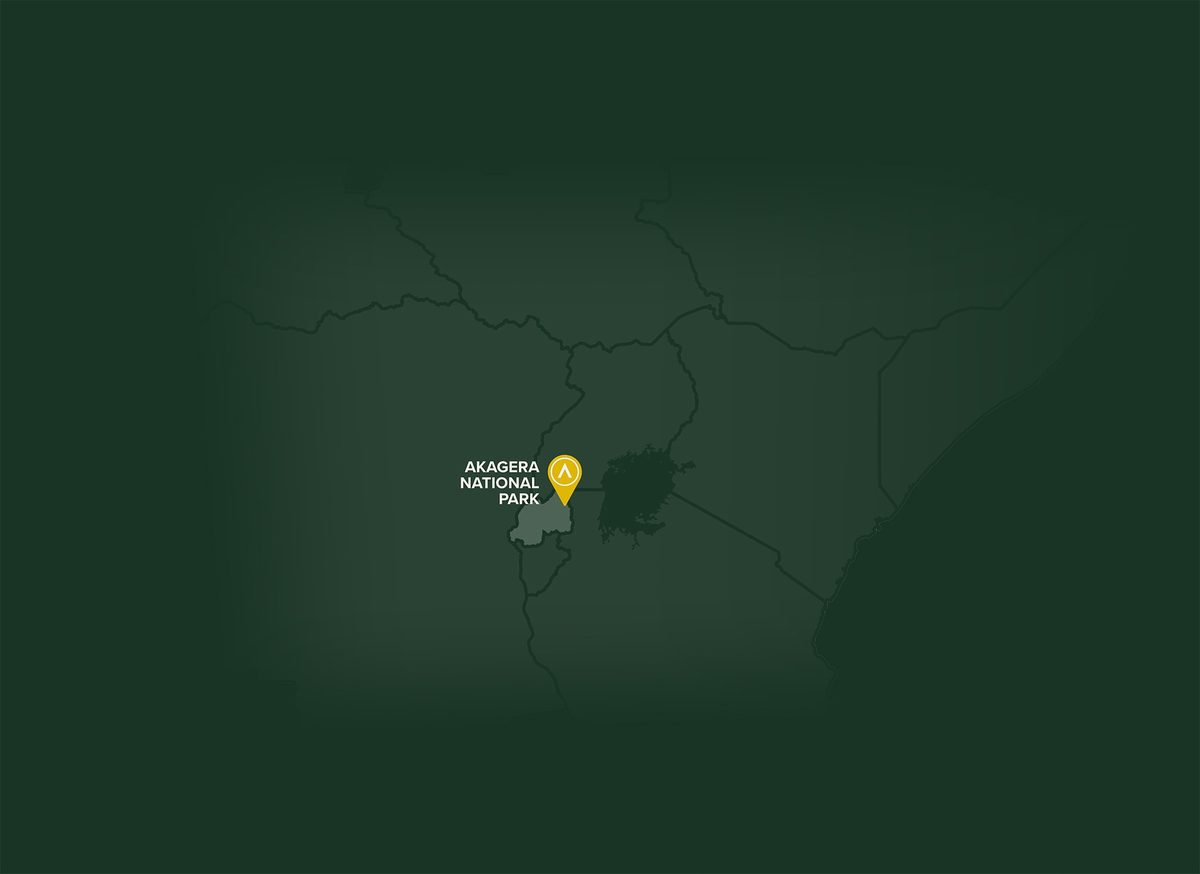
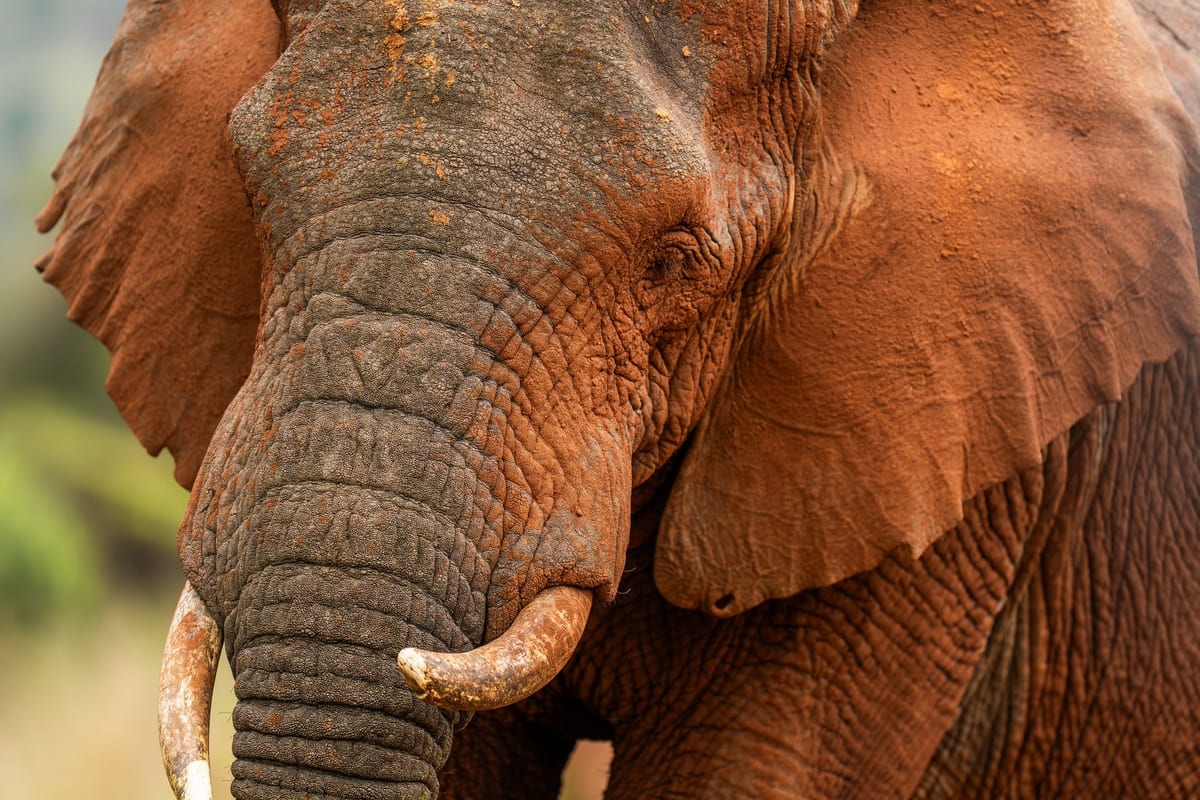
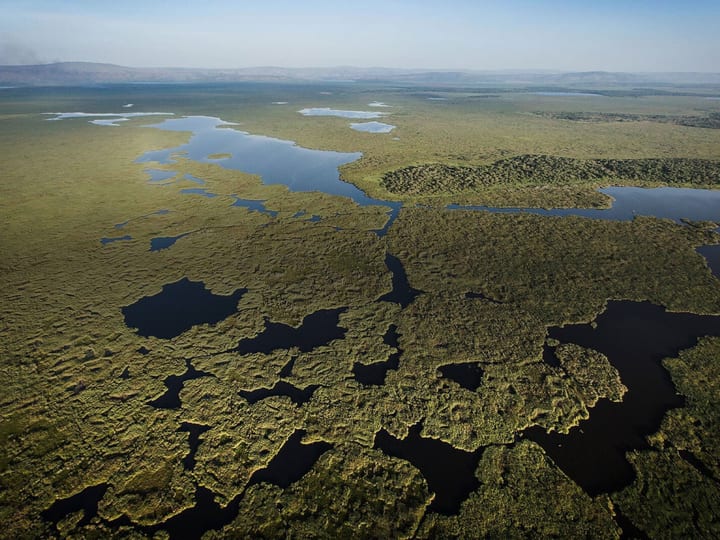
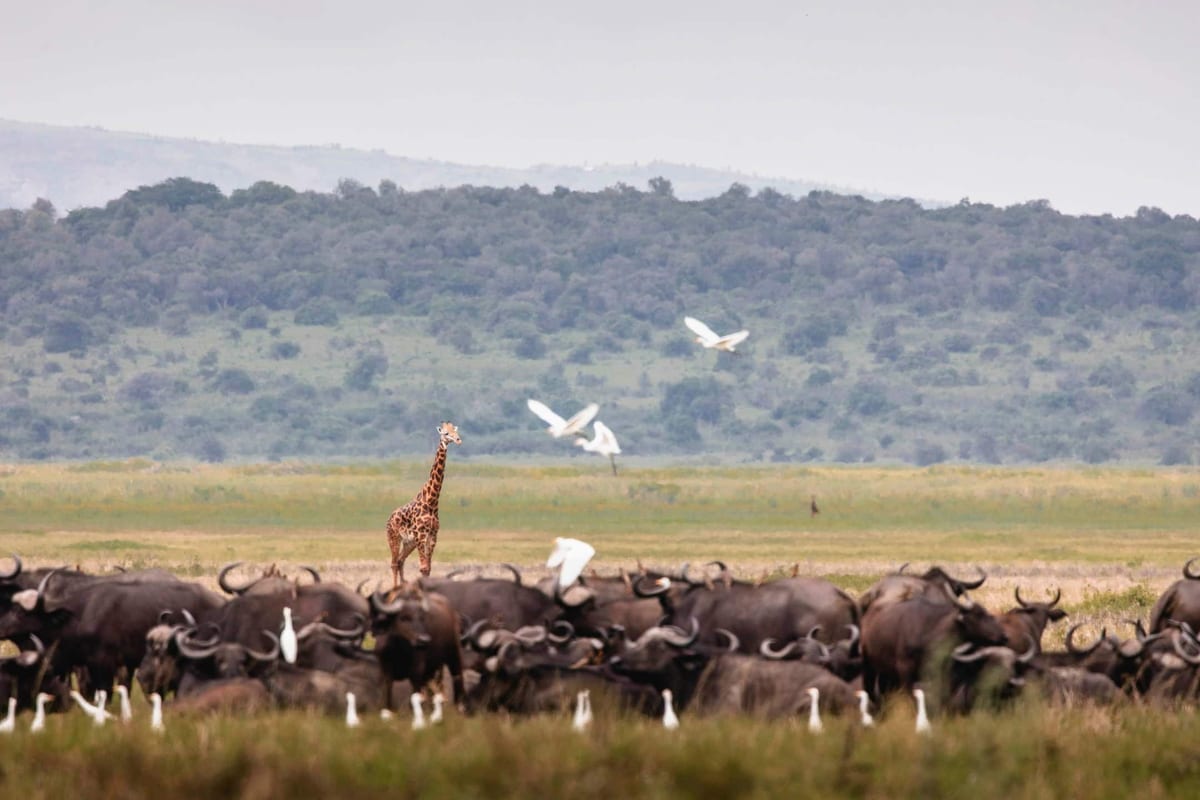
In the east, where the land flattens and opens toward Tanzania, Akagera National Park sits on the shores of a string of lakes that run along the border. It’s savannah country full of lion, leopard, elephant, rhino, buffalo, giraffe — and it looks nothing like the Rwanda of volcanoes in the mist that most people picture. I went because I’d heard the conservation story was one of the continent’s big wins, and I came back believing it.
The guide who drove me from Kigali to the park gates was Kevin Mugabe. By the time we arrived, I understood Rwanda — its history, its wounds, its extraordinary capacity to move forward — in a way no guidebook had prepared me for.
See the companion piece, “The Guide Who Changed How I See Rwanda” ›

The Safari: A Park Reborn
Like the country itself, Akagera’s story is one of collapse and return. In the aftermath of the 1994 genocide, more than half the park was opened for settlement as the country absorbed millions of returning refugees. Poaching gutted what wildlife remained. Lions were locally extinct by the early 2000s and rhinos had been gone for decades.
In 2010, the Rwandan government partnered with the African Parks NGO to hand over management of Akagera. Lions were reintroduced from South Africa in 2015, black rhinos followed in 2017 and 2019. Poaching dropped by over 90 percent and the park’s boundaries were restored.
Today Akagera covers 433 square miles and holds Rwanda’s only viable population of the Big Five. It is the last remaining refuge for savannah species in a country that almost lost them entirely.
Driving through Akagera feels like a success story – safari through recent history as much as wildlife.
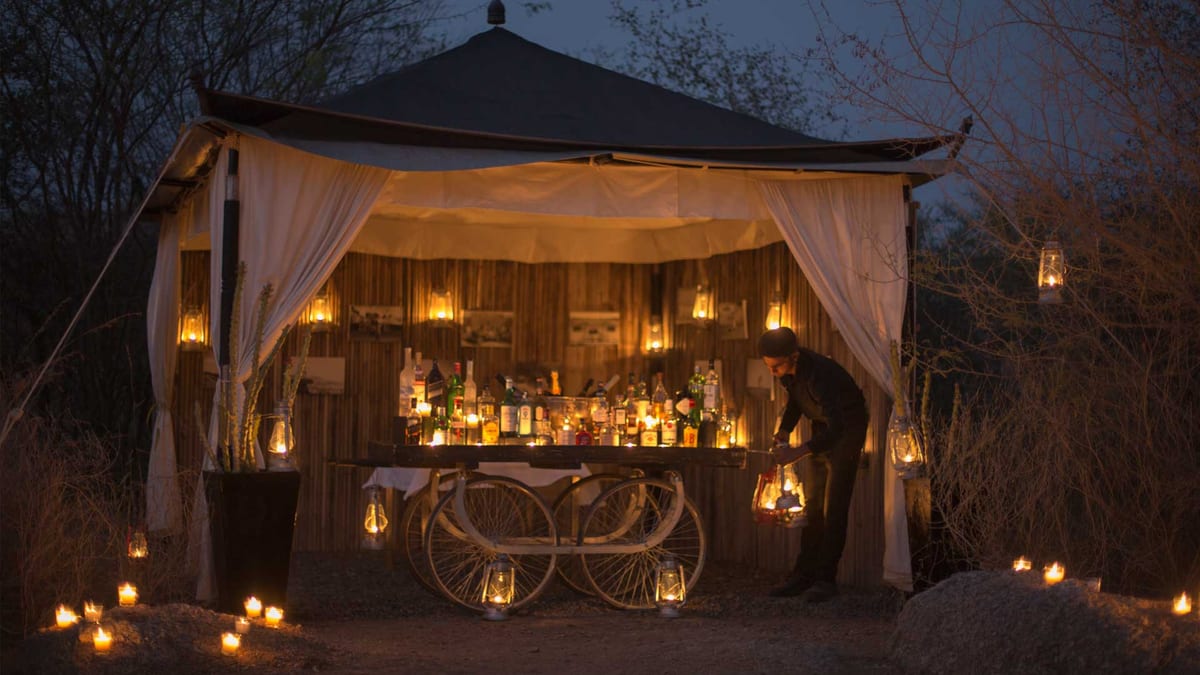
The Camp: Eight Tents on the Water’s Edge
2026 UNCHARTED Global Safari Award Winner — Our Favorite Under-the-Radar Camp
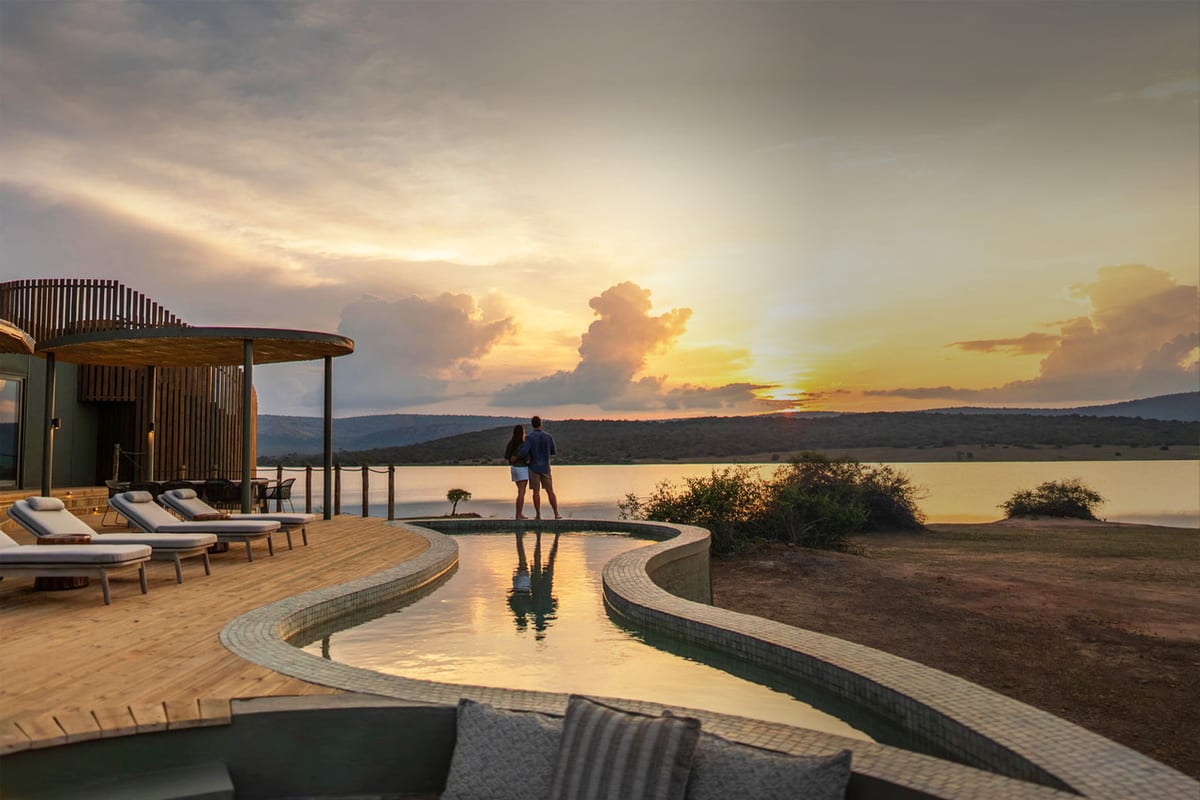
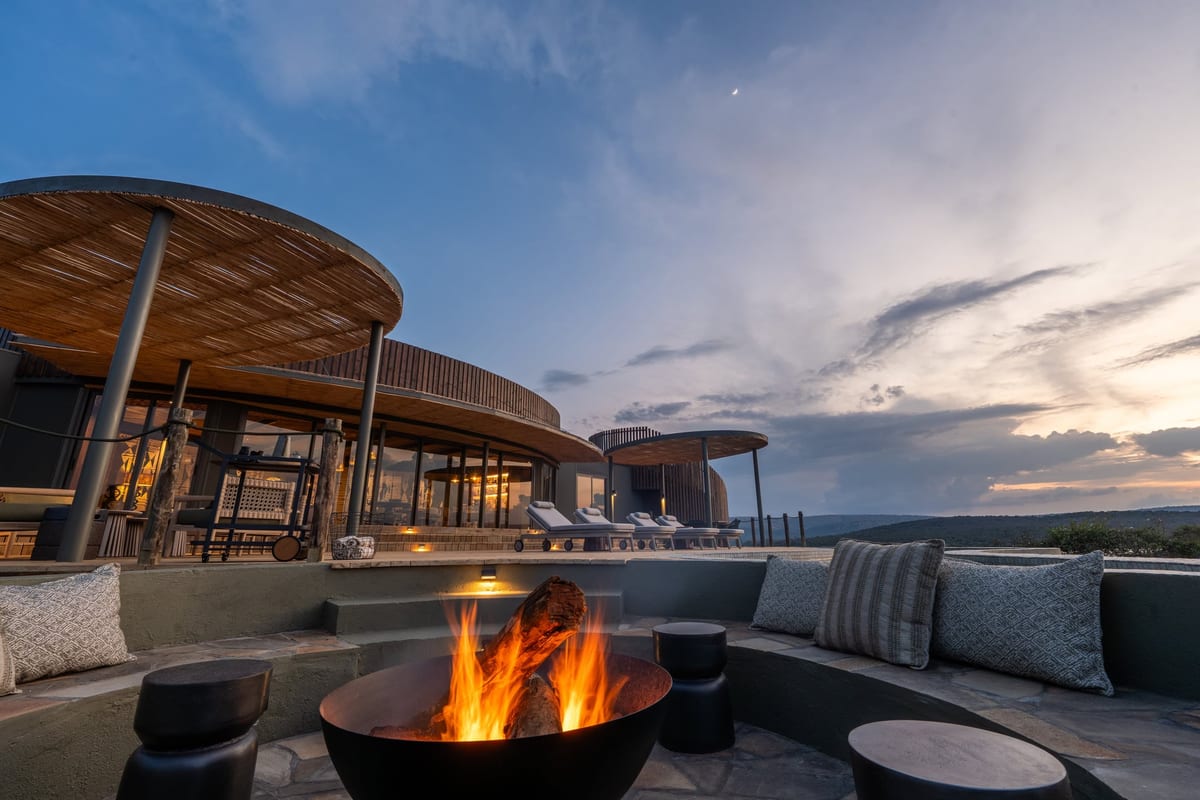
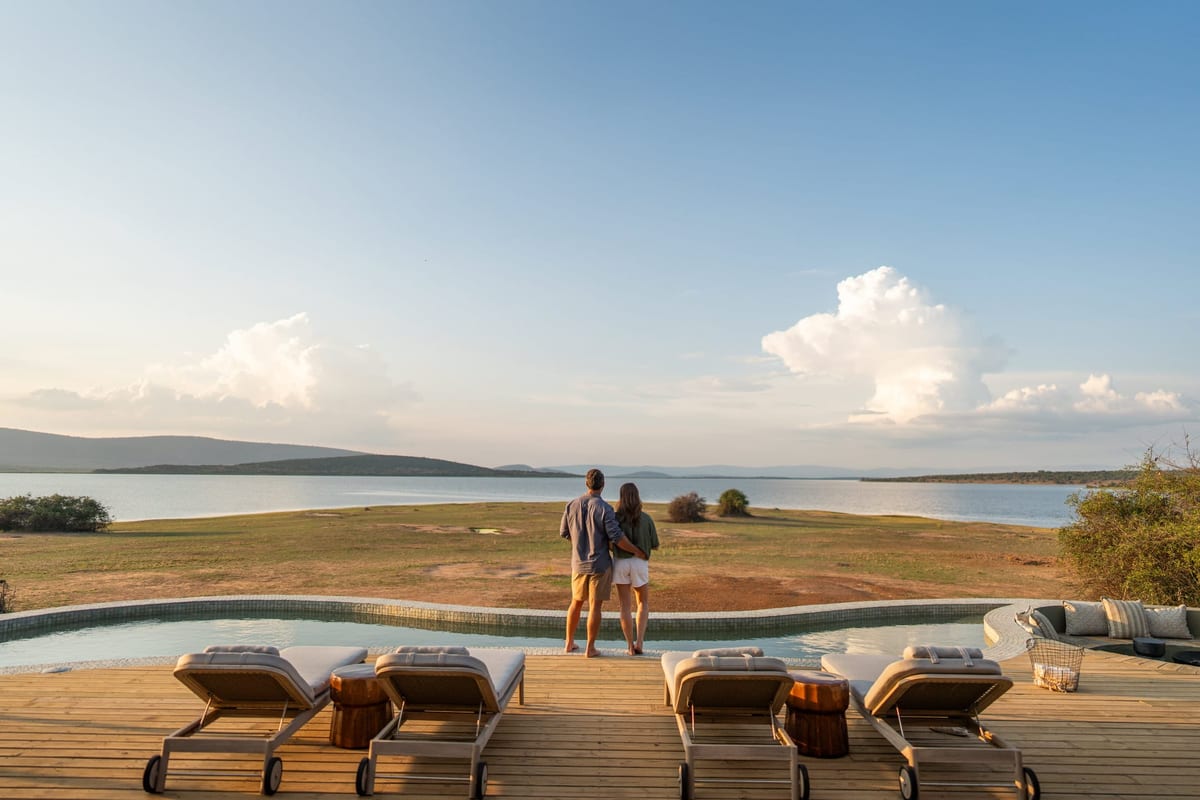
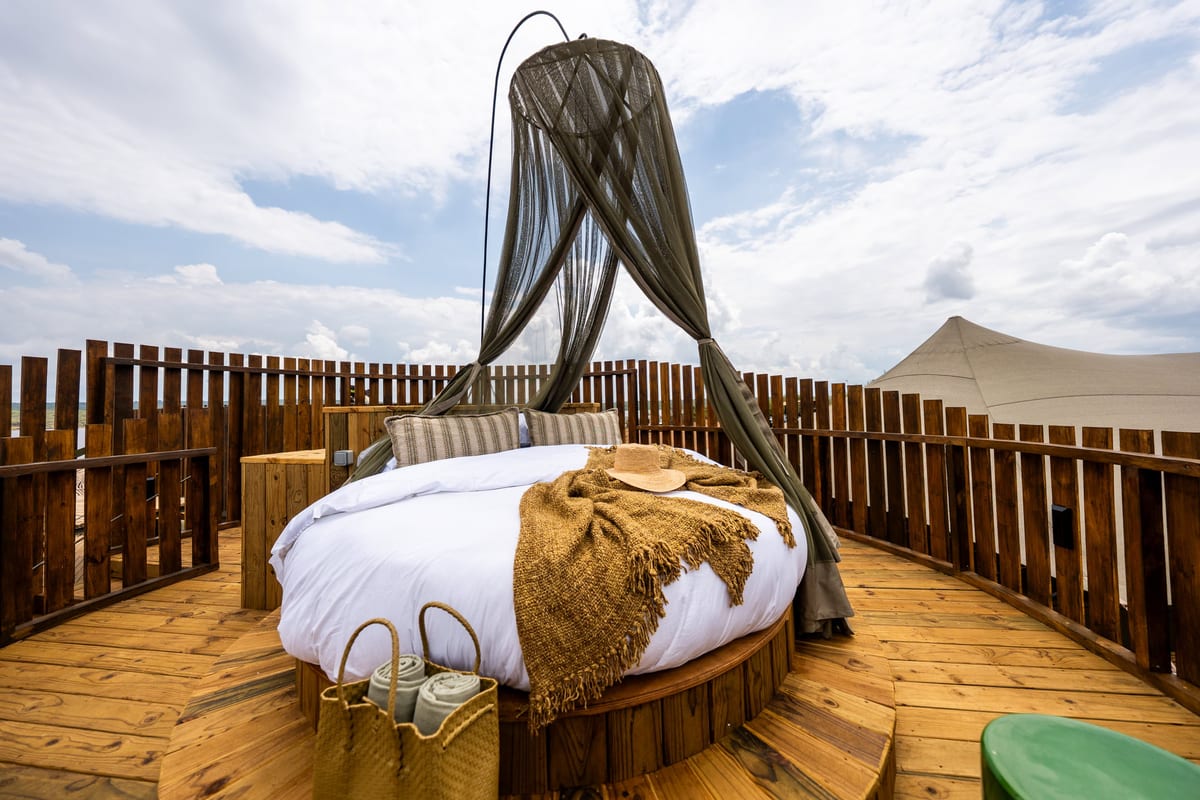
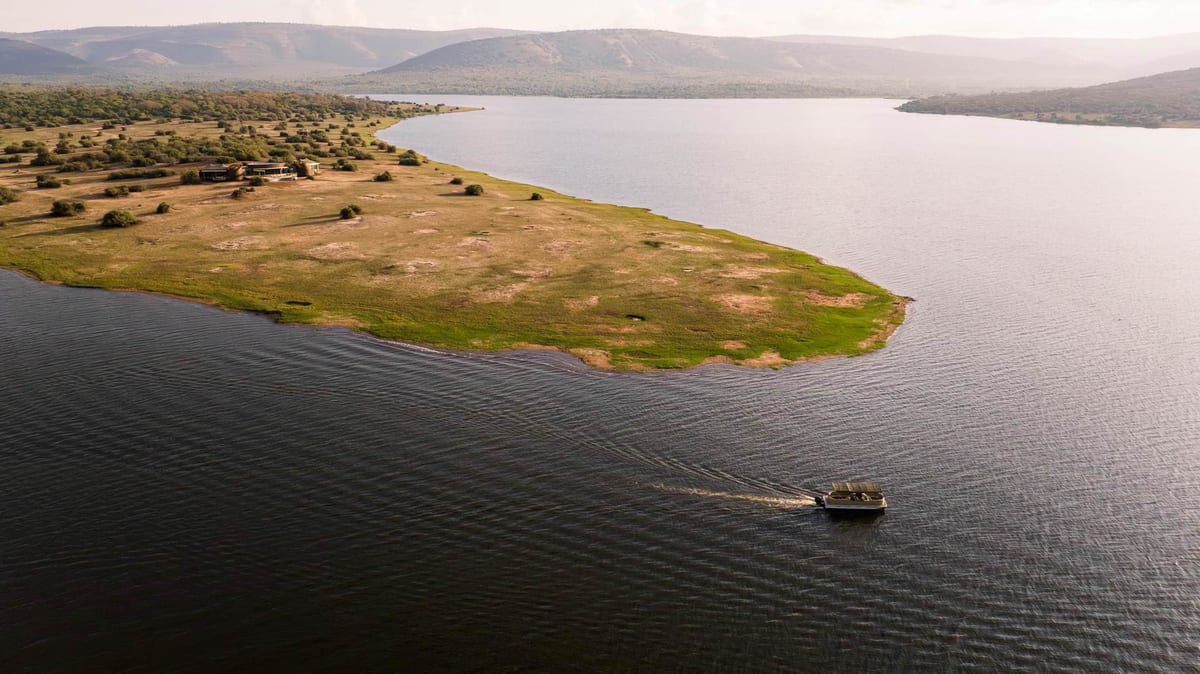
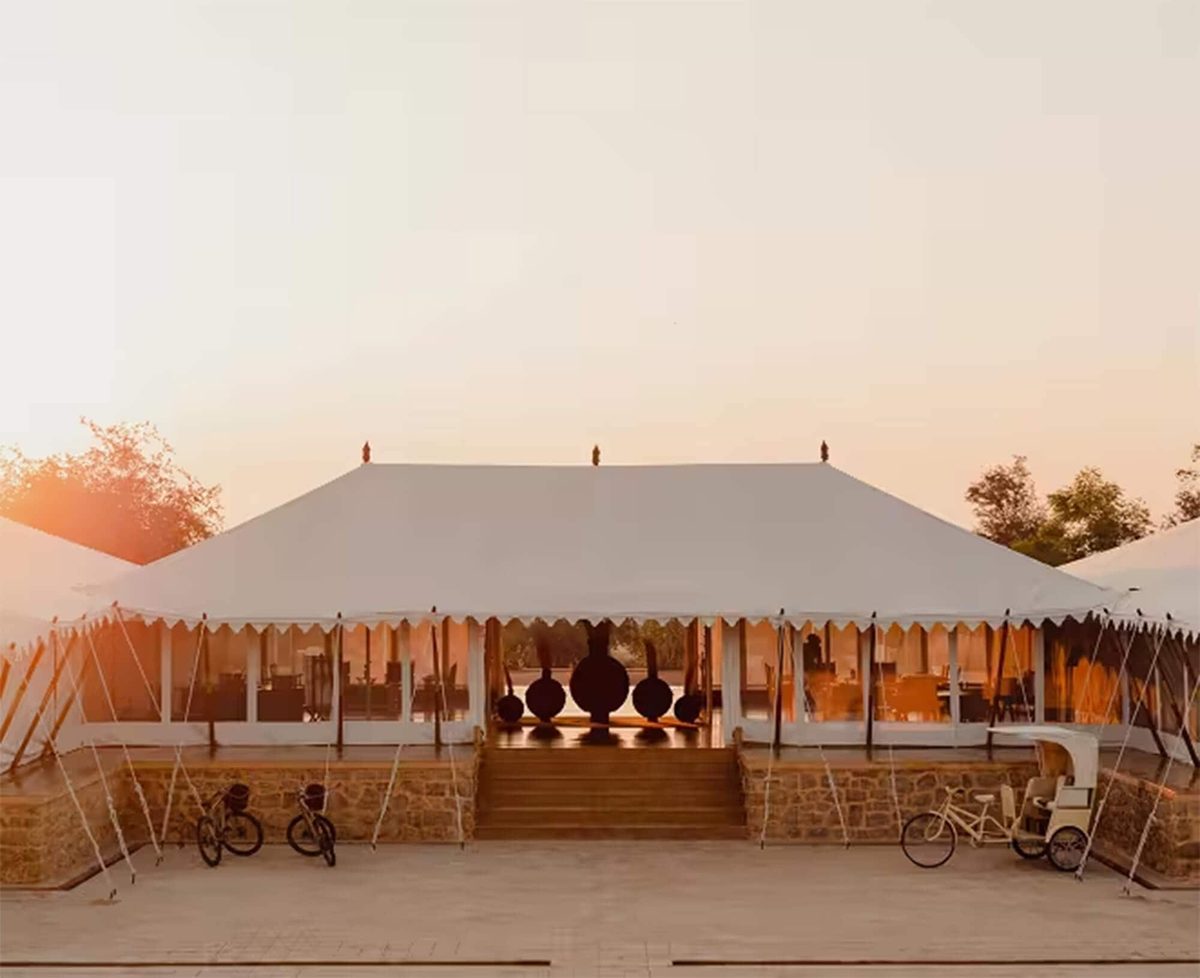
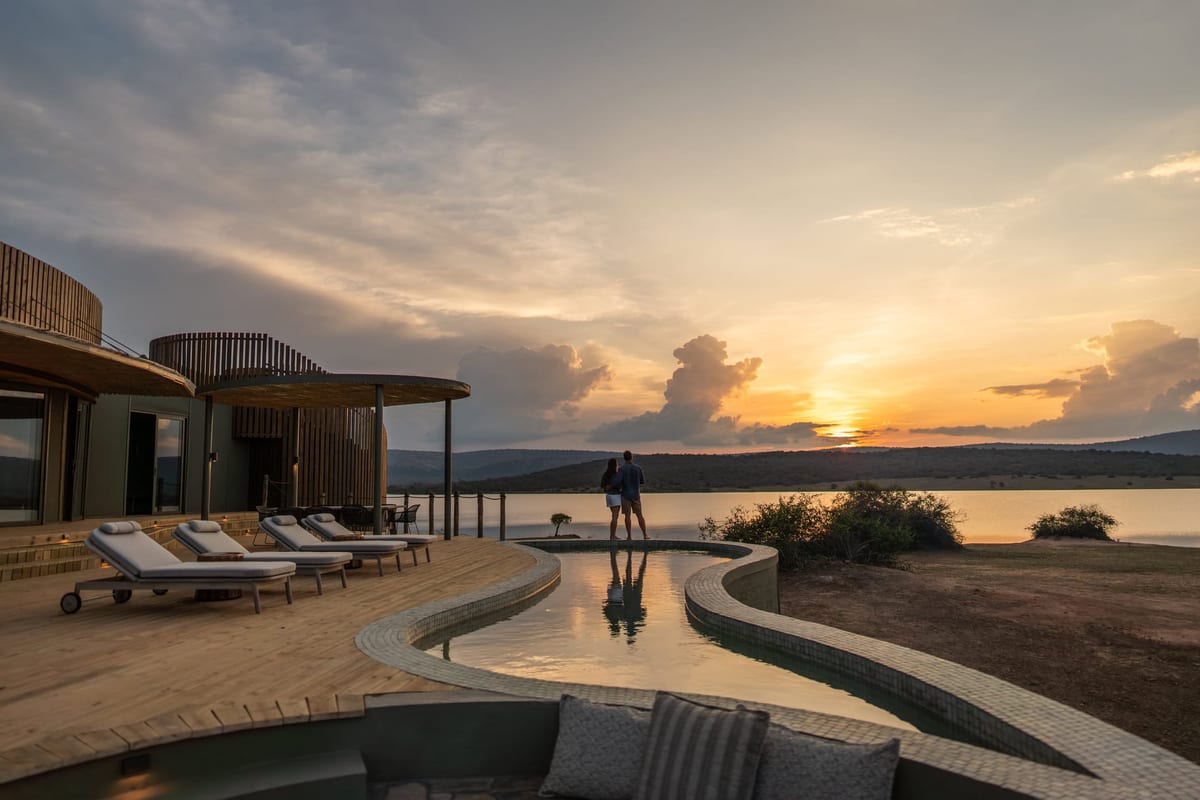
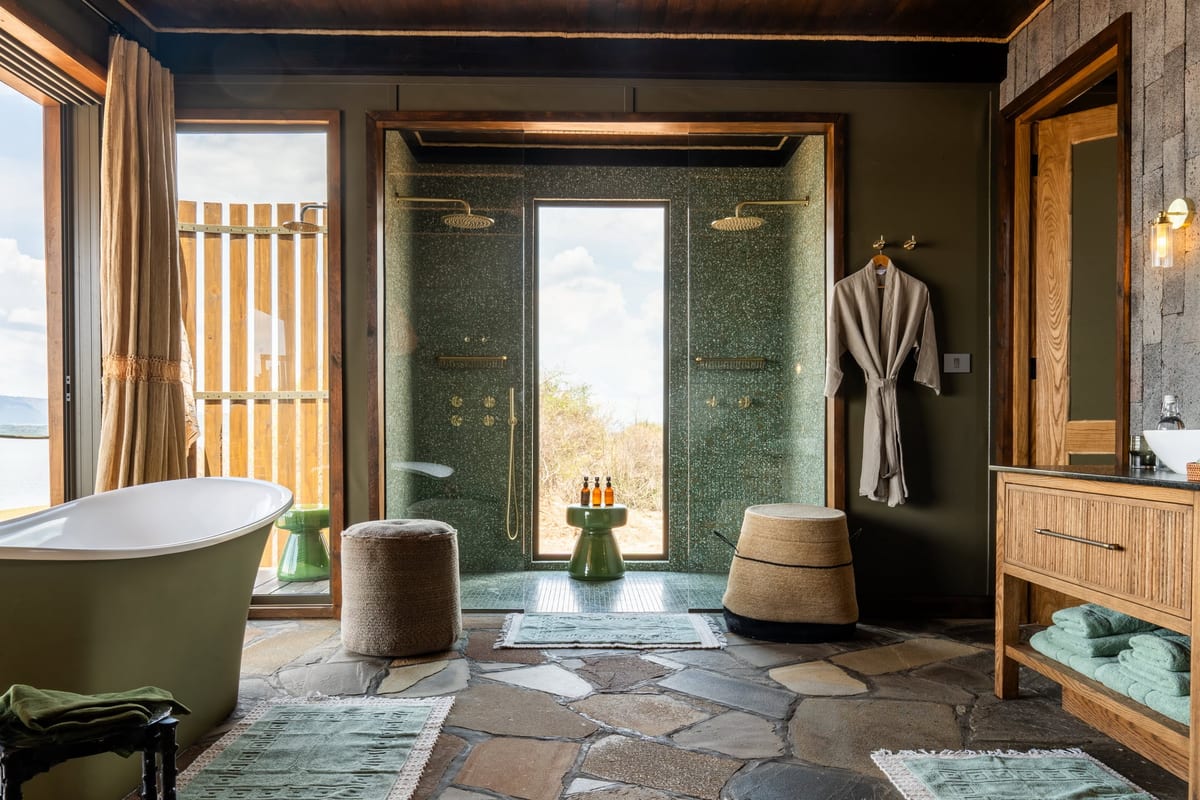
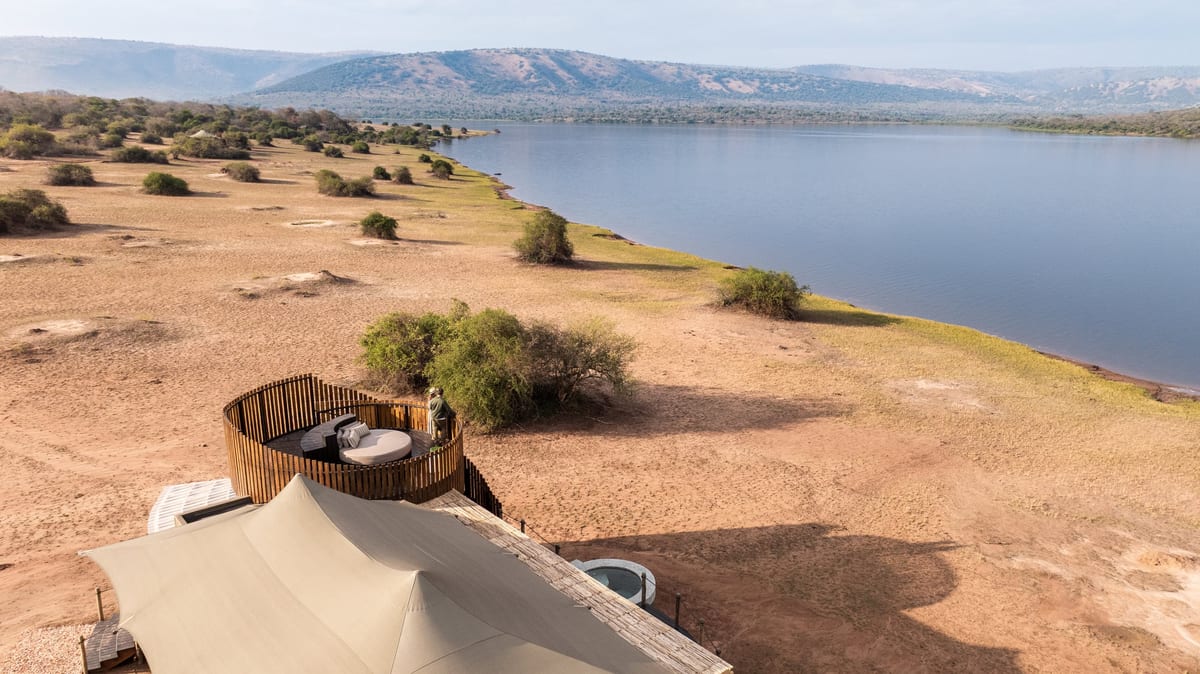
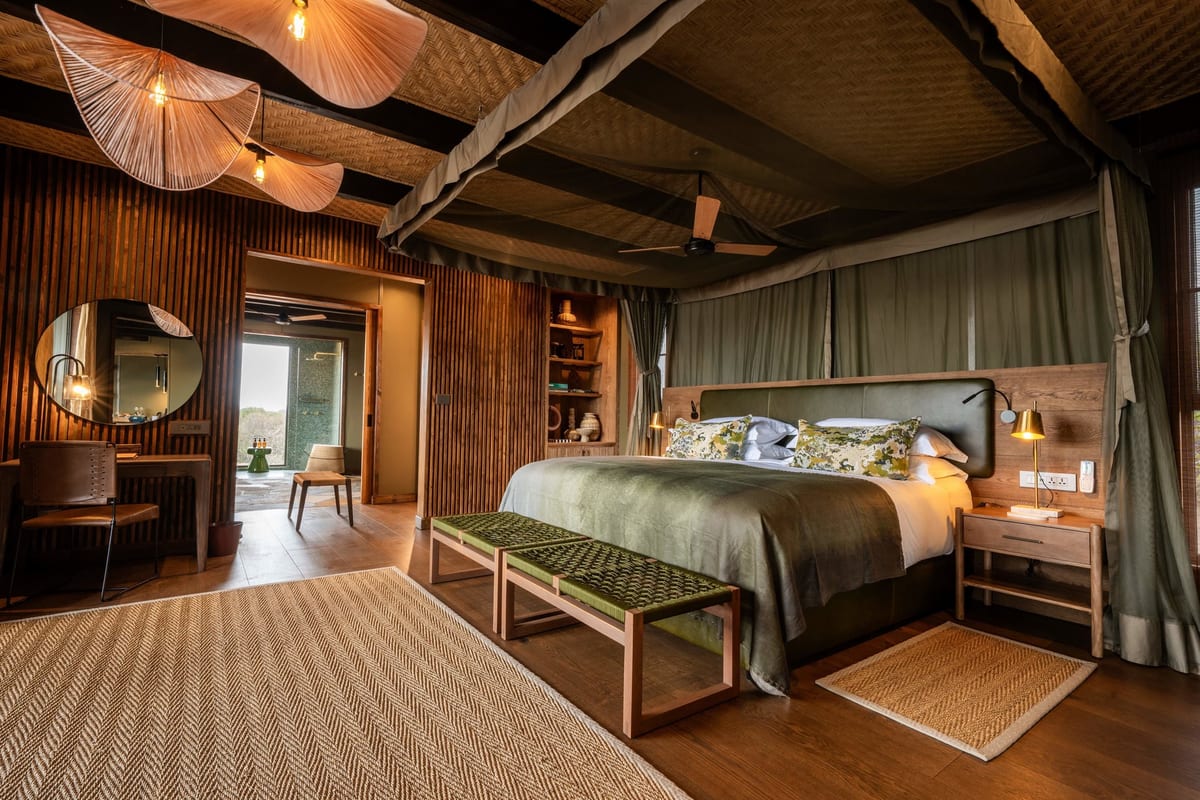
Magashi sits on a private peninsula on the shores of Lake Rwanyakazinga, in the northern sector of Akagera. Eight spacious tented suites face the water, positioned to catch the particular quality of light that arrives over the lake at dawn.
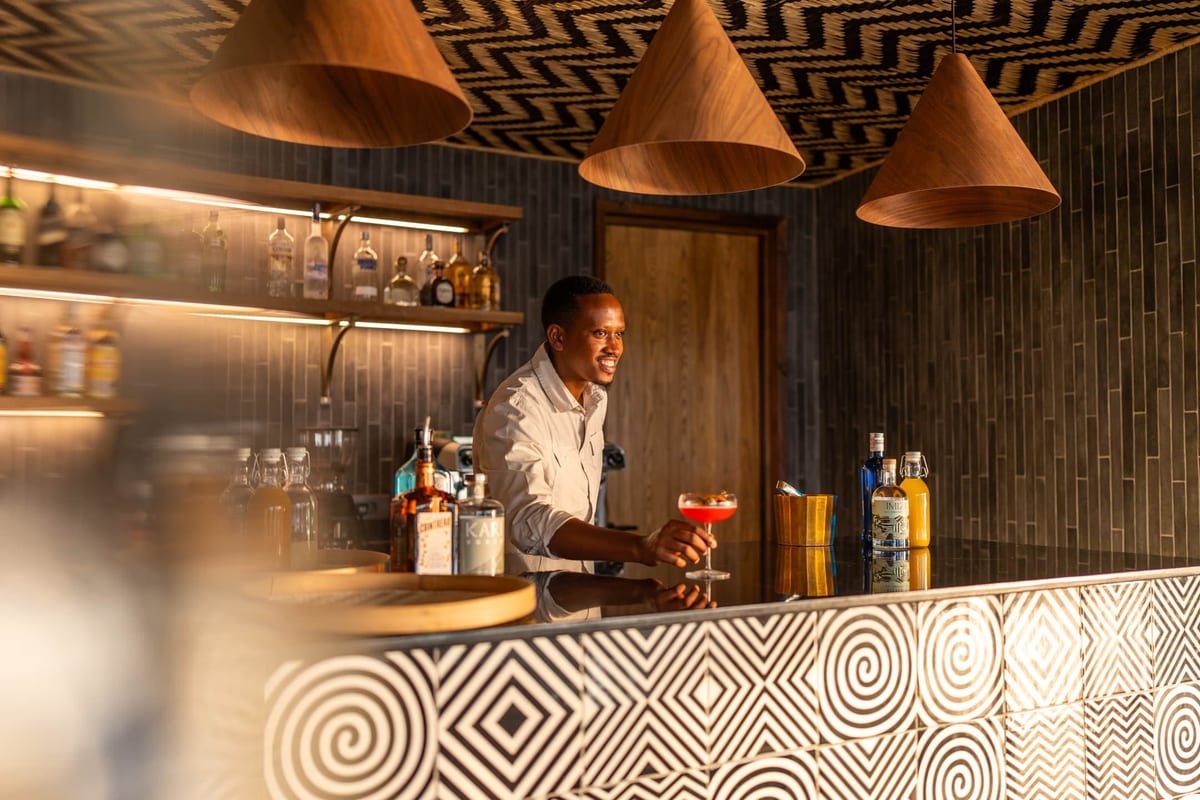
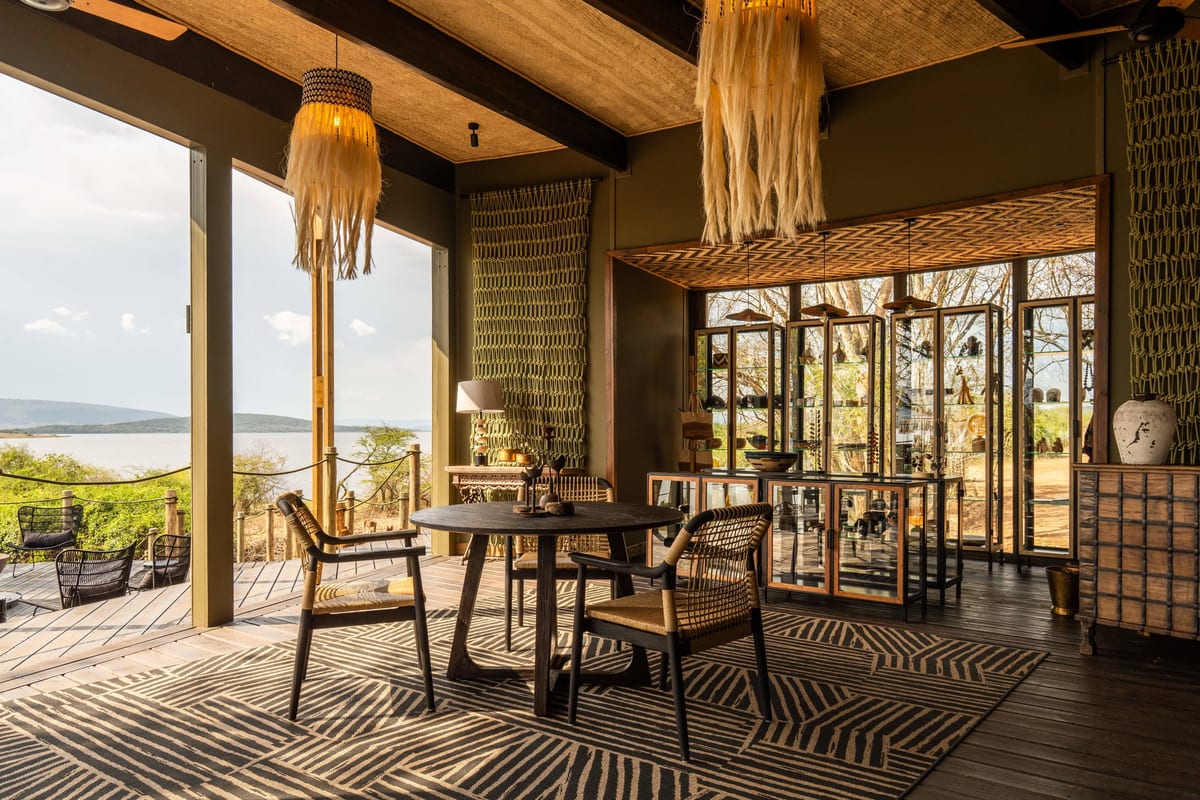
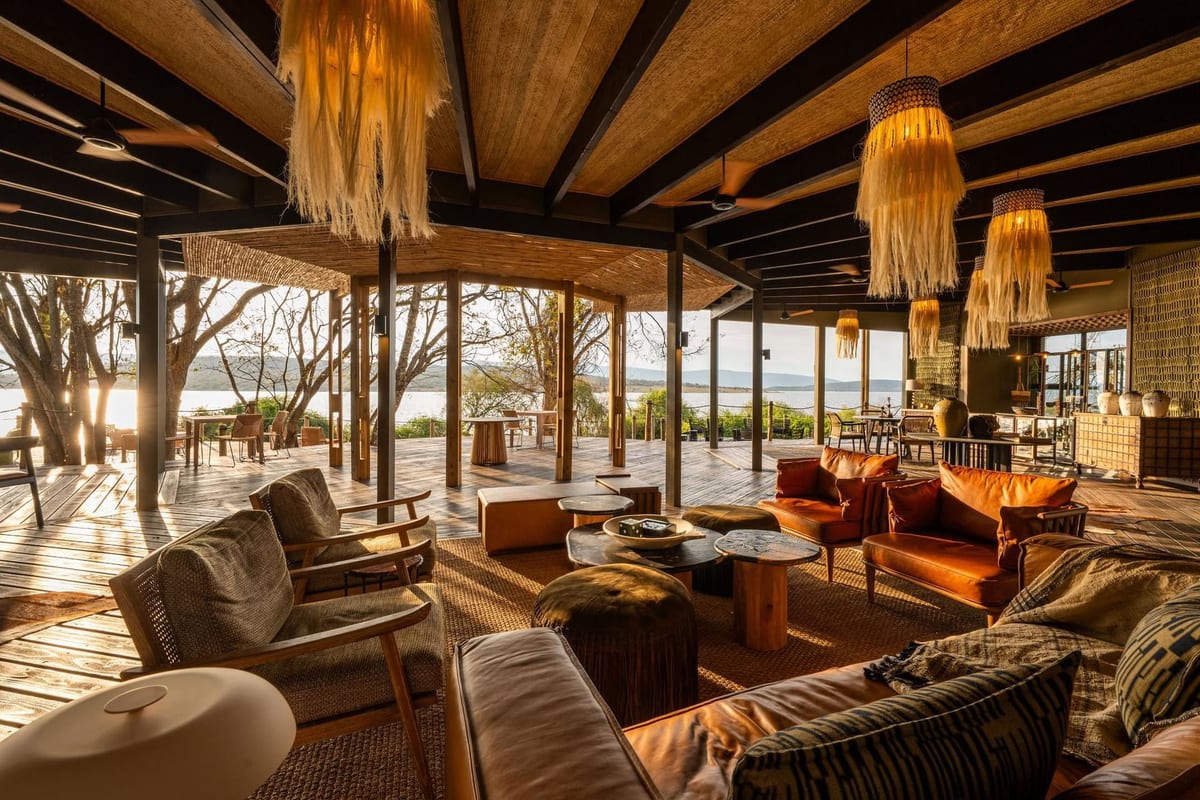
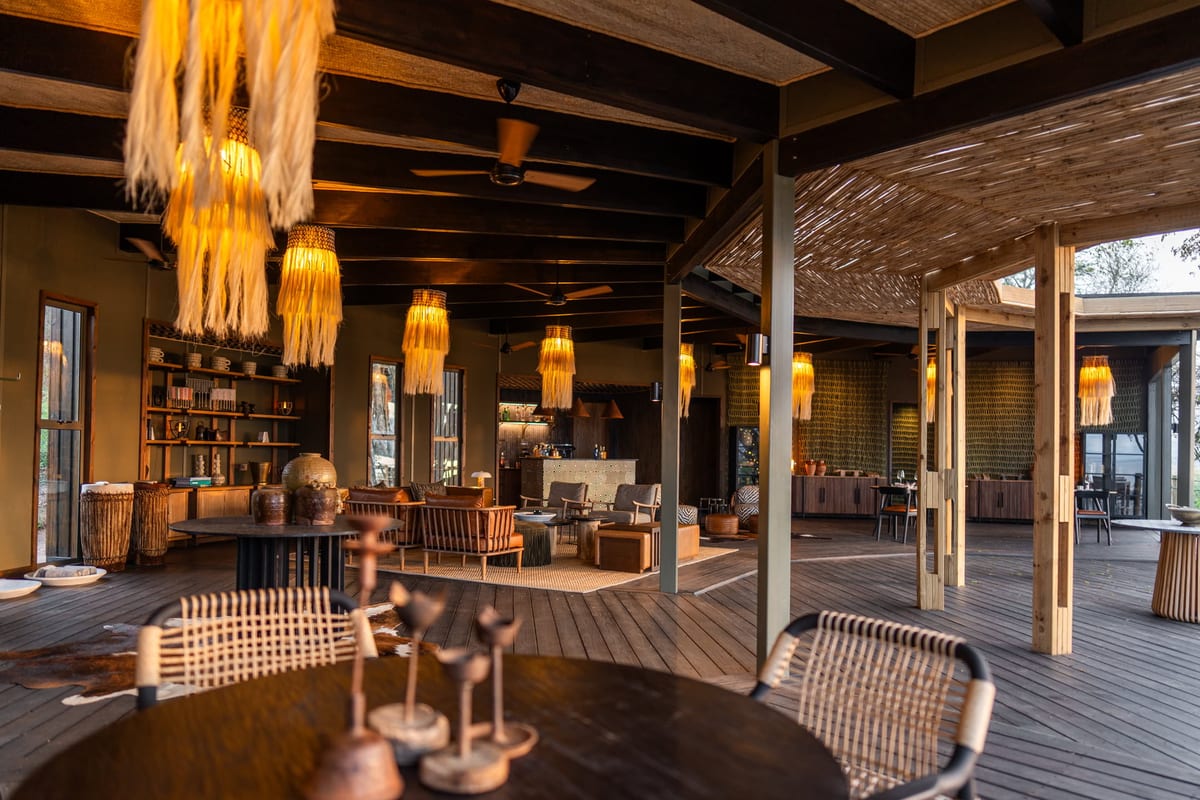
Operated by Wilderness, the interiors are warm without being fussy, with natural textures and thoughtful lighting in rooms where the design doesn’t compete with what’s outside the canvas. A pool overlooks the lake. Meals lean into Rwanda’s indigenous ingredients, and include a dinner served with traditional stories and songs around a fire.
What distinguishes Magashi beyond the aesthetic is the data-collection participation it asks of guests in the camp’s tracking and monitoring programs for lion, leopard, and rhino. You’re not just observing the comeback, you’re contributing evidence to it.
Since opening in 2019, two Magashi guides became the first-ever Rwandans to receive the field guide qualifications that are the gold standard in African guiding. The camp is investing in its people at the same level it invests in its physical plant.
You’re not just observing the comeback, you’re contributing evidence to it.
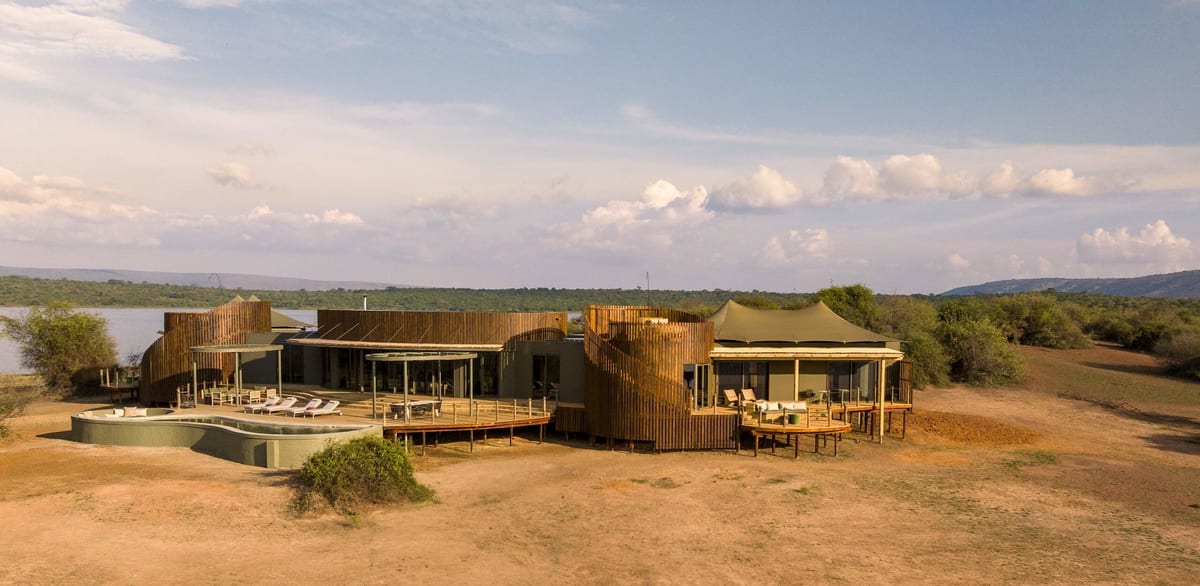
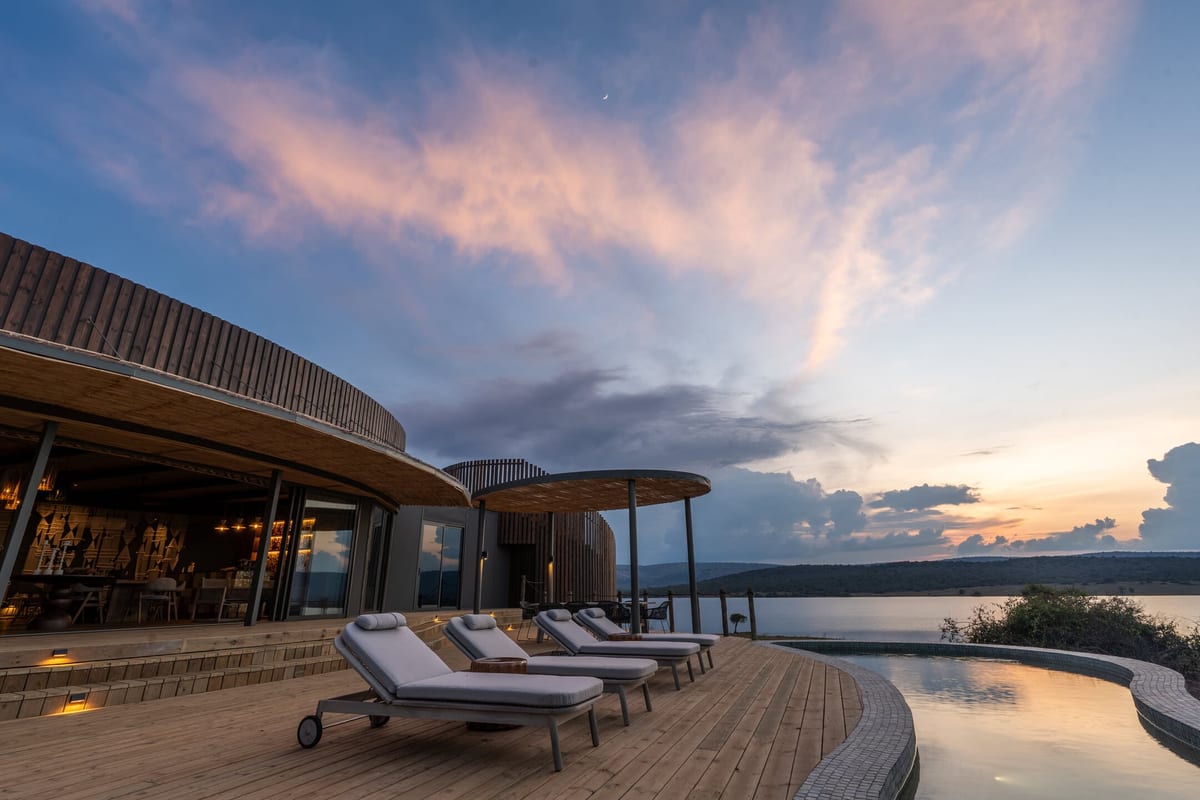
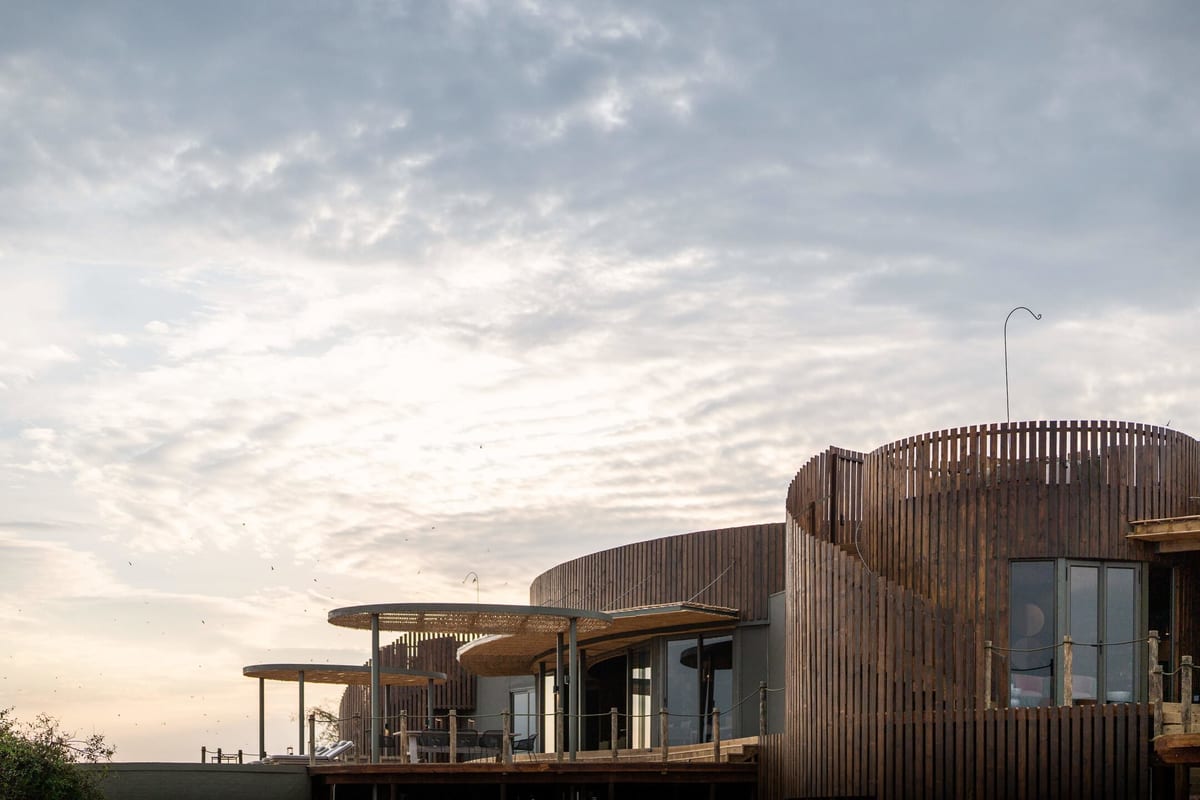
On the Ground: What the Days Look Like
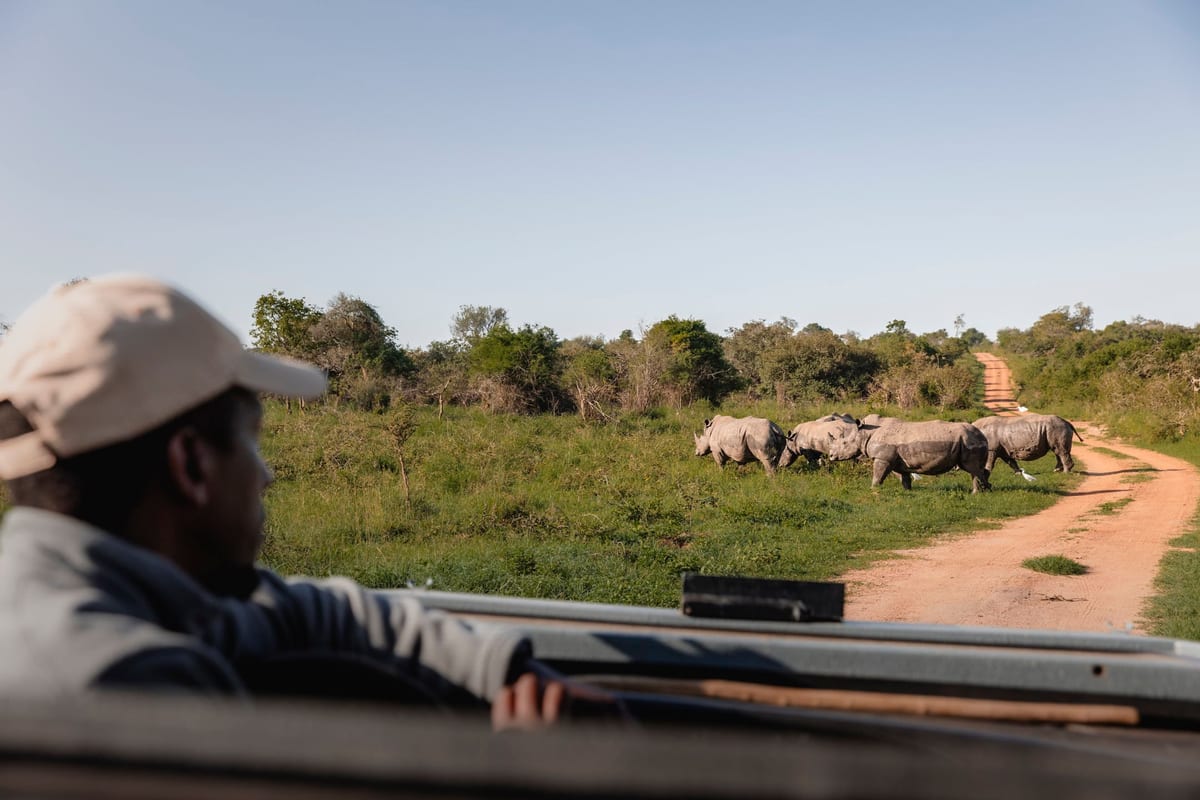
Game drives cover open savannah where rhinos move through long grass as if they know they’re safe. Giraffes appear on ridgelines. Lions — a pride that didn’t exist in this park ten years ago — are tracked using behavior patterns and photographic records that guests help build.
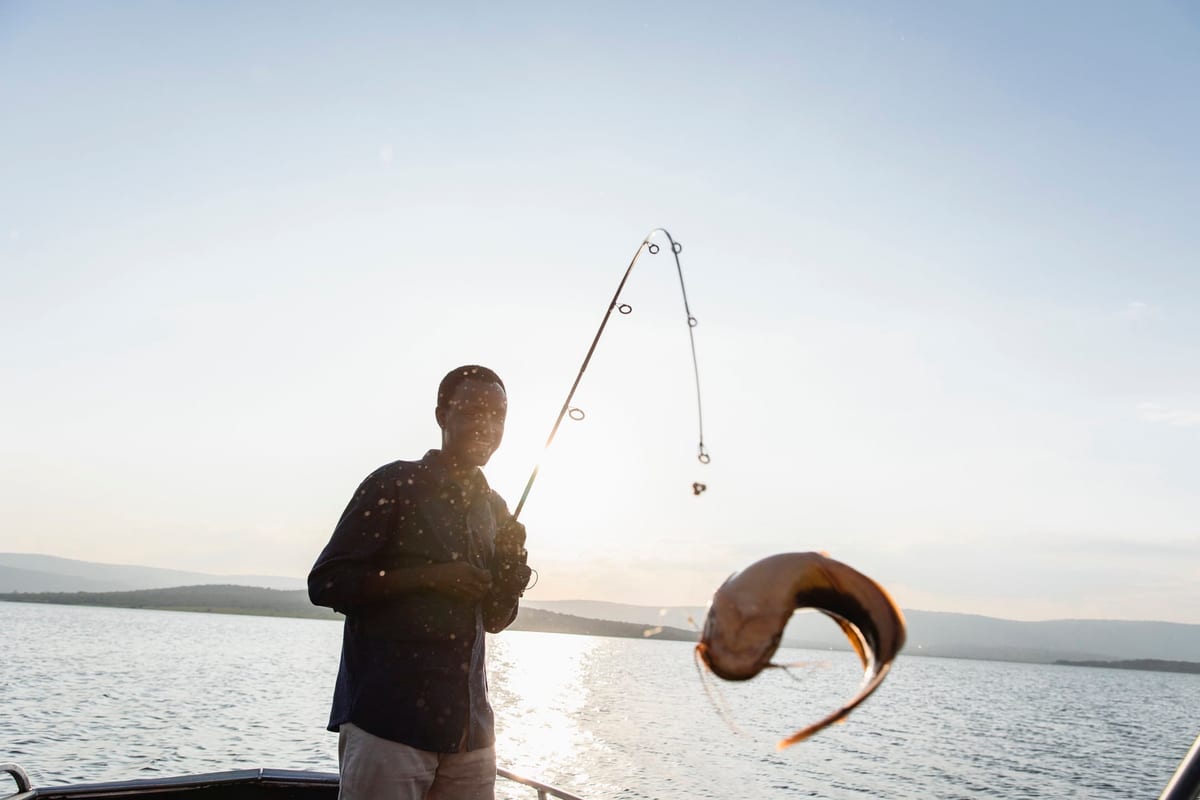
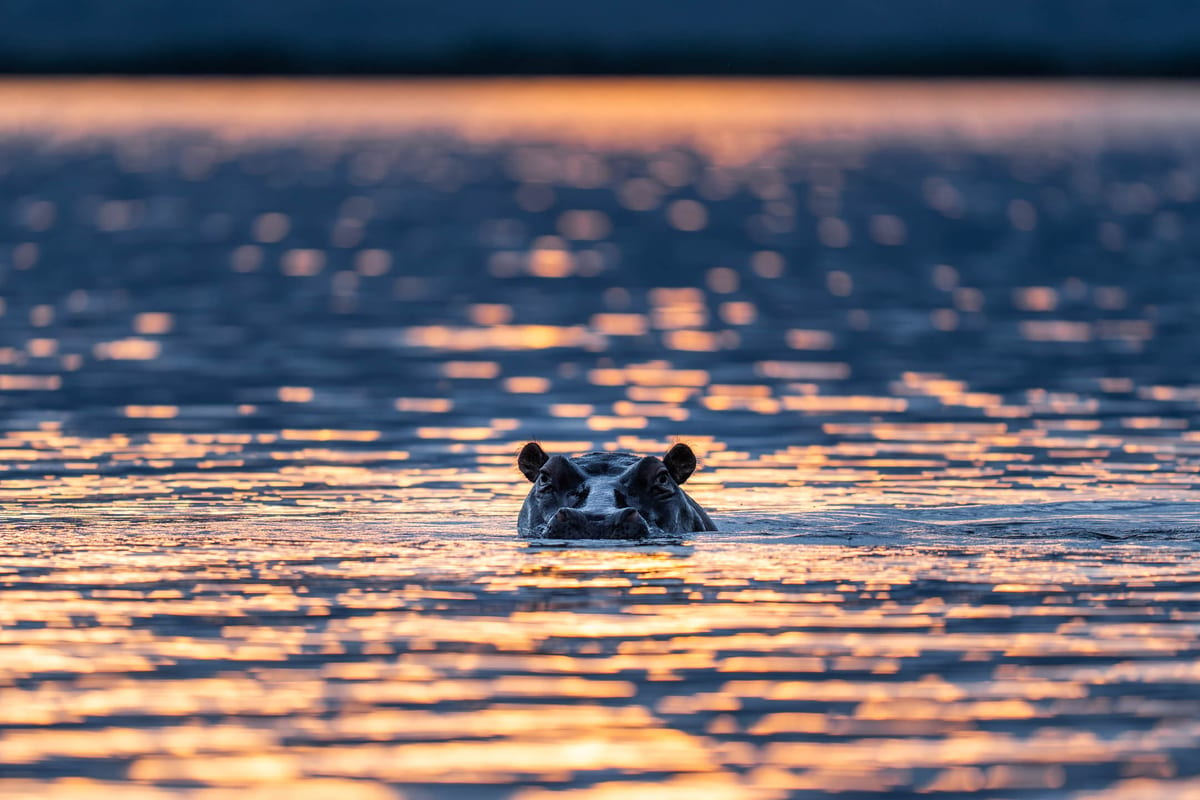
Boat safaris on Lake Rwanyakazinga bring you level with hippos, crocodiles, and birdlife. The shy sitatunga antelope, almost impossible to spot from a vehicle, appears near the water’s edge at quiet hours. There’s catch-and-release fishing, and when the day is done, the fire at the center of camp pulls people together.
Magashi sits within reach of Kigali, making it a natural pairing with a gorilla trek in Volcanoes National Park. We recommend a stay of two nights at a minimum, three is better.