 By The UNCHARTED® editors · 4 min read
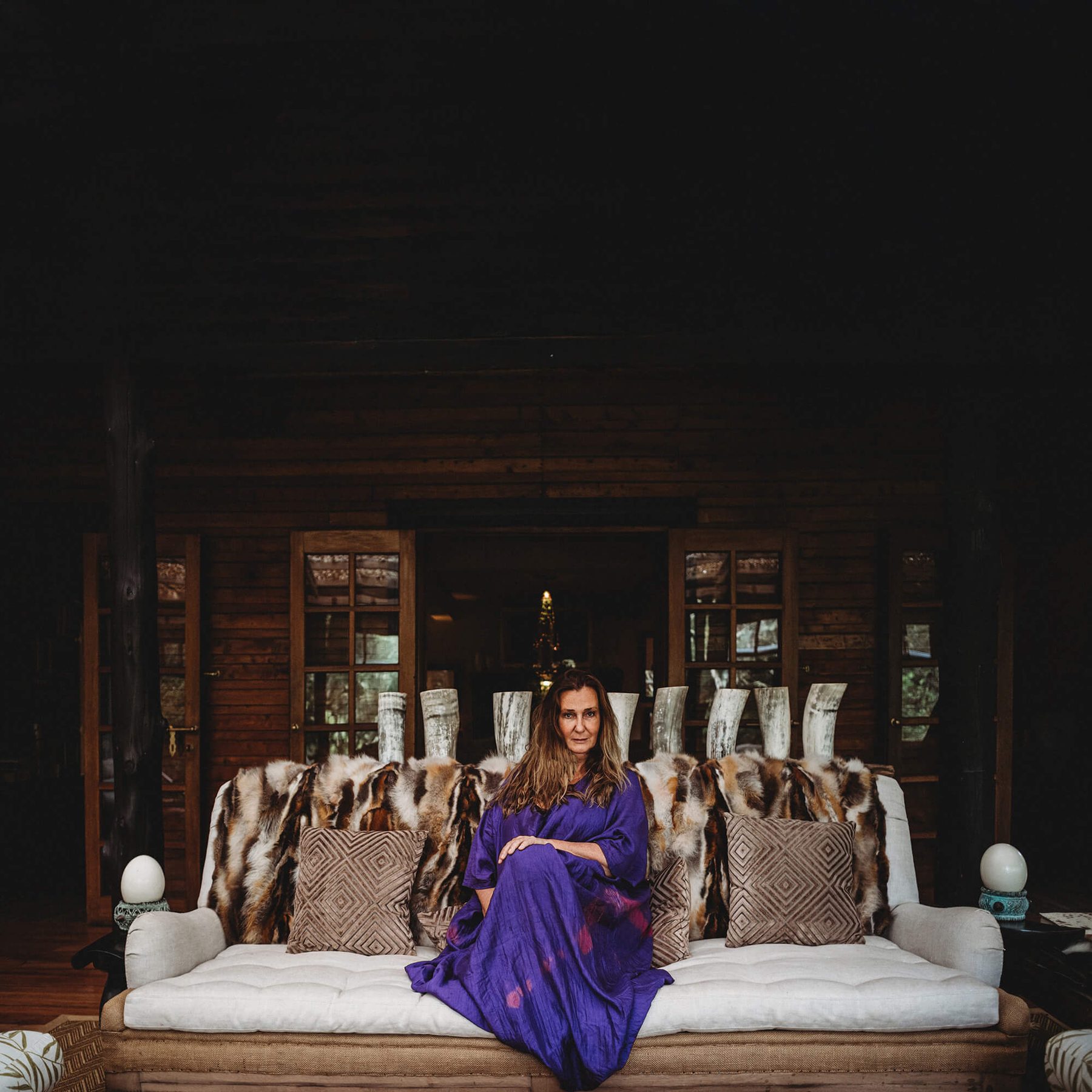
We chatted with Anna Trzebinski, Kenya’s design doyenne, about the country’s cultural awakening.
Photos Courtesy of
Anna Trzebinski’s family’s chronicles trace Kenya from colonial times to the modern era.
Her own lifespan has tracked the post-independence development of the nation, and not only has she been a witness to this history, but she’s also played a role in it as a designer whose fashions and interiors attract global attention to the country as a style hub. Her jewelry, bags, and garments showcase indigenous materials and artisanship in ways that empower the women in her studio who handcraft them, and her clients come as far afield as Donna Karan. Trzebinski’s travel spaces and boutique hotels express a sense of place, filtered through her personal taste and experiences, that are at once authentically local and utterly cosmopolitan.
"It’s not about escapism to a beautiful, exotic locale—it’s about integration."
Trzebinski’s first husband, Tonio, was a flamboyant personality and successful painter with representation in London galleries before his murder in 2001. The killing went unsolved, and the intrigue of the case provoked loads of lurid publicity in the English press. Anna subsequently married Loyapan Lemarti, a Samburu tribesman. Together, they established a safari camp in Kenya’s remote northern highlands.
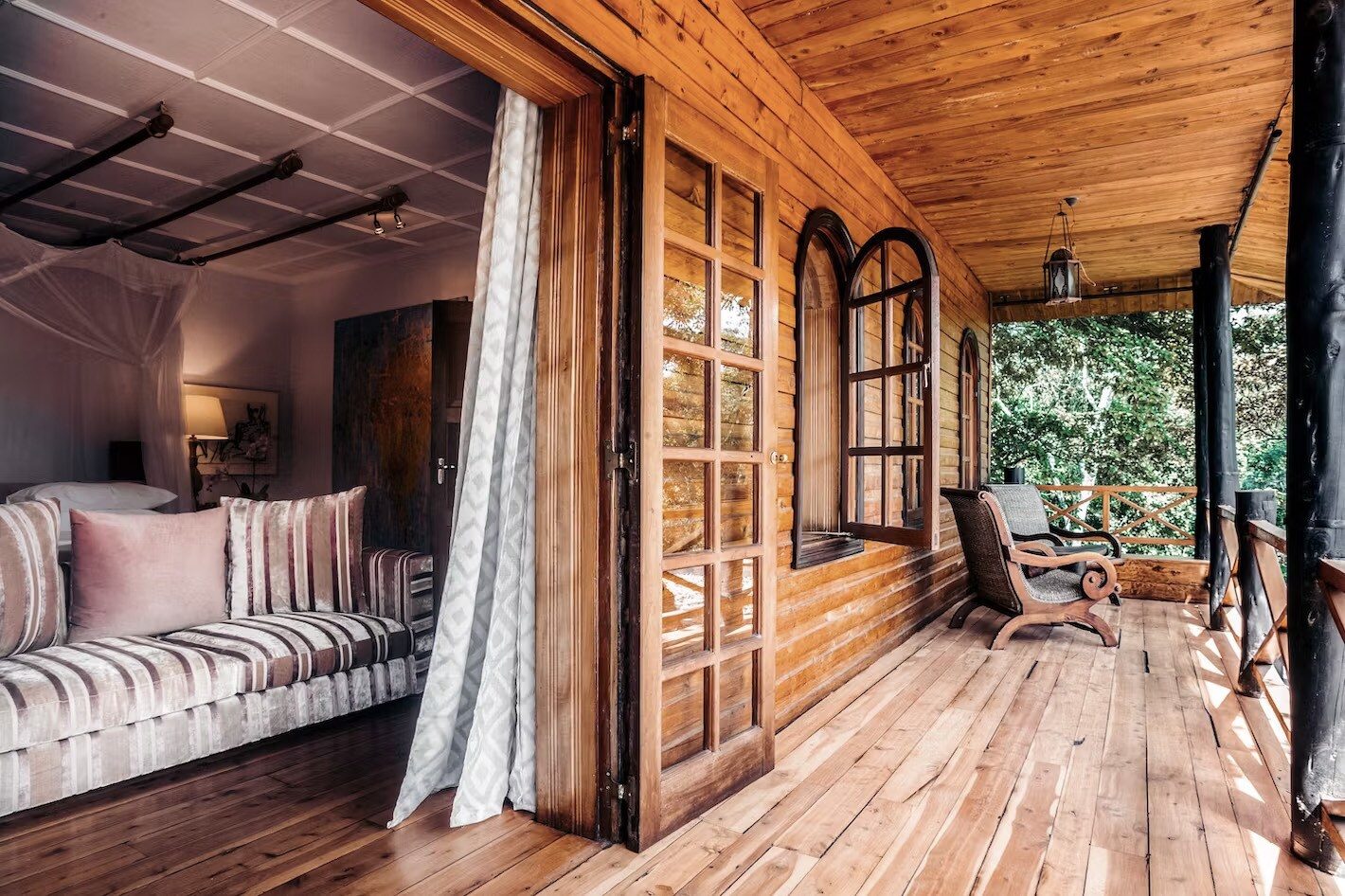
These days, the former Trzebinski family home in Nairobi’s Karen district is now a boutique UNCHARTED Outposts™ called Eden Nairobi, where Tonio’s art remains intact; the couple’s two children are designers and artists, naturally.
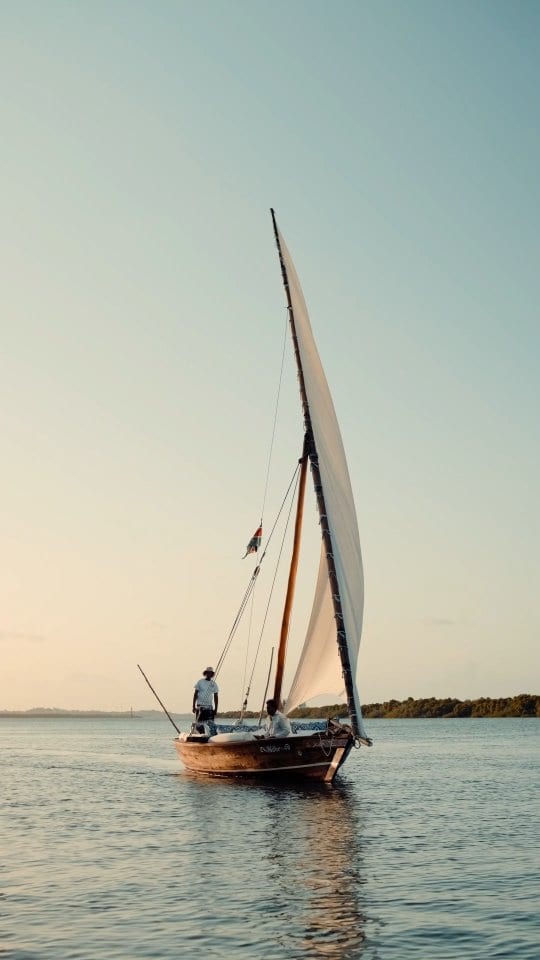
Trzebinski has also developed a distinctive pension, Jannah Lamu, on the Swahili Coast of Kenya. Set in the heart of Shela town, the site of her childhood memories on Lamu Island, the compound comprises several buildings around the old town square and is envisioned as an artists’ retreat that’s in dialogue with the surrounding village. It’s not about escapism to a beautiful, exotic locale—it’s about integration.
Needless to say, Trzebinski takes a thoughtful approach to creating rare and beautiful places in Kenya that incorporate the country’s complex culture, and whose diversity and dynamism continually inspire her.
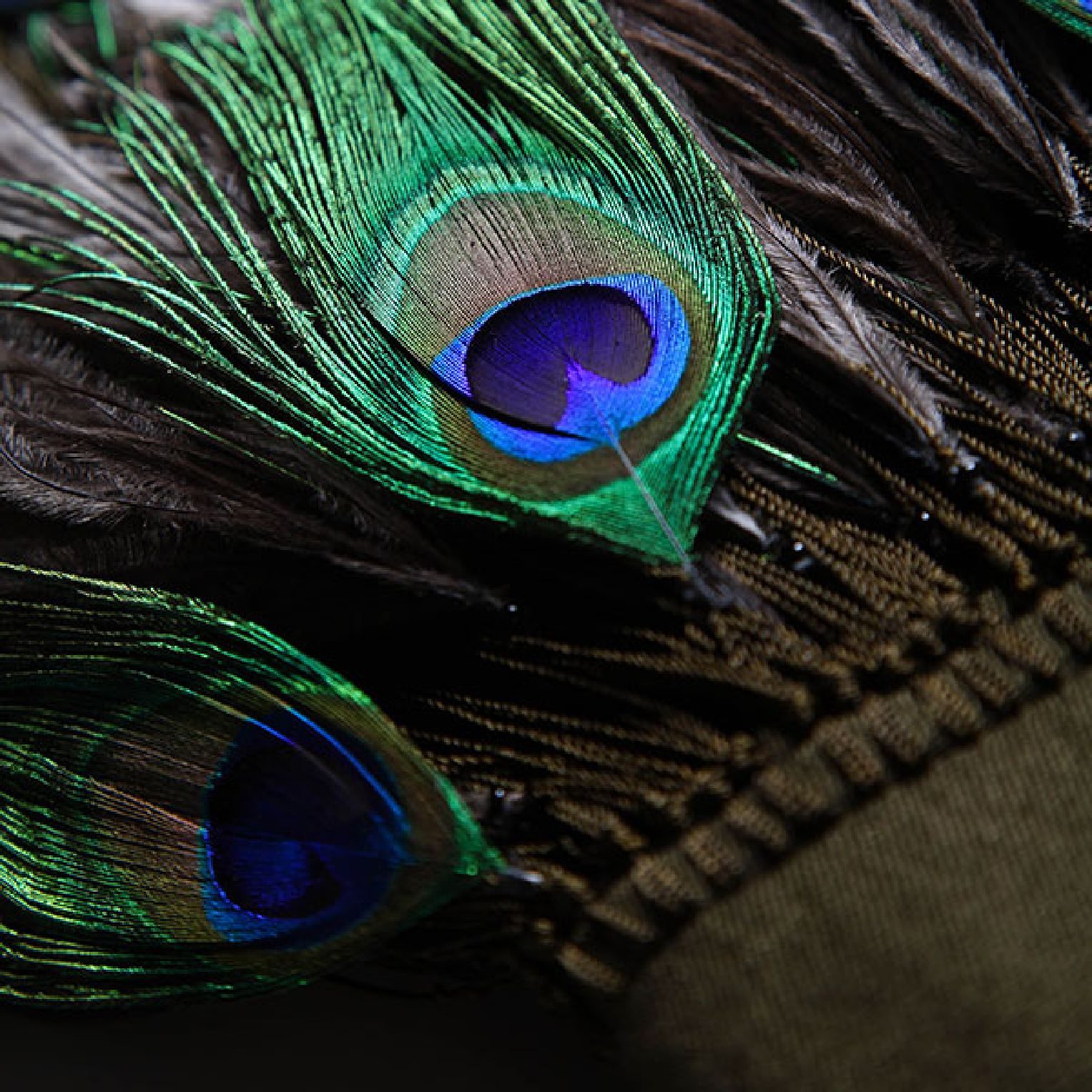
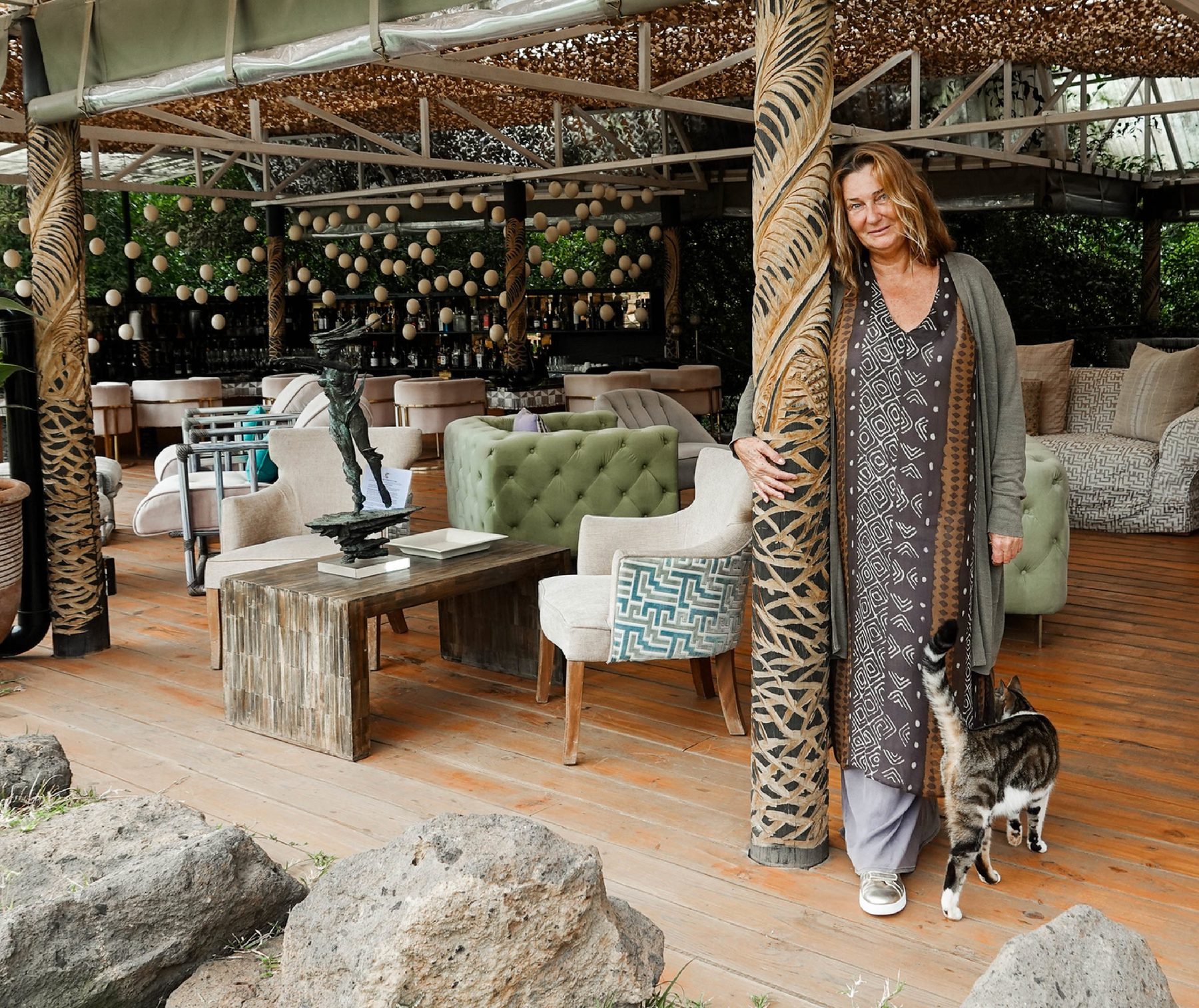
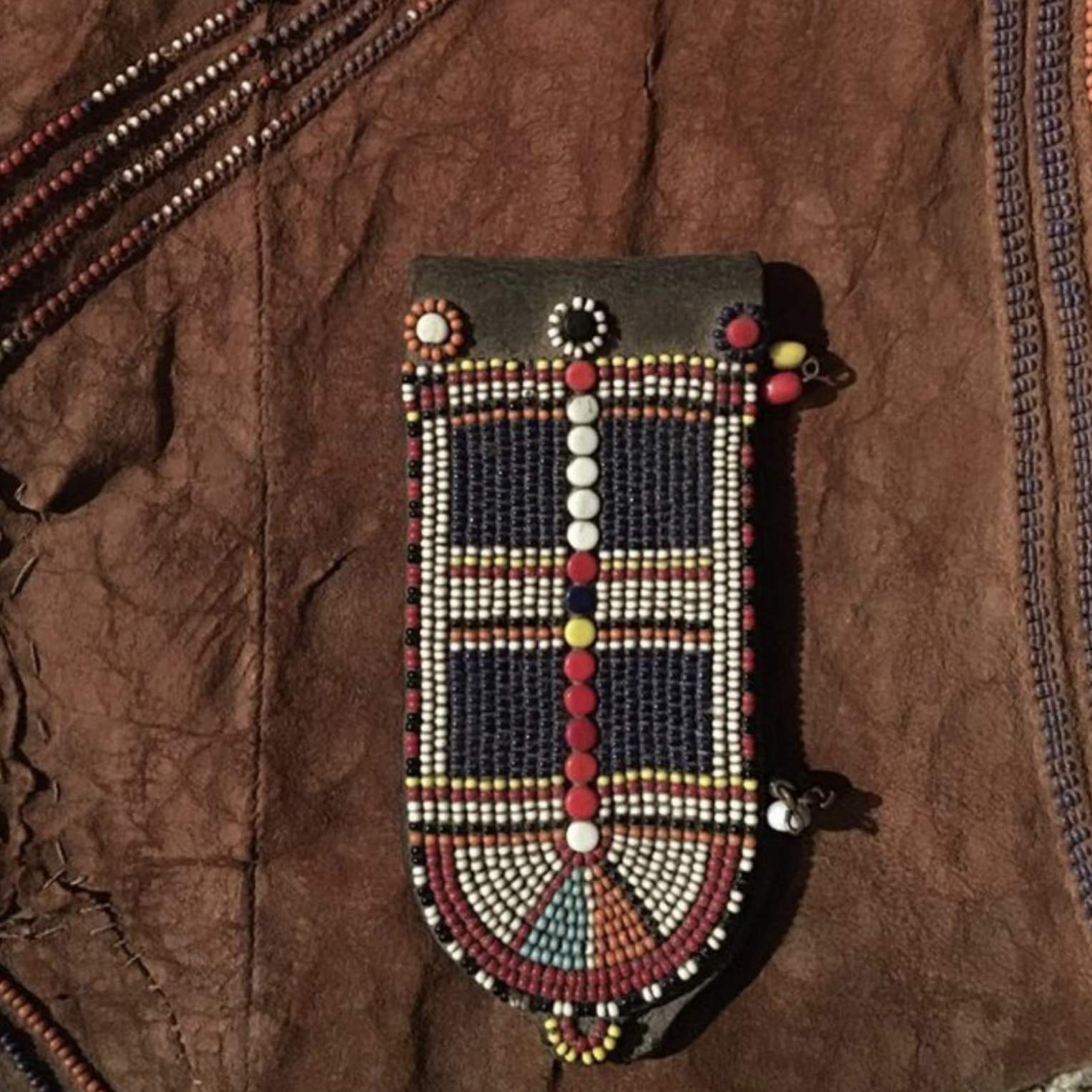
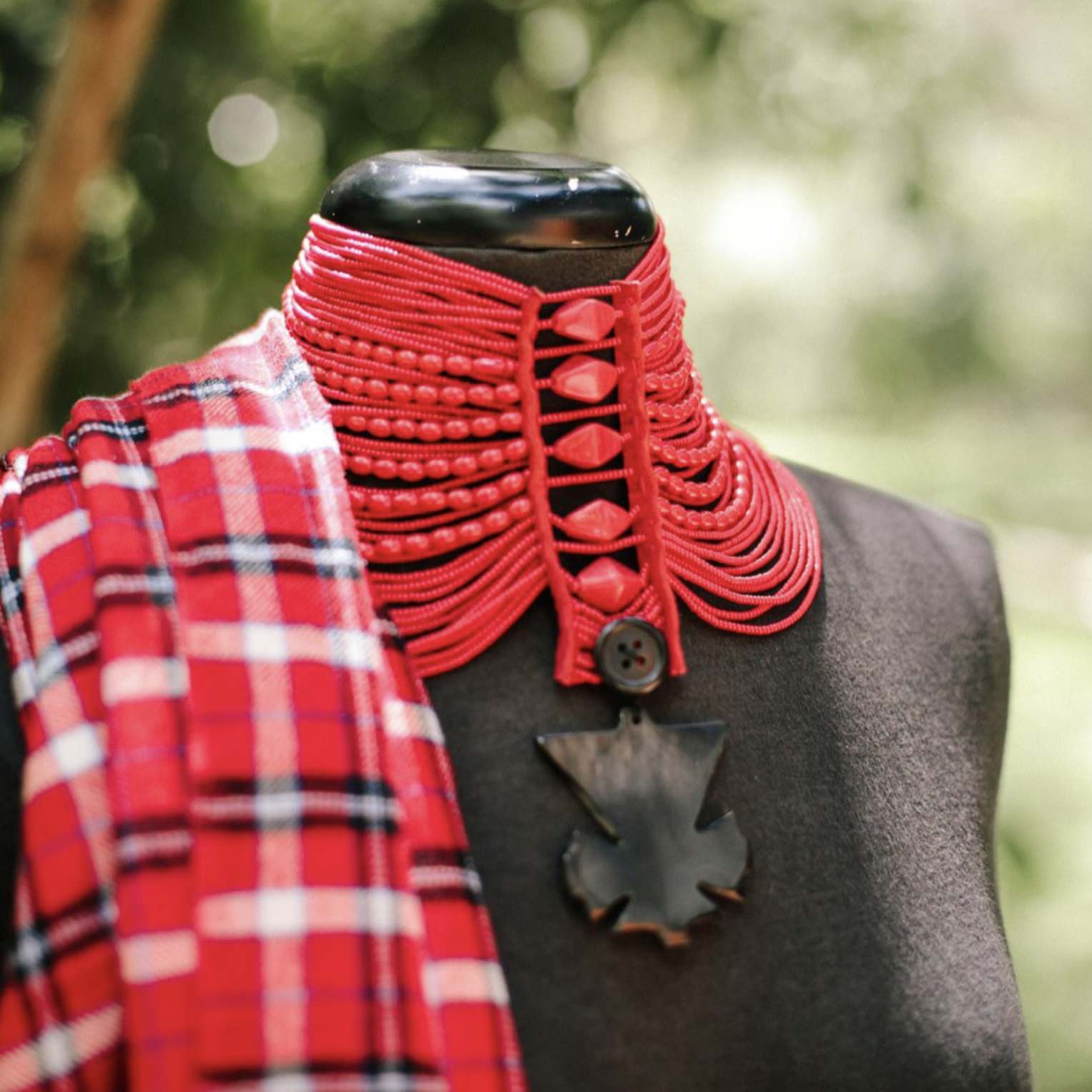
Photos Courtesy of Anna Trzebinski
Q1: Two decades ago Nairobi had a reputation for being crime-ridden, and your personal history is testimony to that. How would you describe the situation in Nairobi now?
Q2: So how are Africa and Kenya expressing themselves nowadays?
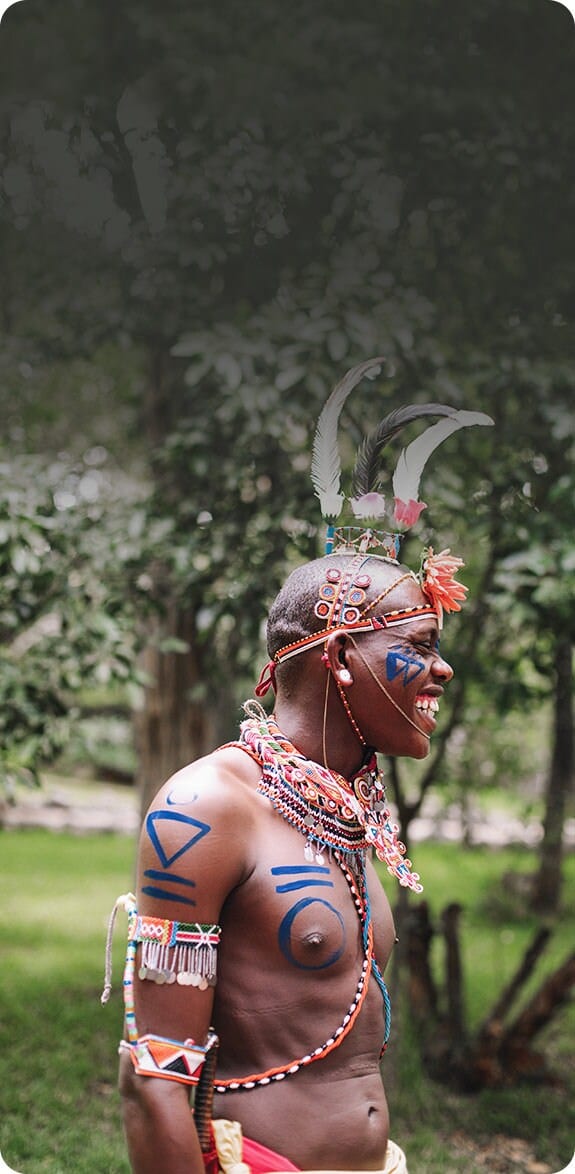
It is thankfully starting to be void of colonial hangovers. Because of how big it is and how many tribes there are, and how each person's experience is so distinctly different, there's an enormous amount of expression from writers, musicians, poets, filmmakers, painters, sculptors, and designers. It's an absolute explosion. It's visceral. Wherever you go, you feel it, and it's incredibly exciting to be around for anybody who's interested in creativity and storytelling.
Kenya: Wild in Style
I think Nairobi is a really safe city. Like all cities that went through a rush of urbanization, Nairobi also went through a time of disequilibrium. There was a disconnection, because for Africans in general, and for Kenyans in particular, their land, their family, and their villages are incredibly important. But along with a lot of the other major metropolitan centers on the African continent, there's been an interesting coming of age. From the colonial era to the post-colonial era, I think Africa is finding its feet in expressing itself.
SEE THE TRIP
"There’s an absolute explosion of expression. It’s visceral. Wherever you go, you feel it."
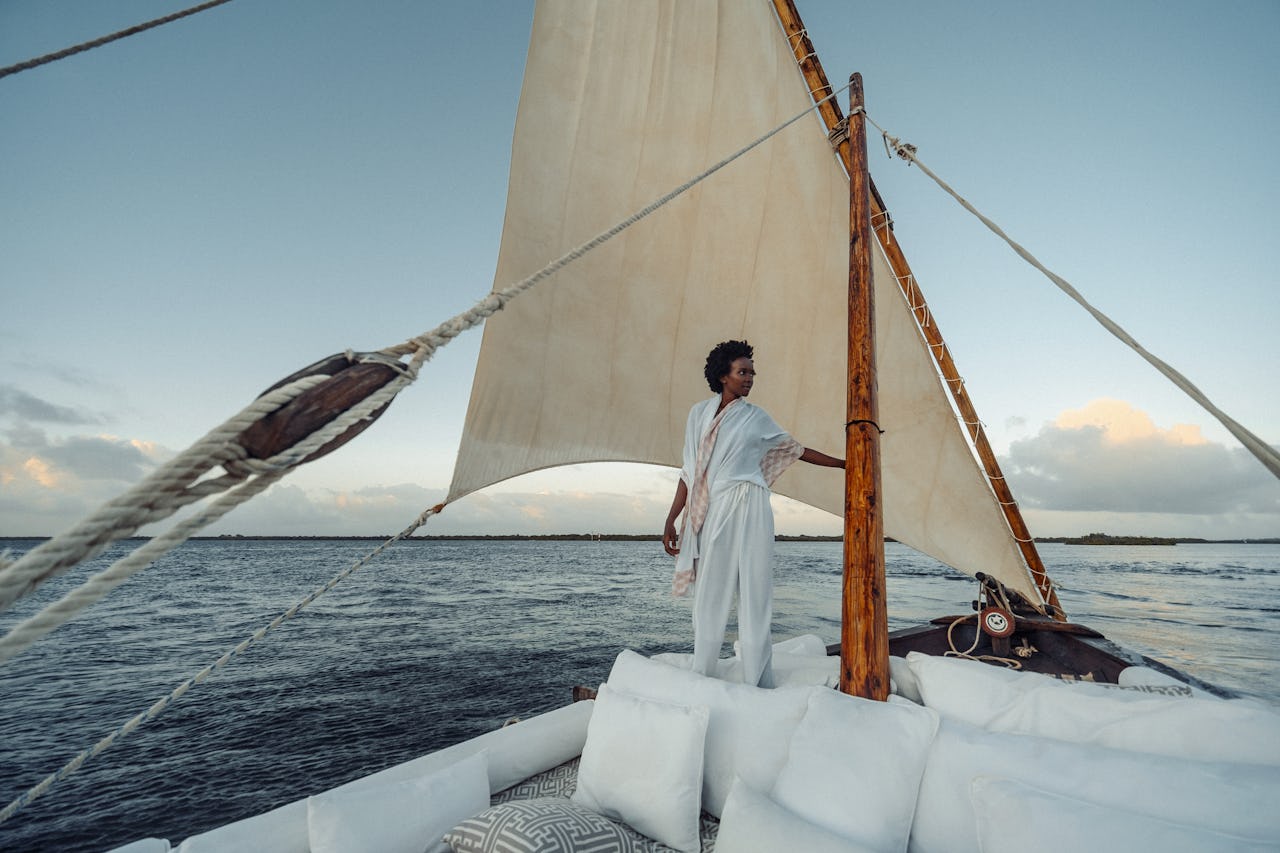
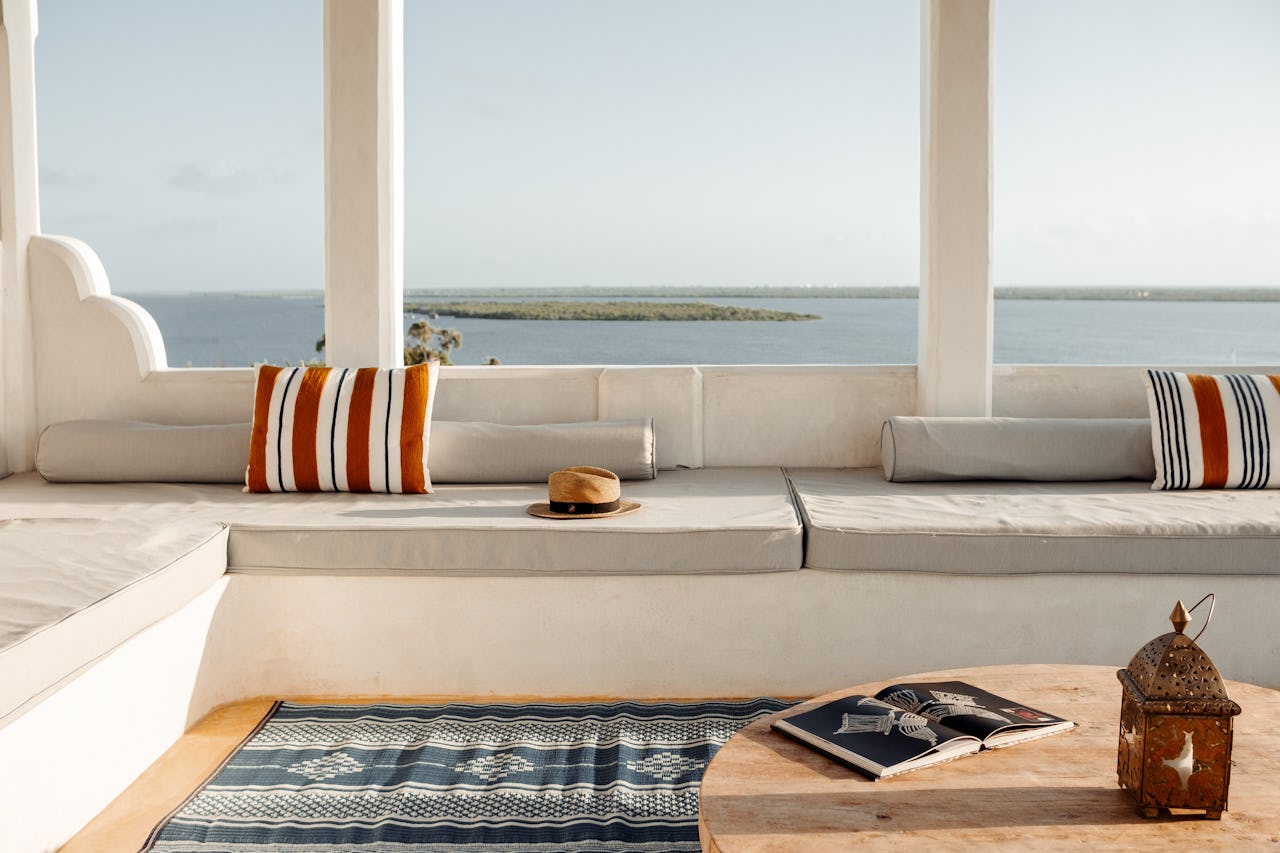
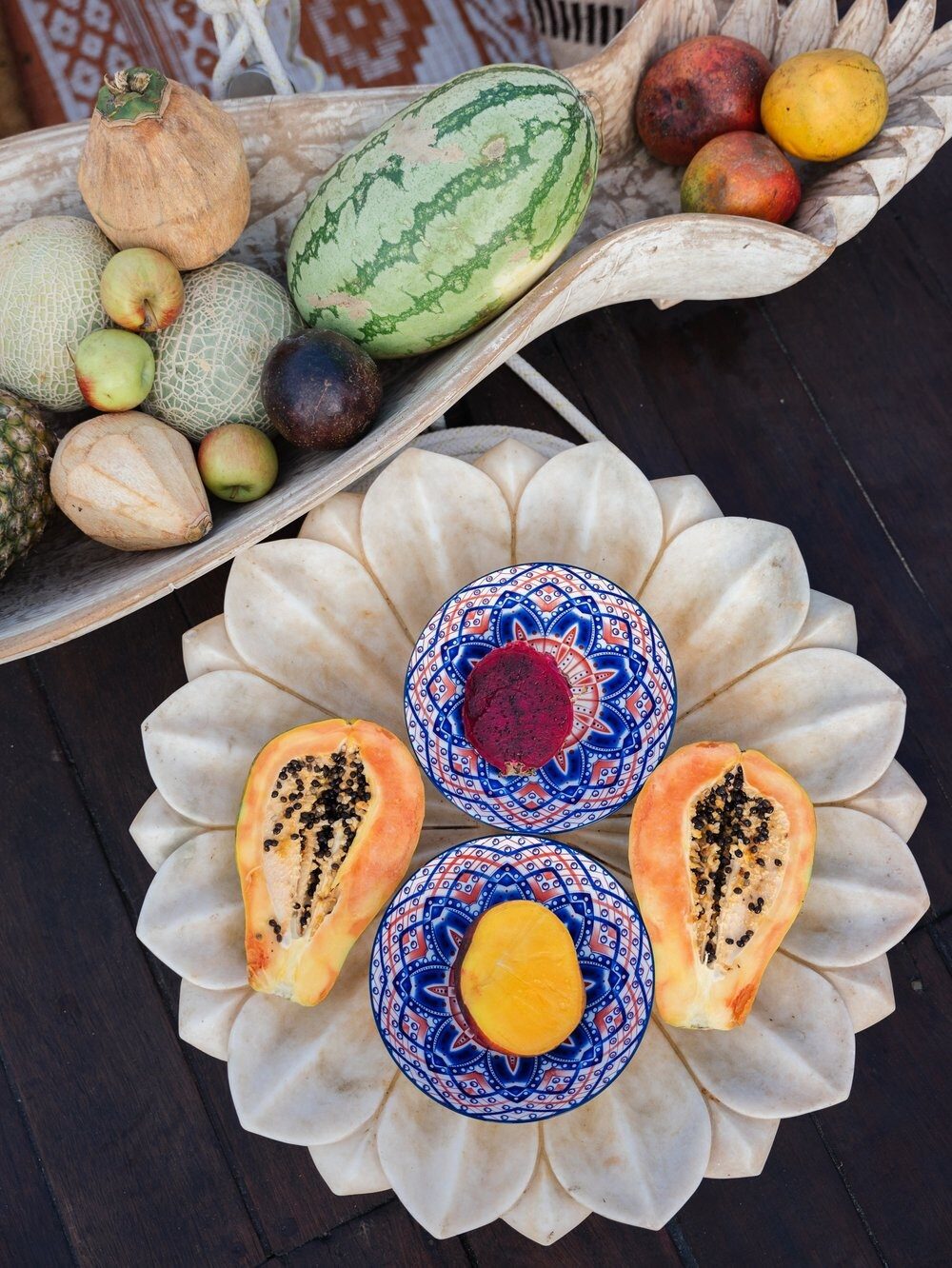
Q3: What stories are you telling with your distinctive travel spaces?
Q4: How do you express that personal approach in fashion?
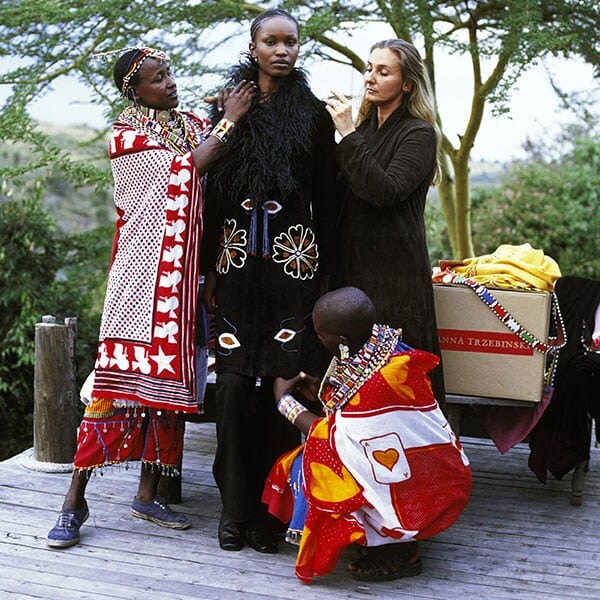
I spend a lot of time with indigenous people and do sacred ceremonies with laibons, or medicine men. Out of these ceremonies, I started to think about my signature pieces that haven't changed much for an enormously long time. And I realized that I'd like to find a new way of expressing the heartbeat of this continent. I want to break it down. How do I weave the complex of colors on this continent—Black, Indian, Arab, White—and all our different histories together into the fabric of what I'm trying to have people wear, and to have some kind of meaning? I want to somehow weave the extraordinary fiber of this continent into my creations.
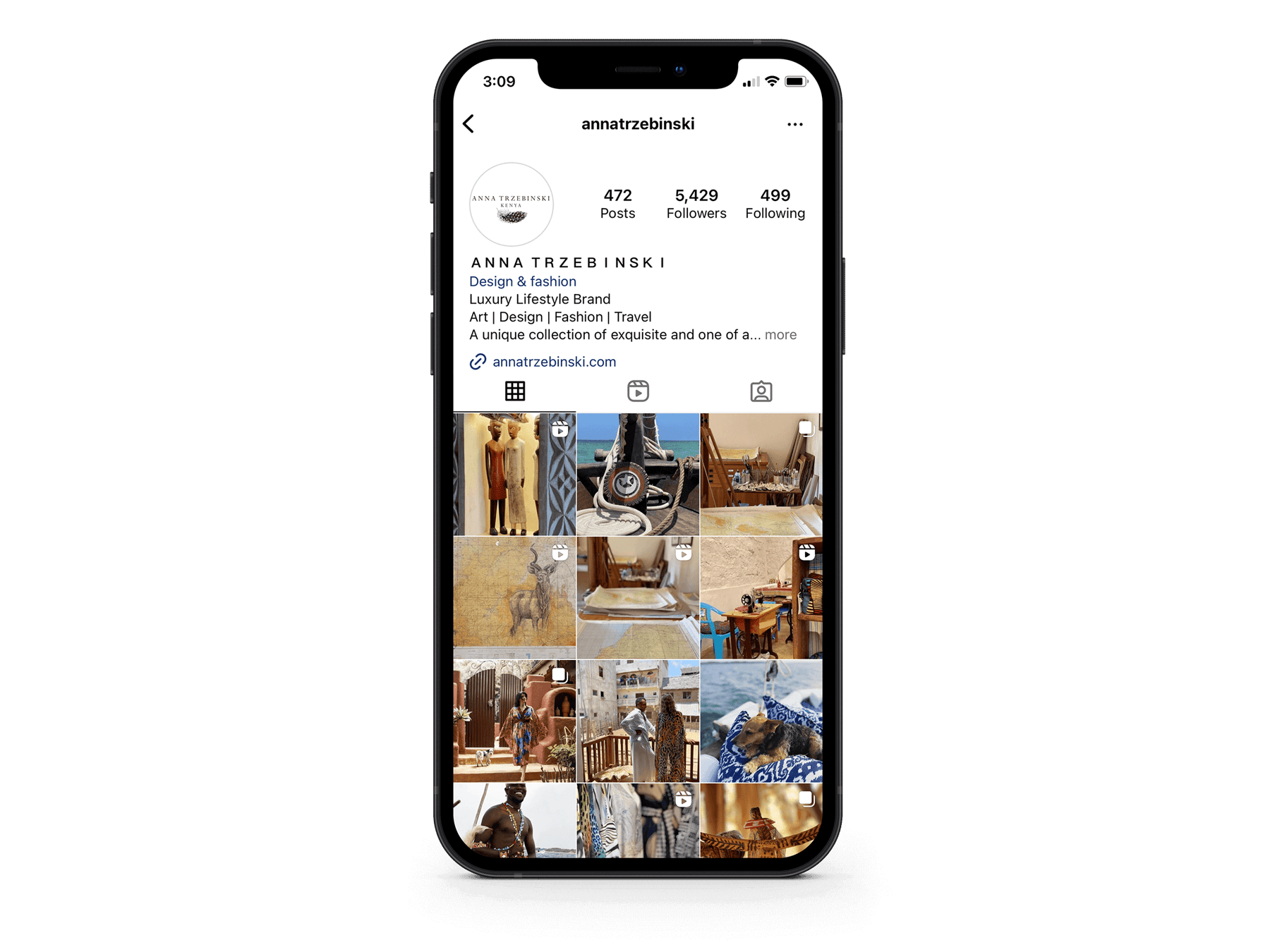
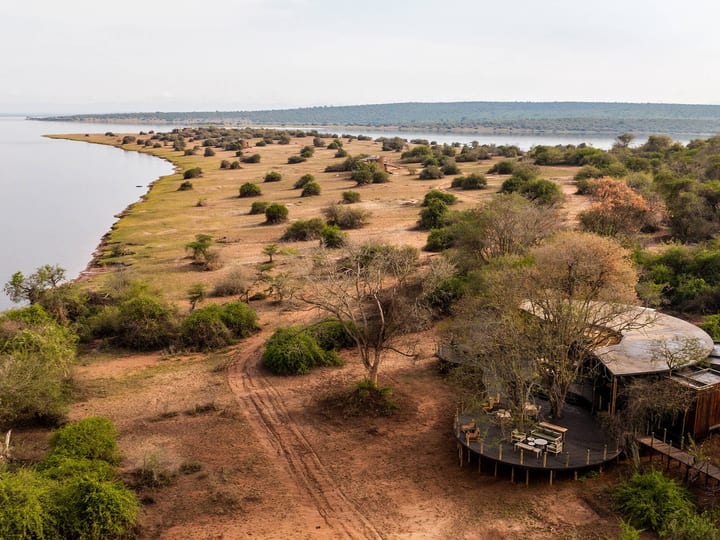
The different chapters of my life. For example, the [now defunct] Lemarti's Camp was a very personal expression of my life as the wife of a Samburu, as the mother of Tasha, and my life as someone who loves being in the bush. I was not focused on making a giant statement—I mean, how could you be so arrogant as to try and make a giant statement in the face of the nature we have in Kenya? Instead, I created spaces that were beautiful platforms for seamless immersion into what's around you, as opposed to building something massively imposing with the biggest bathtub you've ever seen. Or with a bigger bar or a bigger bed, whatever it is.
"At Eden and now Jannah Lamu, it's about immersing yourself in those places through my personal experiences."
At Eden, and now Jannah Lamu, it's about immersing yourself in those places through my personal experiences. In creating Eden, I told our story as a family without ever having to say a word. You walk into that place, and you understand our sensibilities and who we were and are.