 By The UNCHARTED® editors · 7 min read
A Century of
From the colonial era to post-independence, from hunting to photography, from roughing it to luxury – African safaris keep evolving.
Safari traditions are, of course, fraught with all sorts of colonial baggage. But we live and learn, and quality safaris still create primal, never-to-be-forgotten moments of awe in an unspoiled wild. The experience will be greatly enhanced by gaining some knowledge of the 100-year transformation of the safari, from its roots in hunting to its current ethos of conservation and cultural sensitivity.
What to Pack on
These days, traveling in the bush could mean sleeping in well-appointed canvas tents or luxuriating in opulent lodges with personal plunge pools. And while “safari-ing” as we have come to know it derives mainly from Kenya, it has followed similar paths throughout the continent.
So, here is some safari lore and history that will help you make informed choices about what kind of African experience you want to have!
Immediately after leaving the White House in March of 1909, Teddy Roosevelt set out on a renowned African safari—perhaps the most well-known ever undertaken by an American. It was conducted in the style of 19th century European explorers’ expeditions, with legions of porters and pack animals carrying equipment, and stalk-and-shoot was the obvious pastime. For over three months, the hunters covered thousands of miles, from Mombasa on the east coast of British East Africa (Kenya), inland as far as Lake Victoria in the Belgian Congo (DRC), and back to Mombasa.
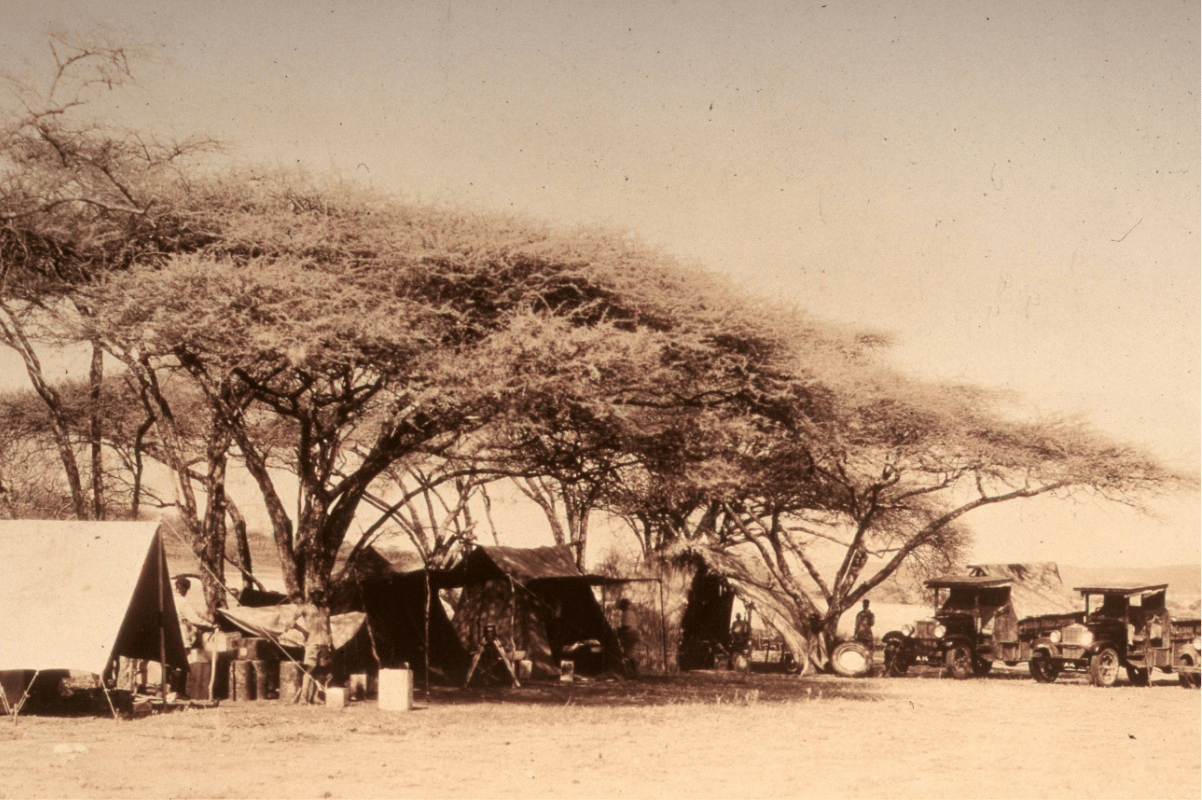
Known as the Smithsonian–Roosevelt Expedition, the troop collected more than 11,000 animal specimens for the Museum of Natural History. Roosevelt described his exploits in the popular press and in a book, African Game Trails, exciting the American public with tales of adventure and big-game hunting in what was then considered an impossibly remote, dangerous, and exotic part of the world.
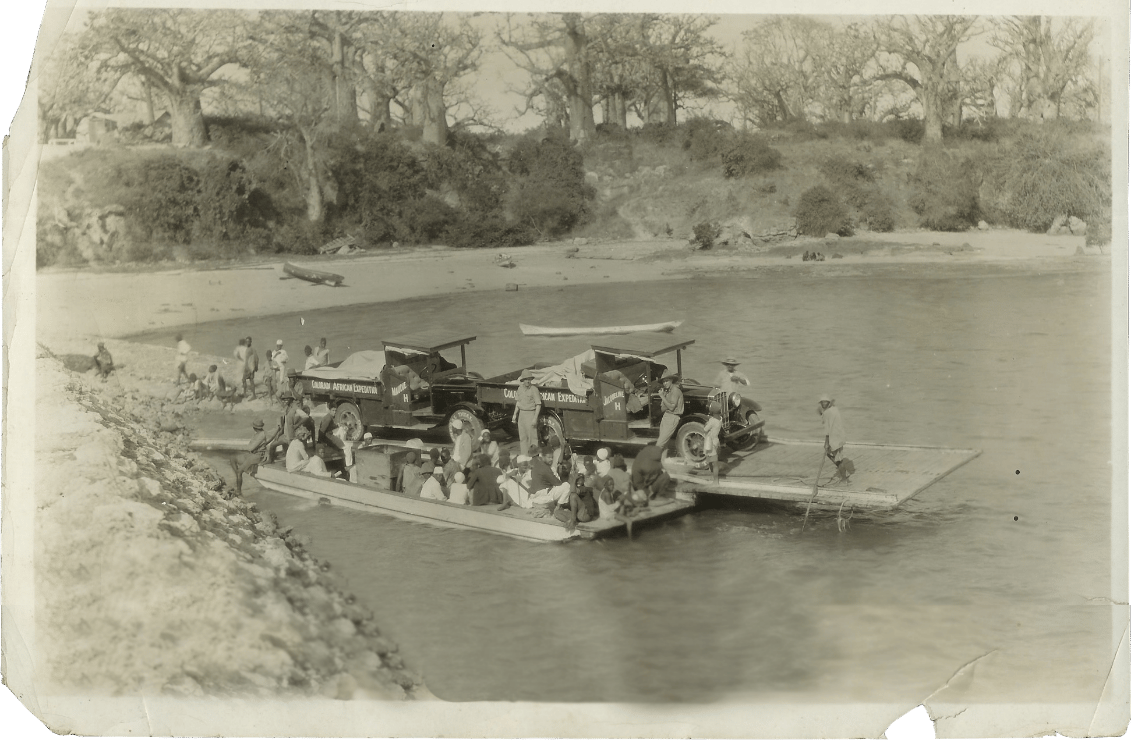
Charles Cottar was inspired by Roosevelt’s adventures to emigrate to Africa. He was one of the sole Americans among a Kenya hunting cohort that was dominated by European settlers and expats who ultimately set the rules of the safari game, such as they were. Legendary figures like hunters Bror Blixen and Denys Finch Hatton, aviatrix Beryl Markham, and the writer Isak Dinesen lived colorful lives unbound by the conventions of polite society, and which inspired the latter’s novel Out of Africa, published at the tail end of that post-WWl era, in 1937.
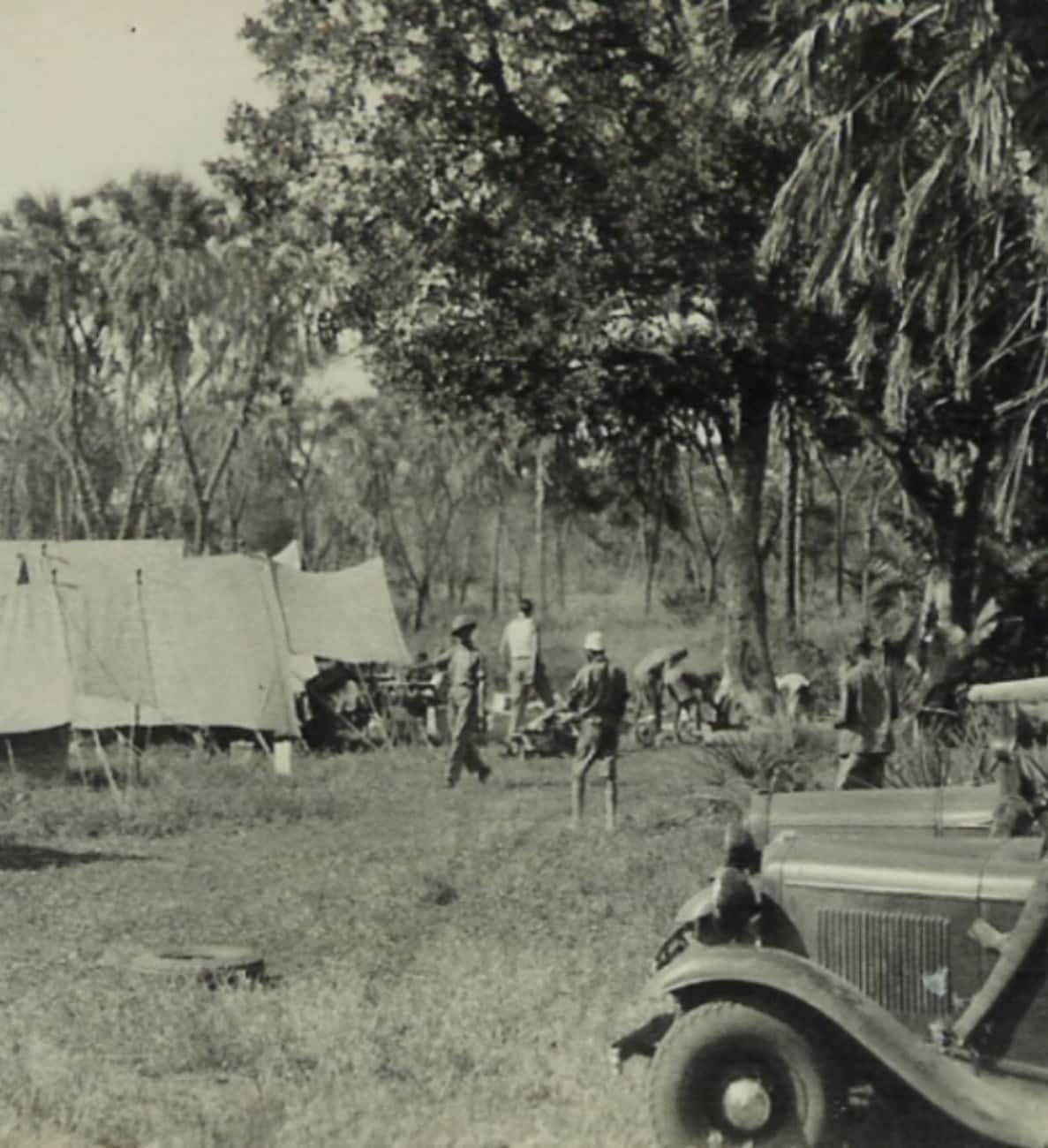
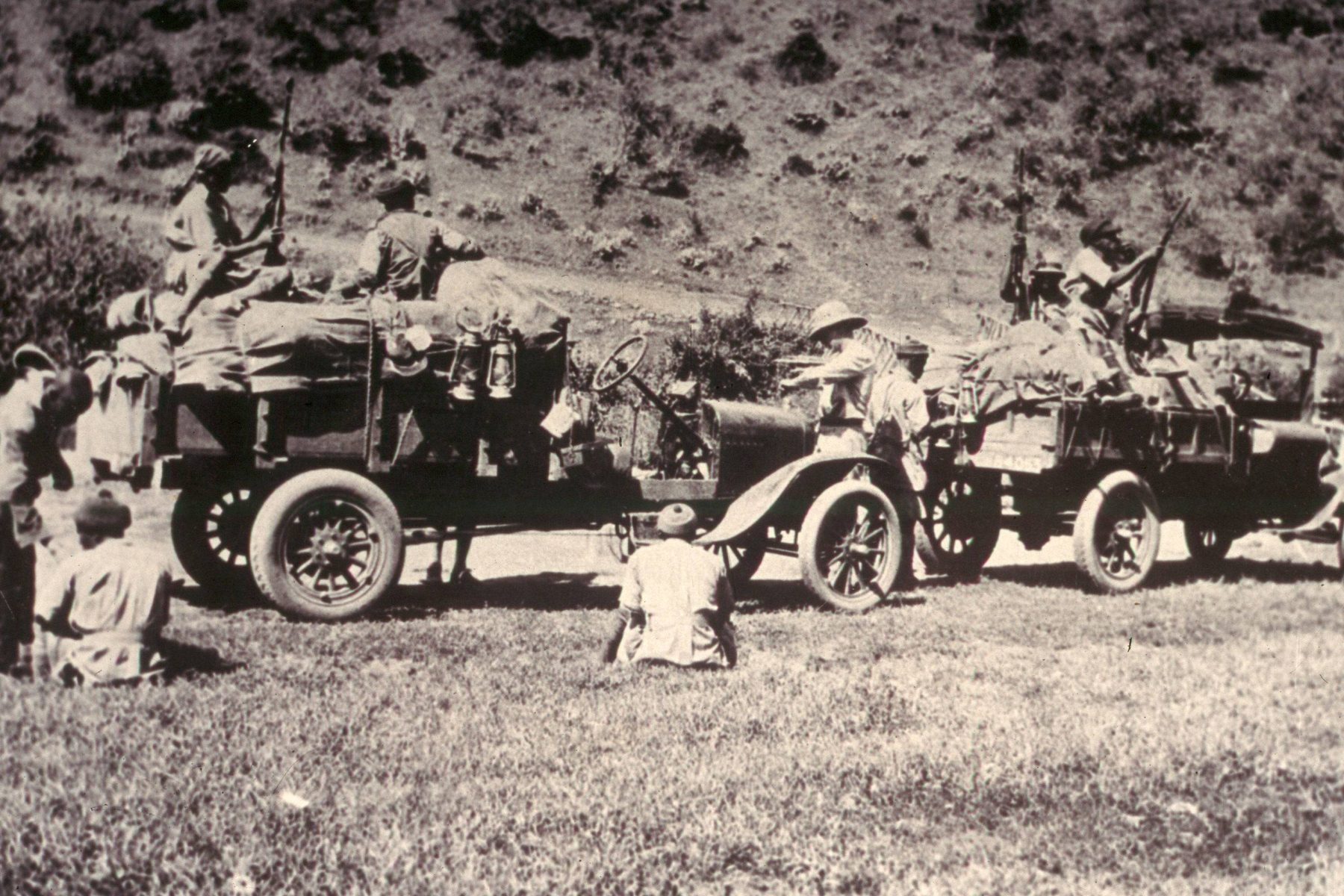
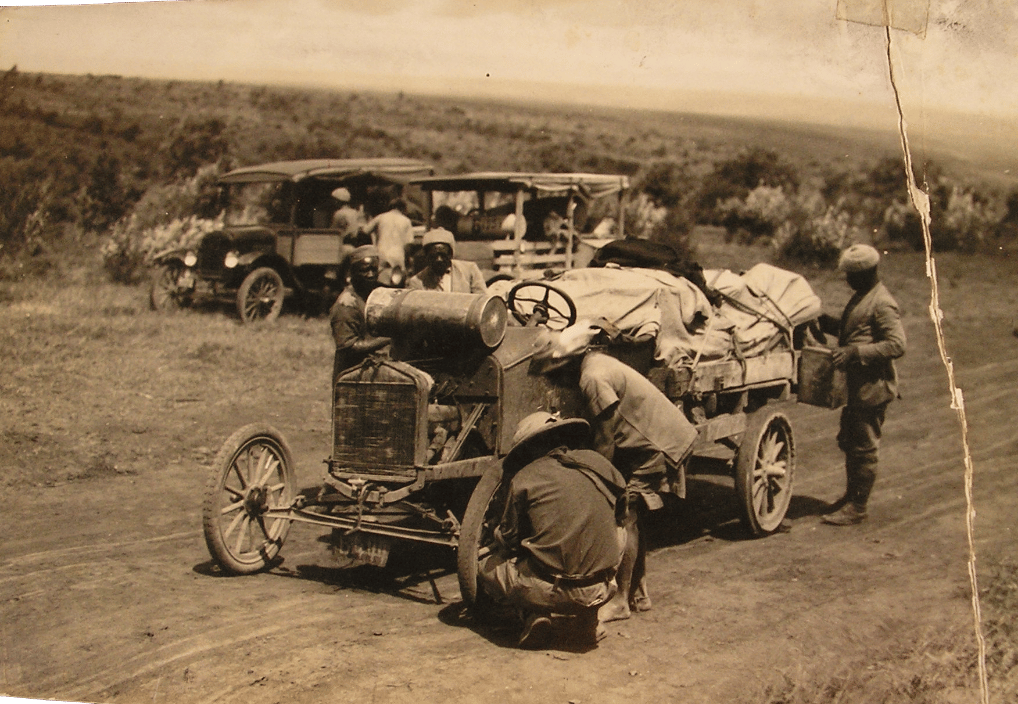
Cottar was the first to import American vehicles for use in the safari business; legend has it that one of them fell off the boat while unloading in the port of Mombasa, and plunged into the water. In the 1920s, the use of cars and planes to spot game and to travel long distances extended access to more remote hunting grounds in East Africa, and the Cottars would go on to become the first family of the safari world in Kenya. Subsequent generations of the family made consequential contributions to the evolution of the business, most notably in the shift from hunting to photography when it came to wildlife spotting!
The new modes of transportation also enabled fly camps to be outfitted with larger tents, more comfortable furnishings, better food, and a wider selection of drinks to share around the campfire. The makeup of the classic mobile camp style was being set: private tents included a bed or two, a secretary table, rugs, a bucket shower, and a drop loo.
This post-WWI period, which Bartle Bull labeled “The Vintage Years” in his book Safari, A Chronicle of Adventure, codified the romantic image of the classic safari and its spirited tenor. However, the Depression years and World War II brought this era to an end.
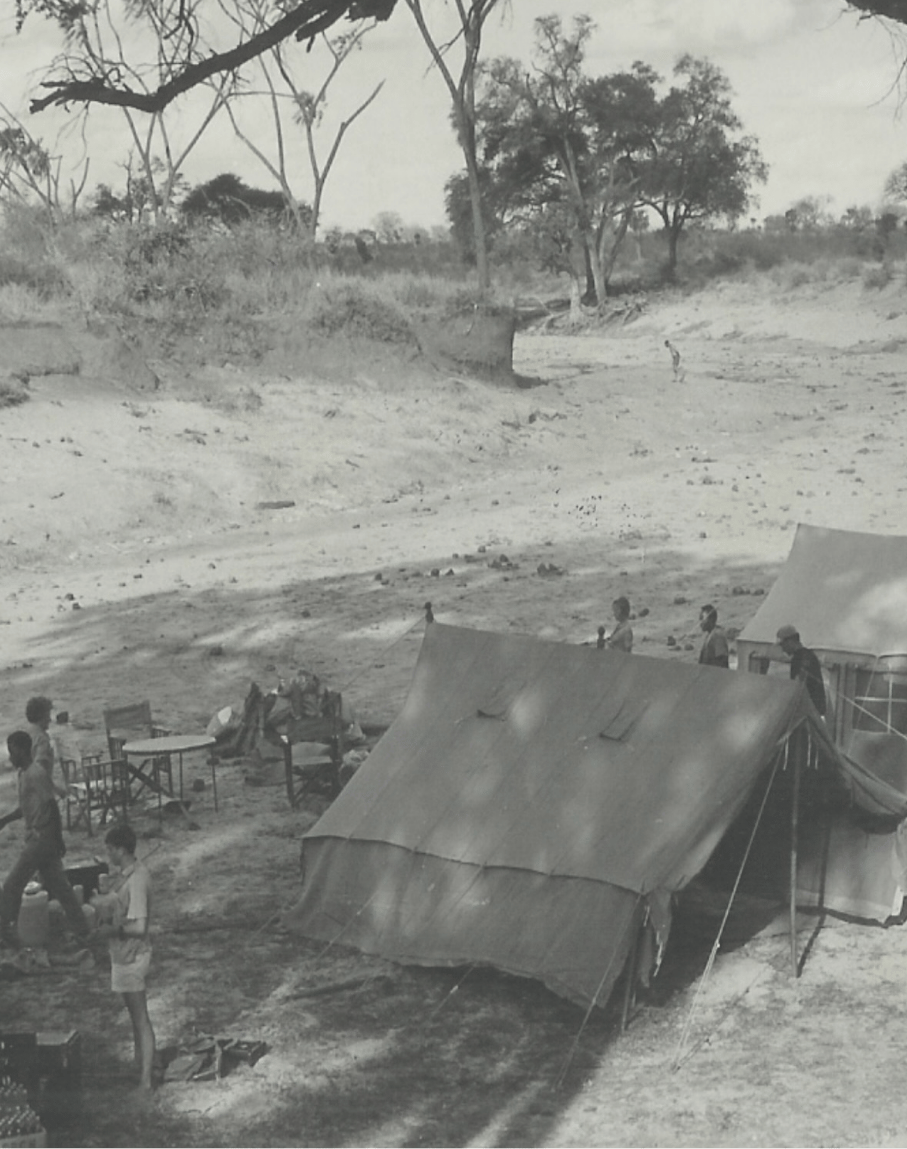
After the conclusion of the war, Americans became more interested in African hunters and their milieu, inspired by popular Hollywood movies like King Solomon’s Mines (1950 version), and two films based on Ernest Hemingway stories, The Macomber Affair (1947) and The Snows of Kilimanjaro (1952).
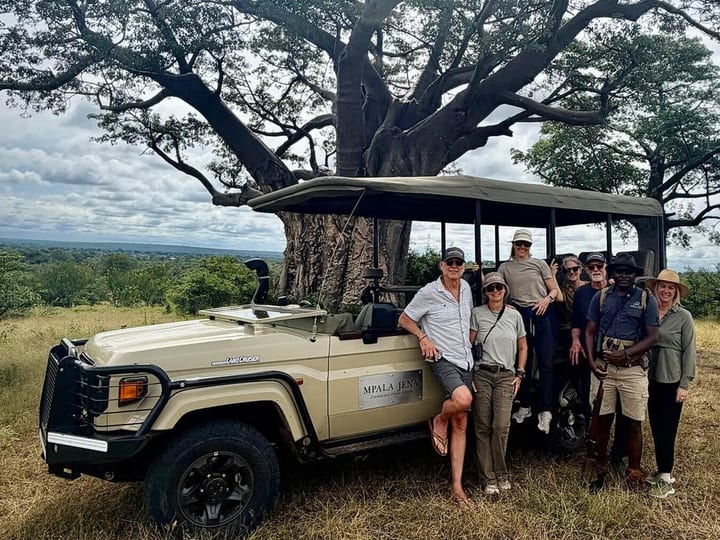
Four-wheel-drive arrived in 1948 in the form of Land Rovers, which greatly improved over-ground transportation and became indelibly associated with safari style. Seasonal tented camps started to pop up as bases for hunting expeditions and movie crews. Their infrastructure could accommodate several groups at one site, eventually making the safari experience more accessible to more people.
This period was the heyday of the professional “White Hunter,” a term that hasn’t held up well. The role of Black Africans in the safari world has been woefully overlooked historically, though exciting progress is being made in this regard.
Out with Hunting, In with Photography
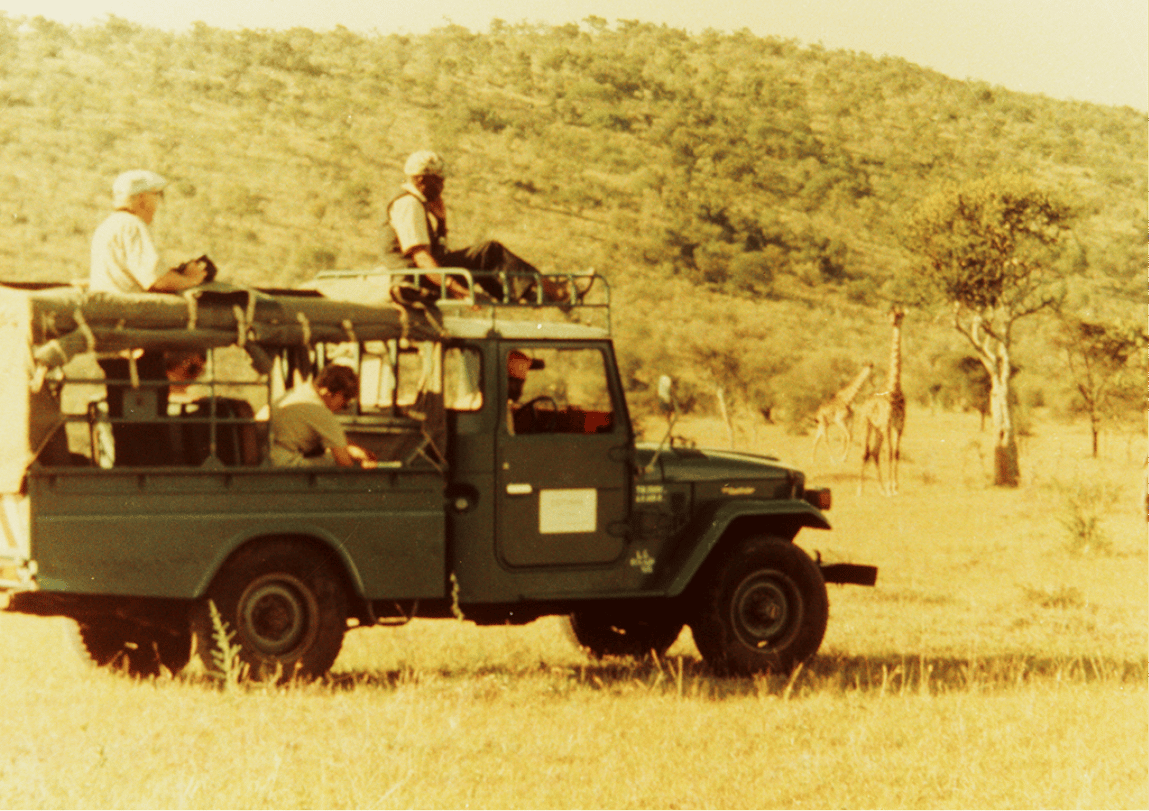
Charles Cottar’s son Glen and his wife Pat pioneered photographic safaris in the early 1960s. This was prescient, as Kenya, which achieved independence in 1963, would ban hunting in 1977.
Professional hunters took clients to other locations in East Africa, like Tanzania, and much of the hunting action shifted focus to Southern African countries. Zimbabwe, for example, had a famously rigorous professional hunters and guides association. But many of those Zim guides eventually transitioned to the photographic arena, and the industry gradually began to flourish.
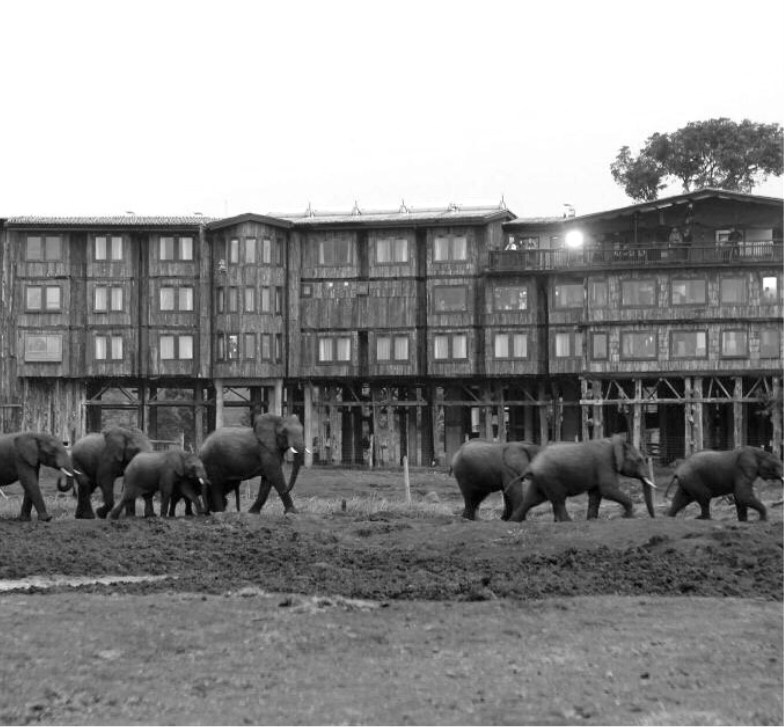
In his Safari book, Bartle Bull lamented the passing of the hunting era on the grounds that it led to an increase in poaching and habitat loss for wildlife, because it eliminated incentives to protect hunting grounds. This time also represented the transition from the more rugged, sporting approach to a softer type of vacation.
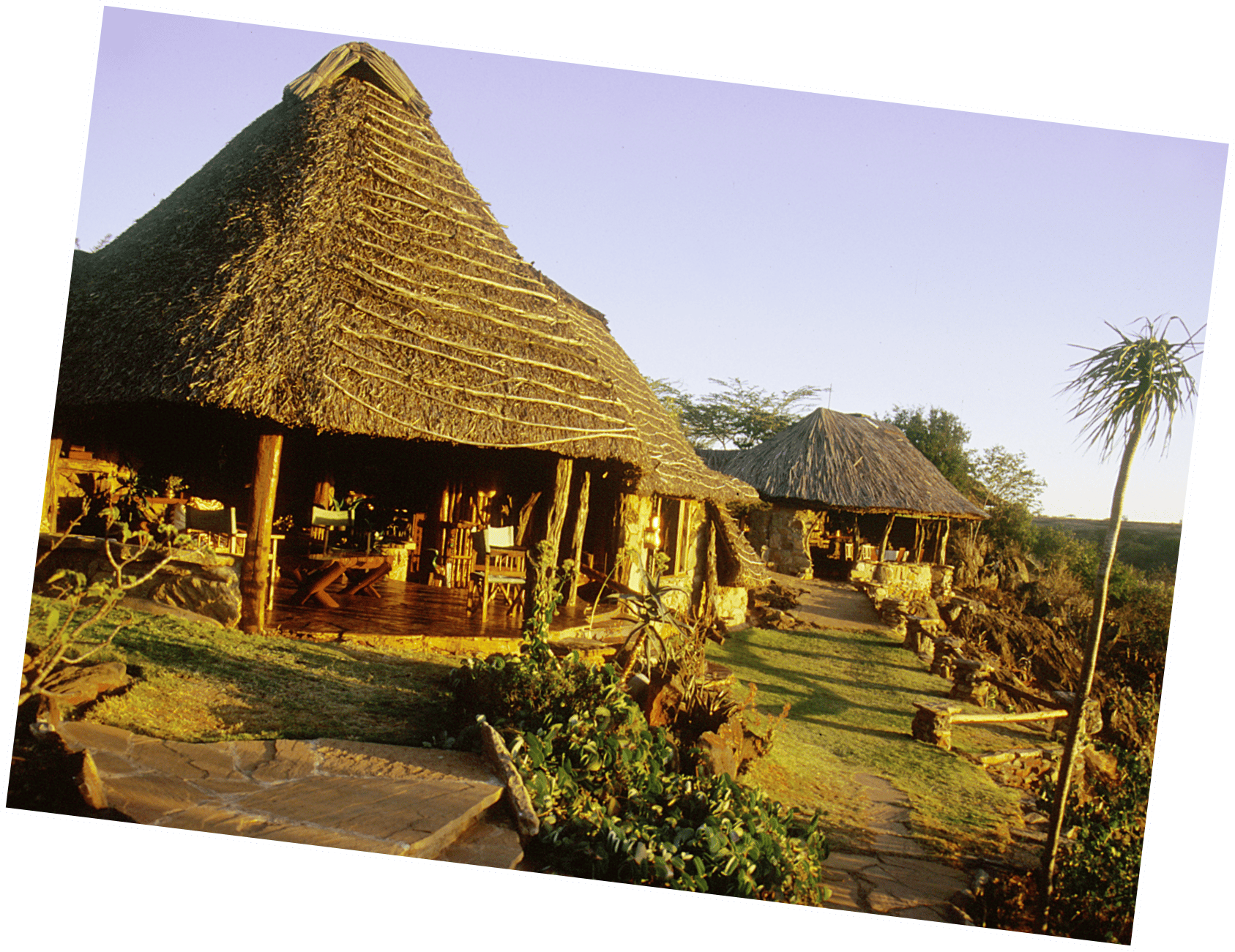
Yet, the romanticized vision of “vintage” safari style still echoes a century later—and nowhere more so than at Cottar’s 1920s Safari Camp in the Masai Mara. It has been operated by Charles’s grandson Calvin since the mid-90s, and the cinematic staging owes to the popularity of the 1985 film Out of Africa, which starred Meryl Streep and Robert Redford.
Make Yourself at Home
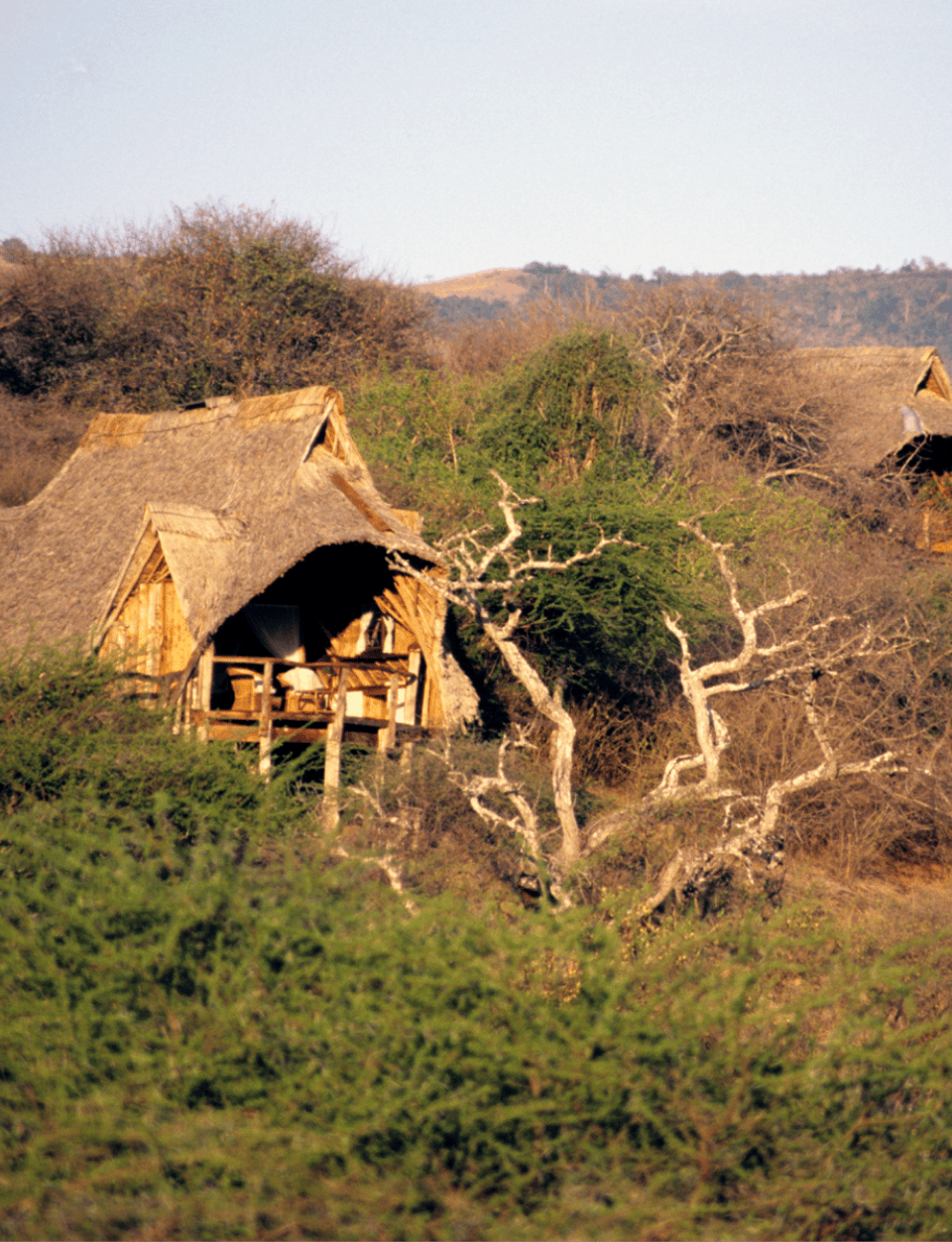
Prior to the '70s, there were really only two ways for Americans to go on safari: Either by staying in large mass market chain hotels and taking game drives in crowded minibuses, or on private mobile camping safaris meant for small groups.
But a revolution in safari style was born when a handful of visionary ranchers and farmers started converting their holdings to wildlife conservancies and opening their private homes to guests. They formed a consortium called the Bush Homes of East Africa, with guests traveling from one lodge or camp to another, experiencing vastly different hosts, habitats, and communities.
Importantly, these landowners had multi-generational ties to local tribespeople, and they strove to partner with them in the expansion of conservation areas. This collaborative strategy has been vital in wildlife protection throughout the country.
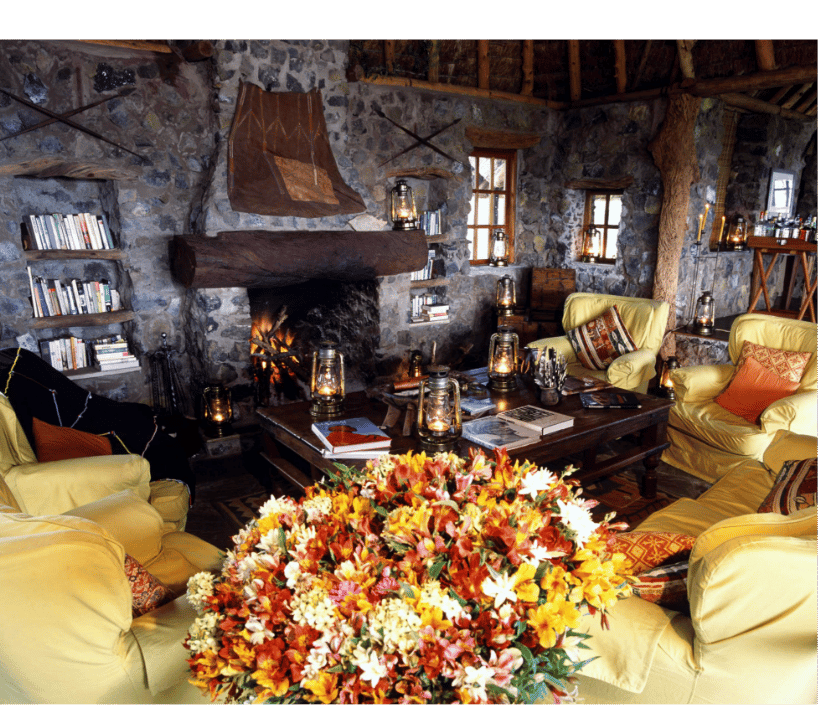
Among the original Bush Homes are legendary Kenyan outposts that still operate decades later, including Lewa Downs, Borana, and Ol Malo, to name a few. UNCHARTED owners Chip and Sandy Cunningham joined up with Bush Homes when they managed Ol Donyo Wuas Lodge for the legendary guide Richard Bonham.
The Cunninghams eventually became the American arm of the group, and ran with the original Bush Homes concept while expanding across the globe to South America, Antarctica, Australia, India, and beyond. Their partners in these locales still share a commitment to personal hospitality in exquisite natural environments, conservation, and community empowerment.
21st-Century Safari Trends
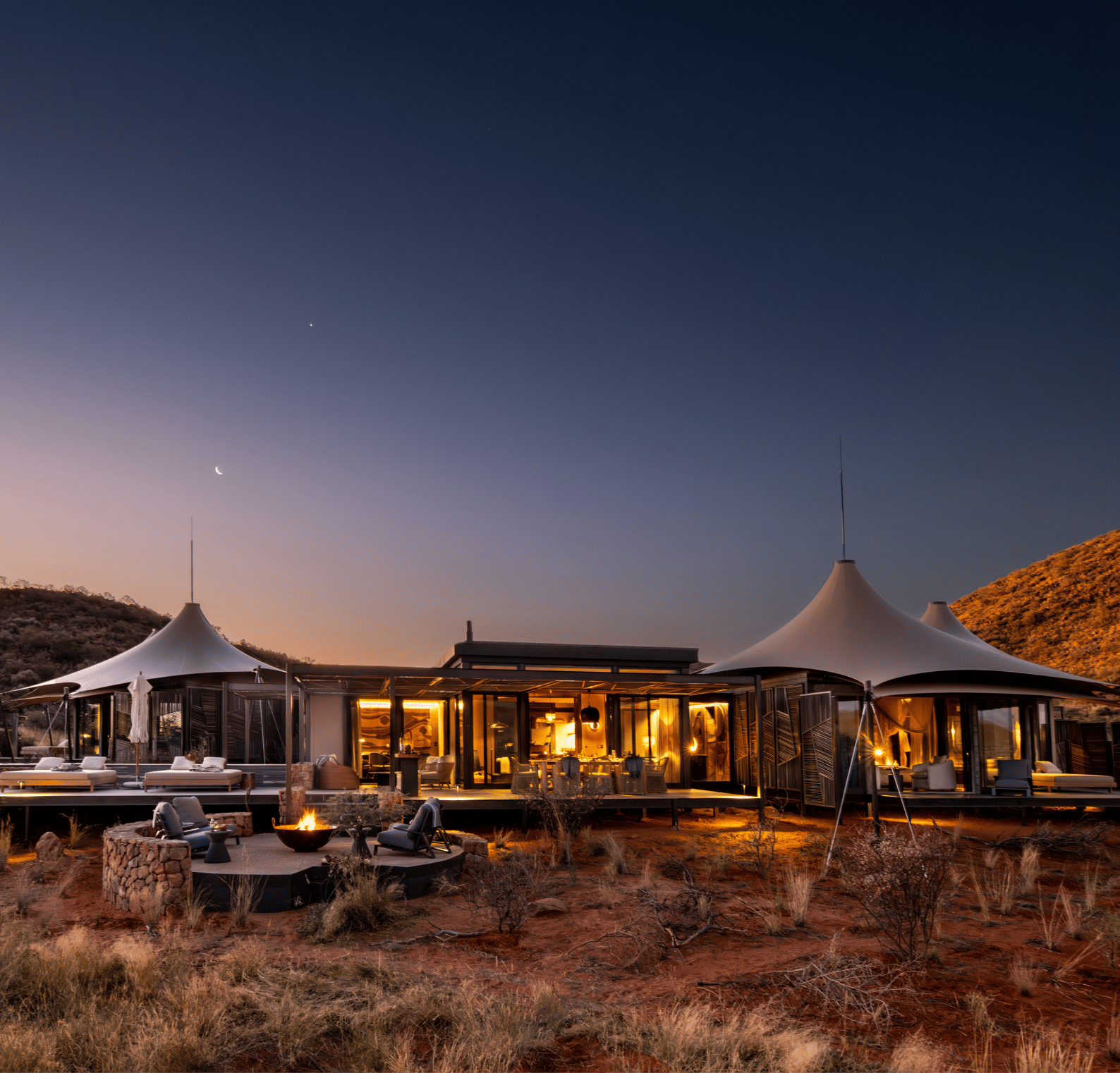
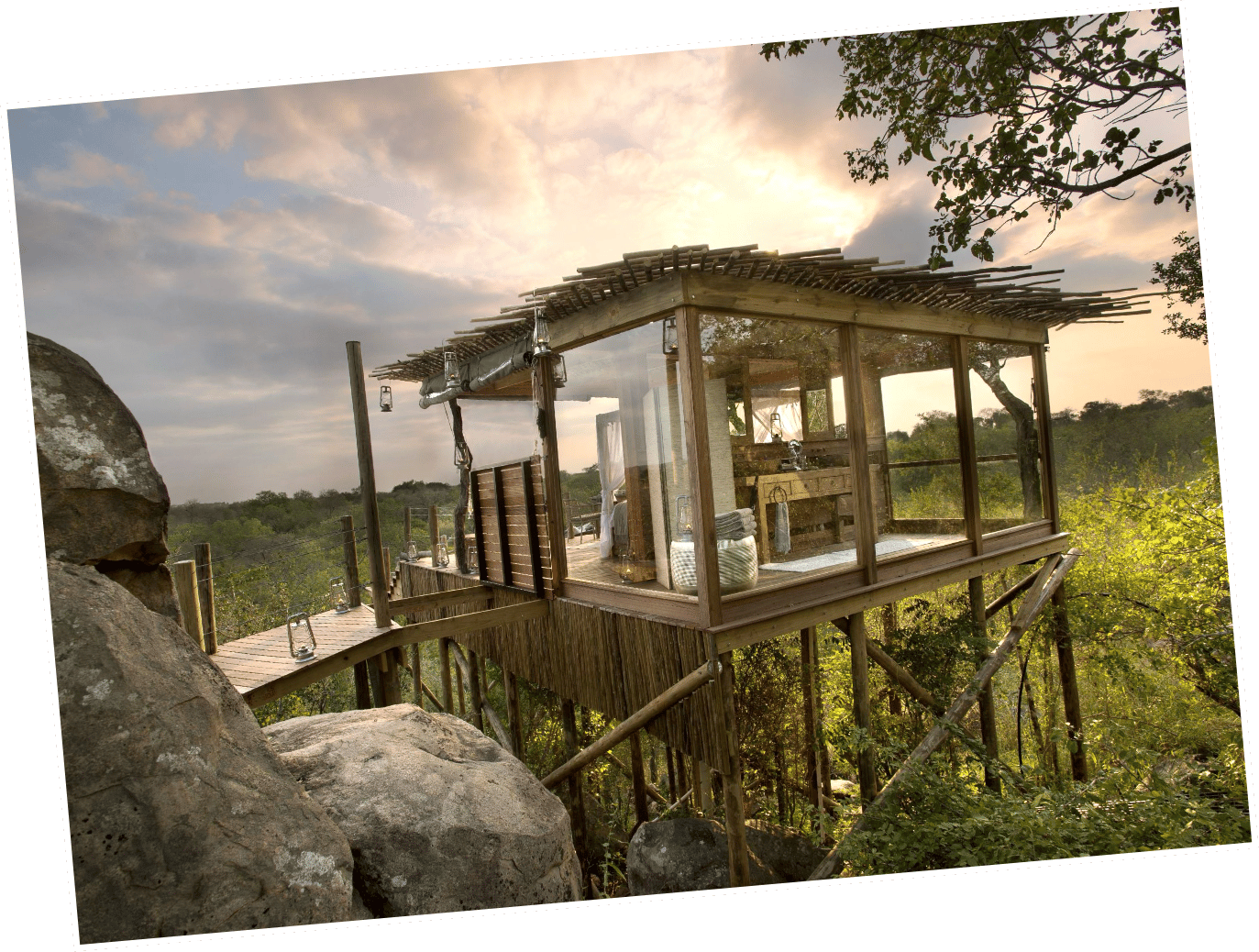
The rapid modernization of the safari experience is fully in evidence in and around Kenya’s Masai Mara Reserve, which is arguably the most famous wildlife-viewing locale in the world. Renovated vintage camps and new state-of-the-art lodges express the changes that have, and are, taking place in response to new technology, corporate ownership, and guest demands.
Then: bucket showers filled with just-enough water heated by firewood
Now: spa-like showers, hot tubs and plunge pools
Then: canvas tents with zippers and flys
Now: canvas-lined walls in rooms with glass doors and keyed locks, not to mention coffee makers and minibars
Then: in-room whistles to call for assistance
Now: in-room iPhones
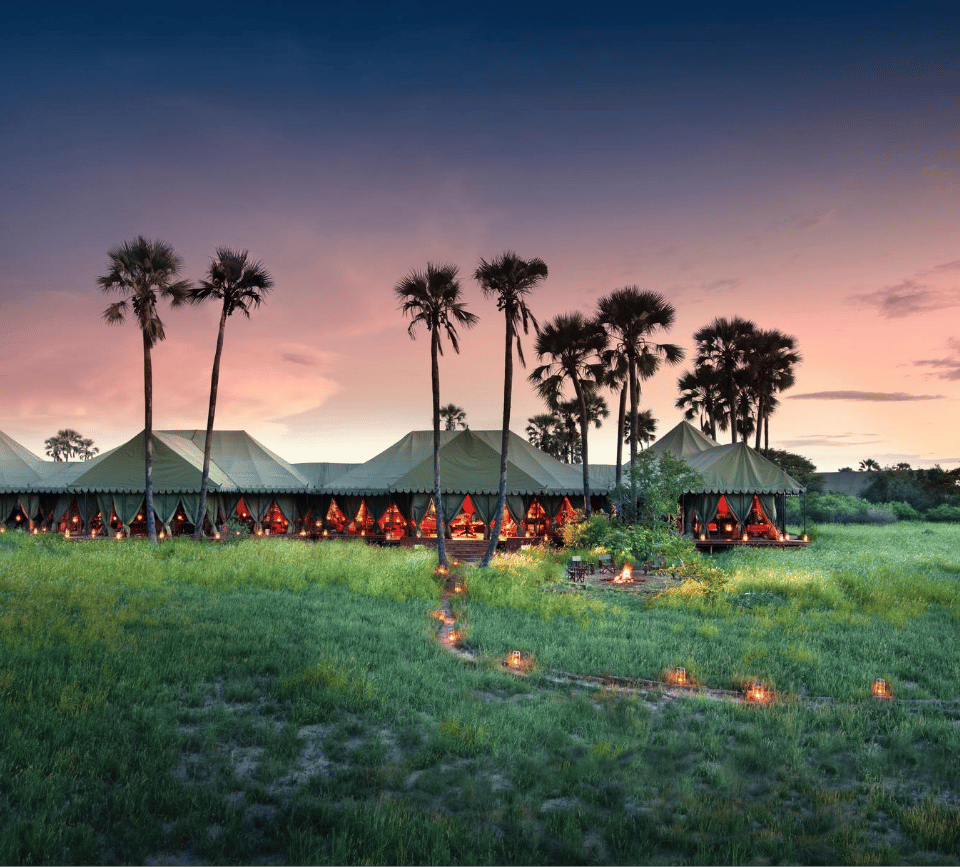
Then: basic meals cooked over open flames
Now: Michelin-quality cuisine prepared by chefs
You get the idea: These days, the safari camp is in danger of becoming a bush version of an international hotel. But there are still camps where the emphasis is more on learning close-up about creatures than indulging in creature comforts. And, there’s a lot to be said for some of the recent advancements! For instance, many camps are equipped with state-of-the-art cameras and photo editing studios that enable shutterbugs to capture and edit their adventures in real time.
More significantly, the race to create ever-more luxurious camps and lodges, most owned by foreign interests, is facing pushback from Black Africans who are staking a claim in their backyard. In the Masai Mara, tribespeople are becoming guides, hosts, managers, and owners, and the local Maasai have established wildlife conservancies on the perimeter of reserves where their communities benefit economically from safari tourism while maintaining their pastoral lifestyles.
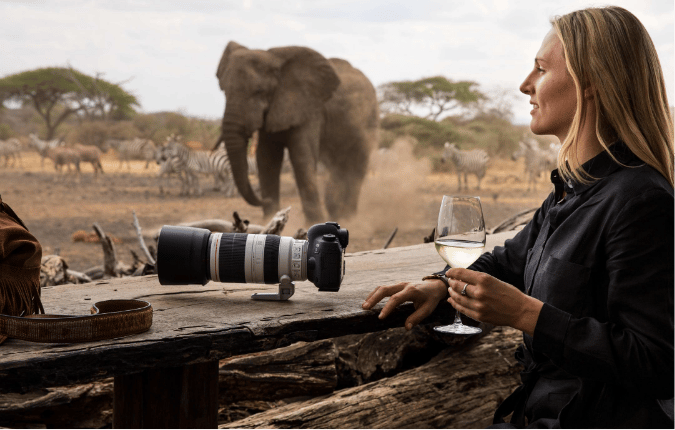
If successful, post-colonial Africanization of this industry will ultimately enhance the quality of the guest experience, and support local interests—which must be accommodated. This step is very much a work in progress, and what exactly it means for the evolution of safari camp style remains to be seen!
Make An Inquiry