 By The UNCHARTED® editors · 5 min read
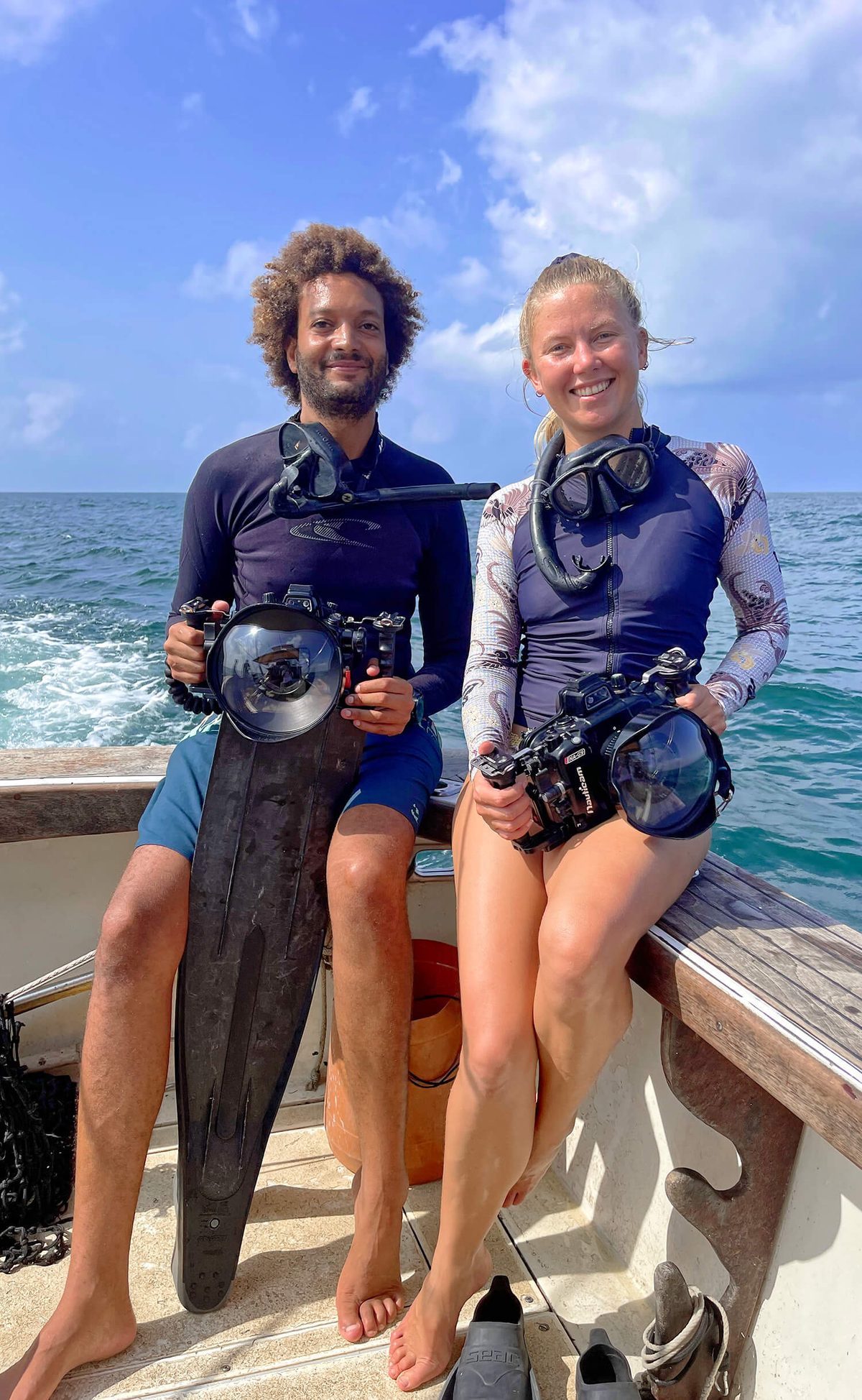
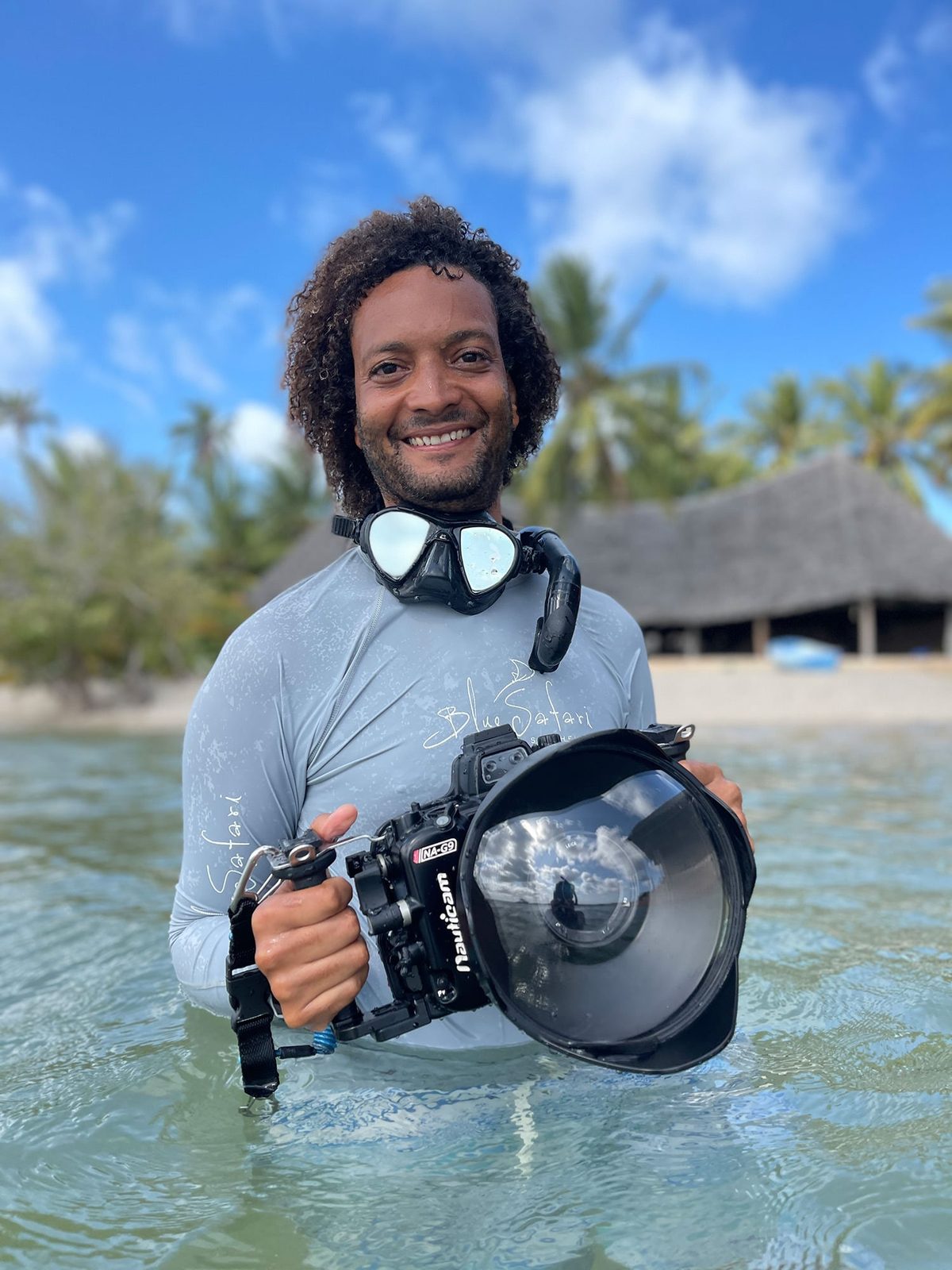
It’s likely that many of us who are passionate about safari tourism in East Africa—from the transformative wildlife experiences to the cross-cultural connections—have been shortchanging ourselves by neglecting to add the Indian Ocean coastline into our itinerary. In Kenya’s Lamu Archipelago, Elke and Jahawi are on a mission to correct that oversight.
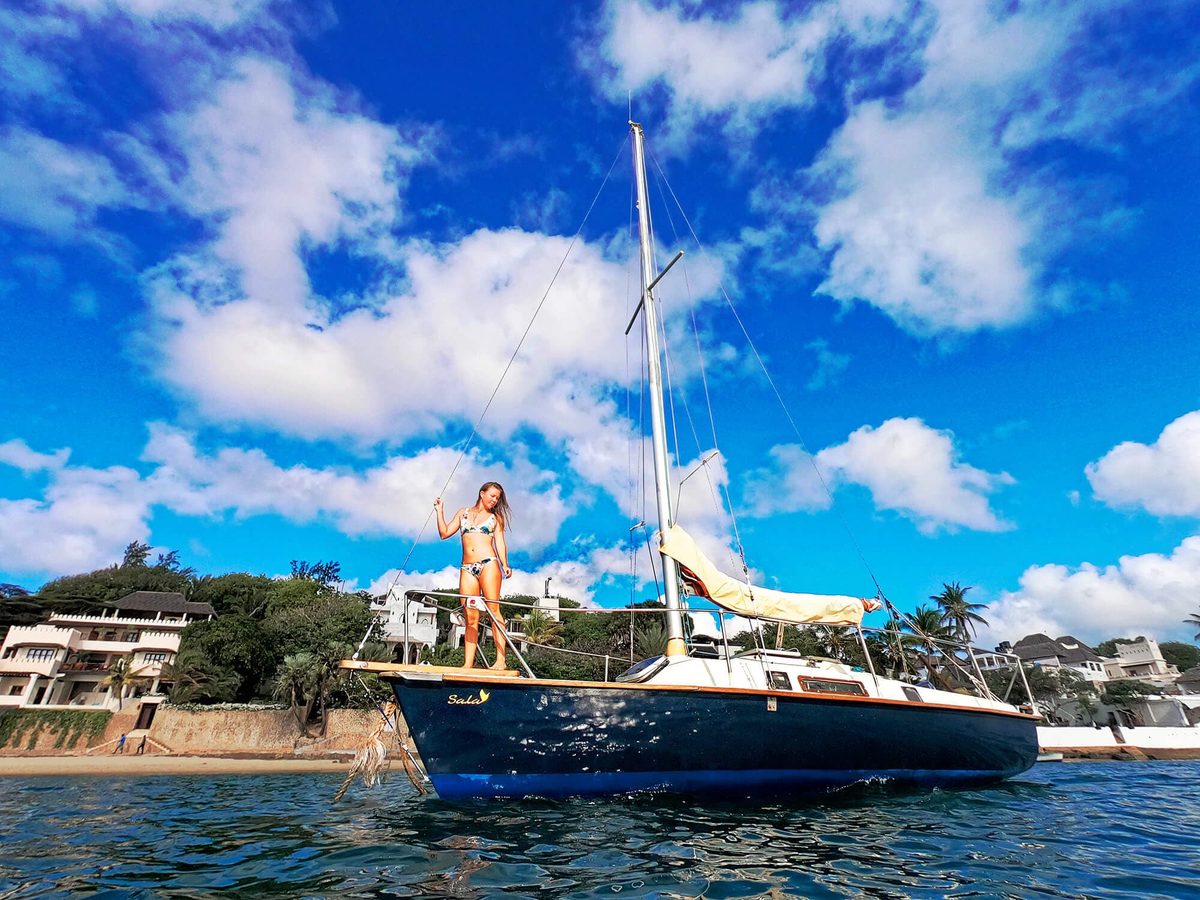
The Bertolli’s beloved Lamu island is barely six miles long, but it packs in seven centuries of exotic history, Swahili traditions, and a wildly diverse marine habitat.
The couple uses their multimedia production company, Africa Underwater, to inform audiences worldwide about the assets of and threats to the Kenya coastline. Lamu locals depend on the surrounding fisheries for their livelihoods, and their traditional methods are sustainable – unlike those used by unscrupulous interlopers in other parts of East Africa who employ dynamite fishing and other destructive tactics that threaten entire ecosystems and economies.
In addition to making award-winning underwater films together, Jahawi is a National Geographic Explorer and has given talks at international conferences all over the world, including the inaugural West African Marine Science Symposium and the ChangeNOW forum in Paris. On the day we interviewed the couple, he was about to embark to Norway for One Ocean Week, a United Nations-sponsored summit. They have campaigned for the creation of marine protection areas and help run the Lamu Marine Conservation Trust (LaMCoT), a non-profit started by Elke’s family, who also own the timeless Peponi Hotel, an UNCHARTED Outpost. Through LaMCoT, they engage with locals to protect the native turtle population, and educate and empower the next generation of ocean stewards.
Read on to discover why spending a few days beachside post-safari is entirely worth it!
The interview has been edited for clarity and concision.
Q:
What would you tell travelers to entice them to tag a stay in the Lamu region onto the end of a safari-themed journey?
Elke:
Safaris are really full-on days. You’re up early and you’re in the car. So I always say, end at the coast. It takes you to another world—sail on beautiful dhows, walk around barefoot, enjoy the beach. It’s a lovely way to round off a trip.
Q:
What is a traveler's experience like when it comes to Swahili culture?
Elke:
Lamu is the oldest, best-preserved, still-inhabited settlement on the East African coast. The Swahili culture grew from these communities traveling from India and China, Yemen and Oman, and trading down towards Zanzibar and as far as Mozambique. It was mainly the ivory and slave trade, so there’s history here, and the culture is really rich. National Geographic started a genome project in Pate Island because of the [diverse] mix of genetics.
Lamu Town is similar to Zanzibar Stone Town in that there aren’t [really] roads and cars, so it’s like life is going on very much as it was. One beautiful thing is that a lot of traditional architecture [has been preserved].
"
Life is going on and has grown with tourism, and it's got that energy of a nice little town where people are still doing things that are still very much in the culture of the Swahili."
Q:
How would you describe the marine habitat in Kenya?
Elke:
We have over 500 kilometers of coastline. Along the south it's mainly a fringing reef, so it’s shallow and then drops off. [In] Lamu it's more like a plateau, and we have 70 percent of the country’s mangroves.
Jahawi:
The Lamu Archipelago starts north of Malindi. South of Malindi is the quintessential palm tree-fringed, white sandy beach with that whole tropical ocean vibe. But as you go north, it turns into these big rolling sand dunes, and we've got two big rivers. So the conditions are a lot more variable: Stronger currents, huge seagrass beds, and softer coral. That creates a really dynamic marine habitat. Because of these currents, we also get plankton blooms, which [in turn] bring in a lot of the big pelagics, like sharks, and big tuna runs. It's megafauna-rich!
Q:
How accessible is recreational diving and snorkeling?
Jahawi:
The window of good visibility for scuba is short. But there are some really critical and beautiful snorkeling sites, [and] we're trying to protect two of those areas. One is on the open ocean side, a little island called Kinyika that is just a magnet for fish life [and whale sharks]. And then another one that is adjacent to the mangroves. And that's a really lovely day trip—you travel by dhow and have a barbecue.
Q:
What are some primary threats to sustainability for the region?
Elke:
A lot of the fish stocks are depleted. Sadly, there is a lot of overfishing, from small-scale boats to large trawling ships. It's just quite difficult to monitor. So by creating these protected areas and working with communities who have actually fished there [for generations], we ensure and encourage enforcement.
The incredible thing about the Swahili people is that they're born of the ocean, so for them it's part of their heritage. They've grown up being taught how to fish from their fathers, and there's a deep connection. Communities [want to] push out migrant fishers who are using unsustainable, illegal ways.
Jahawi:
They're feeling the pressure and seeing all these people coming into their marine environment and utilizing their resources. And they don't want it to go that way. They want it to be a sustainable resource that can continue. So there's this drive to actually [create] an ocean use plan, which is fantastic.
We're trying to get more people involved [through] swimming and diving. [The ocean can be] an incredibly hard space to access [even] after you learn to swim…it is expensive to learn how to dive. But then, all of a sudden, you’re getting first-hand knowledge and will become the instrument of change. Once it comes from that community within, you start seeing people effect change.
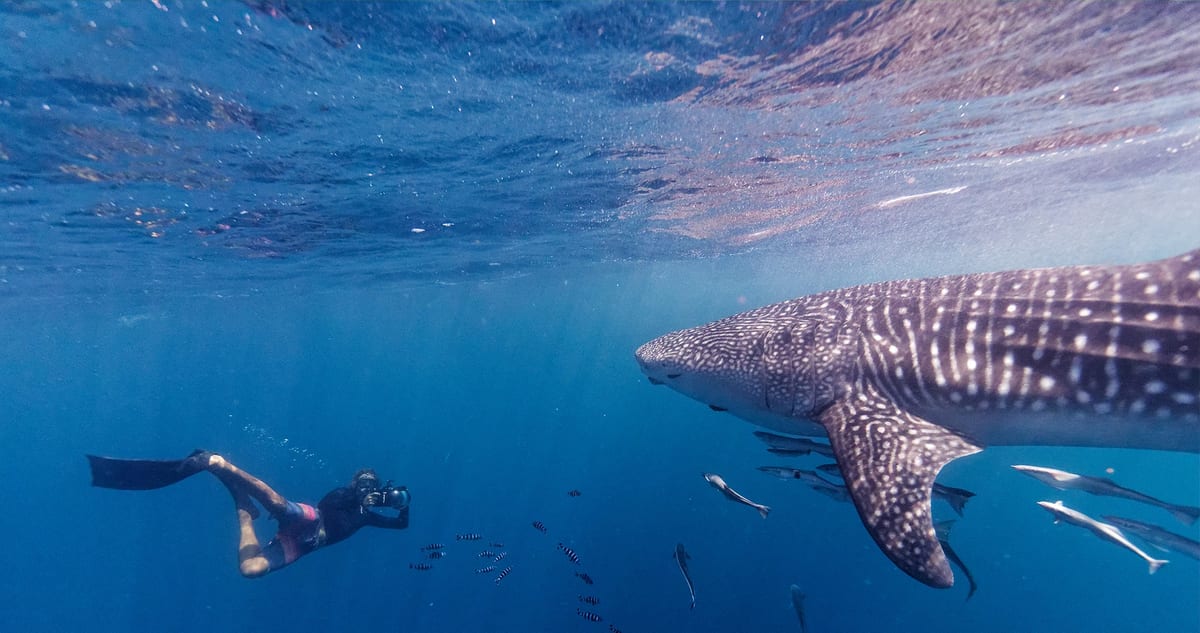
"If you think of Lamu, that's where you get a lot of the big pelagics, sharks, and the last big tuna runs coming through. So it's megafauna-rich."
Q:
What is the role of tourism in all of this?
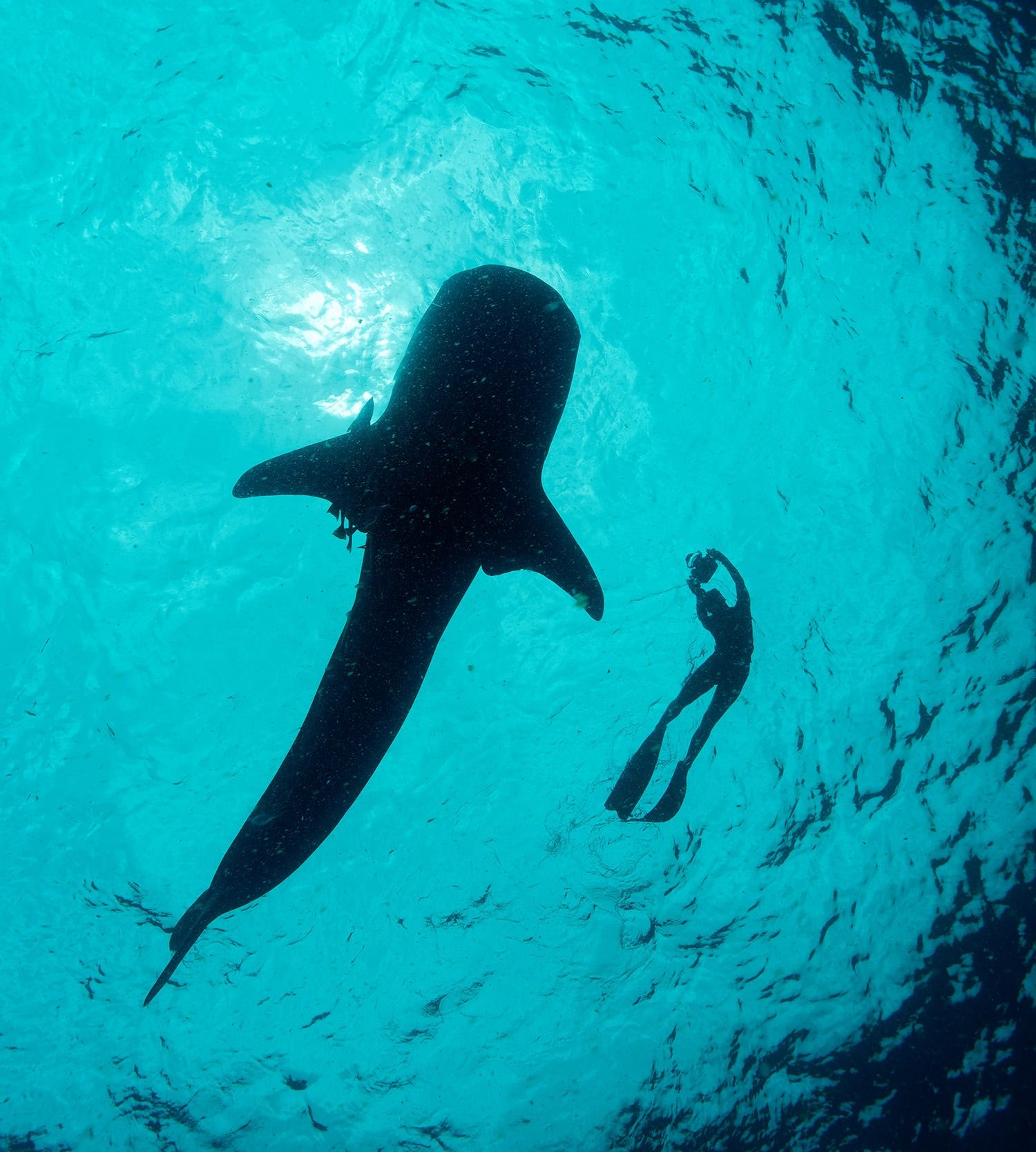
Jahawi: We had this incredible whale shark aggregation the last two years, and local fishermen and tour operators [realized] people wanted to see and swim with them. It kind of changed the way [they] viewed the ocean from a place that's just extractive for food. If people were behaving badly and jumping on whale sharks, that's not good—they want the whale sharks to come back.
[This] led some of the fishermen and tour operators to come together [because] they wanted to put guidelines in place about responsible whale shark watching. So travelers can really help drive a change in mentality [for] the benefit of marine conservation. And, you bring in alternative sources of income that can be a lot more consistent [for] a fisherman, who [otherwise is] having to deal with an uncertain future because conditions are changing and fish stocks are getting less and less.
Elke: There are [several] ocean trips and excursions people can do, but there are other alternatives. With the Lamu Marine Conservation Trust, we protect turtle nests, so if there’s a hatch, you can go and watch. In the mangrove areas, where there are beautiful birds, boardwalks have [also] been created!