 By The UNCHARTED® editors · 4 min read
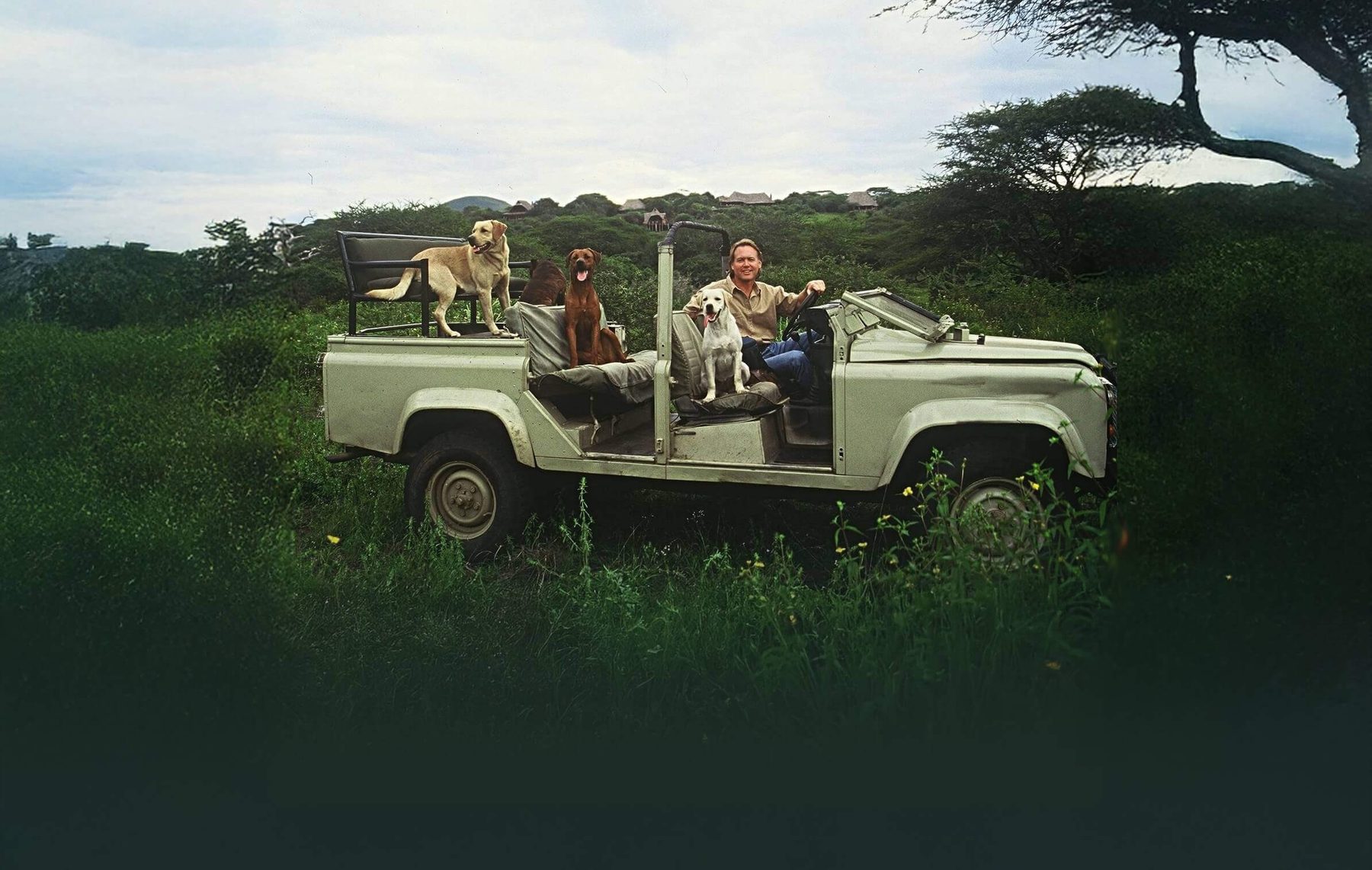
We never set out to create something called the Global Safari. It just evolved naturally from a life deeply lived in the bush.
Back in the mid-90s, when Sandy and I were newly married, we were running Ol Donyo Wuas, a small lodge in Kenya’s Chyulu Hills – the Green Hills of Africa. It was part of a remarkable experiment called Bush Homes of East Africa, an association of private ranches, intimate lodges, tented bush camps, jungle hideaways, and coastal sanctuaries in Kenya and Tanzania. They were established with a shared belief in low-impact travel, homespun hospitality, and deep connection with place.
it's time for a life-changing adventure
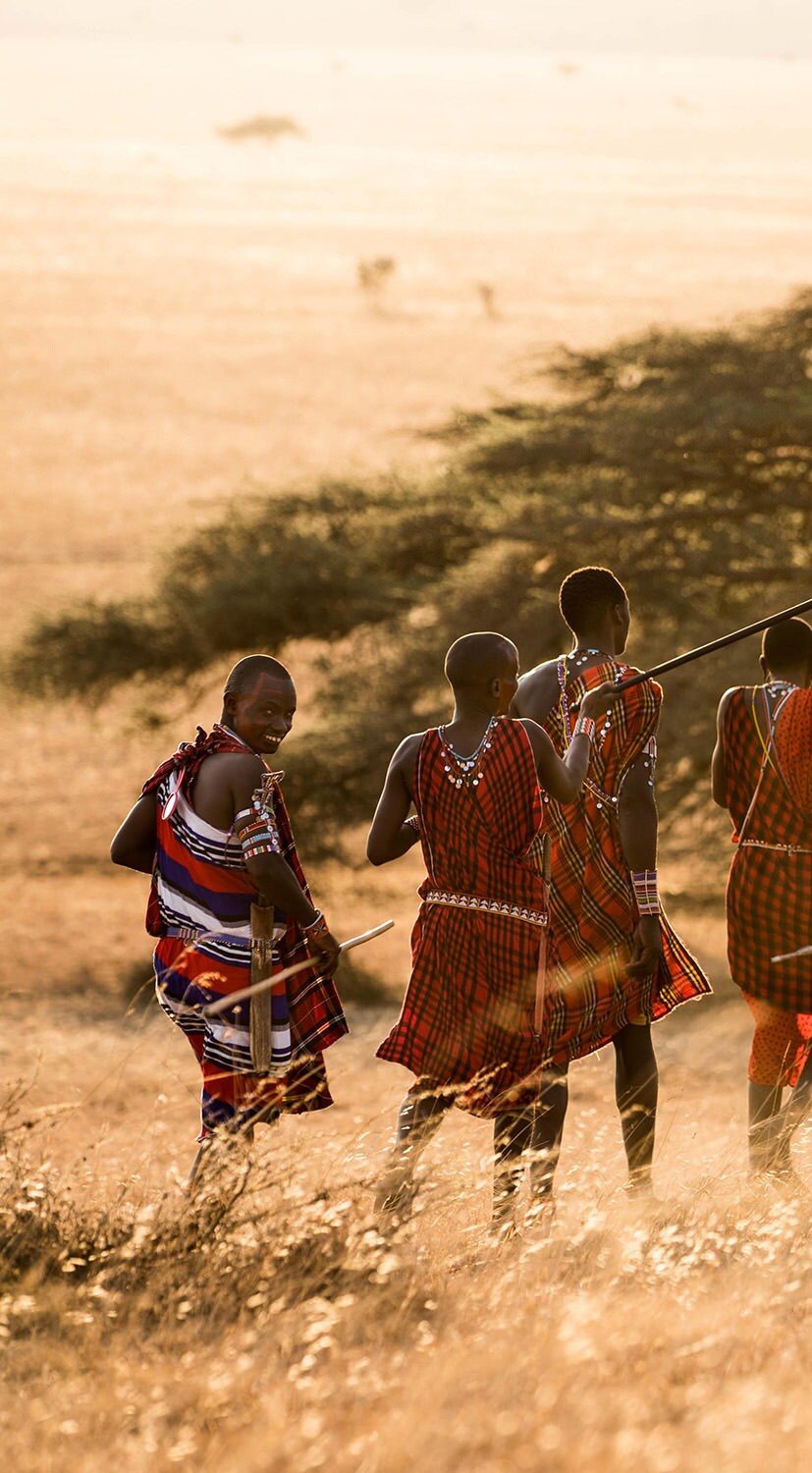
I was a bush pilot in those days, flying guests between the lodges in a Cessna, skimming over herds of elephant and acacia-studded plains. Sandy — born and raised in Southern Africa — ran the camp, creating that rare alchemy of warmth, grace, and humor that turns visitors into lifelong friends. Our landlords, guides, and partners were the Maasai of Mbirikani Ranch, who owned the 250,000 acres surrounding the lodge. The experience was intimate, wild, and ecologically ethical long before “sustainable travel” became a buzzword.
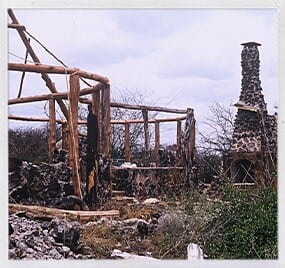
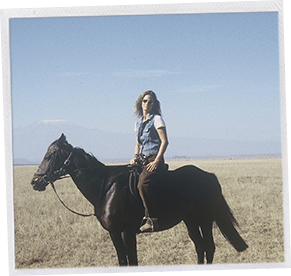
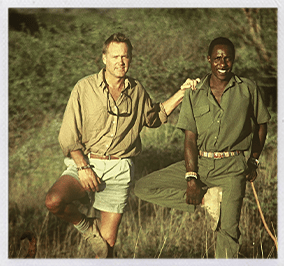
Guests would spend two or three nights at each Bush Home, guided by expert naturalists and hosted by families who lived on the land. It was safari as it was meant to be — first-class but unpretentious, adventurous, and rooted in conservation and community. The Bush Homes style was born from the romance of the Out of Africa era, but evolved into something distinctly modern: taking pictures, not animal trophies; forming partnerships, not hierarchies.
That model — that ethos — became the foundation for everything Sandy and I would go on to build as luxury adventure travel specialists.
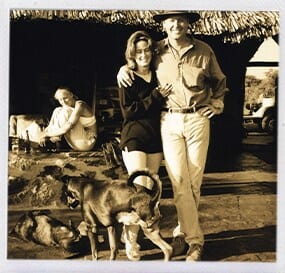
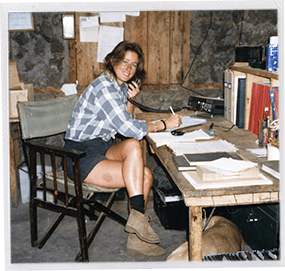
"We didn’t set out to become UNCHARTED: The Global Safari Brand, the concept just evolved naturally from a life deeply lived in the bush."
Over the past 30 years, UNCHARTED® has carried those principles far beyond Africa, connecting with like-minded pioneers around the world who believe travel can be a force for good. Together, they comprise a loose network of camps, lodges, and guides across the planet who share a certain DNA — authenticity, stewardship, and soul.
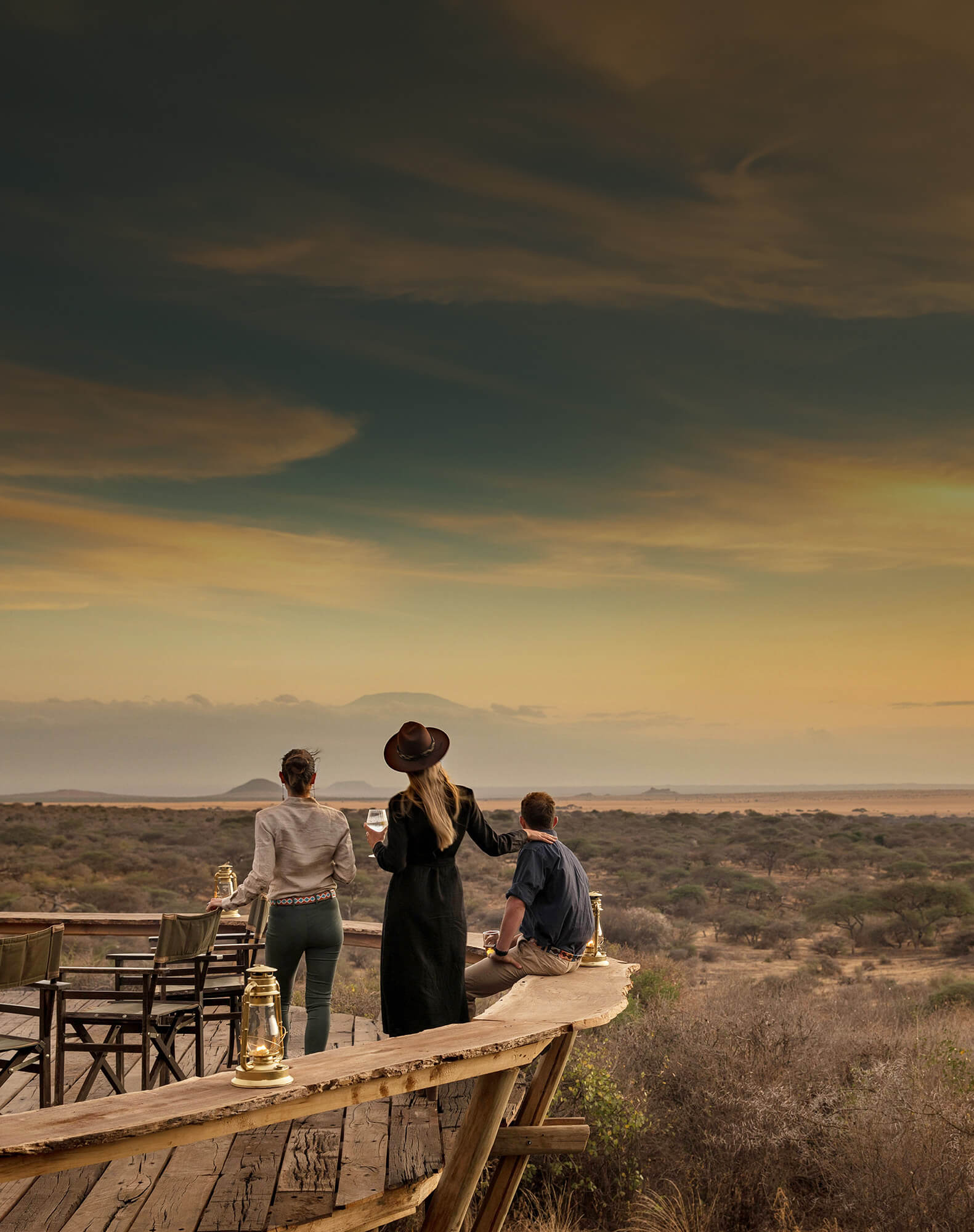
There’s Drew Kluska, who was cutting his teeth up north at Lewa Downs when we were in southern Kenya, and later brought that same safari spirit home to Australia. Today, he represents one of the most extraordinary collections of lodges anywhere in the world.
"Safari in Hemingway's Green Hills of East Africa."
There’s Amit Sankhala and Indy Latey in India, heirs to a conservation legacy that began with the formation of tiger reserves. Their brand of hospitality carries the same quiet integrity we learned in the Ol Donyo days.
And there’s Shinta Mani Wild in Cambodia, which blew us away on our family’s Southeast Asia safari — we named it The World’s Most Fabulous Outpost in our Global Safari Awards last year.
We see that lineage alive in Ecuador’s Galápagos Safari Camp: small scale, conservation-minded, deeply personal — the spirit of the Bush Homes reborn on another continent.
Everywhere we go, the same pattern repeats. The operators that we call allies share a set of core truths we learned all those years ago at Ol Donyo:
Safari-style travel is about human connection and cultural immersion.
Seamless logistics make true wilderness accessible.
Conservation and community development aren’t niceties — they are the business.
Luxury should never come at the cost of authenticity.
Travelers today crave meaning as much as comfort.
Trust and relationships still move mountains.
Sustainability isn’t optional; it’s survival.
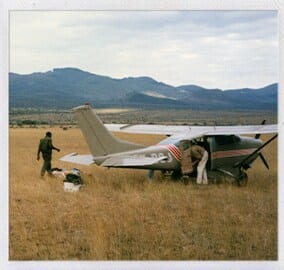
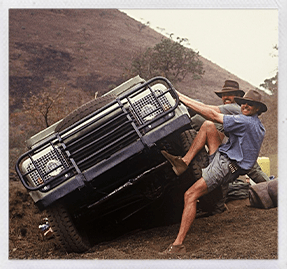
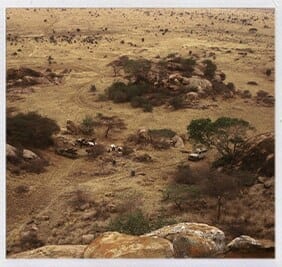
As for Ol Donyo Lodge itself, it’s now in the brilliant hands of Dereck and Beverly Joubert of Great Plains Conservation — National Geographic filmmakers, photographers, visionaries, and old friends who’ve elevated it into one of Africa’s great lodges. Starbeds, plunge pools, Relais & Châteaux cuisine — the standards have risen, but the soul remains. The partnership with the Maasai and the protection of the elephant corridor between Tsavo and Amboseli are still central. That continuity means everything to us.
We may have coined the Global Safari tag to describe our business, but it isn’t something we built. It’s something we were part of from the start, a living legacy that began in the Green Hills of Africa and now stretches across the world, carried on by people who believe that wild places are sacred, and that travel, when done right, can change the world.
CREATE YOUR DREAM SAFARI
The Evolution of the Global Safari