 By The UNCHARTED® editors · 3 min read
Patagonia has a way of making you feel very small very fast, but Estancia Cerro Guido makes you right at home in this overwhelming country.
Named “Puma Country's Premier Gaucho Getaway” in our
2026 Global Safari Awards
, the ranch sits on 275,000 acres of steppe, mountain, and riverine country pressed against the western wall of Torres del Paine National Park.
This historic estancia is one of the last great working sheep ranches in Chilean Patagonia. Guests have almost too many activities to choose from, including hiking, fly fishing, horseback riding, and 4x4 excursions. Visitors can also partake in traditional ways of
(as gauchos are known thereabouts) ranch life, tag along on puma tracking excursions, and can even hunt dinosaur fossils.
baqueano
The Estancia:
History Remains Alive
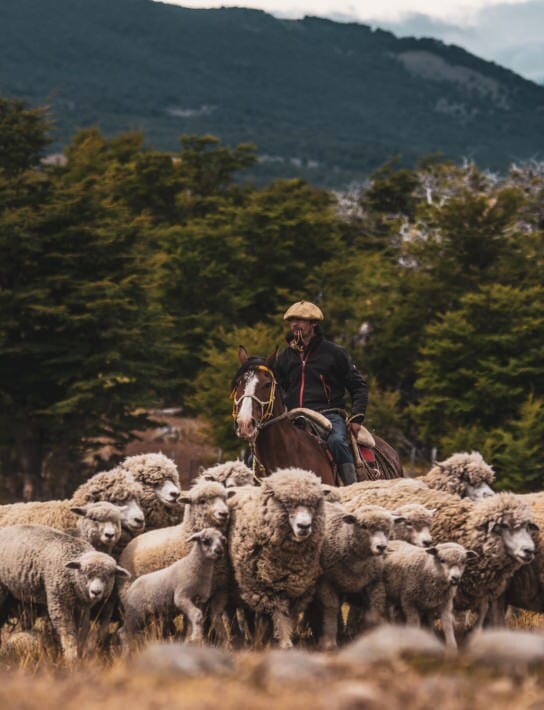
European settlers first arrived in the 1890s, and by 1906 it had taken shape as the sheep operation it would remain for more than a century. In the 1960s, British mountaineers used it as a base camp for the expeditions that made the first ascent of the Central Tower of Paine.
WHEN TO GO
Late Spring – Early Fall
IDEAL FOR
Couples & Explorers
Today the gauchos work the land the way they always have, reading the weather, moving the flocks, covering the steppes on horseback. Guests ride with them, eat with them, and pick up something about how a person – a deep-seated culture – develops a lasting relationship with a staggering landscape.
GEOGRAPHY
Patagonian Steppe
The lodge draws on the original settlers’ English country style, with warm rooms and panoramic windows facing the granite massif of Torres del Paine. In the dining room centers on El Ruedo, the asado courtyard, where lamb from the ranch's own flocks goes over the fire in the traditional Patagonian way. The menu includes garden vegetables and local ingredients prepared by a kitchen crew that knows exactly where everything came from.
TOP EXPERIENCE
Tracking Pumas
The Experience:
275,000 Acres, No Two Days the Same
The land itself is the activity director here, and it has a lot to work with. On horseback, gauchos lead rides that range from gentle morning crossings to full-day expeditions across ground that hasn't changed for eons. This is an invitation to move through a pristine landscape the way it was meant to be moved through.
Hikers can go as deep as they want. The Sierra Baguales is a full-day, high-difficulty traverse into fossil country, where dinosaur remains surface from the badlands and researchers have been picking through the geology for years. The Chenque Cerro Guido is an eight-hour summit push. For something more accessible, Sarmiento Lake and the Bosquecito Lookout are half-day walks through the quieter, stranger corners of the property.
Then there is fly fishing on rivers that see almost no one, e-bikes through the open steppe, and an archaeology excursion that moves through indigenous and historical sites most visitors to Patagonia will never know exist. The Estancia Day pulls everything together: horseback riding, the lamb asado, vegetable harvesting, the full rhythm of a working ranch condensed into one long afternoon. It is the kind of day you will still be talking about for years to come.
Living With Pumas in Patagonia

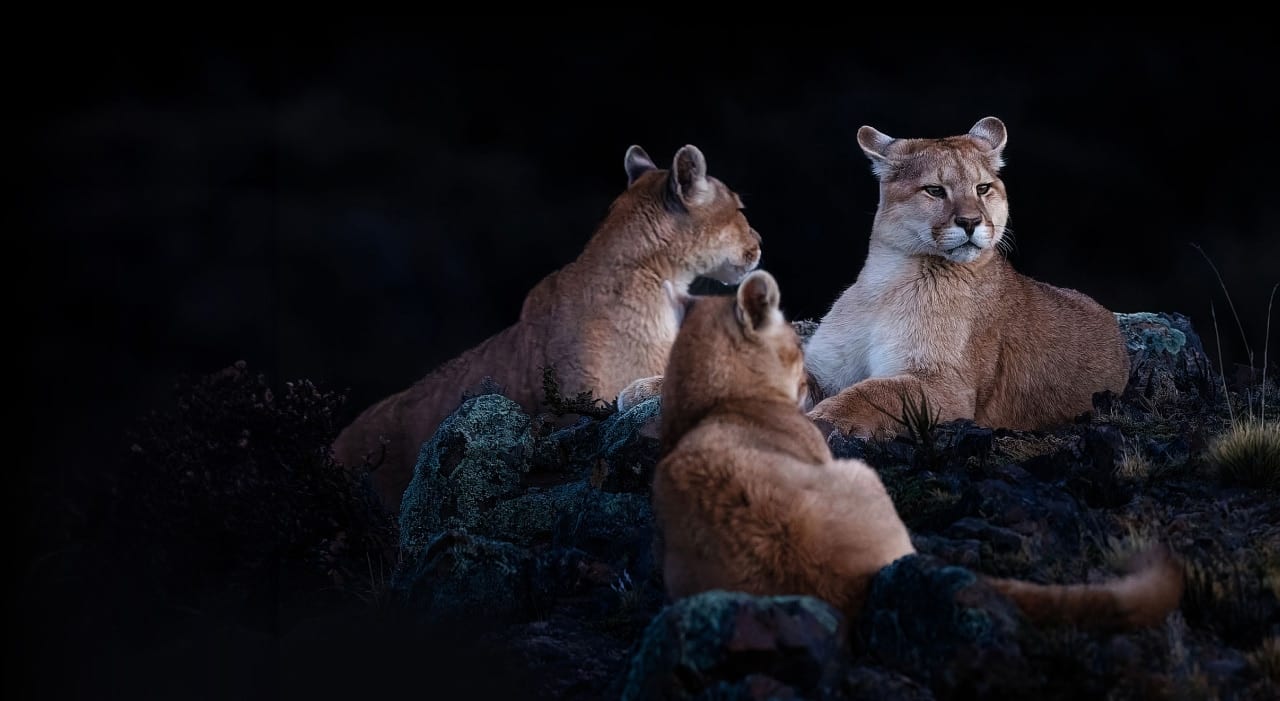
For generations across Patagonia, the answer to a puma near the livestock was a dead puma. In 2019, the estancia launched the Fundación Cerro Guido Conservación to prove that a working sheep ranch and a healthy puma population could share the same territory. Puma populations are now thriving.
For travelers, this translates into access to an active conservation program in one of the world's great wilderness landscapes. The Conservation Safari takes you into the field with professional trackers who spend their working lives studying these animals. You see the camera trap network, learn to read the signs pumas leave behind, and understand the territory the way the people protecting it do. The probability of a sighting is high.
What makes Cerro Guido's story different from a standard dude ranch or eco-lodge is that the sheep are still here, the baqueanos are still working, and the pumas are still here, too.