 By The UNCHARTED® editors · 5 min read
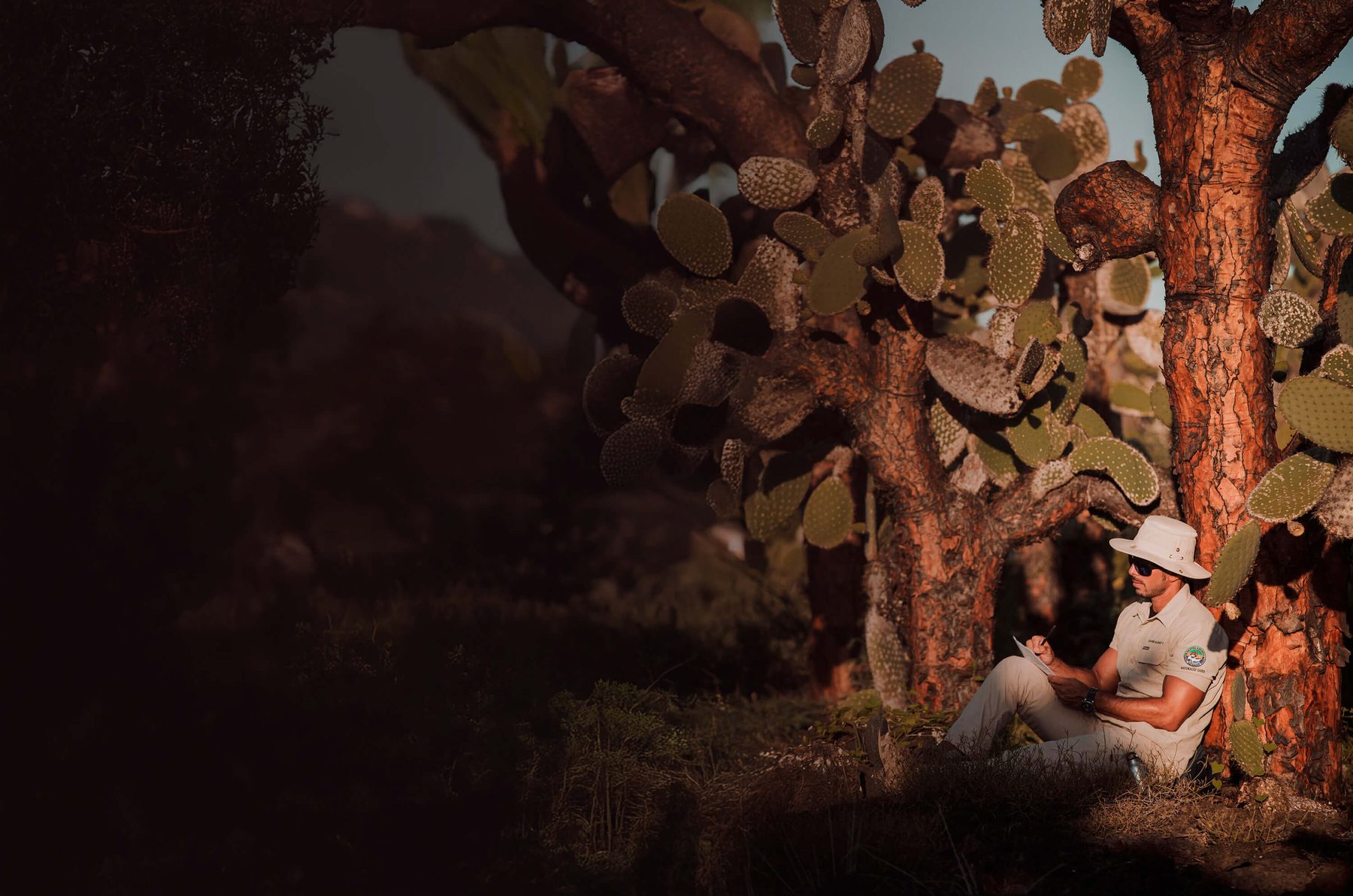
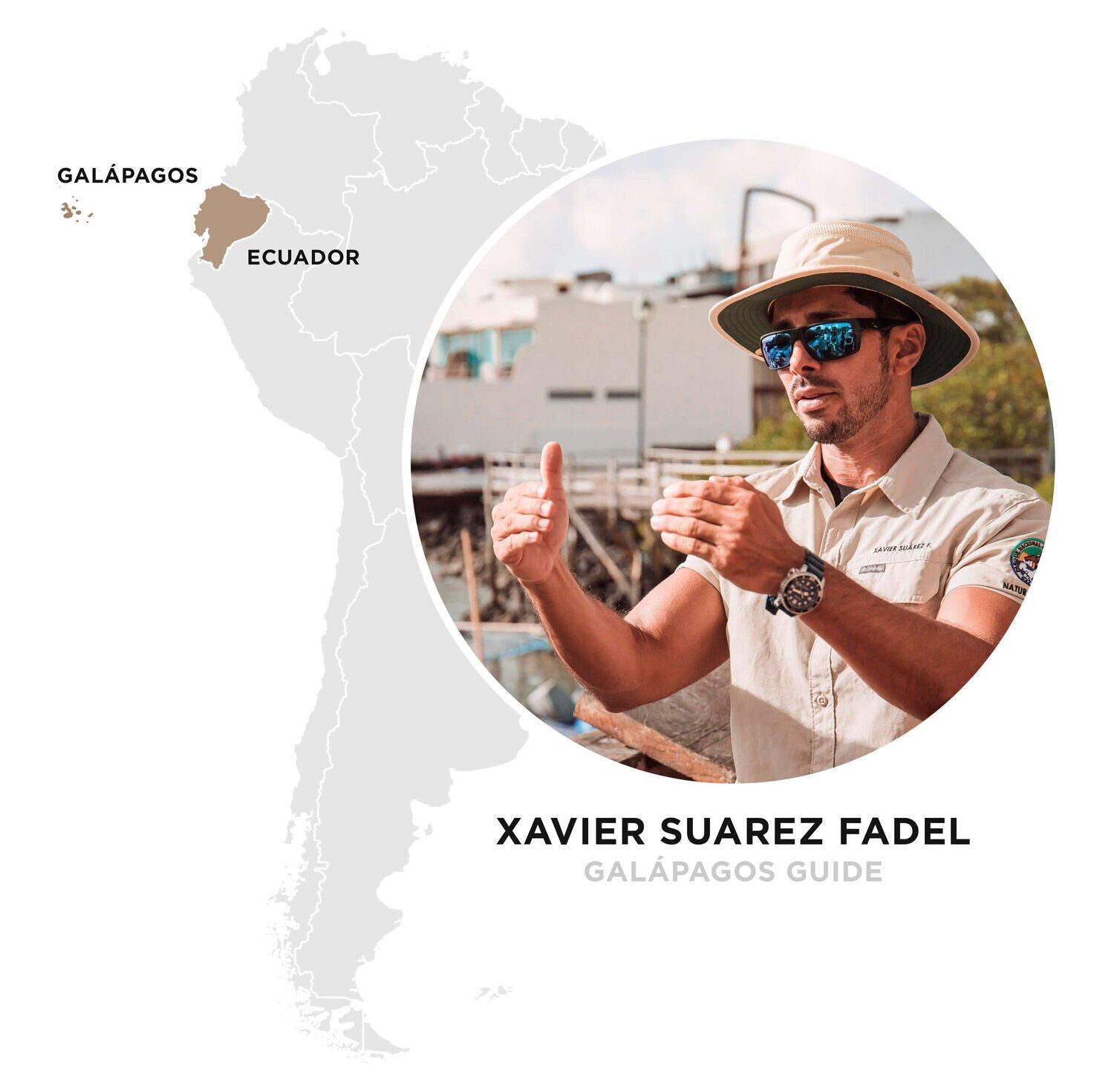
Q2: Like all of us in the "tourism" world we were profoundly affected by covid, the shutdowns etc . How did this impact you and your community in the Galapagos, what did you do to make ends meet, the good, the bad, and the best thing to come out of it all!
Covid was something no one was prepared for. The Galápagos National Park shut down on the morning of March 15th, 2020. I didn’t work for almost 10 months and have colleagues who are just starting to work after 14 months. It was chaos!
I’m married and have two young boys. I had to do something to put bread on the table for my family, and so my wife and I started a small business. We made delicious “alfajores” which is an Argentinian dessert and sold them to the community. It was a lot of work with free delivery and a low profit in return. After a few months, we decided to try our hand at making and selling coconut juice. I’m proud to say that we made the best coconut juice in town. Fresh and cold, but it was our cold season in the Galapagos and people were not craving the fresh juice. It seems that credit cards were our only ally while hoping for tourism to pick up.
Q1: You come from a legendary family in the Galapagos, tell us a little bit about your background and family life and where your love of guiding came from?
The first residents of the Galapagos came from the mainland of Ecuador as well as many European settlers. Tourism in the Galapagos started in the late ’60s. My father is from the coastal city of Guayaquil in Ecuador and my mother is from Brazil. My mother and father met in Brazil while studying at university. My father, who was a very young captain, came to work on one of the few cruise ships that were sailing the Galapagos waters at that time.
Since there was no money, people started to exchange products. We exchanged some of my boys’ clothing for rice, oil, and oats. Residents of the Islands who were not struggling so much financially donated food kits and other essentials to the community, which made me proud of the Galapogean people.
My father and my mother spent much of their time in the Galapagos living on boats. My three siblings and I grew up on boats, and I was very fortunate to grow up exploring the islands with my father surrounded by curious visitors. I was always eager to interact with the guests on my father’s boat throughout the daily activities.
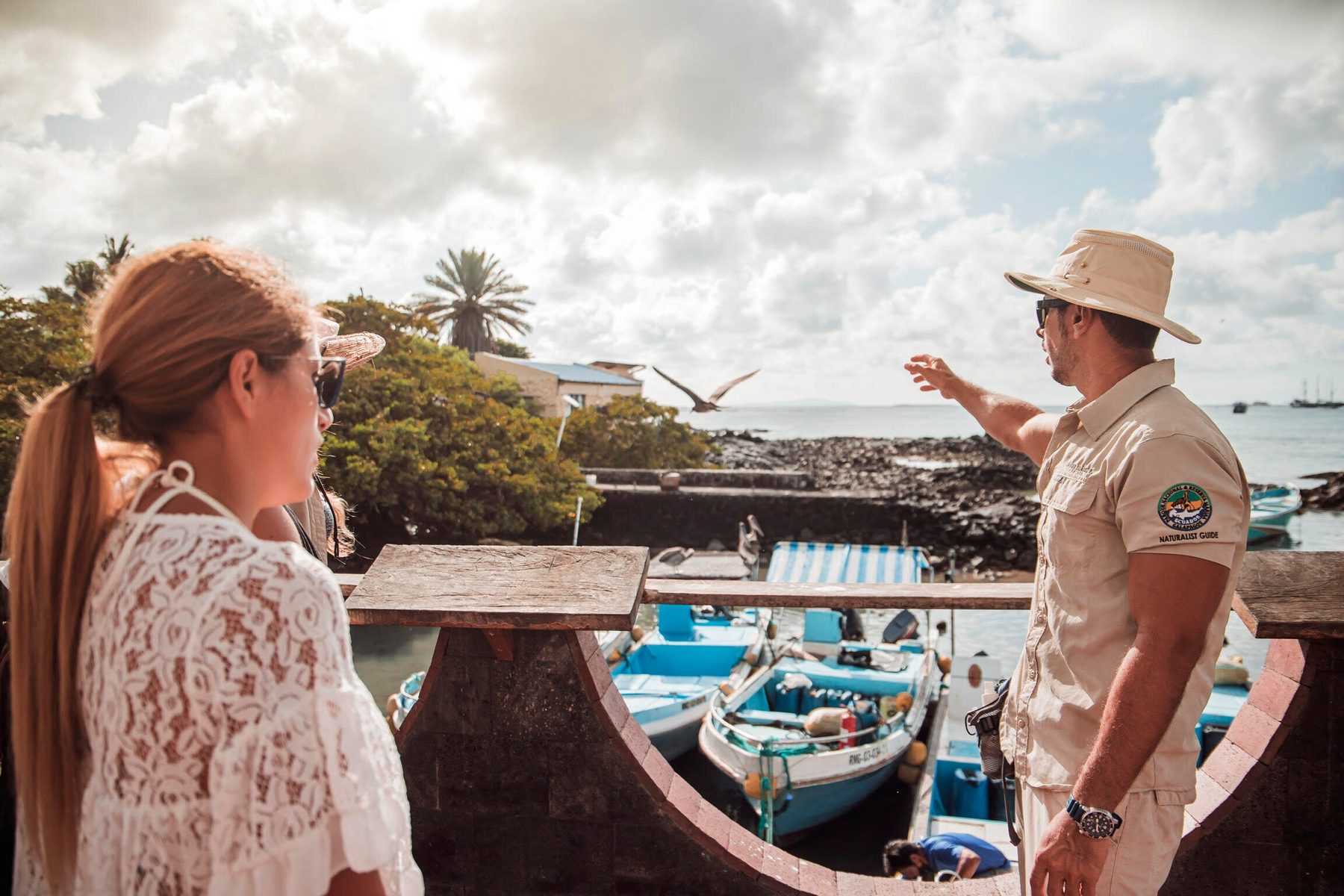
After almost 10 months of guiding inactivity, I received a call that I would be guiding a group arriving in 2 days. I couldn’t believe it! I had to get everything ready: my shoes, my shirt, and my hat. That was the first light at the end of the tunnel we could see.
Today, I feel grateful for having my family alive and well. I’m working at least 3-4 days a week and every time I’m out on the islands with my guests I try to enjoy every minute and try to give them the most memorable experience.
When I was 12, I realized I wanted to become a guide. I wanted to be the person who has the great opportunity to represent the Galapagos to the world. I wanted to show the world the rich history of the islands, as well as help them learn about and experience the extraordinary animals, plants, and people. Today, it’s been almost 16 beautiful years full of adventures, laughs, and lessons as a guide in the Galapagos Islands.
"When I was 12, I realized I wanted to become a guide. I wanted to be the person who has the great opportunity to represent the Galapagos to the world."
Q3: What was the most exciting, wild, awesome experience of your guiding career in the Galapagos?
Q5: Land experiences are truly amazing on the islands, but one of the things that amazes me most about the islands was the incredible diversity of marine life you see in the water. Can you talk about what guests will see while snorkeling?
The Galapagos never ceases to amaze me! No matter how long I’ve been doing this, I always get a smile after a tour.
Some of my most amazing experiences in terms of wildlife would be swimming with dolphins, oceanic sunfish, and sharks. Witnessing a sea lion delivering a small and fluffy baby is something out of this world.
Since we have various marine currents coming from different regions, visitors may expect to see (depending on where they go) schools of tropical and subtropical fish, sharks (mostly reef sharks), turtles, sea lions, marine iguanas, manta rays, etc.
I’ve had other kinds of amazing experiences, one of those experiences that refuel your heart and soul. That was the case when I guided a family with an 8-year-old boy who was diagnosed with end-stage cancer and his last wish was to see the Galapagos. We had a great time. He was a great boy.
Q6: This is a trip for all ages, what do you consider the absolute must-see and do's for children?
Q4: What is your favorite island in the Galapagos and why?
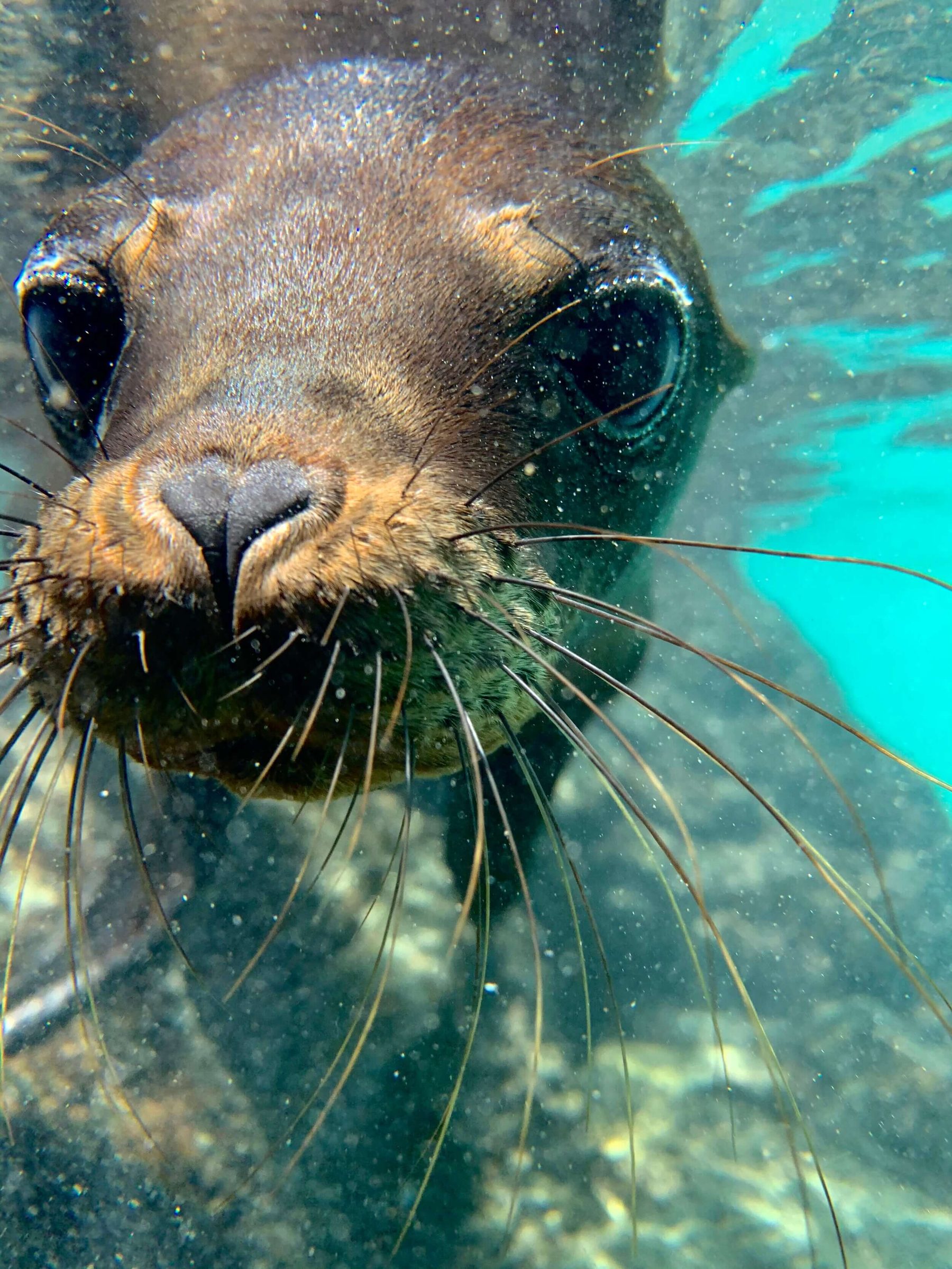
Children love interacting with baby sea lions. I haven’t met a kid who doesn’t like them. I think the Galapagos experience can help to shape the personality of children in a way that they become more sensitive, tolerant, and respectful of nature.
To answer this question is as hard as asking a father who his favorite child is. All of the islands are special. They all have their own uniqueness, rareness, and charm. Each of them hosts a unique array of animals and plants you see nowhere else on earth. I will give you my top 6 favorite islands: Santa Cruz, Española, Genovesa, Santa Fe, Pinzón and Fernandina.
"I had to get everything ready: my shoes, my shirt, and my hat. That was the first light at the end of the tunnel we could see."
Africa | Outposts
Kenya | Outposts
Southern Africa | Outposts
Global | Roundup
Go Wild: Next-Level Safari Destinations
Style Meets Substance in these 3 Kenya Outposts
Safari Superstar: Meet the Visionary Empowering Africans
7 of the World’s Top Wildlife 7 of the World’s Top Wildlife Experiencess