 By The UNCHARTED® editors · 7 min read
Madagascar + Zambia
Safaris in Secluded
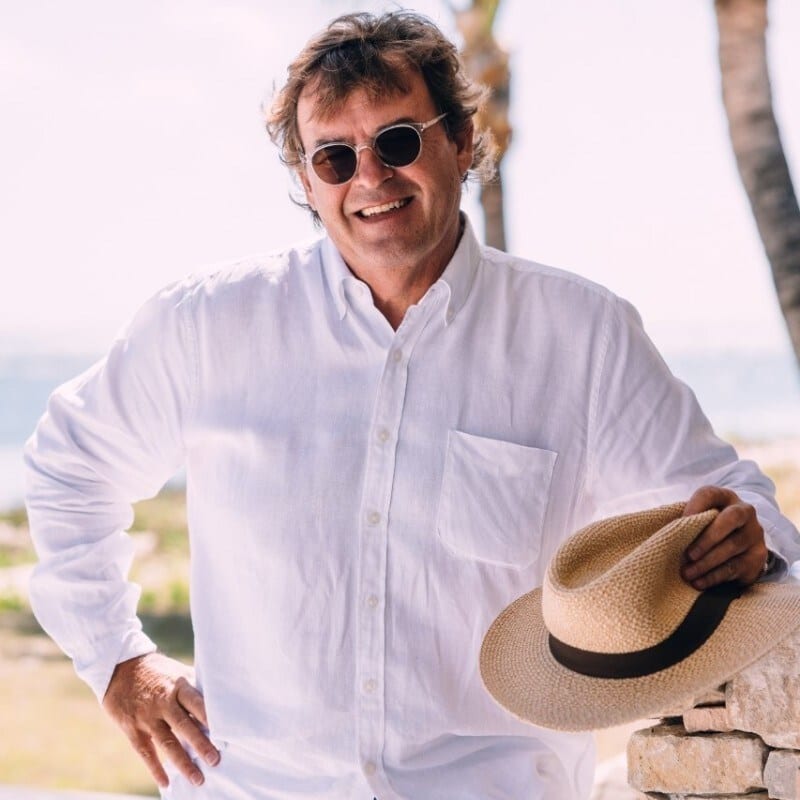
Thierry Dalais’ quest to have the best of both worlds — secluded safari camps set in Zambia’s floodplains and intimate island oases in Madagascar — shaped his vision while building the Time + Tide collection.
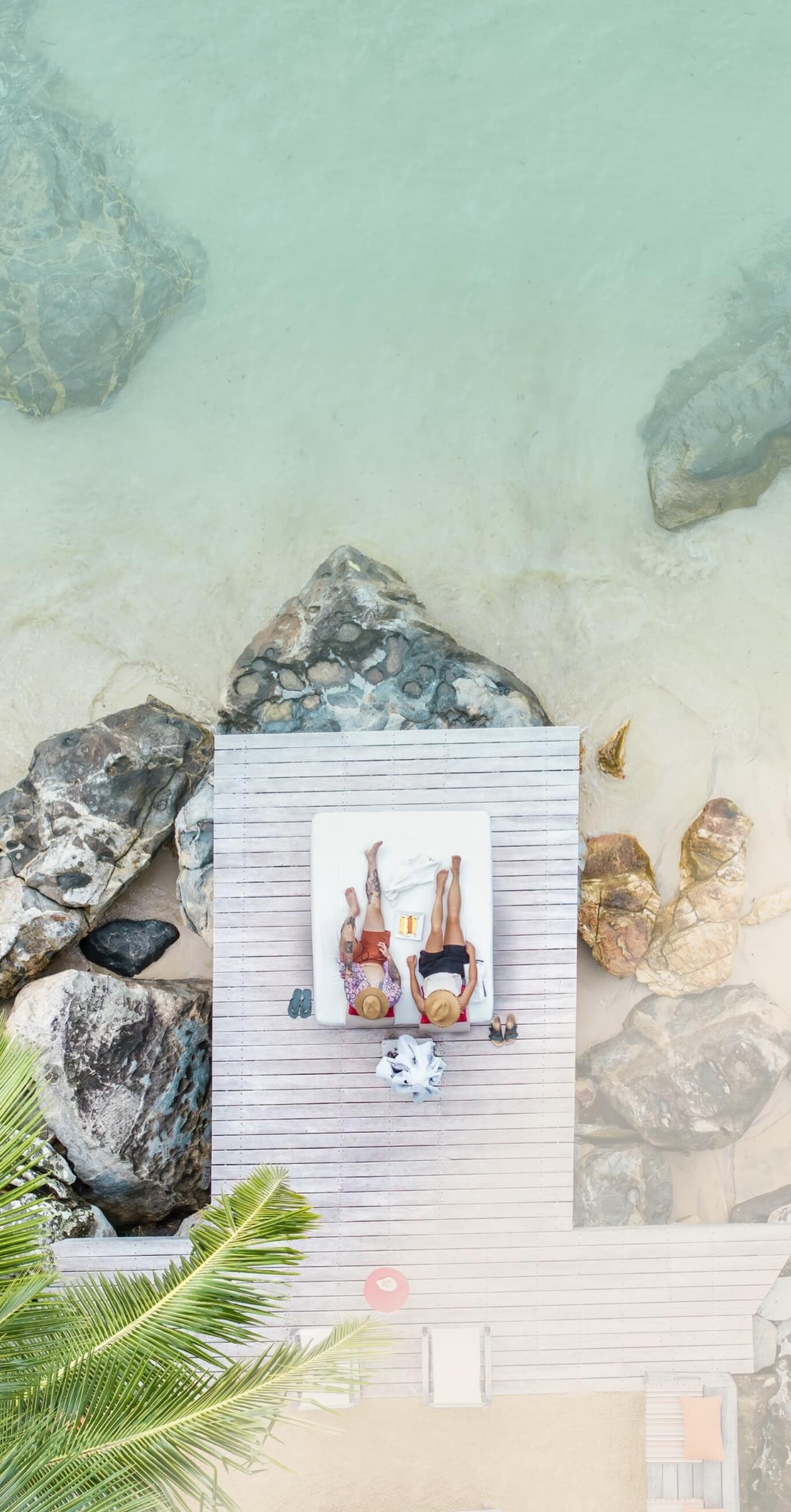
Raised in South Africa to a Mauritian family, Dalais inherited a love of both the bush and the Indian Ocean. He developed a passion for flying, and later frequently flew along the Zambezi and Luangwa rivers. Those flight journeys revealed to him a land of promise: Zambia held a unique opportunity for travelers seeking the truest form of freedom — seclusion in pristine landscapes where wildlife reigns. After pitching camp in Zambia, he set his sights on the sea — and on Madagascar.
Dalais calls his style of safari travel “effortless abundance,” which sounds just about right to us.
This interview has been edited for clarity and concision.
Q1: How did you get started in the safari world?
Q2: You’ve described those helicopter reconnaissance missions as searches for “high-average” places. What does that mean?
Growing up in South Africa, I started exploring the bush like most young boys here — camping, fishing, just being outdoors. When my professional life took me into private equity, we invested in things that revealed what was unique about this region. Safari tourism did exactly that: it showcased the landscapes, the cultures, and the people of southern Africa.
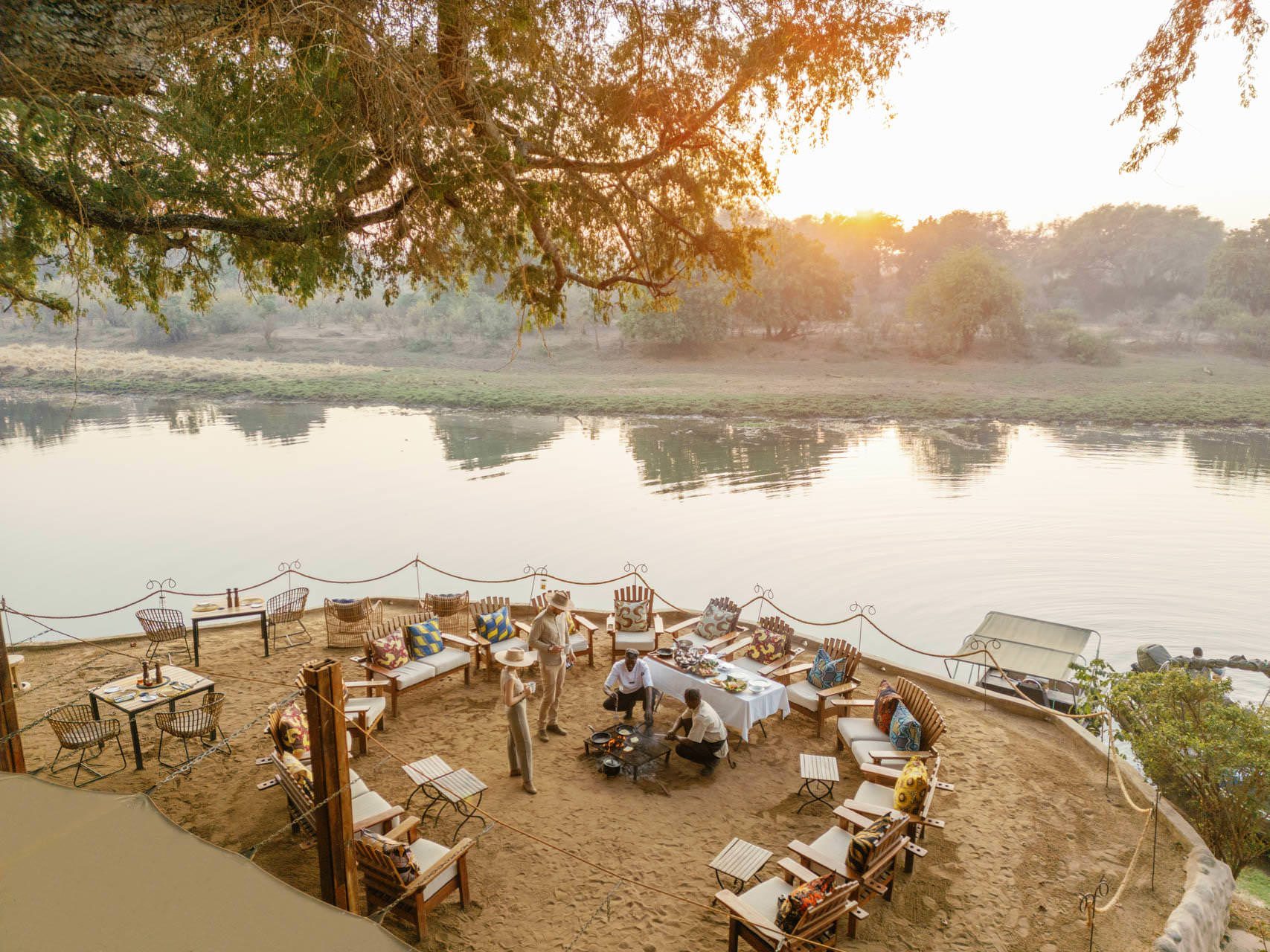
(Laughs) It just means places that are consistently wonderful. You don’t have to chase anything; you can sit on the deck with a drink, and the bush comes to you. The Lower Zambezi is one of those. You’ve got this majestic river between two national parks, with Zimbabwe on one side and Zambia on the other, and every dawn feels sacred. Canoeing through quiet channels at sunset, watching elephants wade in and fish eagles dive — that’s high average. It’s effortless abundance.
I kept asking people in the industry, “If you could pick one place where you never had to move to see everything, where would it be?” Zambia came up over and over. The Lower Zambezi was described as a pearl of a river, a romantic gem, and when I saw it from the air, I was hooked.
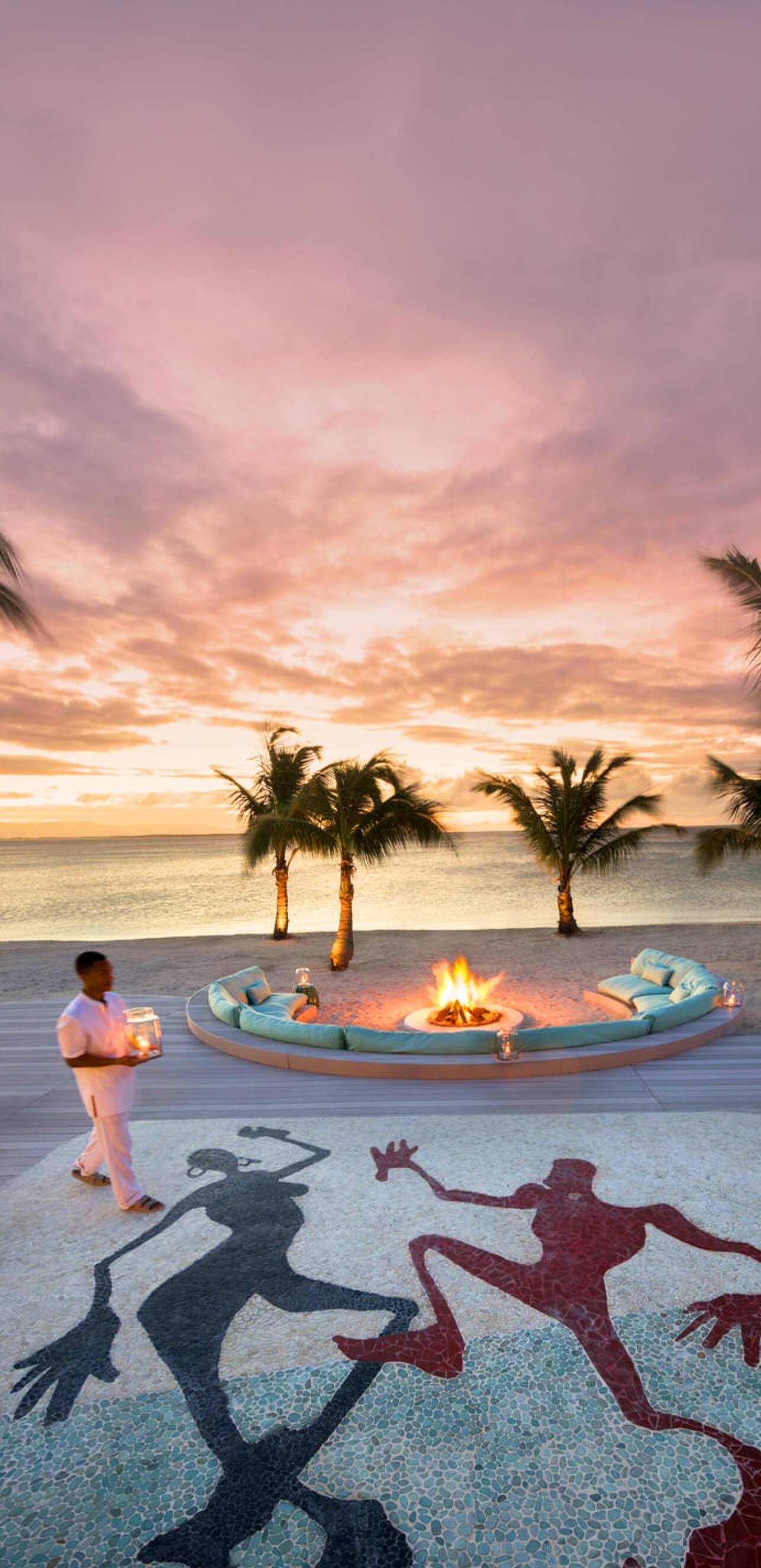
“A private island, made for escape.”
Q4: You’ve said that Time + Tide honors the legacy of Norman Carr in South Luangwa. How so?
Q3: What else makes the Lower Zambezi so distinct from other African safari landscapes?
Norman Carr was a visionary. He was a game warden in the 1950s who realized that wildlife protection would only succeed if the local communities benefited. He also pioneered the idea that walking was the best way to experience the bush — on equal terms, not from behind a windshield.
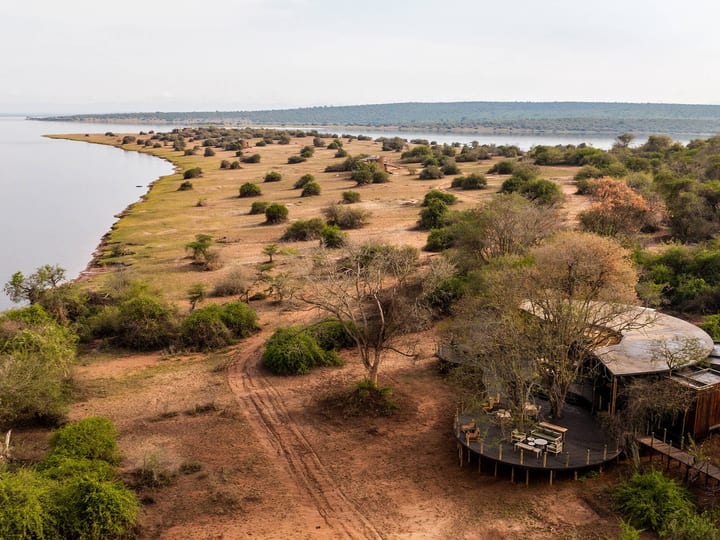
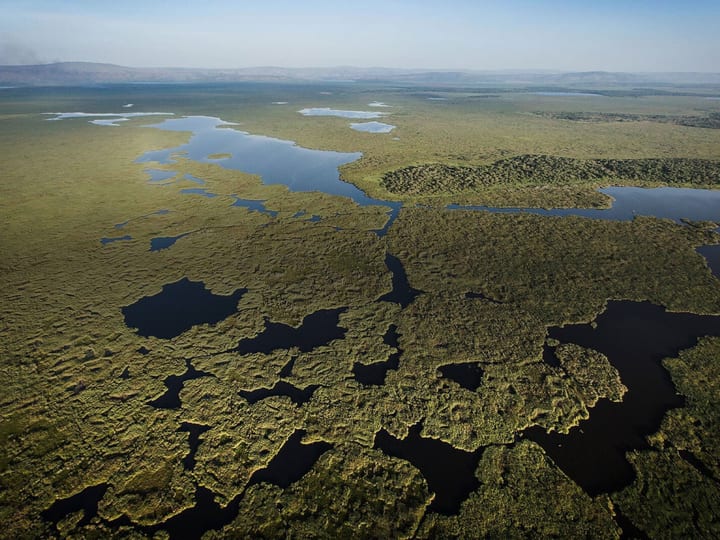
It’s the scale and intimacy at once. The Zambezi is the fourth-largest river in Africa, but in this stretch it breathes gently. Because Lake Kariba regulates the flow, the water stays stable enough for boating and canoeing almost year-round. You have big-river grandeur without the crowds.
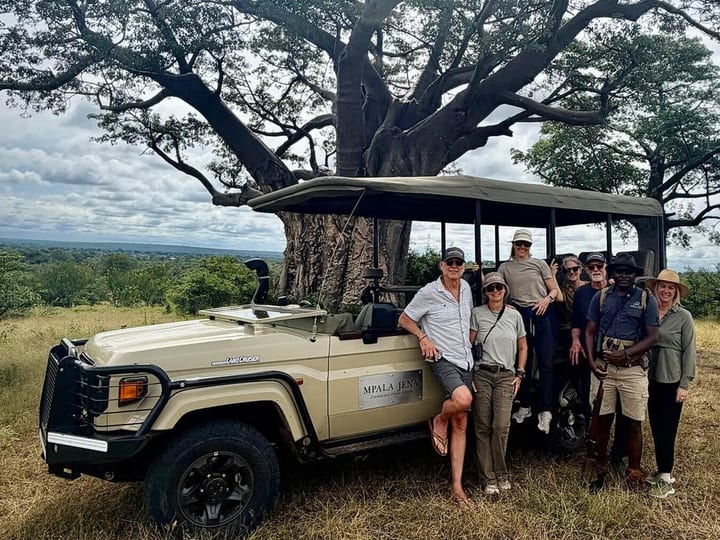
When the opportunity came to acquire his old company, we felt that history deserved to continue. Today, our guests can walk from camp to camp through the Luangwa Valley with a guide and a scout, learning to read the land. It’s not about adrenaline, it’s about awareness — footprints, sounds, the smell of wild sage after rain. People finish those walks saying it changed the way they see the natural world.
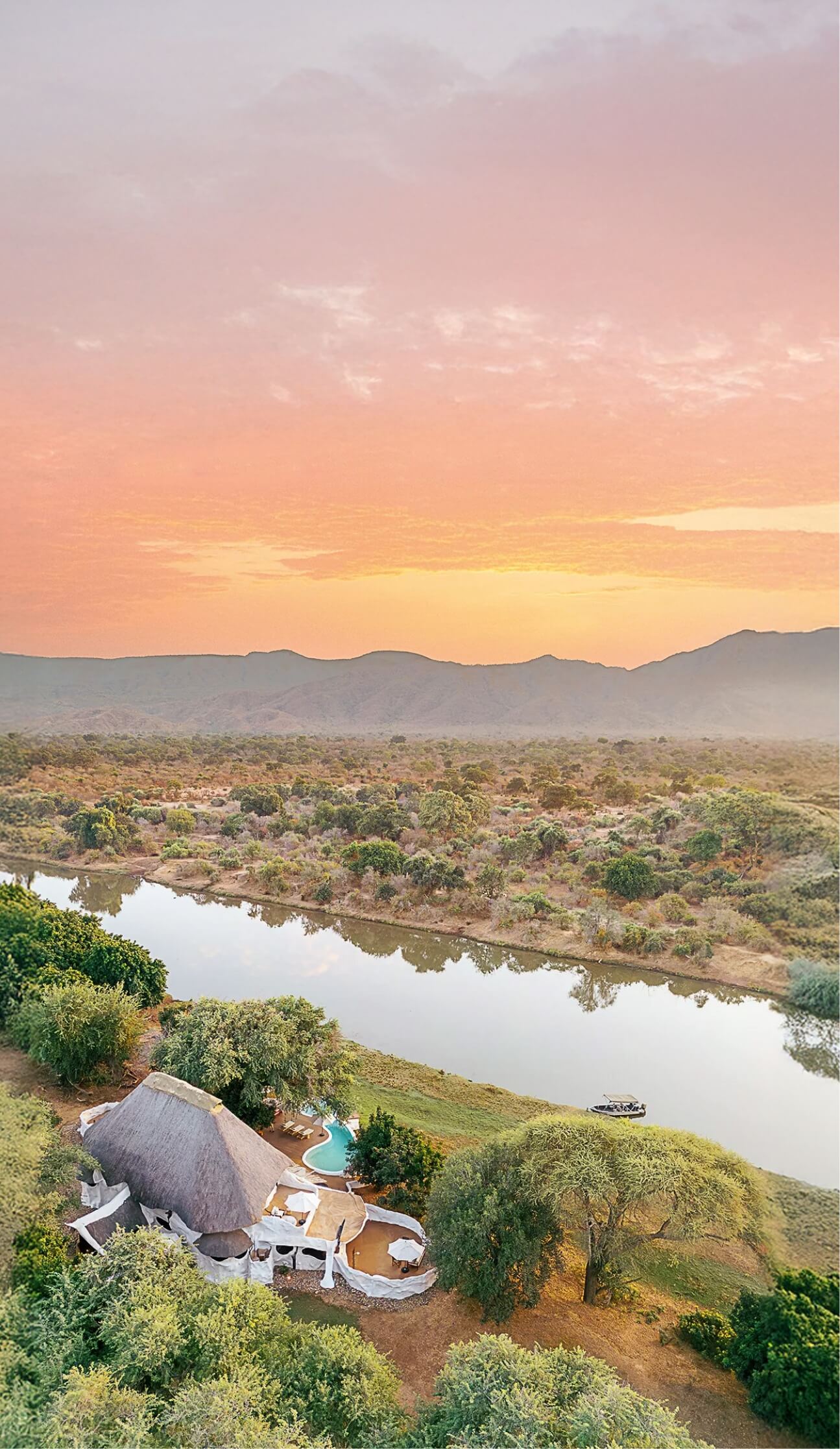
There’s also history in the valley — stories of early explorers and Portuguese traders who came up the river centuries ago. You feel that human presence layered over wilderness. And from a purely sensory point of view, the color, the mist, and the stillness of sunrise on a boat on the Zambezi is unforgettable. You don’t need to drive anywhere. The wildlife is right there: elephants, hippos, crocodiles, big cats on the floodplain. It’s a safari of proximity.
"I call these places 'high-average'. They are consistently wonderful: The bush comes to you, and every dawn feels sacred. Canoeing through quiet channels, watching elephants wade in and fish eagles dive — that’s high average. It’s effortless abundance. It's a safari of proximity."
Q5: What defines the Time + Tide style of camp?
Q6: Zambia remains less popular than other safari destinations. Why should travelers put it on their radar?
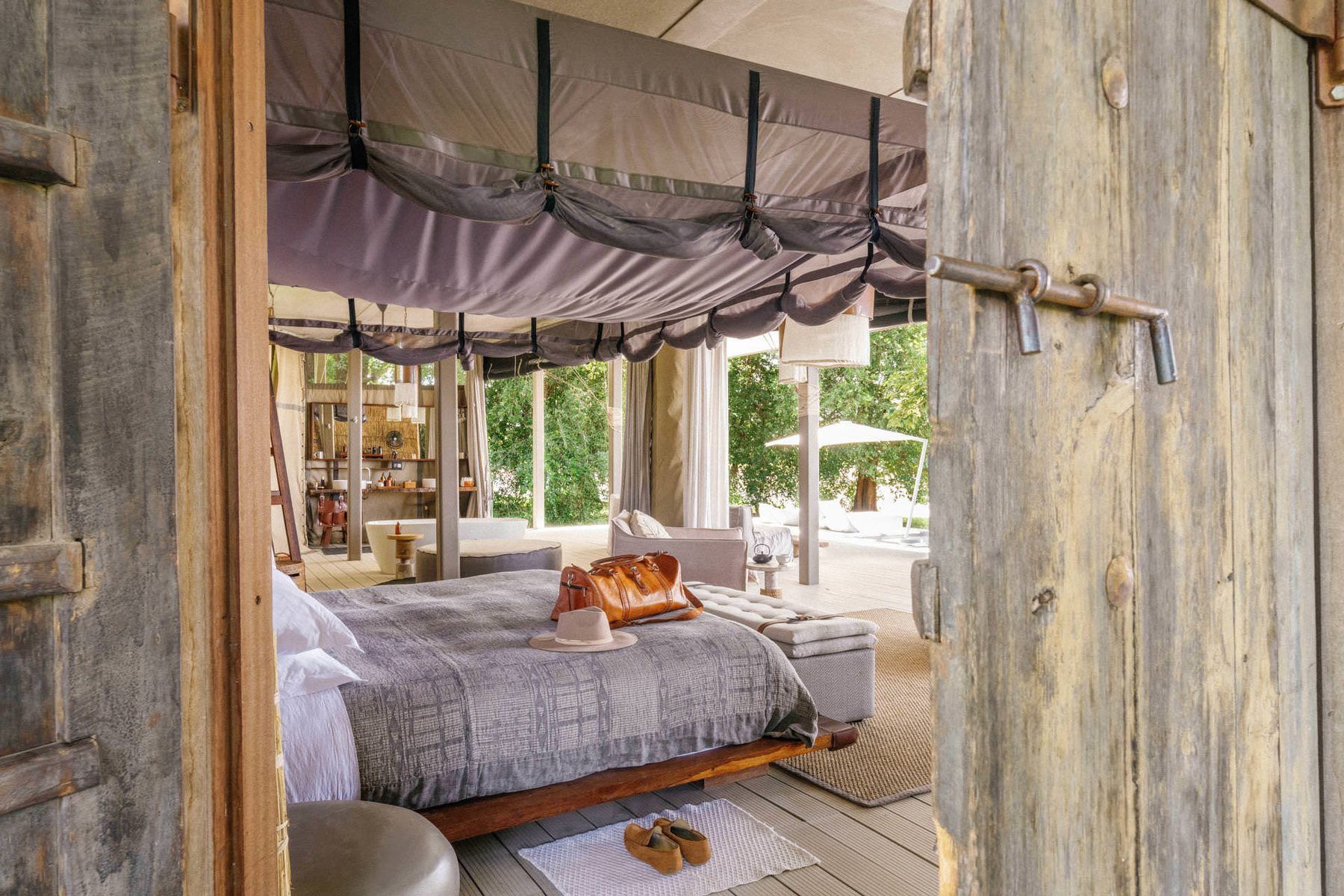
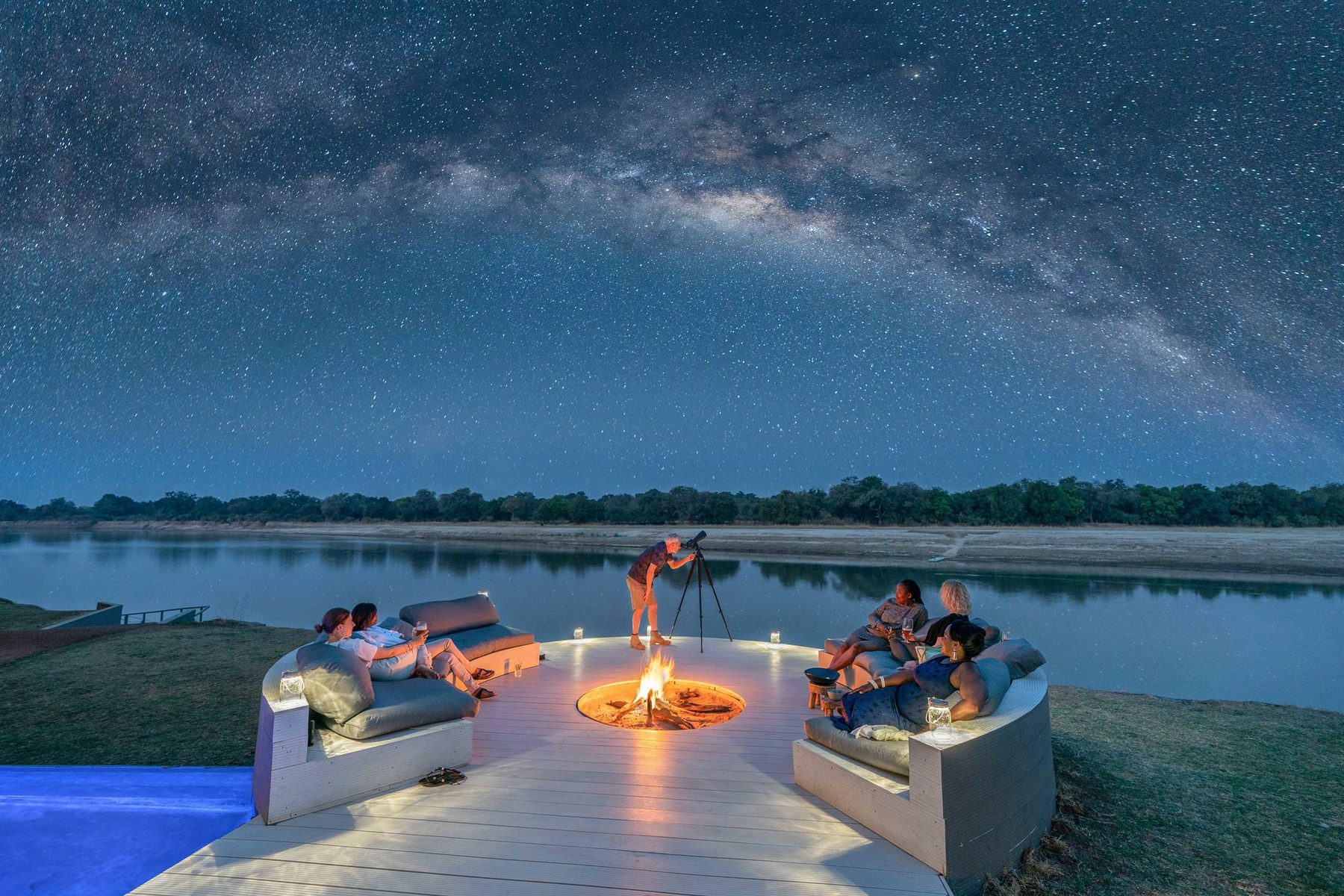
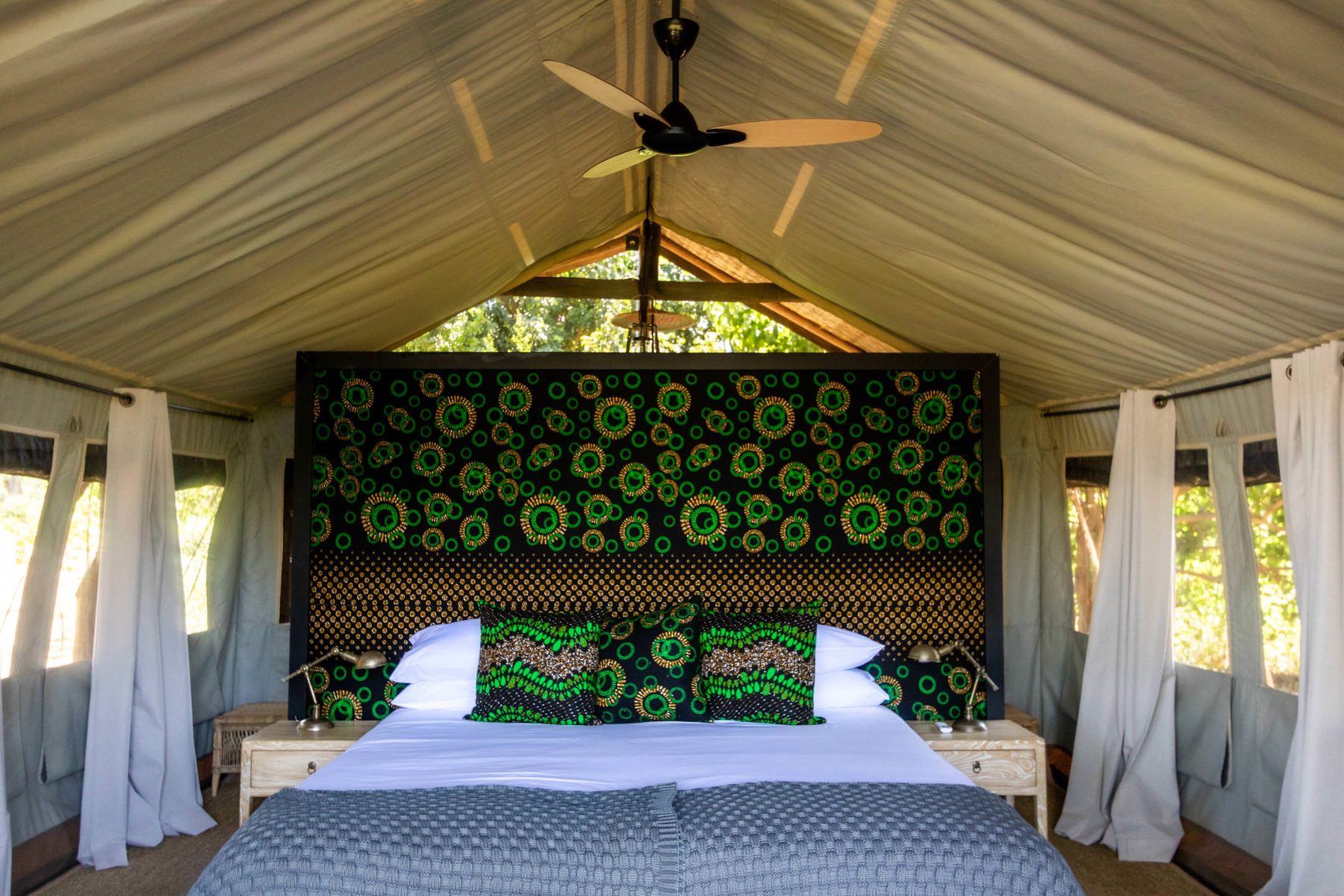
Light touch. Zambia has kept its safari traditions authentic — no fences, no over-engineered decks. We build so you’re protected but not removed. You can hear hippos brushing against your tent or elephants feeding nearby. Architecturally, we add refinements like clean lines, local materials, open views, but the star is always the setting. It’s luxury through simplicity, proximity, privacy, and peace.
Zambia is still real Africa. It’s vast, unfenced, and uncontrived. You can drive for hours and never see another vehicle. The ecosystems are diverse — floodplain, woodland, riverine forest — and the country has water in abundance.
“Where the Zambezi slows everything down.”
The safari season runs roughly May to November, when animals congregate along rivers, but I love the shoulders. April, for instance, is glorious. It’s green, quiet, and full of birds. Zambia’s story is just beginning to be told, and it must grow carefully, without losing that authenticity.
Q7: You’ve said you always wanted a place in the bush and a place at the beach. How did that vision lead you from Zambia to Madagascar?
Q8: What does a day at Miavana or Tsara Komba look like for guests?
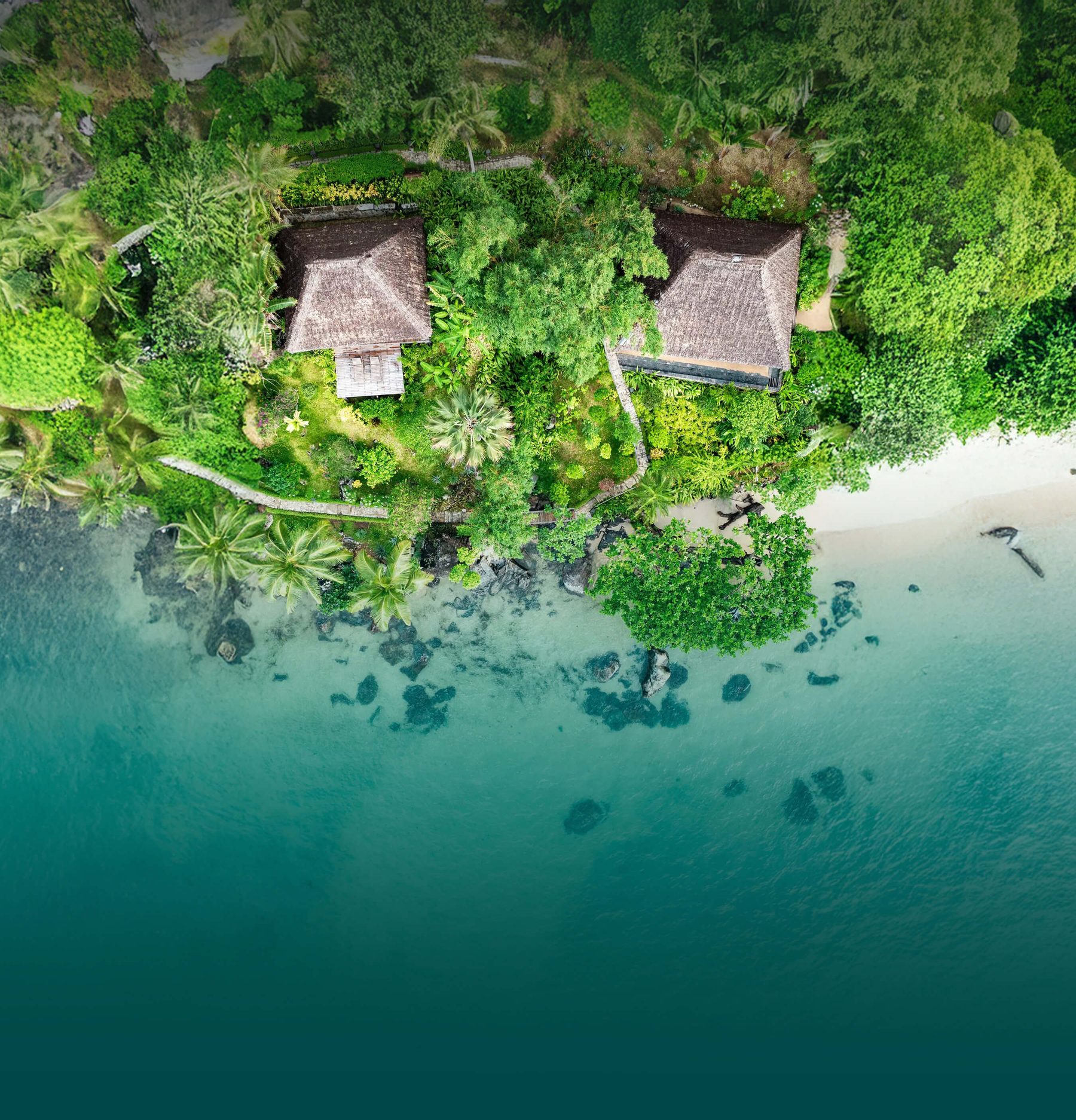
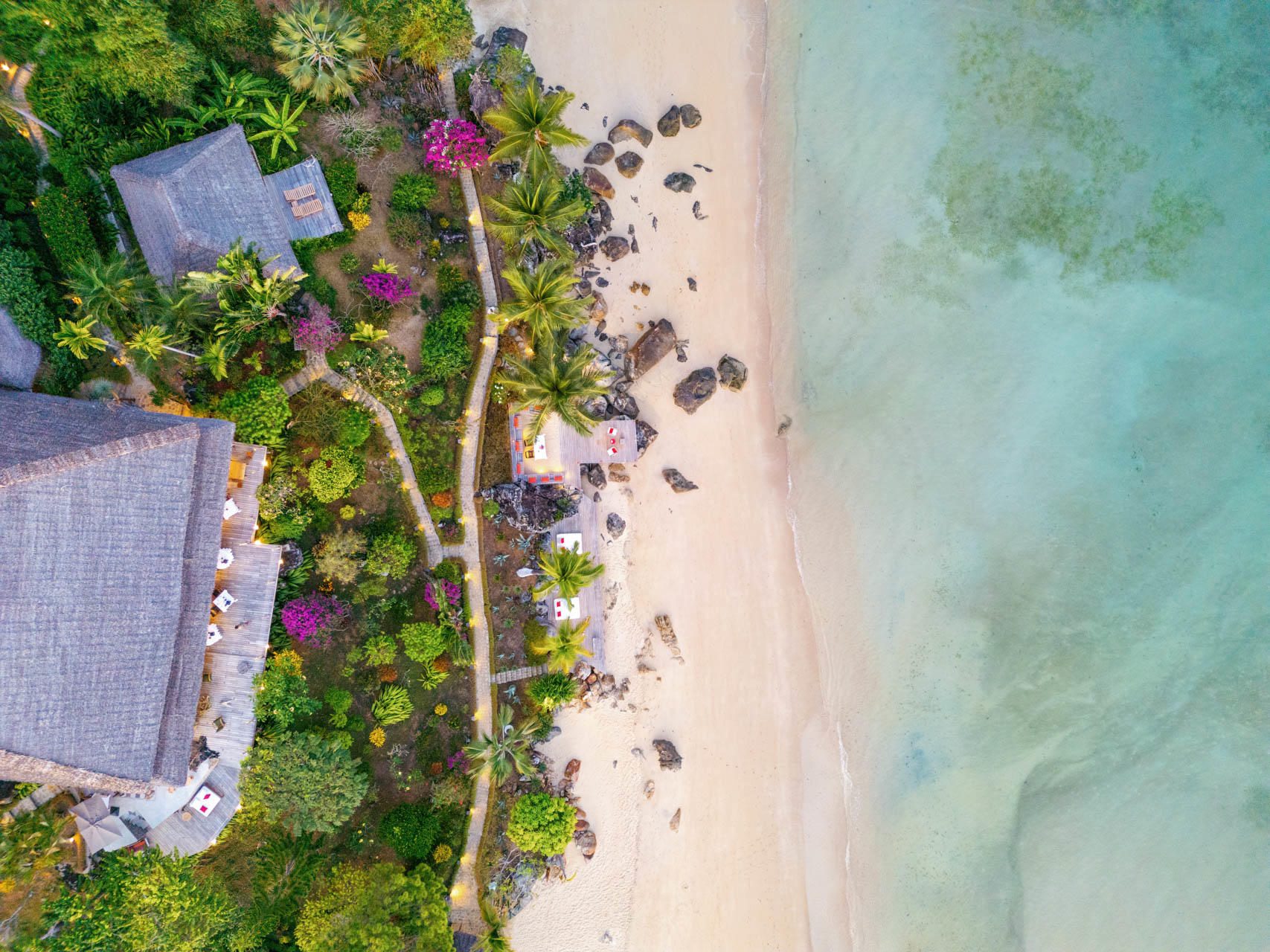
My roots are in the Indian Ocean. My grandparents came from Mauritius, and as kids we were always told to explore the islands. When I was involved in a seaweed-farming venture in Madagascar, I discovered Nosy Ankao, a private island in the north. I saw what could be possible there — a sanctuary, both marine and terrestrial. That became Time + Tide Miavana. It fulfilled that boyhood dream: a place in the bush and a place by the sea. I took the safari guiding ethos — show and tell, not serve and retreat — to the beach.
Mornings start early, dictated by tide and light. You might go fly-fishing for giant trevally, scuba along untouched reefs, or take a heli-ride to see lemurs and waterfalls inland. By late morning you’re back with your family for breakfast or a beach walk.
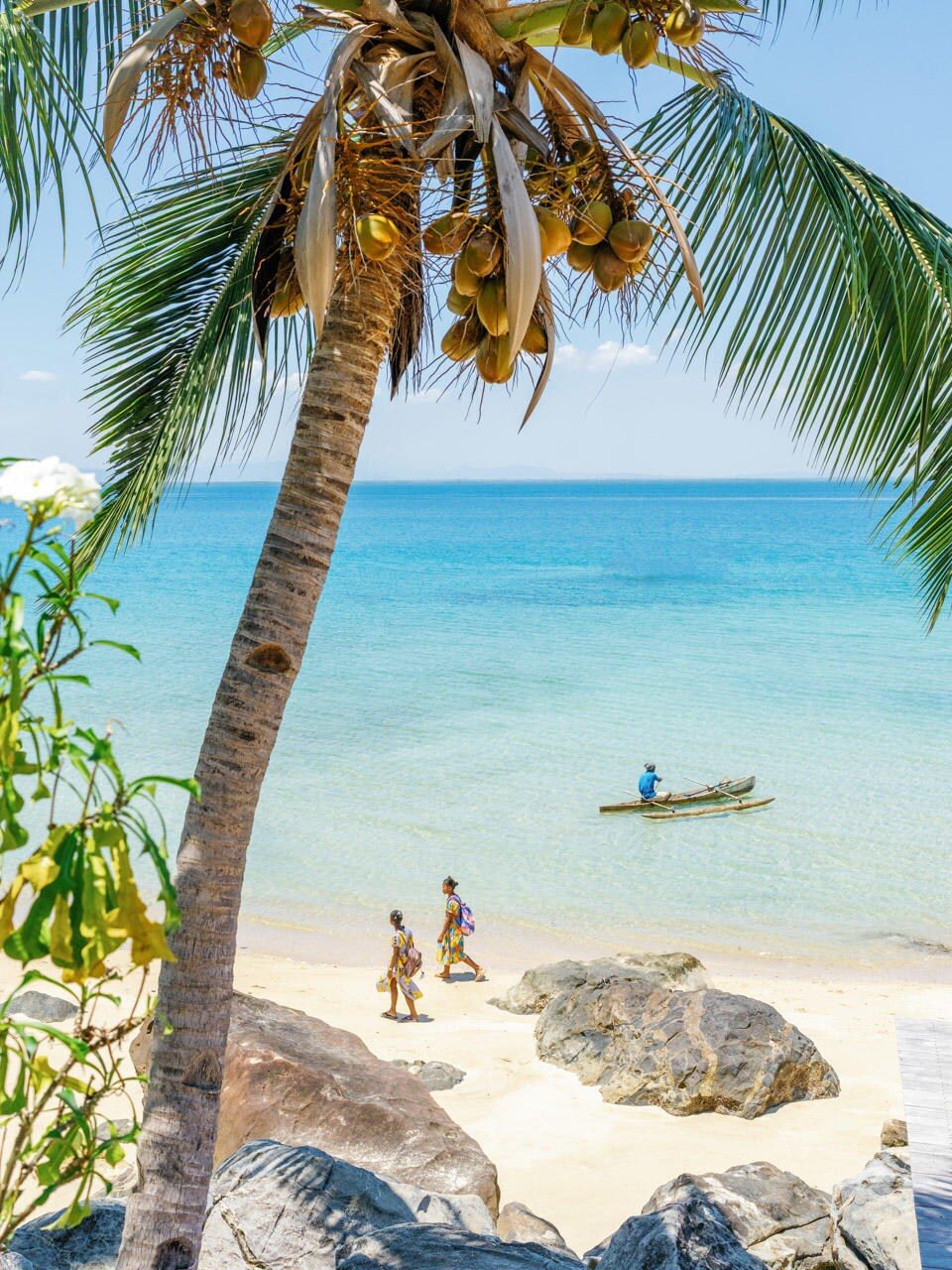
Afternoons are for exploring — paddleboarding through mangroves, walking the beaches at low tide, visiting a nearby village to see how people live — or simply being still. And then evenings: sunset over the Mozambique Channel, a drink in hand, and that feeling of nowhere else in the world. Luxury here is privacy and freedom, the space to choose your own rhythm.
Q9: How do local communities fit into that picture, both in Zambia and Madagascar?
Q10: What do travelers who have experienced the “Big Five” safari elsewhere discover in these quieter corners?
You can’t have conservation without community. In Zambia, our foundation invests in schools, clinics, and sustainable livelihoods. We hire locally, train locally, and buy locally.
They rediscover silence. There’s power in being somewhere that isn’t crowded or choreographed. Zambia and Madagascar remind people that the essence of safari is not spectacle, it’s connection. You come to feel small in the best possible way.
In Madagascar, it’s more complicated because the needs are greater and the resources fewer. We partner with NGOs to create semi-protected zones where people can live and fish responsibly. The goal is symbiosis: tourism supporting protection, protection supporting livelihoods. Presence matters. When a lodge operates with integrity, wildlife and people both benefit.
At the end of the day, we design our properties for exclusivity, not occupancy. If you’re the only guest, it feels private, not empty. Every season offers something different. In winter, ninety-thousand pairs of terns nest on one of our islands; it’s extraordinary. These are the moments that keep you humble.
Q11: How do you define modern safari luxury?
"There’s power in being somewhere that isn’t crowded or choreographed. Zambia and Madagascar remind people that the essence of safari is not spectacle, it’s connection.
For me, true luxury is time, space, and belonging. It’s having the freedom to slow down, the privacy to breathe, and the sense that what surrounds you is protected. Whether it’s a camp beside the Zambezi or a villa on an island, that’s what we offer.
Someone once asked me, “How would you describe what you do in ten seconds?” I said, “Come. I’ll show you.”
Madagascar + Zambia: Safaris in Secluded Sweet Spots