 By The UNCHARTED® editors · 6 min read
Our Guide to Night Safaris Around
From game drives and scuba dives to desert stargazing and the Northern Lights, UNCHARTED trips come alive after dark — when many animals are just waking up.
There is nothing like bright moonlit nights in the back of an open-air Jeep, traversing the savannah or bimbling through the bush, the beady eyes of hyenas glaring at you in the truck’s headlights.
Through the dark, you hear the trumpeting of a mother elephant alerting the herd to danger. If you think that witnessing a kill in the daytime is an adrenaline-pumping experience, try gazing through your night vision binoculars and spotting a lioness charge through tall grass and attack unsuspecting prey.
Nearly 80 percent of the world’s mammals are either crepuscular (waking around twilight), or are fully nocturnal, so travelers typically get the best glimpse of wildlife behavior—from hunting and foraging to socializing—after sunset.
But game drives are not the only evening options: stargazing excursions with a detailed look at the night sky while listening to your guide tell stories of local folklore; experiencing lunar eclipses in the middle of the desert; spotting bioluminescent organisms in the sea; hearing the rustle of a giant tortoise under the platform of your tented camp; watching a Bengal tiger strut through the jungle as night falls – the possibilities are endless. Read on to discover our favorite places to go for epic sundown experiences.
Amit Sankhala’s family’s work with tiger conservation goes back three generations and 40 years: His grandfather was the founding director of Project Tiger, which later became the Tiger Trust; his father set up some of the very first eco-lodges and big cat safaris in India, including Jamtara, an UNCHARTED Outpost. Amit now runs it all.
But in his grandfather’s time, establishing a safe space for Bengals was a challenge, to say the least. After years of work—in large part thanks to the Sankhalas and the Tiger Trust—there are now several national parks that not only protect these beautiful animals, but also help restore their numbers while raising awareness of the threats they face.
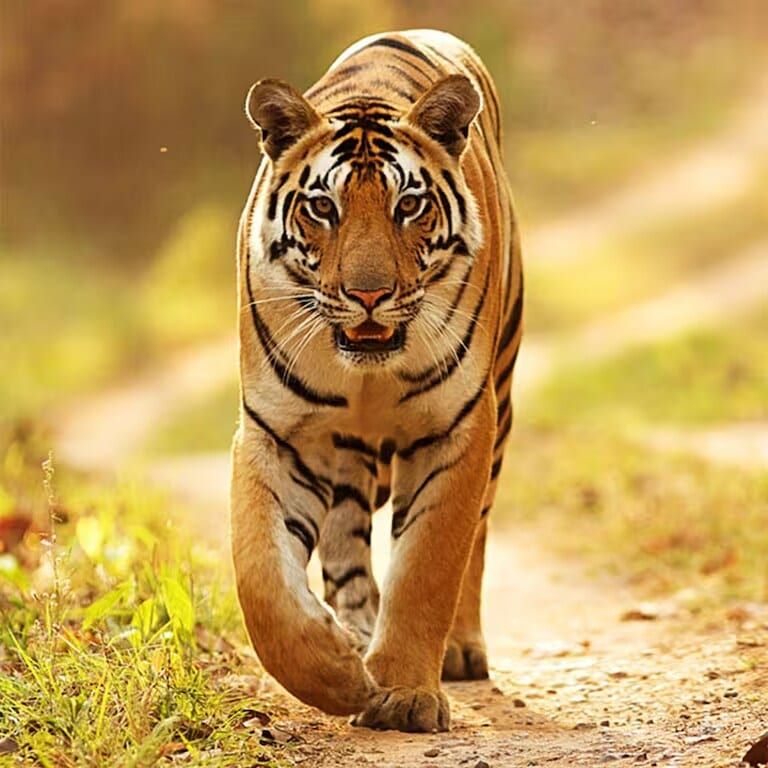
Since tigers mostly hunt at night, Amit recommends combining a stay at Jamtara, where guests can stay in updated, luxurious machans (traditional platforms villagers use to spot predators stalking their cattle), as well as Bori Safari Lodge, another UNCHARTED Outpost. Bori is connected to Satpura National Park, and travelers voyage through the wilds in a vehicle, following the big cat’s roar and the alarm calls from shrieking monkeys warning danger is near. The whole jungle comes to life with one alarm, raising the hair on the back of your neck—even dholes, sloth bears, and leopards flee when Shere Khan is on the prowl.
PLAN YOUR SAFARI
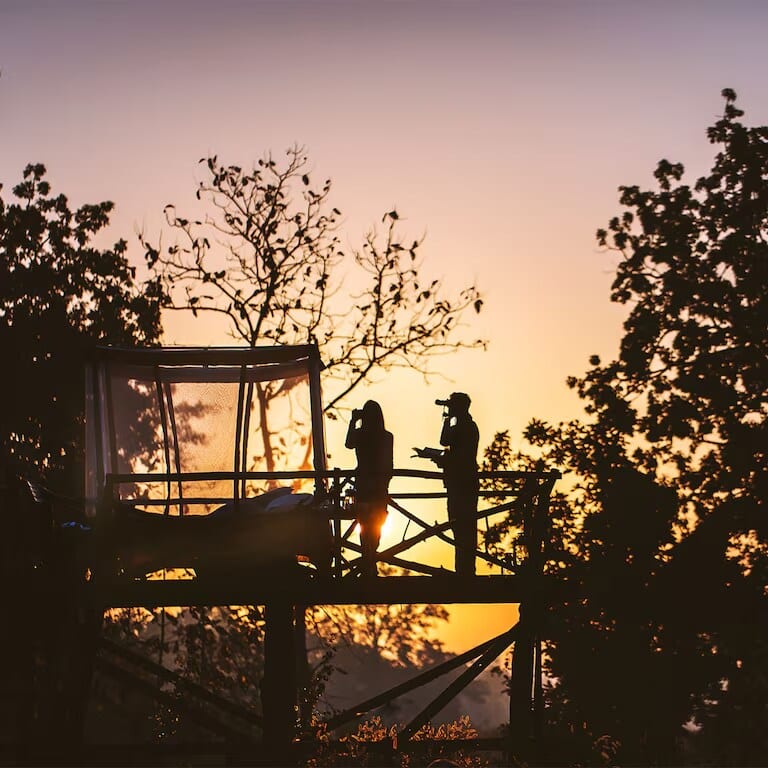
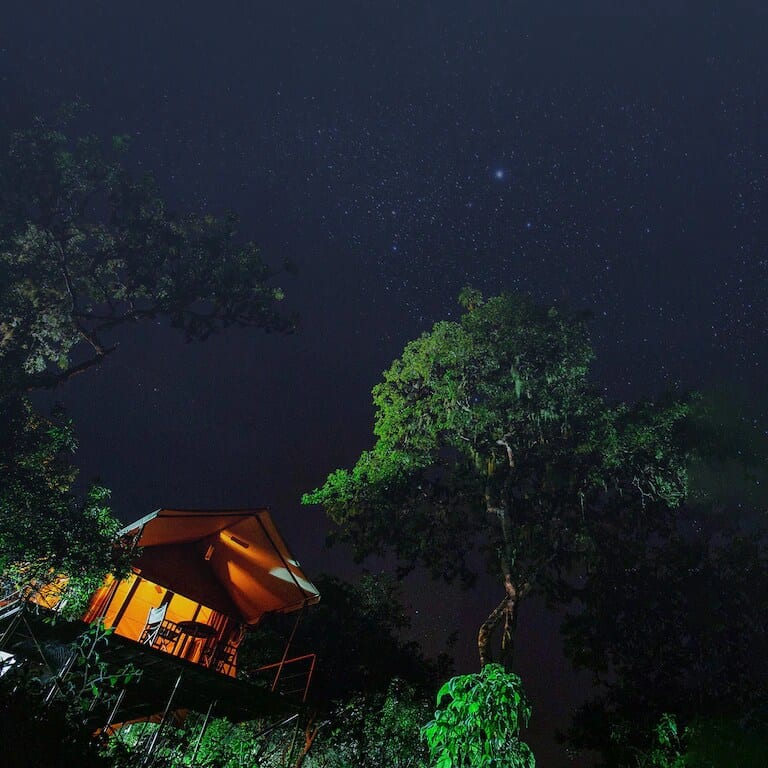
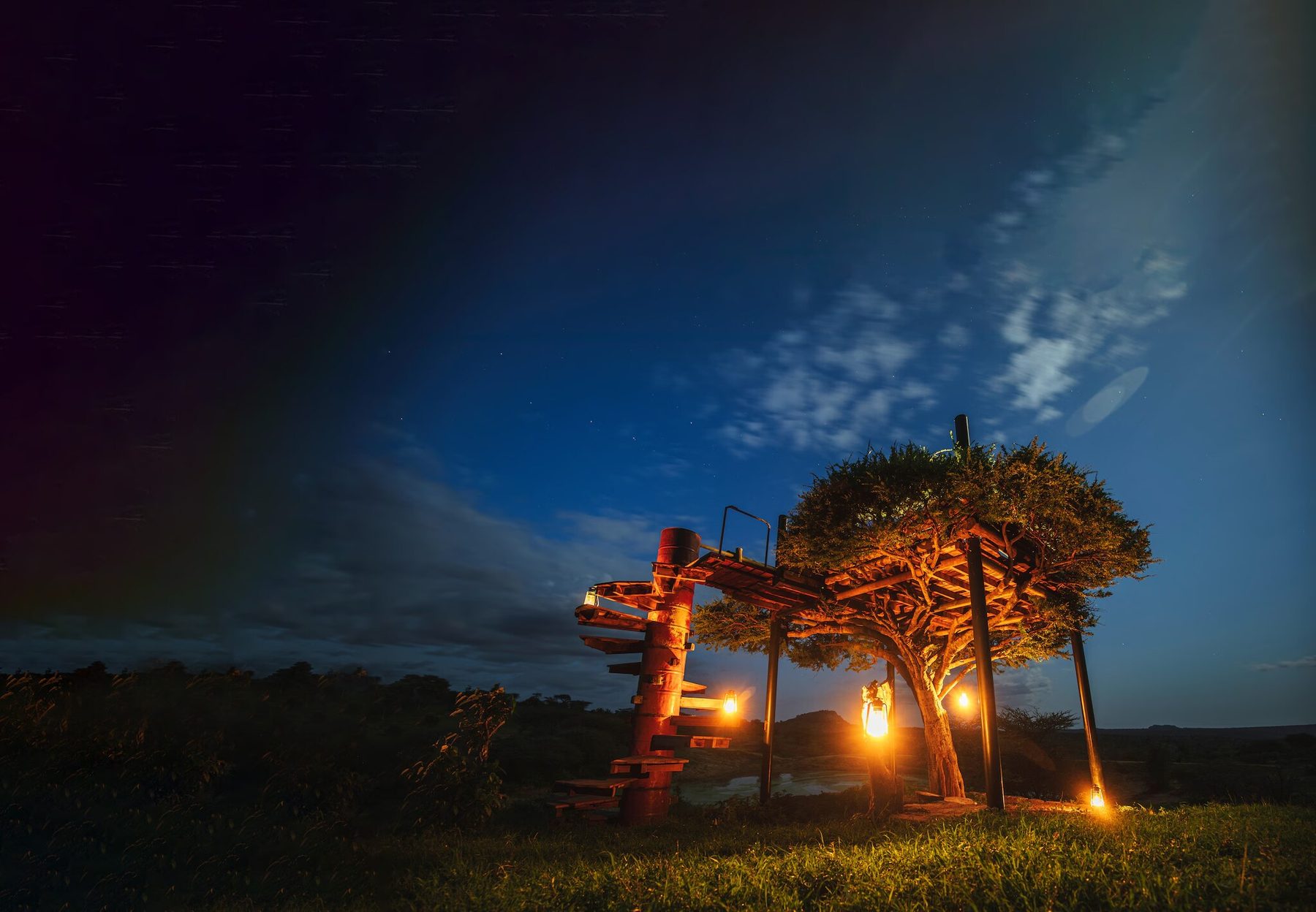
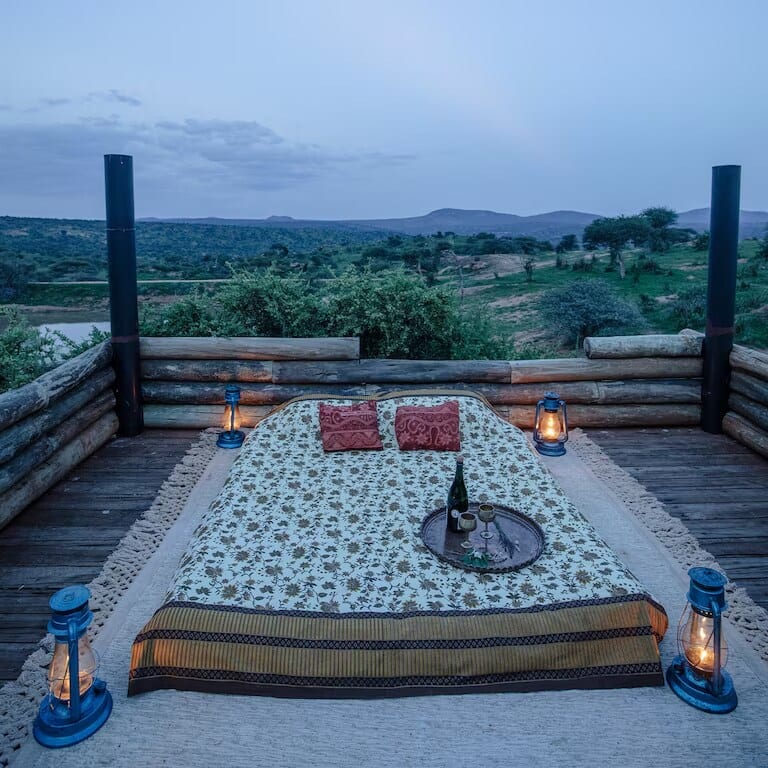
There is nothing like dusk game drives or camping out in the bush. UNCHARTED Outpost Ol Malo, which sits in the northern end of the Great Rift Valley, offers both with their treehouse experience: nestled in acacias high above the ground on a platform speckled with lanterns, travelers overlook a watering hole that is frequented by wildlife coming for a drink in the cool hours of the evening. With a gentle breeze, comfortable bed, fresh air, dazzling stars, and African night sounds, you will likely get the most compelling night’s sleep of your entire trip here.
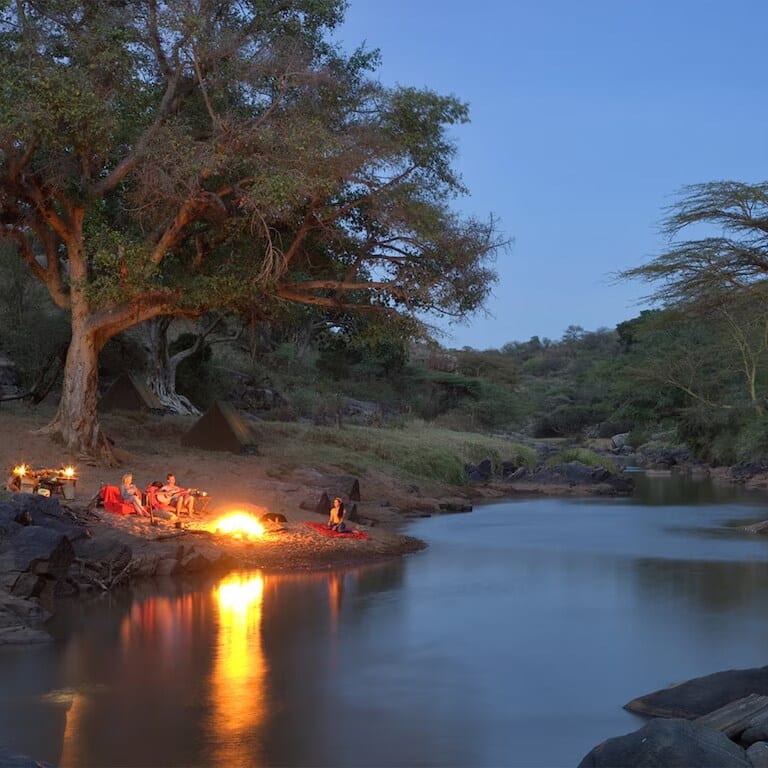
Another option that Ol Malo offers is their South Island star camp—a heli-fly camping trip to Lake Turkana, often called the Jade Sea. Brushing elbows with Ethiopia, this part of Kenya is raw and breathtakingly beautiful. Plan to fly with flamingos and spot giant crocodiles snaking through the waters below. After a day exploring by helicopter and boat, picnicking and fishing, and being truly disconnected from the outside world, travelers settle into their own private island and spend the night in dome-shaped tents under an incredible star-soaked sky. This is a chance to return to the cradle of mankind and experience glorious Africa at its absolute unspoilt best.
The 49,000-square-mile Atacama Desert is one of the driest parts of the planet, yet life is abundant there. From giant cacti to bubbling hot springs, the area is rich with flora and fauna that you won't find anywhere else. Take in the red plains and Mars-like atmosphere with dunes in the distance, snaking crystallized creeks, and cracked salt plains filled with flamingos.
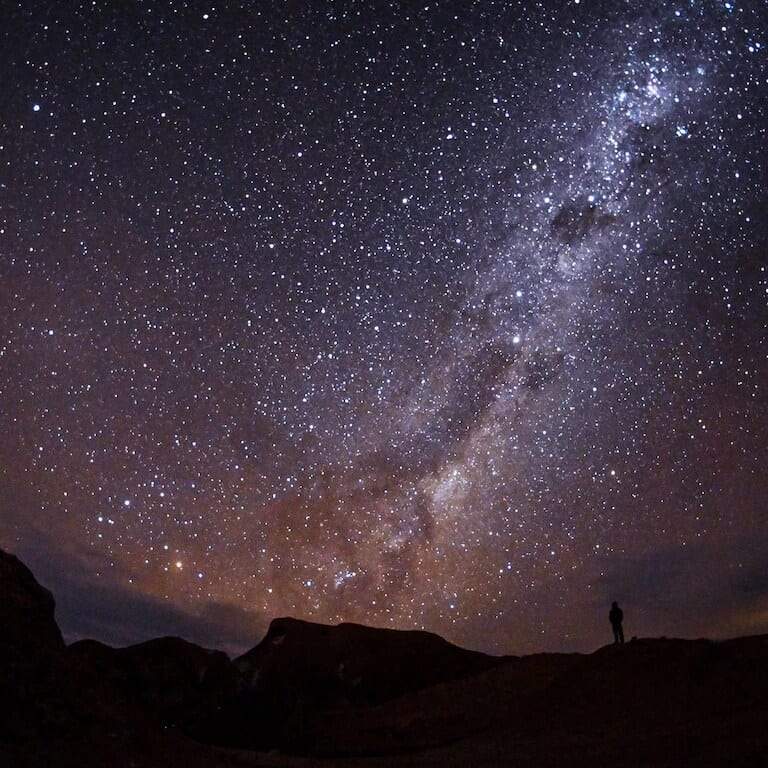
This area is also known for its solar eclipses and exceptional stargazing: The high elevation, lack of humidity, and limited light pollution are the reasons why the ALMA—the world's most expensive ground-based telescope—was built here.
At UNCHARTED Outpost Awasi Atacama, travelers can plan to stay during a time with no moon so the stars are even more spectacular. The property has set up its own observatory within the ancient ruins of Tulor, with direct views overlooking the Licancabur volcano. With a pisco sour in hand, relish in the endless night sky and listen to local celestial myths as bedtime stories: It's believed that the Yacana constellation, with her long neck and bright eyes, is the llama mother and creator. At midnight, she descends to Earth to quench her thirst in the plateau’s hot springs, and if she crosses paths with a human they are brought a lifetime of good luck.
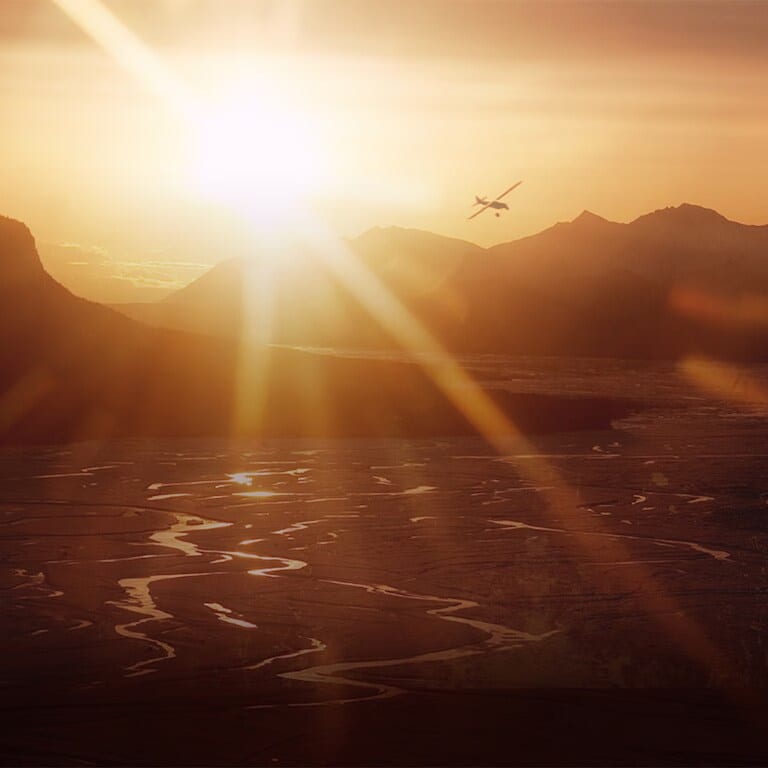
Three generations of the Claus family have owned and operated UNCHARTED Outpost Ultima Thule Lodge. Their backyard is 13 million acres of wilderness, mountains, and the mighty Chitina River. After a day of flying over glaciers, swimming in lakes, and scurrying up hills to spot grizzlies, travelers know it is time to unwind once they see the smoke coming out of the wood-fired sauna’s chimney.
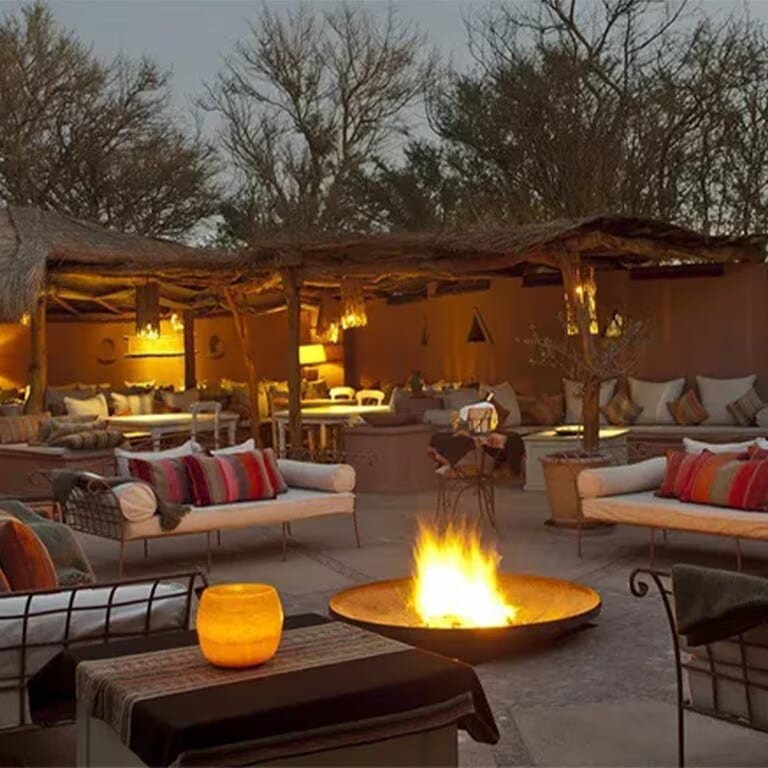
While enjoying a local Alaskan microbrew at sunset, taking in the peaks gilded in pink and purple, don’t be surprised if you spot a bear or two circling the deck. A chef’s table will be waiting in a main lodge suffused with the smell of freshly baked bread. Farm-to-table is a way of life in this far-off land: Scrumptious veggies are grown under the Alaskan midnight sun in Ultima’s greenhouse. Cap the evening off by trading stories of the day’s adventures around the fire pit under starry skies or the summer solstice sun.
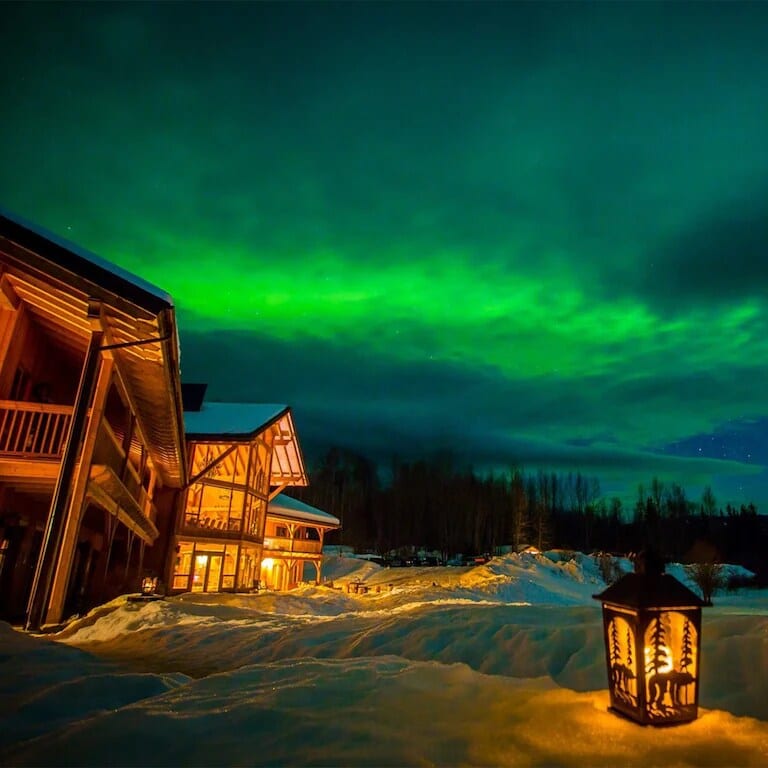
If you travel to Ultima in the fall, expect a late-night knock on your door when the aurora borealis appears—bundle up and enjoy the show.
The Galápagos were largely uninhabited by humans until around 200 years ago, when Darwin’s scientific research set the stage for a culture of reverence for the island’s wildlife. Even today, only three percent of the landmass is inhabited by humans, and the islands support a number of remarkable ecosystems—including one of the planet's most important ocean reserves.
The marine protection area encompasses not only the Galápagos but also a migratory pathway north to Cocos Island in Costa Rica, making it one of the best places in the world for night diving.
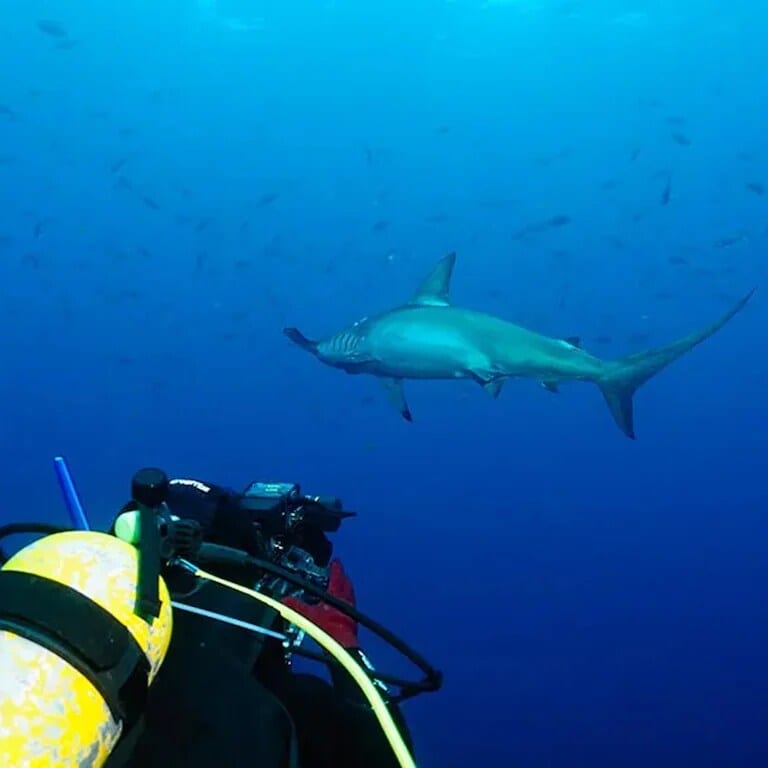
Aquatic life is often more active after dark: Animals that were hiding behind coral during the day appear, so travelers can potentially spot rays, turtles, whitetip sharks, hammerheads, and bioluminescence, especially in Punta Estrada. There are several opportunities to get night-diving certified, which teaches you how to navigate underwater without getting disoriented and how to use your flashlight for communication with fellow divers.
As far as terrestrial experiences go, at UNCHARTED Outpost Galápagos Safari Camp the adventure doesn't end with sunset—you’re immersed in nature 24/7, experiencing authentic and unscripted night safaris. From veranda cocktails and al fresco dining, to stargazing and sleeping under canvas, there are opportunities to spot wildlife everywhere: A pair of resident Galápagos barn owls is often seen on the veranda, and Darwin’s finch is particularly vocal at dusk. Moreover, giant tortoises are often heard shuffling through the vegetation beneath tents in the evenings.