 By The UNCHARTED® editors · 3 min read
This is the first in a series of EVOLVE editorials spotlighting UNCHARTED’s Living Legends of the Global Safari. UNCHARTED founders Chip and Sandy Cunningham, who have over 30 years in the field, select these individuals based on their contributions to the evolution of safari-style adventure travel in Africa and other parts of the world where that model is practiced expertly. Criteria include innovations in the quality of guest experiences, coupled with progressive accomplishments in environmental and cultural preservation.
LIVING LEGENDS
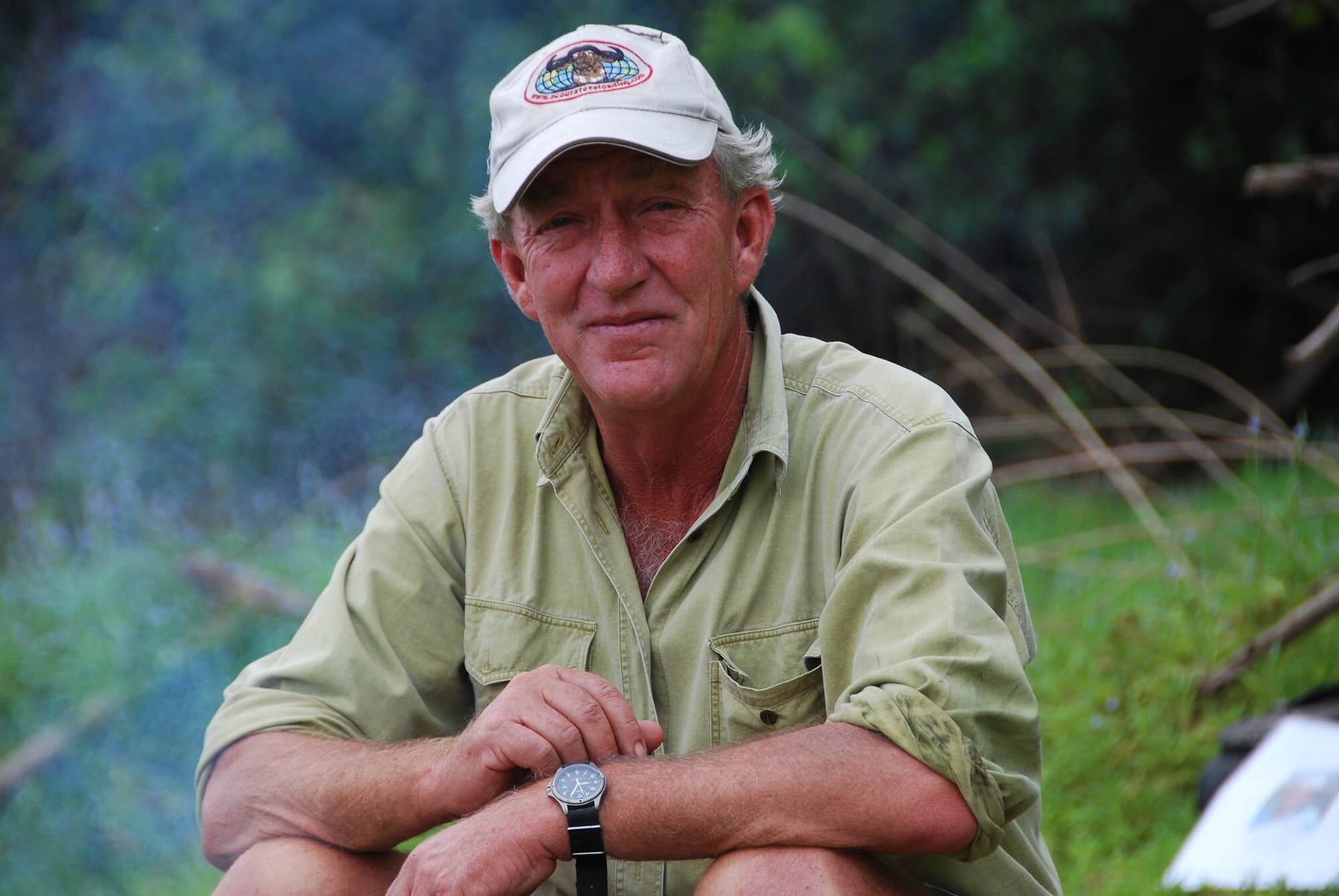
At that time, his generation of guides were shifting from their hunting roots into running a new photographic safari model that placed a premium on
with local landowners—especially the Maasai in Kenya. Over the next four decades, his efforts proved spectacularly successful on every count.
conservation and community partnerships
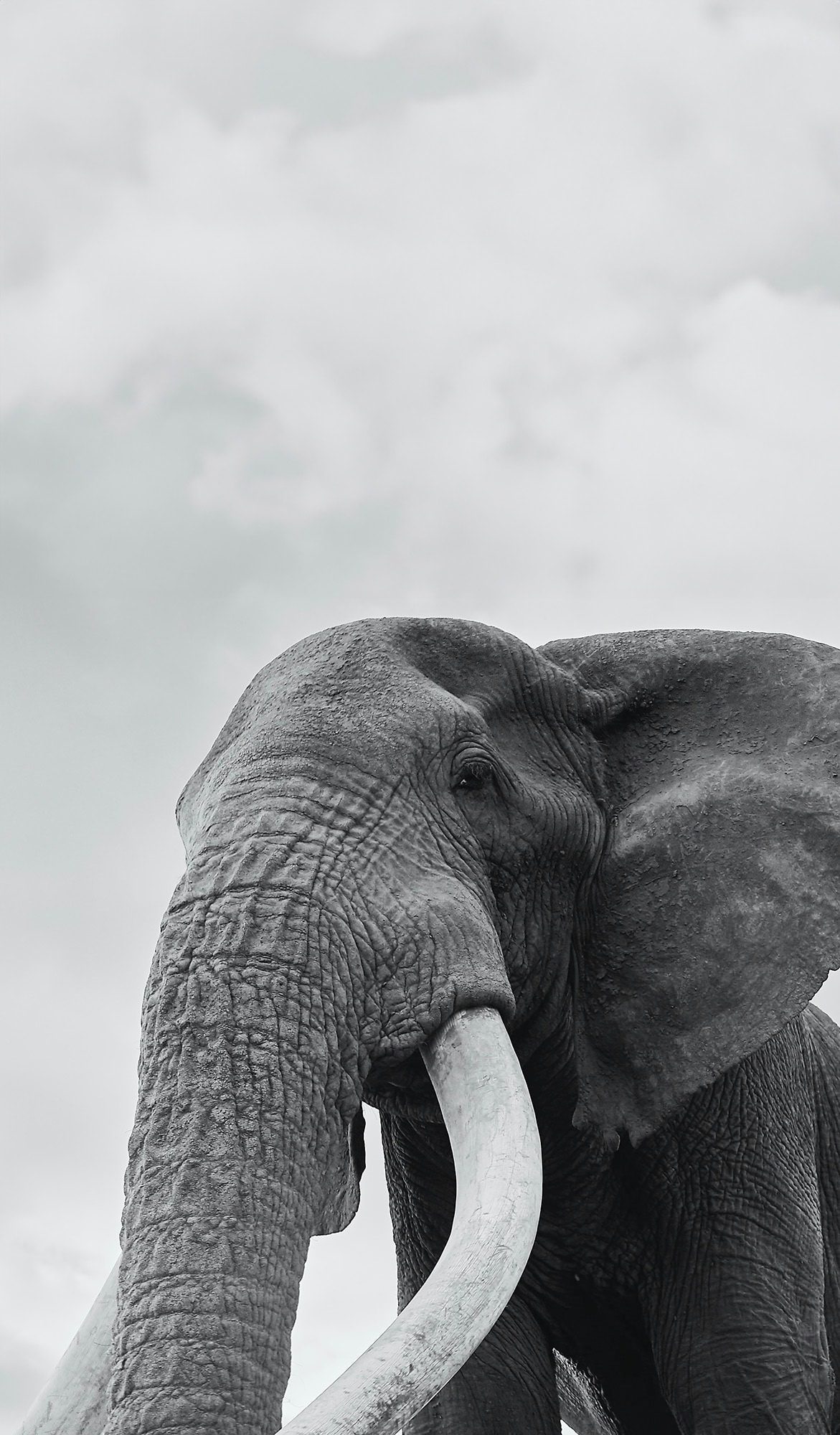
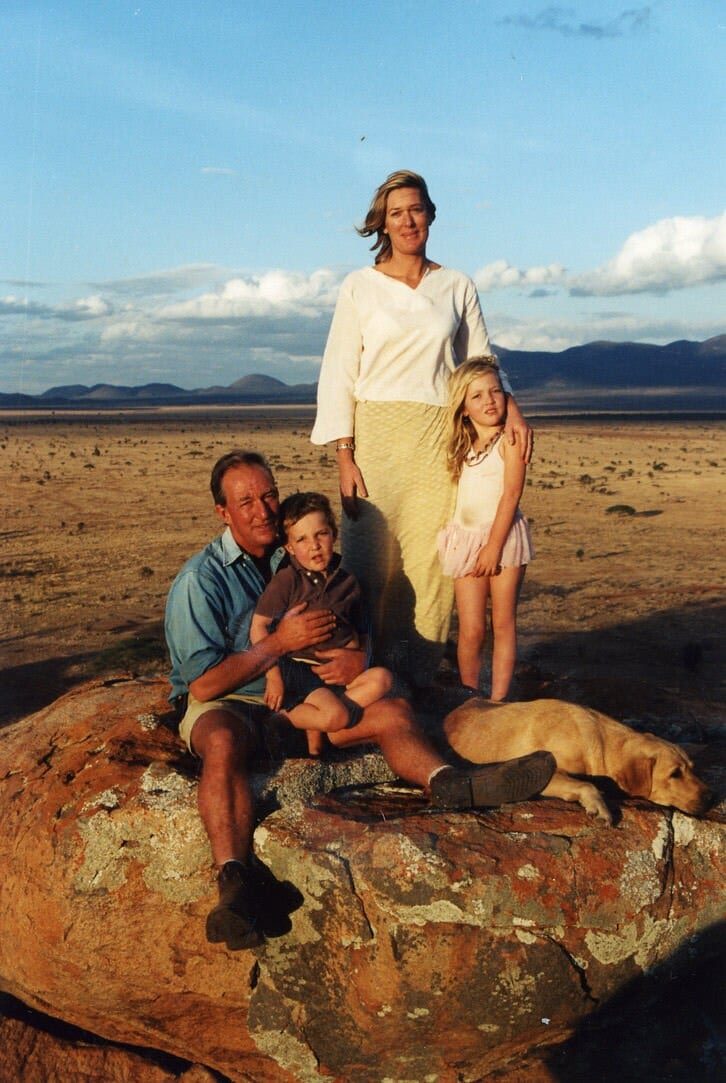
From the outset, Bonham didn’t just run a camp; he leased a 300,000-acre concession of Maasai land in the Amboseli area of southeastern Kenya. He lived and worked hand-in-hand with the tribespeople, embarking on a new life’s-work project of providing jobs and health care and education. He evolved a conservation-first safari operation that over time regenerated the habitat and wildlife, most notably black rhino and elephant populations that had been decimated. The entire enterprise was built on trust and partnership, a rarity back then. Bonham set the template of what joint ventures between safari conservationists and communities should be.
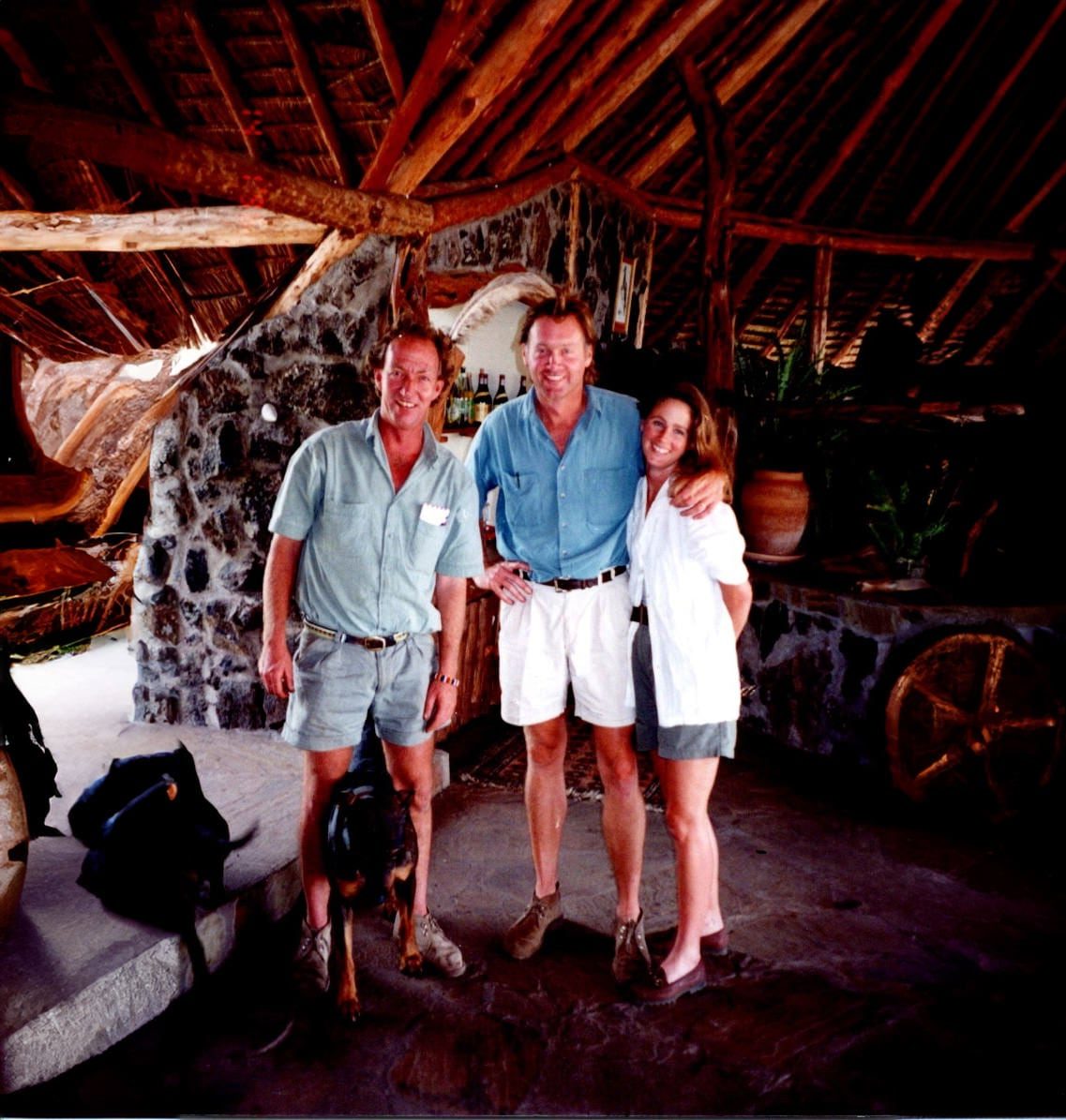
In the Chyulu Hills, Richard established
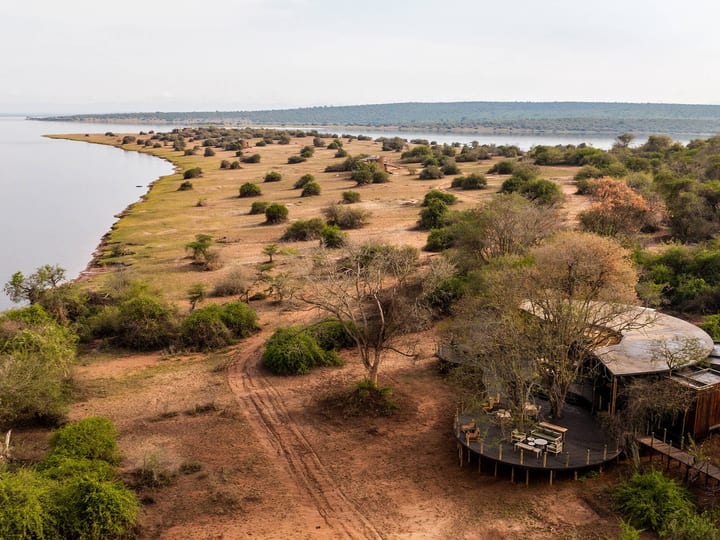
as an old-school bush camp. It was wild and remote, with staggering views over the plains to Kilimanjaro. This country may have been made famous by Hemingway’s “Green Hills of Africa,” but it remained inhospitable and inaccessible to anyone lacking Bonham’s wherewithal and commitment; for example, the team had to bring water from a pipeline 10 miles away. As an honorary ranger of the
Ol Donyo Wuas
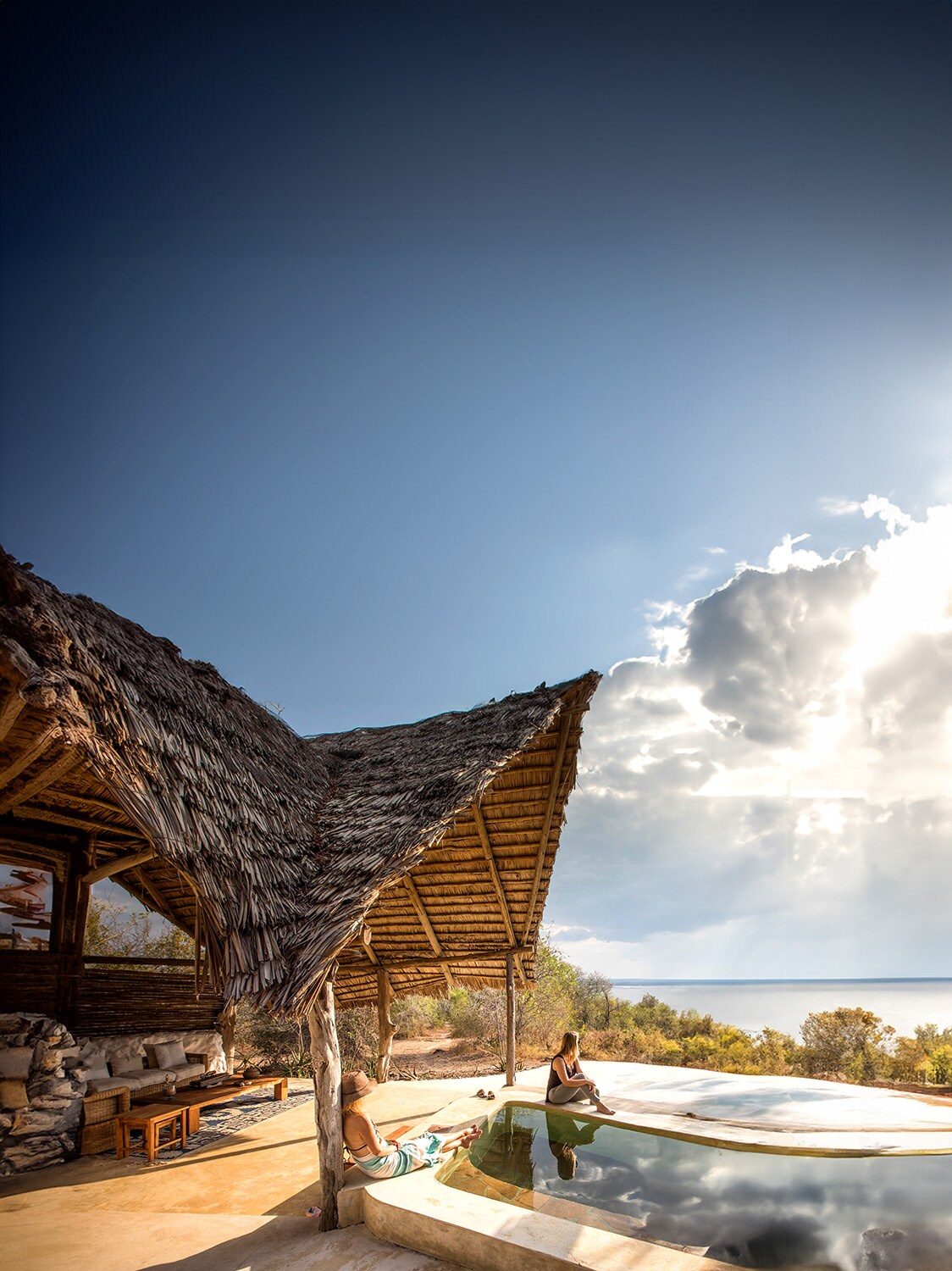
FEATURED OUTPOST
"Tanzania at its Wildest"
Kenya Wildlife Service
– of which his father had been the warden – he worked tirelessly to find solutions to rampant poaching and overgrazing, and eventually employed hundreds of Maasai in the law enforcement efforts.
Bonham’s impact extended south to Tanzania, where his name and reputation gave the startup Nomad Tanzania instant legitimacy. His work in establishing
, one of the first camps in a massive wilderness area, was groundbreaking.
Sand Rivers Safari Camp
Ol Donyo Wuas evolved organically from a basic seasonal bird-shooting camp into a permanent lodge that burned down in the mid-’90s. Bonham hired the
– Chip, a bush pilot and guide, and Sandy, a hospitality pro – to bring it back to life according to Richard’s design and vision. It became one of the premier camps in all of Africa and eventually ownership passed on to Great Plains, an expansive organization that brought it up to Relais & Châteaux standard. But even as the lodge became more luxurious, it was always about conservation and benefitting the Maasai.
Nairobi-based Cunninghams
In 2010, Richard became the Director of Operations of the
Big Life Foundation
, overseeing protected lands that on his watch had grown to 1.6 million acres of wilderness in the Greater Amboseli ecosystem. In 2014 he was honored by the Tusk Trust with the
Prince William Lifetime Achievement Award
for Conservation in Africa.
That’s the heart of Bonham’s legacy—the 40-year evolution of a vast and vital raw wilderness that was under threat and in decline into a beacon of conservation and community partnership, all without losing its wild safari soul. That’s what living legends are made of.

Africa | Outposts
Kenya | Outposts
Global | Roundup
Southern Africa | Outposts
Safari Superstar: Meet the Visionary Empowering Africans
Style Meets Substance in these 3 Kenya Outposts
Go Wild: Next-Level Safari Destinations
7 of the World’s Top Wildlife 7 of the World’s Top Wildlife Experiencess