 By The UNCHARTED® editors · 7 min read
What you want most of all when you visit any city in the world is to experience its authentic pulse, and each of these cities has a life of its own.
Nairobi is complex and cosmopolitan—a mille-feuille of many layers of social and historical dynamics, and an African capital on fire. Not only is it a global hub for technology, investment, and major conservation efforts, but it also has vibrant scenes for food, film, modeling, and art.
JOIN THE TRIBE
Get travel inspiration delivered straight to your inbox—subscribe to our newsletter below.
In Morocco, foodies would be fascinated to learn how tagine–a Marrakechi slow-cooked mutton or beef stew–is traditionally made. While ubiquitous in restaurants, locals like to have it cooked in the embers of a hamam; they often drop their prepared earthenware pots on the way in, and after a day in the baths and saunas, pick up their meal to take home for dinner.
And in Rwanda, mixology aficionados can try banana wine making workshops in Kigali, the land of a thousand hills. This city’s population is determined to forgive, build, and succeed post-genocide, and they are reclaiming their narrative. As a result, the metropolis is abuzz with creatives and startups.
So before you head out on safari, take the time to explore these vibrant cities urging you to linger longer: here’s a taste of what to seek out in Antananarivo, Cape Town, Kigali, Marrakech and Nairobi.
Staying in Kigali is a must before venturing onto emerald rolling hills and misty mountains for gorilla treks and other adventures. Nearly 30 years after the genocide, the city has become an incredible destination, with a vibrant culinary scene and an abundance of artisan workshops.
No doubt, the city has a complicated past—so start by understanding it with a visit to the Genocide Memorial museum and tour first-hand with survivors. Next, dive into its gastronomic riches: Kigali has seemed to blossom into an international dining destination overnight.
Thanks to the country’s fertile volcanic soil, many of its top restaurants specialize in farm-to-fork fare. The city’s market stands pulsate with produce. For fine dining, we highly recommend Heaven. Owned by a Fulbright scholar who returned to Rwanda to raise a family, this husband-wife team has trained over 3,000 locals in culinary and hospitality skills. They also operate Fusion restaurant, which merges culinary traditions from around the world with Rwandan ingredients and a Swahili-inspired bar.
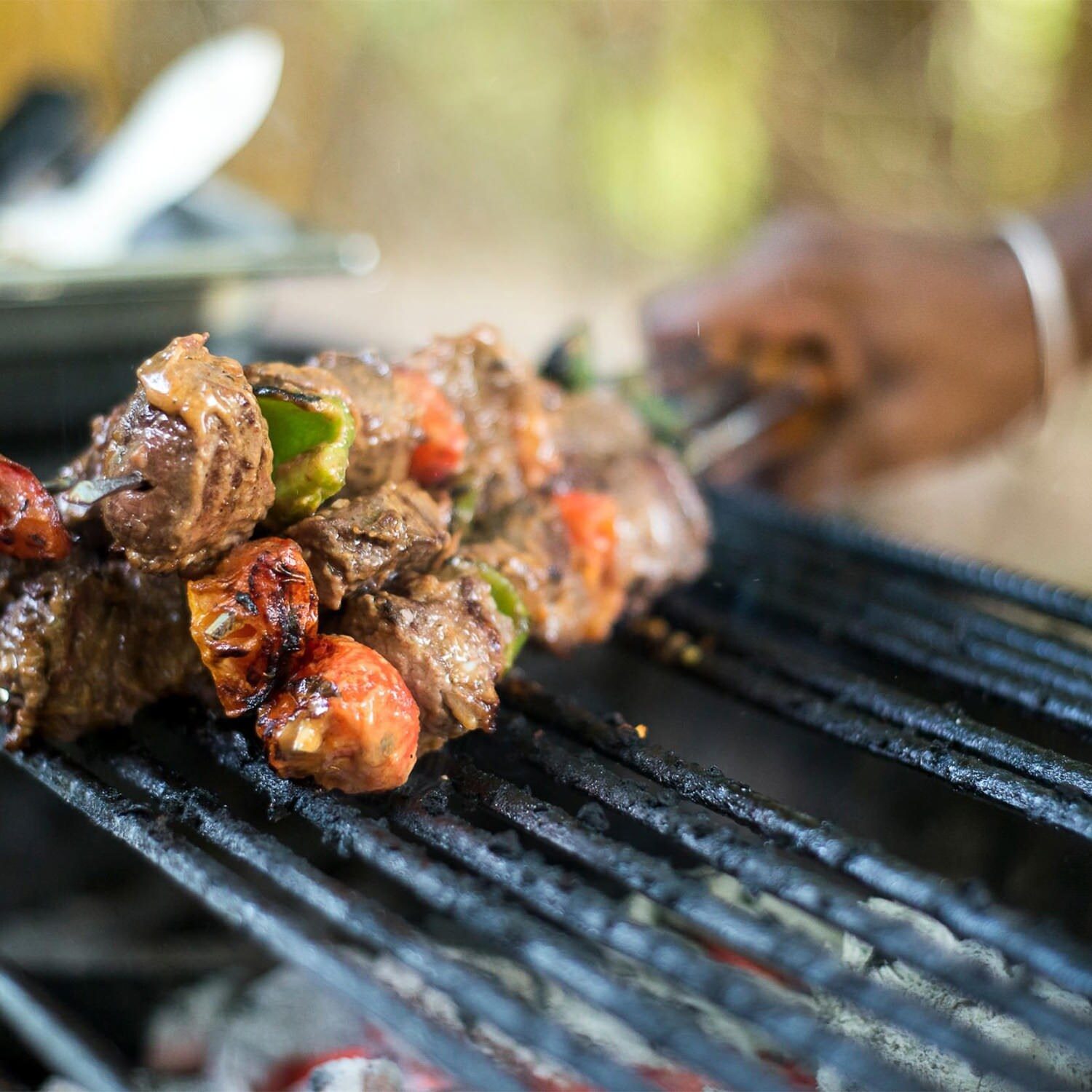
Meza Molanga is worth seeking out—it is a stellar Afro-fusion joint incorporating Maasai, Bantu, and Zulu influences. Lastly, Anda Kigali was just voted onto 50 Best’s Hot List of World’s Best Restaurants. Chef Treasure Makwanise is known for his pineapple brûlée served with mango ginger sorbet.
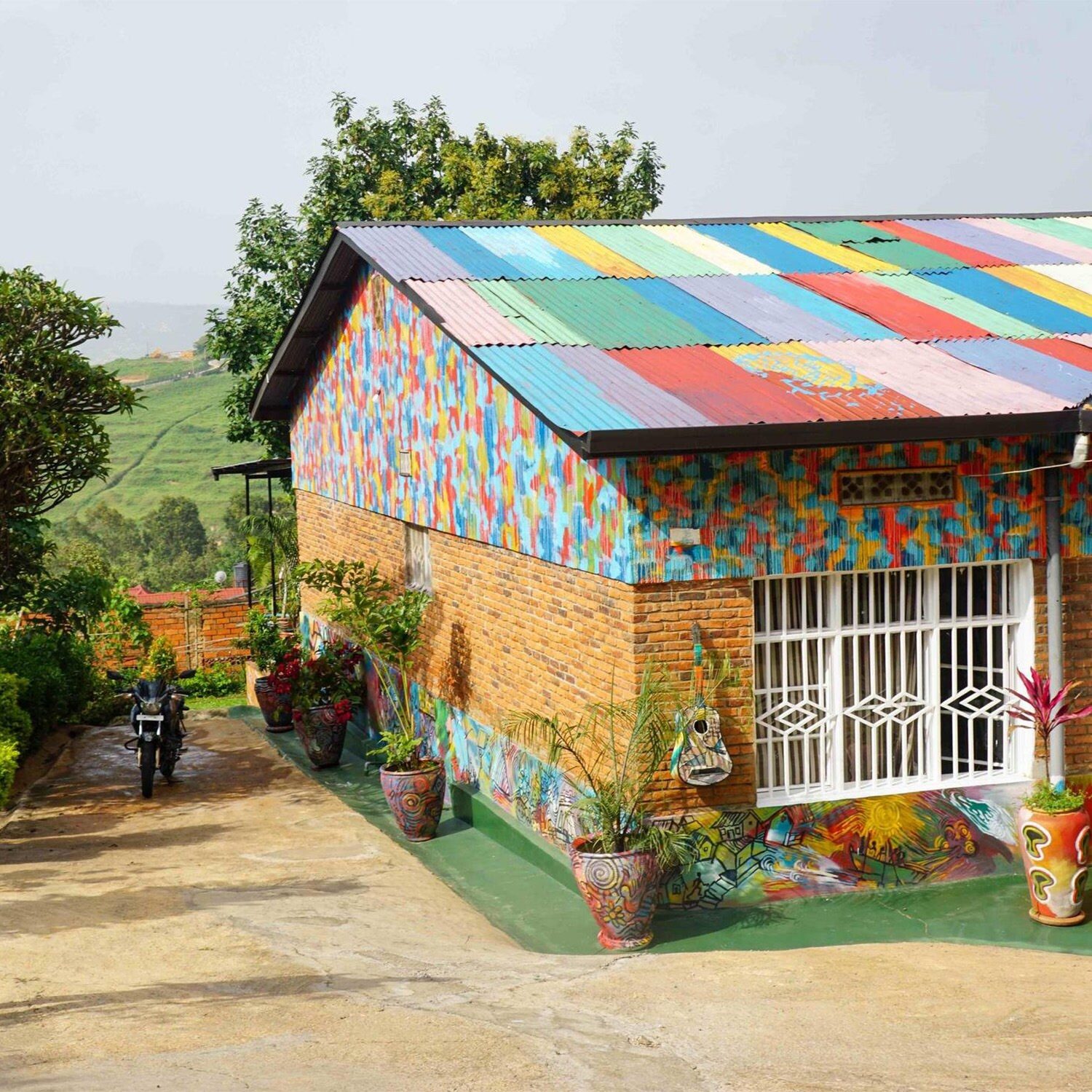
For art, a good place to start is the creative neighborhood of Kacyiru. Both Niyo and Inema galleries have residency programs, featuring impressive contemporary works and traditional imigongo pieces. The area has a surprising fashion and design scene, full of boutique jewelers and traditional kitenge fashions.
PLAN YOUR ADVENTURE
In Nairobi, style hunters will appreciate the leafy, beautiful, boutique hotel Eden, the former home of world-famous interior and fashion designer Anna Trzebinski. Over two decades, she has built an artisanal luxury lifestyle brand. In her studio, peruse pashminas adorned with Maasai beading and suede safari jackets.
The popular Karen Blixen Museum devoted to the Out of Africa author is spellbinding. But we highly suggest taking time to discover the seriously local side of the city—especially the art scene, which has begun to rival those in Lagos and Cape Town.
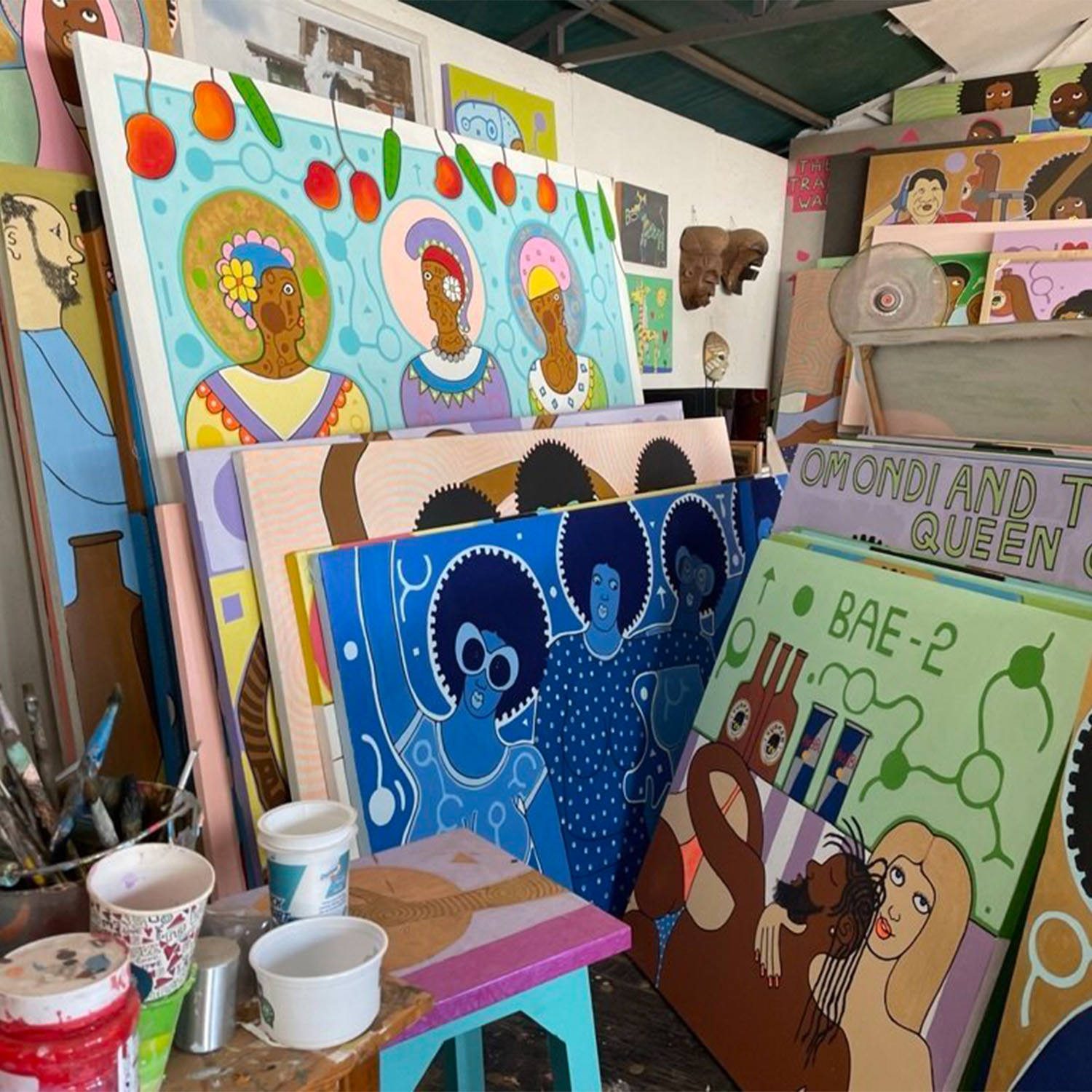
Boasting the annual Art Auction East Africa (the largest on the continent), the city’s list of contemporary art spaces is quickly growing—including the Circle Art Gallery, Kuona Trust, and the GoDown Center. Much of the area’s artistic abundance can be chalked up to the fact that Nairobi has become a hub for many fleeing conflicts from across the region—and strife often produces compelling art. Peter Achayo is Nairobi's voice and vision for the contemporary African art world, and we cannot get enough of Michael Soi’s “China Loves Africa” collection, which examines the relationship between Beijing and international development.
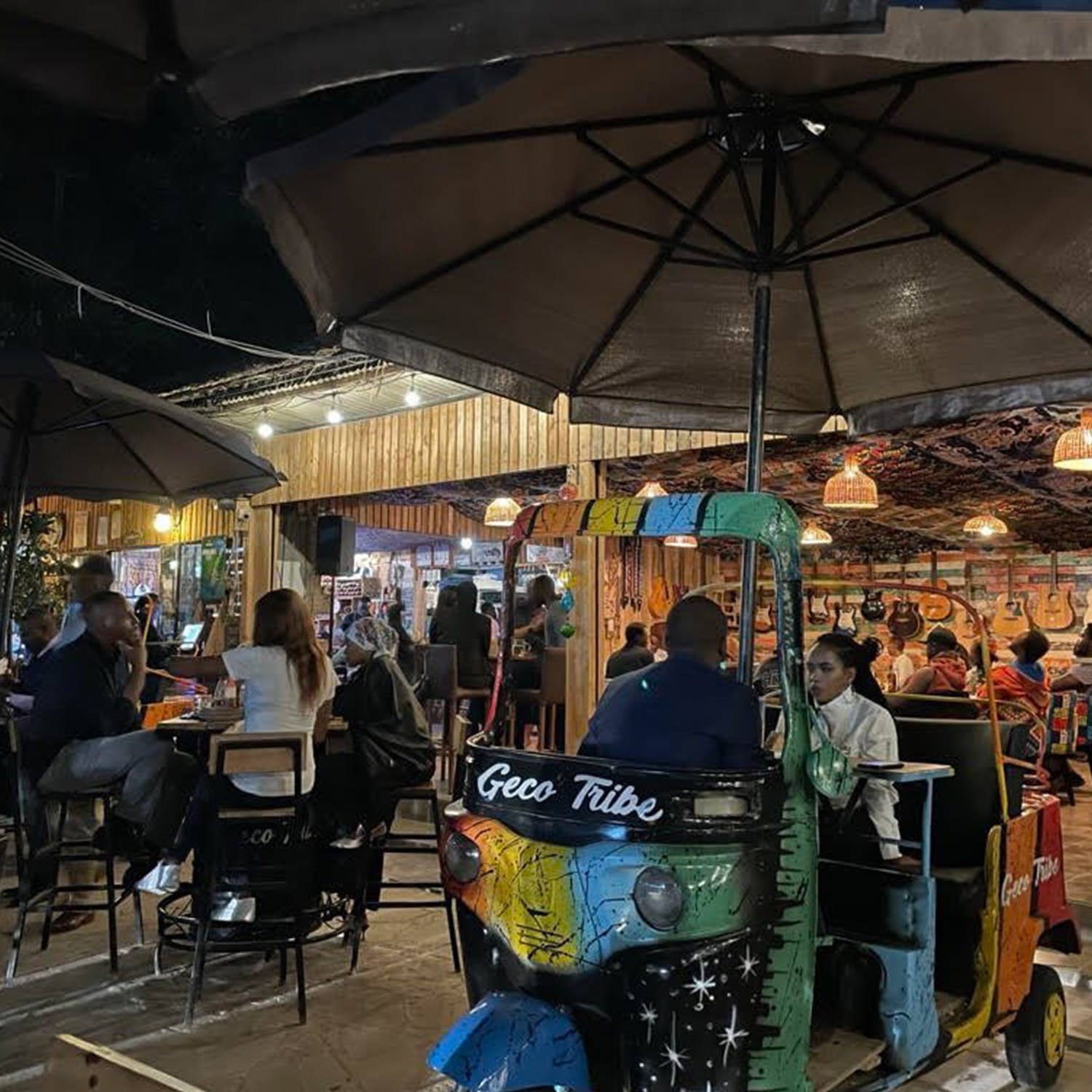
For under-the-radar food, we recommend Boho Eatery for lunch, and due to India’s historical ties with Kenya, Haandi is superb. A totally local scene is the Geco Car Wash—yes, truly a car wash! But at day’s end, it turns into a live music spot, hosting many local bands. For a more refined experience, try out the rooftop bars at Revolver and Pepper Tree.
Antananarivo, the capital and largest city in Madagascar–known as Tana colloquially–is woefully overlooked. It is a great starting point for time in tropical Nosy Be, Tamatave, and Tulear; the Avenue of the Baobabs; and Andasibe, Isalo, and Ranomafana national parks (the three best places to find Ringtail, Golden and howling Indri lemurs). The city’s lurching hills, cobbled streets, steepled churches, stately French colonial homes and small clay houses are haloed by rice paddy fields full of Zebu cattle on the outskirts. Flying into this view is definitely unexpected!
Lake Anosy lies in the bowl of the city, and the area has grown up on the surrounding cliffs. The old royal palace–or the Rova to French speakers and Manjakamiadana to Malagasy speakers–is stilted high above the center; the highest points in this city are dotted with historical mansions and other places of worship.
Café du Musée is perhaps the city’s best restaurant, as well as an event space, museum, and gallery. Focusing on the the flavors of the “Big Island,” some specialties include mango tartare, lychee mousse, pan-fried duck breast with arancini and caramelized apple, and foie gras terrine with cocoa truffle. The restaurant is renowned for its homemade chocolate infused with Madagascar’s famous vanilla. For lunch, we recommend Au Bungalow—which offers smoothies, salads, and bowls.
Due to its island status, many of the cars here are from the 1950s (much like Cuba), and there are some beautiful restored taxi services to take you around the city. For the more adventurous there are always the licensed yellow cabs—and by that we mean tuk-tuks!
But perhaps the best way to explore is to get lost in Tana’s beautiful alleys and enjoy the blooming jacaranda trees.
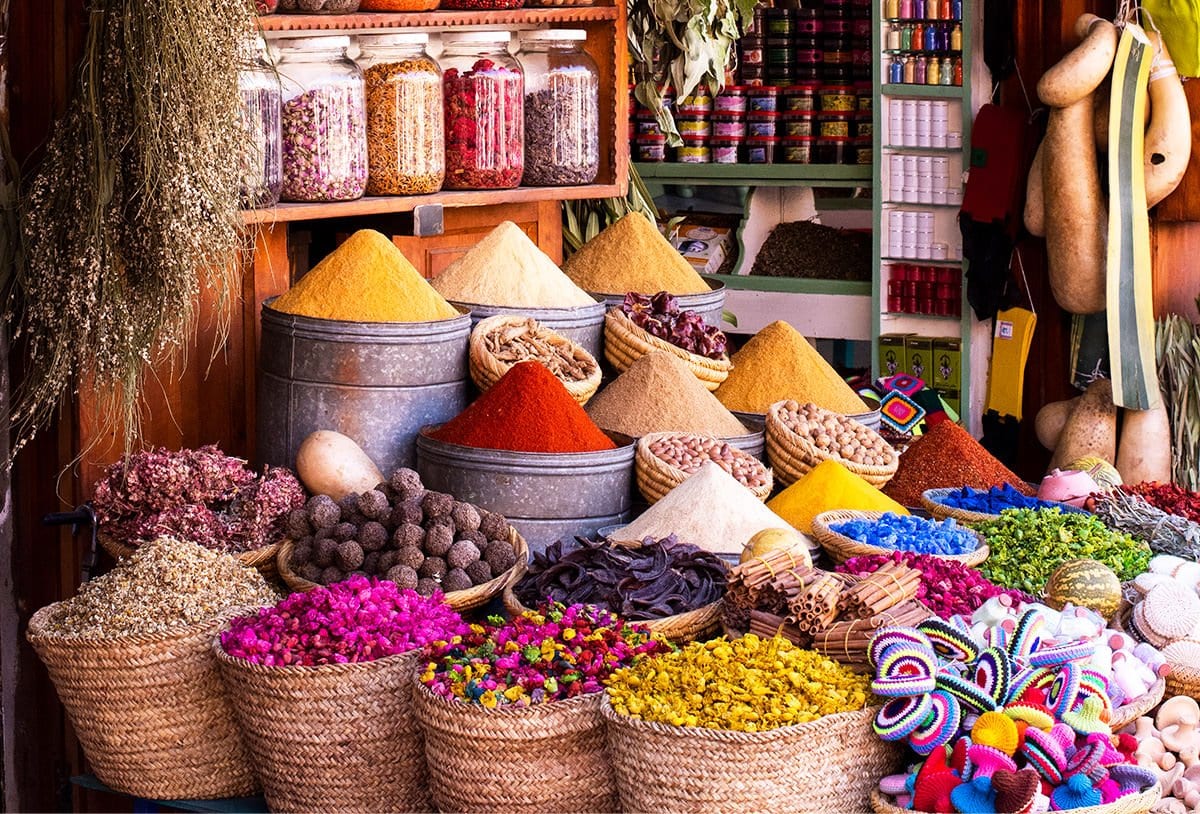
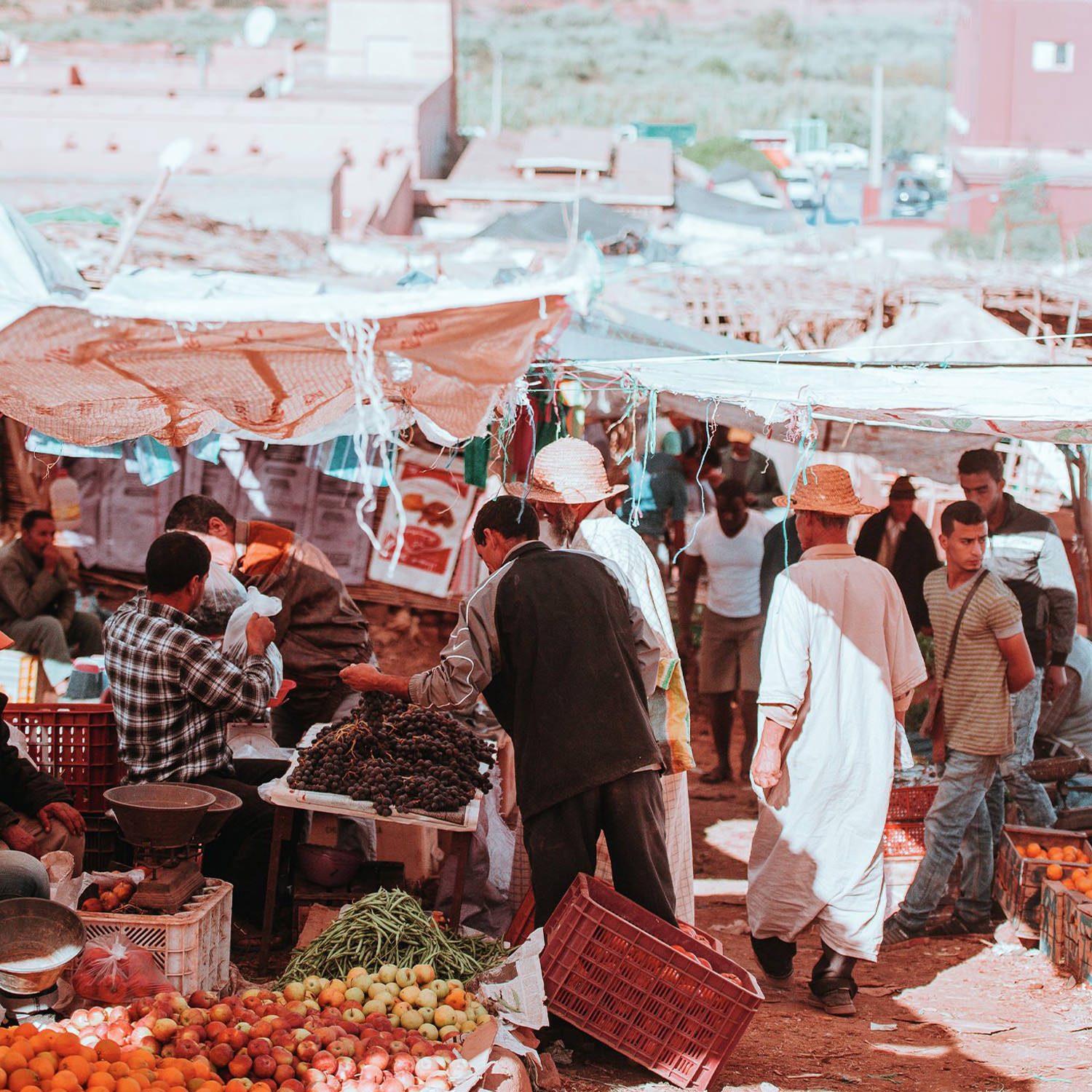
Marrakech is a festival of food, gardens, brilliant interiors, architecture, and possibly the best souk shopping in the world—the spice and carpet medinas are unparalleled. The city is full of history with pronounced European (particularly French and Spanish) influences. There are bursts of color everywhere!
Yves Saint Laurent once called Marrakech home, so it’s no wonder this city is phenomenal for shopping—particularly the Sidi Ghanem area for small French and Moroccan designers. There are myriad studios full of homewares and fashion, and Chabi Chic is our favorite with high-end, bespoke leather handbags and beautiful entertainment dining pieces. For vintage caftans and hand woven pieces from local medinas, we suggest Topolina. There are several perfumeries to check out, including the Musée du Parfum, which is located in a 19th-century riad. Travelers can experience the entire perfume-making process, from distillation to bottling.
While Bahia Palace and Majorelle Gardens are quite well known, the Gueliz quarter is also a highlight. It is known for its beautiful mosque, church, synagogue, and peaceful coexistence among them. Moreover, Morocco produces quality Gris, and many fine dining establishments in Marrakech pour local Val D’Argan varietals. Take advantage of the opportunity, because Marrakech is one of the only Moroccan cities where drinking alcohol is culturally appropriate.
All in all, this city is both a destination unto itself and a great jumping off point to Fez, the Atlas Mountains, the Sahara, and coastal Essaouira.
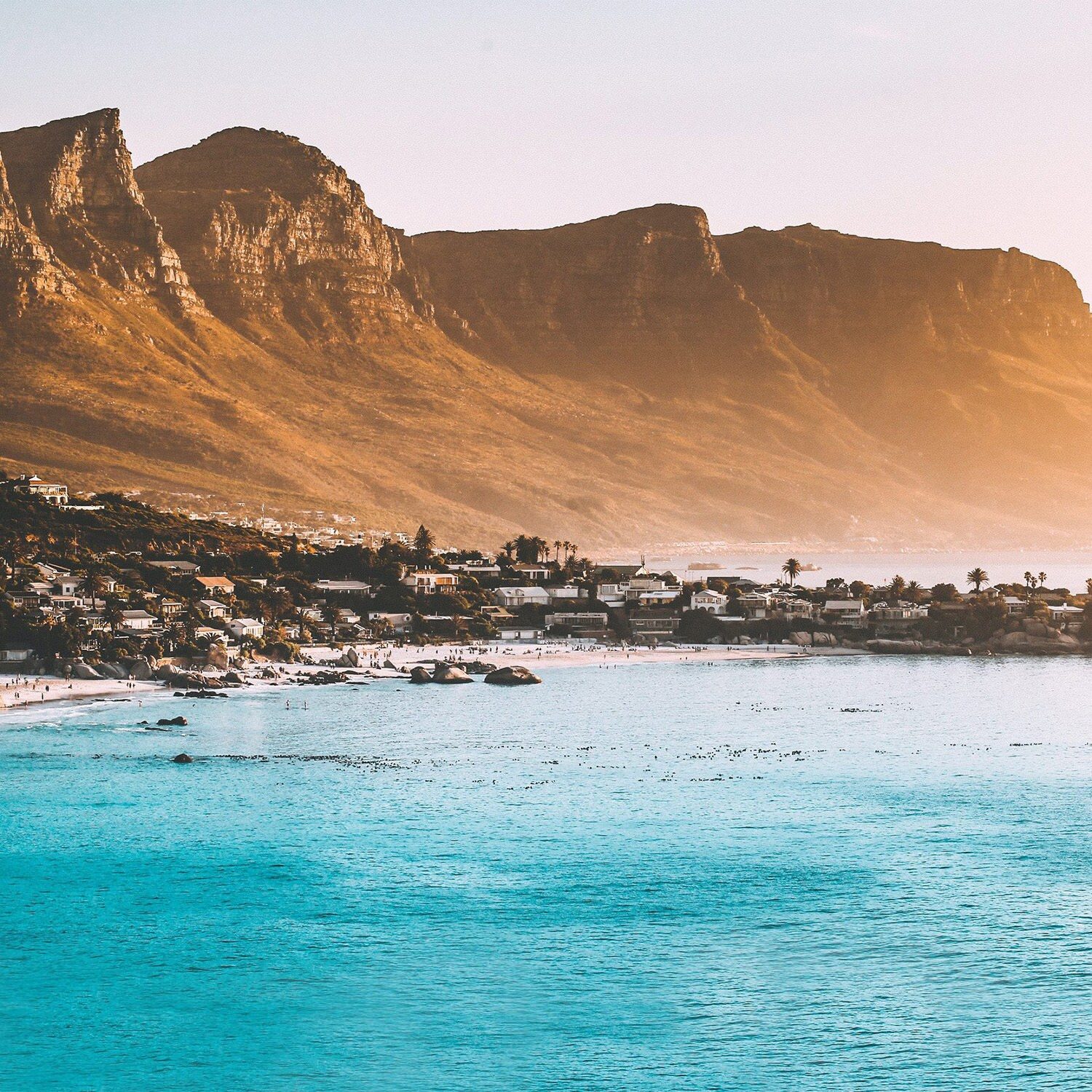
Cape Town, South Africa
Without a doubt, Cape Town is one of our favorite cities in the world. Surrounded by mountains and the sea, the dramatic landscape is only the start—harbor walks and hikes up Table Mountain and its surrounding cliffs provide stunning vistas that reach across the Atlantic. Cape Town’s apartheid history, along with its blend of Zulu, Xhosa, English, Dutch, and Afrikaans cultures, makes it a melting pot. A visit to Robben Island, where Nelson Mandela spent 18 of his 27 years in prison, allows travelers to get a visceral sense of what South Africa was like not so long ago.
On the west side of Table Mountain, we recommend Clifton beaches (all four of them!) and the seaside walkways and braai pits of Camps Bay. On the east side lies the more bohemian Observatory district nestled close to the University. In the summer months Kirstenbosch National Botanical Garden puts on phenomenal outdoor concerts and shows. The culinary scene in this city is outstanding, but for two totally different experiences, we recommend La Colombe, a contemporary French-meets-Asian fine dining spot, as well as Claremont’s Banana Jam cafe for live bands and low key vibes with the locals.
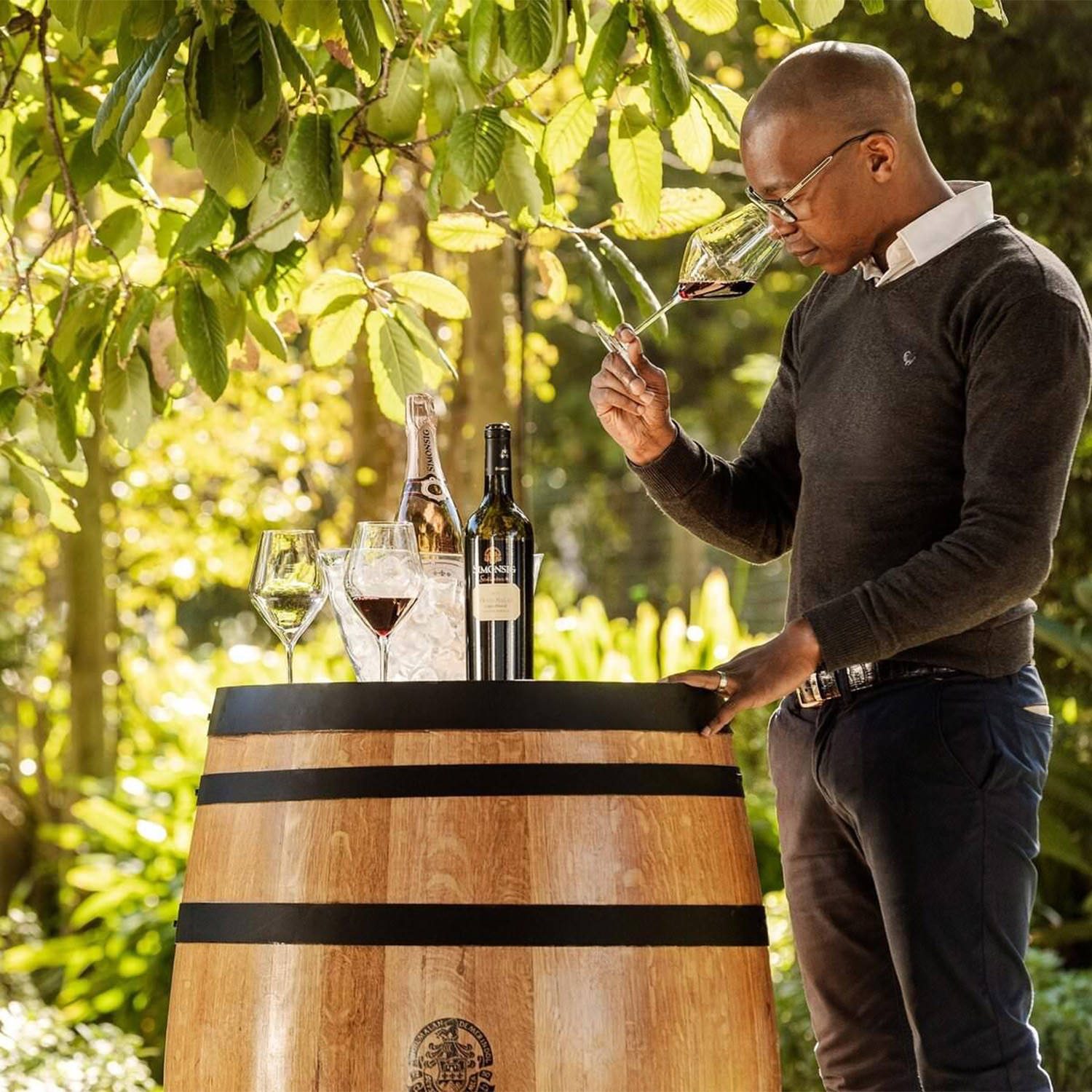
One of the best things about Cape Town is its easy day-trip access. Muizenberg, about a thirty-minute drive away, is famous for its boxed colorful beach houses and surfing. In the other direction, head to Stellenbosch–or Stelly as locals call it–for a day touring wine farms.
Welcome to East Africa OUR CLASSIC SAFARIS
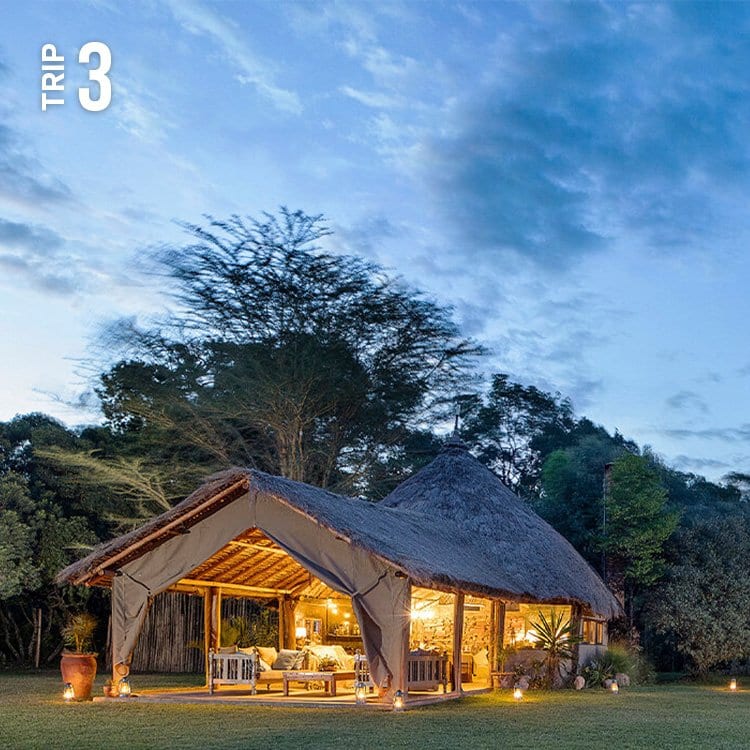
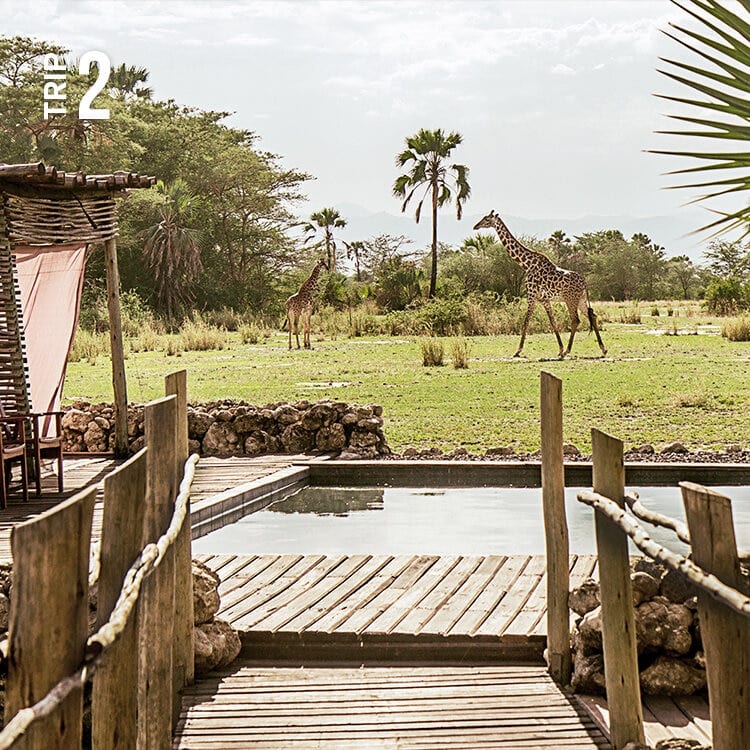
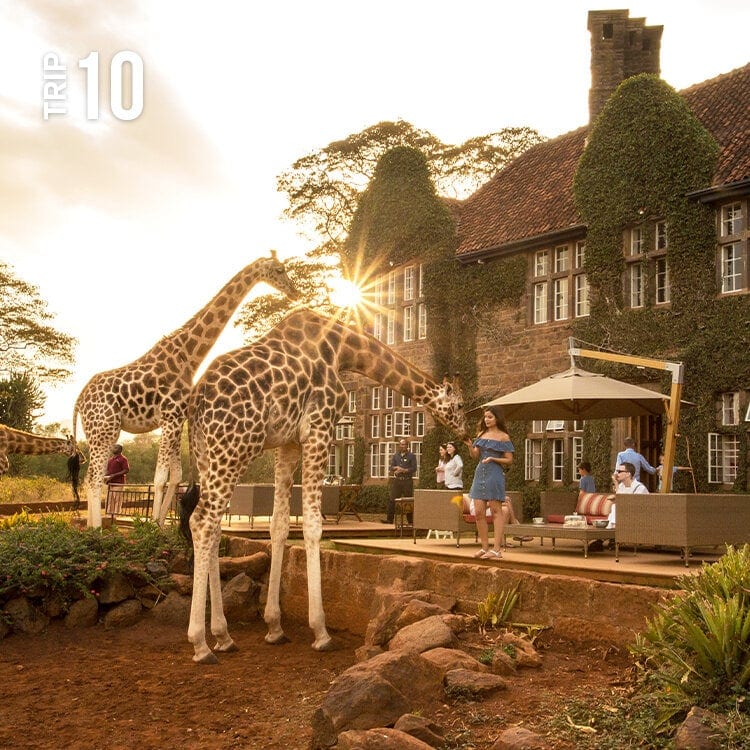
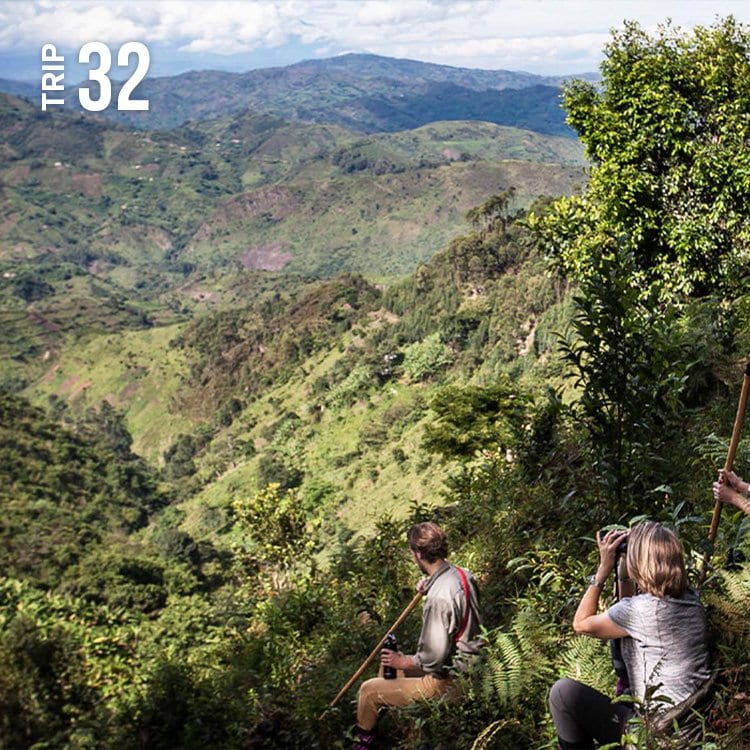
Kenya: A Timeless Family Safari
Tanzania: Wild at Heart
Legendary Kenya Adventure
A Dreamy Safari in Uganda
Make An Inquiry