 By The UNCHARTED® editors · 7 min read
Safari Savant: Into
the Wild with
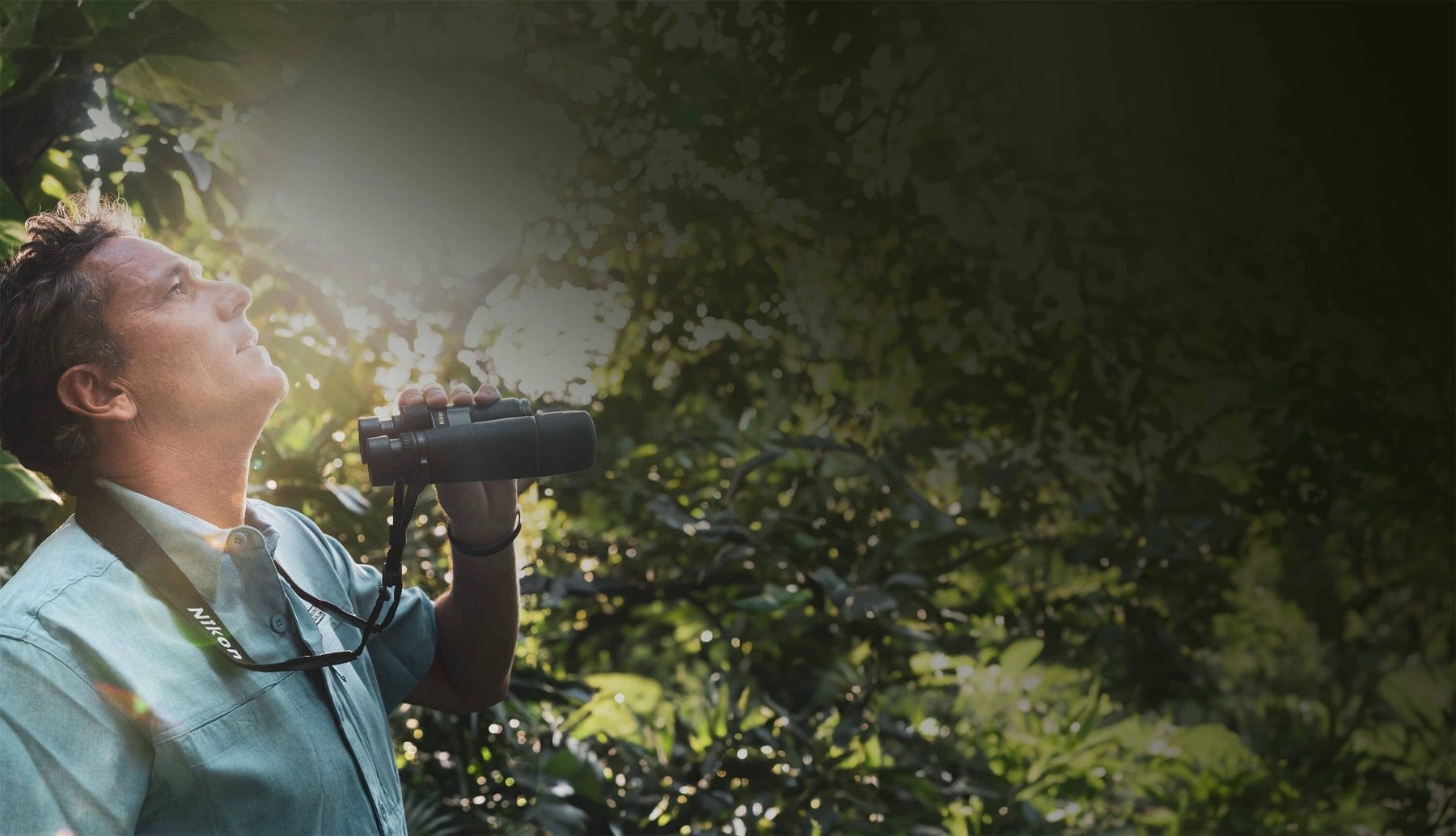
James Currie has focused his binocular lenses on both the most nondescript “LBJ’s” — the birds he endearingly calls Little Brown Jobs — as well as the biggest of the big … the elephants known as super-tuskers for their 100-pound ivories.

Currie wrote a memoir about his exploits as a safari guide, spent over a decade as the host of Nikon’s Birding Adventures on the Discovery Channel and NBC, presented National Geographic’s Aerial Assassins, and facilitated a 24-part lecture series on birding and African safaris. In 2018, he produced the award-winning film called Last of the Big Tuskers, which highlights the urgent plight of Africa’s giant male elephants and their genetic importance in the Southern and East African ecosystems. He now hosts A WILD Connection, a program focused on wildlife around the world.
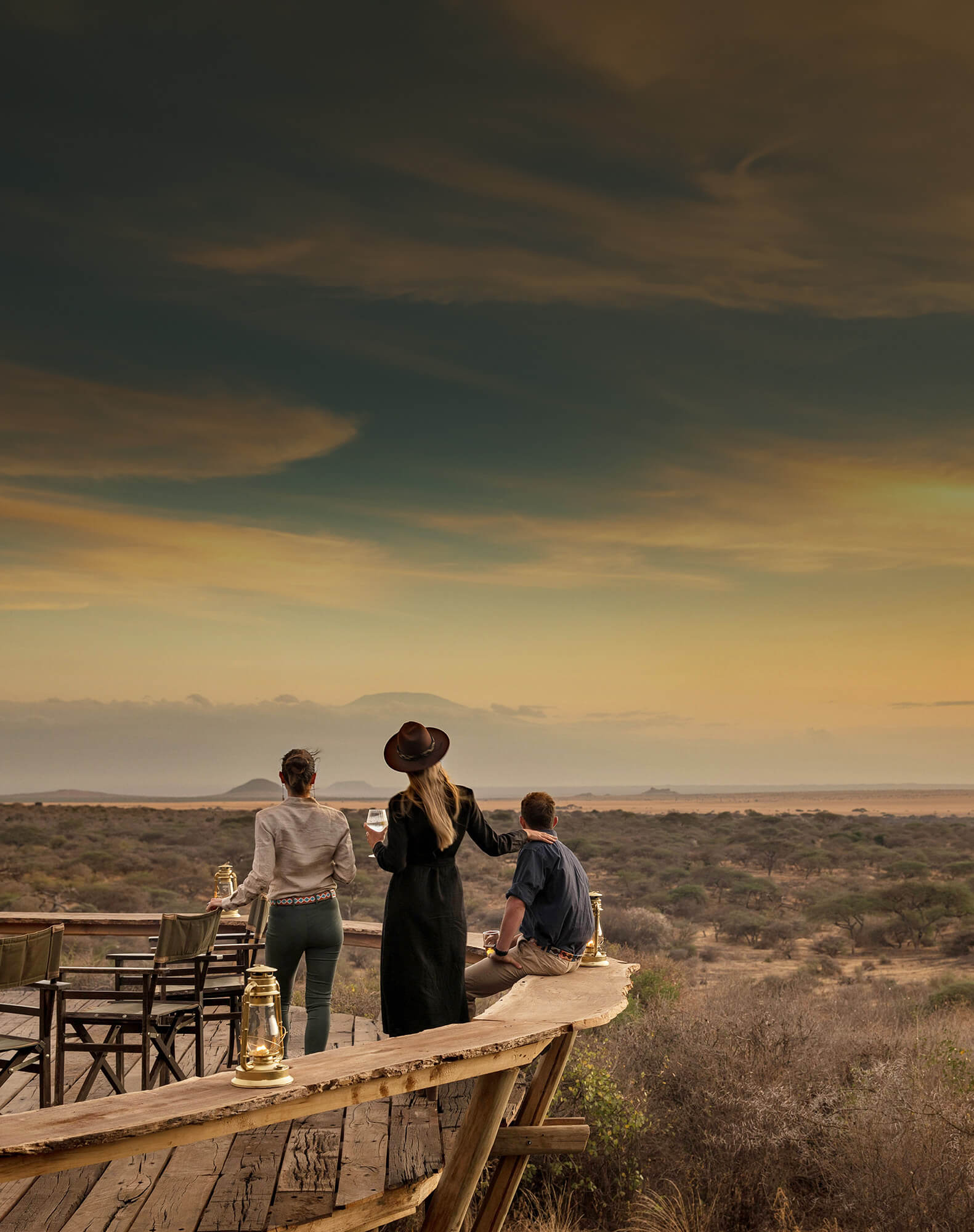
Currie currently works with Great Plains Conservation, a boutique safari camp collection founded by renowned wildlife filmmakers and conservationists Dereck and Beverly Joubert. The outfit manages around a million acres of fragile ecosystems in Botswana, Zimbabwe, and Kenya.
"Safari in Hemingway's Green Hills of East Africa."
Currie spoke with UNCHARTED for what we like to think of as a “Campfire Conversation” being held under the stars and deep in the bush … when in fact it was an online video call — but a deep dive nonetheless!
This interview has been edited for clarity and concision.
Q1: Great Plains runs camps and lodges in Botswana, Zimbabwe, and Kenya. How would you describe the differences between those locations to travelers deciding where to go in Africa?
Q2: As a birding expert and documentarian, do you feel that birding gets enough attention in the safari world?
Birders are an interesting group! In general, they tend to have the best equipment — high-end scopes and binoculars — but often want to economize on accommodations, opting for more affordable lodging to maximize their time in the field. As a result, we don’t get a lot of specialist birders who can afford luxury camps, but we do cater to them.
All three destinations offer incredible safari experiences, but with different flavors and levels of exclusivity.
Kenya is the quintessential African safari experience — wide-open plains, excellent game viewing, and the Masai Mara, which is home to one of the natural wonders of the world, the great wildebeest and zebra migration. However, viewing it can be crowded, with hundreds of vehicles at the river crossings. That’s why many of our camps are in private concessions, offering more exclusive and serene wildlife experiences.
For instance, at our camps in Botswana, we have the 111 Club — if you spot 111 bird species during your stay, you get a special cap. We do emphasize birding, especially on quieter game drives when larger animals may not be as visible. Even non-birders end up fascinated by the avian world after spending some time with us.
Q3: What are some prime locations that combine birding and big game?
In Botswana, the government has a policy of high-value, low-impact tourism, an approach that limits the number of visitors and protects natural areas. The high-end safaris, including those in our camps, are situated in private concessions where only guests from the respective lodges can explore. Botswana also stands out for its water safaris, with activities like mokoro, or dugout canoe, trips, boat excursions, and fishing — something you won’t find in Kenya.
Kenya has more bird species than any other African country, so it's obviously a great birding destination. However, some of the national parks may not be the best birding areas. If someone is a serious birder going to Kenya, I'd encourage them to explore off-the-beaten-track locations like Kakamega Forest, Mount Kenya, or the Taita Hills. These areas are hotspots for endemic birds, which are only found in Kenya and nowhere else.
Zimbabwe is the most cost-effective option for a luxury safari and is very underrated. The country offers access to nearly everything you can experience in Botswana, such as water-based activities, along with the stunning Victoria Falls. However, Zimbabwe is less known due to its past political challenges, which has also contributed to lower pricing.
Botswana, on the other hand, is a landlocked country, so there aren't a lot of endemic birds — none, actually. But it does have many near-endemics, known as "Okavango Specials." Birders come to the Okavango Delta to see species like the African Pygmy Goose, Slaty Egret, and Wattled Crane, which are difficult to spot outside of the Okavango ecosystem.
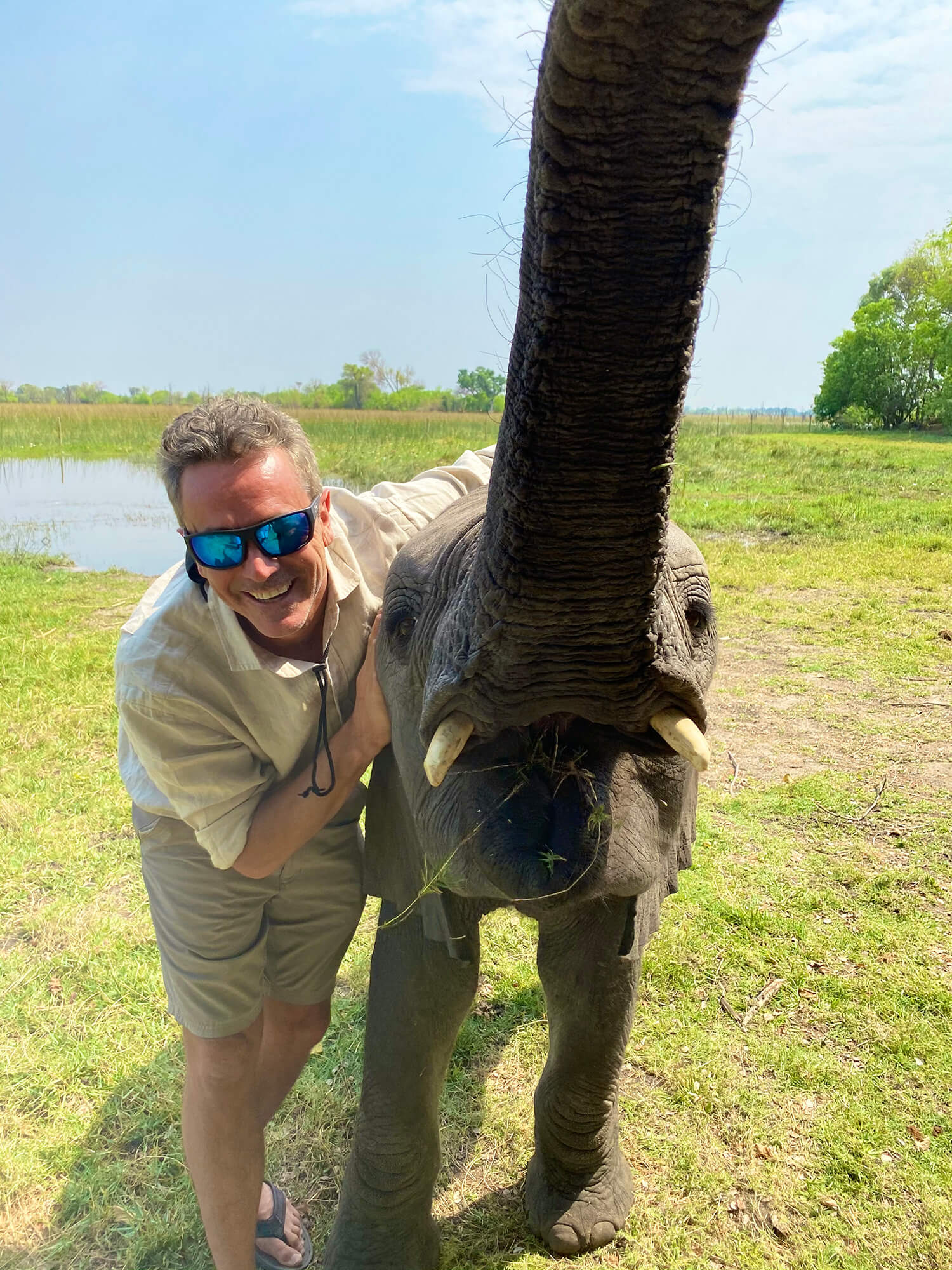
"Many of our camps are in private concessions, offering more exclusive and serene wildlife experiences."
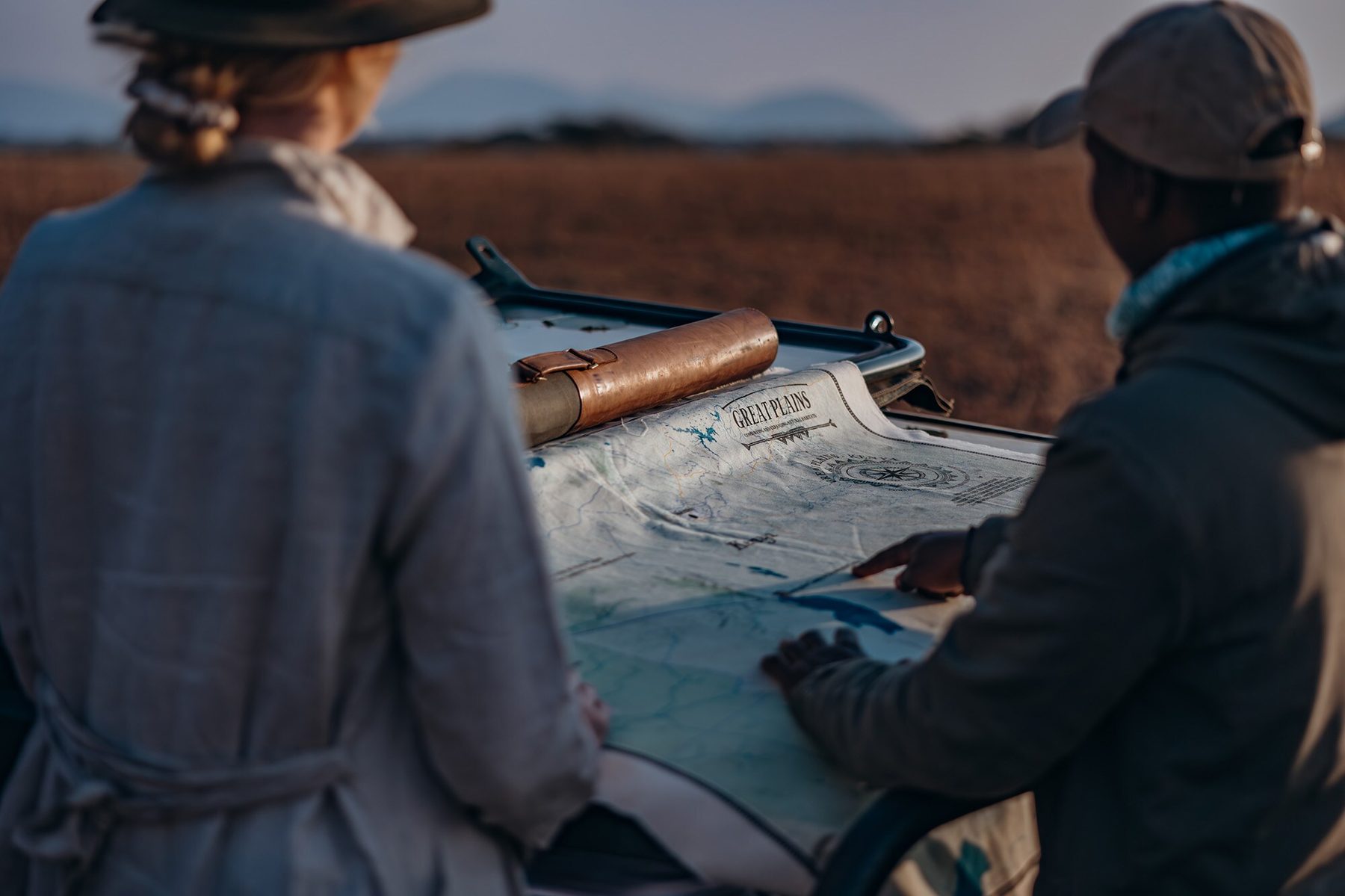
Q4: What are some of your favorite birds to observe, and where do you like to see them?
Q6: What about the overall population trends?
The trends can be confusing. In certain areas conservation efforts have been successful, like in Botswana and Zimbabwe. Botswana instituted a hunting ban in 2014, which led to a good increase. However, the hunting ban has since been lifted, so we might see a reversal of that progress.
I’m a big fan of owls, and one of the most special is the Pel’s Fishing Owl — often called the "Holy Grail" of birding in Southern Africa. We currently have a breeding pair at our Duba Explorers Camp in the Okavango Delta. I also love colorful birds like Carmine Bee-eaters and kingfishers, as well as raptors. Then there are the LBJ’s, little brown jobs — those small, nondescript birds like cisticolas — that pose a real identification challenge, which I enjoy.
In other areas, elephants are still being exterminated at an alarming rate. This is why conservation and tourism have an important role to play. We should consider reintroducing elephants to areas where they’ve been wiped out, rather than focusing on controversial solutions like contraception or culling. Culling creates significant distress within elephant populations, and angry elephants are never a good thing.
Q5: You have documented the decline of elephant populations with particular focus on the gradual disappearance of the big tuskers that have ivory of over 100 pounds. What is their current status?
Q7: You’ve been a safari guide and you wrote a memoir about your adventures, you’re a prolific documentarian and television presenter, and you’ve promoted some of Africa’s premier safari camp collections. Where in all of this have you found the most fulfillment, and what are your current ambitions?
When I was born in 1972, there were probably between 1 million and 1.2 million African elephants. Today, there are no more than 300,000 to 400,000 left, meaning we've seen a 60% decline in the populations during my lifetime. This is due to several factors, including poaching, trophy hunting, and habitat loss.
Super-tuskers are particularly endangered. There are probably no more than 25 left, compared to thousands 50 years ago. This is due to a form of human-induced evolution: Hunters and poachers target these large-tusked elephants, so, over time, the genetic predisposition for large ivory disappears from the population.
I get the most fulfillment from the impact Great Plains is able to make to Africa’s wildlife, her people and her wild places. Without viable tourism in Africa’s conservation areas, conservation is much harder, if not impossible to achieve.
"Without viable tourism in Africa’s conservation areas, conservation is much harder, if not impossible to achieve."
This tusklessness is an evolutionary survival tactic. If an elephant doesn't have tusks, it's less likely to be killed. While they can survive without them, it's much harder because they use their tusks for defense, lifting their babies out of muddy waters, prying bark off trees, and digging for water. In a healthy elephant population, only about 3-5% of elephants are naturally tuskless, and they often rely on other members of the herd for help. Now, we're creating entire populations of tuskless elephants, which is like having a population of one-armed humans — they can survive, but it's much more difficult.
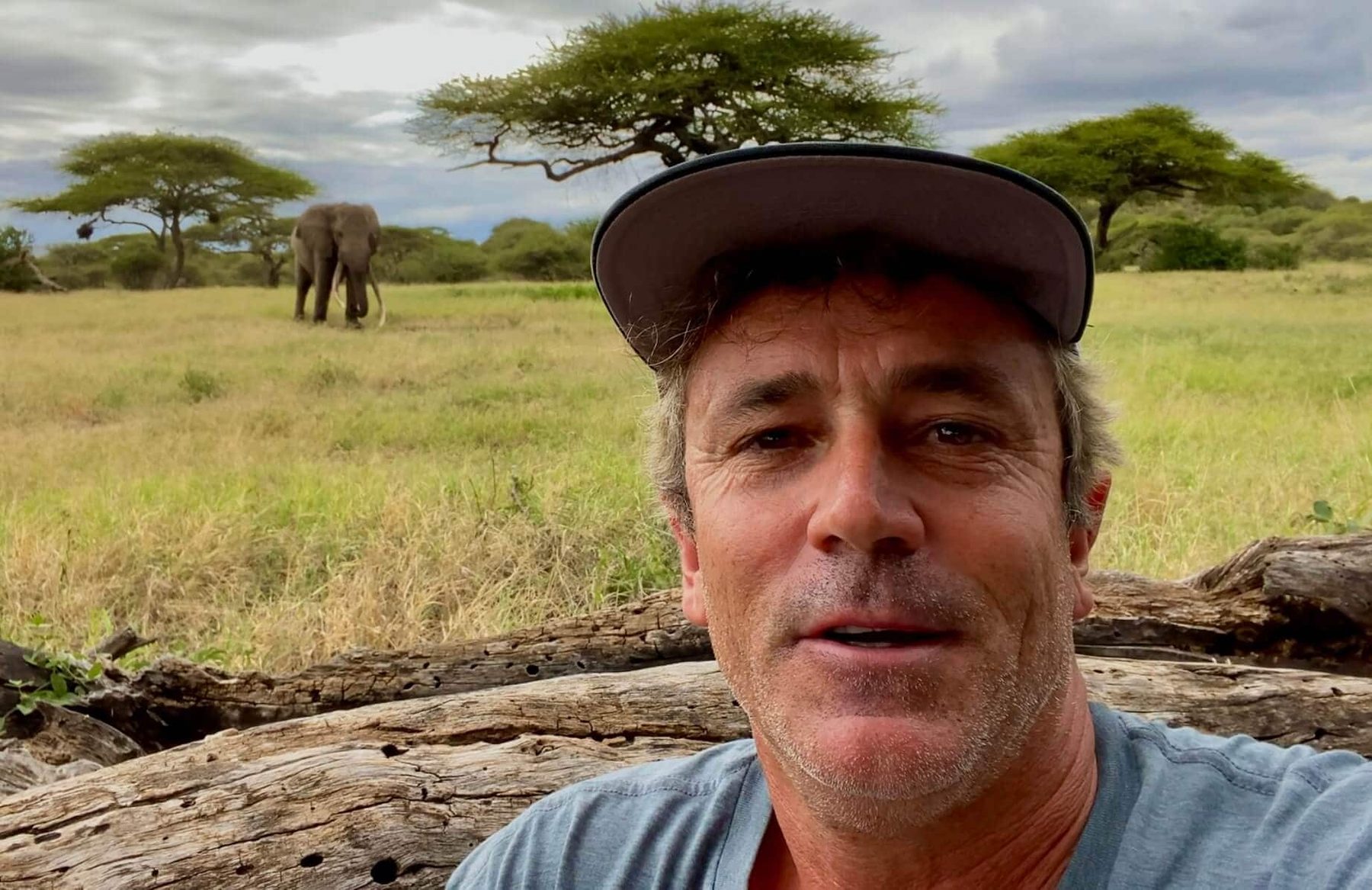
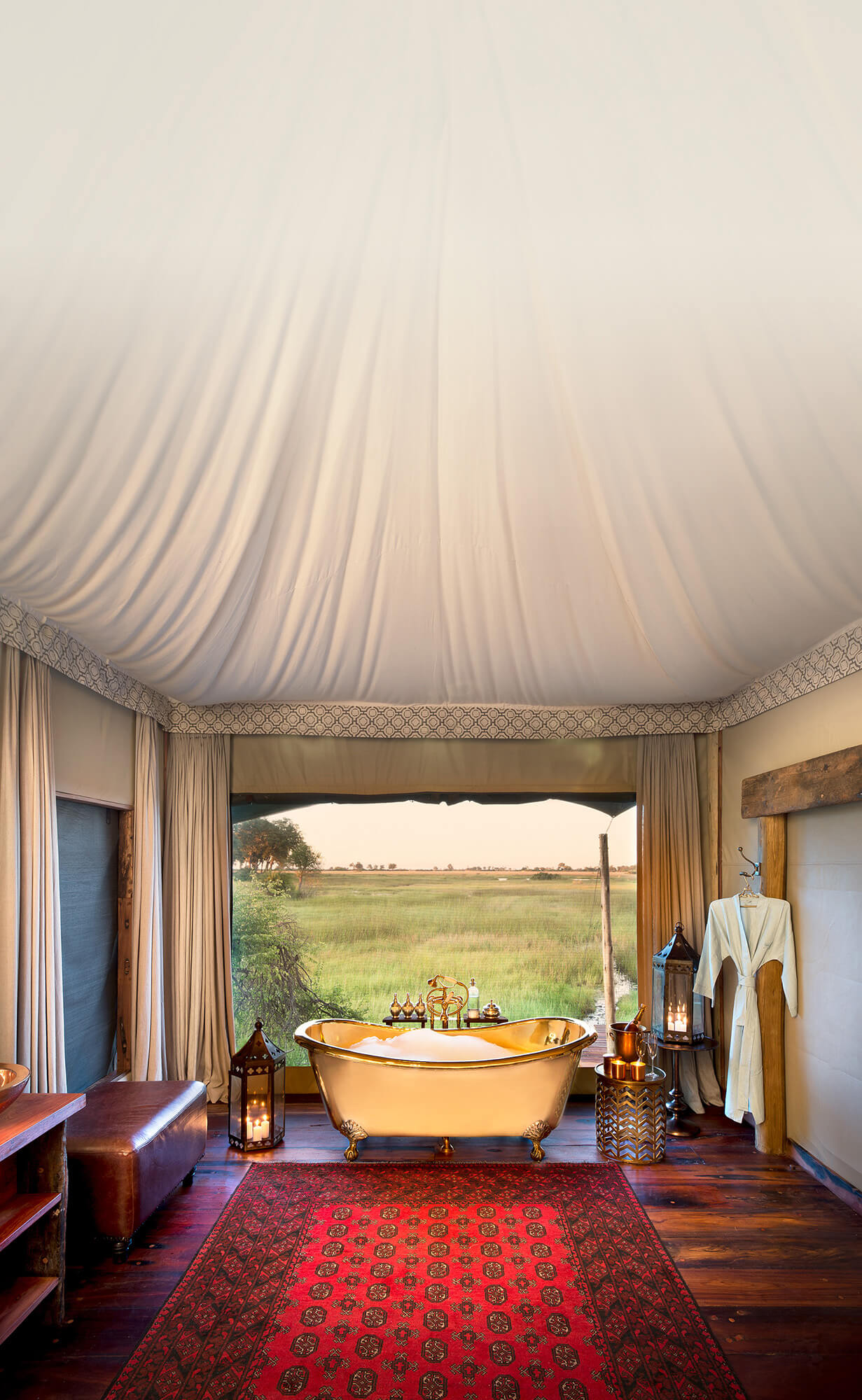
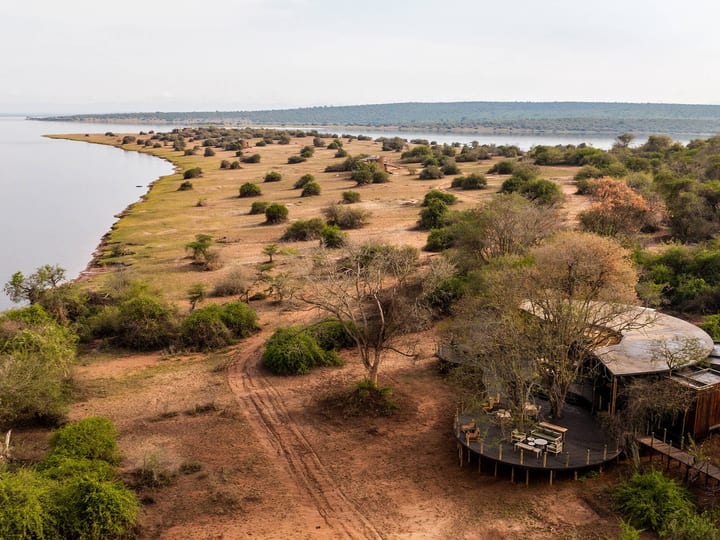
DUBA PLAINS CAMP
Q8: What’s the best way for travelers to make a meaningful impact?
Q9: For travelers seeking meaningful cultural encounters, which destinations would you recommend?
It’s important for travelers to understand the difference between what they think a community wants and what a community actually needs. Our foundation works directly with the communities to identify what they truly need. We encourage guests who want to make a positive impact to ask us how they can help through our foundation, rather than bringing in items from outside.
All three countries [that we operate in] offer authentic cultural interactions. I often hear from guests that they go on safari for the wildlife, but they return because of the people. The hospitality in Africa, particularly in these regions, is extraordinary. Community interaction is central to our operations. We see ourselves as tenants, while the local communities are the landlords. When guests visit, it’s never a contrived or staged experience — it’s a genuine interaction, with the local communities welcoming guests into their homes.
Q10: Luxury means different things to different people. How do you reconcile the idea of luxury with the sense of adventure that a safari promises?
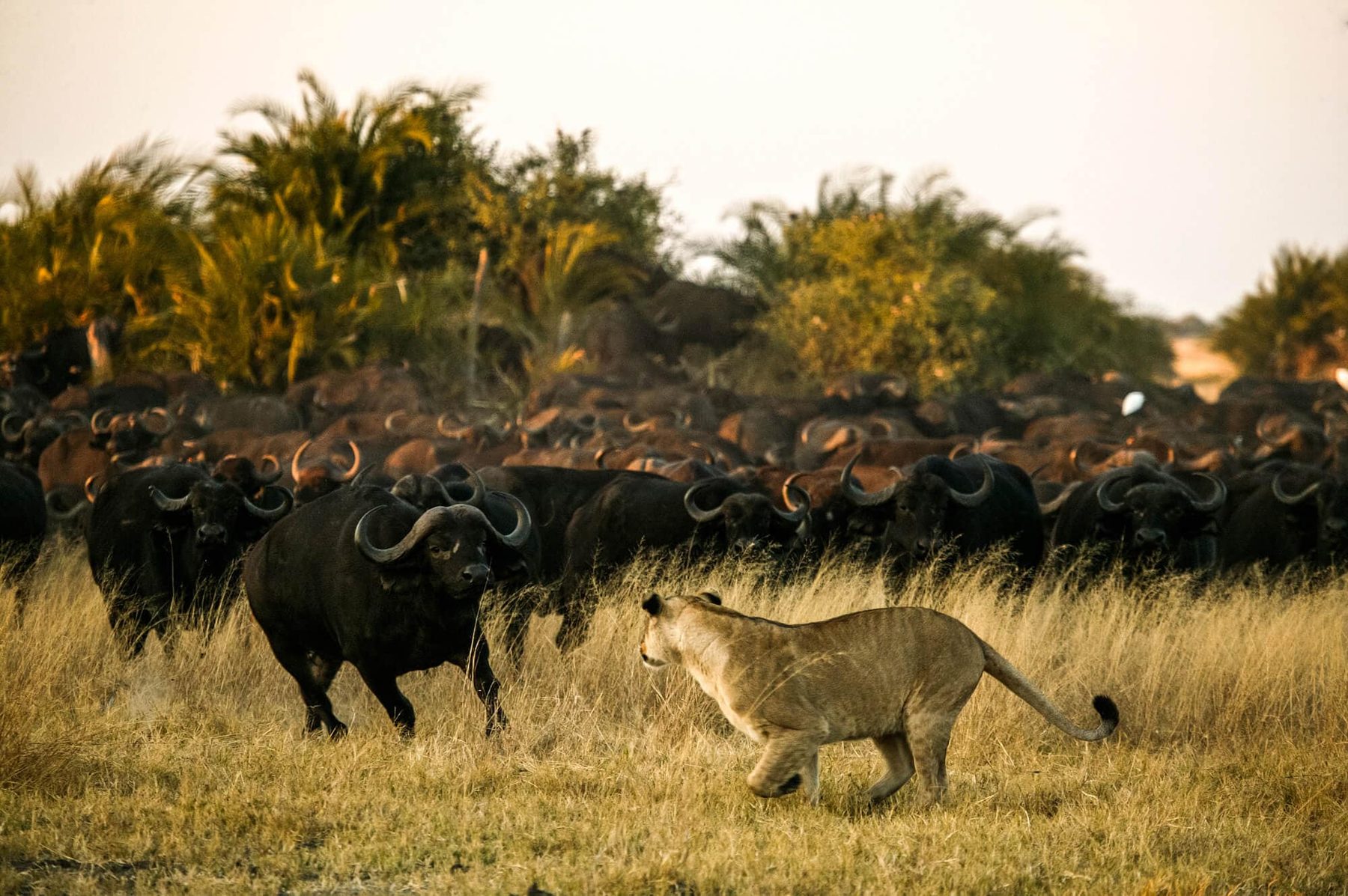
For us, true luxury is access to time and space. It's about having the luxury of slowing down, being in secluded areas, and enjoying exclusive access to wildlife. That’s the real luxury — not just a fancy room. Most of our guests appreciate the beautiful lodges and comfortable beds, but it’s the experiences — the intimate wildlife encounters, the surprise sundowner events, the dinners in the bush — that define luxury for them.

Africa | Outposts
Kenya | Outposts
Southern Africa | Outposts
Global | Roundup
Go Wild: Next-Level Safari Destinations
Style Meets Substance in these 3 Kenya Outposts
Safari Superstar: Meet the Visionary Empowering Africans
7 of the World’s Top Wildlife 7 of the World’s Top Wildlife Experiencess