 By The UNCHARTED® editors · 5 min read
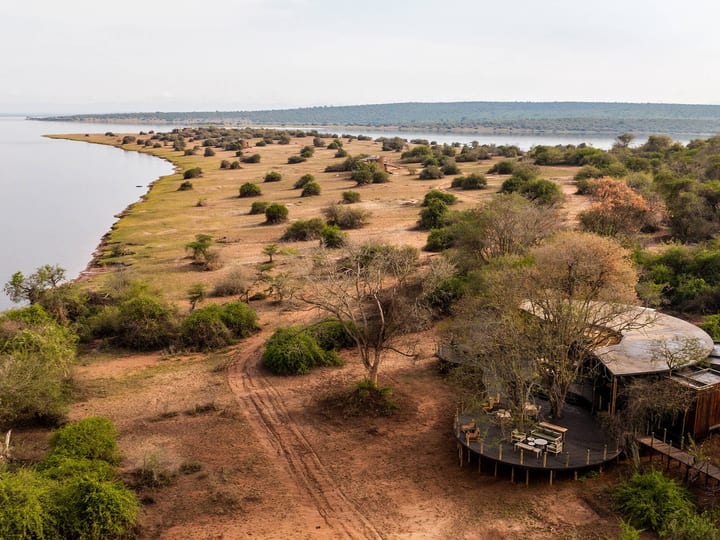
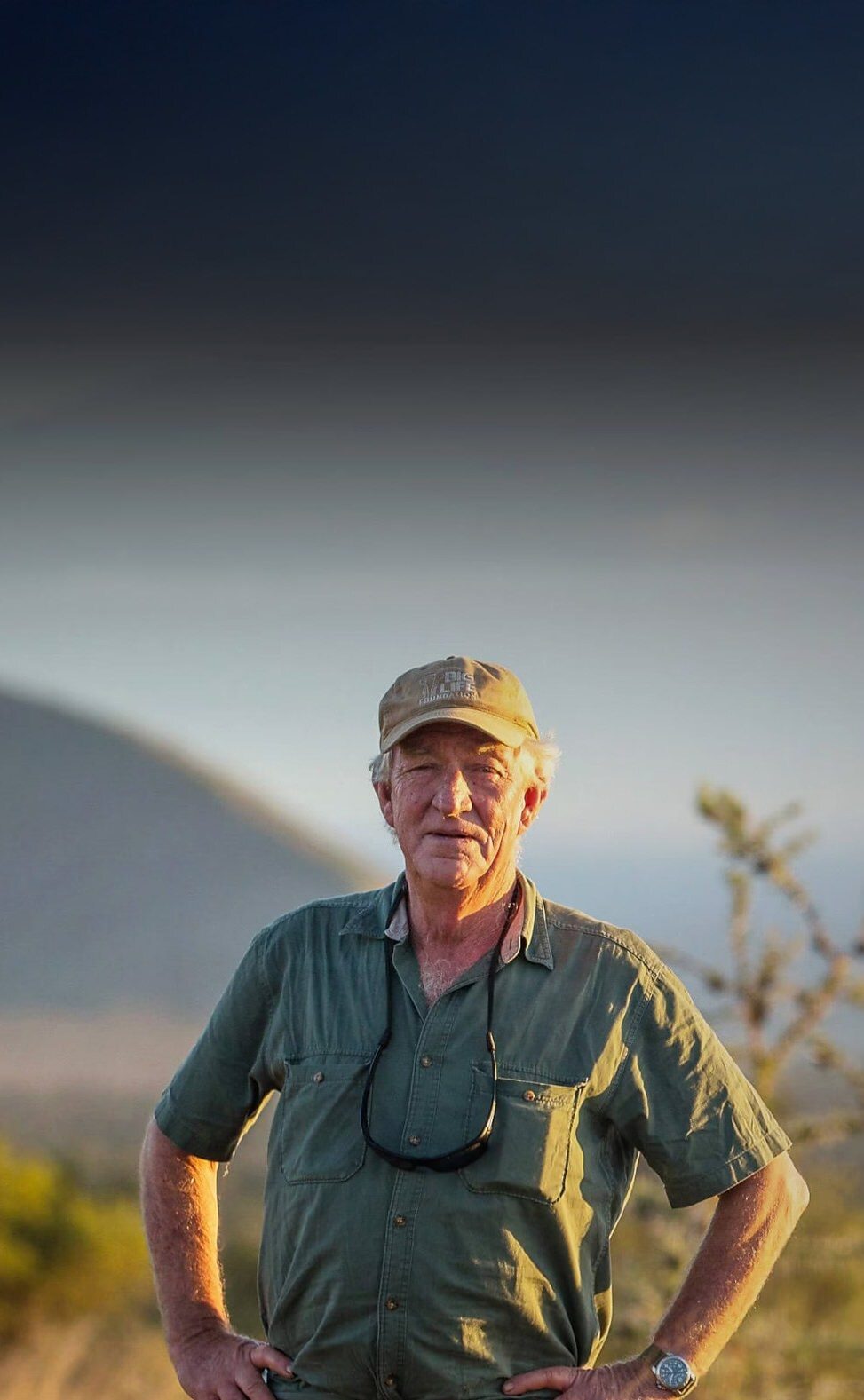
Sand Rivers is at home on the banks of the Rufiji River in one of the world’s largest protected wildernesses. Hamza Mmole is as responsible for the camp’s hallowed status among safari cognoscenti as anyone — aside from Richard Bonham, the trailblazing safari guide and conservationist who established the first version of the camp in the 1980s.
it's time
for a life-
changing
adventure
Sand Rivers isn’t just another camp, and Nyrere isn’t just another park. These are landmarks of Tanzania’s Southern Circuit, along with sister camp Kigelia in the Ruaha region. In these parks far from the vastly more popular Northern Circuit (with highlights like the Serengeti and the Ngorongoro Crater), traffic is low, development is virtually nonexistent, and the wild still rules. Few people know it better than Hamza Mmole.
Right Now!
He started as a porter, hauling gear and walking alongside Bonham, and over the years, Hamza became part of the soul of Sand Rivers as it grew from a rugged riverside dream into one of East Africa’s most coveted outposts for those who seek raw bush experiences where civilization is but a distant memory.
UNCHARTED’s Connor Miko visited Sand Rivers and sat with Hamza to talk about the camp’s distinctive approach to the safari and reflect on what sets the Southern Circuit of Tanzania apart from anywhere else on the continent — or even the planet.
This interview has been edited for clarity and concision.
Q1: From your perspective, what’s the origin story and evolution of this camp?
Q2: Do you have any particular recollections that reflect Bonham’s legacy?
I’ve been here since the current Sand Rivers camp was born, back when Richard Bonham was first laying the foundation. I was just a porter then, carrying loads on my head through the bush and watching everything unfold. It was wild. No roads, no infrastructure, just raw, untouched bush.
Richard was one of a kind. He believed in doing things properly, but simply. He insisted we build the lodge using local materials — stone, wood, thatch. He didn’t want to impose. He wanted to blend in.
FEATURED OUTPOST
SAND
RIVERS
One time a lion came right up to the kitchen area. Instead of panicking, Richard just stood quietly and said, “Let’s not disturb the moment.” That was his way. He respected the wild. That moment taught me a lot about presence, calm, and respect.
"Where wild rivers
meet wilder land"
I saw the very first building go up. Everything was made from scratch. Richard had a vision to create something different in southern Tanzania, a place that would feel both remote and welcoming. I’ve watched Sand Rivers grow into exactly that. Beautiful and remote, but still full of life and comfort.
His legacy is still alive here. You feel it in the bones of the camp.
"I’ve watched Sand Rivers grow into exactly that. Beautiful and remote, but still full of life and comfort."
Now, two decades later, I manage the camp. That journey from porter to manager means I know every inch of this place and all the stories that live here.
Q3: What makes Sand Rivers unique? What’s the vibe?
Q5: What’s your favorite way to explore this area — on foot, by boat, or game drive?
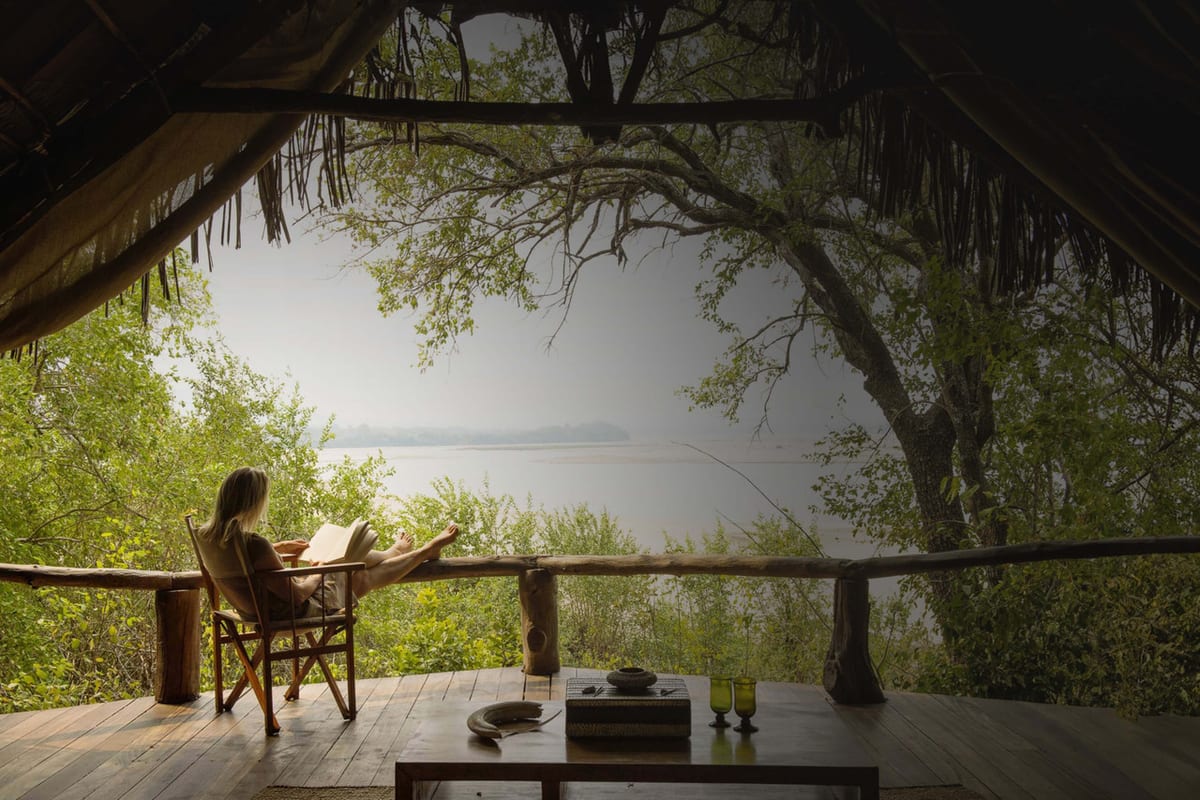
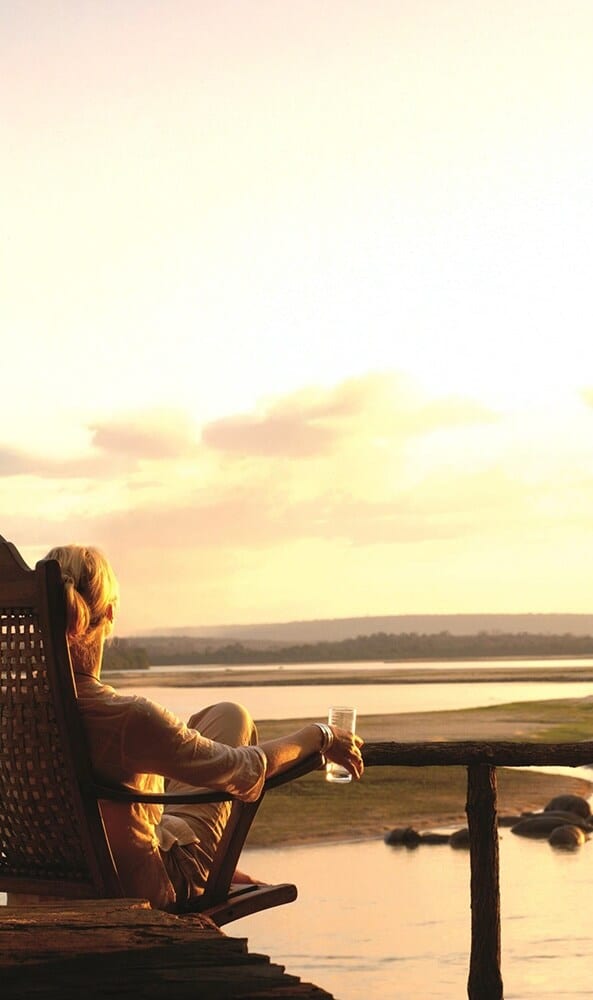
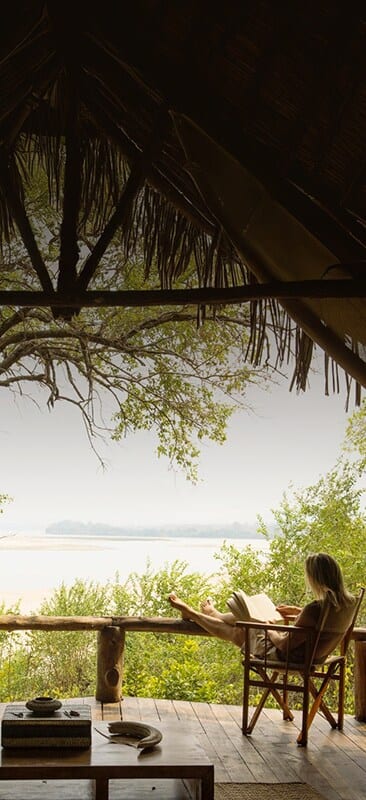
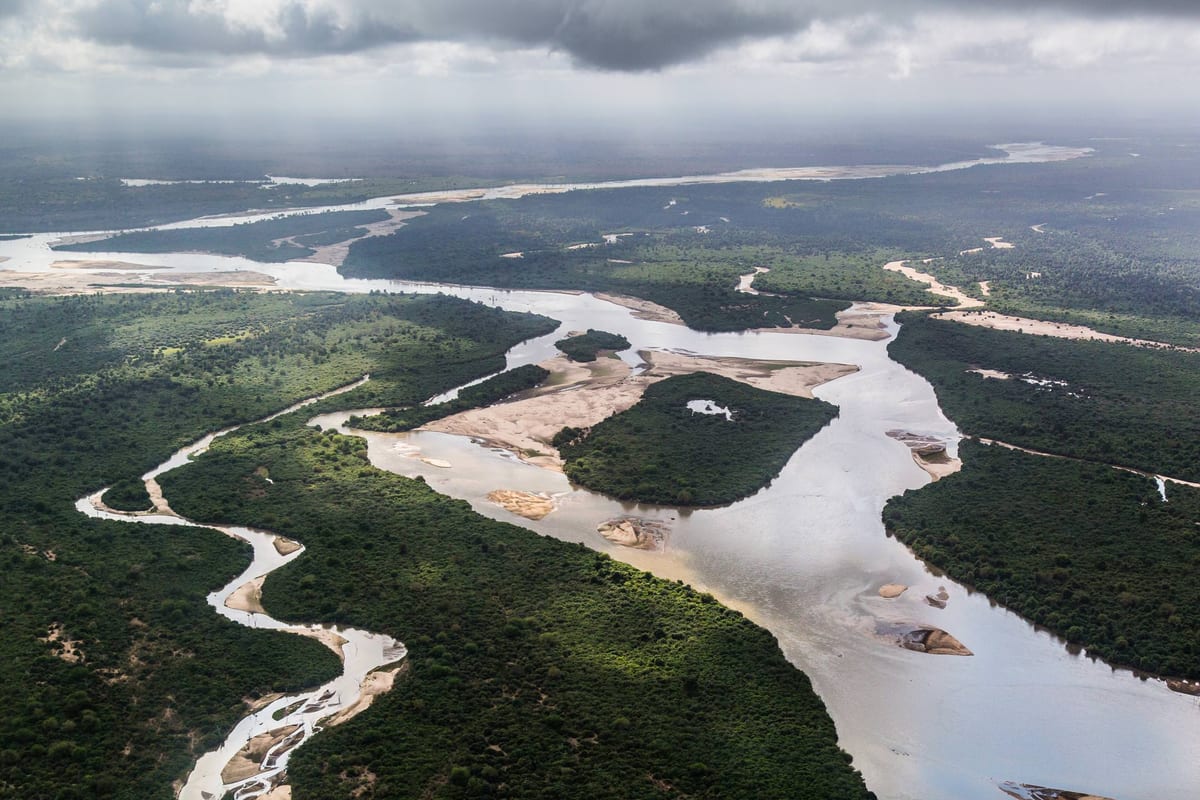
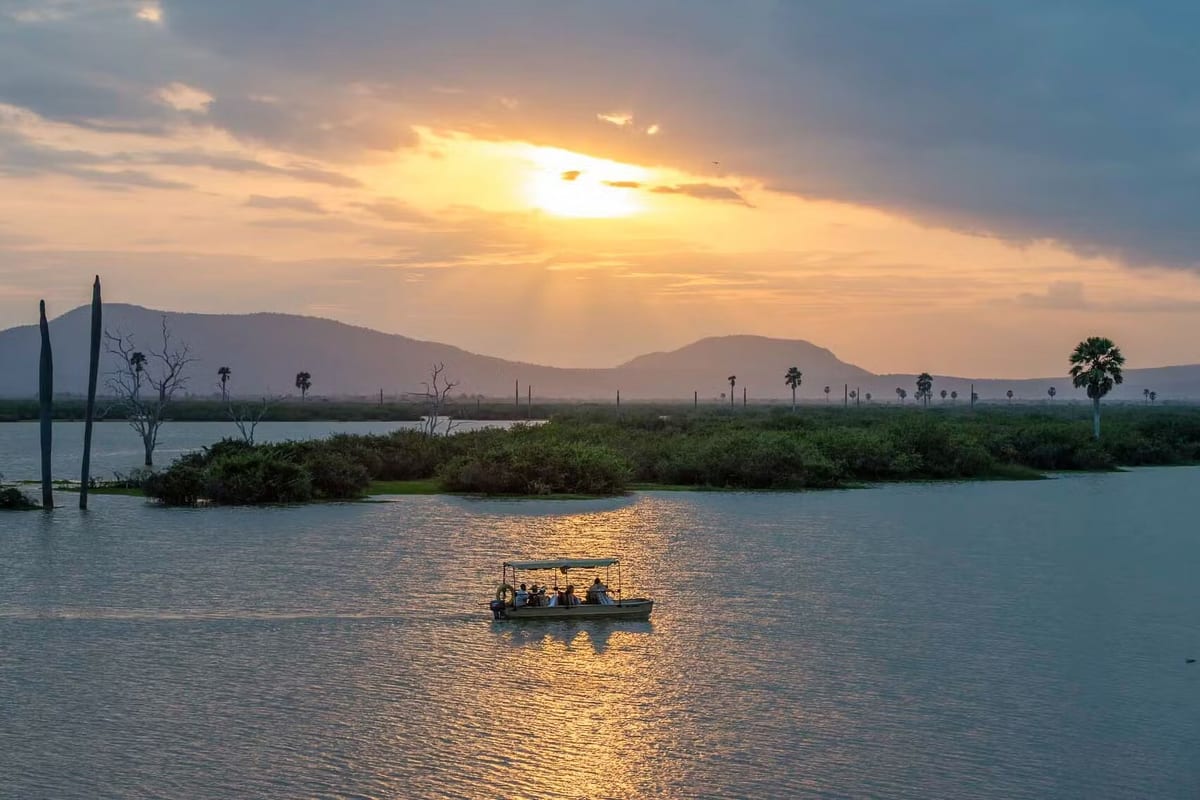
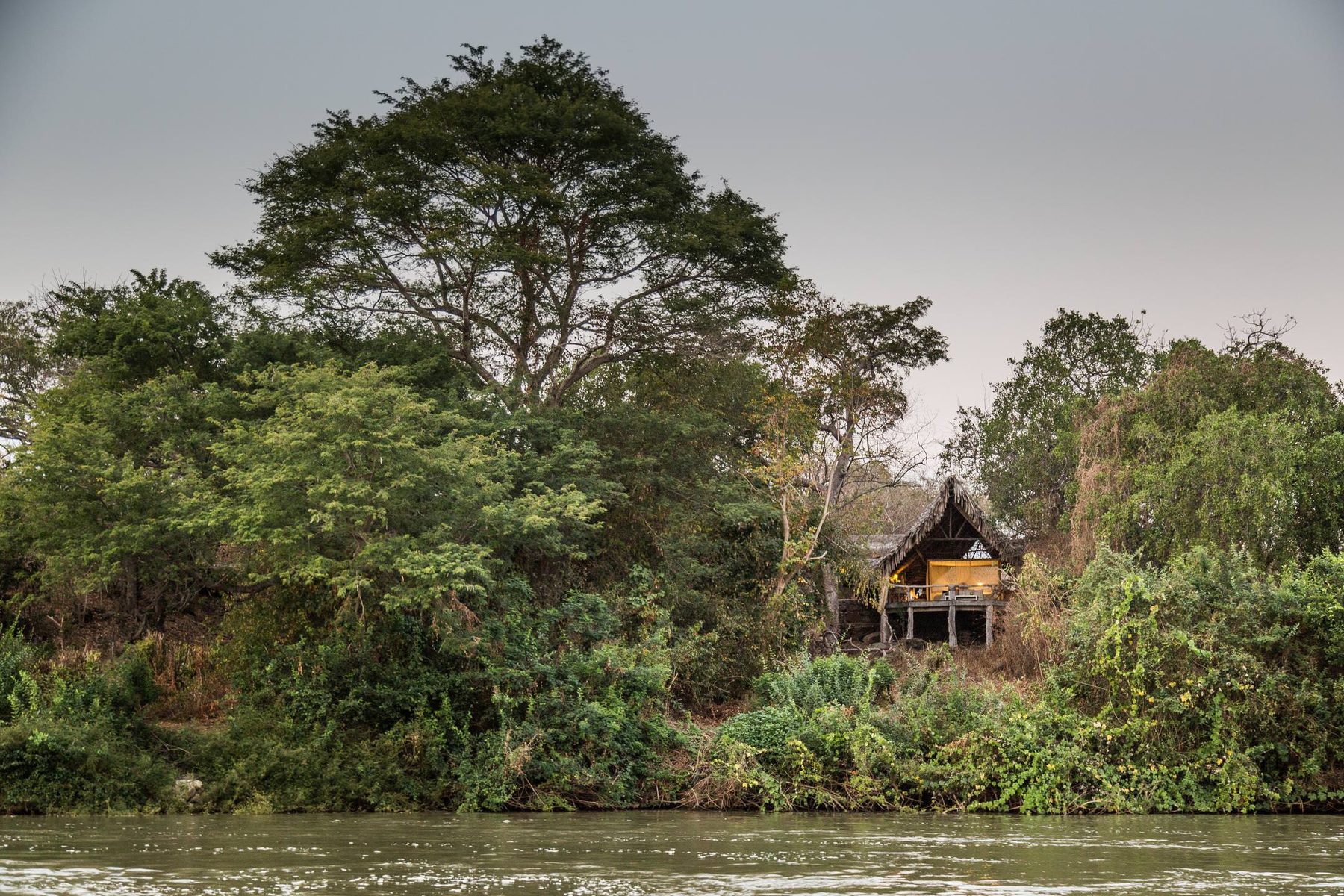
Sand Rivers surprises people. It’s not flashy but it’s deeply beautiful. You’ve got the Rufiji River flowing past, with crocodiles and hippos as part of the daily scene. You wake up to the sound of fish eagles. Our open-fronted rooms make you feel like the bush is part of your bedroom.
I love the river. Every time you’re on it, something is different. You might see elephants cross, fish eagles dive, crocodiles slip into the water. But it’s also peaceful. You feel the stillness. It gives you time to think and really connect with the place.
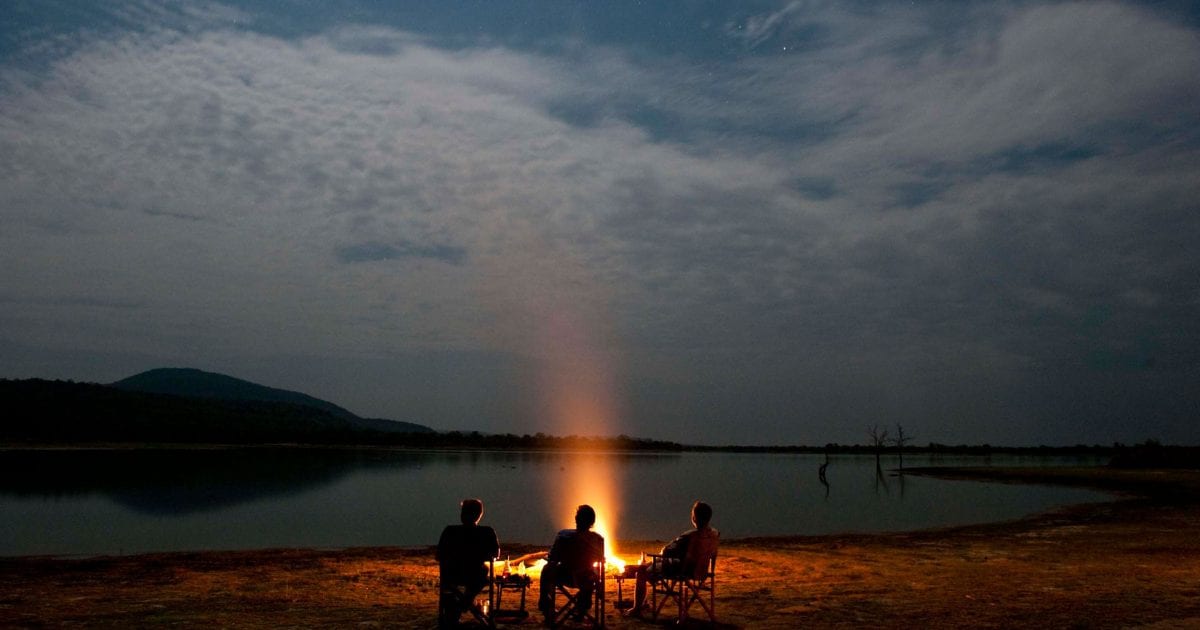
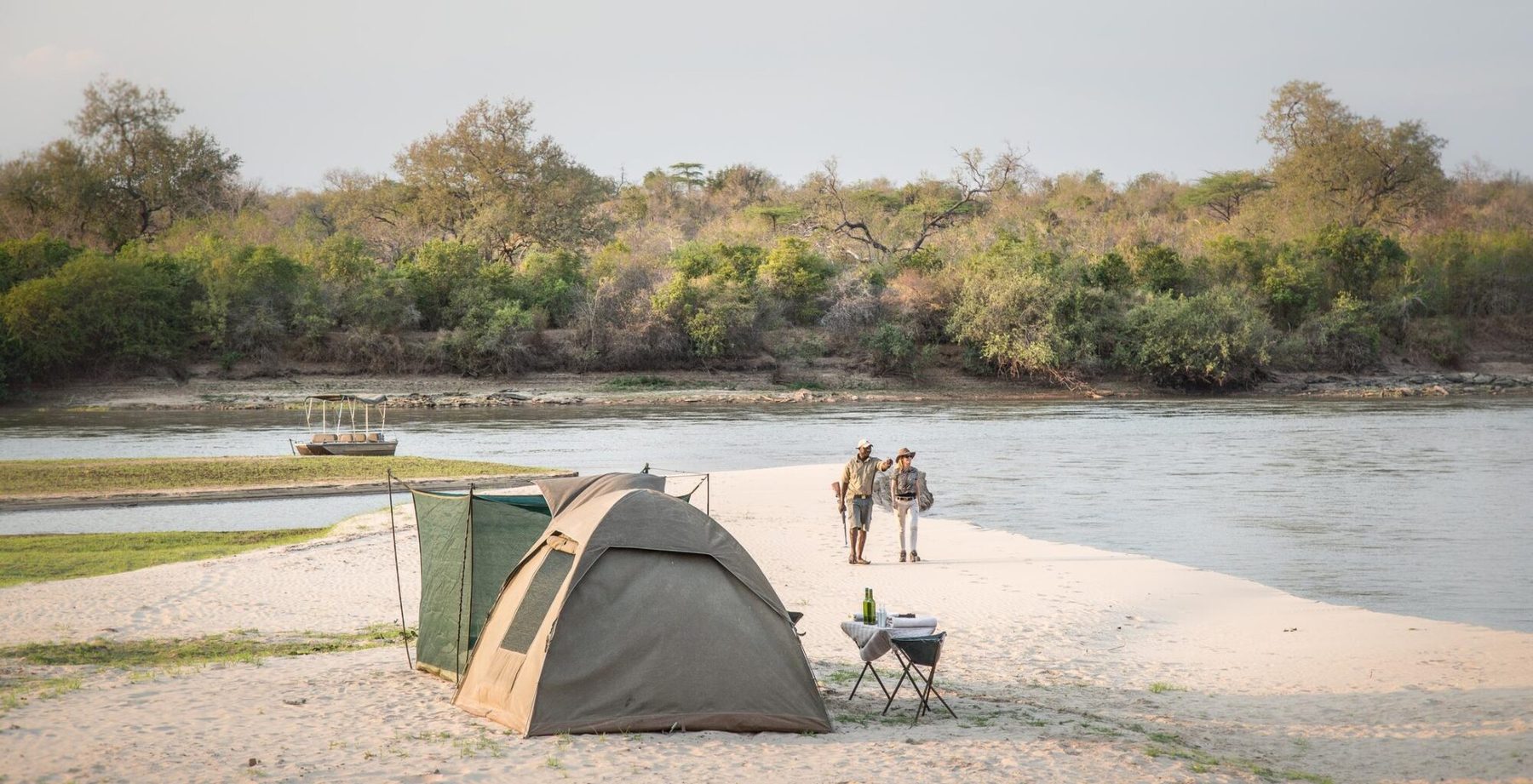
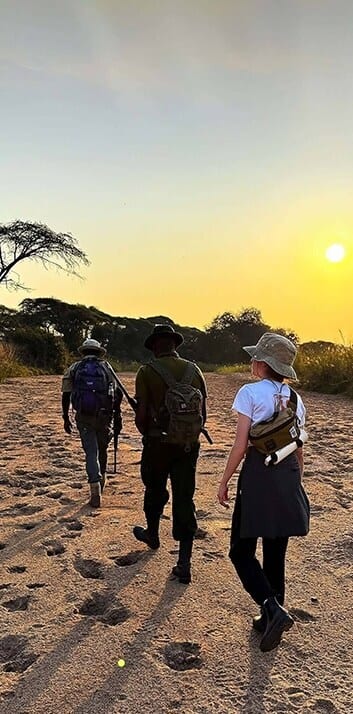
And then there are the activities—boat safaris, walking safaris, fishing, fly-camping. It’s all about variety and intimacy. No mass tourism. No crowds. Just raw, elegant wilderness.
"The north is beautiful, but everyone goes there. Here in the south, you get space. You get silence. You can go out a whole day and not see another vehicle or guest party. That’s not a downside. That’s magic."
Q4: What’s the biggest misconception people have about the Southern Circuit?
That it’s quiet or boring. But quiet is good. Quiet means space. Here, you track lions without ten other vehicles around. You see wild dogs without radio chatter. You can go out a whole day and not see another vehicle or guest party. That’s not a downside. That’s magic.
Q6: For travelers drawn to the Great Migration or the Serengeti, how would you make the case for the Southern Circuit— both Nyerere and Ruaha National Parks?
Q8: The Southern Circuit is off the beaten path. So is Tanzania’s west, with highlights like Lake Tanganyika and Greystoke Mahale, a camp that lies on its shores. What would an itinerary look like that connects these two regions while forgoing the crowded north?

The north is beautiful, but everyone goes there. Here in the south, you get space. You get silence.
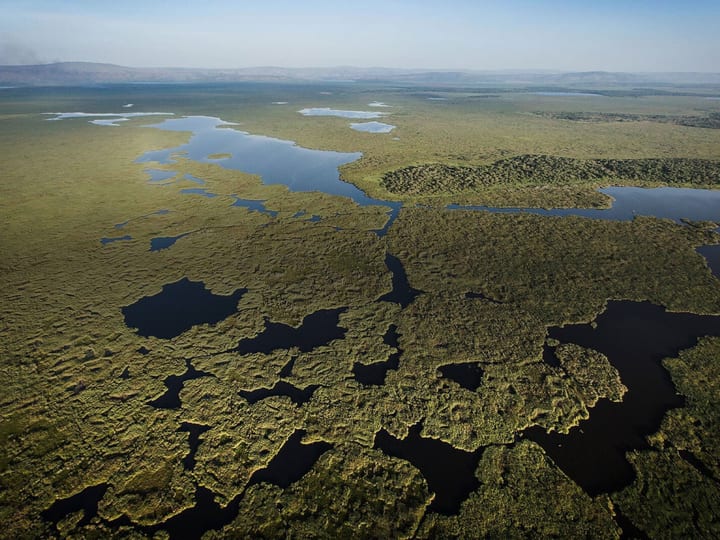
Ruaha is dry, dramatic, full of predators. Then you come to Sand Rivers—lush, riverine, full of water and birds and elephants. The contrast is everything. Together, they give you two completely different Africas in one trip. It’s the perfect balance.
the
This is
dream trip. Start in Ruaha — get the dry bush, the predators, the lions, the elephants. Then come to Sand Rivers, drift down the Rufiji, walk through the miombo woodland. Then end at Greystoke Mahale and enjoy its famous chimpanzee communities.
Q7: It sounds like Ruaha and Sand Rivers complement one another — tell us more.
You’re connecting three ecosystems that couldn’t be more different. Each one feels like its own world. And the logistics? Easy. There are small bush flights between camps, so no stress. It’s one of the most diverse trips you can do in Africa — and very few people know about it.
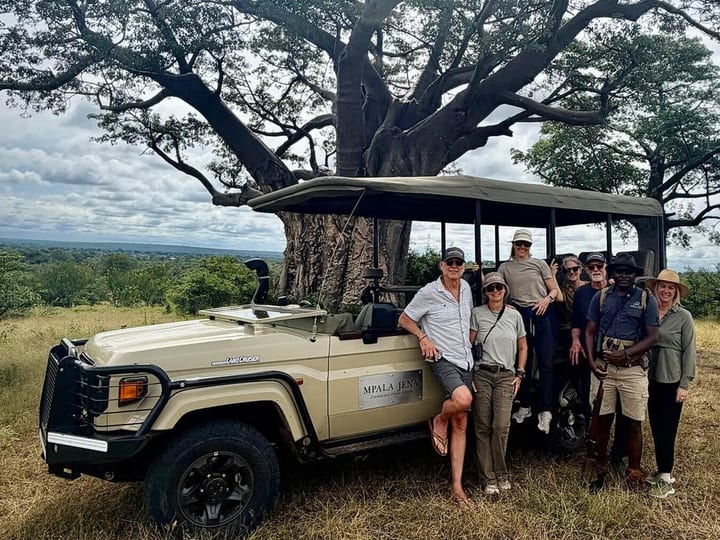
Ruaha is about big skies, big cats, and those incredible baobabs. It’s gritty and wild. Sand Rivers is softer, more verdant. Here you often explore by boat. You feel the water and the forest.
"Sand Rivers is softer, more verdant. Here you often explore by boat. You feel the water and the forest."
Together, they’re a natural pair. Guests feel that. After Ruaha, people come here and exhale. They slow down. It’s a reset.
Camps We Love
FIELD NOTES
LIVING LEGEND
unbelievable outposts
Sleep Under Canvas, Wake in the Wild
The Wild Walk: On Foot in Predator Country
Richard Bonham: Trailblazer of the Modern Safari
Linger Longer: Savor the Slow Safari