 By The UNCHARTED® editors · 3 min read
Roan Carr-Hartley was making his daily aerial patrol over the savannah of Tsavo East National Park in southeast Kenya, flying his helicopter low enough to notice that an elephant was showing signs of distress.
“I spotted this bull in a group of six,” he reports, “with a small but unmistakable poison arrow wound on his side. The swelling below the wound, with no drainage, was a clear sign the arrowhead was still lodged inside.”
“A few hours later, [our]
arrived and we moved in on the ground. We were able to treat the bull successfully and remove the arrowhead … If [it] had remained, the bull’s fate would likely have been a grim one.”
mobile vet unit
The save
was all in a day’s work for Roan and his brother Taru, who, now in their twenties, come from two families that were formative in the 20th-century evolution of both safaris and conservation.
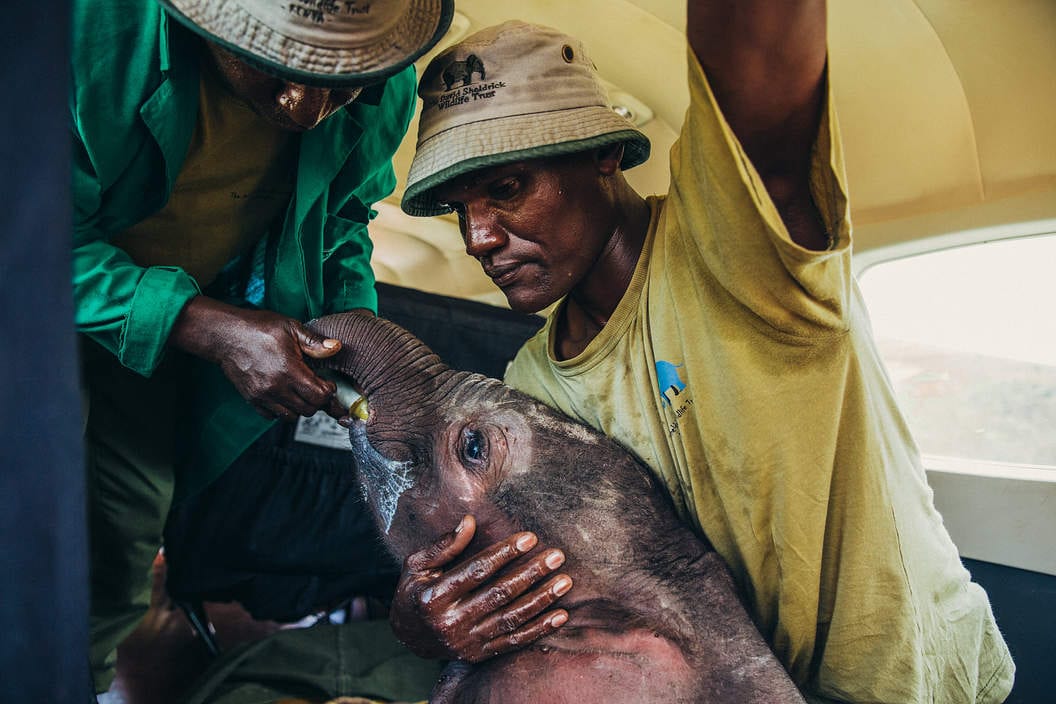
"The brothers work in tandem with the Kenyan government’s Wildlife Services rangers, conducting daily aerial anti-poaching patrols, operating a Sky Vet initiative, and calling in mobile veterinary units when needed."
PHOTOs:
Carr-Hartley is a name of legend in safari circles. In the mid-20th century, the boys’ great-grandfather was a pioneer in the dangerous work of relocating animals to national parks and protected areas. For the last three decades, their father Robert and his brother William have been guiding safaris in Kenya and beyond.
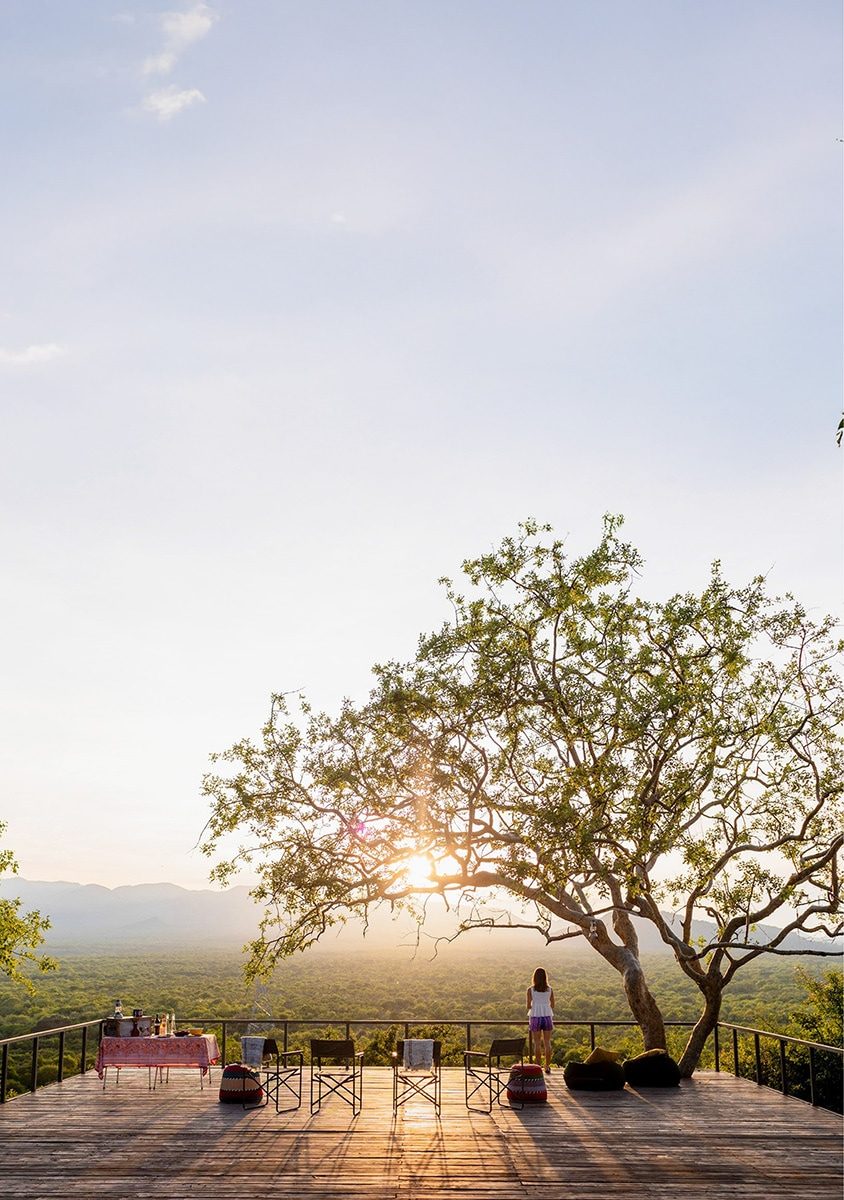
FEATURED OUTPOST
Umani
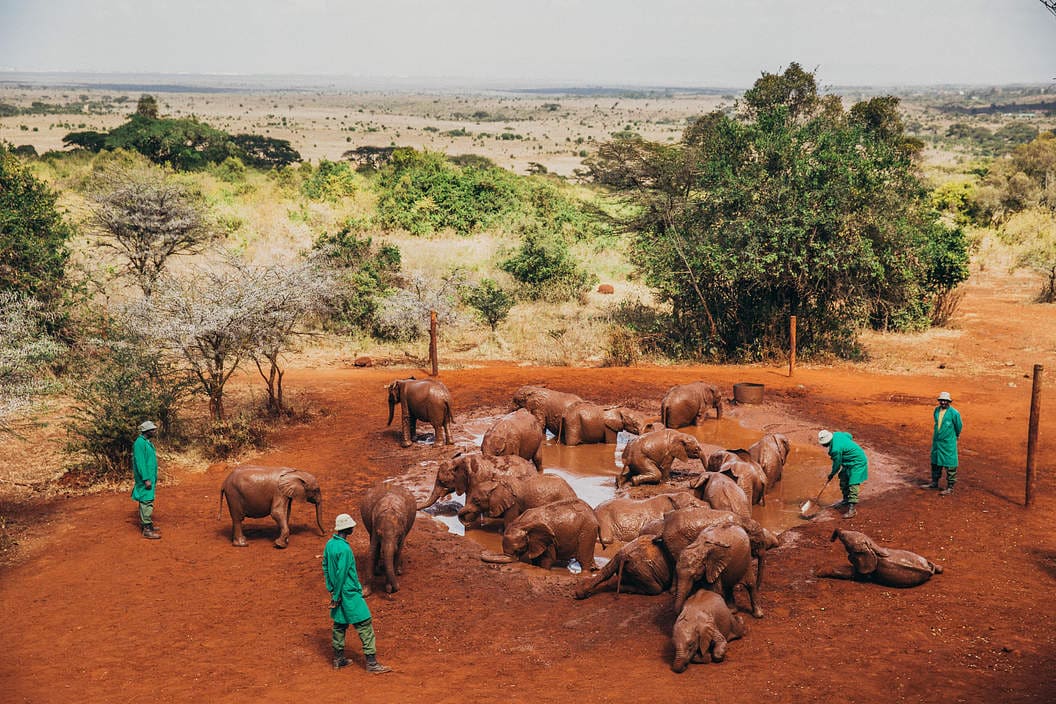
Their maternal grandmother, Daphne Sheldrick, often referred to as “the Queen of Elephants,” developed a ground-breaking milk formula for baby ellies and rhinos; before that, not a single orphan elephant raised by humans survived without their mother. Alongside her husband, David, the first warden of the newly established Tsavo East National Park, they spent thirty years establishing orphanages and reintegration units where animals could be raised until mature enough to be released back to the wild.
Springs
"Life Under Kibwezi Forest’s Leafy Trees"
Today, the family’s
is considered one of Africa’s most successful wildlife conservation programs. Roan and Taru’s mother Angela has been running the trust since 2001, with operations and camps based out of Tsavo, the Chyulu Hills, and greater Nairobi.
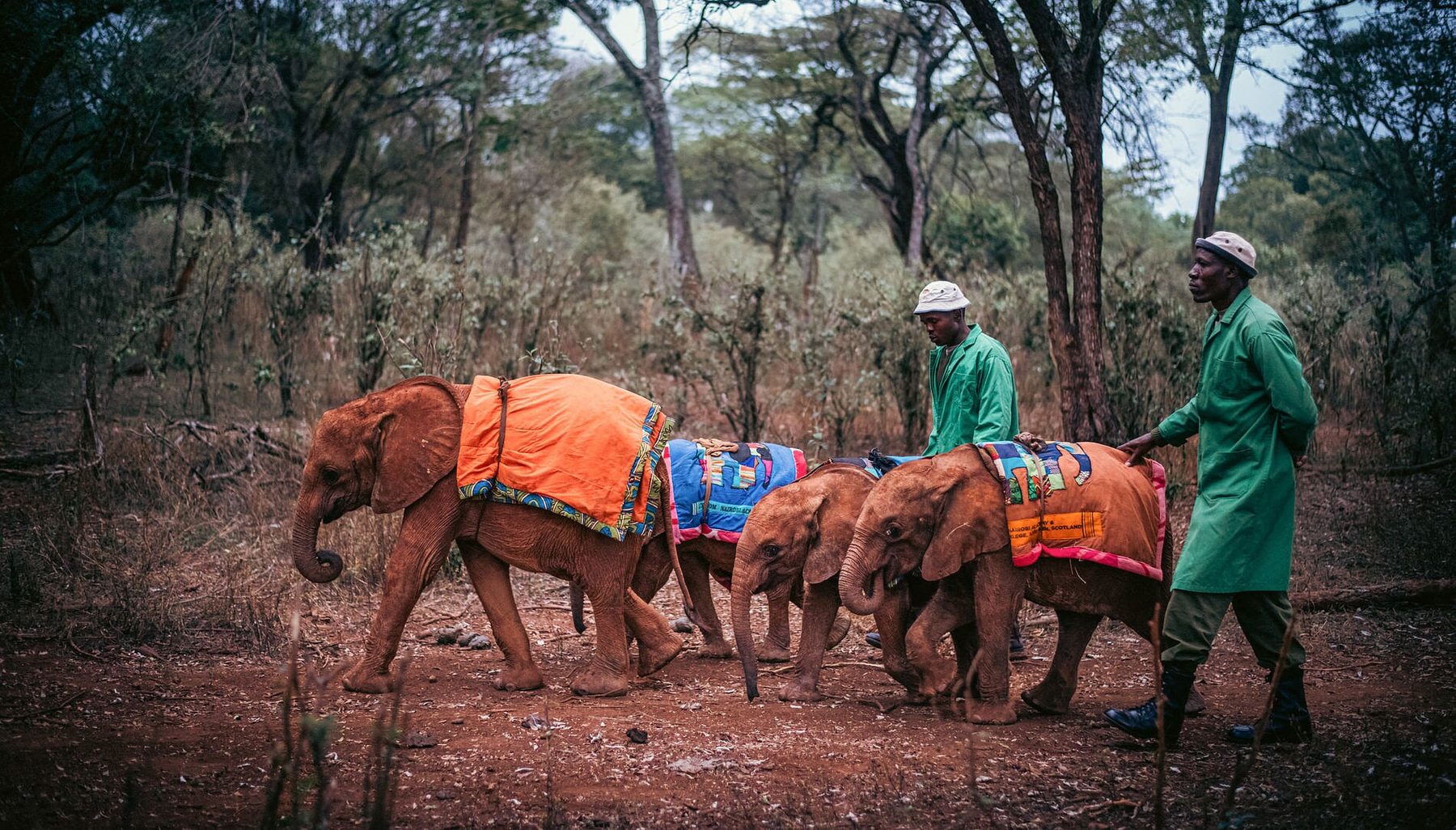
“It was a very unique childhood and we were blessed to grow up surrounded by animals and nature our whole lives,” Roan once told an interviewer. After school, the brother’s friends would return to their city homes, but they spent their evenings with elephants, fooling around in the bush barefoot.
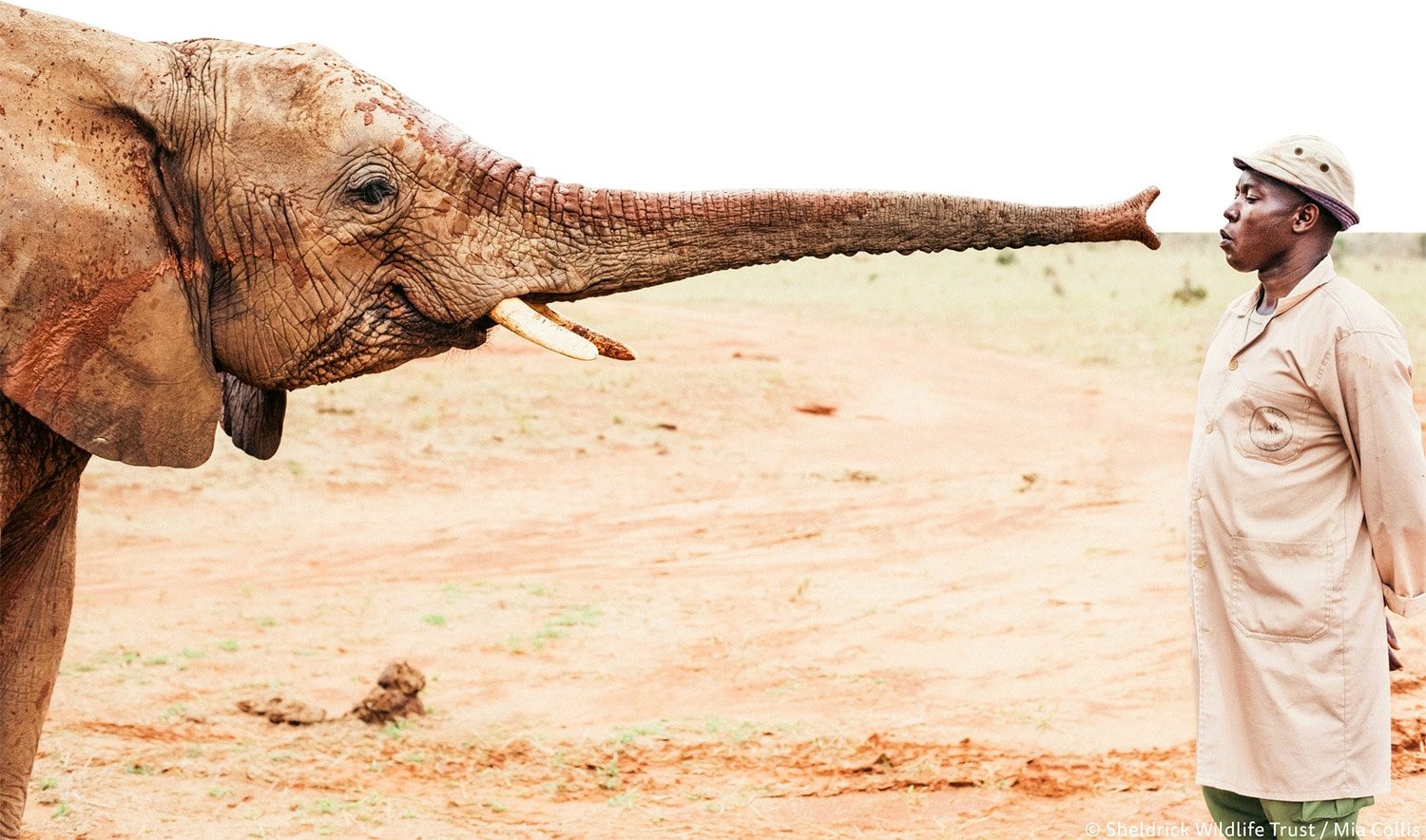
"In this place, the elephants have a trust in the humans present — like a shared respect — which is an amazing thing to experience.”
PHOTOs:
The brothers now work in tandem with the Kenyan government’s Wildlife Services rangers, conducting daily aerial anti-poaching patrols, operating a Sky Vet initiative, and calling in mobile veterinary units when needed. Moreover, they work with local communities bordering Kenya’s national parks to create buffer zones and reduce human-wildlife farmland conflict.
The Trust also operates a circuit of safari camps in Kenya that function as sites for the care and eventual reintroduction of elephants to the Tsavo and Chyulu wilds.
“A favorite place of mine is the Ithumba Reintegration Unit, where older orphans go,” Roan once said.
Taru concurs: “There's nowhere else that I have ever experienced being able to walk amongst elephants of all ages, with trunks and legs everywhere. In this place, the elephants have a trust in the humans present — like a shared respect — which is an amazing thing to experience.”
Foster Future Generations
Become a part of our foster family by adopting an orphan elephant, rhino or giraffe for yourself or as a gift for a loved one.
ADOPT NOW

Africa | Outposts
Kenya | Outposts
Global | Roundup
Southern Africa | Outposts
Safari Superstar: Meet the Visionary Empowering Africans
Style Meets Substance in these 3 Kenya Outposts
Go Wild: Next-Level Safari Destinations
7 of the World’s Top Wildlife 7 of the World’s Top Wildlife Experiencess