 By The UNCHARTED® editors · 6 min read
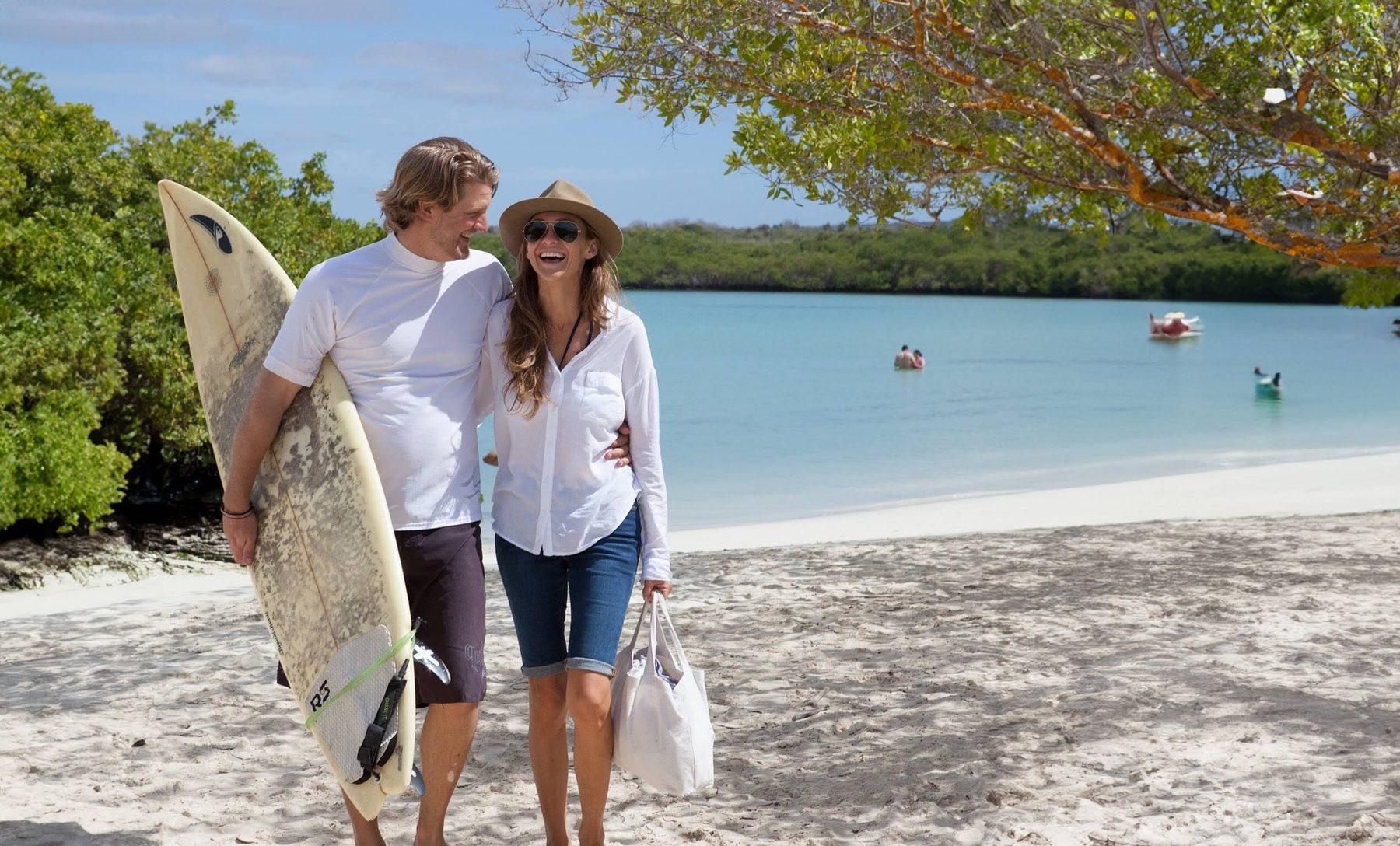
Galapagos Safari Camp emerged from the deep affection that Bonham Carter and her husband have for the enchanting archipelago, a place that first captivated them many years ago.
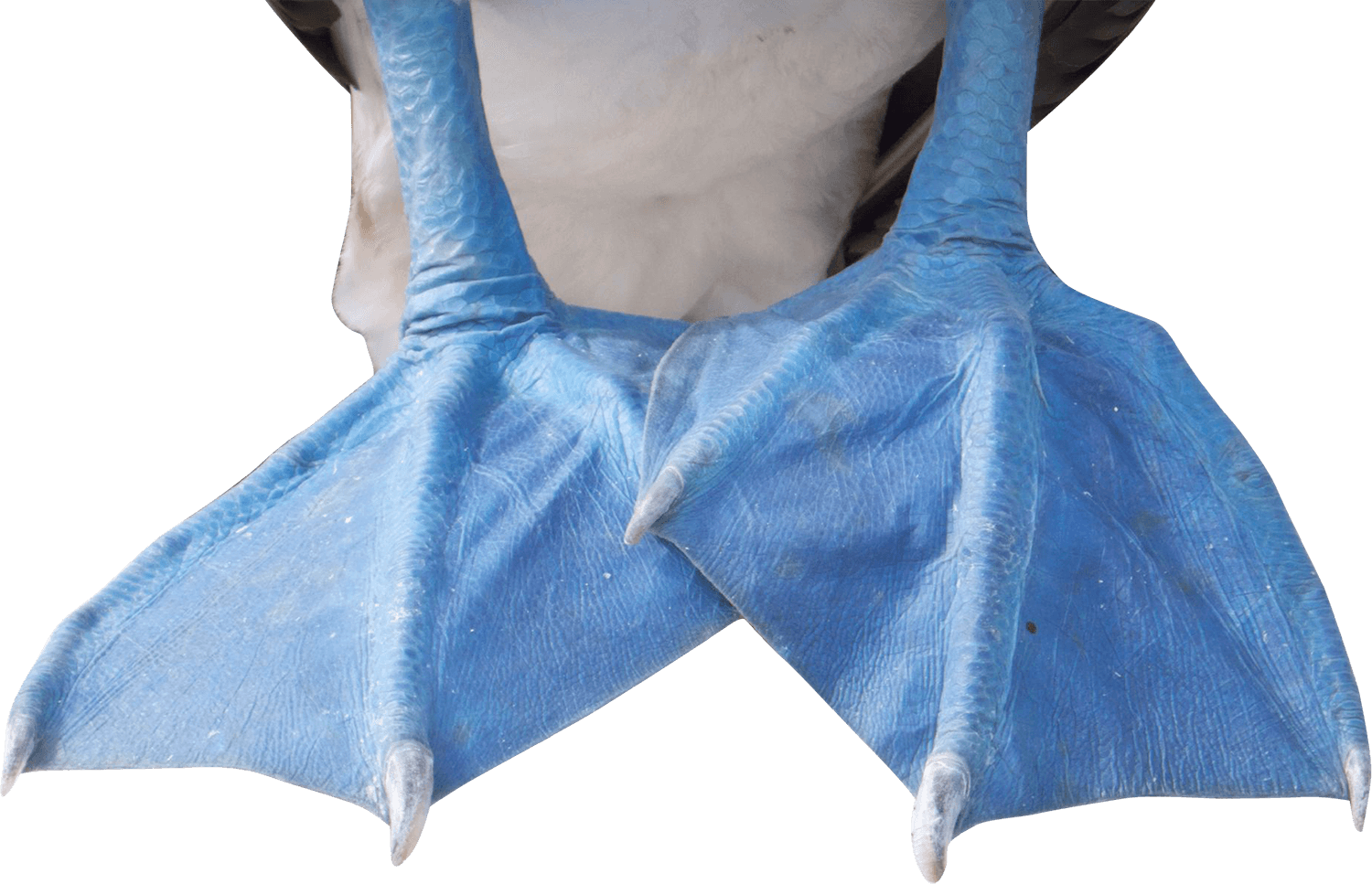
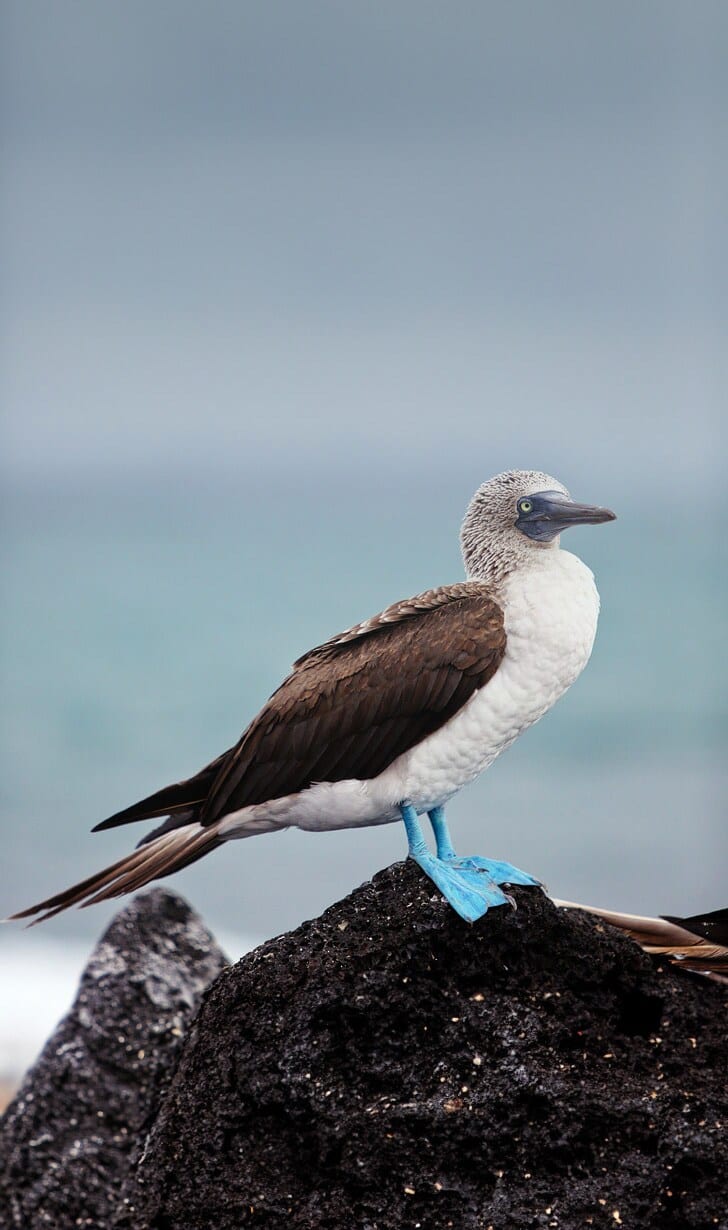
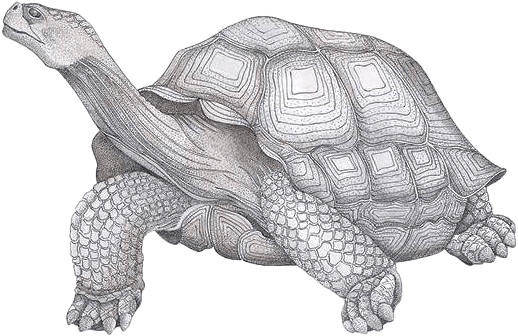
These volcanic isles are a marvel of nature, where biodiversity flourishes. From the iconic giant tortoises lumbering through the highlands to the flamboyant blue-footed boobies performing their courtship dance, it is a sanctuary for wildlife. Snorkeling alongside graceful sea lions and vibrant marine iguanas, or witnessing the majestic flight of the waved albatross, first sparked the couple’s love for the archipelago—and each other.
Their childhoods were marked by a sense of freedom: Stephanie grew up in the Andean foothills, while Michael roamed the hills and rivers of southern Spain. This sense of wild, untamed beauty drew them to the Galápagos, where they envisioned creating a sustainable safari camp and raising their children.
“We were determined to make it all happen since we were both free spirits and discontent with living a conventional life,” Bonham Carter says.
Years later, Galápagos Safari Camp stands as a testament to their vision. Its guiding motto—“When was the last time you saw something for the first time?”—resonates throughout the camp’s canvas cocoon suites, which blend seamlessly into the treetops.
Committed to conservation, the camp is involved in significant reforestation projects and is transitioning to full solar power. Their journey—from discovering a farm for sale and climbing a tree to survey the land, to growing their family—continues to inspire, with many exciting developments on the horizon.
This interview has been edited for clarity and concision.
Q1: You were born a world traveler — tell us a bit about your childhood.
Q3: What makes it easy for a family to go to the Galápagos? What would you say to someone who isn’t sure if it is worth bringing their kids with them?
My mother is Ecuadorian and my father is English, so Quito was my childhood home. I grew up loving Cotopaxi volcano and the breathtaking mountains that surround the Andean city. Life had a different pace there, and I adored exploring hidden corners of the country. London welcomed me in my teens, and its polished culture was a stark contrast to my untamed early life, but that multicultural city enhanced my curiosity to see the world. I would always return to Ecuador on holiday and explore the country, each time with different and increasingly mature eyes. I kept falling in love with it time and time again.
We had our kids in the Galápagos, and we watched them grow hand in hand with the environment. My only true craving was to give birth to them right there, in the land we had adopted and nurtured. The islands are magical because of the proximity and encounters with wildlife you can have, both marine and terrestrial.
So, it was clear this place is a wonderful experience for young kids [to learn and explore], and that’s why we created a family-focused safari camp because we believe children thrive when they are connected to nature and have freedom. Of course, as years went by we had to make changes and the umbilical cord with the Galápagos had to stretch. Eventually, we relocated back to Quito several years ago for the children (now teenagers!) to continue with their schooling.
Q2: How did you end up calling the Galapagos home?
I had been away from Ecuador for 15 years before I returned. At that time, I was based in Spain, but I was ready to settle down and go “home.” I asked Michael, my now-husband who grew up in Andalucia, to come to Ecuador on holiday with me, and we added the Galápagos to our visit. When we were on Santa Cruz Island, in the highlands, we were told about a farm bordering the national park which was for sale, and immediately the idea of a life less ordinary sparked inside us. It was love at first sight, and we both started dreaming about building a life there. We longed to be more connected to nature and away from a career rat-race.
"A simple visit turned immediately into a dream — our very own “Out of Galapagos” romantic ideal.
So a simple visit turned immediately into a dream — our very own “Out of Galapagos” romantic ideal. Little by little we created our utopia.
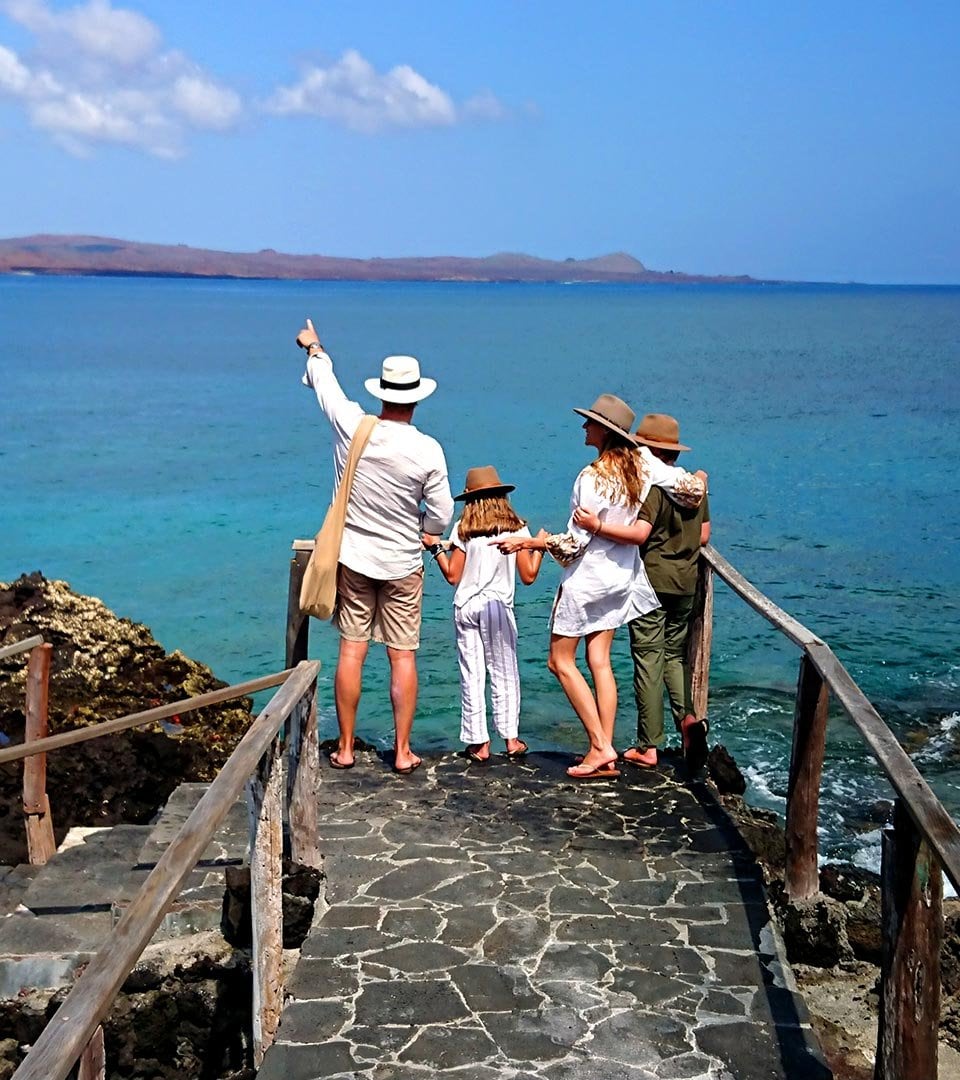
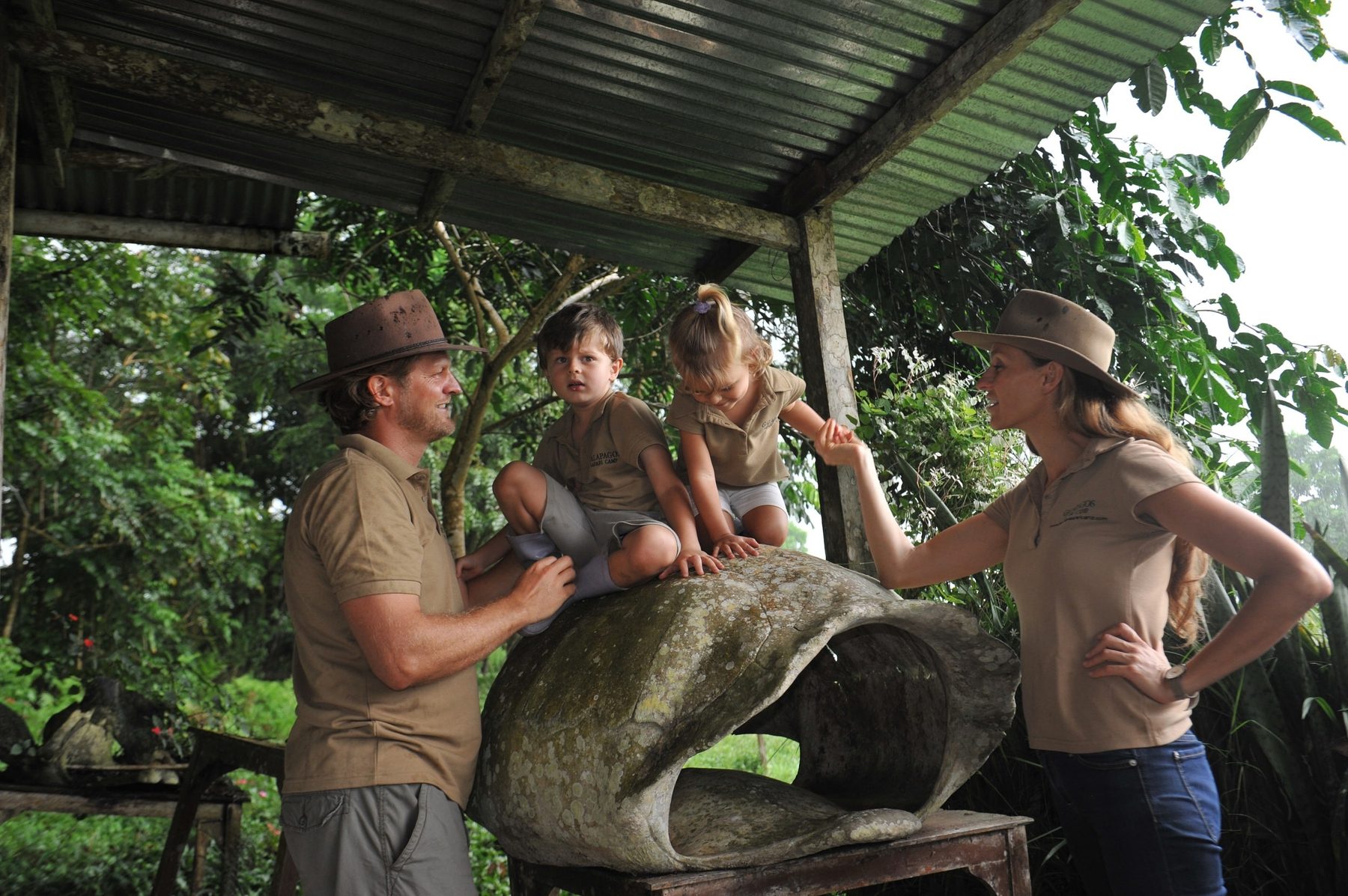
Q4: What are your favorite wildlife encounters for guests to have?
Q6: What would you tell someone who has about a week to spend in the Galapagos? What are the not-to-be-missed experiences, and why should someone visit marine areas as well as the highlands?
That is a good question … and a hard one, too! It is easy to love the emblematic species like the giant tortoises that roam around the property, or the blue-footed boobies that are so charismatic. However, there are lesser-known creatures such as the Galápagos rail, a shy little bird that hides in the bushes and is so timid. They are hard to spot, so it is a real treat to get a glimpse. Also, marine life in the Galápagos is breathtaking and I get a thrill every time we dive or snorkel, from the small sea horses to the imposing hammerheads.
Nowadays there are various ways to experience the Galápagos, whether it's cruising or being land-based. The trick is to find the experience that suits you. It is very possible to have a hard-core naturalist experience, but it is also very doable to have a blended naturalist experience and a proper holiday.
I personally favor itineraries that are not off-the-shelf and are more personalized. That can be hard to do here, as there are national park [and marine protection area] rules in place for the sake of conservation and wildlife. But these types of side trips are what we specialize in. If you go on a cruise or to other properties you will be buying pre-planned itineraries, one size fits all [often in groups], but all of our safaris are private with guides and drivers, so on, so you can really tailor it.
Q5: What are some future projects or plans you have in place to ensure the long-term protection of the islands?
One of the biggest issues in the Galápagos is introduced species, and Santa Cruz Island has severely suffered from invasive plants. Because of that, we have been engaged with reforestation efforts since our inception, and have partnered with both the Charles Darwin Research Station and Conservation International. We also have plans to go completely solar-powered.
One of my favorite things to advise guests on is to spend a couple nights doing a private boat excursion off the shores of Isabela island. But going back to my tent after a day’s visit, hearing the birds and owls at night, and enjoying a lovely meal in camp is as important to making a Galápagos experience as it is to exploring the archipelago.
"Nowadays there are various ways to experience the Galápagos, whether it's cruising or being land-based. The trick is to find the experience that suits you."
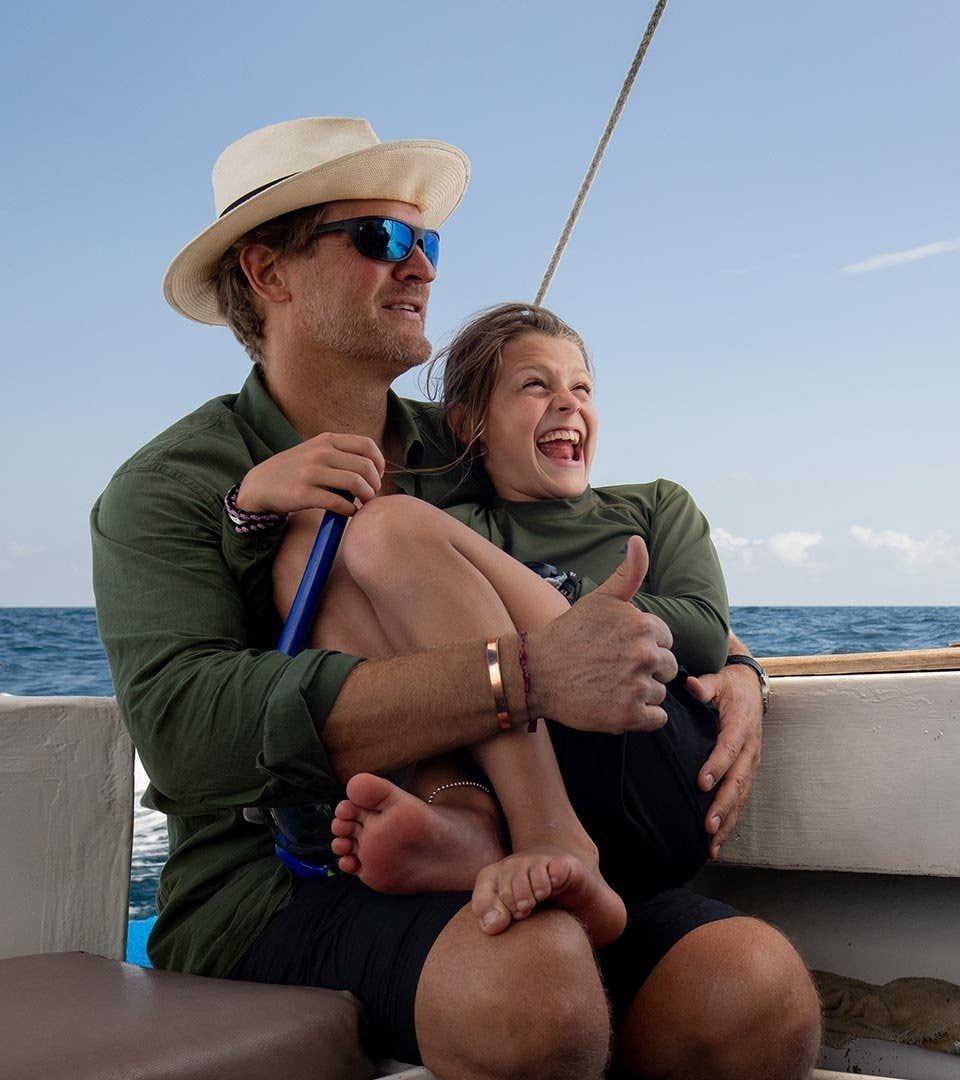
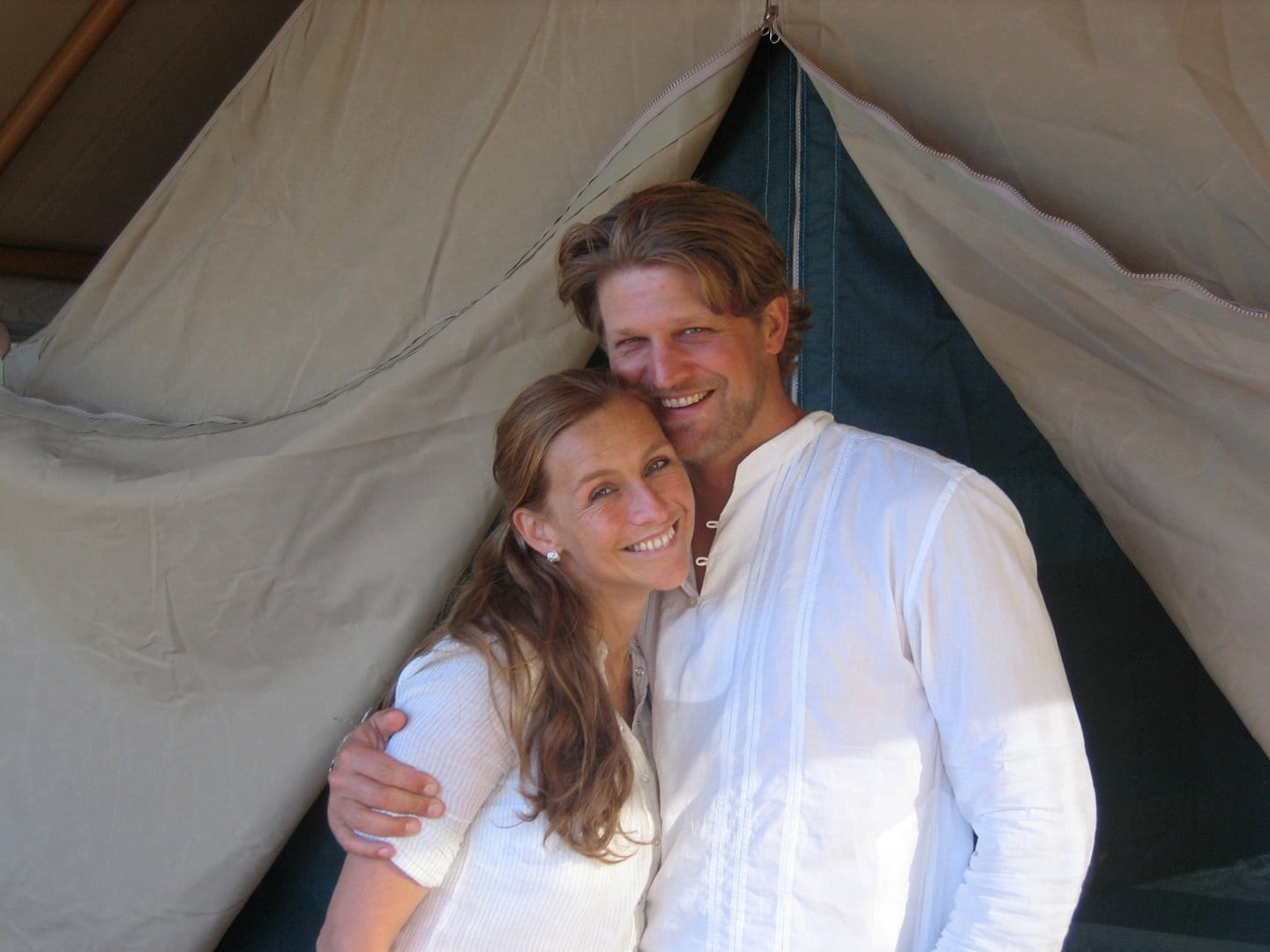
Q7: Speaking of going to other islands, which ones are your favorite and why?
I love them all for different reasons and in different ways. But visiting other islands, especially uninhabited ones, is a must. It is amazing how species evolve differently according to the isolated environment. And so much of the magic of the Galápagos is the ocean, so diving or snorkeling is a must as well!
SEE THE OUTPOST