 By The UNCHARTED® editors · 4 min read
Most safaris are based on riding around in rovers to spot wildlife. But stepping out of the vehicle and into the bush brings a whole new perspective, from Africa to Patagonia to New Zealand.
There’s an undeniable romance to the game drive — and an element of safety. But as swift and efficient as vehicular safaris are at approaching the action, they can also be noisy, scaring off animals before you even have a chance to see them.
1st Annual Global Safari Awards
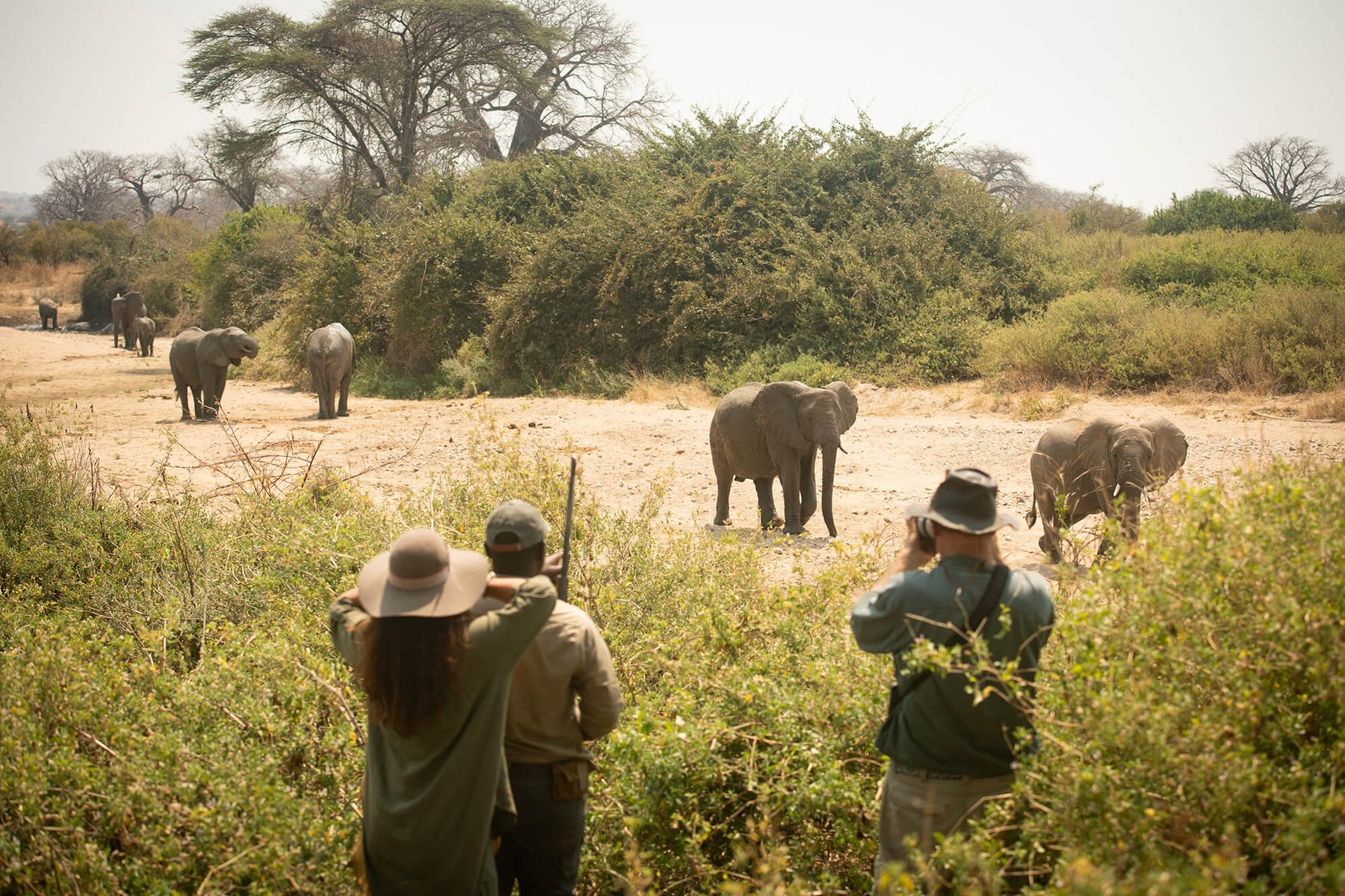
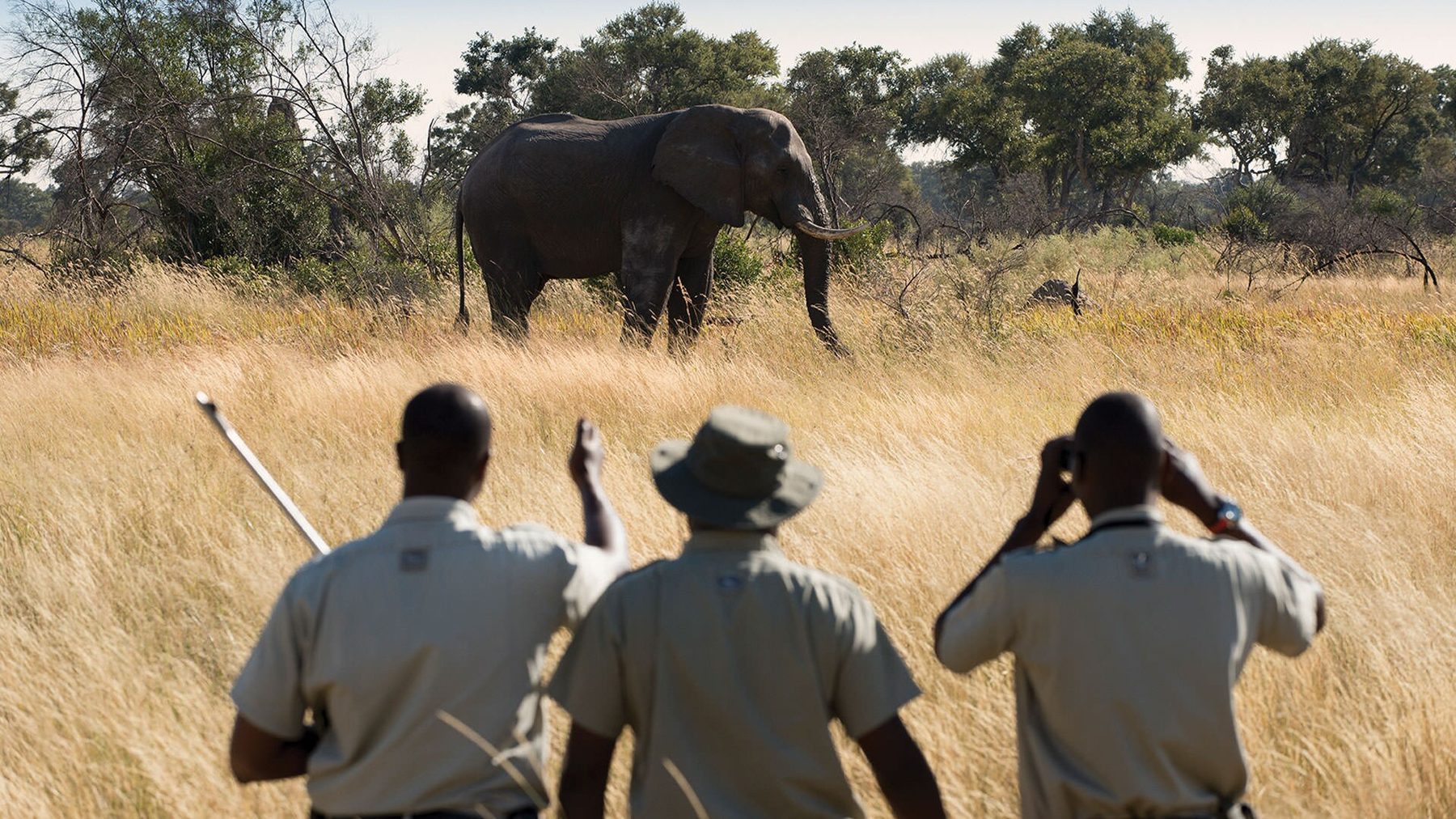
A walking safari, on the other hand, immerses you in the bush. It is meditative. It’s slow. It makes you take the time to learn the textures and sounds of the landscape. Yes, you’re more vulnerable … but with expert guides to show you the way (and fend off any critters), your senses are heightened. You’re alert to every sound, every movement, and every scent. And without the barrier of your 4x4, you’re able to probe where most cruisers can’t.
Walking the bush with an expert guide is an experience that will enhance just about any kind of safari. Step this way for recommendations of where to plant your feet next.
Tanzania: Go Deep Into Raw, Untamed Africa
Ruaha National Park
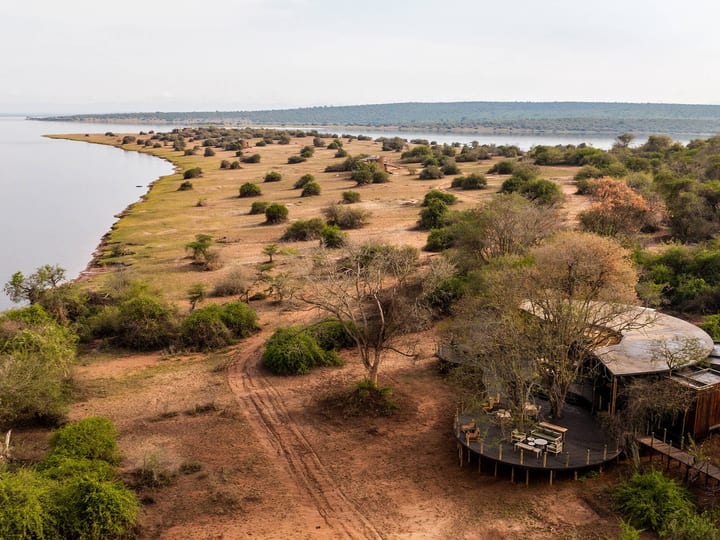
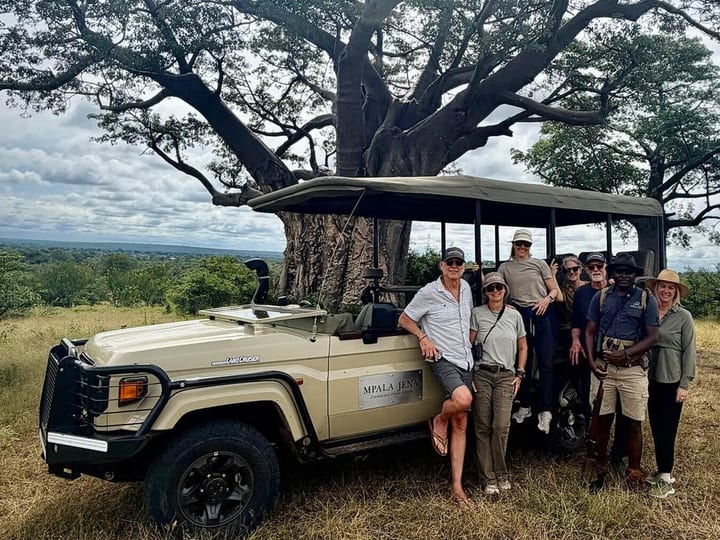
African baobabs are revered for good reason: Every three feet of circumference is equal to 100 years of growth, and they grow huge. These ancient beings flourish in Ruaha, Tanzania’s largest national park (50 percent bigger than the Serengeti). Ruaha is quite remote and lightly visited, enhancing its primeval allure as a habitat for navigating the old-fashioned way, on foot.
Encounter cantering antelopes, plodding buffalo, powerful hippos, and scruffy warthogs that crowd around the park’s lifeblood, the Great Ruaha River. Misty hills stretch in the horizon while you stealthily trod through golden savannahs, home to zebras and wildebeests. To avoid muddy walks — and to spot animals around water sources — a walking safari is best experienced in the dry season from May to October.
PLAN YOUR SAFARI
Patagonia: Pumas and Peaks
Torres del Paine
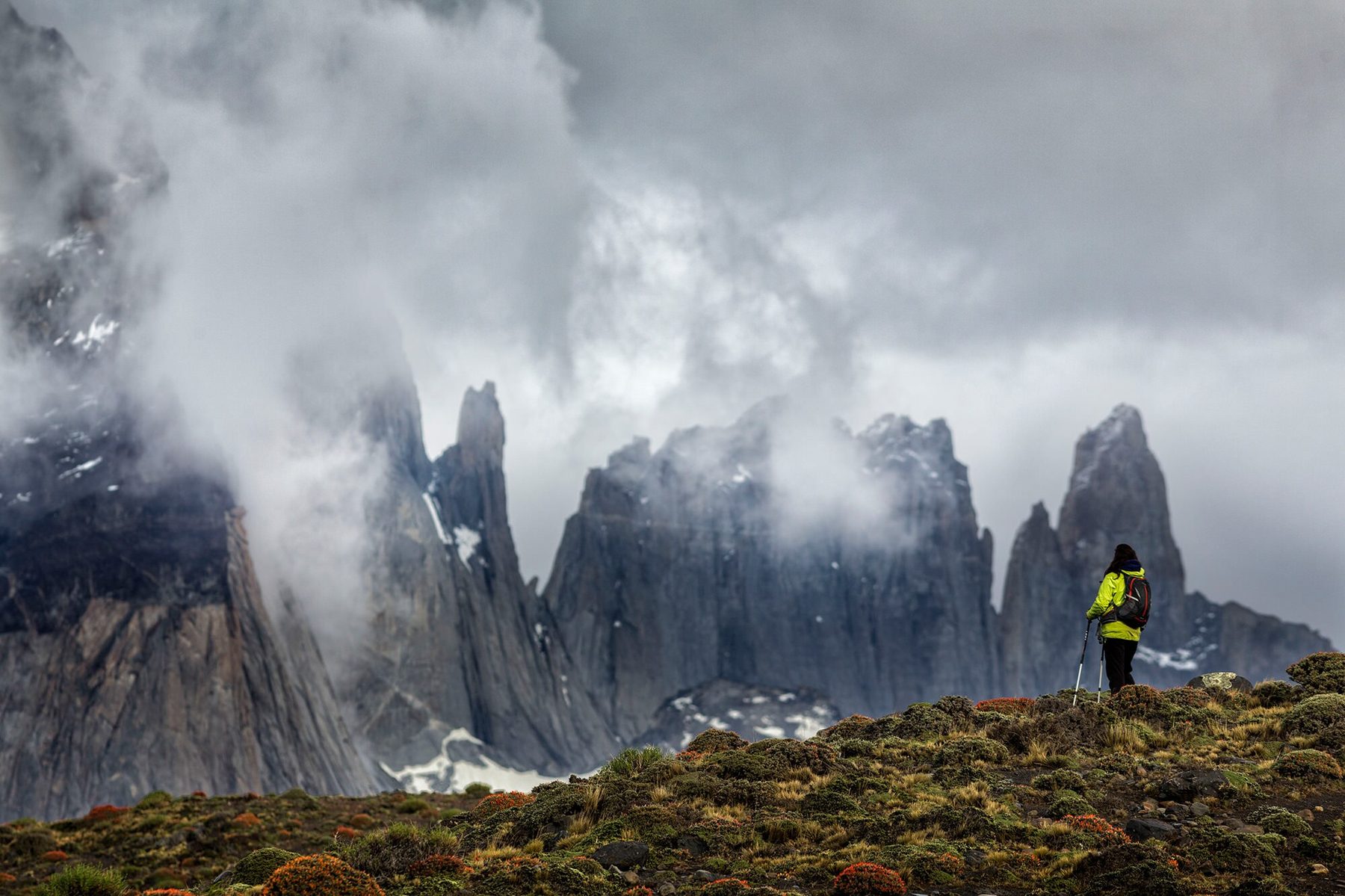
Imagine: You trek to the base of Torres del Paine’s iconic, mile-high granite massif, when from out of nowhere, an elusive puma appears. Or perhaps its prey, the guanaco. This could only happen in Patagonia’s southern Chilean crown jewel. Here, where glaciers carve the land, creating jagged peaks that soar against the sky, one can indulge in solitude and incredible wildlife sightings — provided you have the right hiking boots.
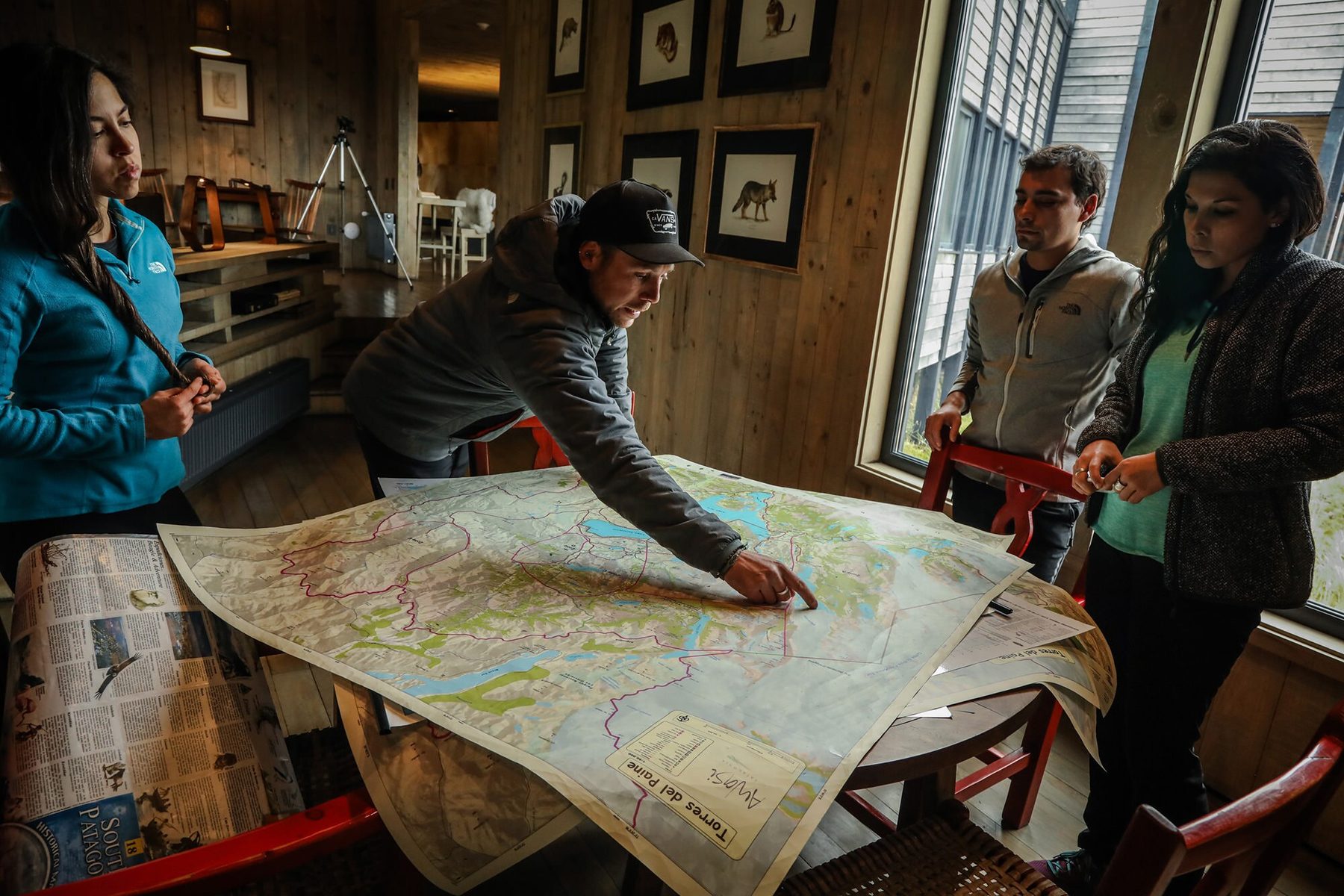
Follow the famous multi-day W Trek, named for its shape on the map, or try one of the more challenging remote hikes, where you’ll be rewarded with sights of llamas and condors. Wander past icy masses, rivers, native forests of lenga, and grassy steppes. At the end of the day, wind down with wine sourced in the western Andes paired with local sheep cheese. This is the Patagonia experience, best experienced from November to March.
Zambia: Where it all Began
South Luangwa National Park
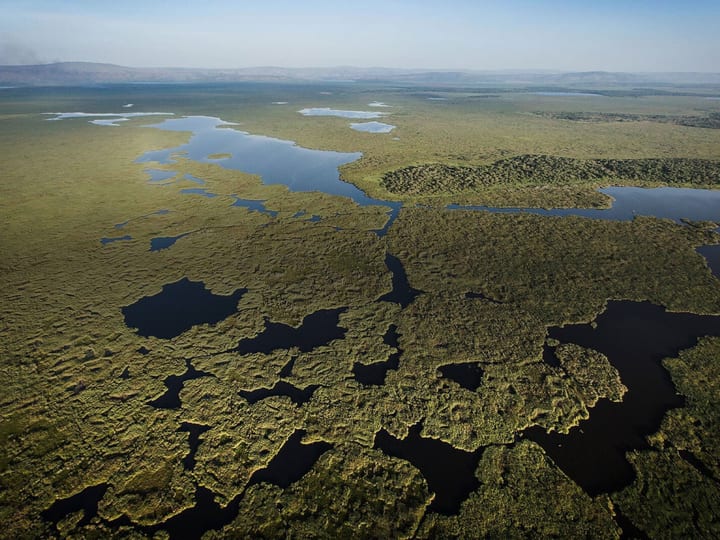
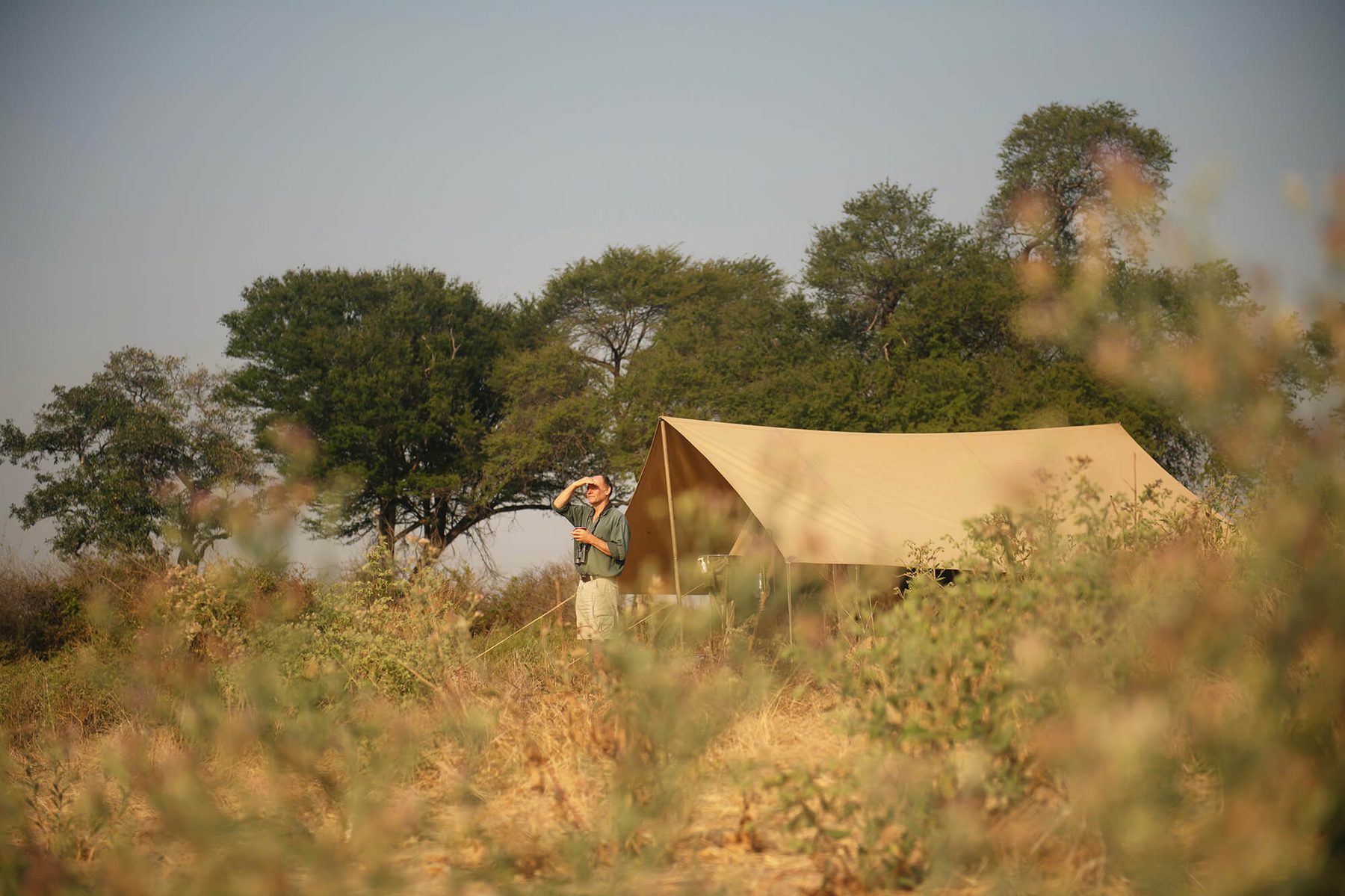
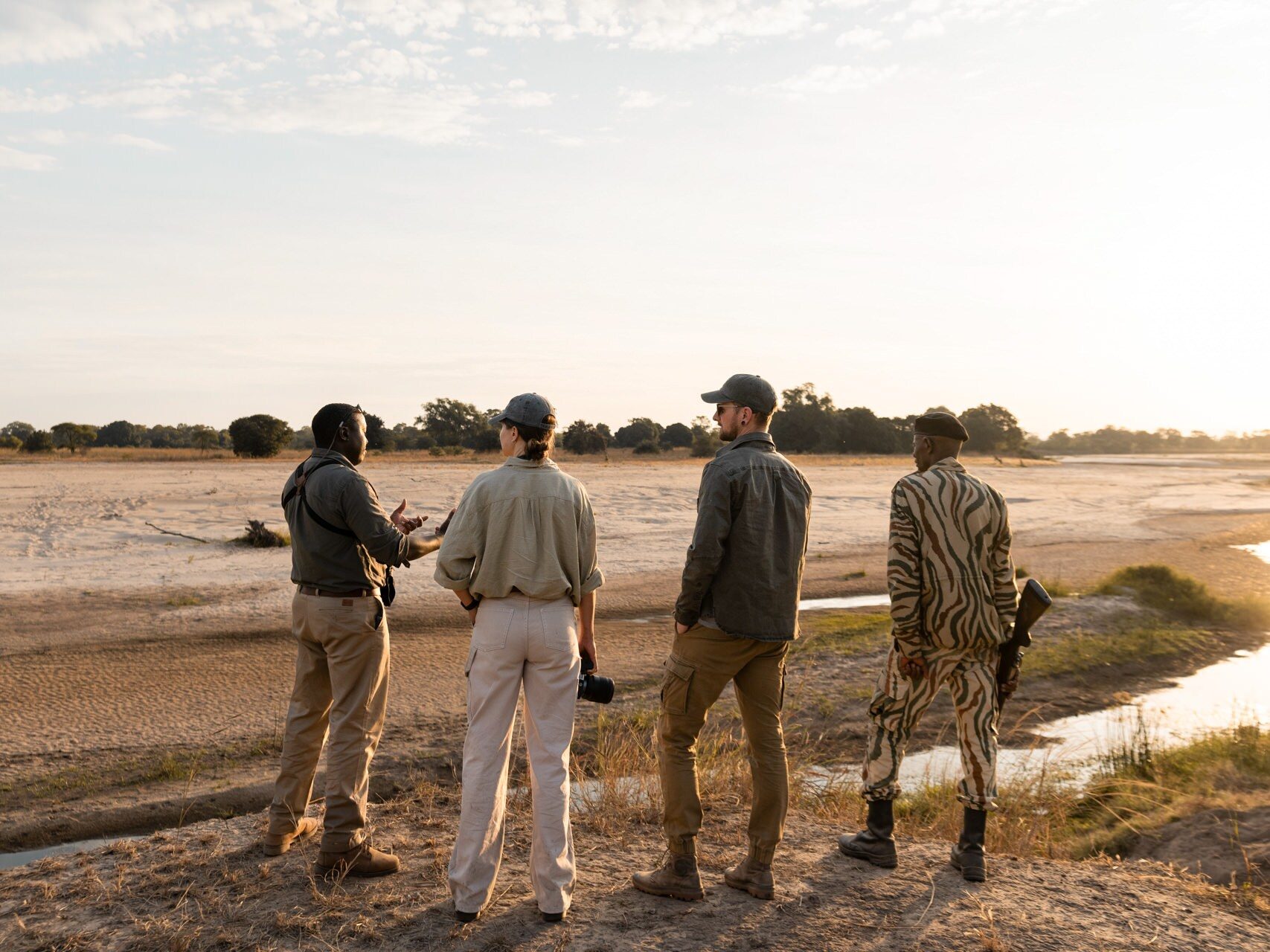
Zambia may be landlocked in Southern Africa, but its epic waterways and dramatic topography render it teeming with wildlife. It was this dense concentration of game, in fact, that inspired British conservationist Norman Carr to pioneer the walking safari here in the 1960s, envisioning a mode of sustainable tourism that would benefit both the wildlife and the surrounding local communities.
Today, thanks to Carr, Zambia is referred to as the premier walking safari destination of Africa. And no experience is more untrammelled than Luangwa. Plan to encounter African wild dogs and loads of gentle elephants. Bird lovers bring your binos — there are 400 species to check off!
New Zealand at its Most Spectacular
Fiordland National Park
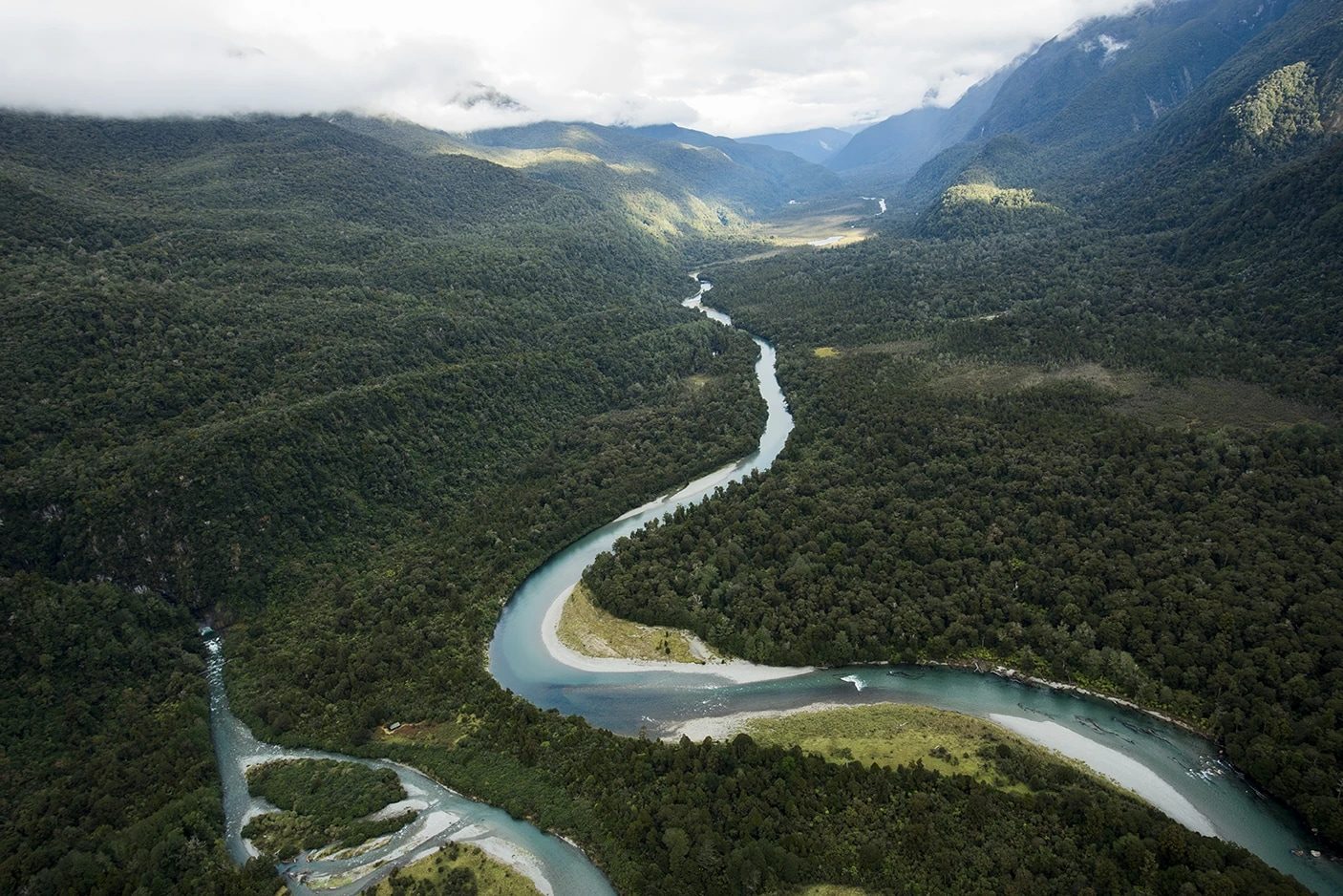
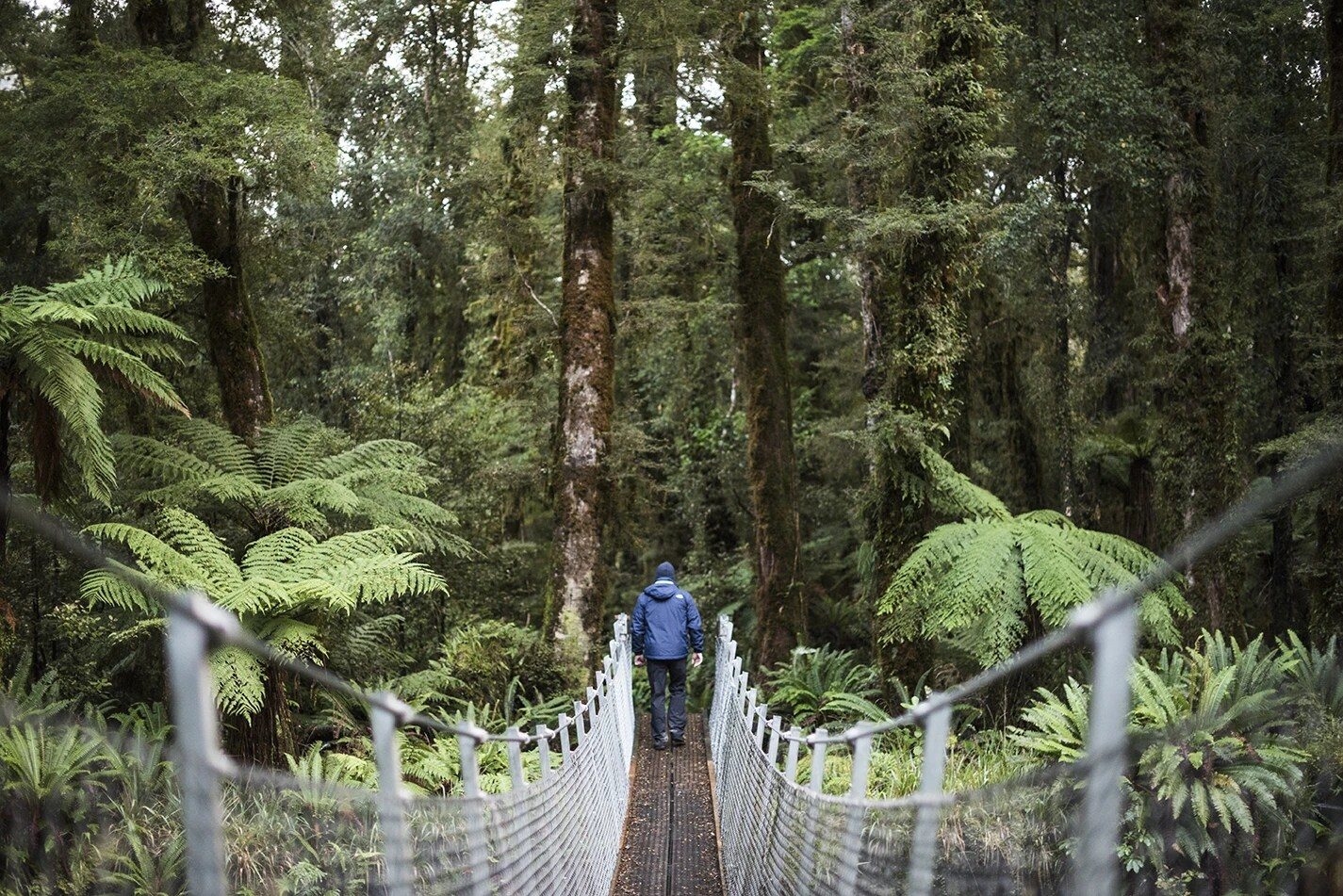
New Zealand’s Fiordland National Park is known for its network of walking, hiking, and backpacking trails (here, it’s called “tramping”), and it has three of the nation’s 10 “Great Walks.” The Routeburn Track weaves through meadows, sea vistas, and alpine gardens, while the Milford Track drops you in ancient rainforests and past cascading waterfalls. The Hump Ridge Track is the latest addition, decorated with tarns that snake around a rugged coastline
Fun fact: New Zealand has zero land predators. So, hitting the dirt here means you’ll share trails with flightless birds like the Kiwi, the Tawaki penguin, the Kākāpō, a flightless parrot, and the rare Takahē, thought to be extinct before its rediscovery in 1948.
Walks on the Wild Side