 By The UNCHARTED® editors · 4 min read
Safari guests don’t see what happens when they leave. The Land Rovers sit idle, the tents stand empty — and in their place come doctors, teachers, and conservationists. The same tracks used for game drives become lifelines for something even wilder: change in the name of conservation and community development.
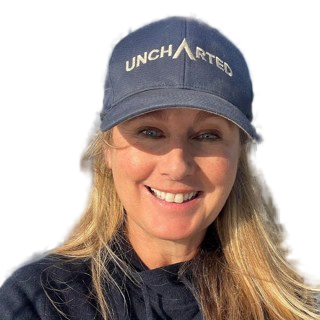
Nomad Tanzania is among UNCHARTED’s most longstanding partners. They do safari the right way, in prime locations. At the heart of Nomad’s conservation efforts is Lucy Cole, a sharp, passionate force working across the country’s Southern Circuit to build something truly rare: a safari that doesn’t just observe but improves the environment and local communities.
Her work moves between remote village clinics and lion corridors, connecting the dots between community needs and conservation wins. Nomad’s approach is deeply collaborative between guides, villages, head office staff, and travelers who often have no idea how far their safari dollars actually go. But it’s in the quiet season — when tourists are gone and the camps are still — that some of the most important work happens.
We sat down with Lucy to talk about the secret life of safari camps, what conservation and community engagement looks like beyond camera traps and funding reports, and why sometimes the smallest interventions can make the biggest impact.
This interview has been edited for clarity and concision.
Q1: What does a typical day in the field look like for you?
Q2: What’s a recent moment that really stuck with you?
A lot of early mornings — 5:00 or 6:00 a.m. starts with a team of anywhere from five to fifteen specialists. We prioritize using local talent for our outreach programs, so the whole team is usually Tanzanian.
We recently ran a conservation outreach program in a village. We were expecting the usual slow start, but next thing you know we had respected elders and other community leaders up dancing with us.
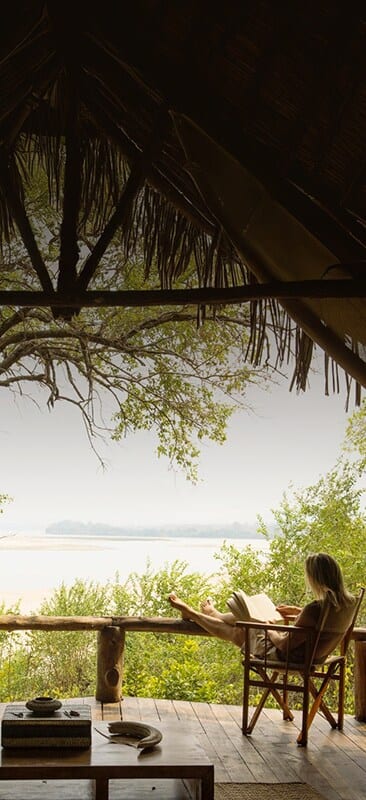
FEATURED OUTPOST
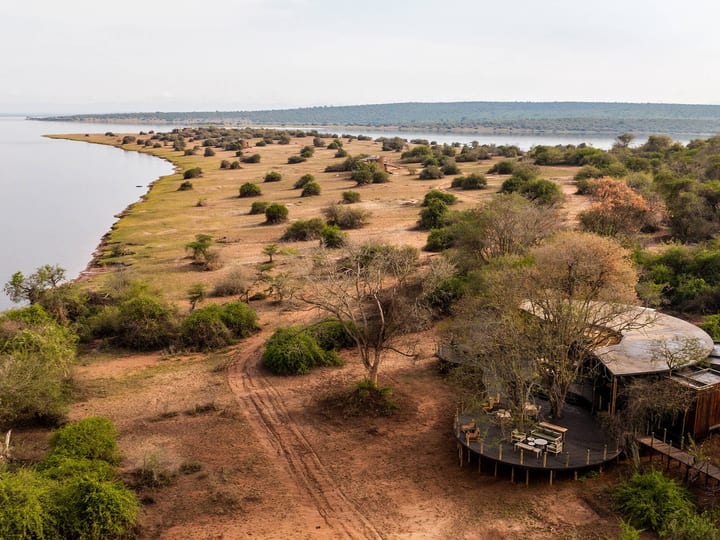
SAND
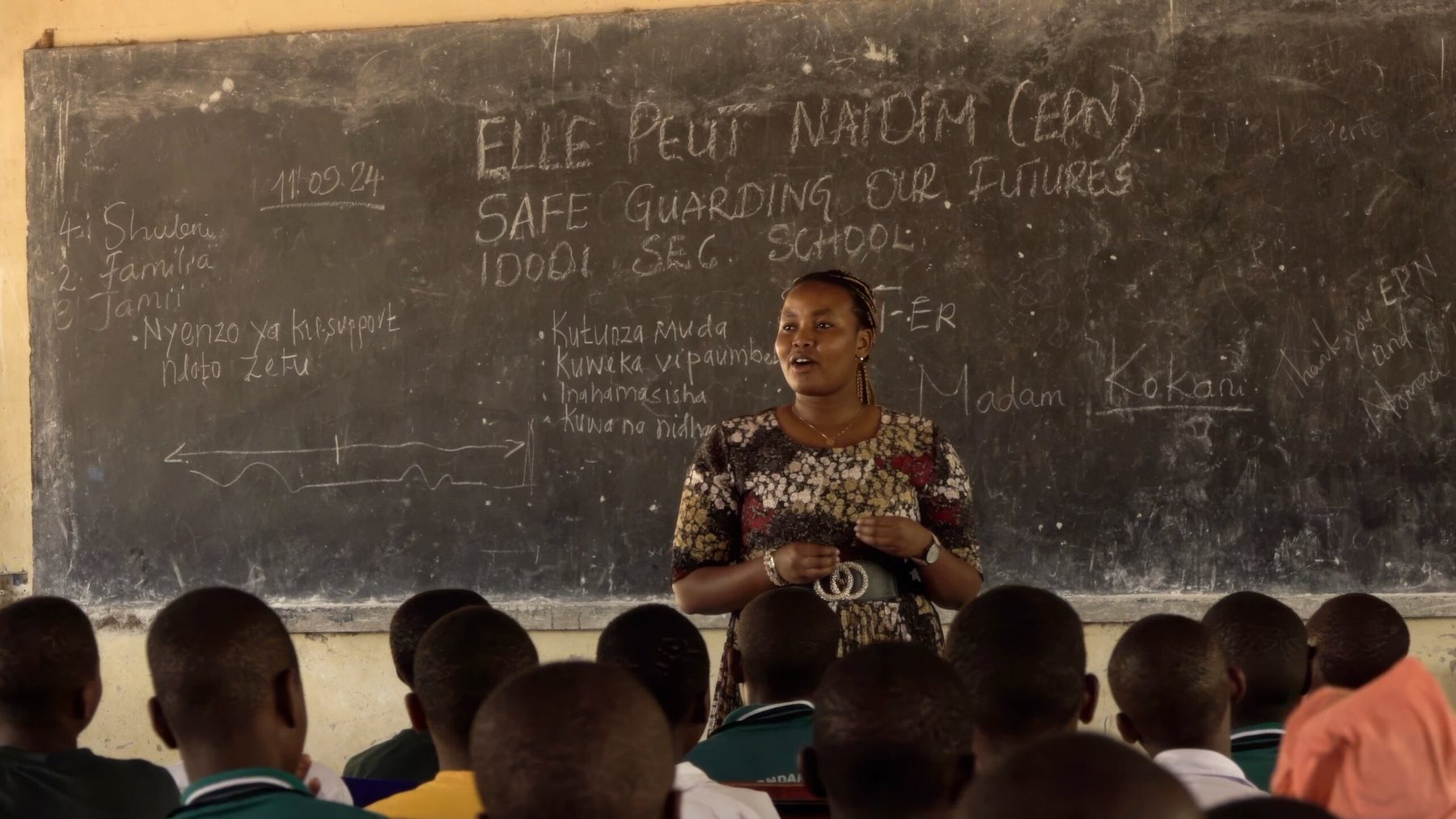
We’re often based in a village and set up a central location for the day — sometimes we’re doing health screenings, sometimes we’re providing disability awareness, and other days we’re even offering cancer checks. While we’re offering services, we’re also providing educational outlets by visiting schools, teaching about health, engaging with the community, and breaking down stigmas.
RIVERS
"Where wild rivers
We use local music and language to break down barriers, and it really works. People shed their formal roles and just show up, fully present. That’s when we know they’re ready to hear what we have to share. That’s when real awareness begins.
meet wilder land"
"This isn’t about charity. It’s about integration. Tourism can and should be a cycle of mutual support — where everyone involved has a stake in the success of the experience."
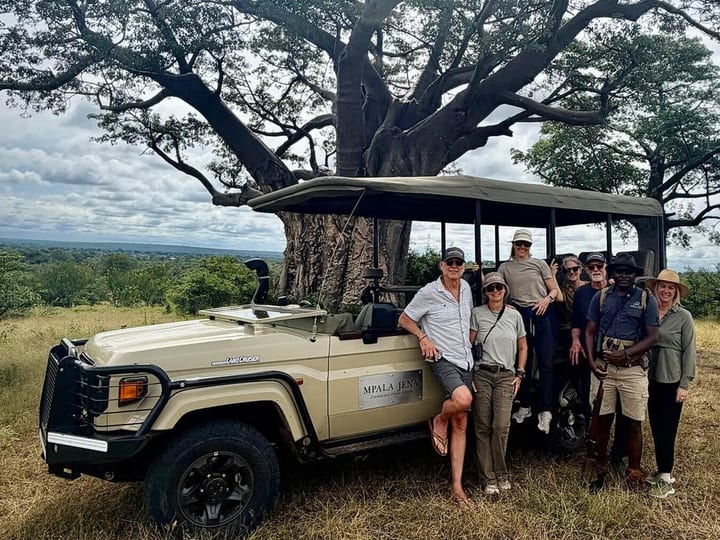
It always starts with nerves. Every time, we worry no one will show up. It’s like throwing a birthday party — will anyone actually come? And then, inevitably, too many people arrive. We go from panic to scrambling. We run out of time, out of medicine, out of sunlight. Our team eats in shifts, hidden behind the Land Rover so we’re not eating in front of people who’ve waited all day. It’s exhausting, but meaningful. And we always end with a family-style debrief dinner — everyone around the table, sharing stories, checking in.
Q3: How would you describe the overall conservation landscape in southern Tanzania?
Q4: Are there conservation programs travelers might not know about, but should?
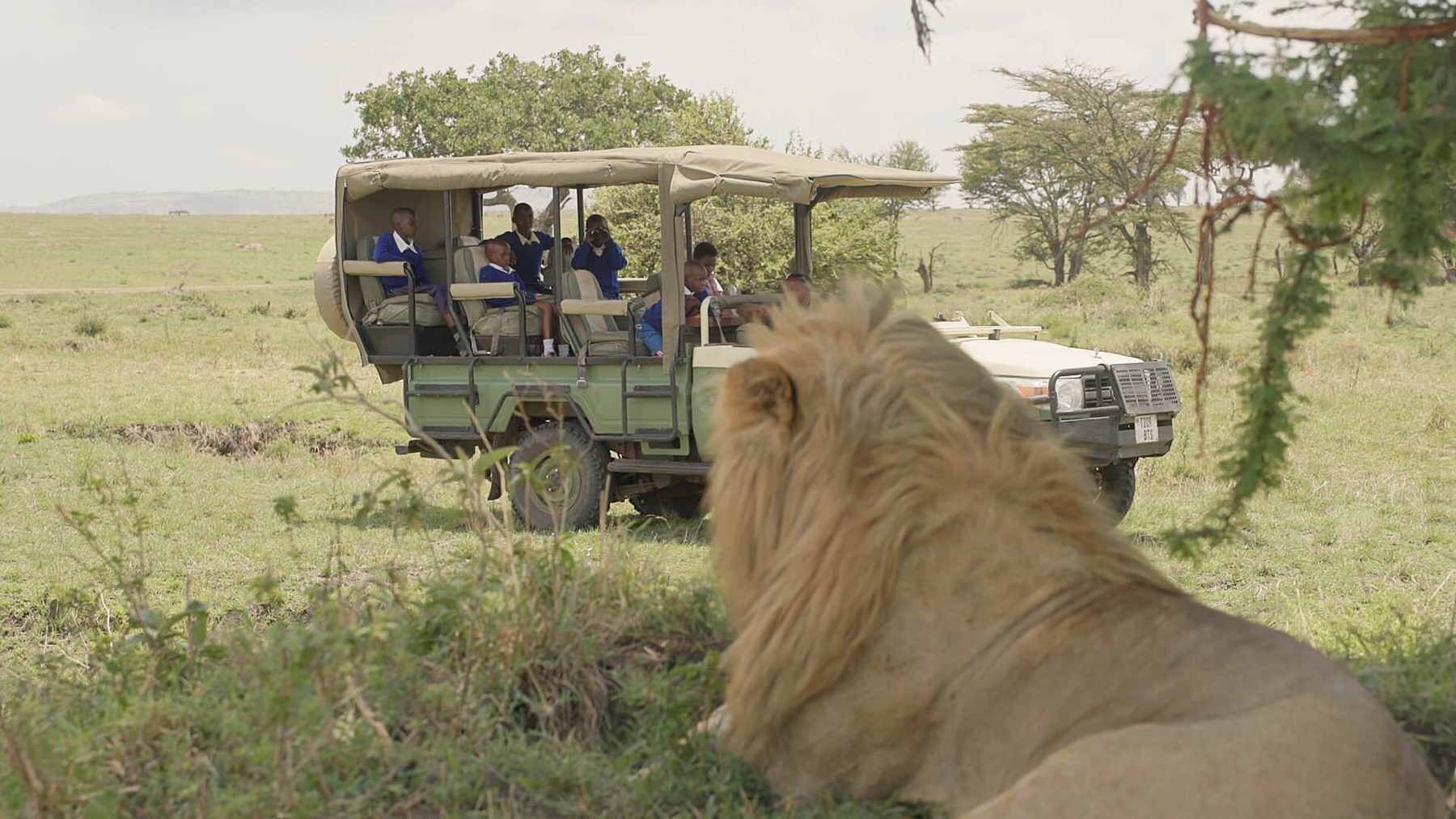
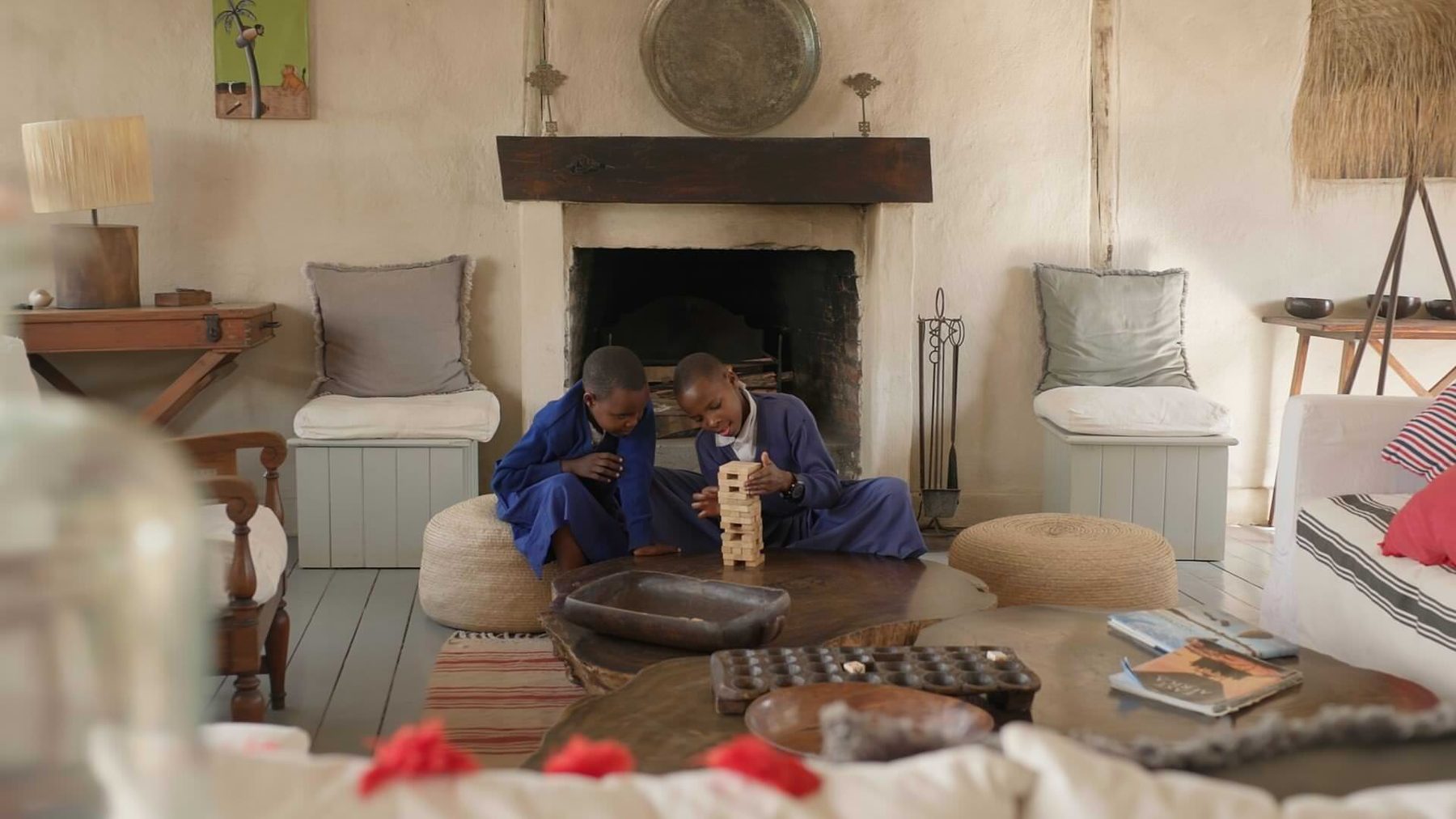
Definitely. One of the biggest surprises is how our safari camps don’t shut down when things get quiet. When guests aren’t there, we’re often using the same camps, the same vehicles, and the same guides to deliver all these community programs.
We’re seeing progress, but the challenges are complex. In the south, we partner with two incredible organizations — Lion Landscapes and STEP (Southern Tanzania Elephant Program). Both work on human-wildlife conflict, particularly on park boundaries where communities are directly impacted by lions or elephants.
Doctors sleep in guest tents, and outreach teams ride in game drive vehicles. It’s all quietly funded by tourism, and yet it often happens entirely off-grid. We also bring students into camp for career exposure. It’s all about access and motivation.
This work isn’t theoretical. It’s life or death. Elephants can destroy a family’s livelihood in one night. So we support both defensive tools — like solar lights, beehive fences, or farm and elephant watch towers — as well as long-term education. There’s no single fix, but we’re seeing real behavioral change.
“Sometimes a simple torch makes all the difference.”
Communities are becoming more invested in conservation. Poaching is down. People are starting to see that wildlife can bring benefits, not just danger.
Q5: How does this all tie into the guest experience?
Q6: Well said. So then what are you most excited about right now?
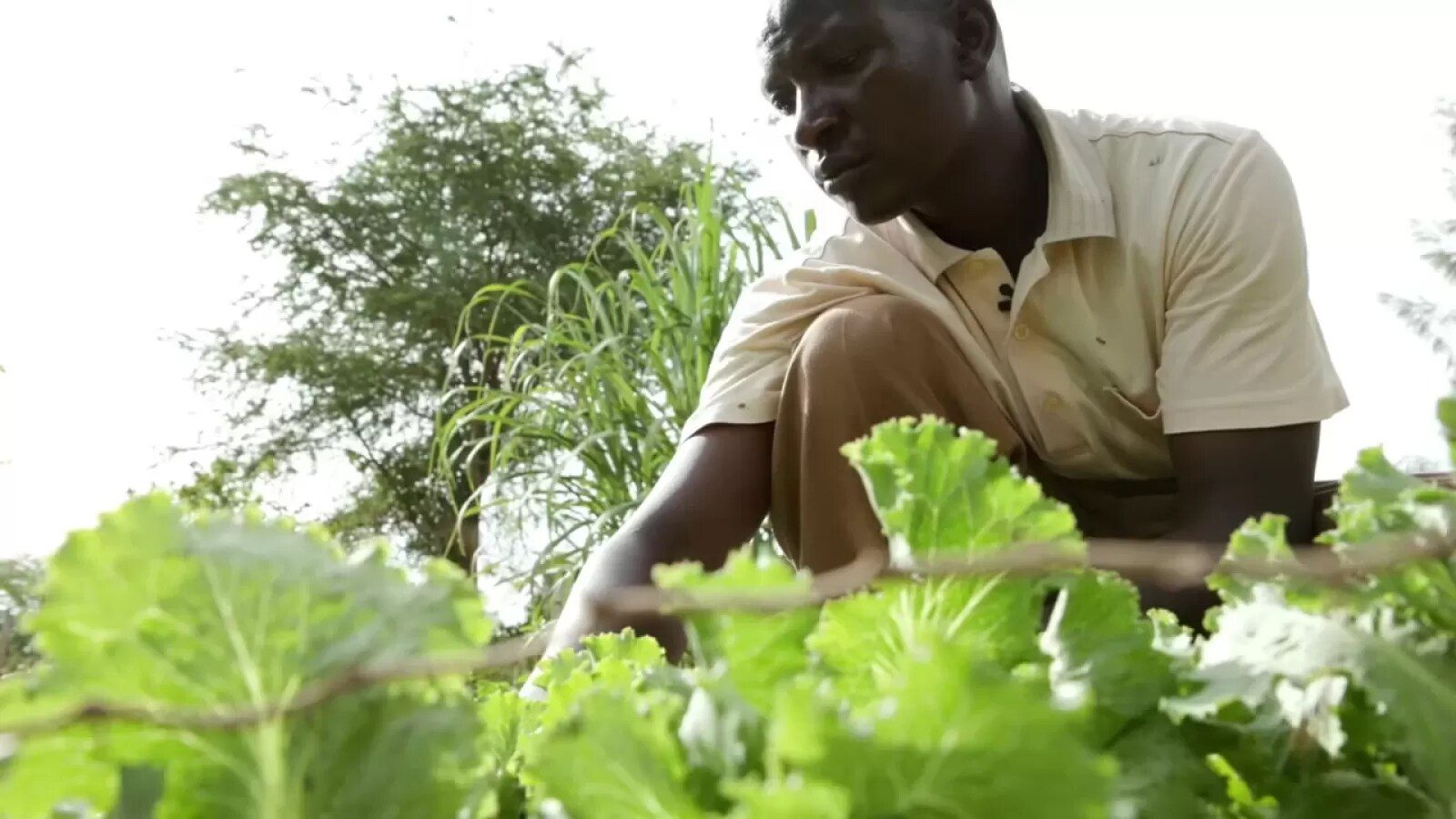
Everything is connected. The vegetables on your plate might come from the local village. The mechanic who fixed your vehicle might live just down the road. Many of our guides and camp staff are from the very communities we work with.
We’re finding that even tiny interventions can make a big difference. For example, something as simple as giving out solar torches [flashlights] has changed how people protect their farms at night. Instead of throwing stones or killing animals out of fear, people now have tools — literal light — to keep themselves safe.
This isn’t about charity. It’s about integration. Tourism can and should be a cycle of mutual support — where everyone involved has a stake in the success of the experience.
It’s not always about the grand gesture. It’s about the right idea, in the right place, at the right time. And when you get that right, it can ripple in ways you never expected.
CAMPFIRE CONVO
FIELD NOTES
LIVING LEGEND
unbelievable outposts
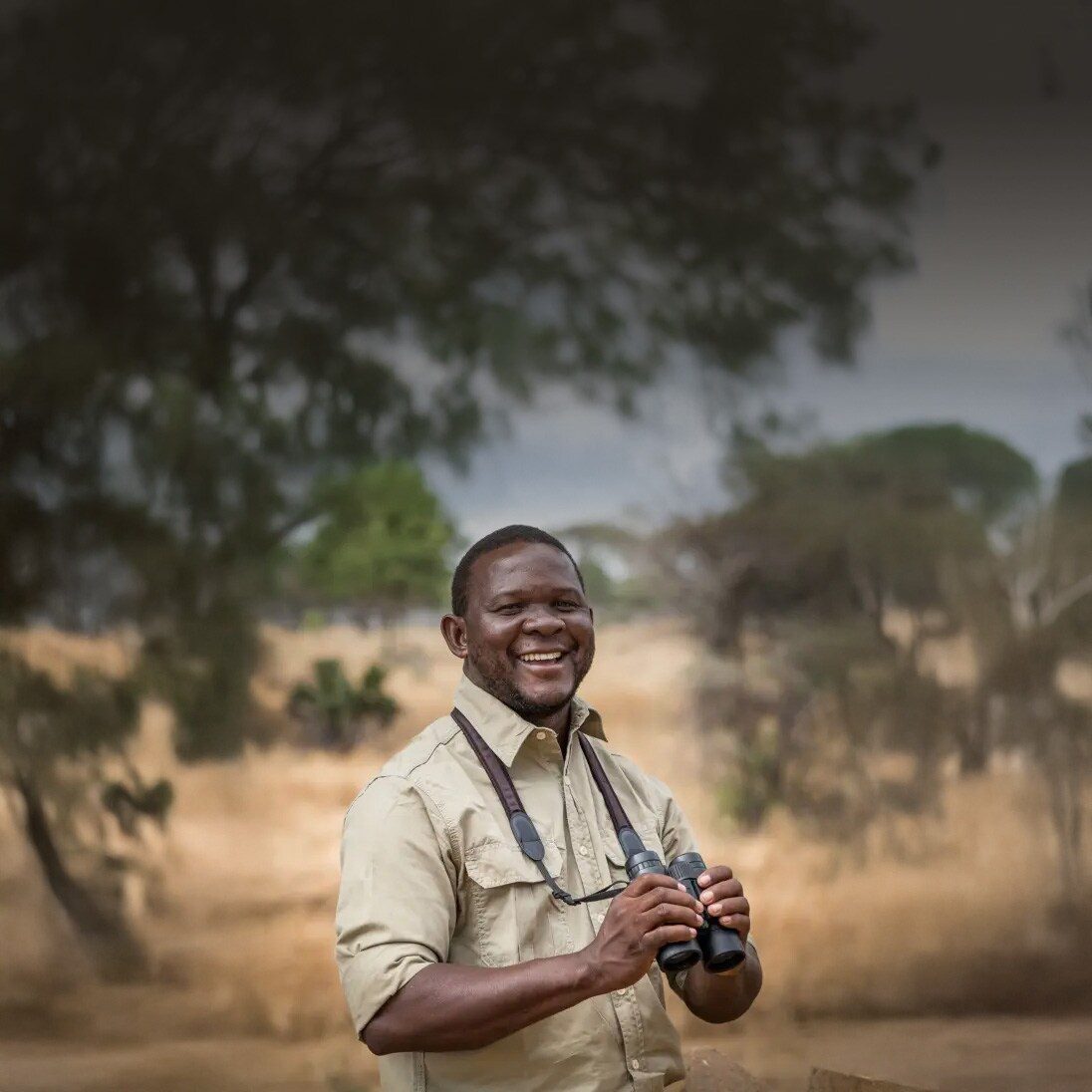
Sand Rivers, a Camp for Safari Connoisseurs
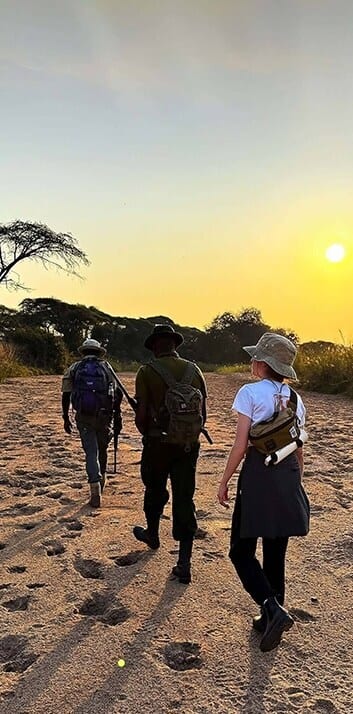
The Wild Walk: On Foot in Predator Country
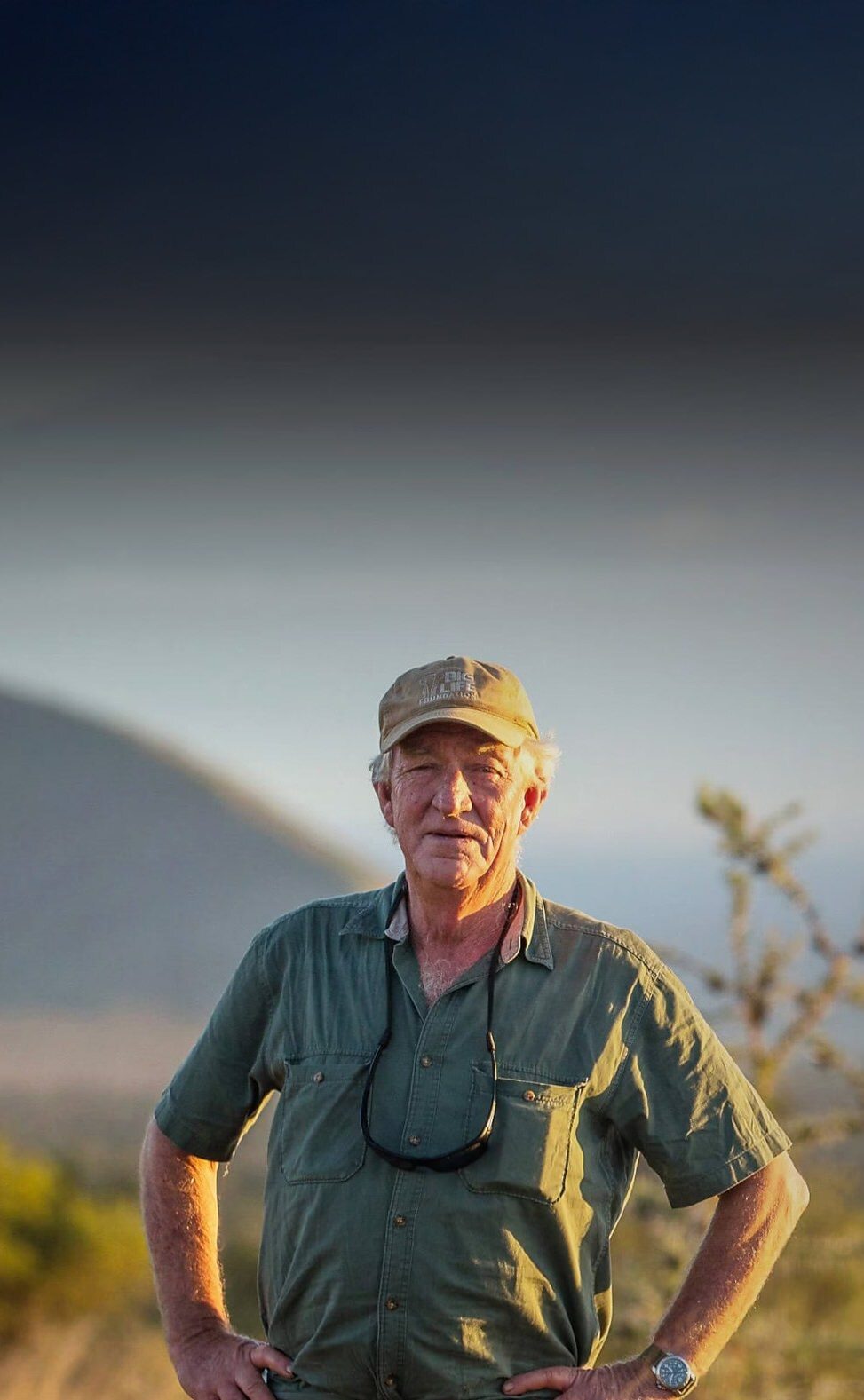
Richard Bonham: Trailblazer of the Modern Safari
Linger Longer: Savor the Slow Safari