 By The UNCHARTED® editors · 7 min read
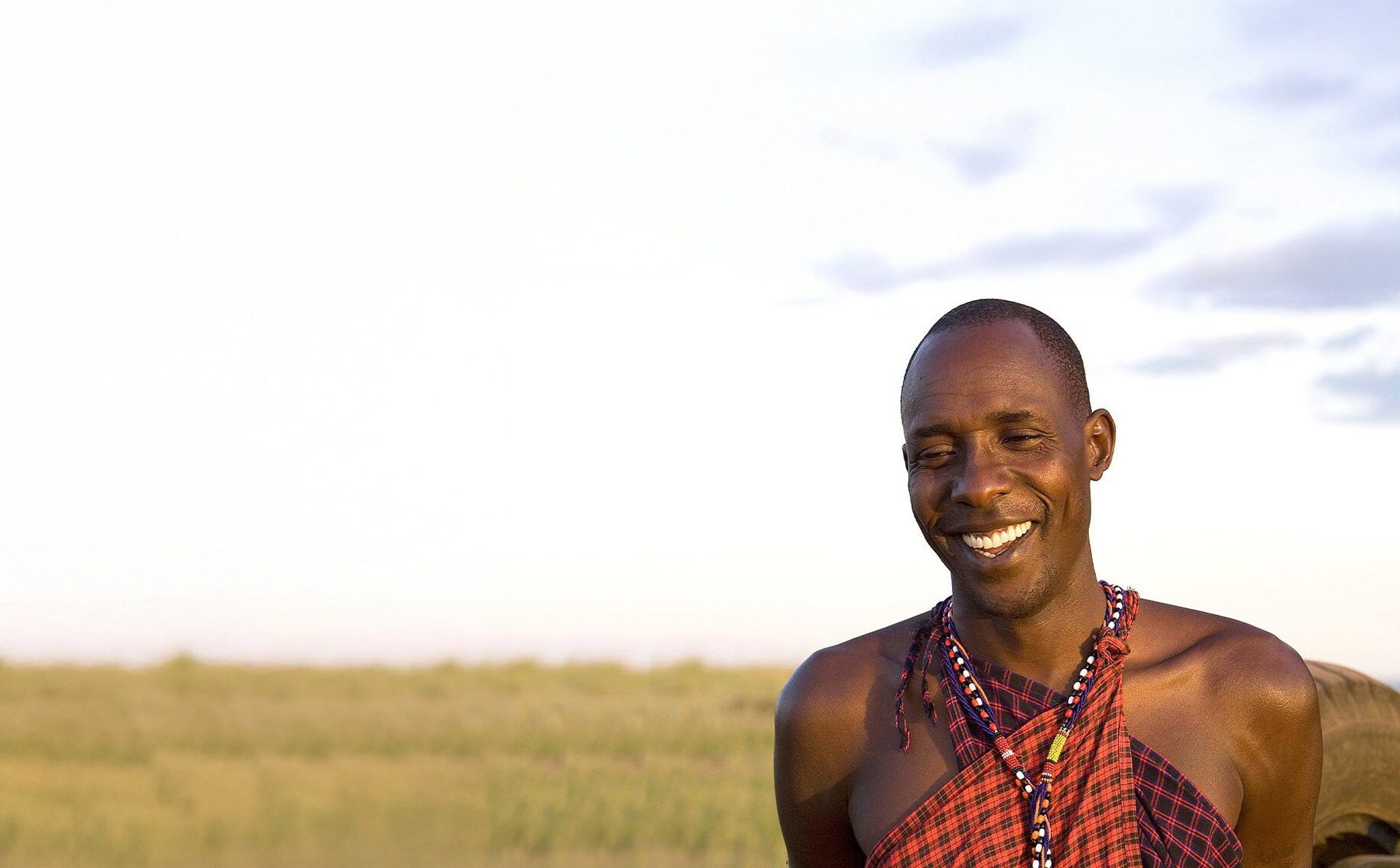
YOUR PRIVATE GUIDE
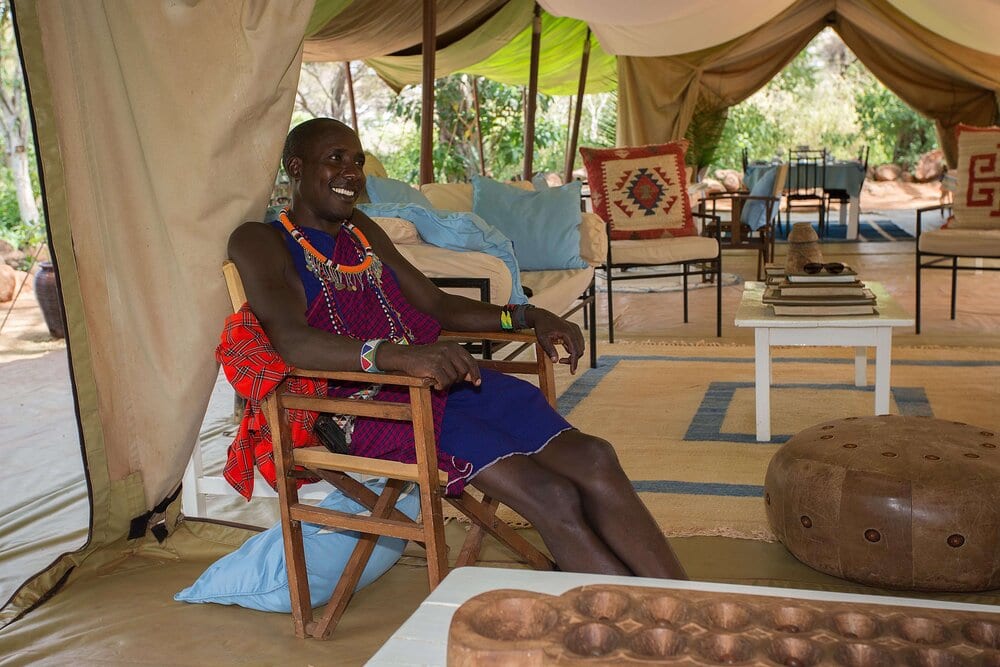
UNCHARTED is defined not only by our portfolio of stunning Global Safari locations, but by the guides who make adventures in these remote places extraordinary. There is no finer example than our man Tuleto “James” Sengeny.

James developed his keen tracking skills at a young age, and he has since become one of the premier guides in all of Africa. He lives in the vicinity of Kenya’s Masai Mara Reserve where he grew up, and he will introduce you to it as a guest to his home. And as a specialty guide who is not affiliated with any single camp, he will personally escort and guide your party to Kenya’s other prime wildlife locations as well.
Q1: So, you tell me that you are not quite sure how old you are …
Q2: How and when did you become interested in wildlife and nature? Did your family have any influence? Was there a particular moment in your life you can point to?
Yes [laughs]. Maasai people have traditionally not cared about birthdays. You were born the year of the big flood or the year the lions killed a lot of cows or whatever … that was about it. My parents said I was born about a month after a big battle took place between the Maasai tribe and the Kalenjin tribe. People say that was 1972. So, that makes me 53. Maybe …
My father loved wildlife, but he was just a regular Maasai, keeping cattle, sheep, and goats. When I was about seven years old we were living close to Aitong, which is north of the Masai Mara Reserve. I was with my father herding cattle, and I got very hungry. We did not have any food with us, and we were about a mile away from our manyatta. My father pointed in one direction and told me if I walked straight there, I would find our manyatta and some porridge in the house. During the walk, I got caught between a rhino mother and her calf. The mother could have easily charged and killed me, but she and the calf ran away. I got so scared I screamed for help.
Q3: Back then, practices like lion killing by Maasai warriors were still widespread. How were you able to reconcile those things with your love of nature?
In our Maasai culture, it is very important that warriors are brave. I became a warrior when I was 14. Some of the things we did, like cattle rustling, were very scary, but I had to show a brave face. Luckily, I didn’t have to deal with a lot of that, because I went to high school. Not many other warriors attended high school. I had only one month a year when I was with my fellow warriors.
Before then, I had seen buffaloes and elephants, but they were far away. Even though I had heard lions roaring at night, I was always inside – safe. Up to that point, real close encounters with dangerous animals were just stories told by elders. This encounter with the rhinos really shook me. But at that moment, I learned that dangerous animals will leave you alone if you leave them alone. It was from that moment on that I became really interested in wild animals and nature.
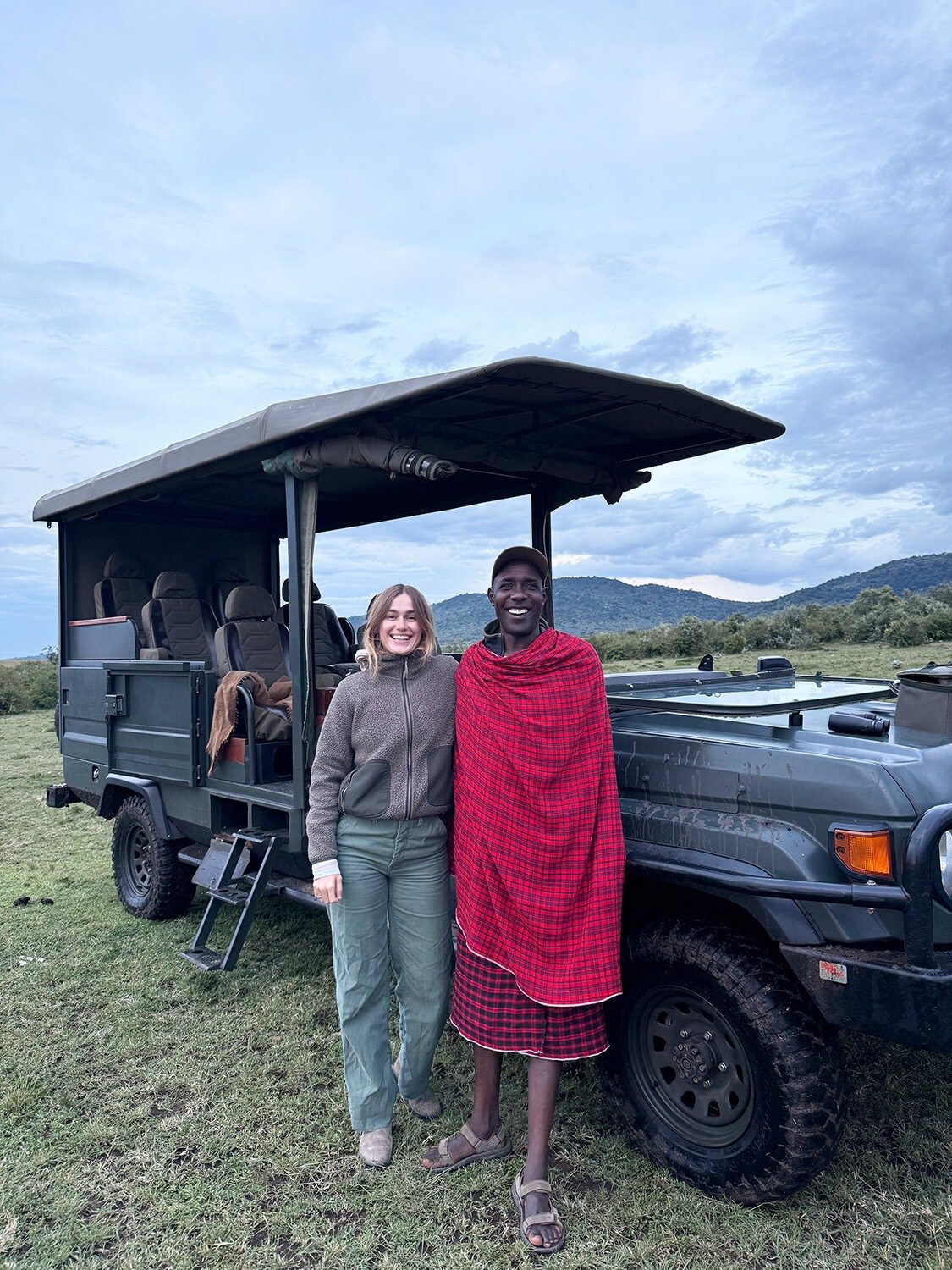
"James was awesome once again. Our kids and granddaughters adored him … He showed us how a siafu ant is used for stitching an open wound and even demonstrated on his own hand!
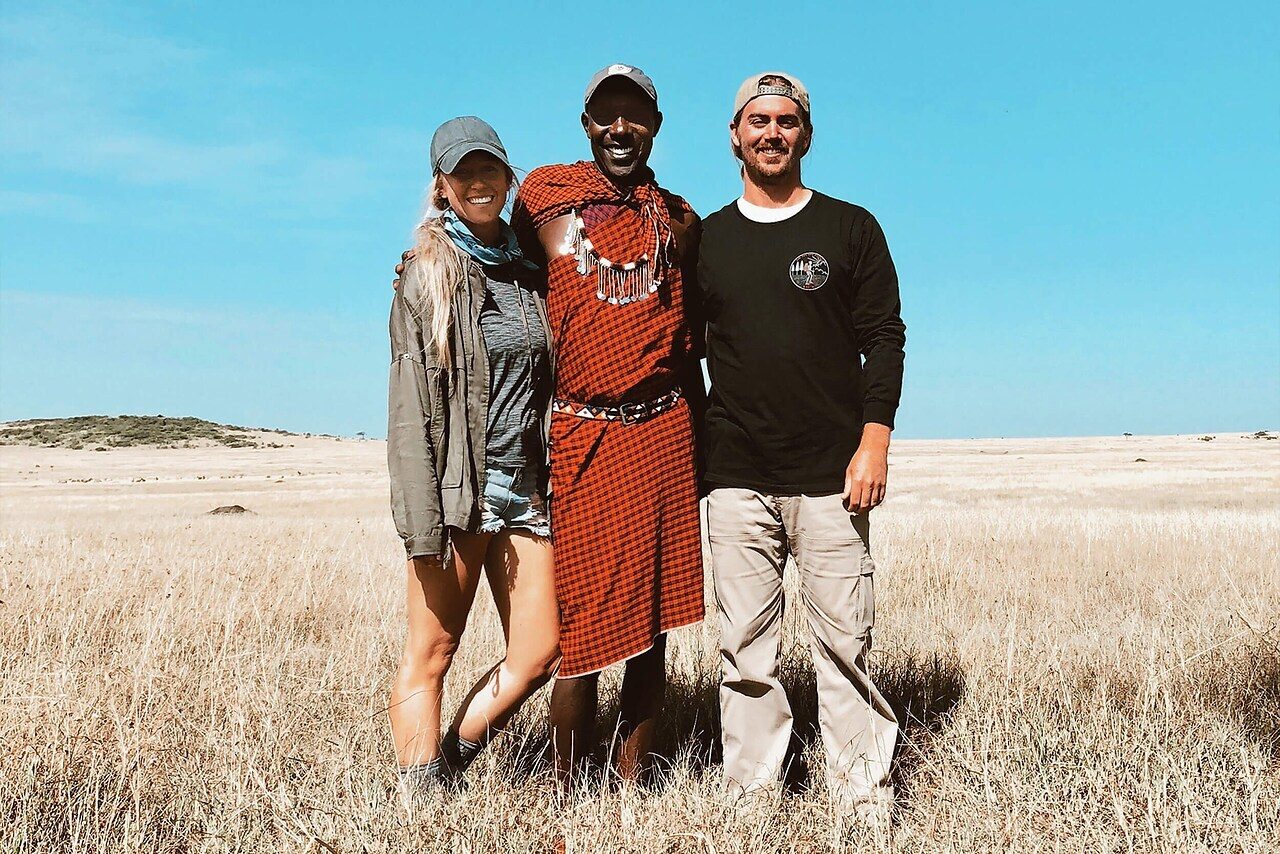
Q4: What was your first experience in the safari industry?
Q5: And you got your real break a year later. Please tell us about that.
There was a company called Geo Safaris that operated a mobile campsite in the Mara. In 1991, I was hired there as an askari [guard]. But I had a special job: I was the camp “monkey man.” I was in charge of chasing away vervet monkeys. Those monkeys can get very naughty if they get used to a camp. They can steal just about anything. So, I harassed and chased them all day. They are so smart. When they saw other askaris, they wouldn’t budge. But when they saw me, they would run.
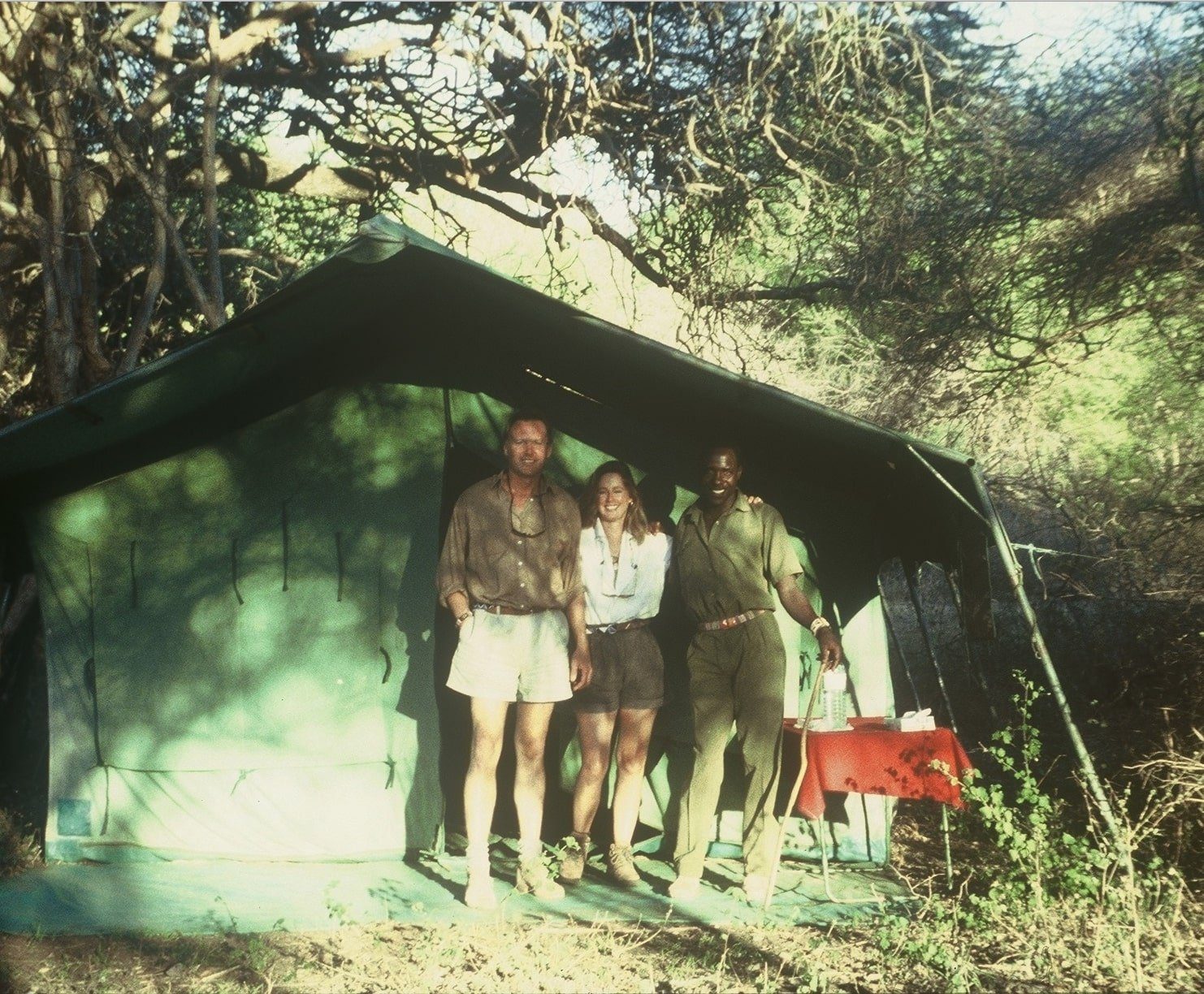
Chip and Sandy Cunningham [now proprietors of UNCHARTED] were working with a local safari company. Chip would sometimes fly into the Mara or drive-in for mobile camping. I was hired as one of the askaris on one of their trips. T It was my first real encounter with mzungus [white people, in Swahili]. They offered me spaghetti, and I ate it very carefully because I didn’t really know what it was. But it was delicious!
Anyway, I was the only askari who spoke any English, so Chip asked me to be his guide. The guests wanted to see wild dogs. By 1992, wild dogs were almost gone from the Mara region, but I knew where one small pack was denning. So, I took them there, and they were very happy. Then they asked me where they can see a cheetah. I had no clue, but I told them, yes, we can see a cheetah. And just a few minutes later, we lucked into a cheetah. The guests were very impressed with me, and they now wanted to see a leopard. Again, I had no clue as to how to find one, but we lucked into a leopard too. By this time, the guests and Chip are thinking, "Wow, who is this man?"
Q6: Eventually you became a guide, but until that time, all the guides were white and the Maasai were askaris, trackers, and spotters. Was it challenging?
Yes, we were the first ones here in the Mara. It was challenging because we were going into competition with the mzungus. But when Ron Beaton started the Koiyaki Guiding School in 2002, he told the students it would be easy because they grew up with animals, know everything about the bush, and are passionate. Now hundreds of people have graduated and are employed in the industry in different careers.
From then on, every time Chip came to the Mara, he asked for me and we became very good friends. On one of the trips, I took Chip to meet my father. My father asked him if Chip would be willing to take me to Nairobi to get me more schooling, and Chip agreed. So, in 1994, I moved to Nairobi to live with Chip and Sandy. I learned how to drive, and I went to some basic wildlife training classes offered by KWS [Kenya Wildlife Service]. I also attended a KWS Institute near Lake Naivasha. Shortly after that, Chip and Sandy got a job managing ol Donyo Wuas [now ol Donyo Lodge] in the Chyulu Hills, and I went with them.
Before then, a lot of the driver-guides were from Nairobi and had no clue of what the bush is. Our guests love for Maasai to guide them around here. When we started dressing in traditional clothes people thought we were crazy, but now they all do it.
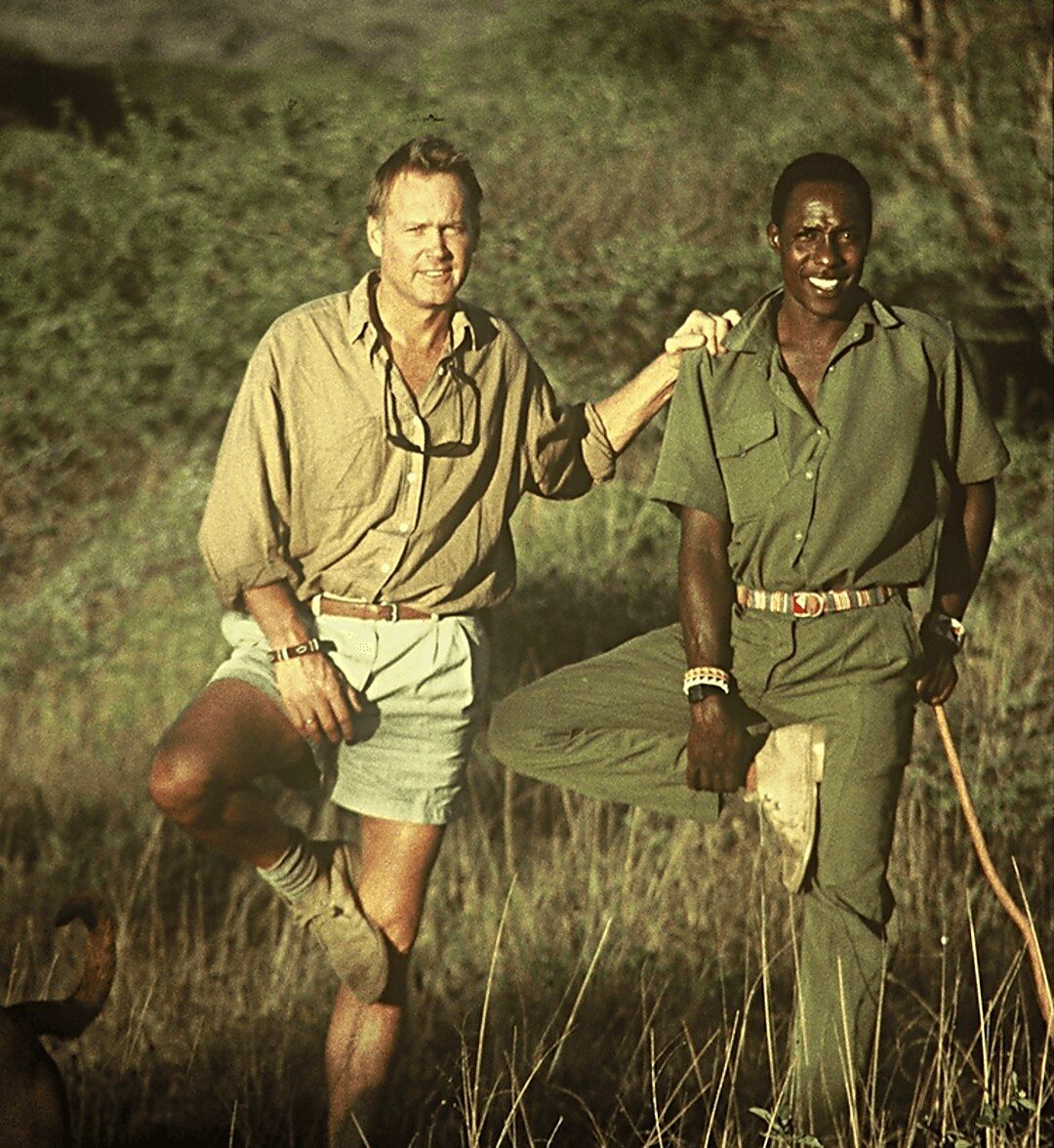
"James, a Maasai Elder, has been working with Chip & Sandy and guiding UNCHARTED® guests for over 30 years."
Q7: Are there more female guides these days?
Q8: Tell us about your family. Your wife, children, and brothers.
When the school started there were only three females in the class of 25. By 2017, there were more females than males. Now, wherever you go in the Mara, there will be three or four female guides, and they are doing fantastic.
I met my wife while I was working at ol Donyo Wuas. I got married in 1997 when I was 25, which is very late for a Maasai to be married. I am the eldest of the seven Sengeny brothers. All of us but one work as guides in the Mara.
We have five children, and my 24-year-old son Canny is going to start guiding soon. I think it’s best for him to start bush camping, where people are close to nature, where they can hear the noises and smell the bush, not in a lodge. He already knows so much. He learned from being in the field and in school, and from me.
Q9: What are the best and worst parts of your job? Tell us about your worst safari experience ever.
The best part is encountering different cultures. The guests really have been wonderful. I never get tired of learning something from my guests. The worst part is when guests become too controlling, rather than trusting the guide to do his thing.
The worst experience ever? One time, I was guiding a honeymoon couple from Europe. Masai Mara was the first stop on their honeymoon. Before they left the Mara, they got divorced. They flew out on separate planes. Was it something I did?
Africa | Outposts
Kenya | Outposts
Southern Africa | Outposts
Global | Roundup
Go Wild: Next-Level Safari Destinations
Style Meets Substance in these 3 Kenya Outposts
Safari Superstar: Meet the Visionary Empowering Africans
7 of the World’s Top Wildlife 7 of the World’s Top Wildlife Experiencess