 By The UNCHARTED® editors · 6 min read
From the misty highlands of Bwindi Impenetrable National Park to the riverine depths of Kyambura Gorge, Uganda offers some of Africa’s most unforgettable ape encounters. We spoke with Nicole Simmons — a leading chimpanzee researcher and advisor to the Volcanoes Safaris Partnership Trust — about the best way to get close to the action.
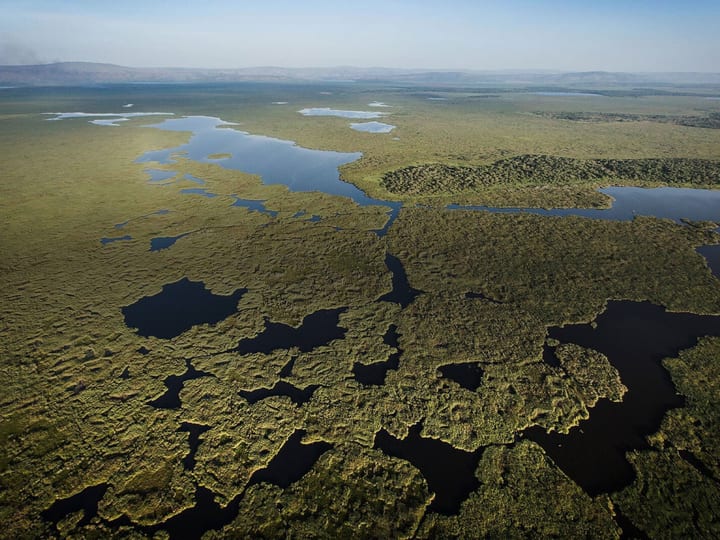
Opening up like a green gash in the earth, the dramatic rainforest of Kyambura Gorge slices through the vast grassland of Queen Elizabeth National Park. Known as the “Valley of Apes,” this hidden world thrums with life: Hippos drift through muddy channels, red-tailed monkeys swing through the verdant canopy, and flashes of birdlife streak between fig trees. An emerald scar in the landscape, remote and cut off from other forests, it is a lush, shadowy counterpoint to the golden savanna and the Big 5 game drives just above.
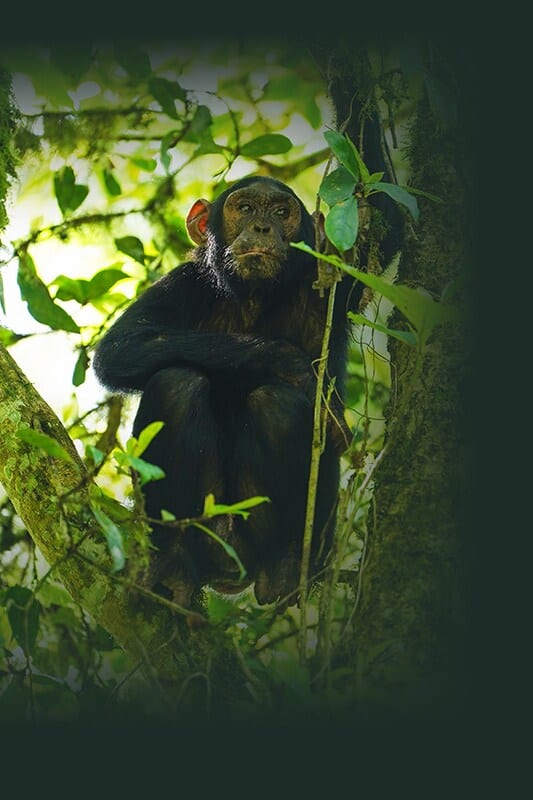
But Kyambura’s greatest allure is its resident chimpanzees — a small, isolated group of just 32 individuals, dubbed the “Lost Chimps” after a famed BBC film that captured not only their intelligence and social dynamics but also their vulnerability as they struggle against habitat loss in this hidden, almost “lost world” gorge.
“Kyambura Gorge is an underground forest, surrounded by savanna,” says Simmons, who has worked with the Uganda Wildlife Authority for nearly two decades to develop conservation projects that safeguard great ape habitats.
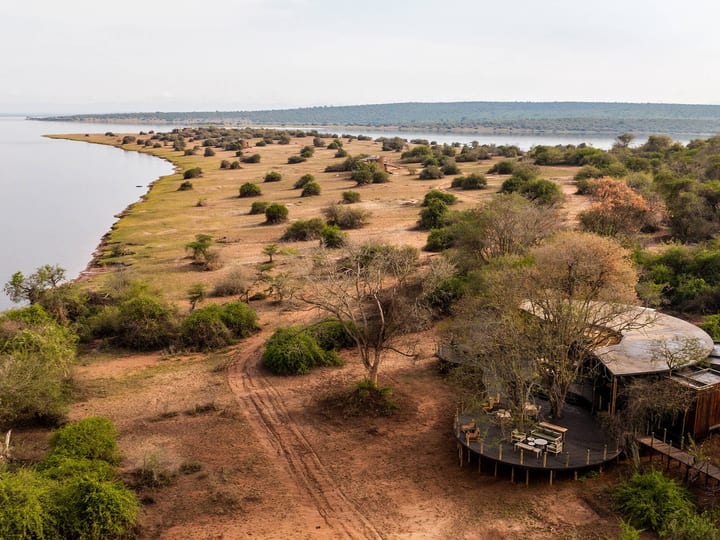
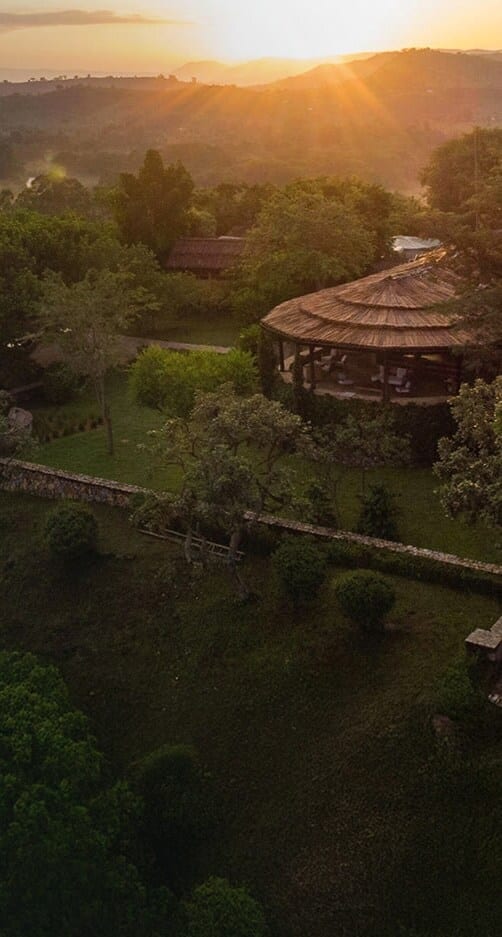
Their vulnerability has sparked a remarkable conservation response. Five years into her research, UNCHARTED partner Volcanoes Safaris acquired the surrounding land and opened
, a serene eco-retreat with just eight bandas.
Their mission was to create a protective buffer zone for the endangered chimps. That commitment deepened this year with the opening of the Kyambura Discovery Centre, an educational collaboration with the Jane Goodall Institute.
Yet Kyambura is only the beginning. Just to the north lies Kibale National Park, which is widely considered the best place in the world to see chimpanzees, thanks to its thriving population of roughly 1,500. In 2024, Volcanoes opened
, creating a safari circuit that links both parks. The result: an immersive journey into the science, stories, and guardianship of our distant cousins.
And then there are the gorillas. Uganda is the only country on Earth where you can encounter both mountain gorillas and chimpanzees side by side in the wild — and Volcanoes’
sits in the rare forest where their ranges overlap. In neighboring Rwanda, you can see both species too, but each in separate locations, making Uganda’s encounter uniquely immersive.
We sat down with Simmons to explore the differences between chimpanzee and gorilla trekking and why Uganda deserves consideration as a first-choice safari destination.
This interview has been edited for clarity and concision.
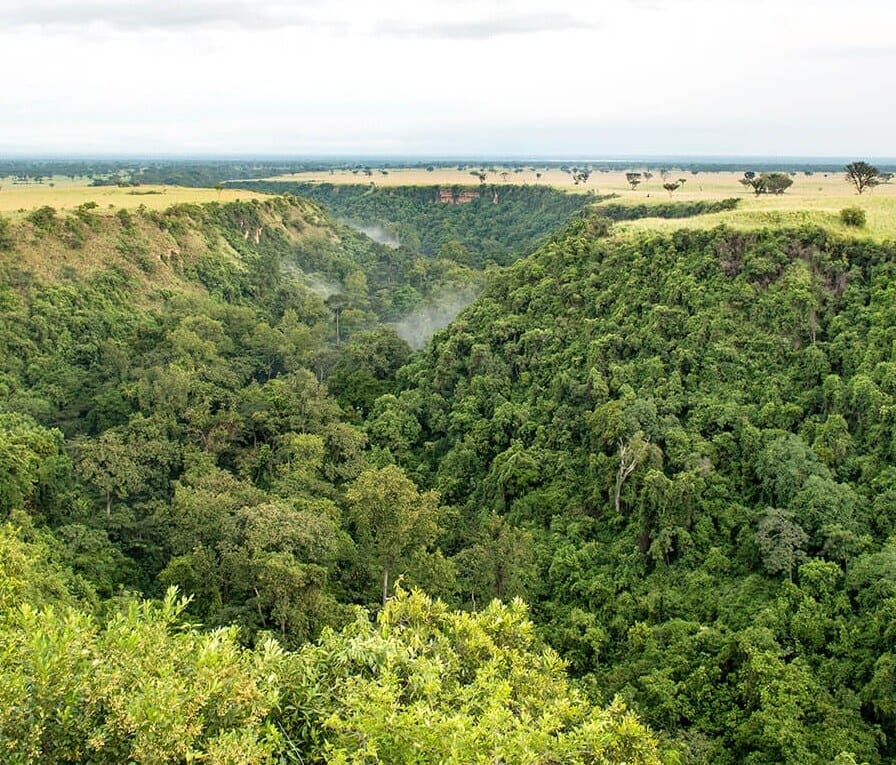
"Kyambura’s greatest allure is its resident chimpanzees — a small, isolated group of just 32 individuals"
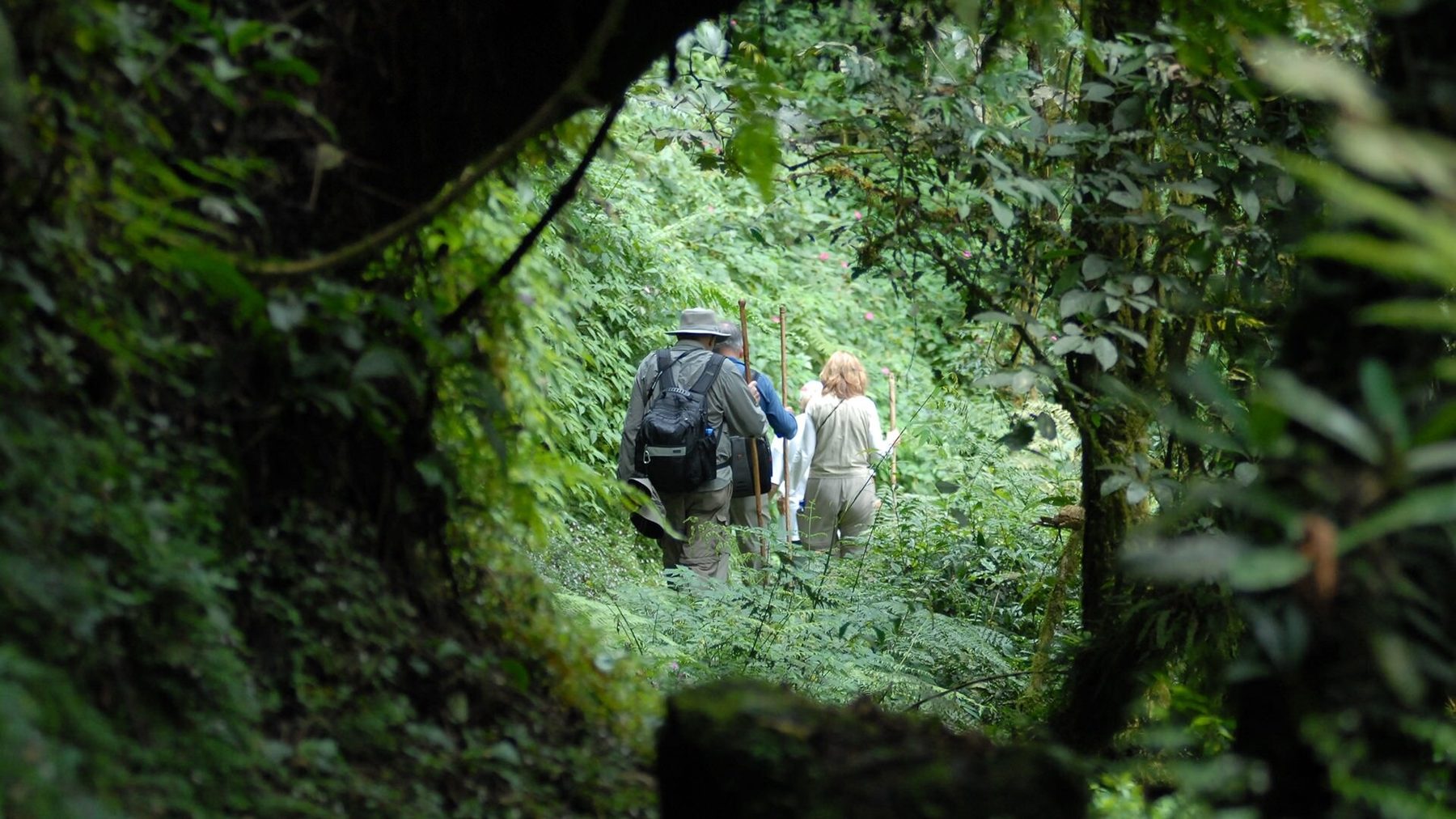
Q1: Chimpanzees are extroverts — loud, lively, and swinging through the treetops. Gorillas, by contrast, are the strong, silent types, requiring a slower, more patient approach. How does trekking for chimps versus gorillas differ, both logistically and experientially?
Q2: With the opening of Kibale Lodge last year, travelers can now explore both ecosystems. Kibale Forest, the 'Primate Capital of the World,’ has a population of over 1,500 chimps. Kyambura Gorge, known as the 'Valley Of Apes,’ is a sunken rainforest with a much smaller chimp community. How else would you describe the differences between these two chimpanzee strongholds?
One of the most significant differences is their habitats and what that involves for a traveler. Mountain gorillas are found between 7,000 and 13,000 feet above sea level, requiring visitors to climb, at least partially, to see them. Whereas chimpanzees occupy much lower altitudes, ranging from sea level up to 8,000 feet.
Kibale National Park’s chimp communities range from 50 to over 200 individuals. Travelers can view one of these communities, Kanyanchu, while staying at Kibale Lodge. But Kyambura Gorge is home to a single community of 32. Chimpanzees are very territorial and will fight with neighboring groups, but because the Kyambura group is isolated from others, they do not experience the intercommunity conflicts common in Kibale. Because of this, you will see more “battle scars” on the Kibale chimps compared to those in Kyambura.
FEATURED OUTPOST
“Primates, jungle, and pure Ugandan wonder.”
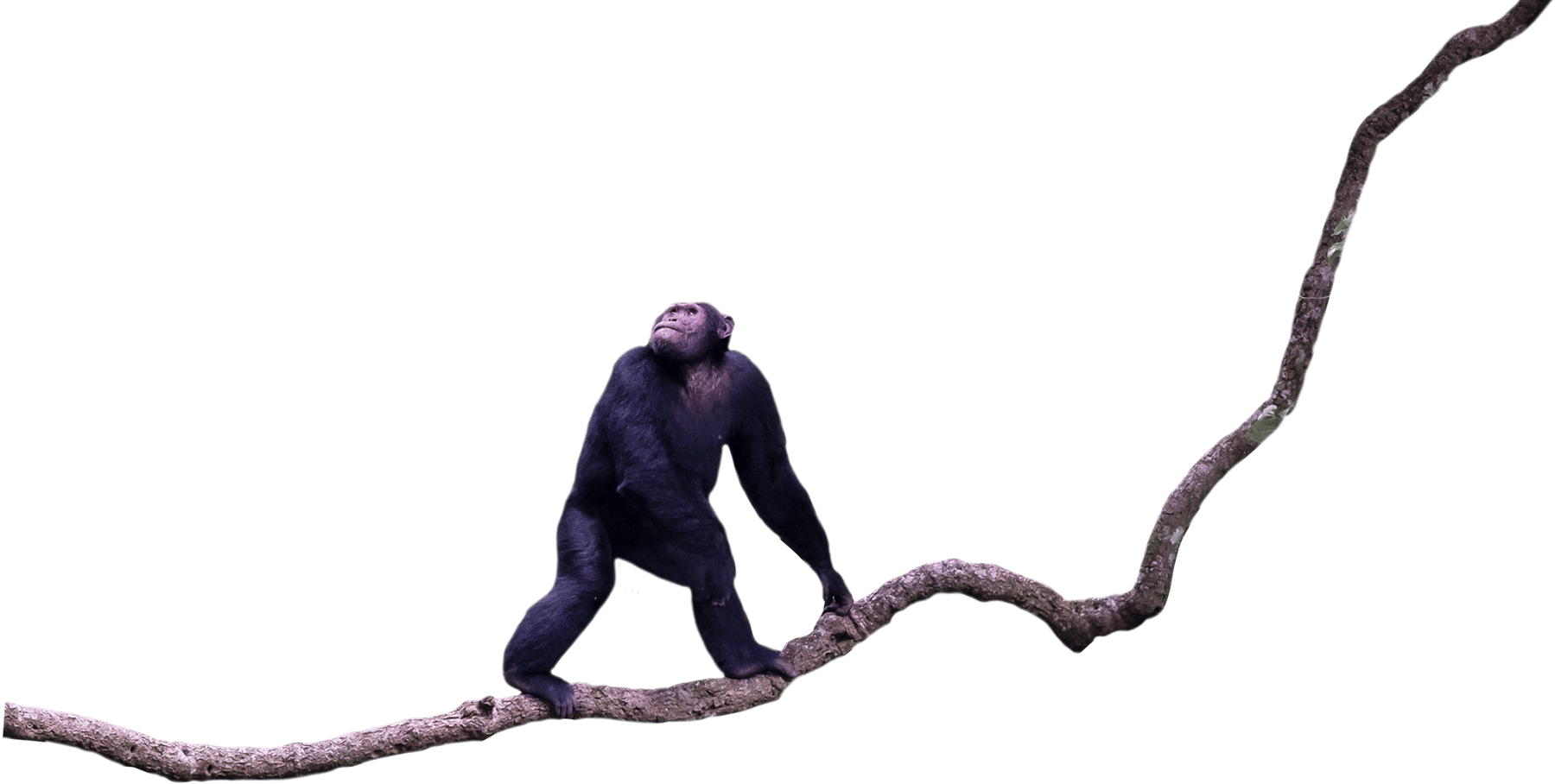
Gorillas are generally very quiet animals, and they have smaller core territories. Their “family” moves as a single group, whereas chimp communities occupy large swaths of forest, vocalize quite loudly as they communicate with each other over vast distances, and maintain what we call a “fission-fusion social system,” where members might shift and form small temporary parties. Group size and composition change as individuals join or leave. They also spend at least half of their active hours in the trees, foraging on fruits and going from one food source to another — so it is helpful to pay attention to which trees have fruits that they enjoy! But mountain gorillas spend most of their time on the ground, where they feed primarily on leafy vegetation.
Also, Kyambura Gorge is an 8-mile long narrow strip of riverine forest, surrounded by a savanna at the top. So, the apes there are sometimes called the ‘savanna chimpanzees.’ They don’t actually live in the savanna, and they deeply depend on the forest to survive — but they will go up to the open plains to feed on sycamore figs.
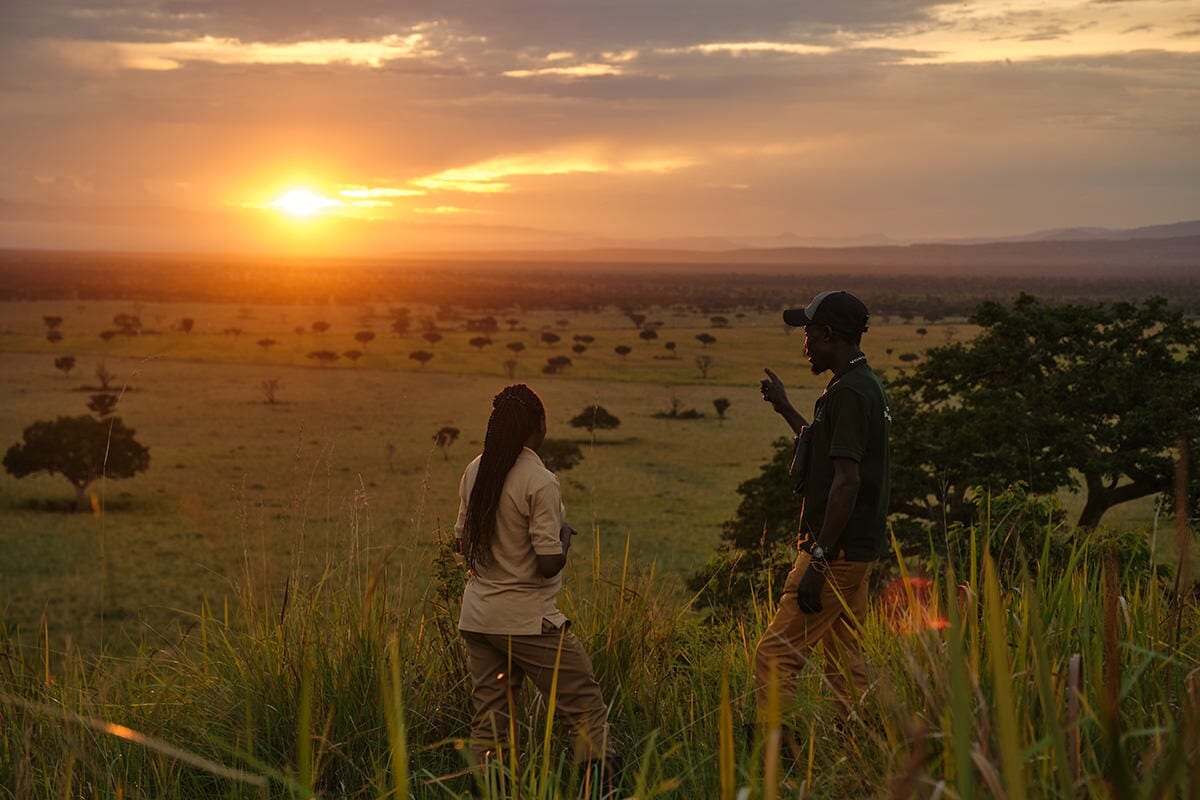
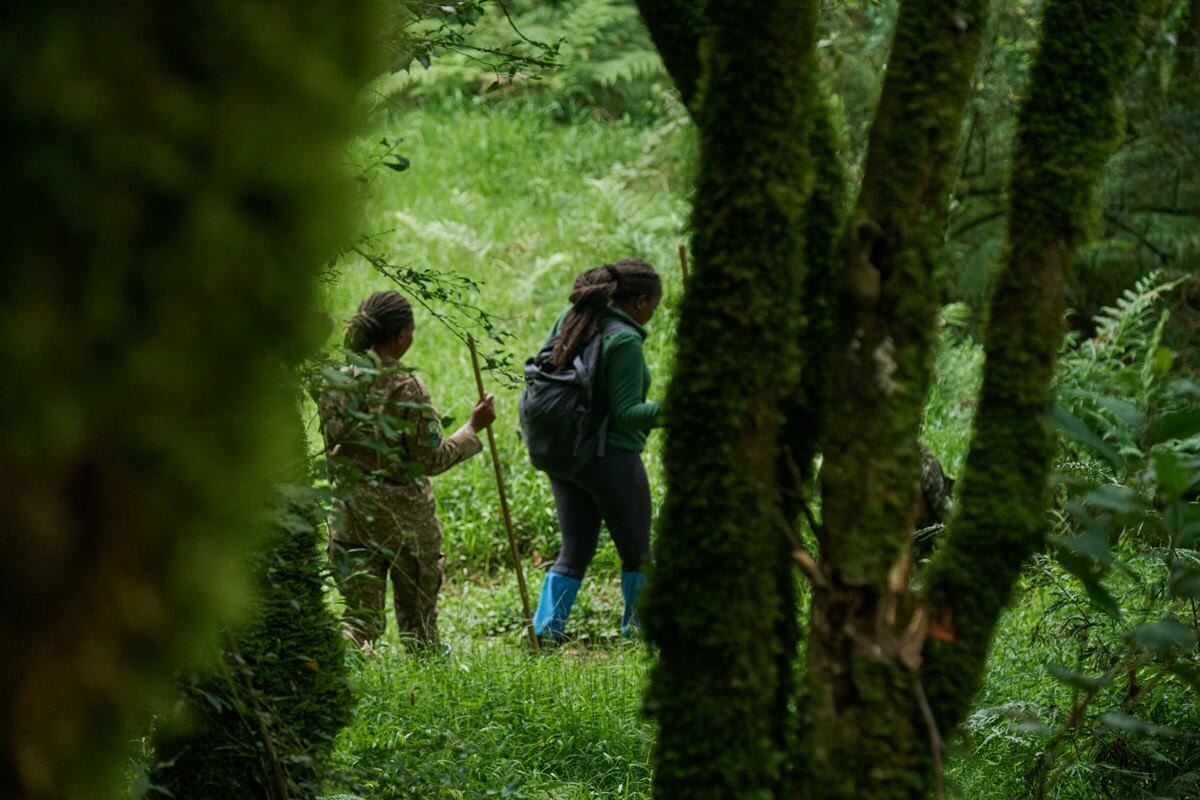
Q3: So, not only can wildlife enthusiasts combine Kibale and Kyambura for the ultimate chimp trekking safari, but they can also visit Bwindi Lodge to encounter gorillas. UNCHARTED’s co-founder often calls Uganda the ultimate “do-it-all” safari destination — with far more to offer than just primates. There are mountains, forests, crater lakes, deep gorges, and wide-open savannas teeming with the Big 5, all packed into one compact country. For travelers weighing their East Africa options, what makes Uganda worthy of being the first choice — not just an add-on to Kenya or Tanzania?
Q4: Jane Goodall’s pioneering work took place in Tanzania’s Gombe Stream National Park, but her legacy and outlook on chimpanzee conservation echoes far beyond. In places like Kyambura and Kibale, how have modern researchers like yourself expanded on her work?
Jane Goodall laid the foundation for the language we speak as chimpanzee researchers and created terminology that is universally still used. For example, she is the one who labeled chimpanzee social groups as “communities.” She also devised names for various chimpanzee calls, such as “pant hoot” and “waa barks.” In Kyambura, we follow her maternal pattern when naming newborns: The first letter of the mother’s name is used as the same first letter for the baby’s name.
Uganda has what Kenya and Tanzania do not — both chimpanzees and mountain gorillas. If you want to “check all the boxes” while visiting a single country, Uganda is the place to go!
"The magic is in seeing the apes as windows to our ancient past. Occupying the same space and time as our closest relatives is an unparalleled privilege."
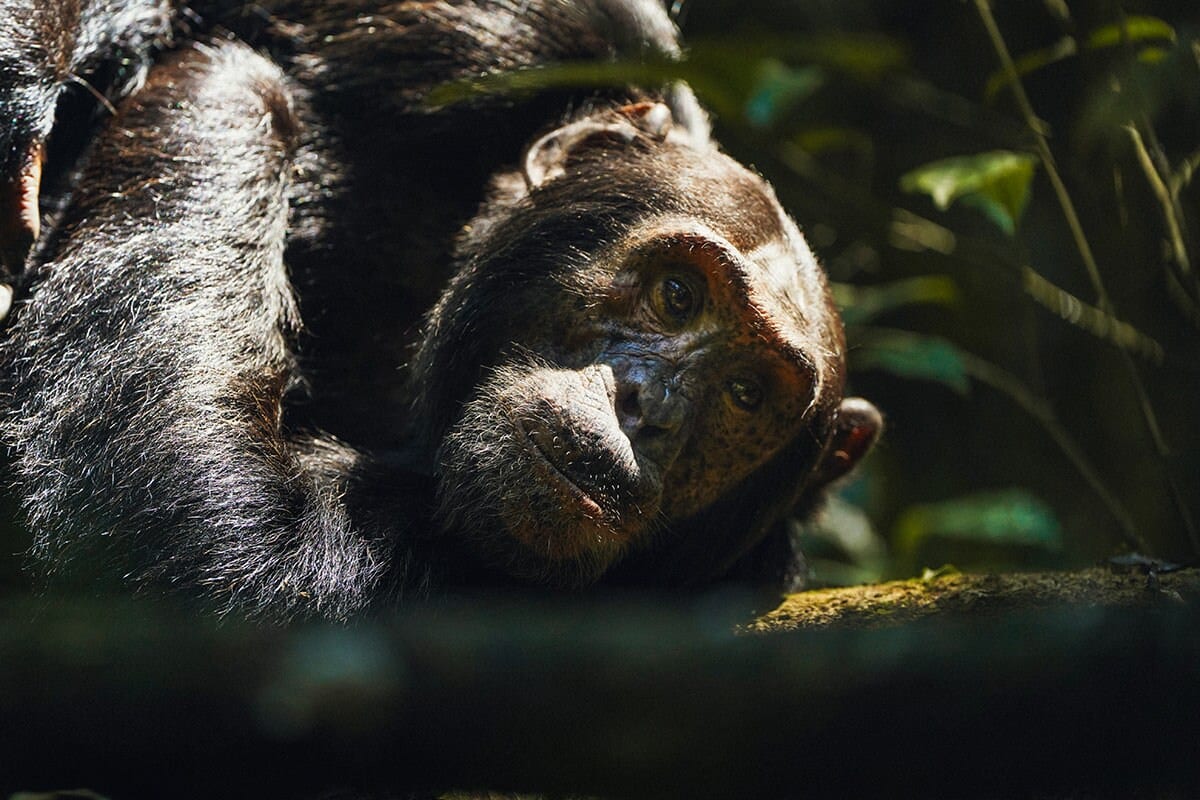
Q5: Can you tell us about Mweya, Kyambura Gorge’s alpha male, and the dynamics of his small troop?
Q6: Lastly, what piece of advice do you give to travelers for experiencing the wonder and magic of the chimps and gorillas?
Mweya is the second-born to his mother, Murungi. He was an outgoing and playful youngster of just two years old when I first met him in 2006, and he benefited from the protection and support of his older brother, Maji, who gave him the confidence he needed to one day become alpha. Maji passed, but Mweya began his political ambitions around age 14 (chimps reach adulthood around 15), and crafted careful alliances with other males in his community. Friendships are mostly formed through grooming, and Mweya nurtured these relationships as he climbed the ranks. Four years later, with the support of his friends, he was able to overthrow Kihango, the resident alpha.
I advise travelers to put down the camera or phone and observe the great apes with their own eyes instead of solely through screens or lenses. You’ll see why — the magic is in seeing the apes as windows to our ancient past. Occupying the same space and time as our closest relatives is an unparalleled privilege.
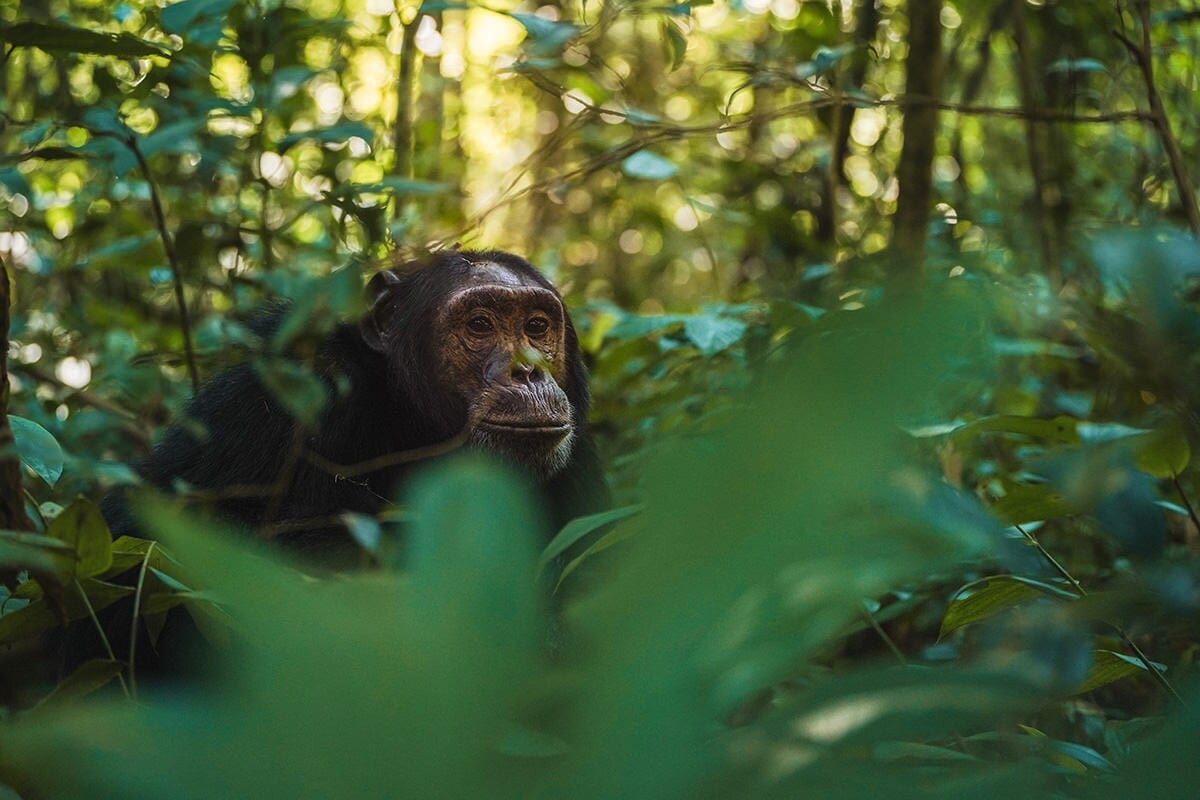
He has been a strong leader, but that does not mean that his status goes unchallenged, and 19-year-old Kazinga has started vying for dominance. While these assertions for alpha status rarely result in physical altercations, loud vocals and impressive displays of strength will leave many visitors in awe — chimpanzees are much stronger than humans! Like us, every chimp has a unique personality.
Safari Dreams in Uganda’s Hidden Eden