 By The UNCHARTED® editors · 2 min read
WORDS BY SANDY CUNNINGHAM
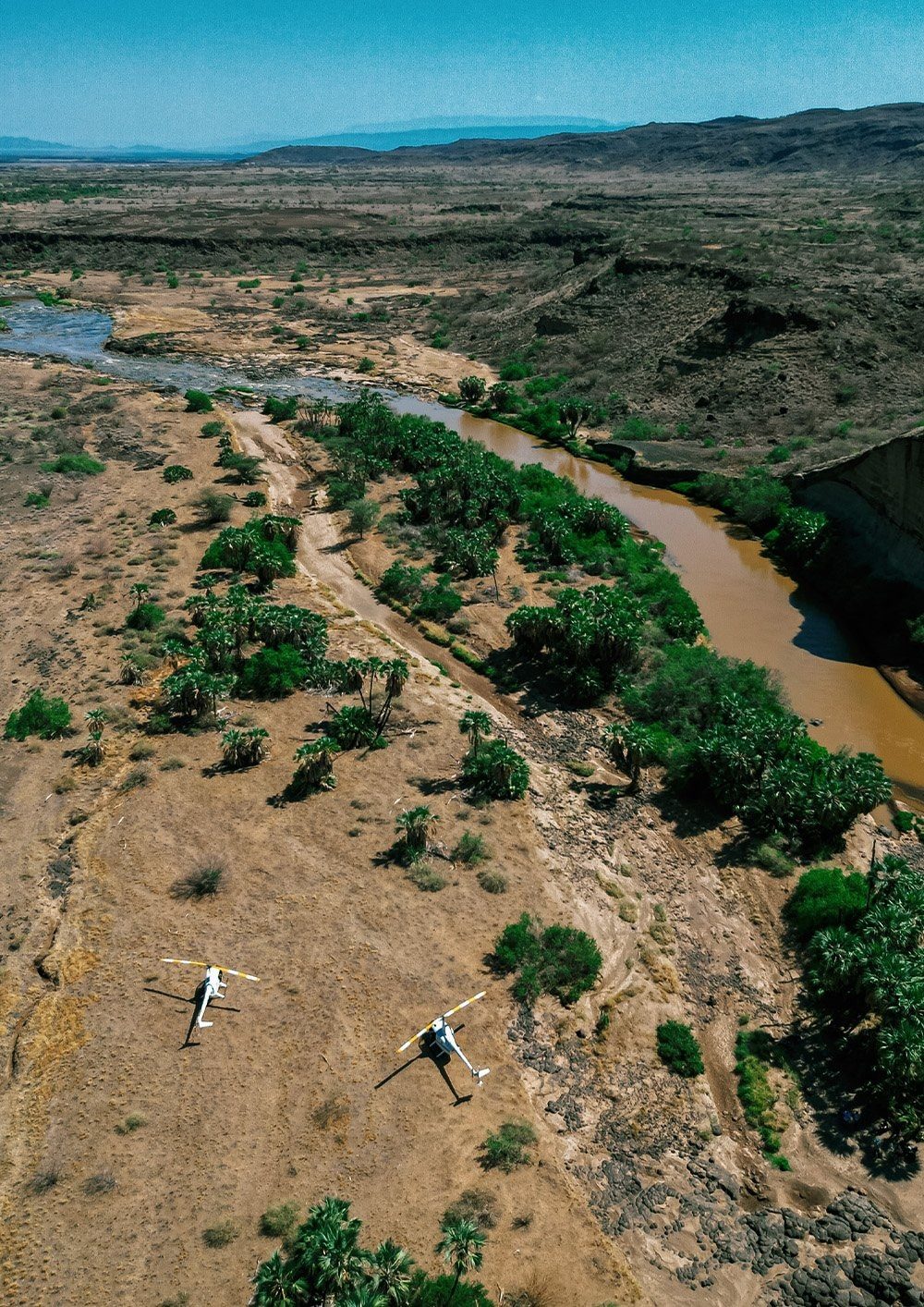
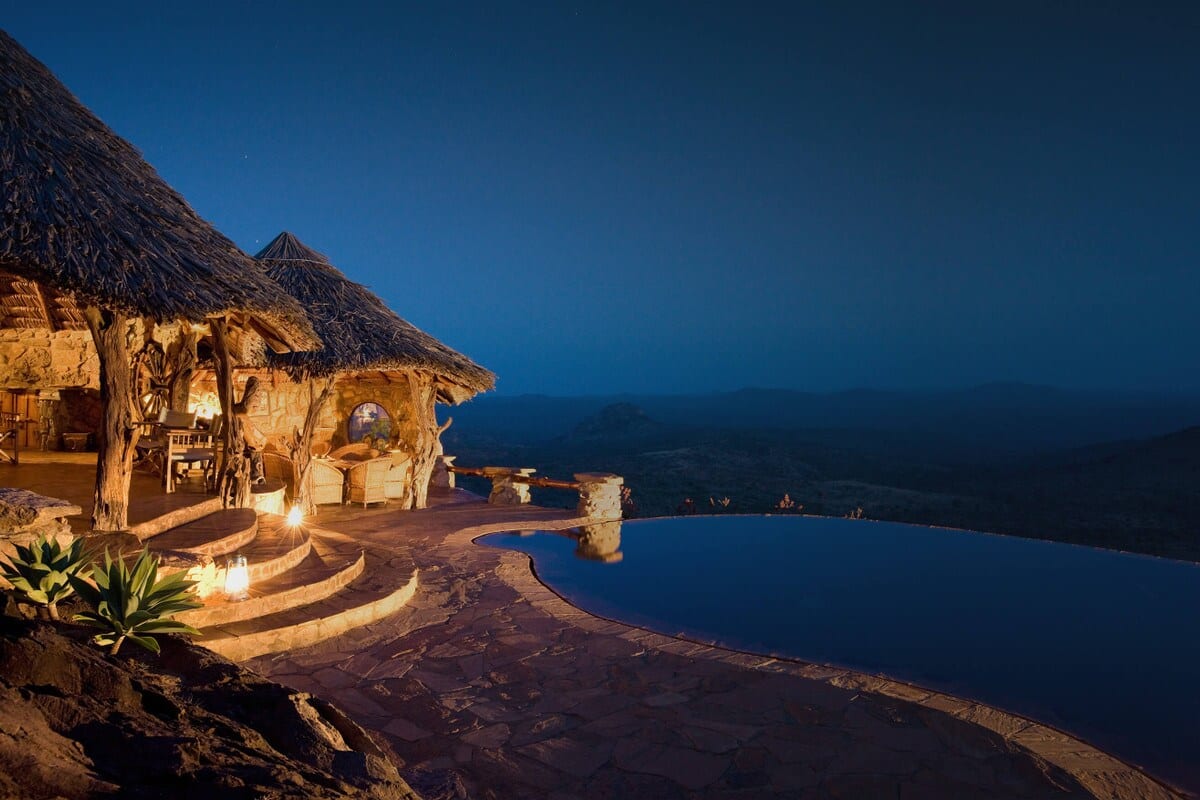
As soon as we took off from Ol Malo Lodge’s helipad in Laikipia, we knew we were on the brink of something special. After all, it’s not every day – or even every safari – that you get to ride a helicopter into one of the most far-flung and otherworldly landmarks in all of East Africa.
Destination: Lake Turkana, the desert lake in northern Kenya that borders Ethiopia.
At the helm: Andrew Francombe, whose infectious zest for life makes even the most simple moments extraordinary – and this was no simple moment.
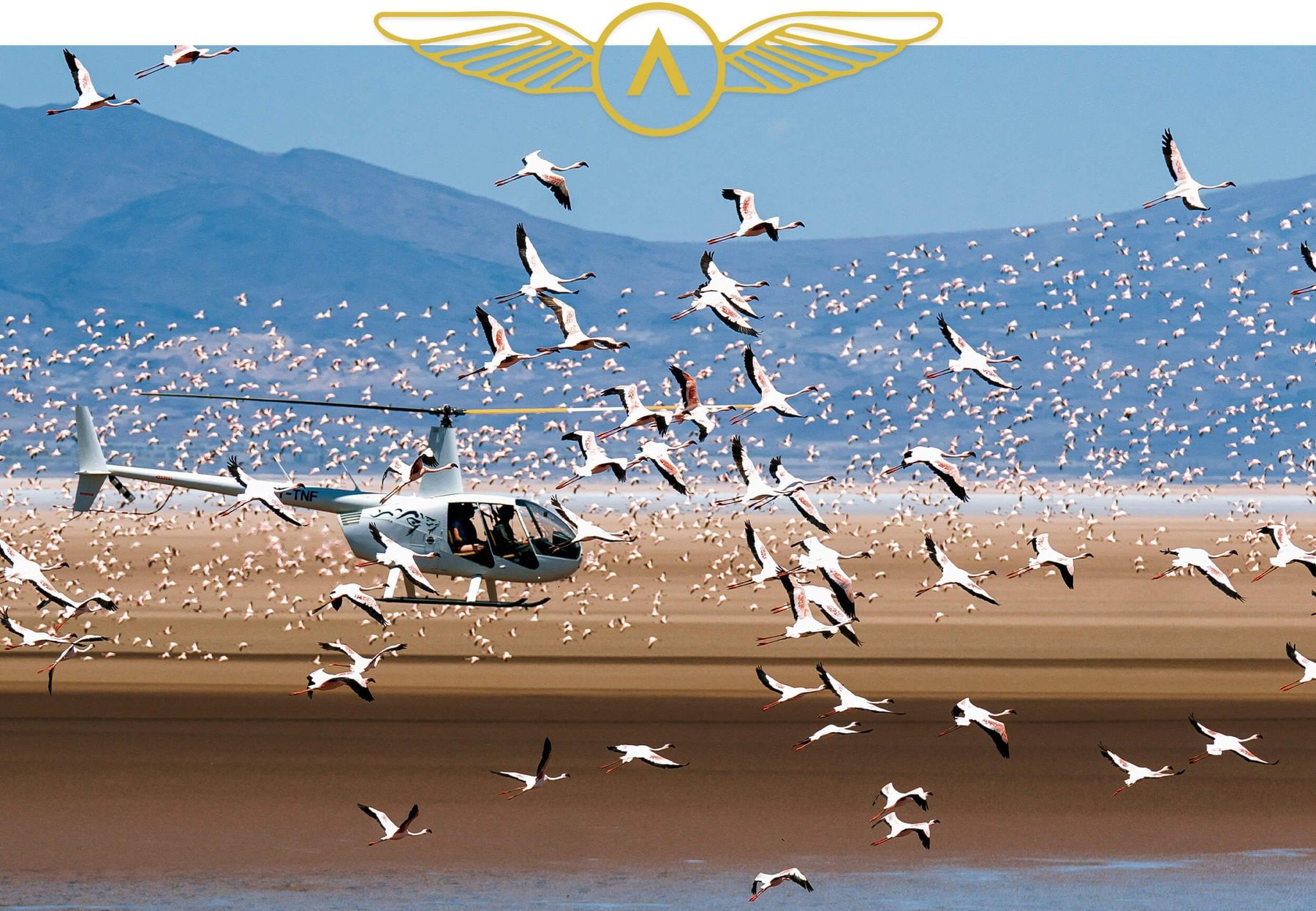
Flying through the Great Rift with its deep gorges unfolding like the pages of an ancient story, the arid, volcanic Suguta Valley revealed itself. Giant crocodiles bathed in shallow pools and flamingos scattered across the sky in breathtaking formations, casting moving shadows on the barren earth. lAndrew spotted a giant crater with rows of tufted grass so meticulous they looked like they were planted by hand, and declared it “the perfect place to stop and have a picnic breakfast.” It was almost surreal, like a scene from a vivid dream.
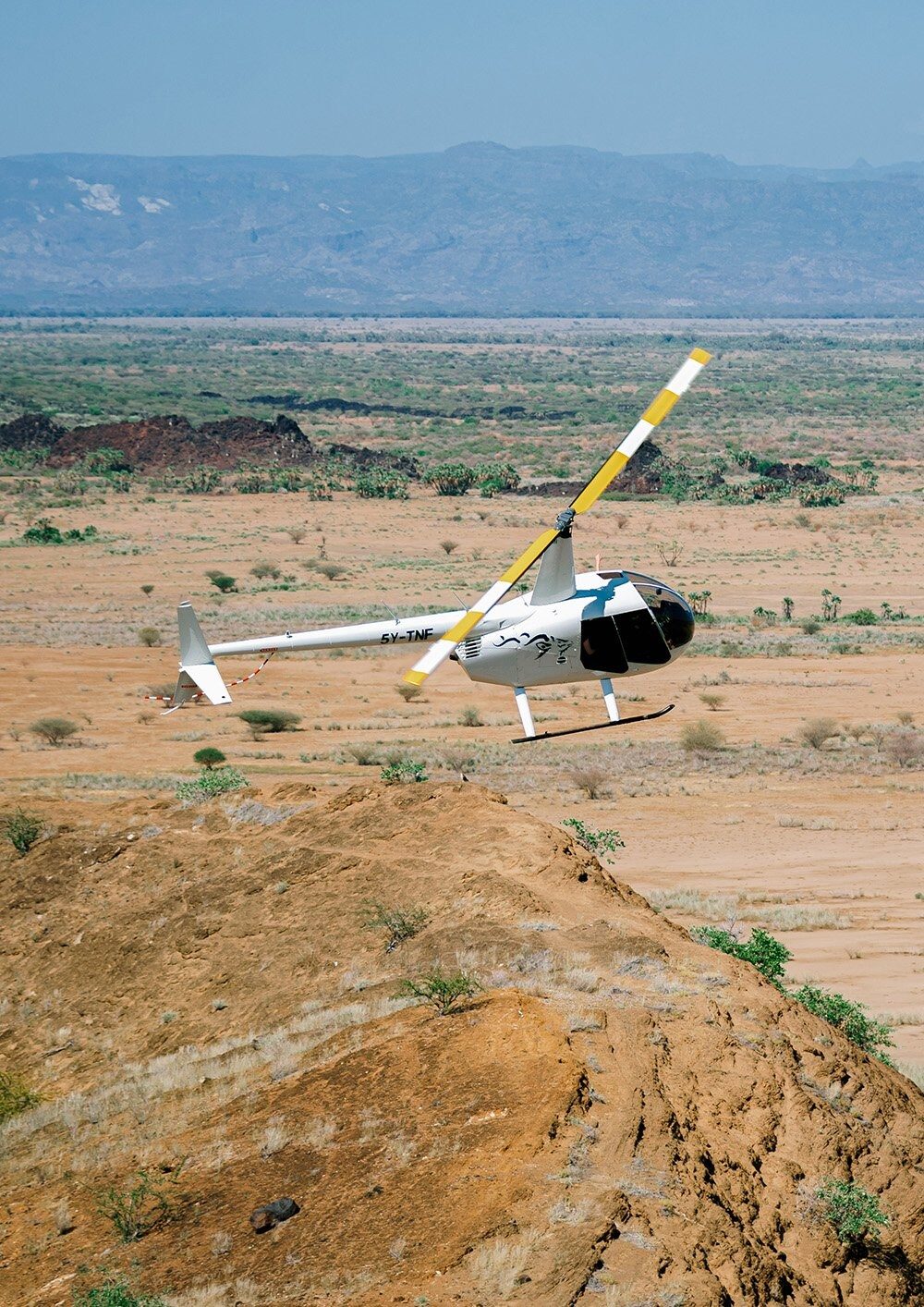
After breakfast, we soared over alabaster sand dunes, the wind carving ripples across the surfaces of the desert, giving way to an inky volcanic landscape where we saw ancient trees and bushes rising from old volcanic eruptions, emblems of survival in its purest form. As the volcanic layers gave way and we traversed over a final range of hills, the stunning sea of Lake Turkana stretched out before us in a mesmerizing palette of aqua greens and blues. So this is why it’s called the Jade Sea.
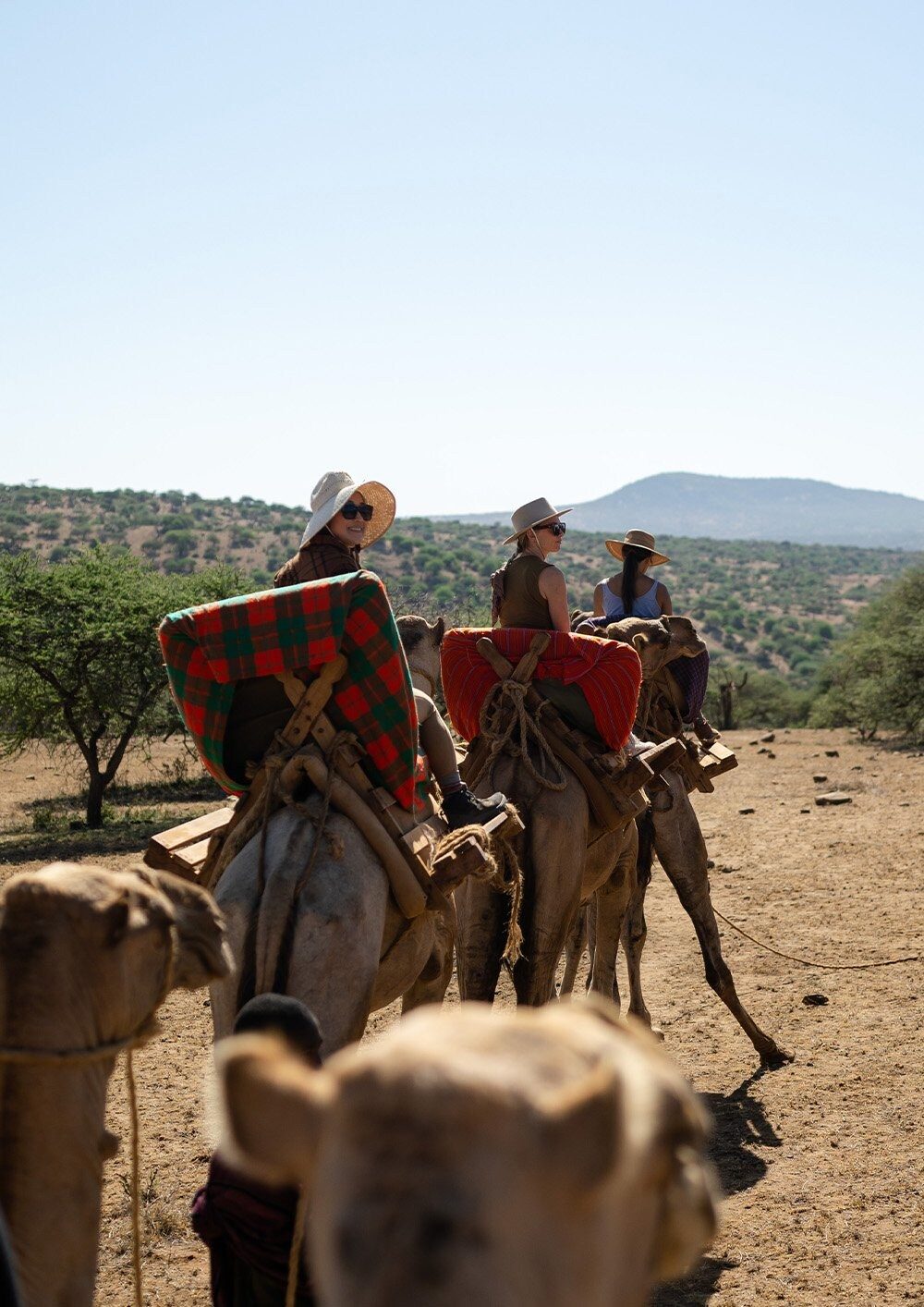
Deep Into the Samburu Tribe’s Heartland at Ol Malo
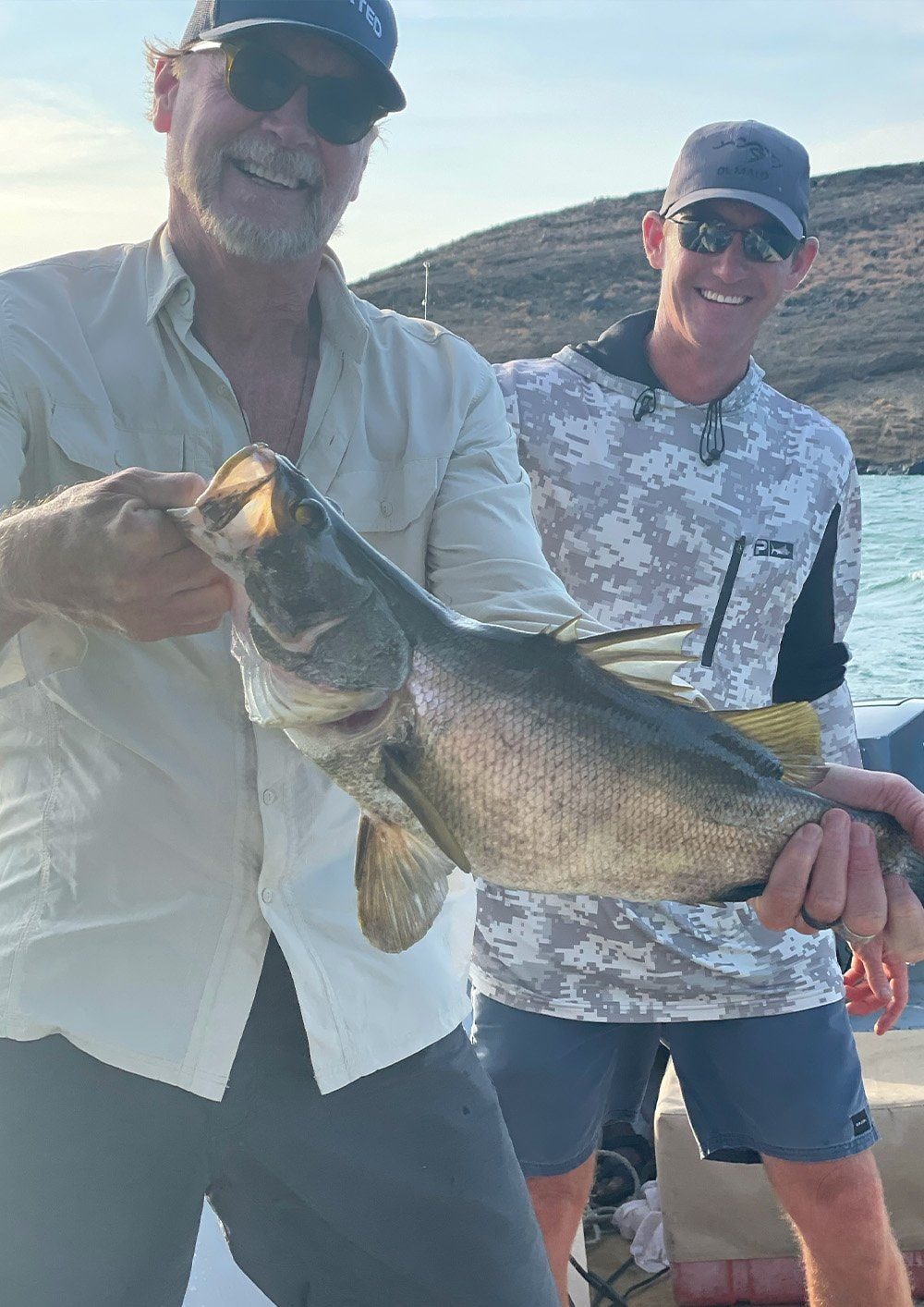
The helicopter hovered low over the water as we scanned the shores of South Island for signs of poachers or illegal fishing. Thanks to Andrew's dedication, there's now a permanent ranger outpost on the island, which is protecting the Jade Sea Giants, the Nile perch that have sustained generations of resourceful nomads in this harsh landscape.
As we skirted the craggy coastline, we spotted an enormous crocodile cutting through the water with alarming speed. “Not swimming in there,” we agreed. Our camp was simple but perfect: a small table set under the shade of acacia trees, a couple of cots with mosquito nets, and a long-drop loo. Our hosts, two local fishermen, greeted us warmly and saw to our every need. The afternoon was spent fishing and exploring. Chip caught a perch that was cooked over an open fire, and dinner was accompanied by South African Chenin Blanc that went down all too easily. After a night of gusty winds, we awoke before dawn to hot chai, and we flew back to Laikipia. Twenty-four hours was all we spent, but it felt like we’d been gone a week because we’d experienced so much new country.