 By The UNCHARTED® editors · 5 min read
Game drives are thrilling, but on foot, the bush breathes back. You feel the dust, the danger, the primal awareness of being prey. UNCHARTED Creative Director Connor Miko set out with a trusted guide — no vehicle, no barrier— just raw, untamed Africa and the creatures that come with it.
I thought I knew what a safari was. Land Rover. Binoculars. Sundowners. Big Five checklists. But Ruaha had other plans for us — plans that started with a canvas fly camp, two cots, and a rifle quietly resting on our guide Pay Mbaryo’s lap.


The 2026
Global Safari Awards

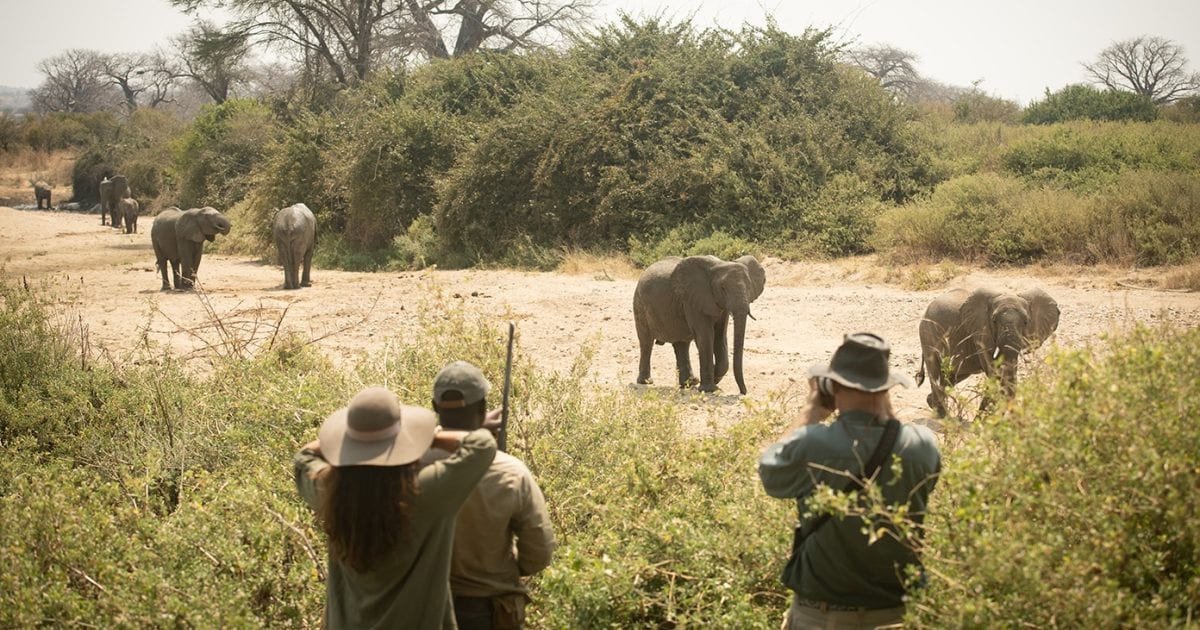
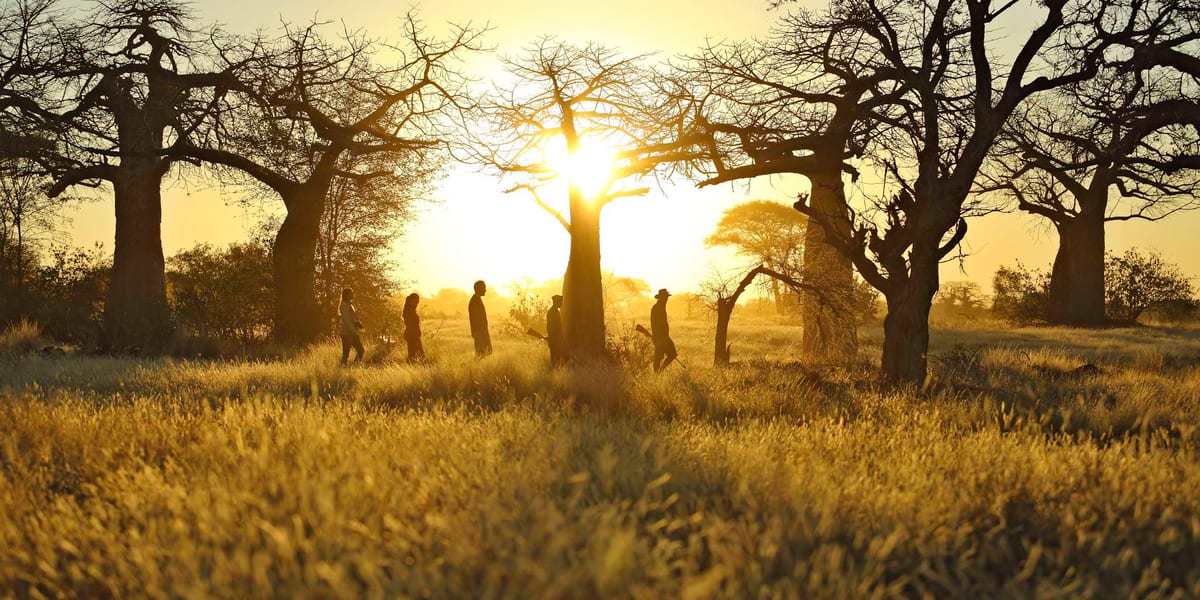
Over the next couple days, we walked over 12 miles across dry riverbeds, through acacia scrub, and along predator trails. There were no radio calls between trackers, and definitely no markers as to where we were going. Just the crunch of our boots and the distant warning calls of baboons. At night, we slept in mesh-walled tents with the Milky Way overhead and elephants somewhere beyond the light.
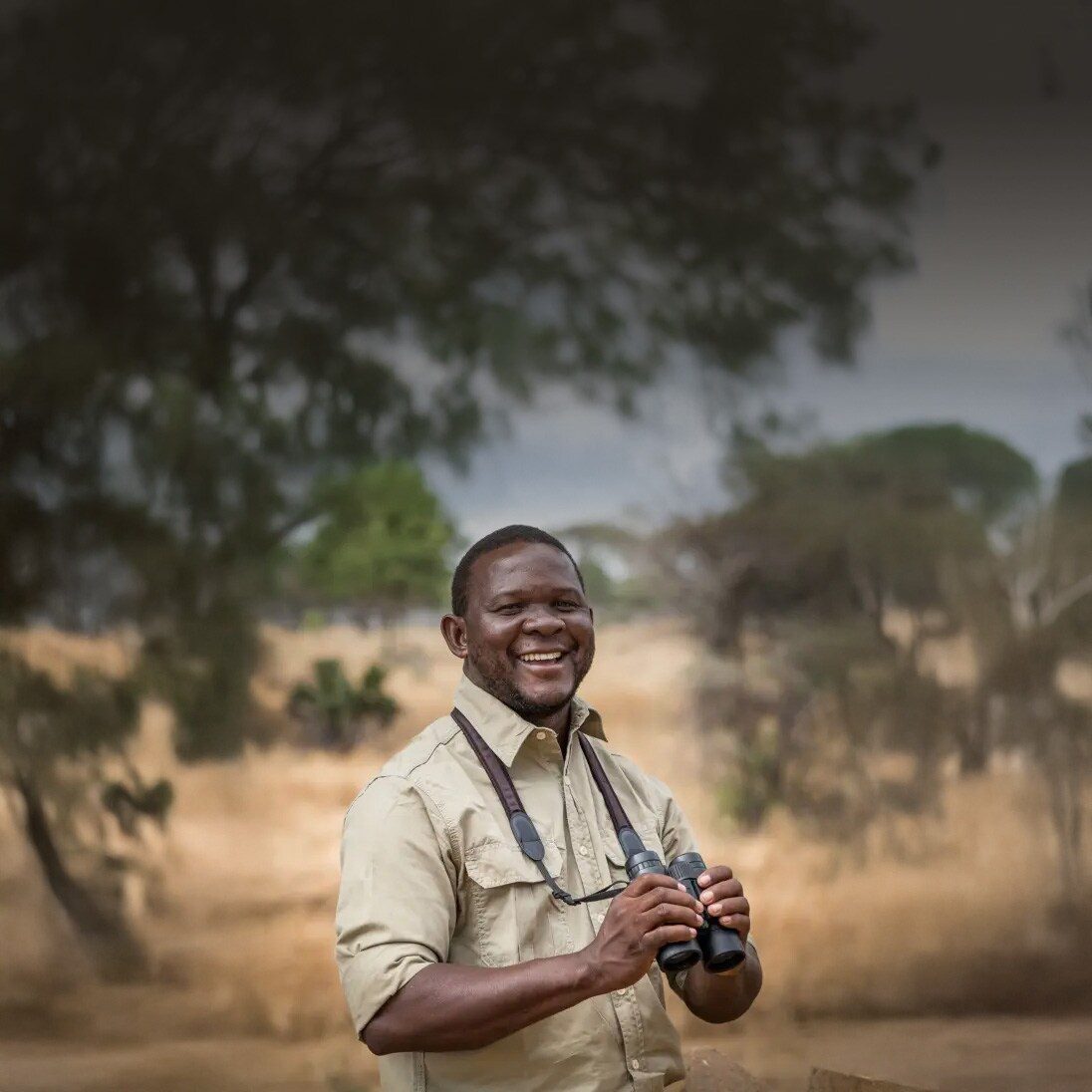
Pay, a former ranger turned walking scout — our pathfinder, literally — has spent 14 years on foot in this wilderness. He’s never fired his rifle, and he doesn’t plan to. The animals know you’re there — you might not be able to see them, but they can certainly see you. Or smell you. Or hear you. But, I was pleasantly surprised to learn that they’d rather leave me alone than attack.
After getting us safely through the bush, I sat down with Pay to talk about why everyone should consider a multi-day trek through the wilds of East Africa.
This interview has been edited for clarity and concision.
Q1: Talk about the main difference between the experiences of walking and a game drive.
Q2: Ruaha has roughly 10 percent of all of Africa’s predators. Is there a danger factor with being on foot? How do you stay safe?
When you’re on a classical safari using a jeep, you can quickly move between areas and see a lot of animals. But when you’re walking you really become a participant in nature. You hear all the sounds in the bush. You feel the leaves break beneath your feet. The animals hear you, too. You’re part of the show, not just watching it. That makes the experience unforgettable. It’s much more immersive and raw.
Actually, animals are quite active and alert. They hear us coming as we walk, and we make sure they know we’re there. During the day, animals are awake and attentive. Lions will usually warn you if you’re getting too close, and we always maintain a safe distance. In my 14 years of walking in the wilderness, I’ve never had to use a rifle or even seriously consider it. So no, walking is not dangerous if done right. It’s about respect and understanding the animals.
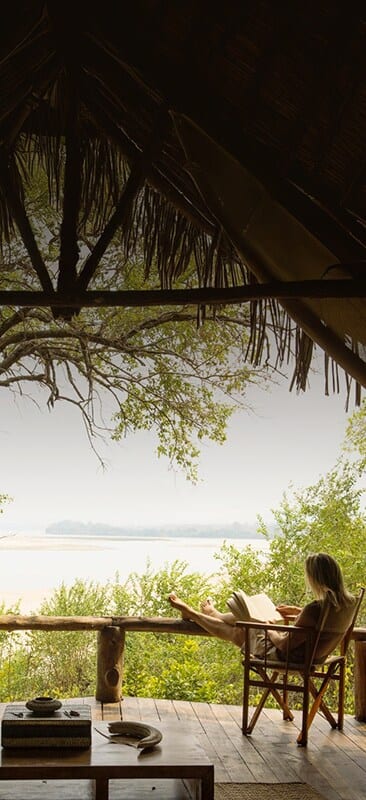
DESTINATION FEATURE
TANZANIA
Tanzania is the heart of classic safari and the pulse of something wilder.
Q3: Can you describe a day in the life of someone going on a walking safari?
"When you’re walking you really become a participant in nature. You hear all the sounds in the bush. The animals hear you, too. You’re part of the show, not just watching it. That makes the experience unforgettable. It’s much more immersive and raw."
We start early in the morning — this is the best time because it’s cooler and animals are active, moving out to forage. We follow areas of high concentration, maybe even walking near elephants. Around midday we stop somewhere wild and peaceful for a packed lunch, just taking in the landscape. When it gets hotter, we head to the next expedition camp that’s already been moved and set up. After a rest, we go on an evening walk around 4:30 until about 6:00 p.m., then return to camp for drinks.
Q4: What’s your favorite time of day for walking?
Q5: Can you describe the fly camp that guests stay at while on walkabout? What is it like to stay overnight there?
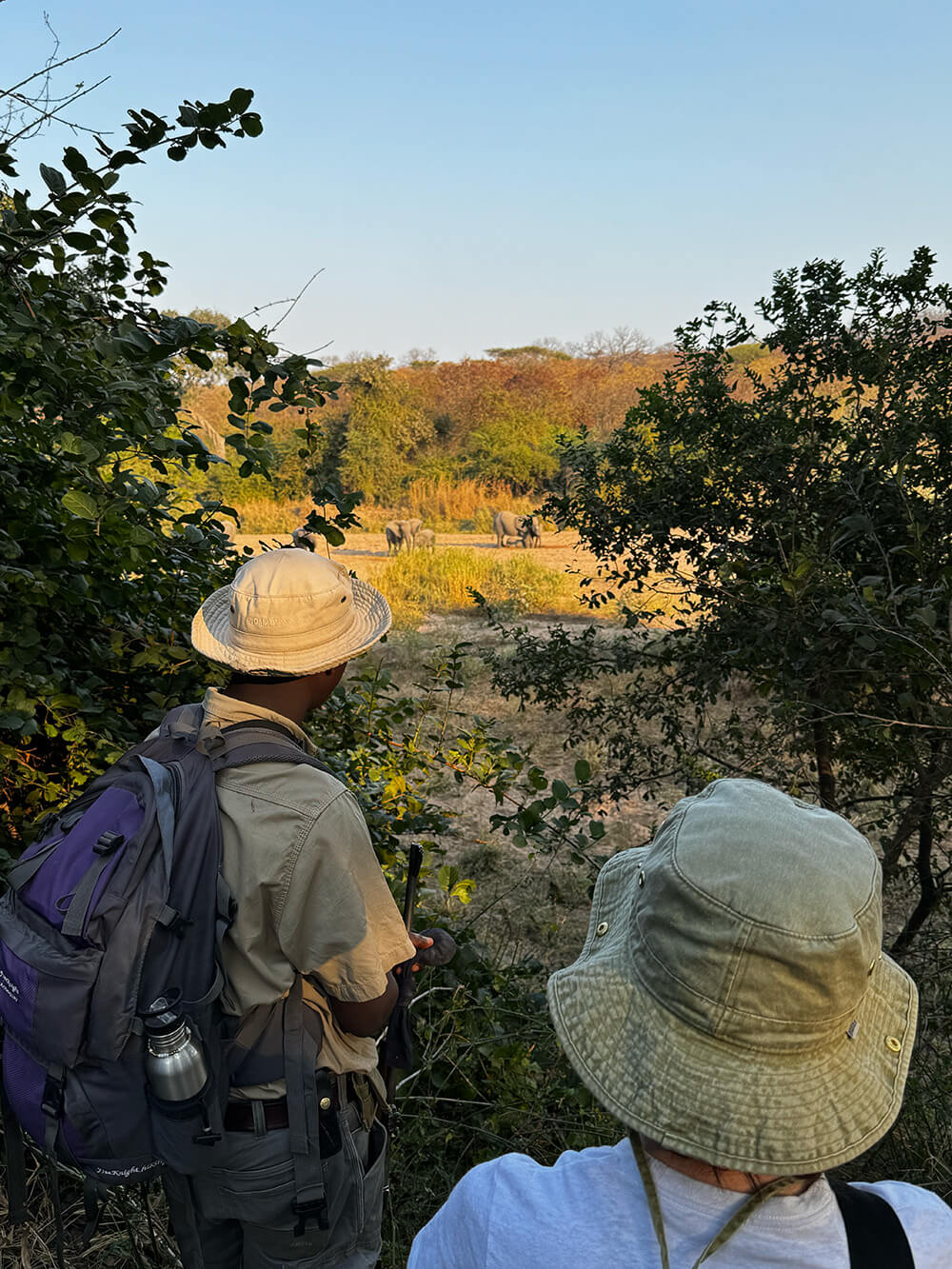
Mornings are great for hearing the bush — birds, rustling, all of it. But I also love midday when animals come to drink at watering holes because you get to observe their natural behavior up close. And in the evening, elephants often come down to the river to dig for water. Watching that from up close, on foot, is really special. Each time of day offers something different.
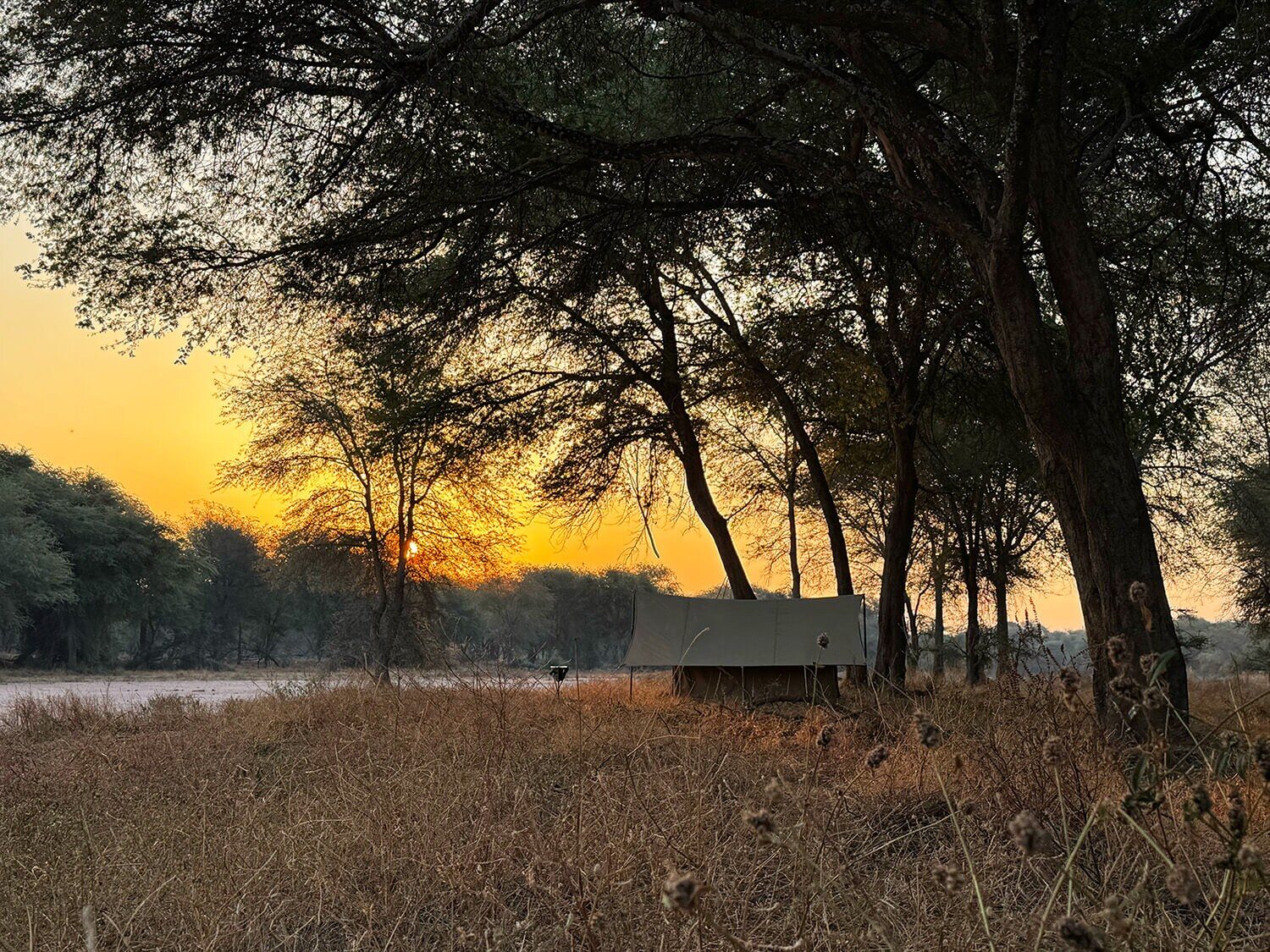
Our tents are simple and open, with lots of ventilation. It’s just a thin layer between you and the wild. We pitch them near rivers or in places with lots of movement so you can watch wildlife from your tent. It’s really remote, deep in the bush with no other people around.
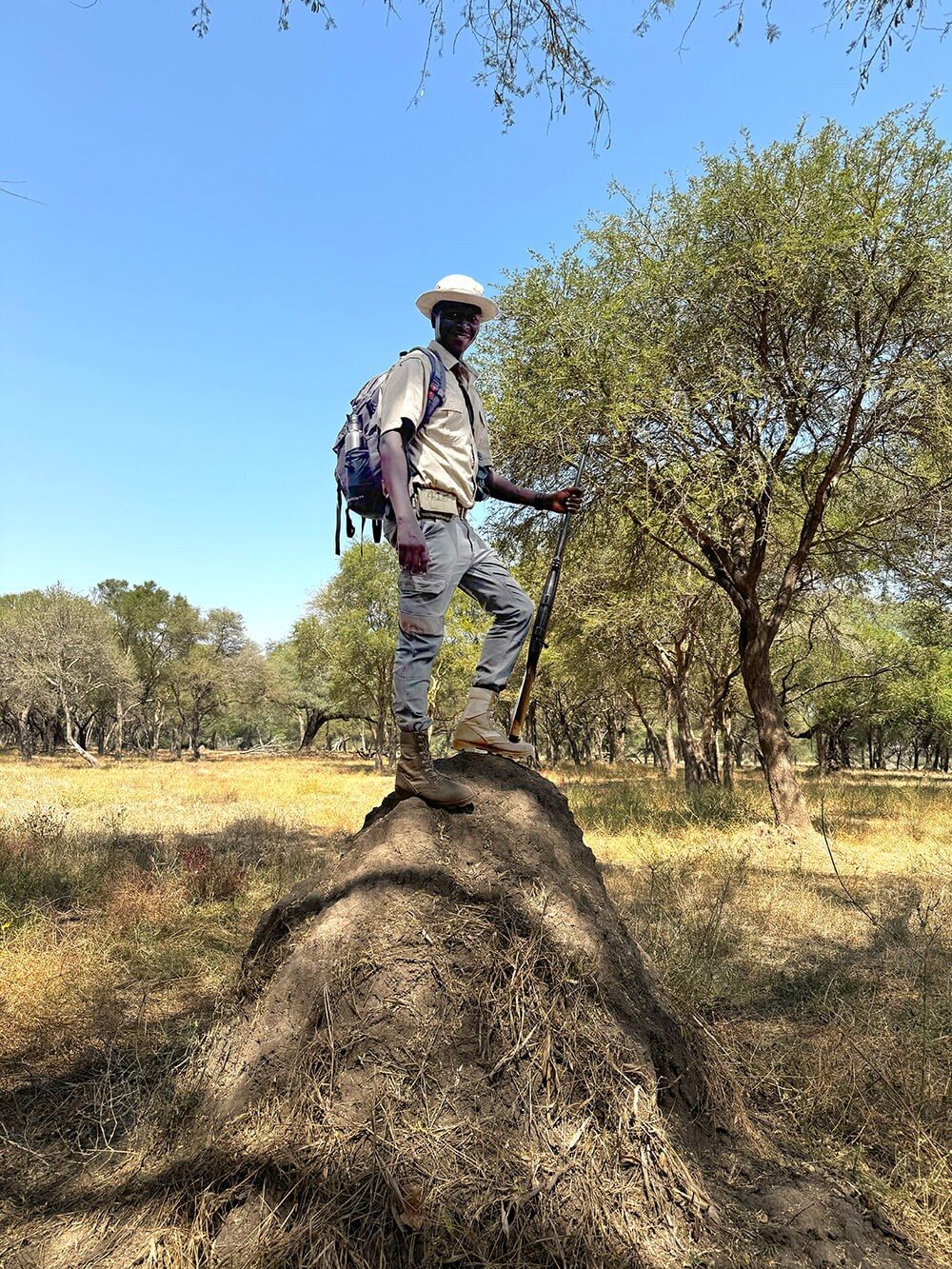
"Midday at the watering hole is a front-row seat to nature’s rhythm."
Q6: Are there any standout encounters or stories you can share from your time guiding?
Q7: What else makes walking in Ruaha special?
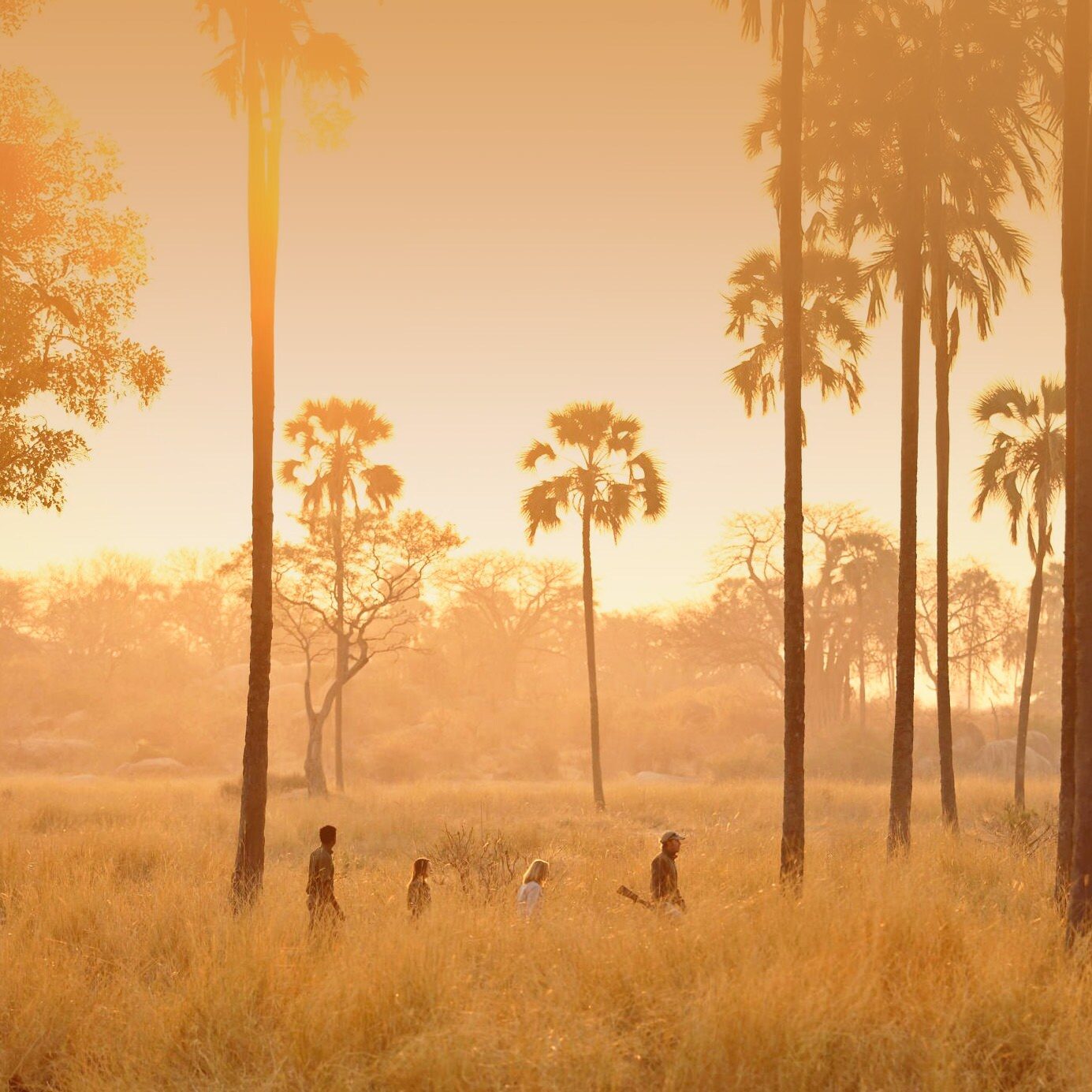
This is an old-school way of exploring nature. We’re not in big convoys or fancy lodges. It’s a small team, packing light, walking far. The remoteness is rea l— you can walk 100 kilometers and never see another human. The animals out here may have never seen people before, but they still recognize us as a threat. It’s instinct. They know we’re different when we walk — upright bodies, swinging arms. It’s in their genetics.
it's time
for a life-
changing
Once I was sitting, telling stories to my guests, when a hippo suddenly surfaced so close I got splashed in the face as it exhaled. My rifle was resting across my lap, but I stayed calm and told the guests to stay still. That hippo just stared at me for what felt like two years, but was really two minutes. Then it walked back into the water. It was a powerful moment.
adventure
Right Now!
Another time, I got just five meters away from an elephant. I was tiny in comparison, but the elephant was more afraid of me than I was of him. You could see the blood pumping and the heavy breathing. In the end, he ran away. I couldn’t believe it — something so big was running from me!
Walking teaches you. You see tracks. You smell elephants before you see them — especially bulls in musth. You start to understand the bush in a whole new way. After doing a classical safari, adding a walking expedition makes the African wilderness come alive in a totally different way.
Camps We Love
CAMPFIRE CONVO
LIVING LEGEND
unbelievable outposts
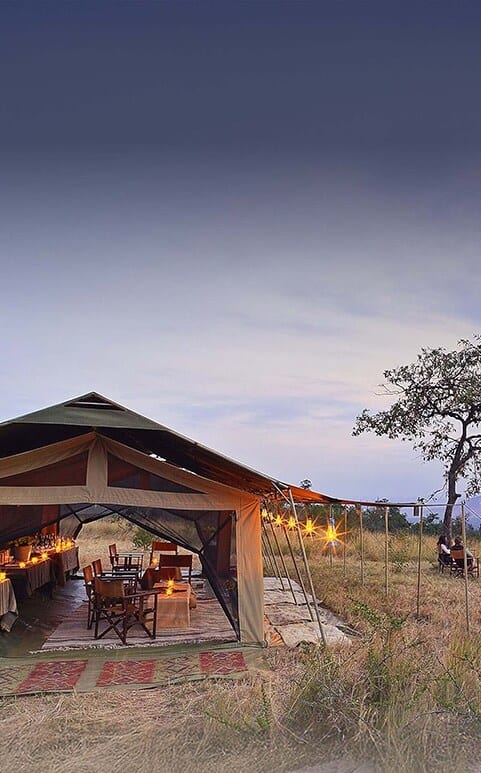
Sleep Under Canvas, Wake in the Wild
Sand Rivers, a Camp for Safari Connoisseurs
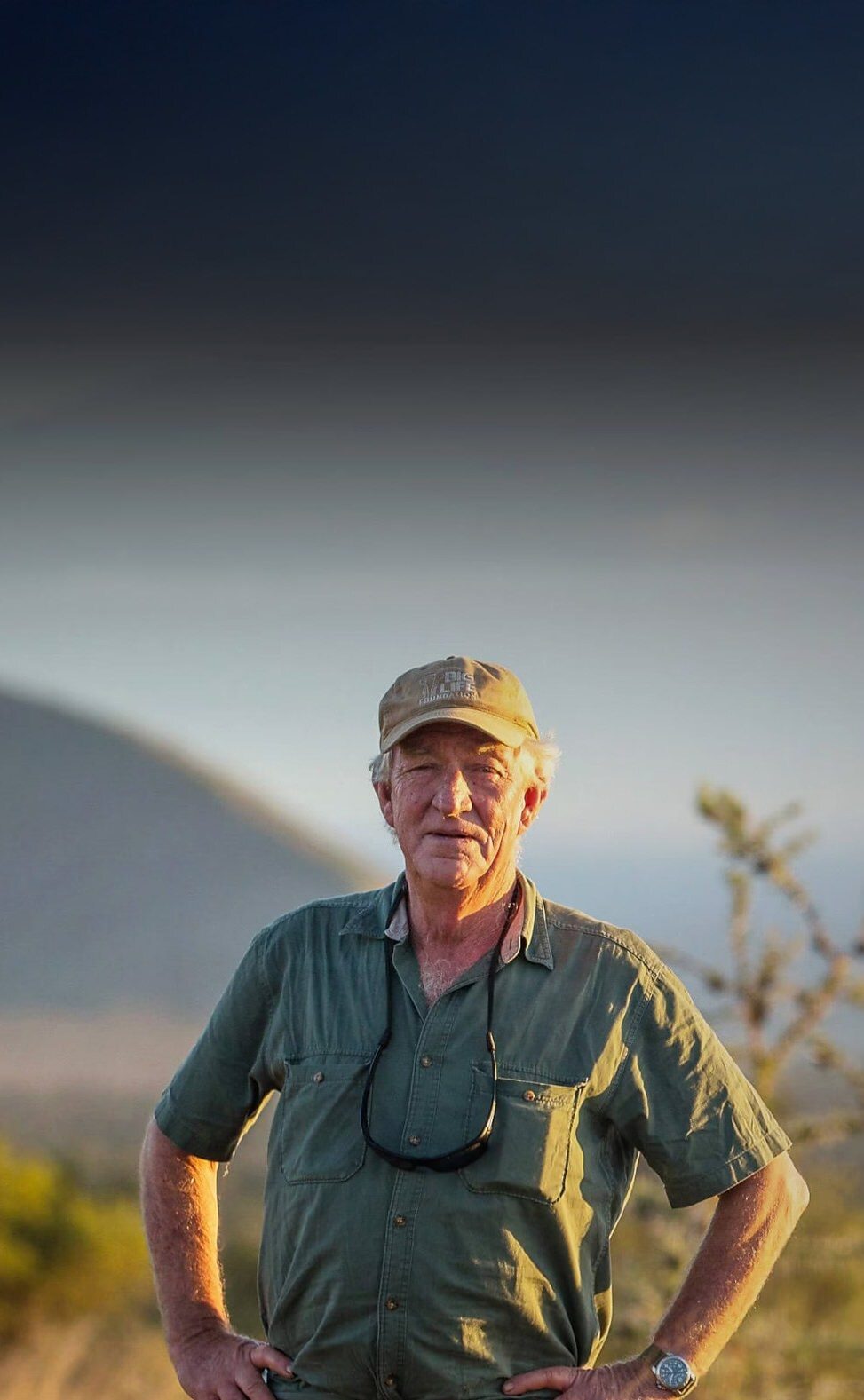
Richard Bonham: Trailblazer of the Modern Safari
Linger Longer: Savor the Slow Safari