 By The UNCHARTED® editors · 3 min read
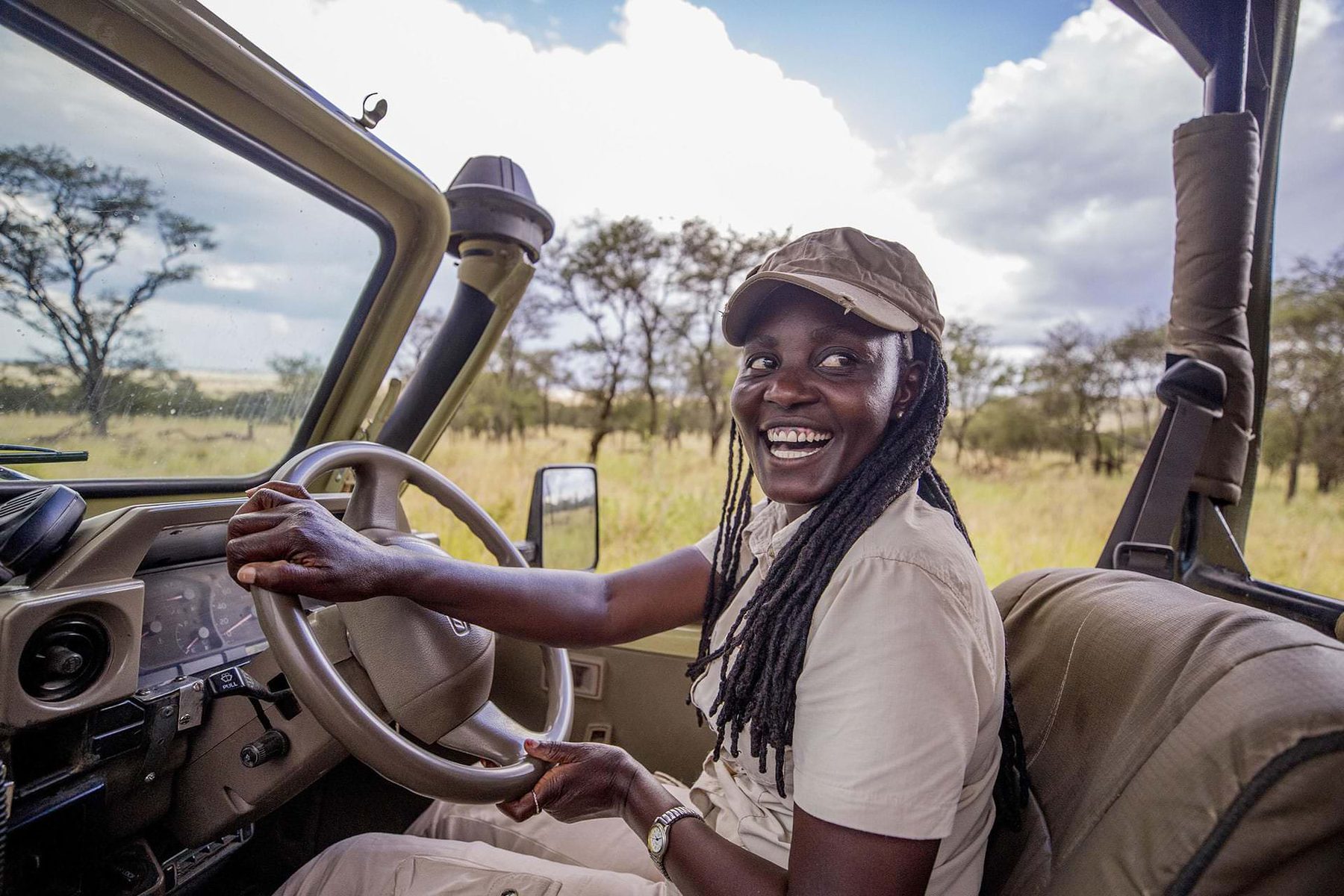
In 2015, Dunia Camp, set in the Tanzanian Serengeti, announced that, going forward, the staff would be entirely female. A decade in, they’ve demonstrated that empowerment in a historically male bastion is not just viable, but beneficial.
The decision was designed to solve a logistical hurdle: Women working in remote camps couldn't afford (or weren’t allowed) the time to travel back to their manyattas (traditional Maasai or Samburu settlements), forcing them to choose between their jobs and family. But, Dunia offered five months of leave a year.
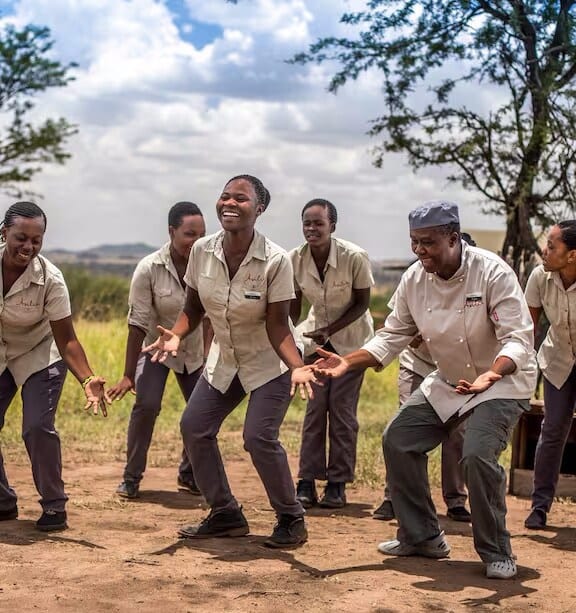
They hired women from across East Africa, and trained them in every aspect of running a property, from cooking and cleaning, to high-risk responsibilities like security and protecting guests from wandering wildlife.
The investment has definitely paid off. Today, most women have spent years working there and risen through the ranks, benefiting from the mentorship of those who came before them. And, upon returning home, they inspire younger women and girls to see horizons beyond their villages, including paths to financial independence.
Dunia stands alone for its all-female workforce, but it’s hardly alone in the 21st-century strategy to support local African women striving to thrive in hospitality and wildlife conservation.
"The camp not only created jobs that enabled the women working there to foster financial independence, but it also created a culture where flexibility and taking time away were standard, giving five months off a year."
There are women-run anti-poaching units that, in recent years, have gained wide recognition and lots of backing, including South Africa’s
, known for deterring illegal hunting without using firearms; Zimbabwe’s Akashinga Rangers, featured in a historic
Black Mambas
; Botswana’s Chobe Lodge Angels, who protect legendary “big tusker” elephants; and Zambia’s Zambezi Kufadza Scouts, one of the only groups funded by a government’s Department of Wildlife. Not only do they fend off poachers, but these groups monitor human-wildlife conflict in local villages and educate communities on how animals and ecosystems work together.
National Geographic documentary
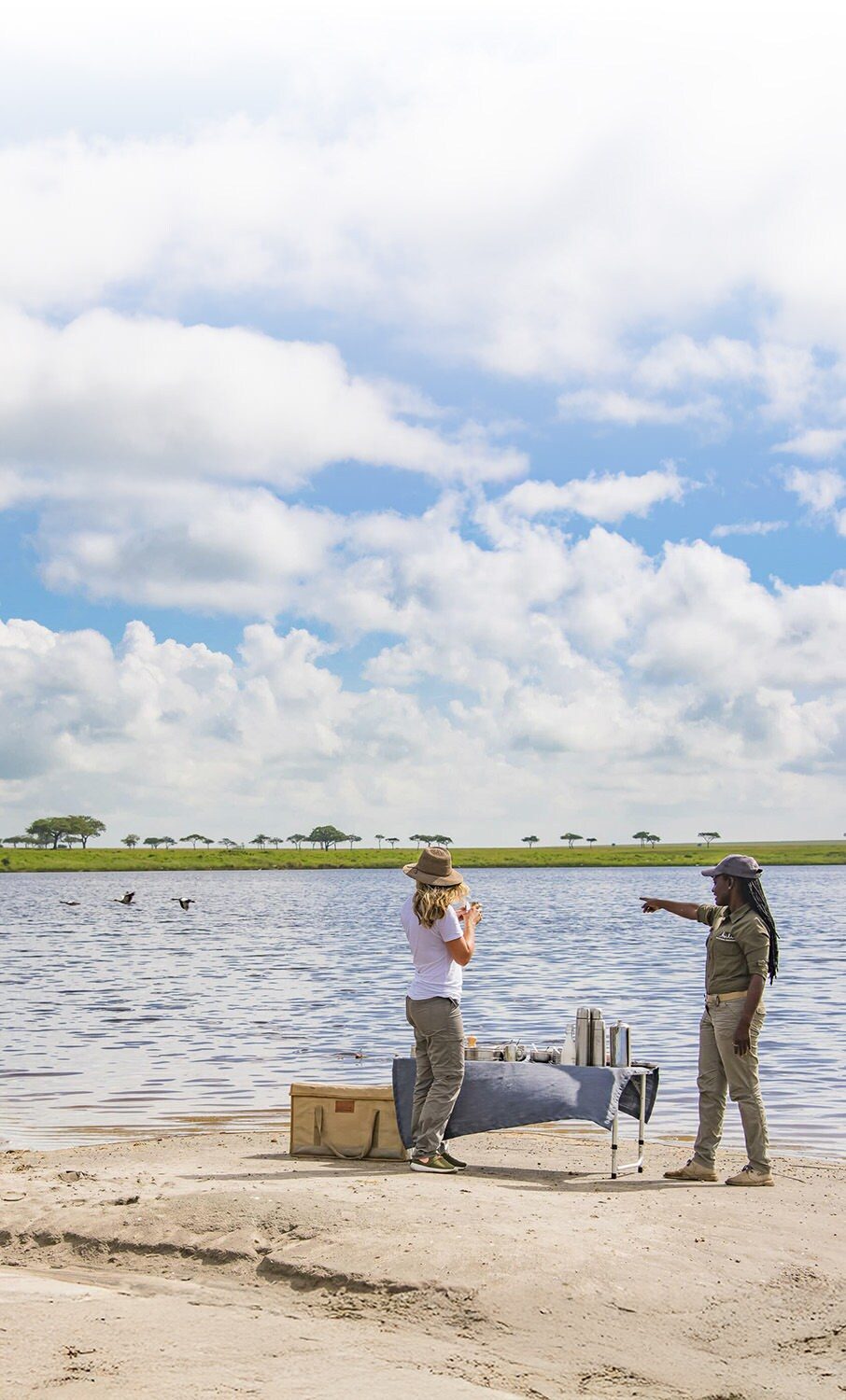
FEATURED OUTPOST
Dunia
Camp
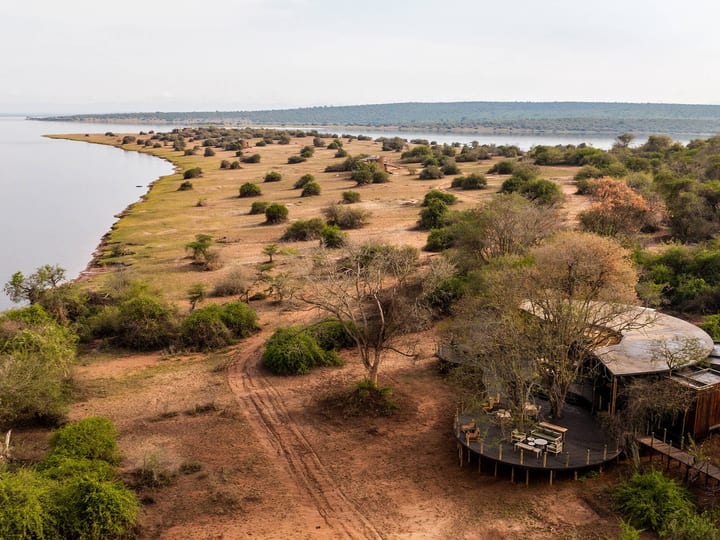
Africa’s first and only all-women-operated safari camp in the heart of the Serengeti.
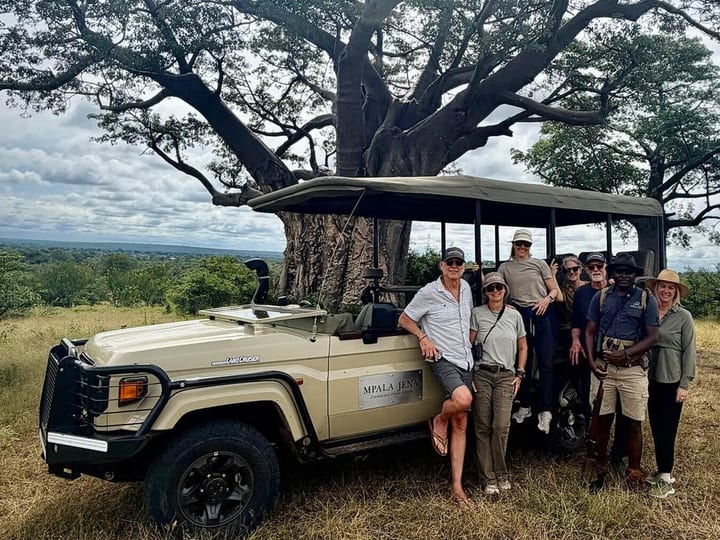
Additionally, across all of Africa, more and more women have become qualified guides, leading guests out on game drives and walkabouts, while honing their tracking skills.
Beks Ndlovu, owner of African Bush Camps, is a prominent leader of such initiatives. “We’re creating a future where the wild welcomes everyone,” he says, “and women should play an integral role in the safari narrative.”
And at Tangulia in the Masai Mara, owner Jackson Looseyia was instrumental in founding the Koiyaki Guiding School, which has trained a young generation of local Maasai, including young women, to work in the industry. Moreover, their children are allowed in and around the property, which is rare.
From the guest perspective, women add significantly to the culture of a safari camp, as well — it just feels different. Warmer. More connected. Emotionally charged.
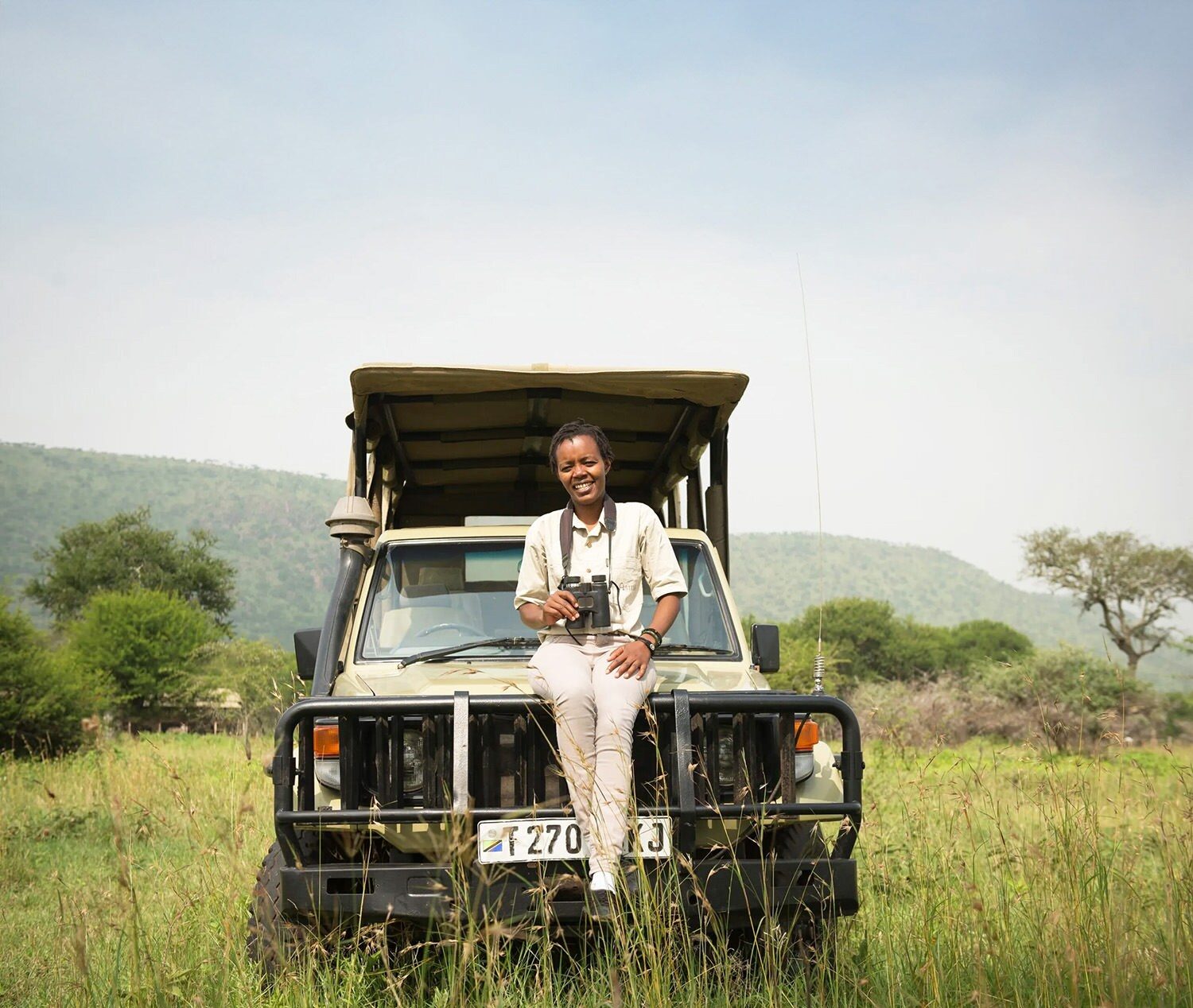
"When staff return to where they grew up, they inspire younger generations to think beyond their villages, becoming role models where previously there were none."
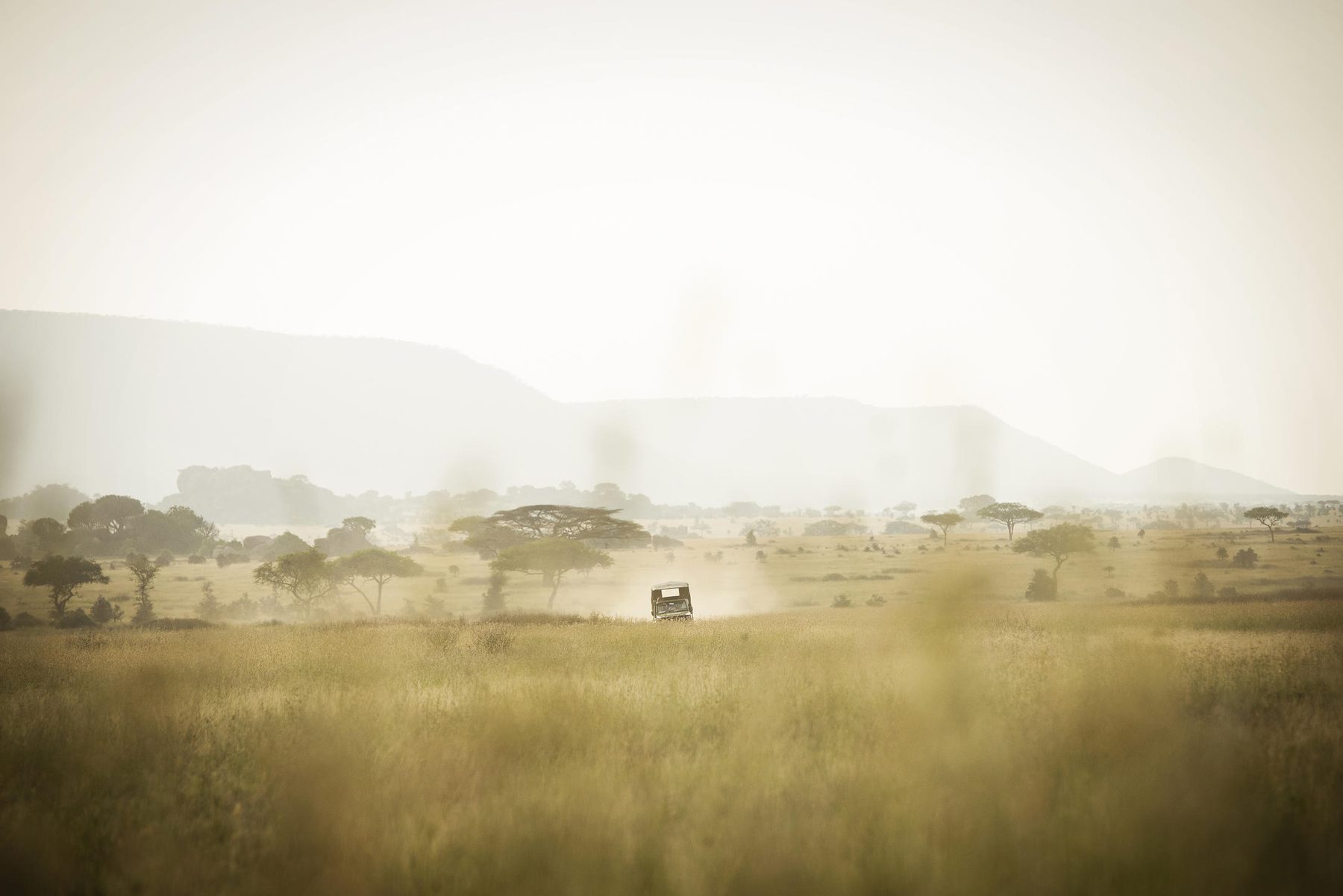
This shift is a refreshing change, says Sandy Cunningham, UNCHARTED co-founder, while recalling her time working at ol Donyo Lodge in the Chyulu Hills of Kenya 30 years ago.
“In the late 1980s and early 1990s, it was a very different world,” she says. “The entire team — builders, guides, mechanics, chefs, pilots — were male. I was the only woman onsite, living five hours from Nairobi in a space that was entirely defined by a traditional structure. Women stayed home to tend to the children, livestock, and the manyatta.”
Back then, bringing local women to help in the camp was met with resistance from Maasai elders who were reluctant to see them working outside the home.
“It wasn’t that the men were unkind — far from it — but there was an unspoken rule about roles,” Cunningham says.
Dunia’s manager Petronilla “Pettie” Mosha first began as the camp’s storekeeper, and she remembers being chided by people back home that she’d never marry. But she did — and then her family questioned whether it was right to leave her husband in town while she went to work in the bush. But that’s all changed over time.
When local women participate, they bond deeply, boost each other up, and build confidence. “It’s not just a workplace,” says Akhona Maziko, who has been with Dunia for more than seven years. “It’s a testament to what’s possible when women are given the platform to lead and thrive in the tourism industry.”