 By The UNCHARTED® editors · 8 min read
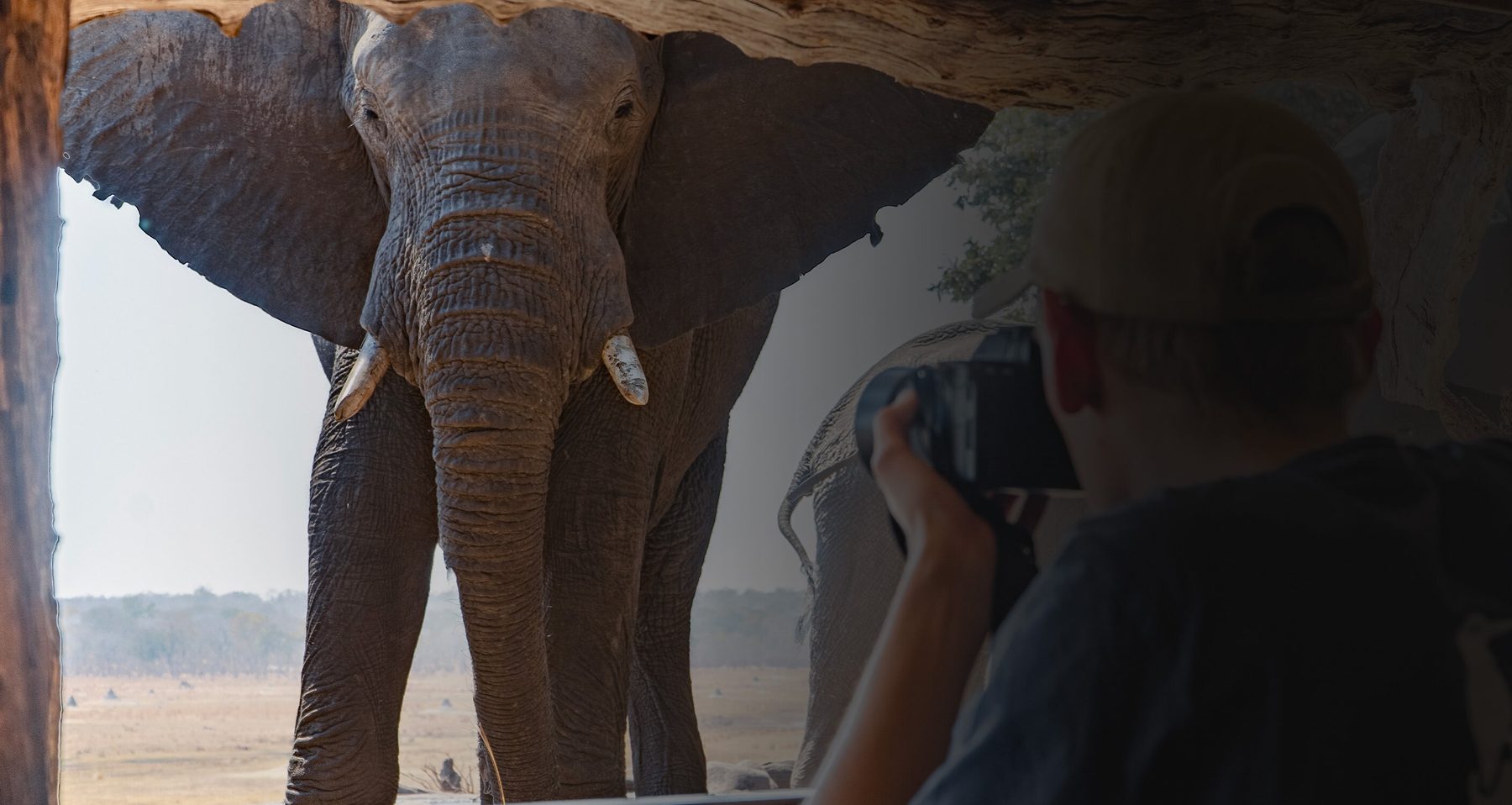
The family-owned-and-operated Amalinda Safari Collection is a diamond in the rough that has persevered through decades of national instability. We spoke with the younger generation about their legacy and Zimbabwe’s rebound as a primo safari destination.
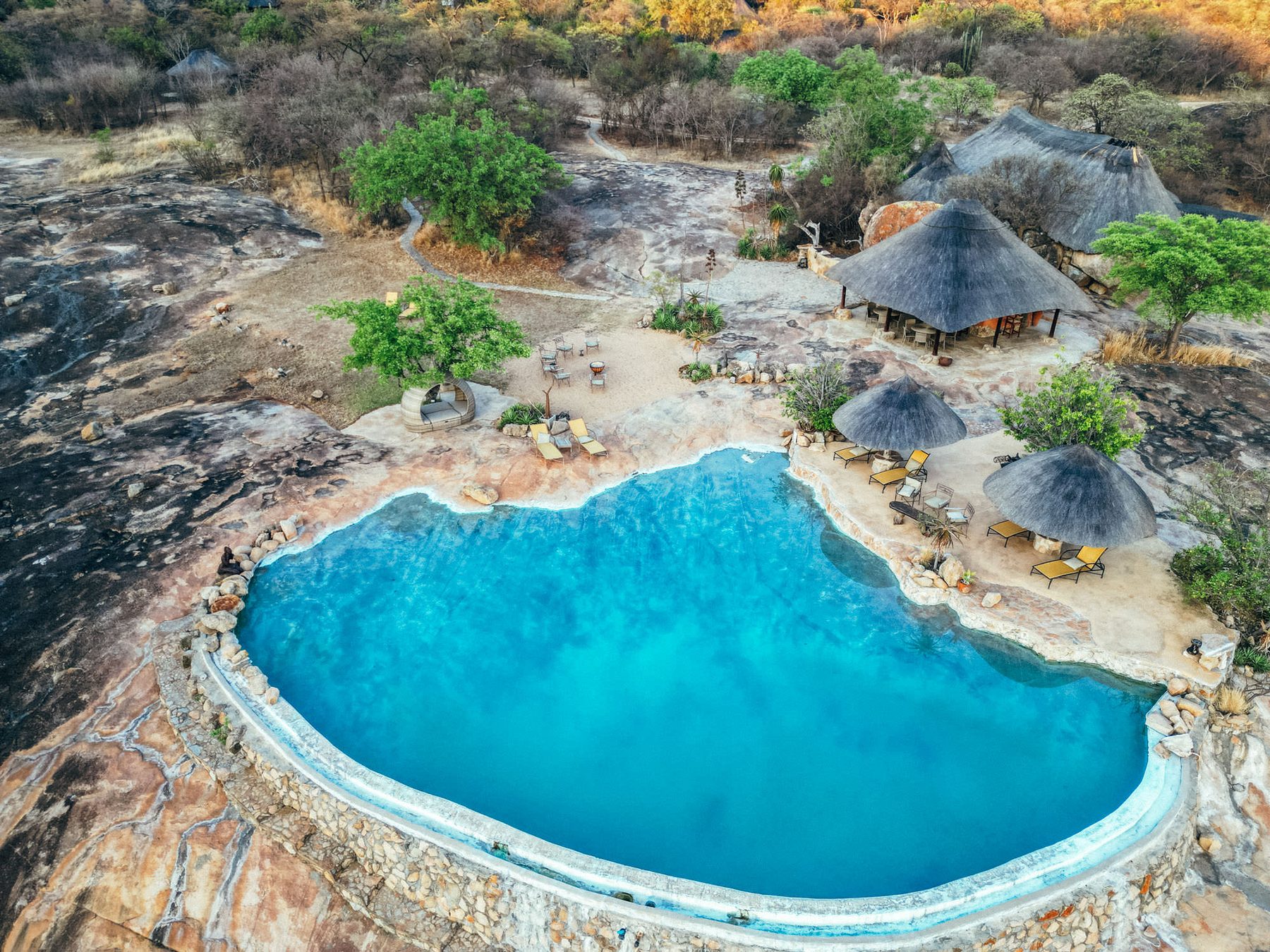
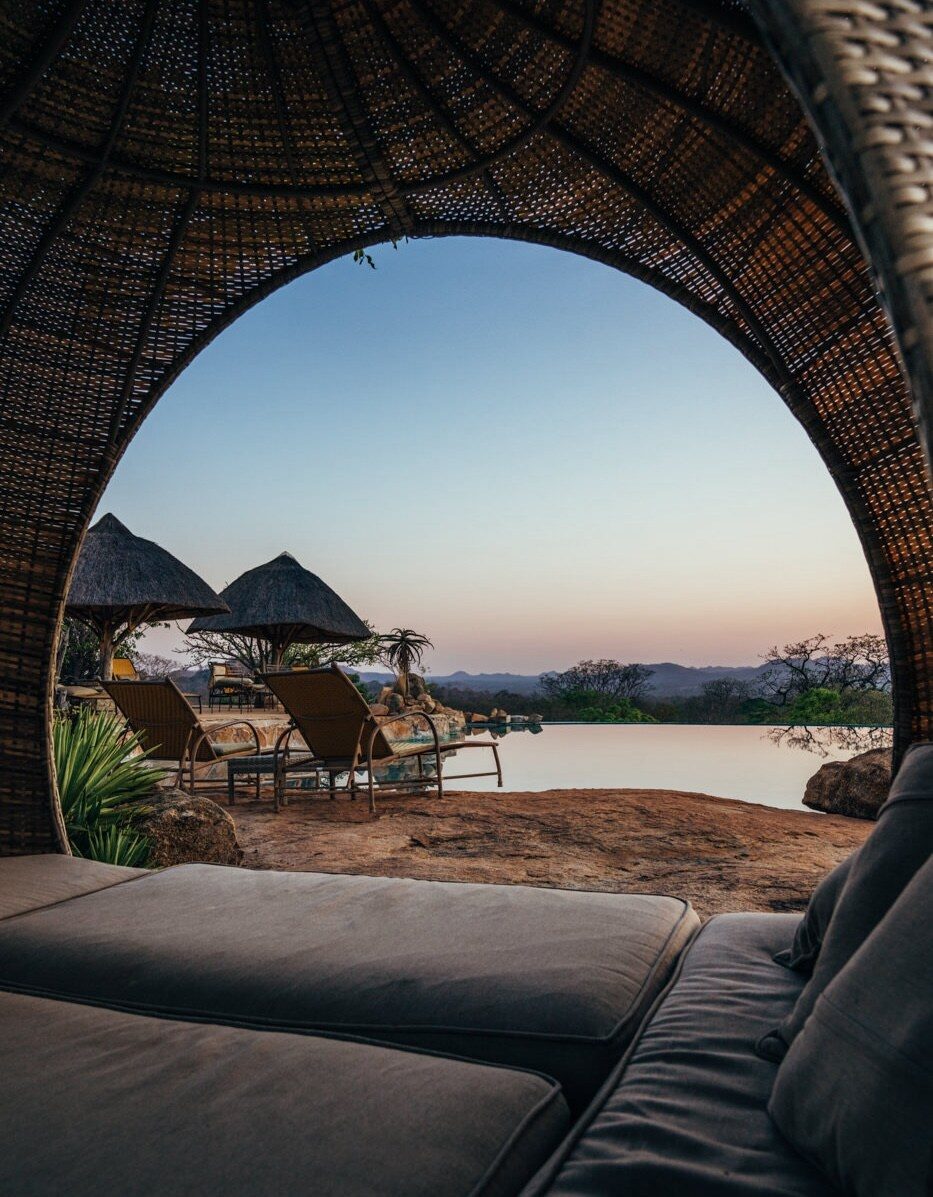
Amalinda Lodge in central Zimbabwe is among Africa’s most distinctive camps.
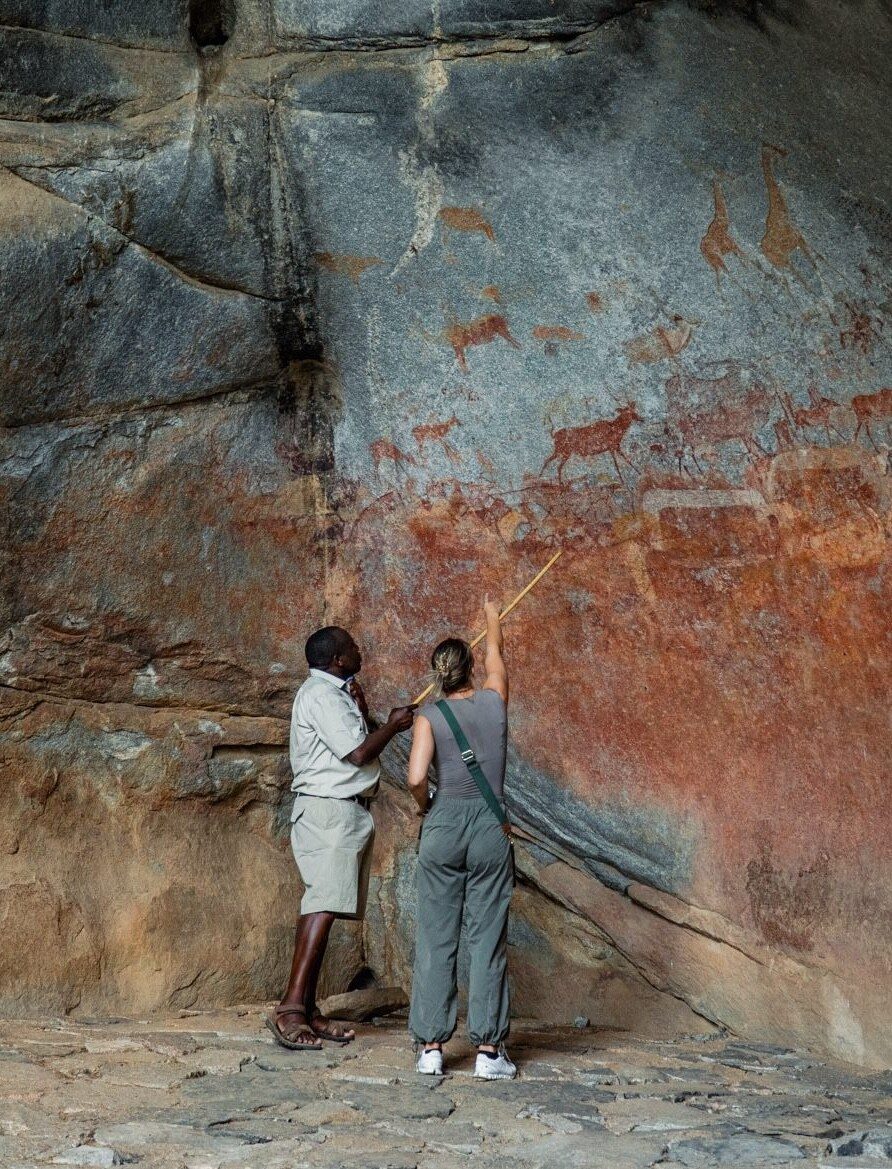
Set in the granite outcroppings and boulders of the Matopos Hills, it was once home to the Stone Age San-people who left behind one of the highest concentrations of rock art in southern Africa; this has earned the locale a UNESCO World Heritage Site designation. A palpable sense of ancestral spirituality and history, combined with the wildlife of Matopos National Park, make Amalinda a treasure indeed.
“We share fond memories of Amalinda. My parents got engaged in the Matopos after having met in Bulawayo. Later, my husband and I visited the camp in 1997 and fell in love with it. It has gone on to become one of the most photographed safari outposts in the world.”
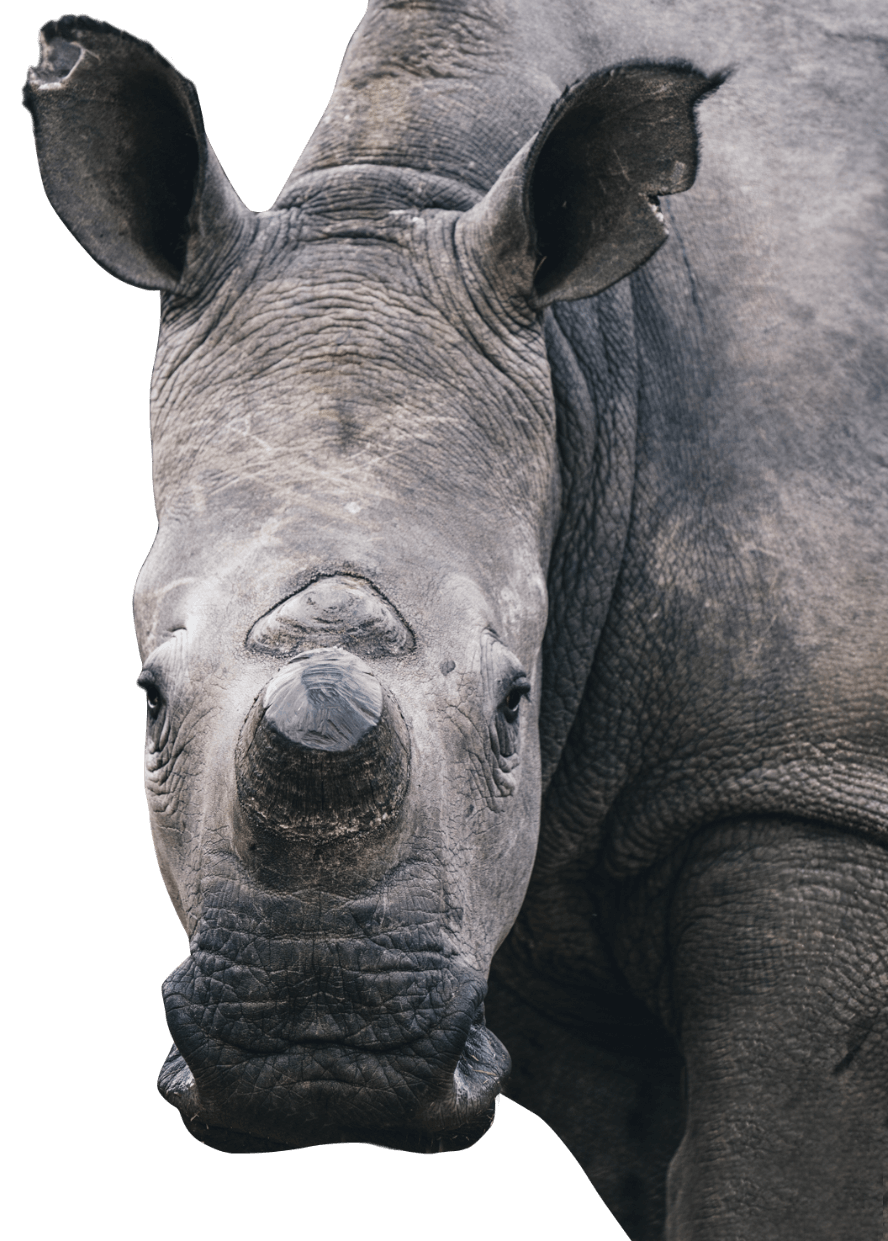
Current matriarch and CEO, Sharon Stead—or Shaz as she is affectionately called—is a rare example of a female powerhouse in the safari industry. After taking the reins from her parents, Cedric and Gay Wilde, who started their first camp years ago, Shaz and husband Phil have built the collection into what it is today, and became leaders in the region’s conservation and community development efforts. Now their daughter, Savannah Thixton, 28, and son, Mitch, 25, are deeply involved.
- Sandy Cunningham
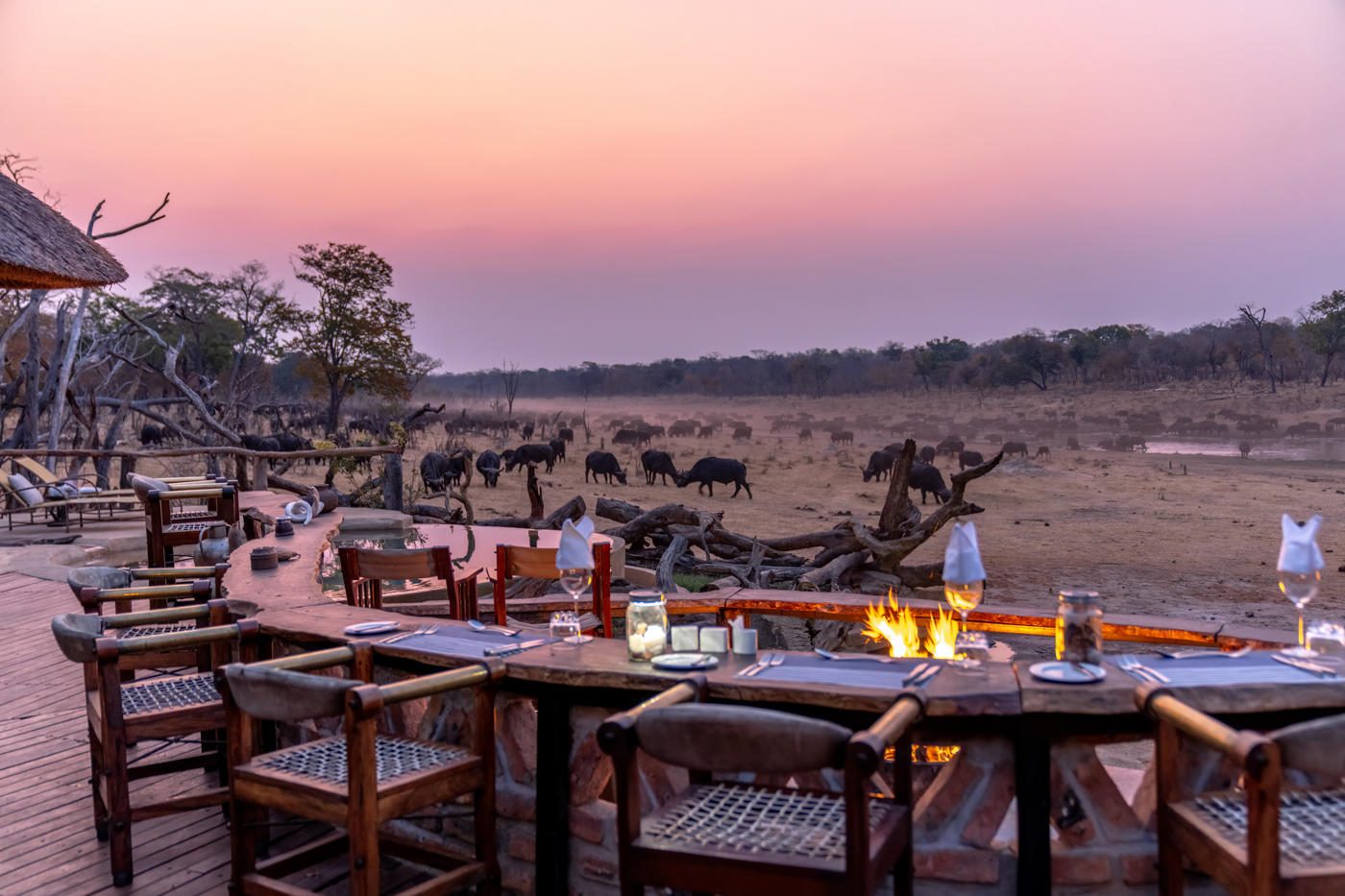
Together, they have been through a lot while Zimbabwe fought for its independence and experienced decades of political and economic instability. Nevertheless, this founding family expanded upon their original masterpiece with three more classic camps on a private concession of land (complete with a resident elephant herd) adjacent to Hwange National Park a few hours away.
“There is a rare beauty and struggle of being Zimbawean, and it’s in these struggles that great stories are born,” Shaz has said. “To live among these beasts and to be able to say, as any Zimbabwean can: ‘See that wild animal over there? It belongs to me.’ To my children and to the next generation, it is one of the finest gifts ever.”
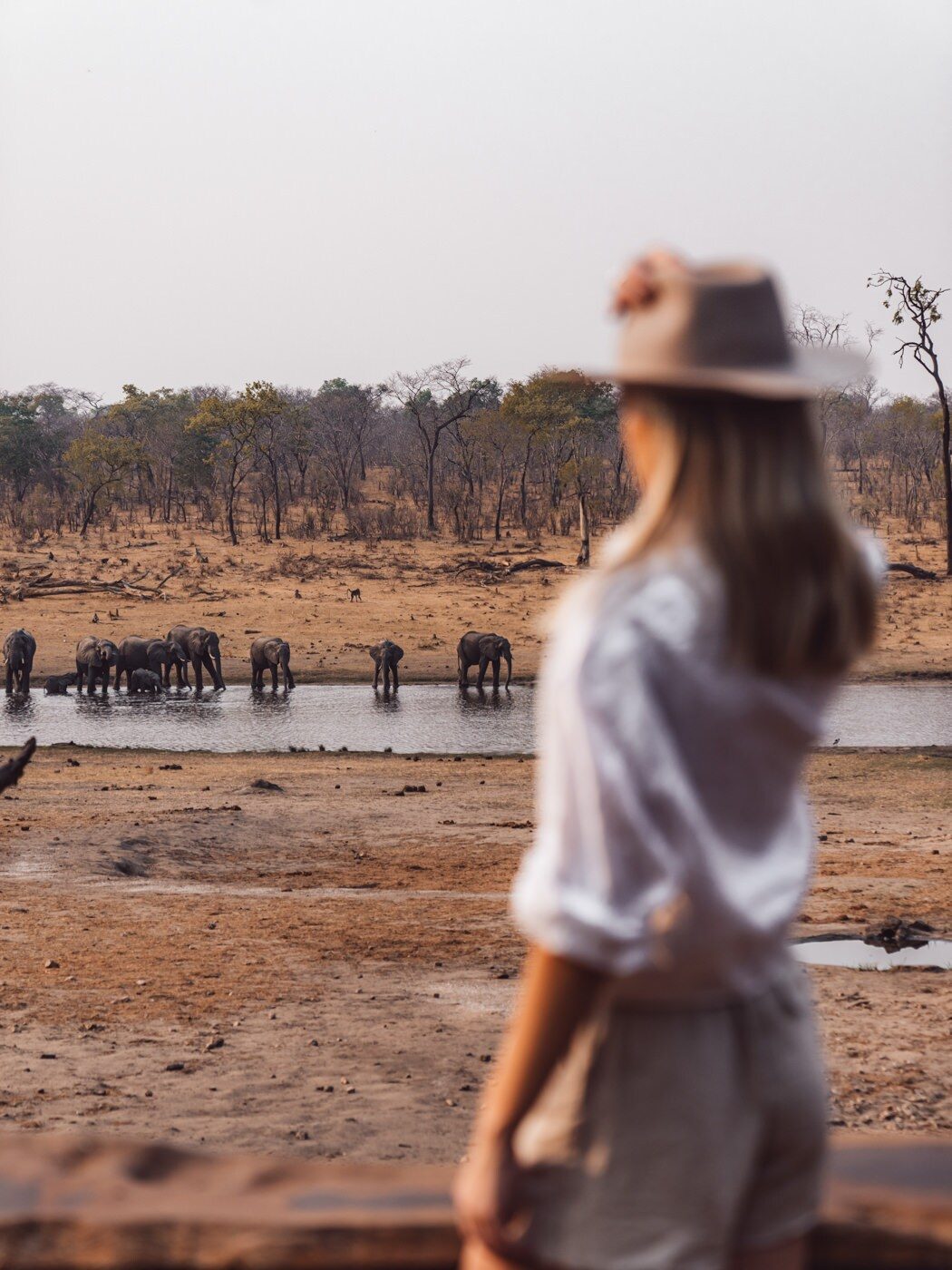
So, we sat down with Savannah and Mitch and talked about what it is like to take the baton being passed to them.
This interview has been edited for clarity and concision.
Q1: Tell us briefly about your family history in this part of the world.
Savannah: Mitch and I were born after Zimbabwe changed from Rhodesia, so we are born free. One line of our descent came here five generations ago, and they raised Rhodesian Ridgebacks to capture lions so they could take them back to the zoo. Our great-great-great grandfather was Cornelius van Rooyen, a partner to Frederick Courteney Selous, who ran one of the largest ivory trades in Southern Africa. That was out of the Dete Vlei in Hwange, which is an ancient riverbed 11 kilometers long, and nine of those now belong to our private conservation concession there. But my grandfather and grandmother lost their farm during the land redistribution, so they went into safari tourism by starting Amalinda. So our family has come full circle: from breeding dogs, capturing lions, and hunting elephants to preserving the same area they once did these things in.
Q3: What was the effect of the economic instability on wildlife and the parks?
Q2: Since starting Amalinda, what have been some difficulties and triumphs?
Savannah: There were issues with people hunting and eating game meat, but in Hwange National Park, two million dollars are now going towards anti-poaching units with scouts and vehicles. So parks are in good condition and surrounding properties like ours on the buffer zones are helping protect them.
Mitch: When hyperinflation started about 30 years ago, a lot of camps closed and never opened again. But my parents and grandparents stayed open and pushed through it. They'd go two weeks without a single client in camp.
“To live among these beasts and to be able to say, as any Zimbabwean can – ‘See that wild animal over there? It belongs to me’ – to my children and to the next generation, is one of the finest gifts ever.”
Savannah: Zim was the last place people were traveling to. But Mitch and I are lucky our family was passionate about the land and its people. They fought through every unrest and every uncertainty, and thank God, because now we have an amazing legacy to look back on and continue with. Zimbabweans are some of the most peaceful people in Africa and it’s now one of the safest countries. Being a woman, there's never a moment driving around at night where I feel unsafe.
Q4: And what about the rhino population in the Matopos park and tracking them?
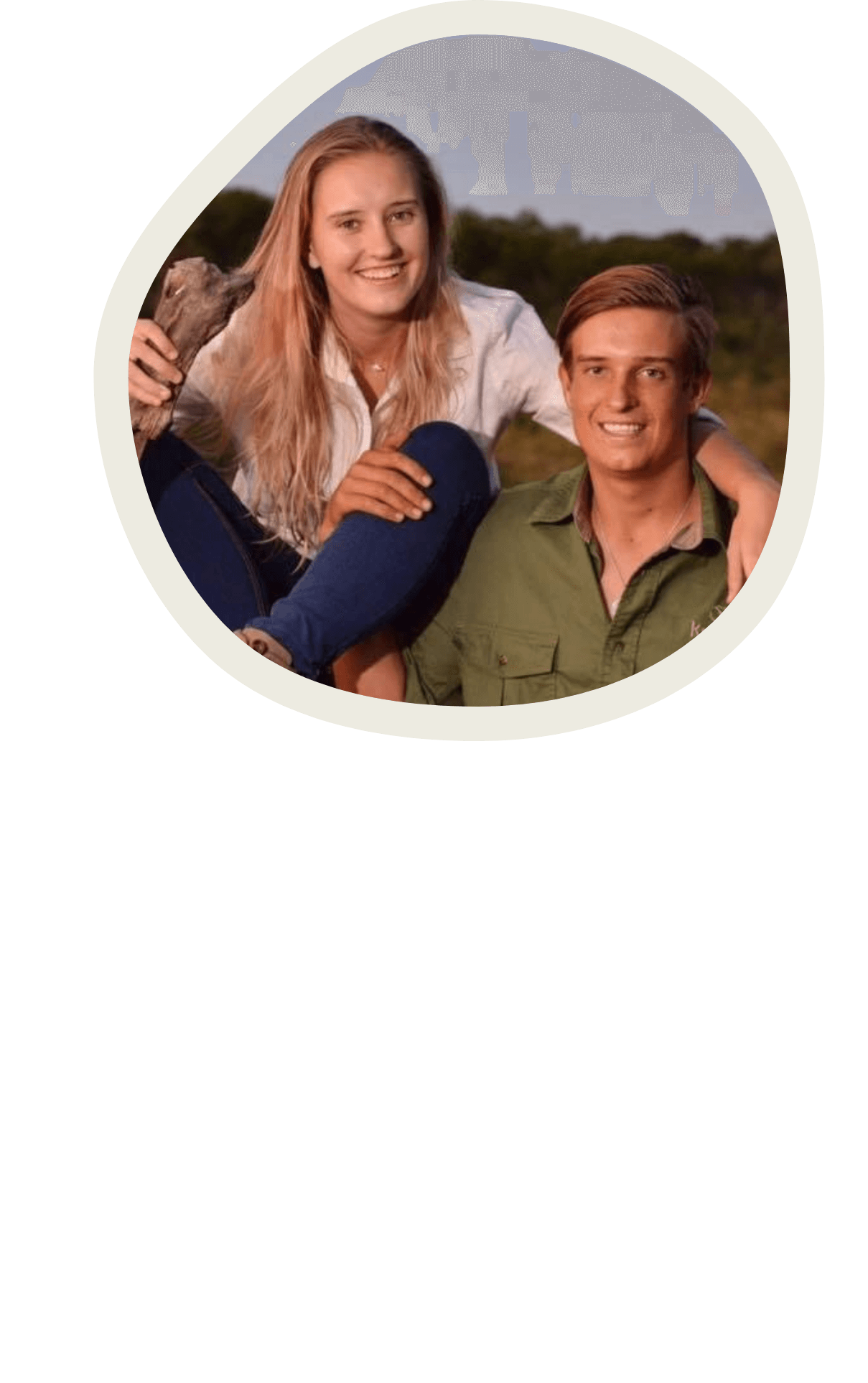
Savannah: It's a healthy population. We track white rhinos pretty much daily and can guarantee a sighting during a three-night stay. You’ll get up to five meters from them, it's amazing! I like to call it the gorilla experience of Zimbabwe. The black rhino are more difficult to find, they hide at the feet of the massive granite boulders deep in the bushes. It takes more patience, but it's definitely worth it.
Q7: Is this something you always wanted to do? Did you go to school elsewhere?
Savannah: Many of my peers left the country for university in South Africa or the UK. But I always wanted to end up in Zimbabwe … even when my boyfriend, now husband, said that he was leaving, I said “see you later!” I've had the luxury of traveling and seeing how other people live, but this is the only place I ever wanted to be. I find comfort in my country. I'm getting emotional Mitch, please take over!
Q5: How do you think travel will continue to progress or evolve?
Savannah: In August [2023] we had calm elections, and Zimbabwe’s bad reputation is fading away. People are showing a lot more interest in coming here. So things are definitely picking up, especially in Victoria Falls—and people venture down into the rest of the country, too. We've got history, we've got culture, and we have the best guides in southern Africa.
Mitch: I’ve traveled too, and I went to trade school, but honestly I didn’t even want to do that. I just wanted to walk straight into the company.
Q8: Savannah, you’ve described yourself as “the peacemaker” of the family. Shaz is the “mama lioness” and your dad, Phil, is “captain of the debate team.” But give us the details! Who do you both have a hate-love relationship with? You seem so dynamic.
Mitch: We are known for having the best guides compared to Botswana and Zambia because it takes five to six years to become a pro here.
Q6: Your mother is notable for being a woman in a leadership position in the safari world. Do you feel any responsibility towards that?
Mitch: Our grandfather for me! [Laughs]. We both work in mechanics. I learned modern equipment, and he is like, “it’s my way or no way!” But we both love the behind the scenes work, maintaining everything that keeps the camps going.
Savannah: My mom is one of the strongest women that has walked the tourism industry halls. She has stood by what she believes in, and has taught so much when it comes to marketing, sales, strength and protecting our animals. There is still a lot to learn from her and she is an influential woman in Zimbabwe.
Savannah: I think we're going to put on the back of our safari vehicles #StayInYourLane stickers! It’s the family joke. My dad is the worst culprit—but he is the only one who went to school for hospitality and is head of our operations, so …
Mitch: So your answer in short is that we’ve got some big shoes to fill!
"Guests feel like they are in the middle of nowhere and walking in the footprints of Livingstone himself. "
Q9: Let's go back to the beginning: Since it opened, Amalinda visitors have been able to take comfort among the same overhangs where the San sheltered for eons. Why is this so special?
Q11: Speaking of space, your mother has been quoted using the term “safari distancing.” Can you expand on that a little bit?
Savannah: I think it's what Zim is famous for. It's the space between each traveler and how you don’t fall into the trap of mass tourism once you venture away from Vic Falls. Guests feel like they are in the middle of nowhere and walking in the footprints of Livingstone himself.
Savannah: Well firstly it's where it's located—the Matopos is such a spiritual area. It's where ancestors came to pray for rain and seek guidance, and it has such a massive relevance to Zimbabwe history. I say this and people look at me funny, but the rocks really have that feeling of spiritual healing. The lodge is built into them, and we really wanted it to feel like our guests were living and sleeping in the caves where the San bushmen did.
Q12: In recent decades “safari lodge” chains or hotels have become more prevalent than owner-operated camps across Africa. It sounds like Amalinda strives for the more personal touch.
Q10: How does the Hwange collection of camps—Khulu Bush, Sable Valley, and Ivory—complement Amalinda? Khulu is after a pet name you call your grandfather, right?
Savannah: You're describing us to a T. You can tell our lodges weren’t designed on a computer and then dropped in the middle of the bush, where they stick out like a sore thumb. They have that authentic old African vibe. They've been built by my grandfather himself, by us.
Savannah: We are in camp with guests, so whether you’re staying at Amalinda or at our Hwange spots you feel like a part of our family throughout. Then there’s the privacy and seclusion component at Khulu Bush, Sable Valley, and Ivory because they are located on our land concession, and that makes it an exclusive experience.
A safari is not about charging from one luxury bubble to the next, it is about showing the full picture. We want you to take that road transfer and experience the potholes, as bad as Mitch will say it is for our vehicles! Authentic safaris are not all about going to see the big five, but going into the communities to see their way of life too. Then you can really say you have been to Zimbabwe.
UNCHARTED™ is a high-end adventure-travel company that designs, plans, curates, and executes unforgettable travel experiences. If you can dream it, we can make it happen.
Make An Inquiry