 By The UNCHARTED® editors · 5 min read
Linger Longer: Savor the
Safaris are majestic experiences, but they are often structured like glorified checklists on strict timetables. They mimic any other busy week, but now just come with a side of elephant.
The current state of the world makes us want to get away more than ever, and there is a new appreciation for just … slowing down. So it is no wonder many conservation-minded camps have started to embrace this ethos. Plus, if you're traveling for only two weeks — which is really just nine days after all the international air — it is worth staying at two of these camps rather than running around to four. Isn’t life frenzied enough already?
1st Annual Global Safari Awards
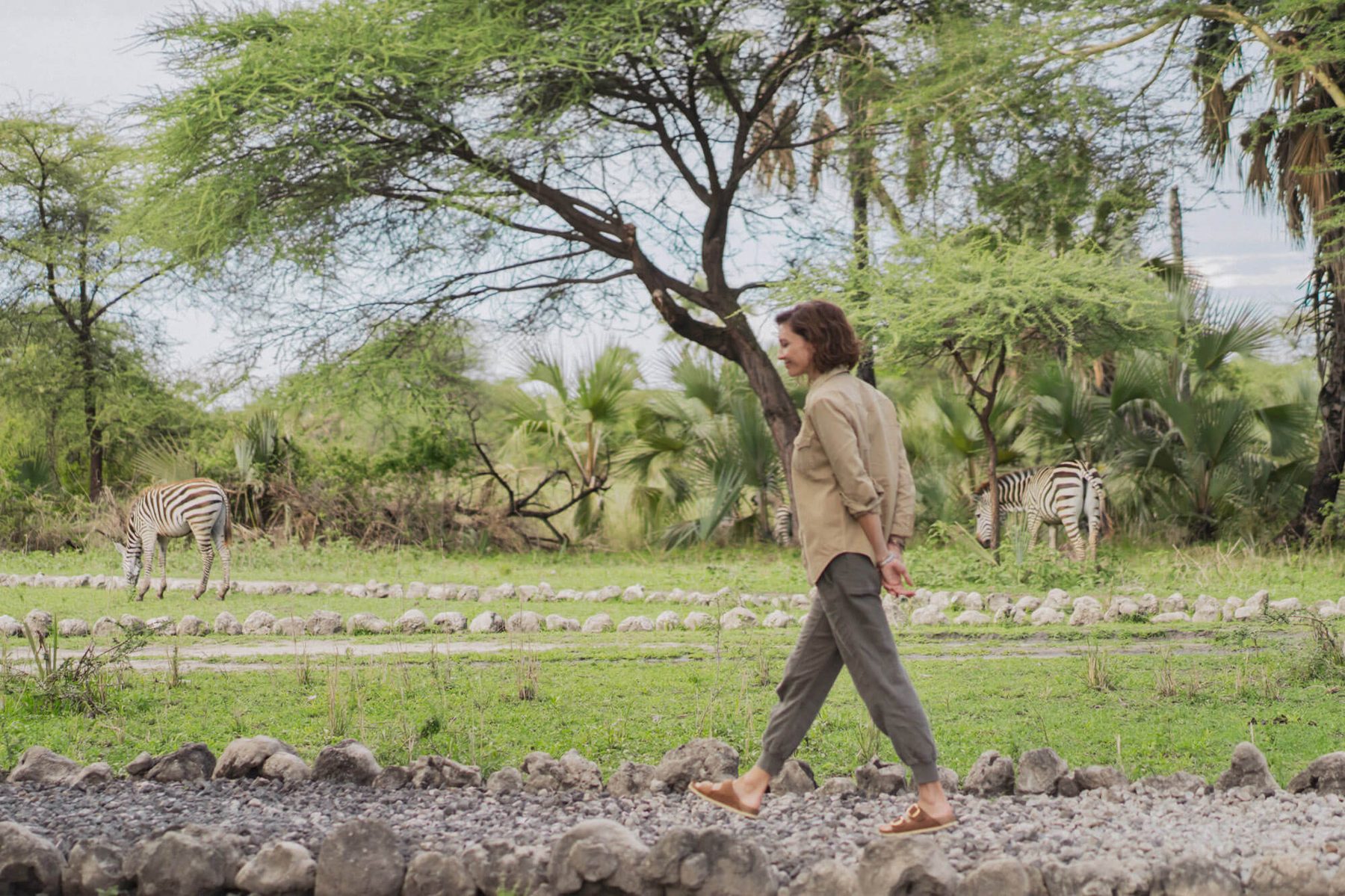
On a slow safari, hectic game spotting is replaced with a languid pace that almost expands time. Spot the swish of a tail, the flick of an ear, or hear the warble of an African green pigeon, and get attuned to the subtle signs of nature and rhythms of the wild. Get to know your guide around the campfire, engage with the local community, and climb out of the overlander and put foot to dirt in search of your next giraffe sighting.
These five Outposts are for those who prefer slow and simple to bells and whistles.
South Africa: Tanda Tula
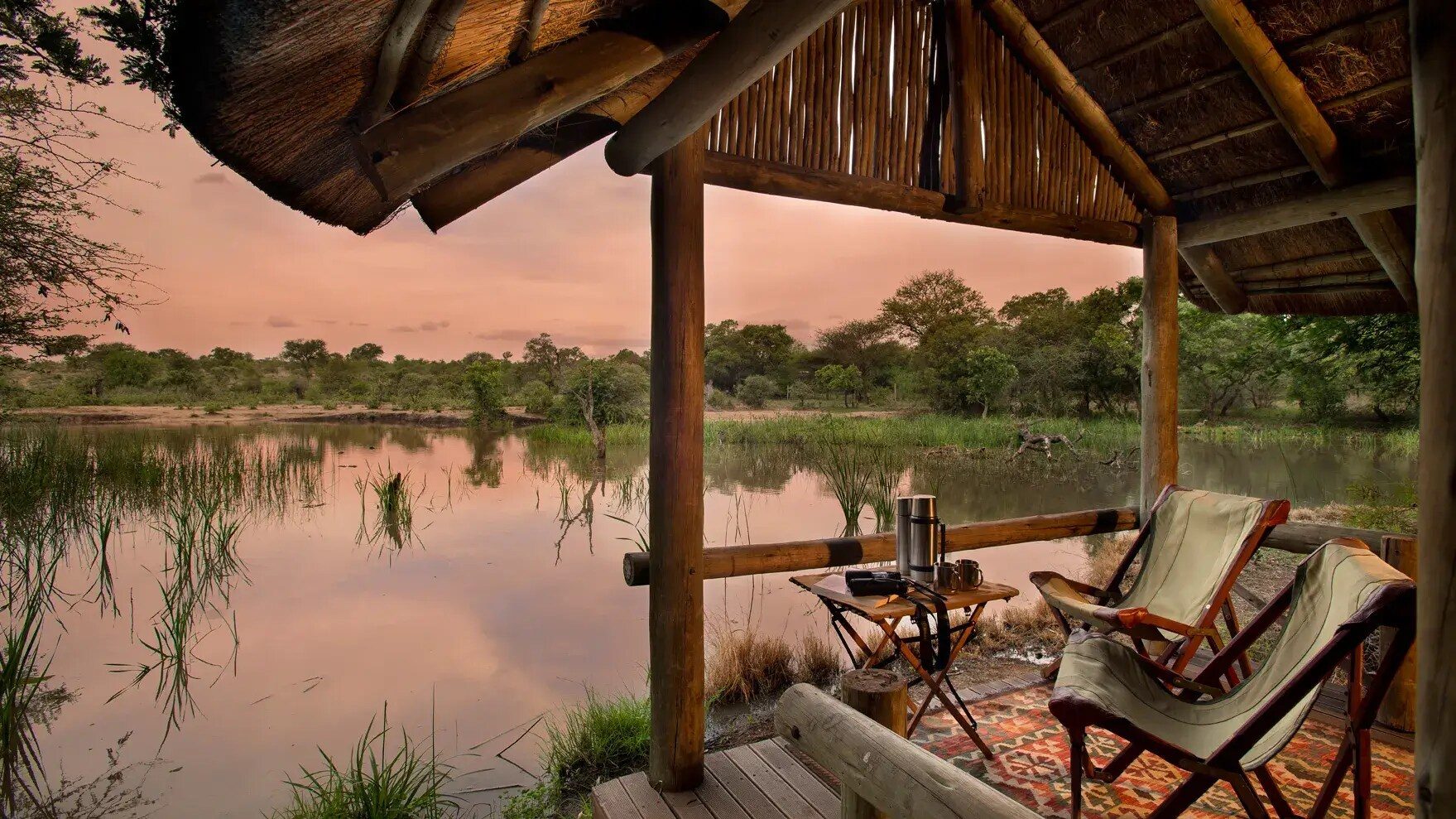
Wood and glass-enclosed suites invite the outside in at this camp. Game drives and guided walks through the wilds of the Timbavati Private Nature Reserve (which shares an open border with Kruger National Park) are tailored to your own proclivities, be it big cats, birding, or some other obsession only uncovered after you arrive.
Slow travel here means delighting all the senses: tasting fruit fresh off tree branches … savoring the famous South African wine … and opening your ears — Tanda Tula’s Eavesdrop on the Wild program outfits game vehicles with specialized sound equipment to amplify the crisp calls of nature — from the hyena whoop to the insect buzz — for an even more immersive connection. When the sun goes down, a whole new set of wildlife noises comes alive, so enjoy a nightcap on the deck and stargaze while listening for lioness’s hunt to echo through the night.
Zimbabwe: Amalinda Lodge
Time not only stands still at Amalinda, it starts moving backward. It begins upon arrival, when your jeep crawls over bulbous granite boulders to get to camp; the same boulders — ancient rock formations called kopjes — that comprise your hillside abode.
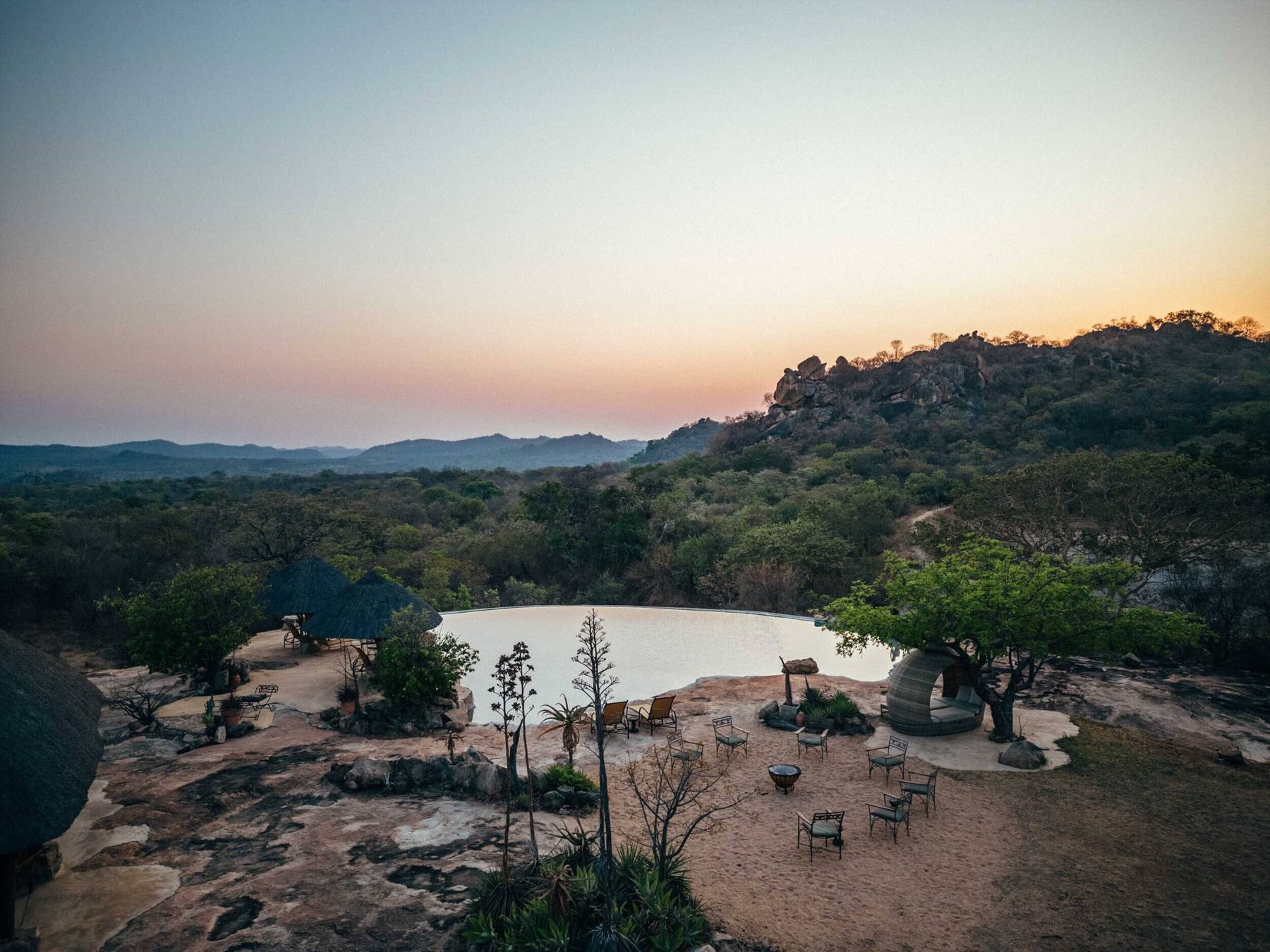
They become your grounding. A natural granite pool overlooks acacia trees; an archaeologically-proficient guide will take you to see some of the best-preserved ancient rock paintings in the world, scrawled by the nomadic San Bushmen who chose these Matobo Hills — now a UNESCO World Heritage Site — for their spiritual energy.
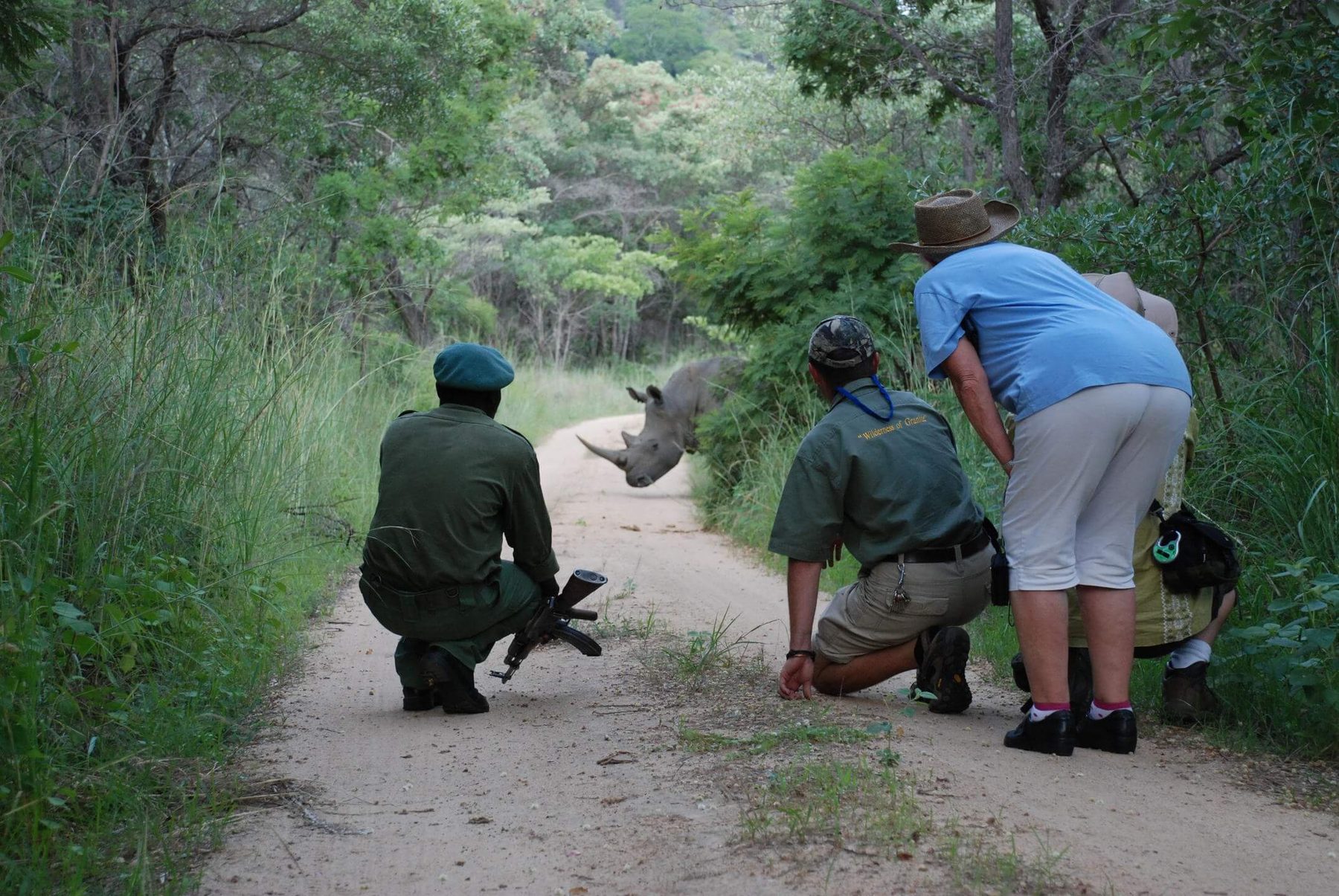
Track threatened white rhinos while learning about conservation efforts, visit hand-built African homesteads, and practice yoga between your wildlife encounters. Mindfulness comes in all stripes.
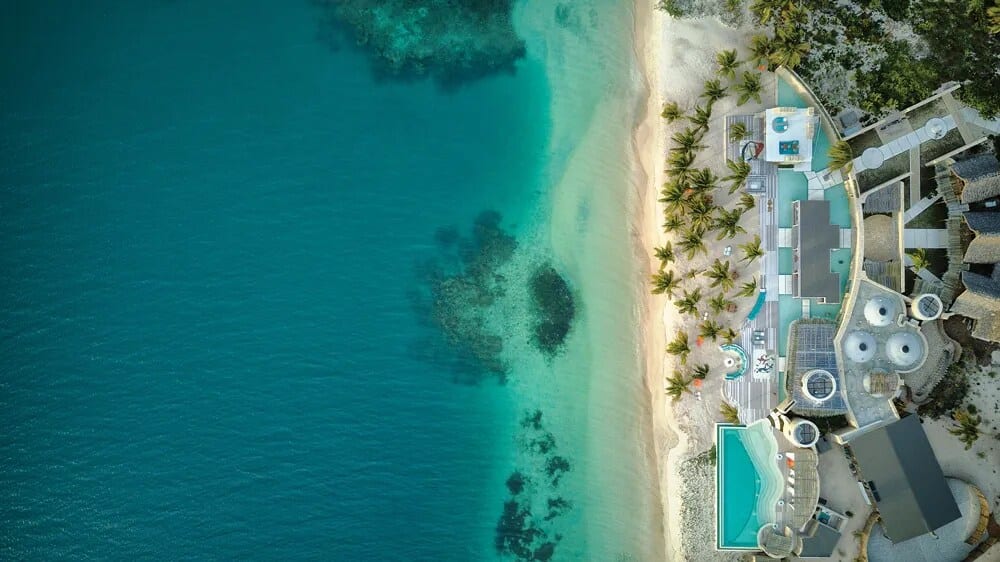
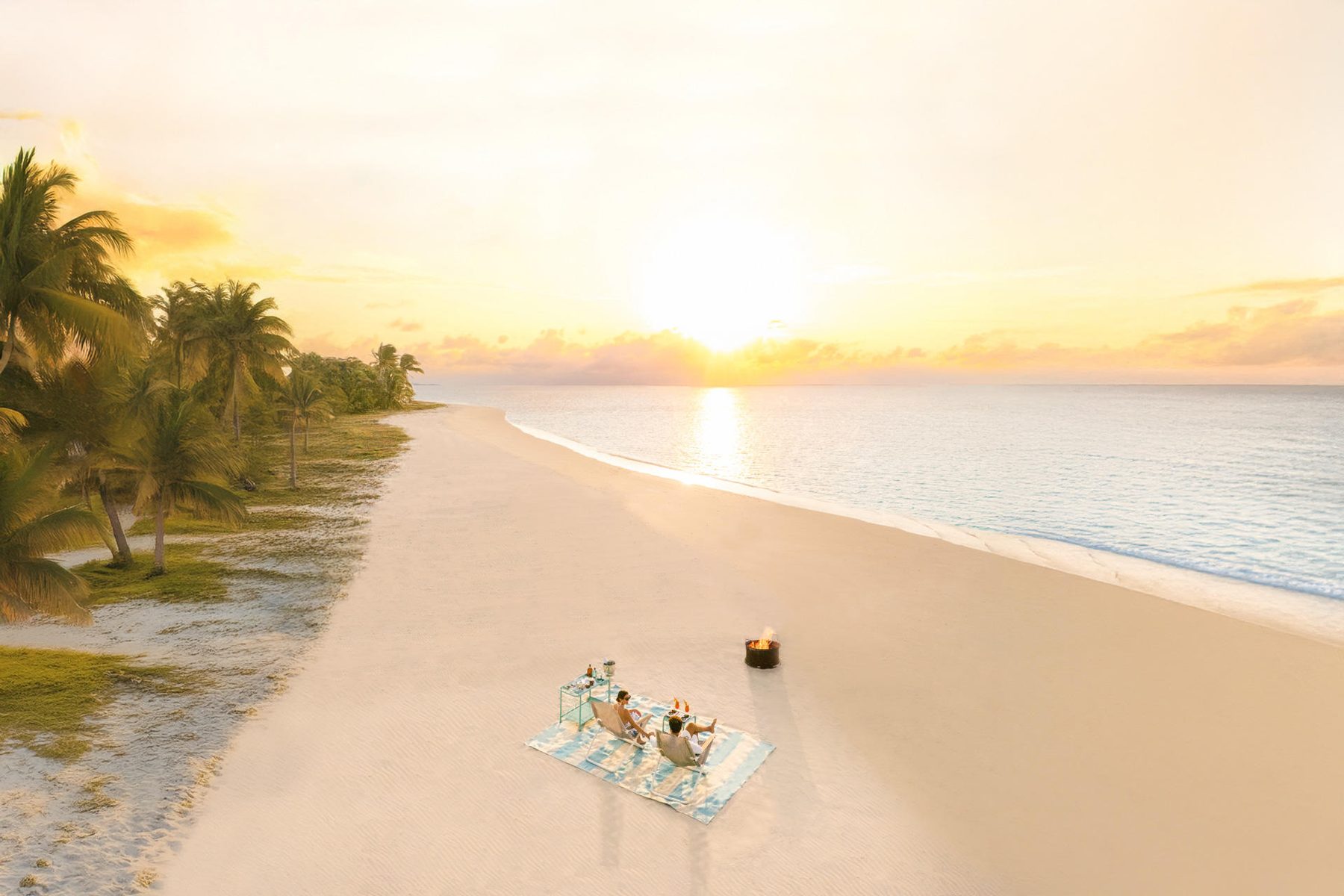
Picture waking up to lapping waves on a secluded island as your nose is tickled by a salty sea breeze. Then choose your own adventure by land, sea, or air. Kitesurf over sunken shipwrecks and hike among staggering Tsingy Rouge stone formations. Snorkel or scuba through crystalline waters, brushing up against manta rays and kaleidoscopic marine life. Measure yourself against the biggest chameleons in the world (you’re probably bigger) or humpback whales on an ocean excursion (definitely smaller). Anything goes!
Sister island Nosy Manampaho is a sight for spectacular migratory birdwatching, while just outside your door — one of only 14 villas — you might encounter miraculous sea turtle hatchlings in the powdery white sand. But the one thing that is a must-do is trekking for lemurs with the conservation team — Madagascar is the Land of the Lemurs, after all, and there are over 100 species to survey.
Tanzania: Chem Chem
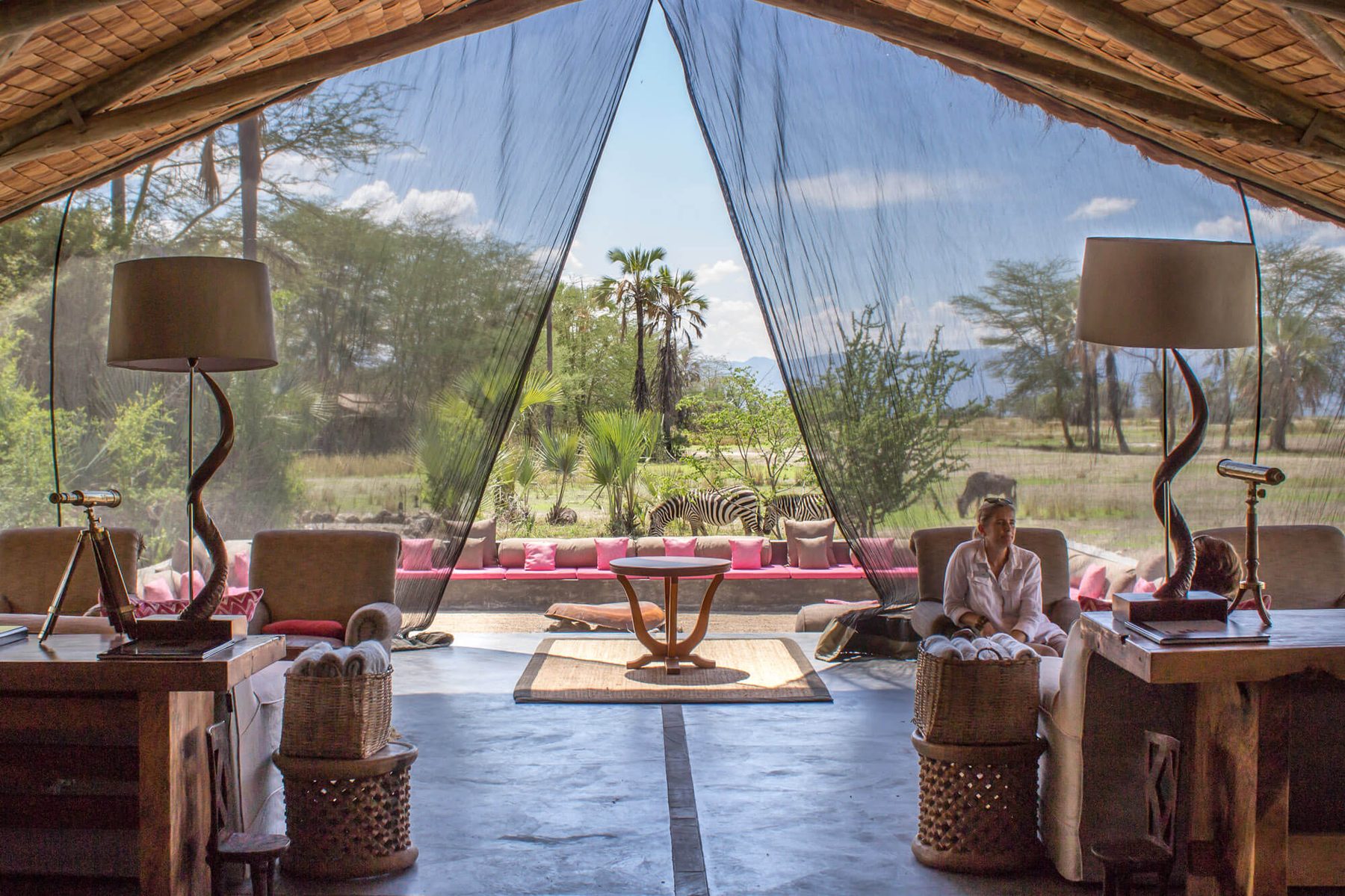
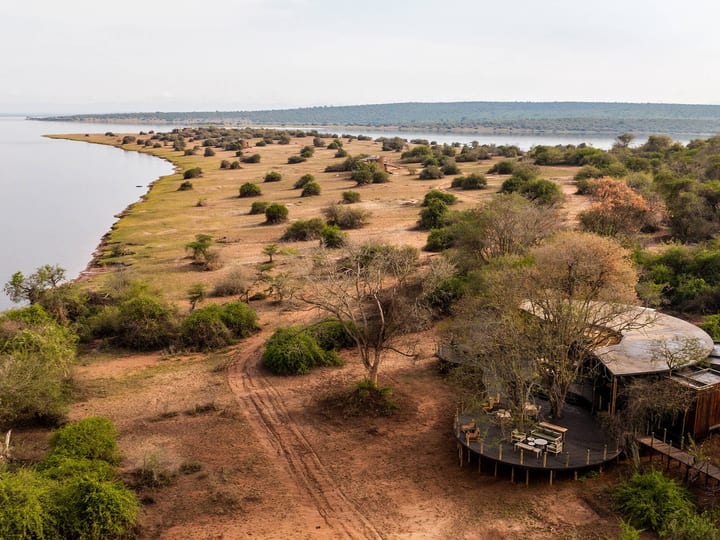
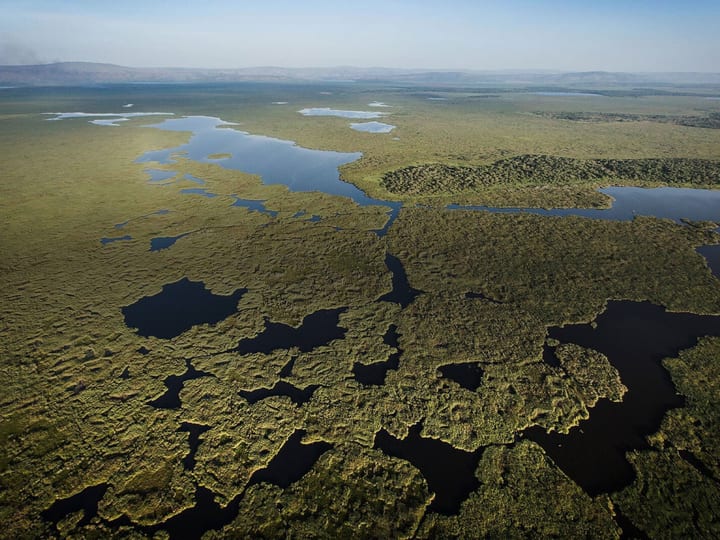
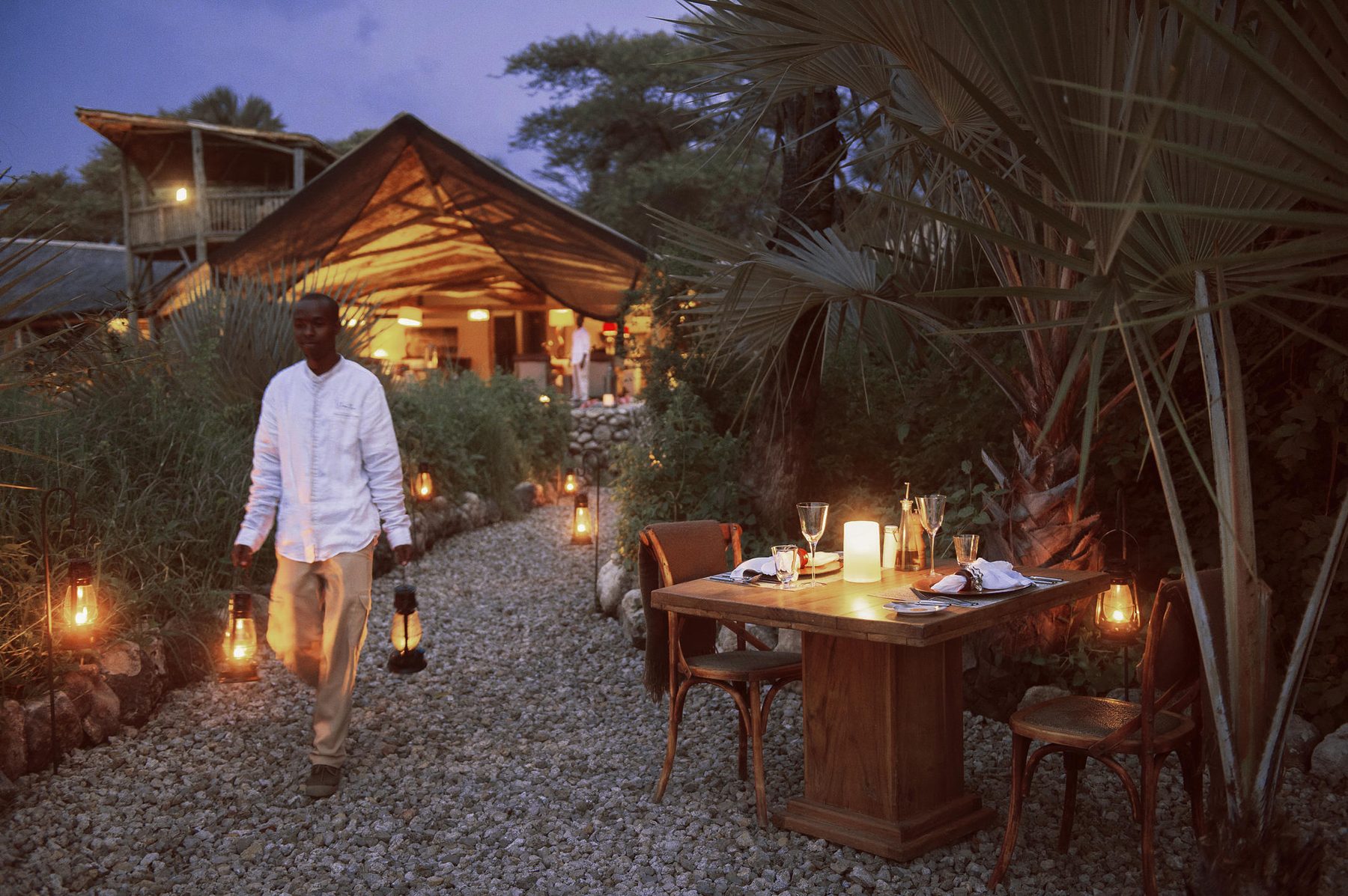
The magic of Tanzania is most apparent in its open spaces. And Chem Chem, set on a migration corridor between the savannahs of Tarangire National Park and the waters of Lake Manyara, affords plenty of space for reflection under the grand African sky and ancient baobab trees.
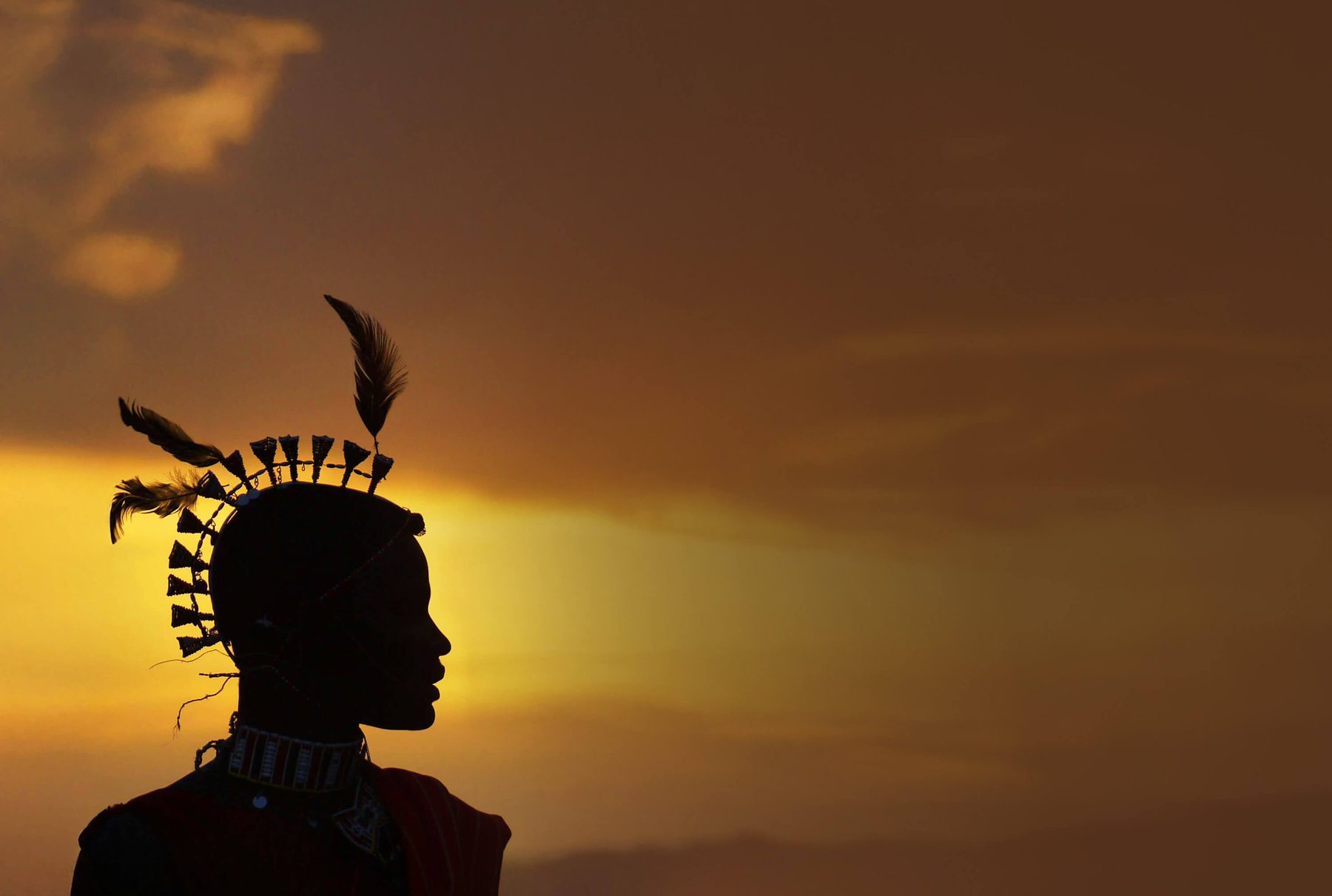
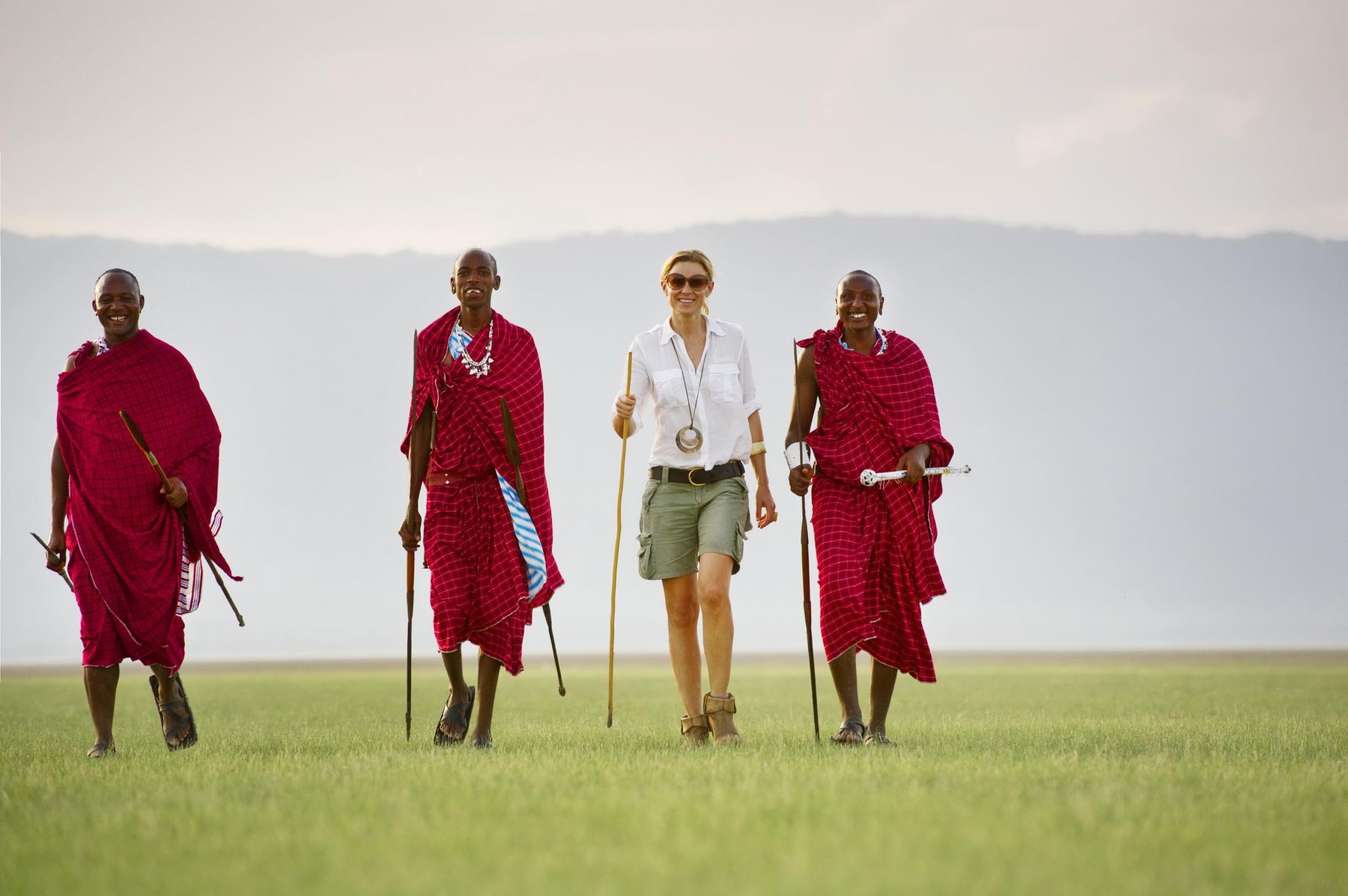
Chem Chem specialized in slow safaris before the term surfaced, refining the concept of wellness in the wilderness. Here, that could look like up-close encounters with big tuskers, or wondering just how those climbing lions got up that tree. Or a walk with a Maasai warrior guide, culminating in a fire ceremony. Maybe it’s a sunrise hike up Vilimia Vitatu Hill. All in all, Chem Chem offers a tranquility that goes way beyond the confines of a safari vehicle.
Kenya: Lewa House
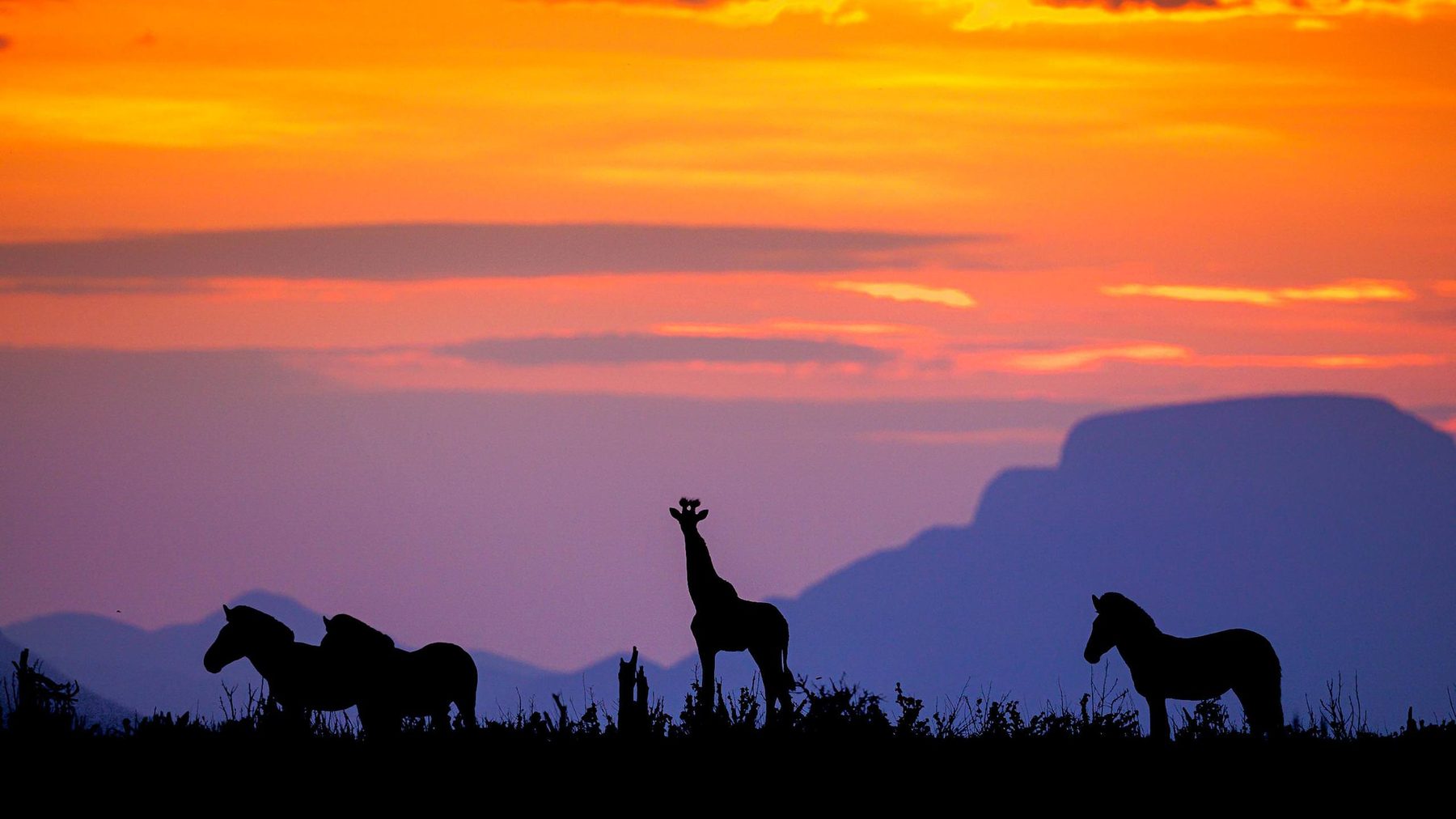
Nestled in the Laikipia highlands with views of Mount Kenya, at Lewa House you not only have the opportunity to observe the beats of nature, but feel them in your bones. You’ll explore the wilderness with Maasai and professional guides on foot or on horseback, which means you’re just another beast, undetectable to the reticulated giraffes, rare species like Grevy’s zebras, and the critically endangered black rhino the Lewa Wildlife Conservancy is known for helping to revive.
A spacious patio means an outdoor breakfast with animals at the watering hole, and upon exploration of the southern border of the habitat you might happen upon a watering hole of your own, in the waterfalls and plunge pools of the community-run Ndare Ngare Forest.