 By The UNCHARTED® editors · 6 min read
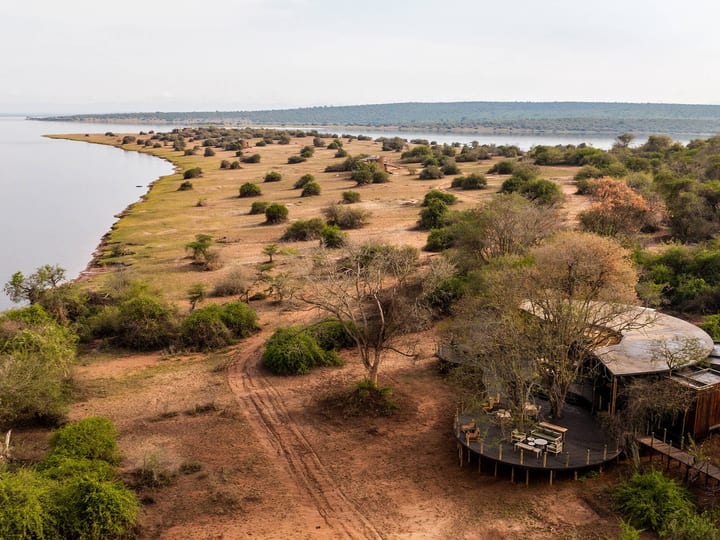
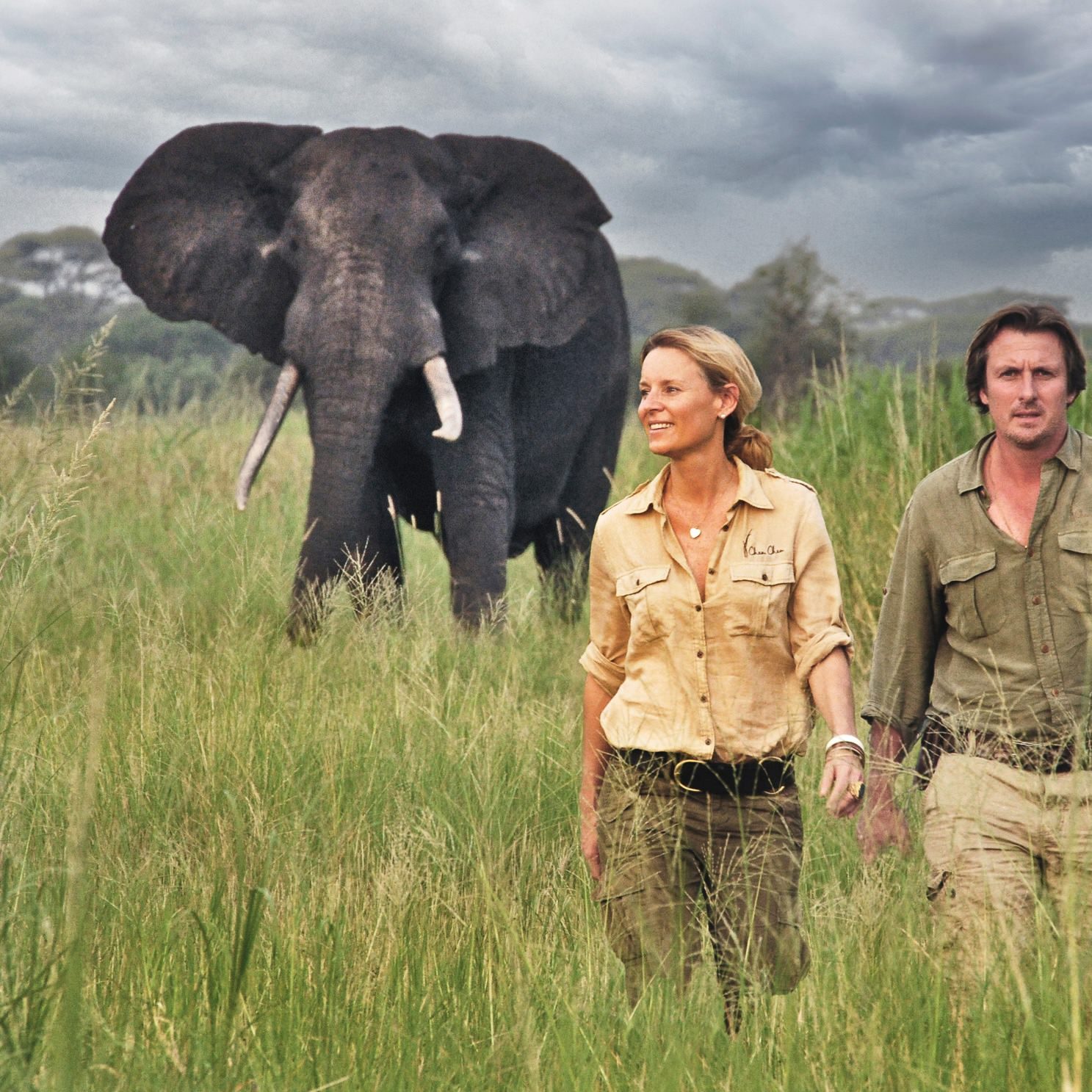
When Swiss banker Fabia Bausch and her partner, former French hunting guide Nicolas Negre, first leased land along the boundary of Lake Manyara in 2005, the area was a world-class fixer-upper. It had even officially been declared “abandoned.”
“It was completely encroached,” Bausch recalls. “We had palm trees, about 60,000 cows, goats, dogs, cats, and illegal huts. It had been declared a wildlife corridor, but if nobody cares, people will use it as grazing land.”
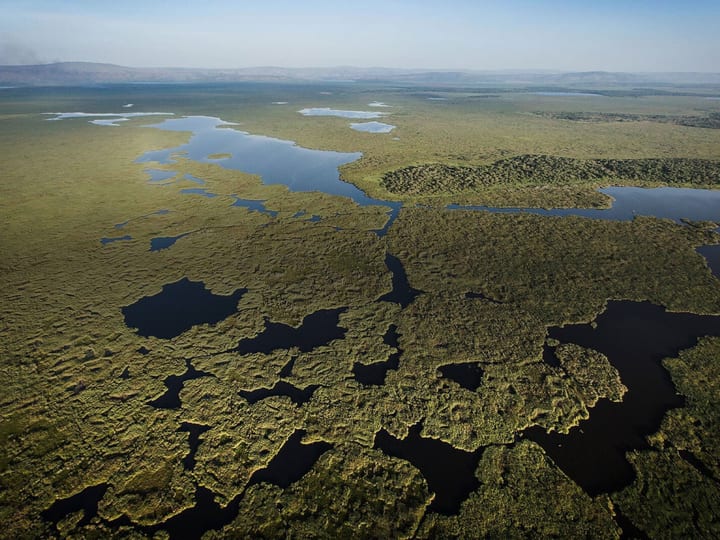
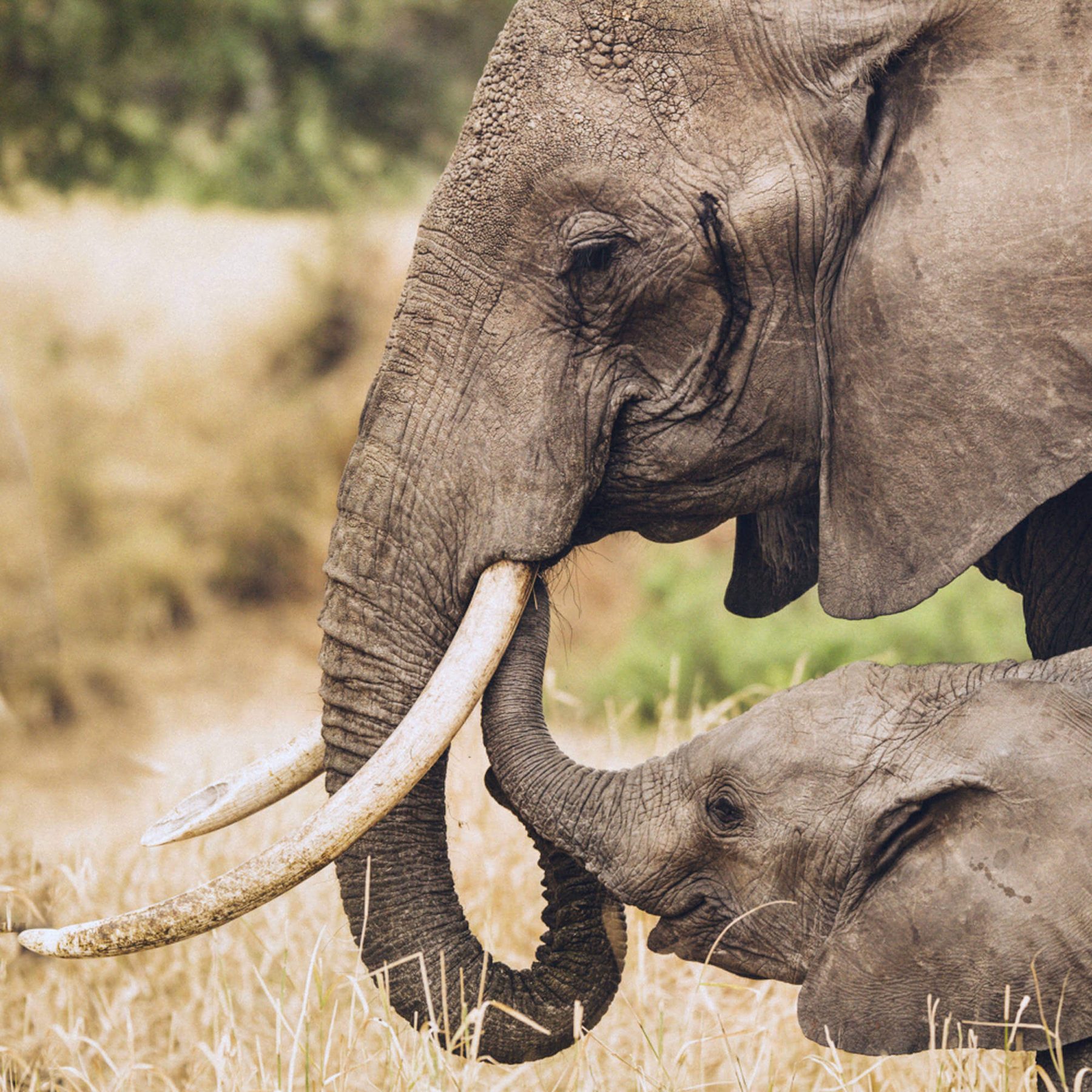
That neglected stretch of land now sits at the heart of one of East Africa’s most important ecosystems: the Kwakuchinja Wildlife Corridor, the migratory link between Tarangire National Park and Lake Manyara. For nearly four decades, elephants had stopped crossing it altogether. Today, they are back, big-time.
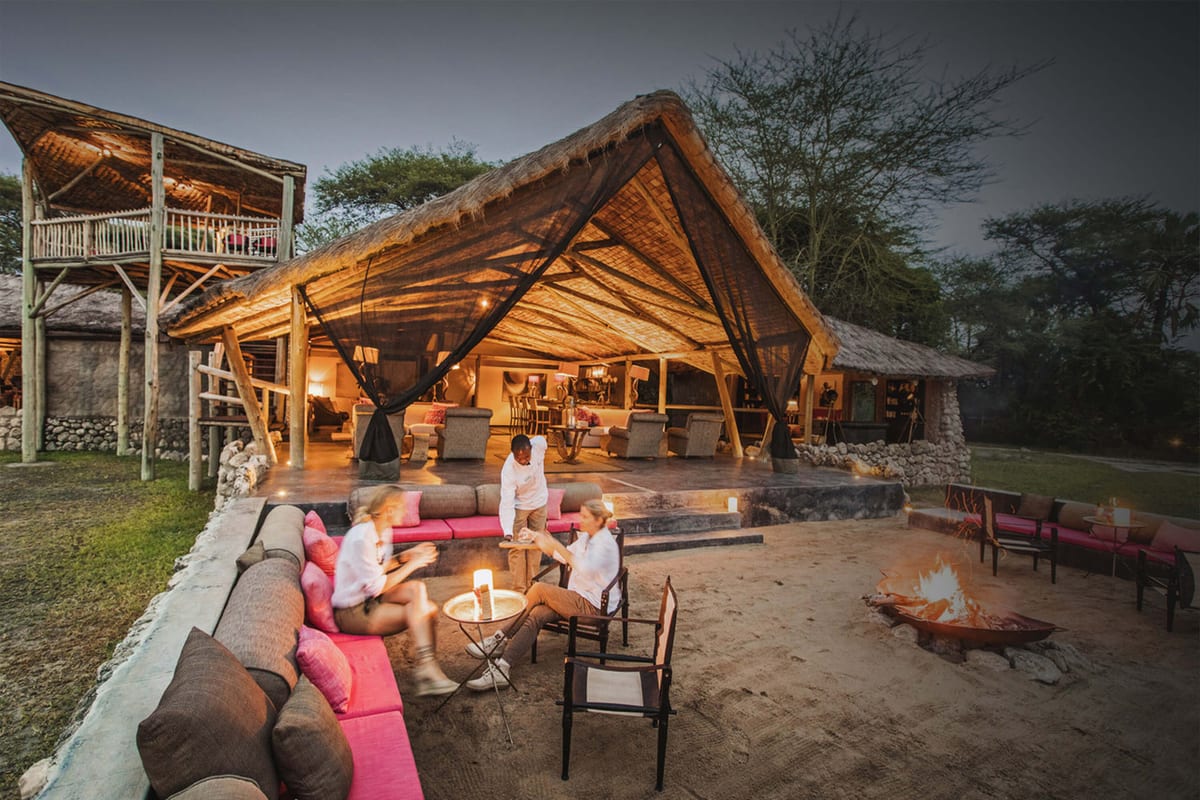
Founded in 2008, Chem Chem Safari now operates three boutique camps within this flourishing 50,000-acre concession. It’s the birthplace of a trend that Bausch calls the Slow Safari, a mindful approach to nature travel that earned them recognition in the 2026 National Geographic Best of the World roundup.
We spoke with Bausch about the long road to restoration, the community development that’s part and parcel of their strategy, and why slowing down may be the most radical act in modern safari travel.
This article has been adapted from a podcast conversation, which you can watch or listen to
here
.
Q1: Can you describe the concession and what you encountered when you first arrived?
Fabia Bausch:
We leased the land in 2005, starting with the northern side that borders Lake Manyara. At that time, the area was completely abandoned. It was declared a wildlife corridor and a Wildlife Management Area, but it had been neglected for about 30 years.
FEATURED OUTPOST
CHEM
CHEM
If people don’t protect land, they use it for grazing. So the first step was meeting the villages. They understood lease fees immediately — it’s a contract where both sides give something. Then the education started, slowly but surely. With Nicolas and his French patience and diplomatic charm, and probably 700 meetings under acacia trees, by 2008, everything was signed.
“Where safari slows & everything opens.”
Q2: When did you begin to see wildlife returning?
In 2009 and 2010, we saw the first animals coming back. Chem Chem Lodge opened in 2011, but the corridor was still partially encroached. Then in 2013, the eastern side bordering Tarangire National Park came up for lease renewal, and we were able to manage both sides of the corridor. That was crucial.
It also happened during the height of elephant poaching — every fifty minutes an elephant was being slaughtered. Tarangire has one of the highest elephant populations in Tanzania, especially big tuskers. We expanded our anti-poaching efforts immediately and focused on making the corridor peaceful again with no settlements and minimal illegal grazing.
Q3: What was it like when the elephants finally returned?
Elephants hadn’t crossed from the national park to Lake Manyara since the mid-70s or early 80s. In 2020, they started again. It was super exciting. I’m Swiss — I thought, maybe I shouldn’t get too excited. But when you see elephants walking into Lake Manyara, it really hits you. Even now, guests think it’s normal. They say, “Oh, that’s cute.” And I’m like, no, this is not cute, this is historic. I still get goosebumps.
“For nearly 40 years, elephants stopped crossing. Now they’re back.”
Q4: How have you gained buy-in from the Tanzanian government?
In 2023, the government declared the Kwakuchinja Corridor one of the top three most important corridors in Tanzania. We were the first to reconnect a corridor like this. Biodiversity is on everyone’s front page now, and corridors are essential. Animals need to move for gene flow. Without corridors, conservation doesn’t work. It’s still small, but small is beautiful. What excites me most is that we’re creating a blueprint.

The 2026
Global Safari Awards
Together with the Tanzanian government, we developed a software system now used in national parks to monitor wildlife and human-wildlife conflict. We also built a Joint Monitoring and Protection Center, which is state-of-the-art for Tanzania. It integrates intelligence networks, informers, handheld reporting systems, and soon drones. The government is fully invested. This is a massive step forward.

Q5: How does conservation connect to community development at Chem Chem?
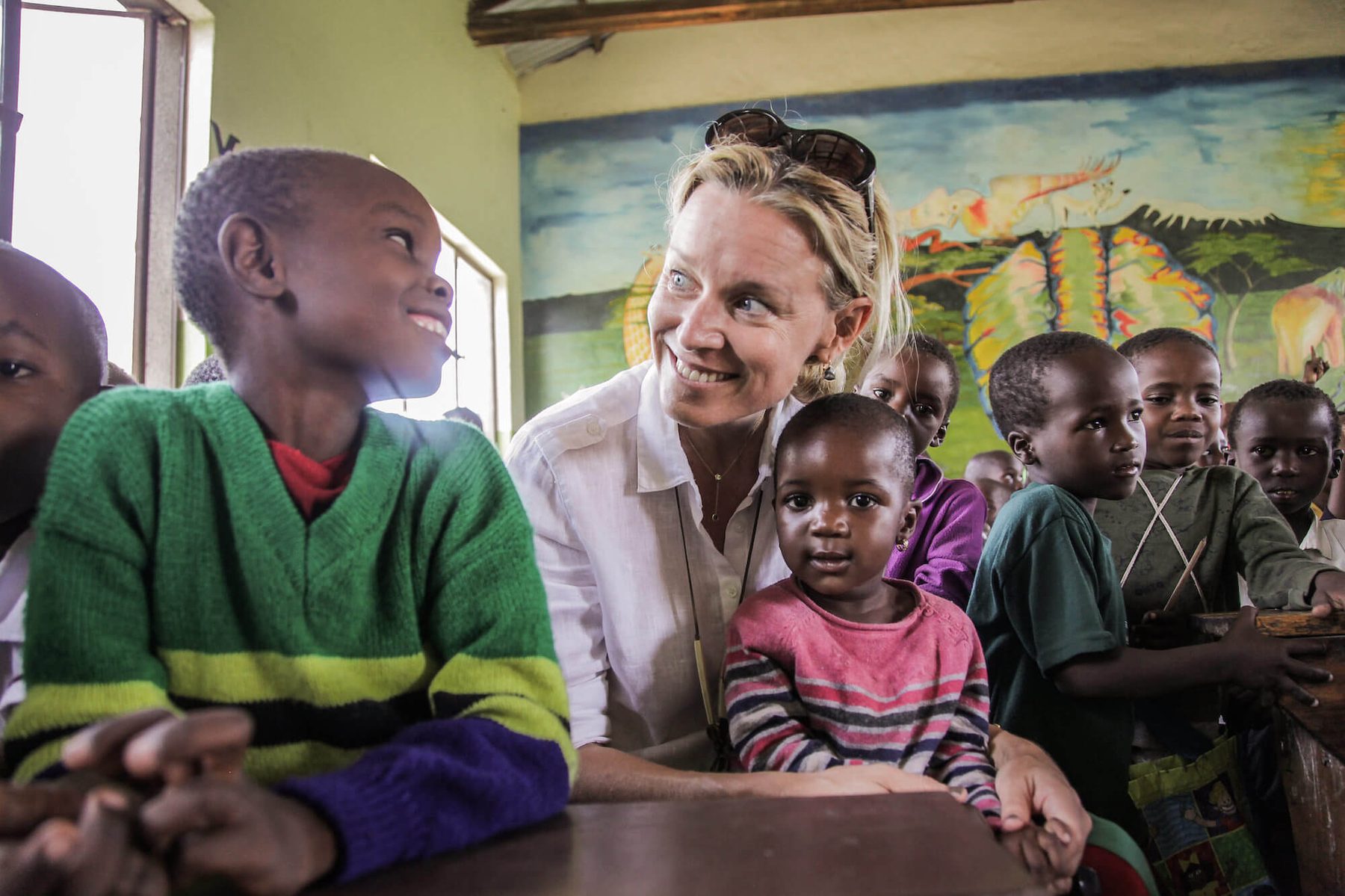
Protection alone doesn’t work if you don’t empower communities. We work through education, from primary school all the way to training and economic empowerment. We’ve trained about 2,800 entrepreneurs and over 2,000 businesses are running, creating more than 3,000 jobs. People learn how to open bank accounts, save money, write business plans, and earn access to loans through village banks.
Q6: Livestock pressure remains a challenge in many protected areas. How do you deal with that?
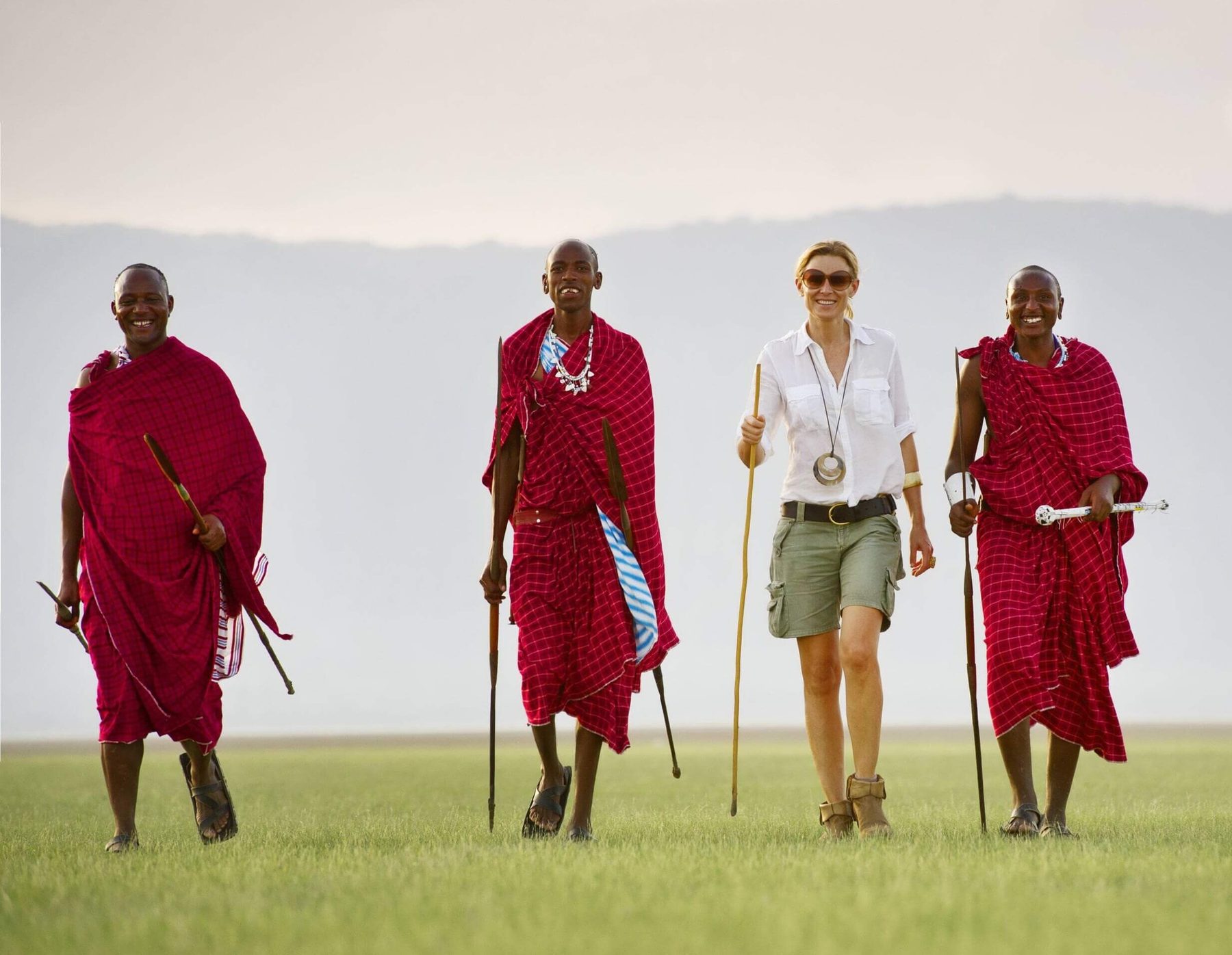
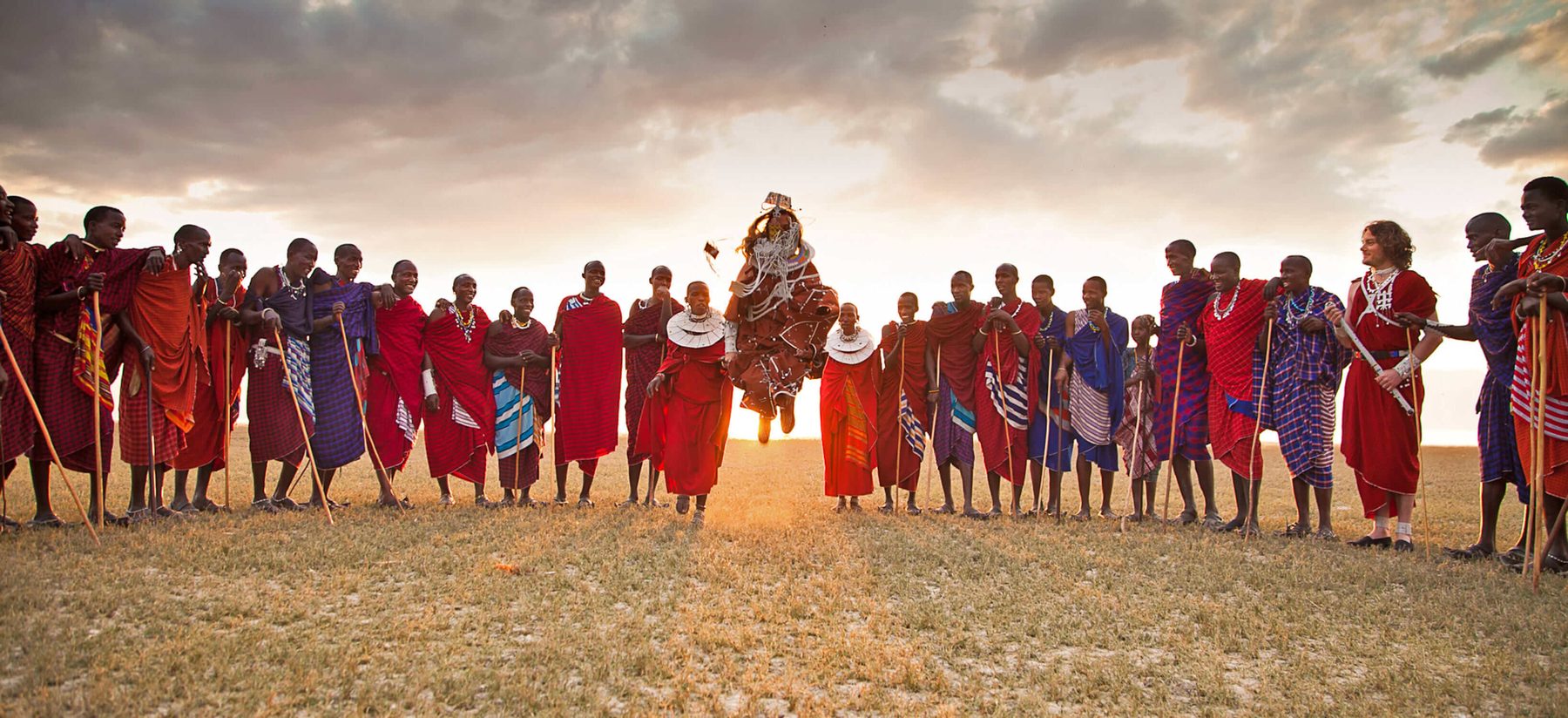
This isn’t just about Maasai tradition. Livestock is big business. The land can carry maybe 600 cows and at peak times we had 60-to-70,000. Many aren’t local, they’re brought in for profit, often with corruption involved. The solution isn’t force. It’s giving people better, more sustainable ways to make money so their interest shifts away from overgrazing.
“Conservation doesn’t work without corridors — and it doesn’t work without people.”
Q7: Now let’s talk about the fun stuff, the safari experience itself. How does Chem Chem fit into the Northern Circuit?
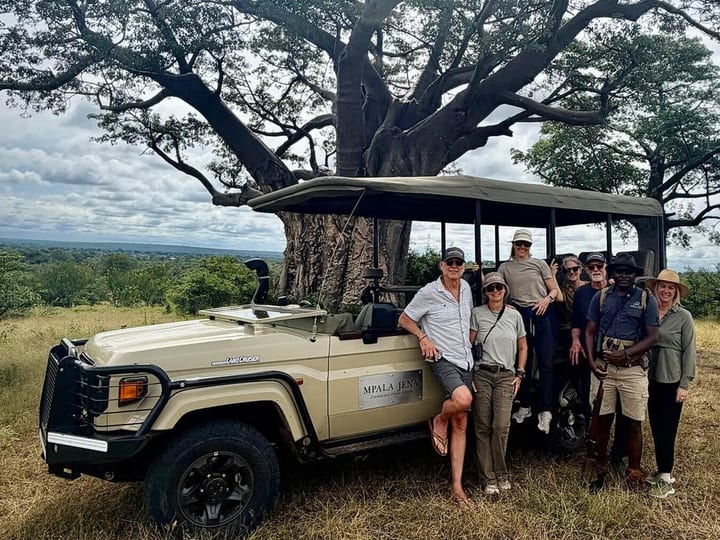
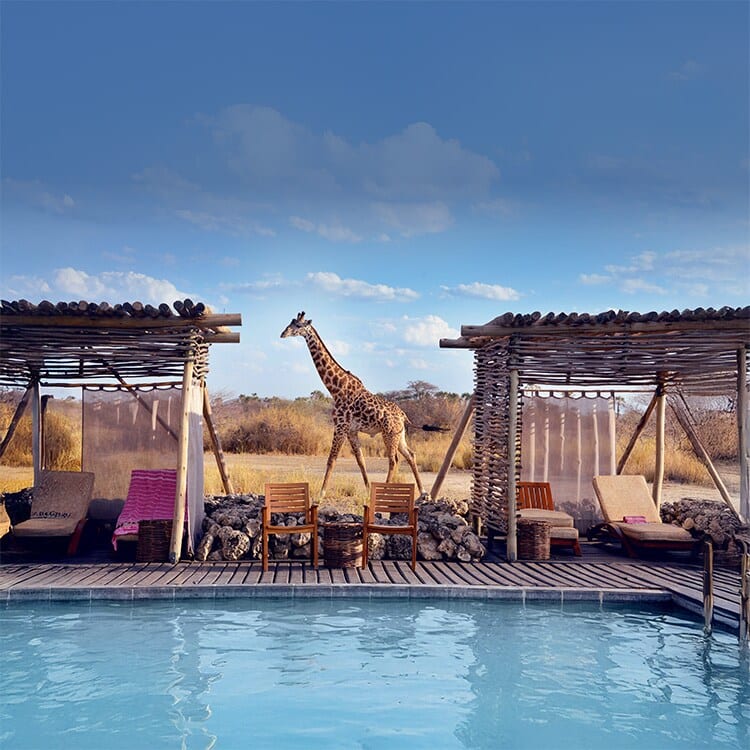
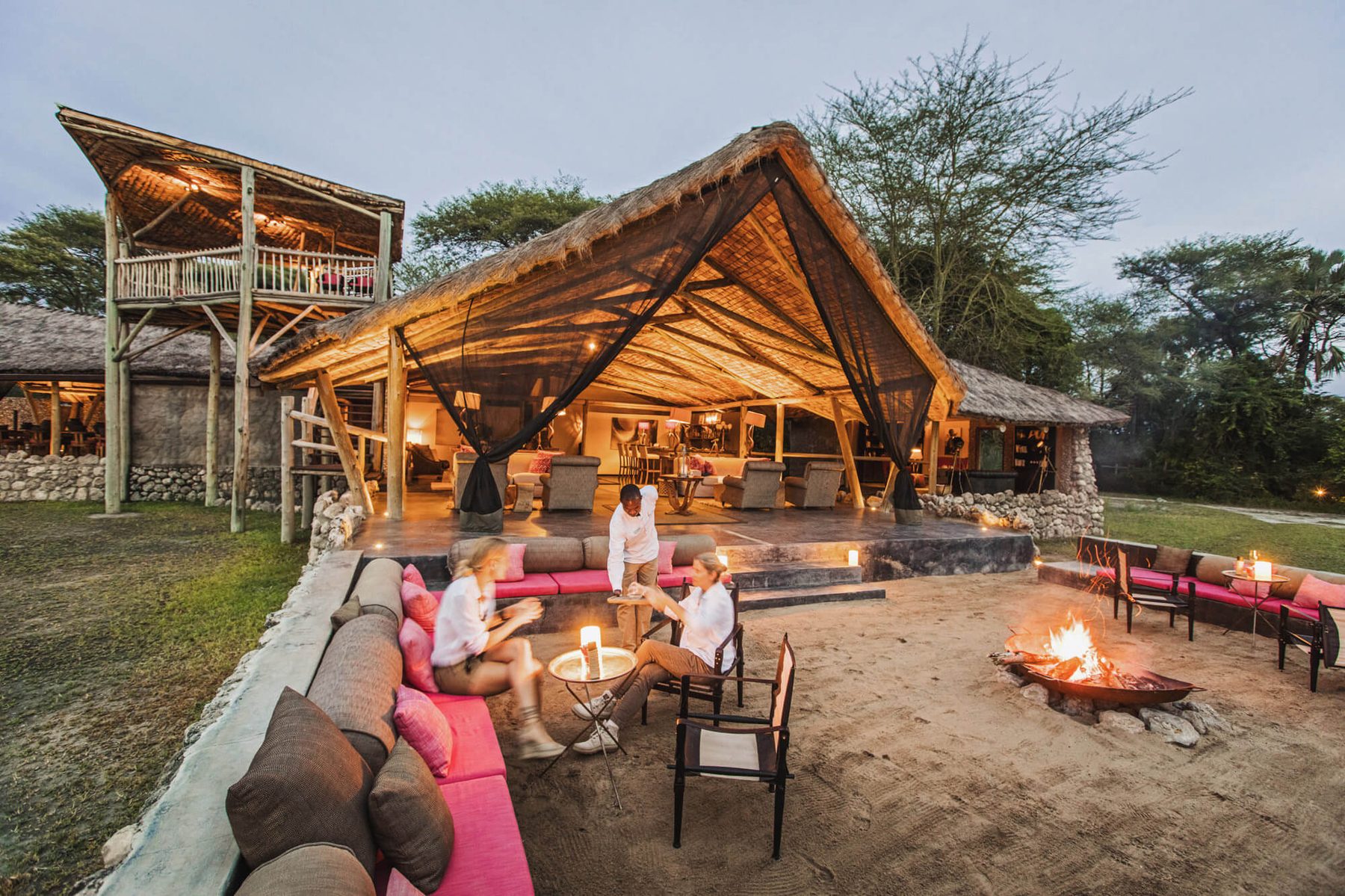
We sit between Lake Manyara and Tarangire, but outside national parks. That changes everything. Guests have their own vehicle and guide. You do what you want, when you want. If you want to sleep in, sleep in. If you want to go out at 4 a.m., go.
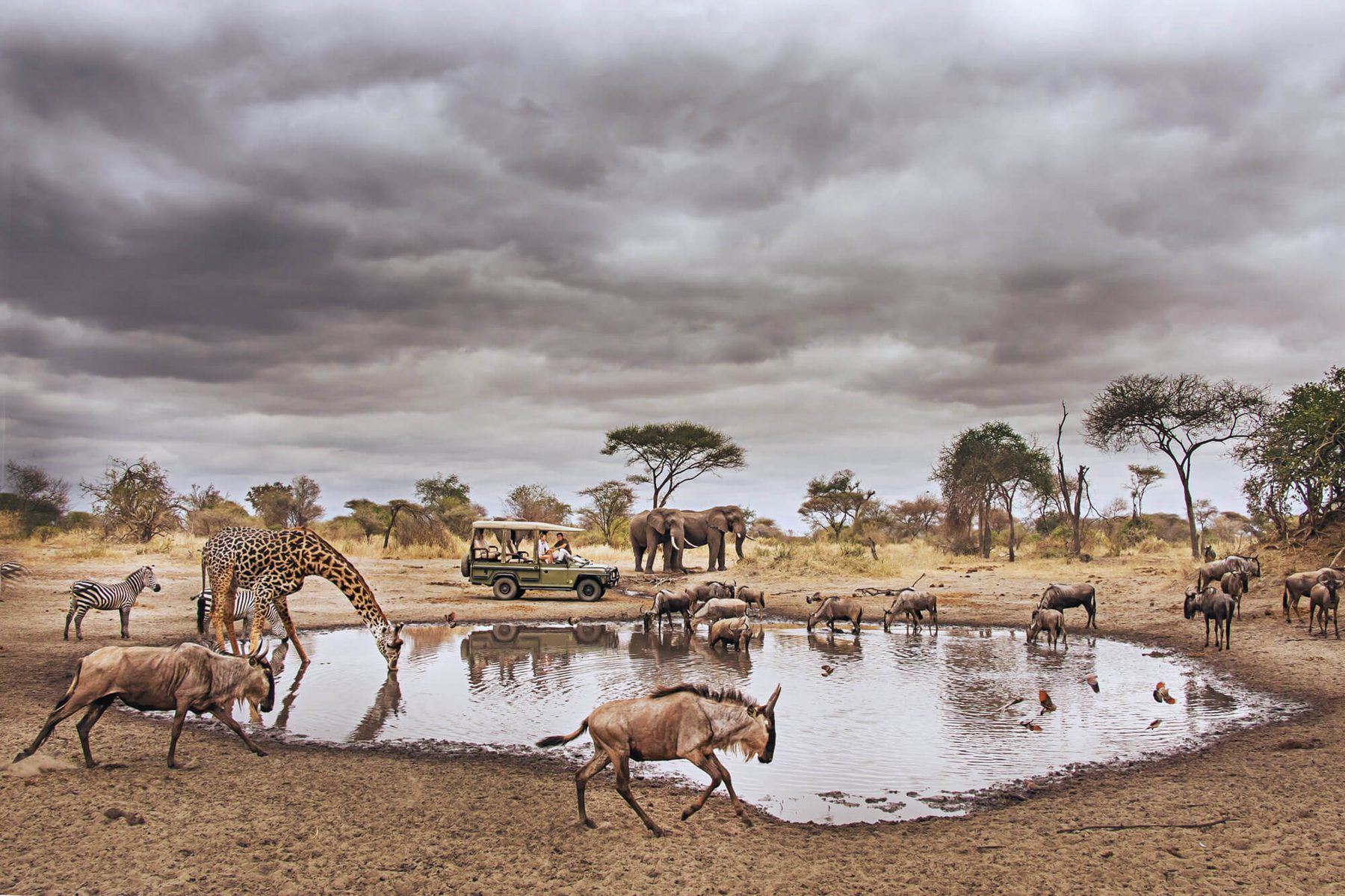
Tarangire is known for elephants and baobabs, and here you really spend time with the giants. You can be surrounded by 30 or 40 male elephants — calm, grounded, curious. That energy is incredible.
Q8: You’re credited with coining the term “Slow Safari.” What does it mean to you?
Yes, I was the first one who used Slow Safari. And I got a lot of criticism. People said slow means boring, but slow is not negative. Safari is so much more than chasing animals. It’s about being in nature — feeling it, breathing it, listening to it. You don’t need a science class in a vehicle all day. But I believe people are changing. Many guests have been on safari before. Now they want space, healing, time.
Q9: National Geographic recognized your wellness program. Congratulations! Tell us about it.
It all started with Slow Safari. Nature grounded me during very difficult years. I’m convinced that being in nature heals you. Our wellness isn’t about spas or ice plunges. Our asset is the wilderness. We focus on our Ponya menu [the Swahili word for “heal”] — healing food using moringa, baobab, wild ingredients. We offer health shots inspired by Maasai traditions and calming herbal teas at night.
One of my favorite experiences is the silent walk. Guests walk quietly to Lake Manyara, do breathing exercises, burn intentions in a fire, and drink wild sage tea. It gives people space to reflect and it opens a new level of connection between Tanzanian guides and guests.
“Safari isn’t about chasing animals. It’s about being in nature — feeling it, breathing it, listening to it.”
Q10: As a woman in a traditionally male safari world, what has your experience been?
I’m surprised how few women have built something in this industry. Safari hasn’t evolved much, it’s still very traditional. I’ve never had a problem navigating male spaces, but I think fear, domestic violence, and silence around these issues are big problems. Educating women is important, but men should never feel like enemies. Fear makes people smaller. That has to change.
Q11: When you look back, what moment makes you feel, “This is why we did this”?
Seeing the elephants cross, that’s one. But also seeing changes in the communities and for women. Sometimes I think, how did I do all that? I never imagined being here. I’m learning now to sit down and appreciate it — but I still believe we can always do better.